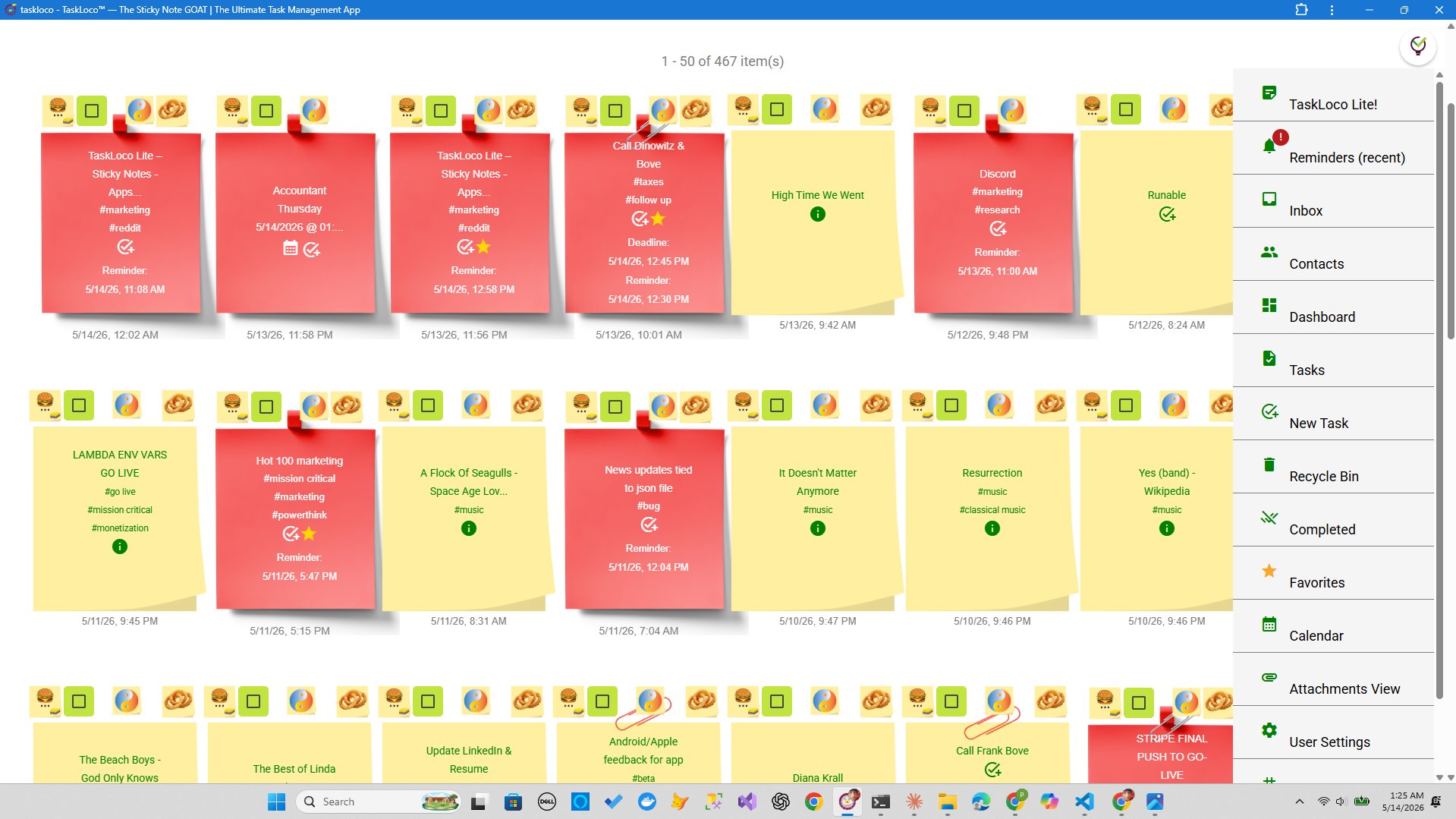
Most people who try Getting Things Done eventually admit the same thing: the weekly review is the practice they skip most. Not because they don't believe in it — they do. They skip it because it feels like a big, sprawling obligation with no clear start or finish, and after a couple of missed weeks the backlog grows until the whole system feels broken. That feeling isn't a character flaw. It's a design problem.
David Allen called the weekly review the 'critical success factor' for GTD. That's a strong claim, but it holds up. Without a regular review, your lists go stale, your capture buckets overflow, and the system you built to relieve mental pressure starts creating more of it. This page explains what the weekly review actually is, why it works neurologically and practically, where it typically fails, and how to build one short enough that you'll finish it.
What the GTD Weekly Review Actually Is
Getting Things Done, David Allen's methodology first published in 2001, is built on one foundational premise: your brain is a terrible storage device but an excellent processor. The system works by externalizing every open loop — every commitment, idea, task, and nagging 'I should really...' — into a trusted system outside your head. The weekly review is the maintenance ritual that keeps that system trustworthy.
In Allen's framework, the weekly review has three phases: Get Clear, Get Current, and Get Creative. Get Clear means emptying every capture bucket — your inboxes, notebooks, voice memos, loose papers, and anywhere else things land during the week. Get Current means reviewing every active project list, next-action list, waiting-for list, and calendar to confirm nothing has slipped or become irrelevant. Get Creative is the elevated part: once your system is clean, you have the mental space to think about bigger goals, new opportunities, and what you actually want to be working on.
The canonical weekly review checklist from Allen's book runs to roughly 18 steps. That length intimidates people, but most of those steps are very fast once you have a functioning system. The real time sink — and the real purpose — is the capture processing and project review, which together might take 30 to 90 minutes depending on how busy your week was.
Why It Works — and Why It So Often Doesn't
The psychological theory behind GTD's weekly review draws on what Allen calls the 'Zeigarnik effect' — a well-documented cognitive phenomenon where uncompleted tasks occupy working memory until they are either finished or parked in a system you trust to remind you at the right time. When your capture system is stale, your brain correctly concludes it can't trust the system and starts doing the tracking itself again. That re-internalization is exactly what GTD is designed to prevent. A current, reviewed system gives your brain permission to let go.
The weekly review works when two conditions are met: the system is simple enough that reviewing it doesn't feel like a chore in itself, and the review happens on a predictable schedule. Allen recommends anchoring it to a specific time and place — Friday afternoon and a quiet corner of a coffee shop is a classic setup — because ritualization reduces the decision-cost of starting. When 'weekly review' is just a vague intention it competes with every other urgent thing; when it's a blocked calendar appointment with a consistent location, it becomes automatic.
Where the weekly review breaks down is almost always one of three failure modes. System complexity: if your tool requires navigating multiple apps, deeply nested project hierarchies, or lengthy loading times, the review feels punishing and gets skipped. Scope creep: people try to do their quarterly planning, their next-week scheduling, and their weekly review all in one session, and the session becomes four hours long and unsustainable. Inconsistent capture: if you're not capturing into a consistent set of inboxes all week, the review starts with archaeology instead of processing, which is exhausting.
There's also a subtler failure: treating the weekly review as optional once things feel 'under control.' That feeling is usually produced by the review itself — and disappears within two weeks of skipping it. The review is what creates the feeling of control, not the other way around.
Building a Weekly Review You'll Actually Finish
The key insight most GTD guides miss is that a weekly review you finish in 30 minutes is infinitely more valuable than a thorough 90-minute review you skip. Start with the minimum viable version and let it grow from there. A lean but complete weekly review has four non-negotiable steps: process your capture inboxes to zero, review your calendar for the past week and the next two weeks, review your active projects list and confirm there's a next action on each one, and review your waiting-for list to flag anything that needs a follow-up.
Everything else in the canonical checklist — reviewing someday/maybe lists, higher-altitude goals, areas of focus — is valuable but skippable in weeks when time is short. The four steps above are the core. Do those four things every week and your system stays functional. Add the rest when you have a full hour and the inclination.
A few practical techniques that help the review actually happen:
- Time-box it hard. Set a 45-minute timer. When it goes off, the review is done — even if you didn't finish everything. A partial review is better than no review, and time-boxing trains you to move faster through the steps.
- Use a checklist, not memory. The steps should be written down and in front of you, not recalled from habit. This keeps the session from drifting and gives you the dopamine hit of checking things off as you go.
- Process capture before reviewing projects. New captures often resolve or change existing projects. Processing first saves you from reviewing a project that's already been superseded by something in your inbox.
- Separate the review from the planning. The weekly review is not the time to plan next week in detail. That planning is a separate, shorter session that happens after the review — or the following Monday morning. Mixing them inflates the review into something daunting.
How TaskLoco Supports the Weekly Review Habit
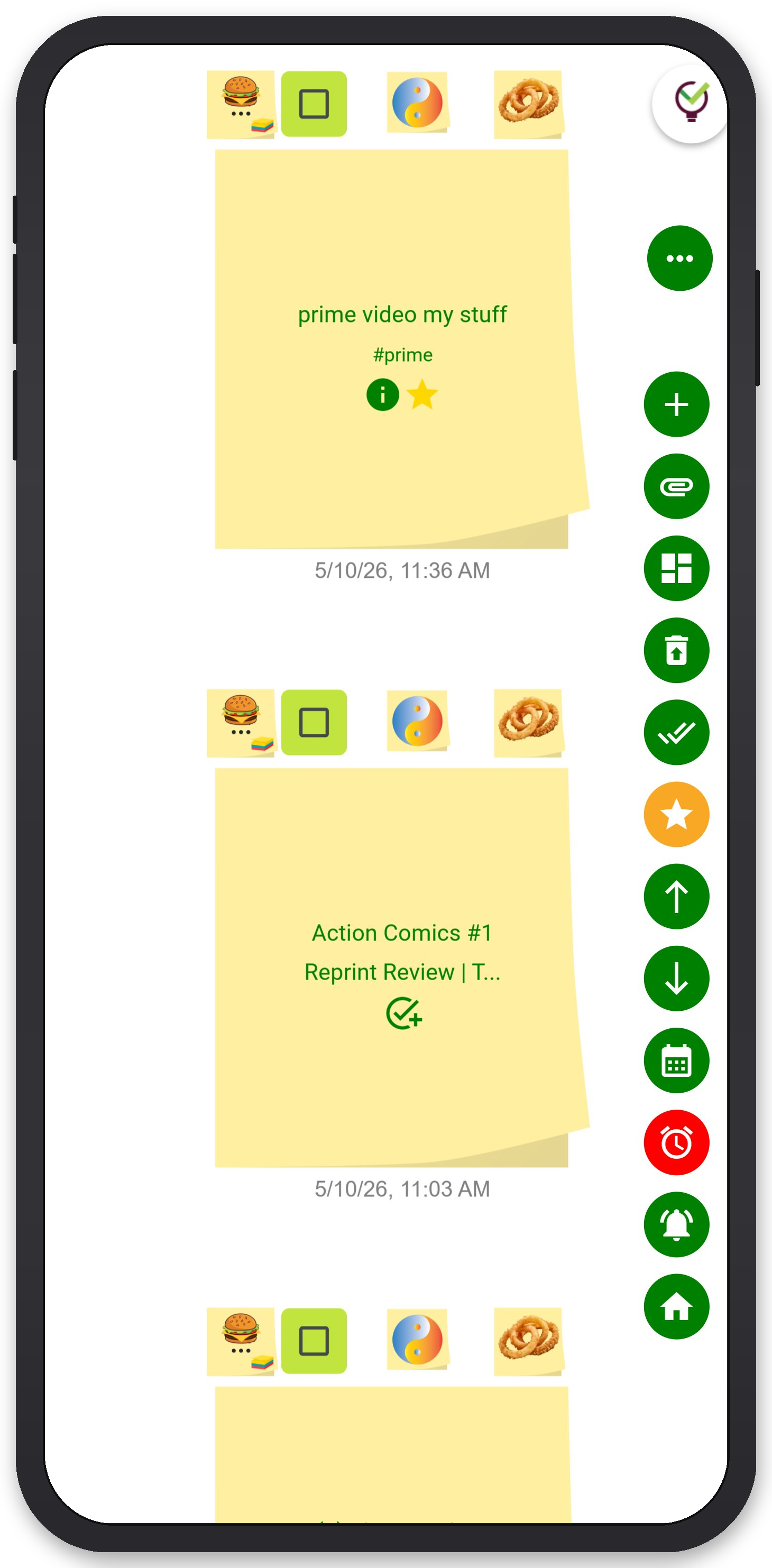
TaskLoco was built around the sticky note — the oldest and still most intuitive capture tool — extended with the structure that makes GTD actually work. The weekly review habit fits naturally into TaskLoco Premium because the system is designed to stay simple no matter how much you put into it. There are no nested project folders to navigate, no complicated permission hierarchies to think through. Your notes are your notes.
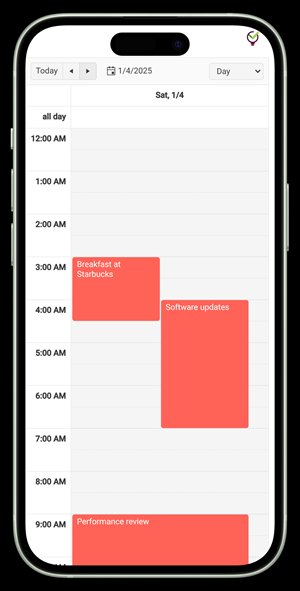
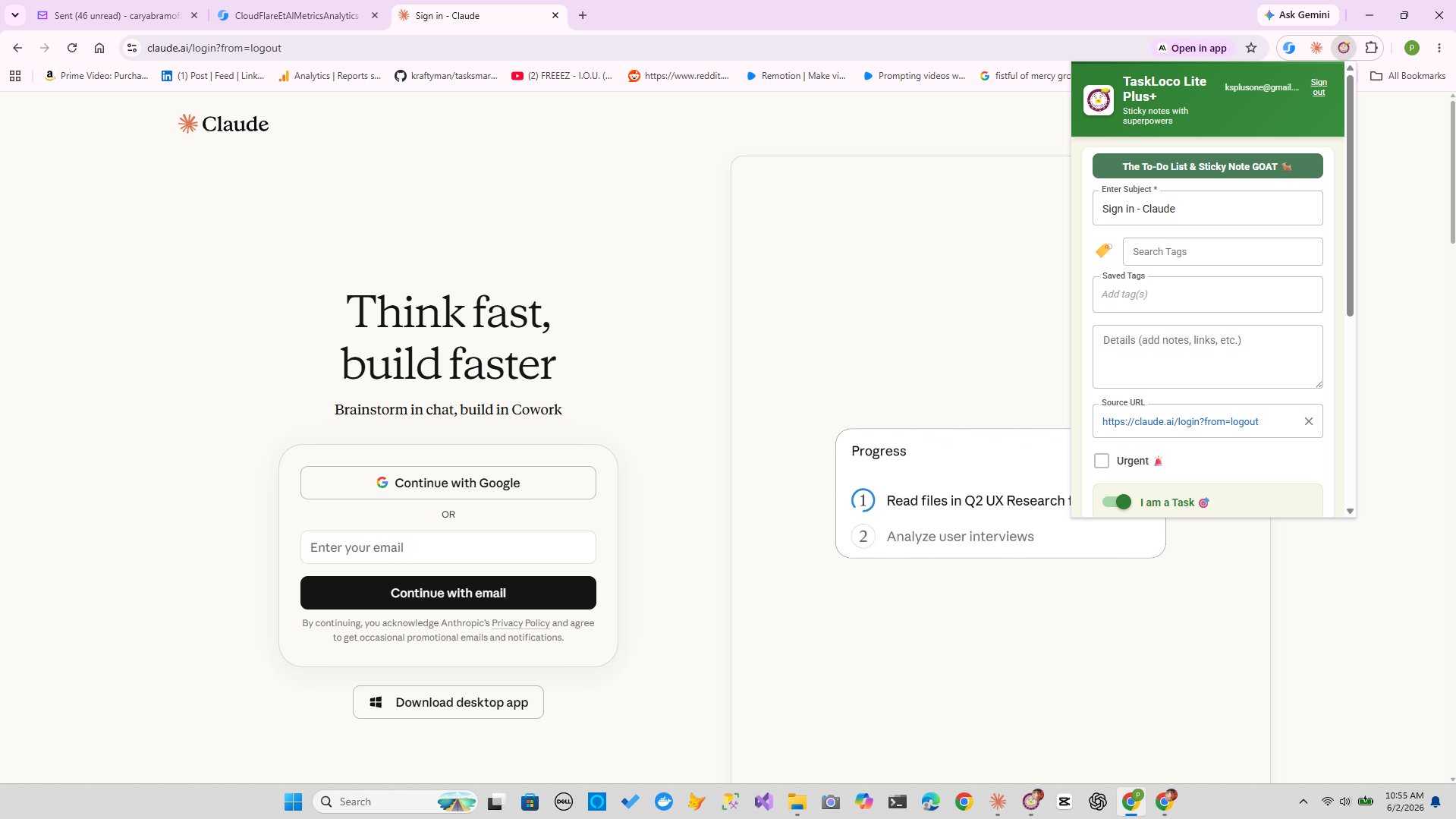
For the weekly review specifically, a few things stand out. Reminders in TaskLoco are delivered as push notifications directly to your phone and computer, and each reminder deep-links back to the original note — so when Friday afternoon's review reminder fires, one tap takes you directly to your weekly review checklist note, not to a home screen where you have to go find it. Optional email and SMS notifications are available as additional channels. The Chrome extension lets you capture anything from the web in one click during the week, so your inbox stays consistent. And team sharing works the way email does — a shared note can be cloned by the recipient and made their own — which matters when you're reviewing waiting-for items that depend on colleagues.
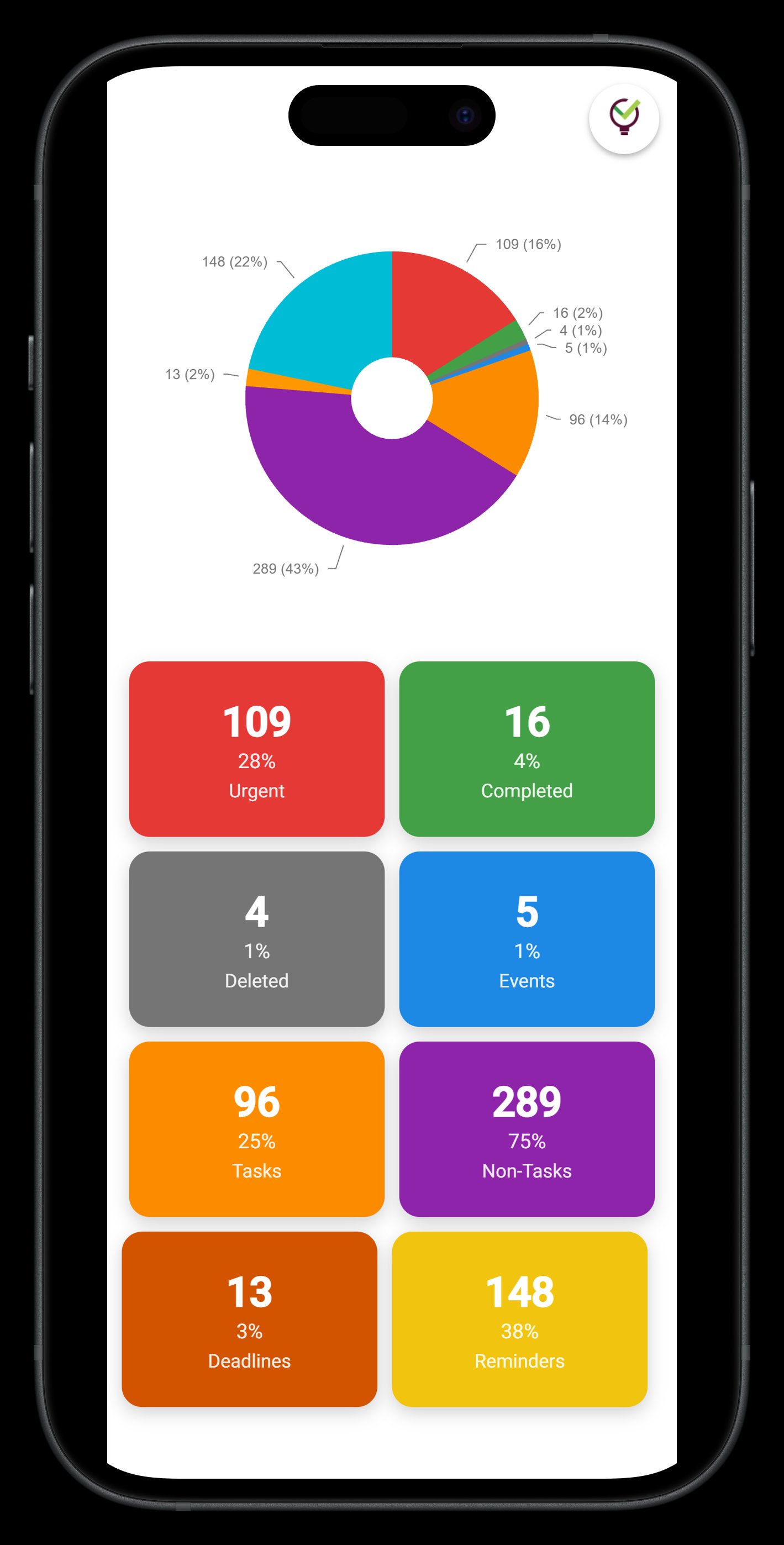
TaskLoco Lite (the free native iPhone and Android app) is a good starting point for learning the capture habit — it's anonymous, requires no sign-in, and stores up to 20 notes on your device. For a full GTD weekly review with unlimited notes, reminders, file attachments, and calendar view, TaskLoco Premium is the tier that covers the whole practice.

TaskLoco Premium is regularly $9.99/month per person. Right now, charter members can lock in 50% off the regular price — forever. That means $4.99/month per person today. And if our price ever goes up, you still pay half. Always.
Code CHARTER50 auto-applies at checkout. First 500 spots only — once they're gone, this offer is gone permanently. Act fast while spots last.
Every Premium subscription includes unlimited notes, 10GB file storage, reminders, calendar, and team sharing. Each team member requires a separate subscription. 7-day free trial — no charge until day 8. Cancel anytime.
Free Options: TaskLoco
TaskLoco Lite
- Native iPhone & Android app
- Completely anonymous — no sign-in
- Data stays on your device
- Up to 20 notes
- Free forever
TaskLoco Lite Plus+
- Web app + Chrome extension
- Sign in with Google
- Wall syncs across all devices
- Up to 30 notes
- Free forever
Lock In 50% Off — Forever
7-day free trial. No charge until day 8. CHARTER50 auto-applies at checkout.
🔒 Lock In My Charter SpotSee TaskLoco in Action
Frequently Asked Questions
How long should a GTD weekly review take?
For most people with an active GTD system, 30 to 60 minutes is the realistic range. Allen's canonical checklist can stretch to 90 minutes, but that length is what causes people to skip it. A time-boxed 30-minute review that covers the four core steps — process inboxes, review calendar, review projects list, review waiting-for list — is more valuable than a thorough review that never happens. As your system matures and your capture becomes more consistent, the review typically gets faster, not slower.
What are the three phases of the GTD weekly review?
David Allen defines the three phases as Get Clear, Get Current, and Get Creative. Get Clear means emptying all your capture inboxes — physical and digital — to zero. Get Current means reviewing your calendar, project lists, next-action lists, and waiting-for list to make sure everything is up to date and nothing has been dropped. Get Creative is the elevated phase: with a clean system, you have mental space to think about bigger goals, new projects, and where you want your life and work to go. Most people spend the majority of their review time in the first two phases.
What is the Zeigarnik effect and how does it relate to GTD?
The Zeigarnik effect is a psychological phenomenon, documented by researcher Bluma Zeigarnik in the 1920s, where uncompleted tasks stay active in working memory and demand ongoing cognitive attention. David Allen's insight was that this mental overhead persists whether you act on the task or not — but it disappears if you park the task in an external system you genuinely trust to remind you at the right time. The weekly review is what keeps that system trustworthy. A stale system means your brain correctly concludes it can't rely on your lists, and starts tracking everything internally again — which is precisely the cognitive burden GTD is designed to eliminate.
Why do most people fail at the GTD weekly review?
The three most common failure modes are system complexity, scope creep, and inconsistent capture. If your tool is difficult to navigate, the review feels punishing and gets deprioritized. If you try to combine the weekly review with quarterly planning and next-week scheduling all in one session, the session becomes unsustainably long. And if you've been capturing into multiple inconsistent inboxes during the week, the review starts with archaeology instead of processing, which is exhausting. The solution to all three is to simplify: one capture inbox, a clear time limit for the review, and a strict separation between reviewing the system and planning what to do next.
What is the minimum viable GTD weekly review?
The four steps you cannot skip, even in a short week: (1) process all capture inboxes to zero, (2) review your calendar for the past week and the next two weeks to catch anything you missed or need to prepare for, (3) review your active projects list and confirm there is a clear next action on every project, and (4) review your waiting-for list and flag any items that need a follow-up. Everything else in the full checklist — someday/maybe lists, areas of focus, higher-altitude goals — is valuable but optional when time is short. Do these four things every week and your system stays functional.
When is the best time to do a GTD weekly review?
Allen recommends anchoring the review to a consistent time and place so it becomes automatic rather than a recurring decision. Friday afternoon is a popular choice because it lets you close out the week cleanly, but many people prefer Thursday so they have a buffer if something runs long, or Monday morning to set up the week ahead. The specific day matters less than the consistency. Blocking it on your calendar as a recurring appointment — and treating it as non-negotiable as a client meeting — is the single most reliable way to make it stick.
How does TaskLoco help with a GTD weekly review?
TaskLoco Premium supports the weekly review in a few concrete ways. Reminders fire as push notifications directly to your phone and computer, and each reminder deep-links back to the original note �� so your Friday review reminder takes you straight to your checklist, not to a home screen. The Chrome extension makes consistent capture throughout the week fast enough that it actually happens. Unlimited notes mean you never have to choose which projects to track, and the calendar view keeps your two-week horizon visible during the review. $9.99/month per person (currently $4.99/month per person for first 500 charter members with code CHARTER50)
Born in Brooklyn. Powered by AWS. Your data stays yours.
TaskLoco is available on iPhone, Android, Chrome, and every web browser.