Nobody warns you that the breast pump insurance call and the pediatrician interview and the hospital pre-registration all need to happen before week 36. Or that you'll want a car seat installed and inspected two weeks before your due date, not two days. The standard baby checklists floating around the internet tell you to buy a crib and stock up on diapers. They rarely tell you what to do with the 47 other things that will suddenly need doing at once.
This checklist is built around what parents actually forget — the insurance calls, the freezer meals, the postpartum pharmacy run, the things that surface at 2am when you're already exhausted. It's organized by trimester and then by the weeks after birth, because timing matters as much as the tasks themselves. And because a list you can't track is just a list you'll lose, each section includes how to capture, organize, and get reminded of these tasks in a way that actually sticks.
What Makes a Baby Checklist Actually Useful
A baby checklist fails in one of two ways: it's too generic to be actionable, or it's so exhaustive that you freeze trying to read it. The best ones do three things well.
1. They're time-anchored. Knowing you need a pediatrician before birth doesn't help if you don't know you should start interviewing in your second trimester. Effective checklists attach tasks to windows — not just categories.
2. They separate one-time purchases from ongoing tasks. Buying a swaddle is a one-time decision. Scheduling postpartum check-ins, coordinating parental leave paperwork, setting up automatic diaper delivery — those are recurring or multi-step tasks that need tracking differently than a shopping list item.
3. They account for who does what. When two people are preparing for a baby, the checklist needs to be shared and assigned — not just texted back and forth and inevitably lost. Even solo parents benefit from being able to share specific tasks with a partner, parent, or friend who has offered to help.
The Trimester-by-Trimester Checklist (Including What Everyone Forgets)
First Trimester
- Confirm pregnancy with OB and schedule first prenatal appointment
- Notify insurance — confirm maternity coverage, deductibles, and out-of-pocket maximums
- Start prenatal vitamins with folic acid (if you haven't already)
- Begin researching birthing options: hospital, birth center, home birth
- Check your employer's parental leave policy — start understanding what documentation you'll need and when to submit it
- If you have other children or pets, start thinking about care plans for delivery day
Second Trimester (the planning window people underestimate)
- Start interviewing pediatricians — most want to meet before the baby arrives, and popular practices fill up fast
- Register at a hospital or birth center; complete pre-registration paperwork if available
- Research and select a childbirth class; many book out 6–8 weeks in advance
- Begin your baby registry — but don't just add gear. Add the things people don't think to buy you: gas drops, nipple cream, nursing pads, a good nursing bra, a postpartum recovery kit
- Research breast pump options and submit your insurance claim — most plans cover one fully, but you have to request it
- Set up a college savings account or at least research 529 options
- Draft or update your will and designate a guardian
- Look into cord blood banking if it's something you want to consider — the window to decide is before delivery
Third Trimester (weeks 28–36: the crunch)
- Install and inspect your car seat — many fire stations and certified technicians offer free checks, but they require appointments
- Pack your hospital bag by week 36, not week 39
- Set up the nursery — furniture, monitor, white noise machine, blackout curtains
- Wash all baby clothes, swaddles, and bedding with fragrance-free detergent
- Pre-register at the hospital if you haven't already
- Tour the labor and delivery unit
- Write out your birth preferences (not a rigid plan — a communication tool)
- Freeze meals. More than you think. Two weeks of dinners minimum.
- Arrange postpartum help: who's coming, when, for how long, and what they'll actually do (hint: dishes and laundry, not holding the baby)
- Notify your employer of your leave start date in writing
- Pre-fill postpartum medications with your pharmacy: stool softeners, pain relievers, peri bottle. Don't wait until you're home from the hospital.
- Download your hospital's app or patient portal and set up your account
- Create a contact list for delivery day — who to call, in what order, and who NOT to call until you're ready
The First Four Weeks: What Nobody Prepares You For
The baby prep lists stop at birth. But the first four weeks postpartum are operationally dense in a way that catches almost everyone off guard — especially because you're running on no sleep.
Before you leave the hospital:
- Make sure you have the pediatrician's after-hours number — not just the main office line
- Get clear discharge instructions and ask what symptoms mean calling vs. going to urgent care vs. going back to the ER
- Request a lactation consultant visit if breastfeeding — before you go home, not after you're struggling at 3am
- Confirm your postpartum follow-up appointment is scheduled (typically 6 weeks, but some OBs now do 2-week checks too)
Week 1 at home:
- Apply for the birth certificate — usually initiated at the hospital, but confirm it was submitted
- Add the baby to your health insurance within 30 days of birth (in most plans, this is a hard deadline)
- Set up automatic tracking for feeding, sleep, and diapers if you want data for pediatrician visits — many parents use a notebook, an app, or both
- Confirm who is doing what in the house, explicitly. Verbal agreements made in a sleep-deprived haze don't stick.
Weeks 2–4:
- First pediatrician visit is typically at 2–5 days, then 2 weeks, then 1 month — put all three on the calendar now
- File for Social Security number if the hospital didn't automatically submit one
- Check in with yourself, not just the baby. Postpartum depression and anxiety are common and treatable — knowing the signs matters.
- Start thinking about childcare if you'll need it. Waitlists for quality daycare in many cities are 12–18 months long. Yes, even when your baby is a newborn.
The task that surprises the most parents: thank-you notes. Not the notes themselves — the tracking. Keep a list of who gave what as gifts arrive, or you'll spend a miserable hour three weeks postpartum trying to reconstruct it from memory and Instagram comments.
How TaskLoco Turns a Checklist Into a System That Actually Runs
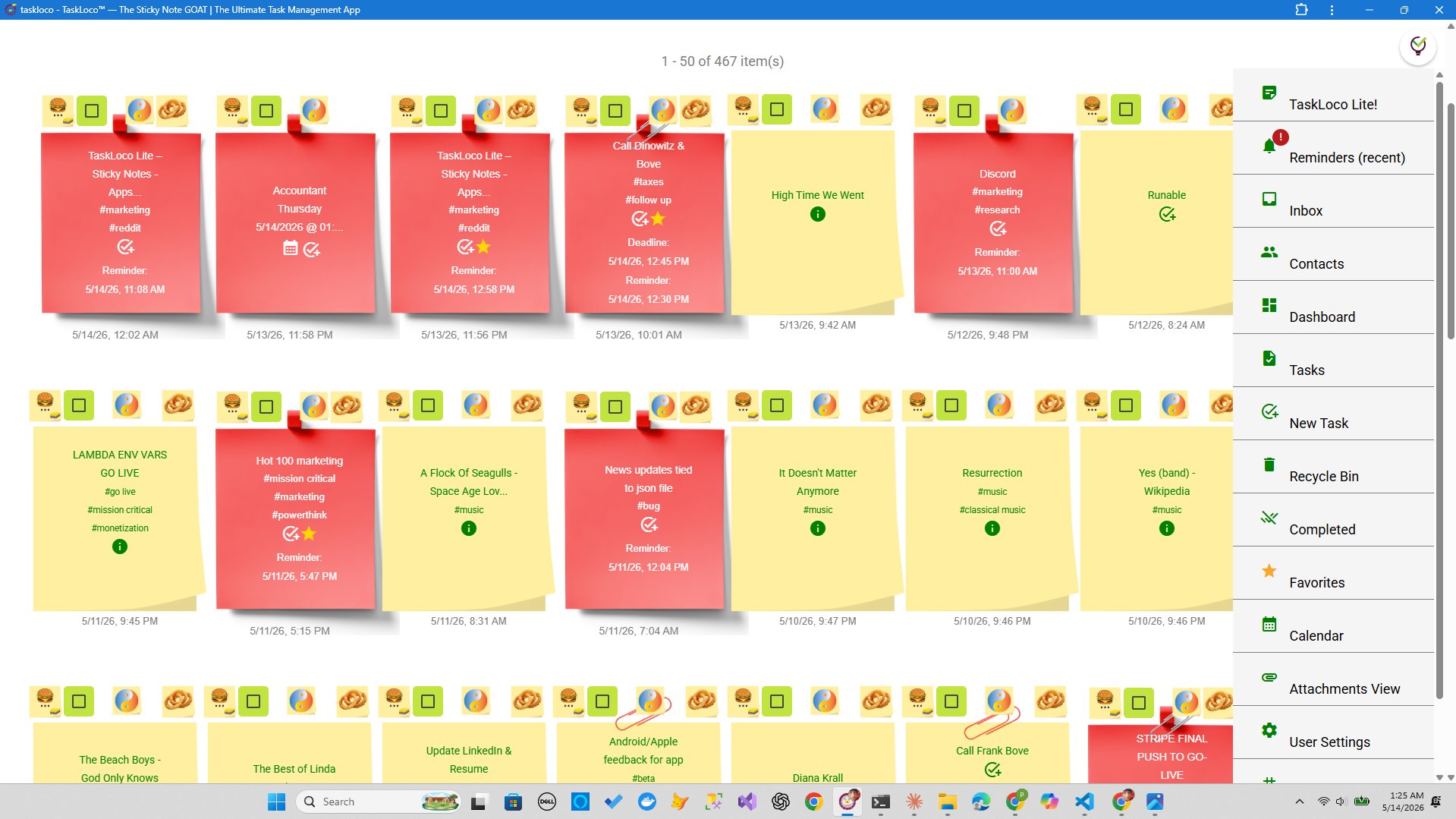
A checklist on paper or in a notes app works fine until it doesn't — until there are 60 items across multiple people and you can no longer tell what's done, what's pending, and what has a deadline that matters. TaskLoco is built around sticky notes, which sounds simple, but the structure it creates for something like baby prep is surprisingly effective.
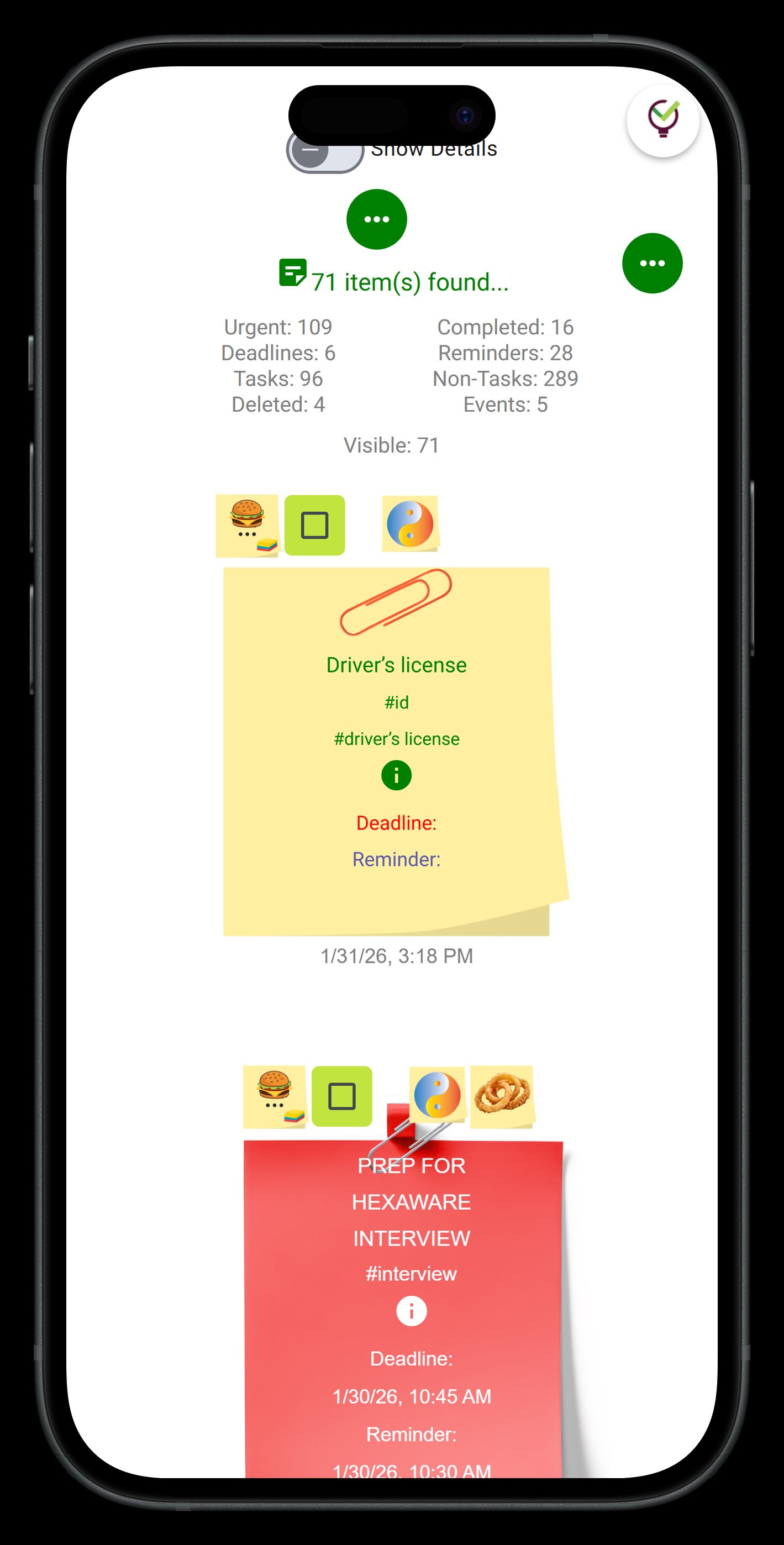
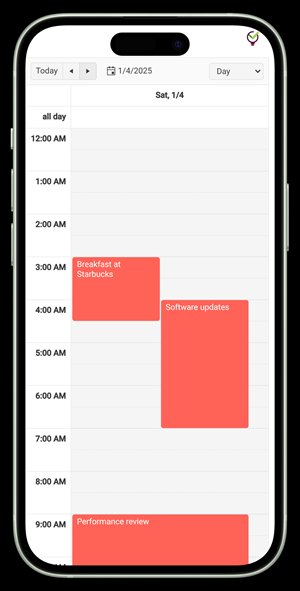
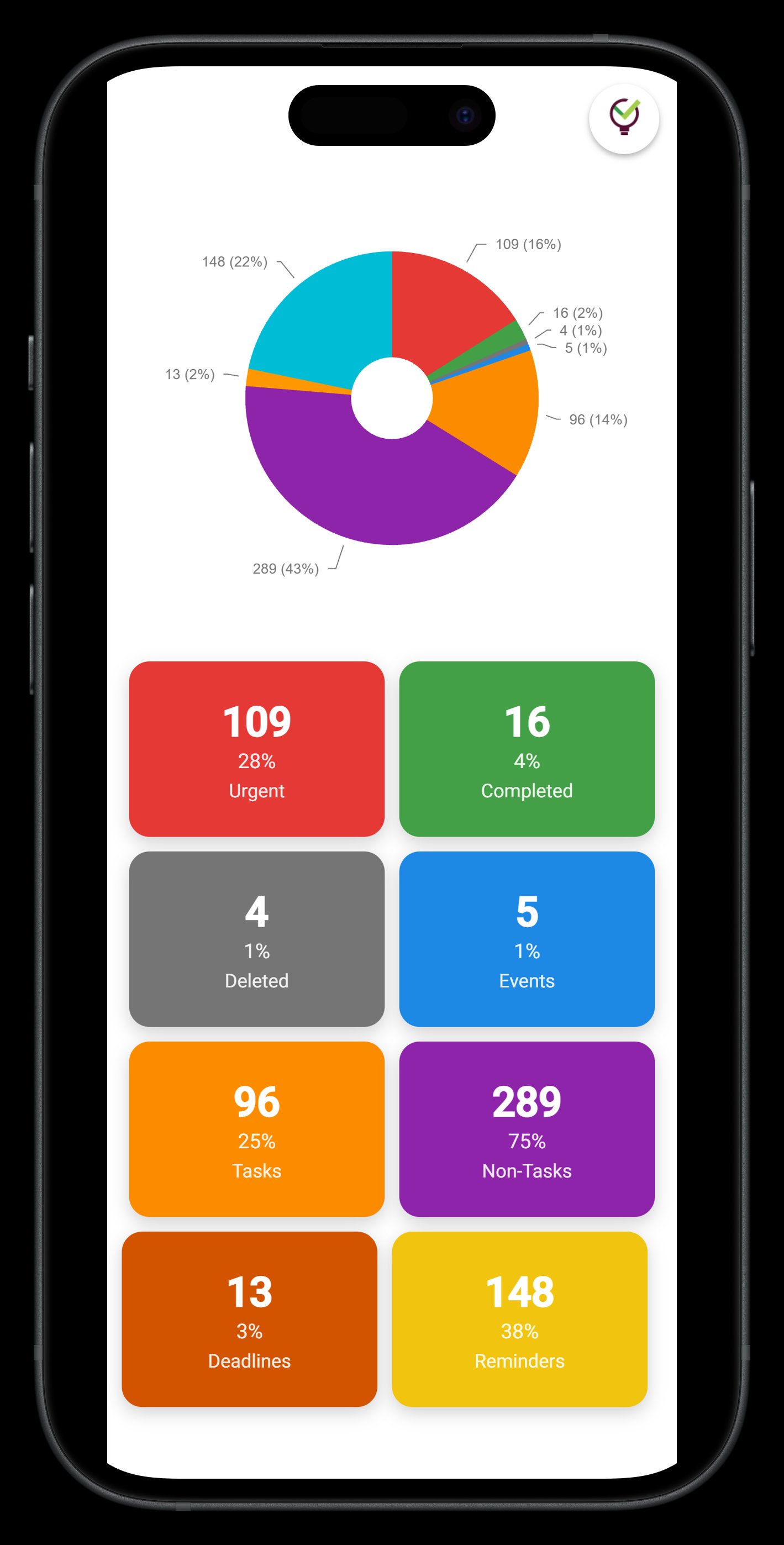
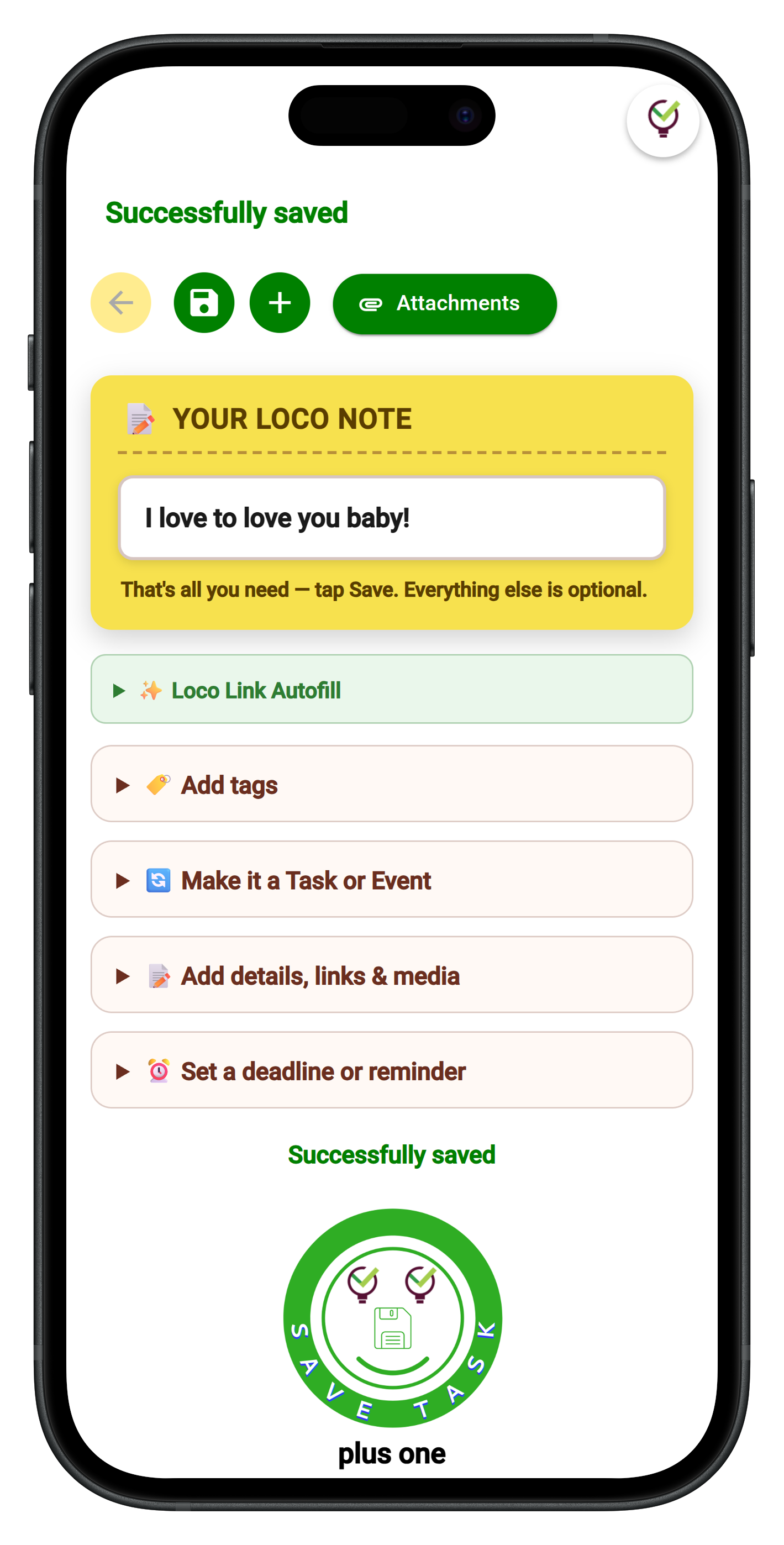
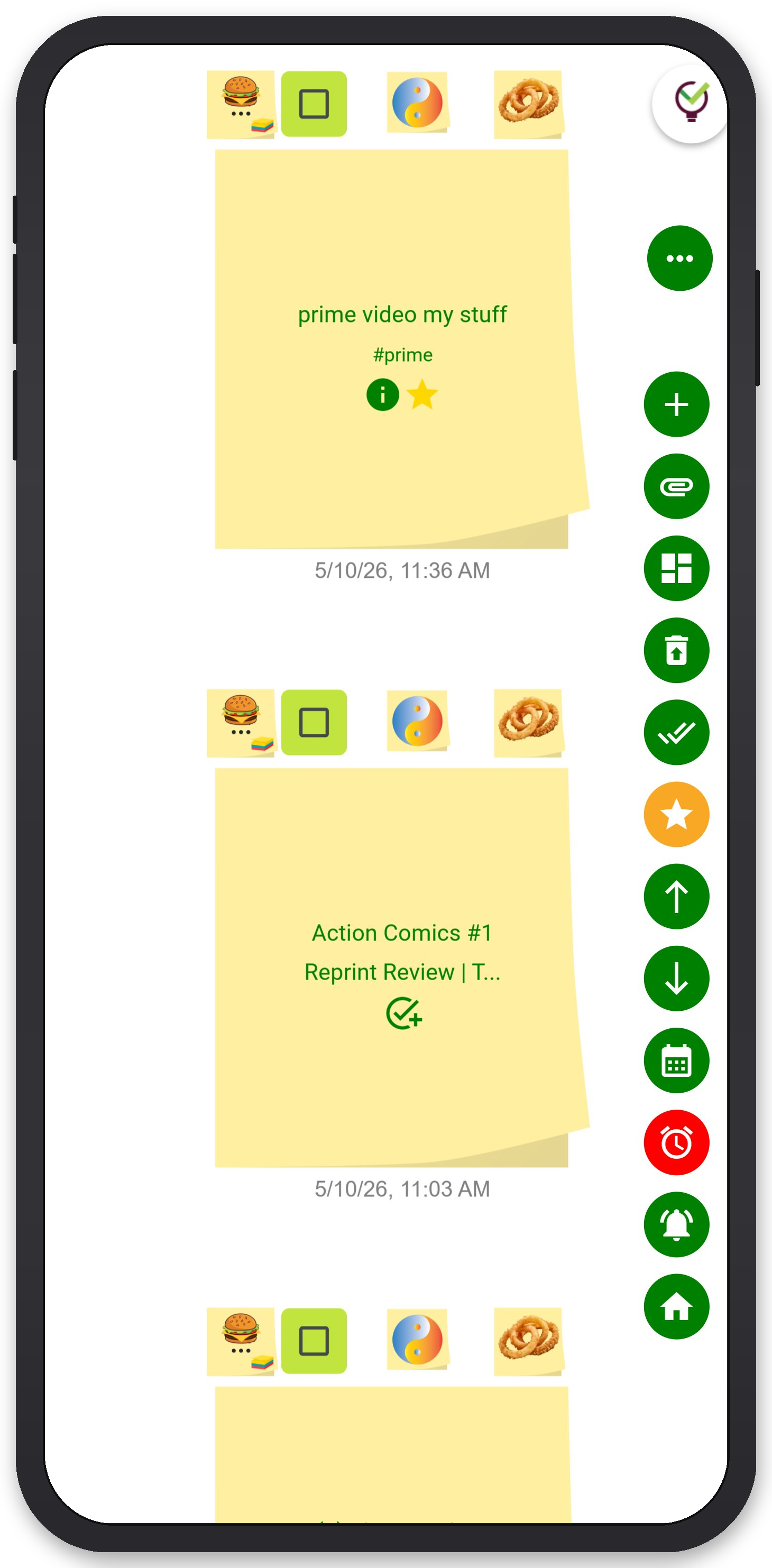
The core idea: one note per zone of responsibility. A nursery note, a hospital bag note, a paperwork note, a postpartum care note, a gift tracking note. Each one lives on your wall — a visual board you can scan at a glance — and each one can hold as many tasks as you need. When a task has a deadline, you add a reminder. That reminder arrives as a push notification on your phone and computer, with a direct link back to the note it came from. You tap it and you're looking at the exact task — not hunting through a list.
When you're preparing with a partner, TaskLoco's team sharing works the way email attachments should have always worked: share a note and the recipient can clone it as their own, making it fully theirs to edit and track without tangled permissions or access levels. Your partner gets their own copy of the hospital bag checklist. You both know what's done.
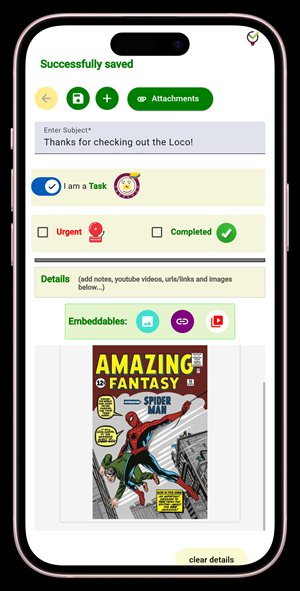
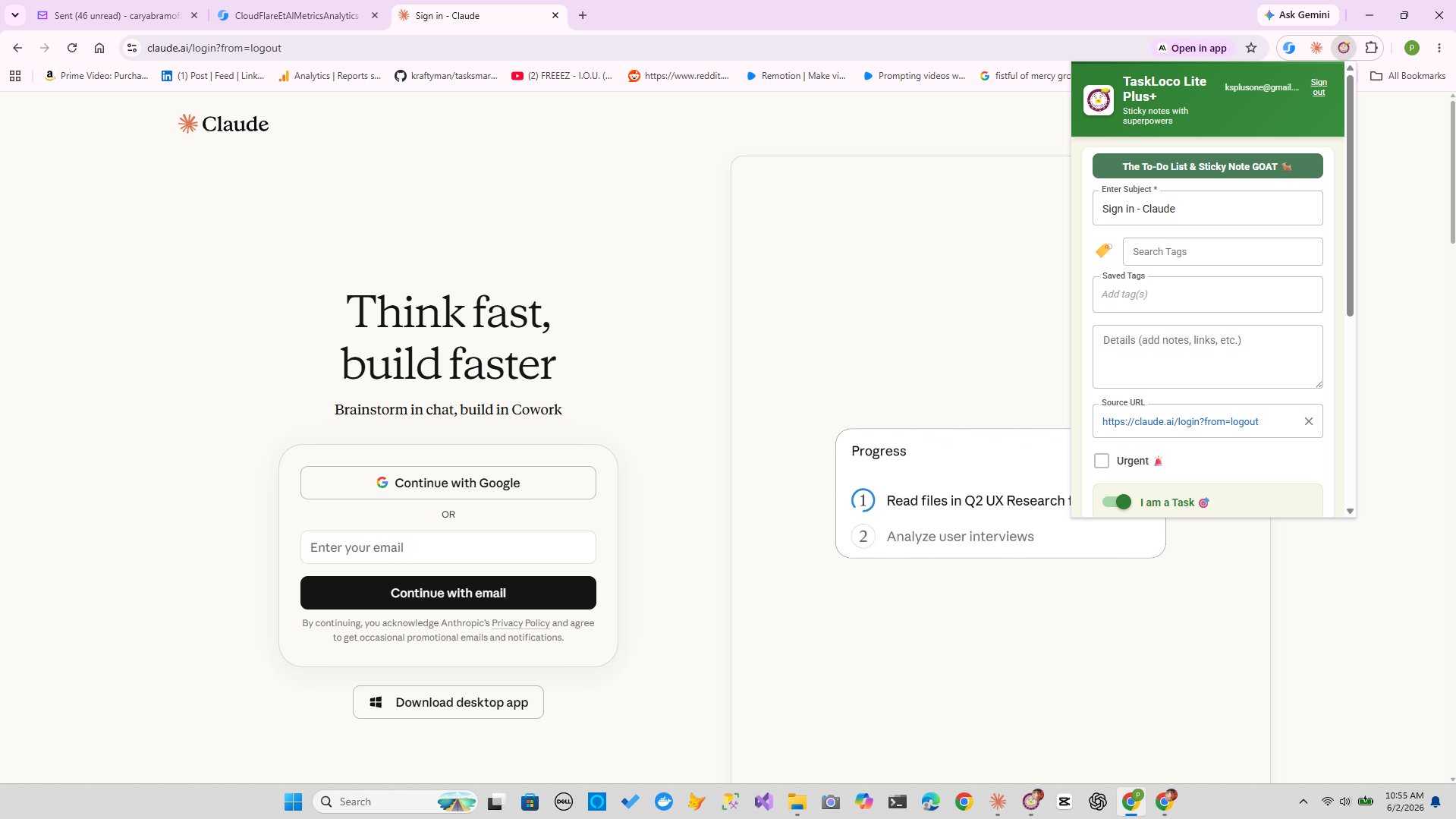
The Chrome extension is genuinely useful for baby prep research. Find a car seat review, a pediatrician's website, a birth center's FAQ — clip it into a note with one click. No copying and pasting URLs into a running doc that becomes unreadable by week 32.
TaskLoco Premium includes 10GB of file storage, so you can attach your insurance documents, birth plan drafts, FMLA forms, and pediatrician intake paperwork directly to the relevant notes. When the nurse at the hospital asks if you have your pre-registration confirmation, it's in the note you already have open.
TaskLoco Premium is regularly $9.99/month per person. Right now, charter members can lock in 50% off the regular price — forever. That means $4.99/month per person today. And if our price ever goes up, you still pay half. Always.
Code CHARTER50 auto-applies at checkout. First 500 spots only — once they're gone, this offer is gone permanently. Act fast while spots last.
Every Premium subscription includes unlimited notes, 10GB file storage, reminders, calendar, and team sharing. Each team member requires a separate subscription. 7-day free trial — no charge until day 8. Cancel anytime.
Free Options: TaskLoco
TaskLoco Lite
- Native iPhone & Android app
- Completely anonymous — no sign-in
- Data stays on your device
- Up to 20 notes
- Free forever
TaskLoco Lite Plus+
- Web app + Chrome extension
- Sign in with Google
- Wall syncs across all devices
- Up to 30 notes
- Free forever
Lock In 50% Off — Forever
7-day free trial. No charge until day 8. CHARTER50 auto-applies at checkout.
🔒 Lock In My Charter SpotSee TaskLoco in Action
Frequently Asked Questions
When should I start a baby checklist?
As early as possible — ideally at the start of your second trimester. Many tasks have longer lead times than people expect: pediatrician interviews, childbirth classes, car seat inspections, and parental leave paperwork all benefit from a 6–8 week runway. The third trimester goes faster than it looks on a calendar.
What's the most commonly forgotten item on a new baby checklist?
FMLA paperwork is probably the single most missed administrative task — it requires your doctor's signature and has strict deadlines, and most people don't think about it until they're deep in the third trimester. Close runners-up: submitting the breast pump insurance claim, adding the baby to health insurance within 30 days of birth, and getting the car seat inspected before the due date instead of after.
What should I put in a hospital bag?
For you: your ID, insurance card, birth preferences document, phone charger, lip balm (labor is dehydrating), a hair tie, comfortable socks, a robe or button-down for skin-to-skin, an outfit for going home, and your postpartum pharmacy items if you want them early. For the baby: one coming-home outfit (bring two sizes), a swaddle or two, and the car seat base already installed in the car. For your support person: snacks, a charger, a change of clothes, and cash for the vending machine at 3am.
Pack by week 36. Not week 39.
How do I share a baby checklist with my partner?
The easiest method is one where your partner gets their own editable copy — not just view access to your list. TaskLoco's sharing works this way: you share a note and your partner clones it as their own, making it fully theirs to check off and update. No one is working off a read-only document or texting updates back and forth. Each person has their own tasks, their own view, and their own reminders.
What paperwork do I need to file after the baby is born?
The most time-sensitive items: add the baby to your health insurance within 30 days of birth (this is a hard deadline in most plans), apply for the birth certificate (usually initiated at the hospital — confirm it was submitted before you leave), and file for a Social Security number if the hospital didn't submit one automatically. After those, update your will and beneficiary designations, and look into a 529 or other savings account.
How do I organize all my baby prep tasks without getting overwhelmed?
Break the list by category rather than trying to hold one giant list. A nursery note, a paperwork note, a hospital bag note, a postpartum care note — each one is manageable on its own. TaskLoco's sticky note wall lets you see all of them at a glance, add reminders to anything with a deadline, and share specific notes with your partner or anyone helping you prepare. Reminders arrive as push notifications that deep-link directly back to the task, so you're never hunting for context when you get the alert.
How much does TaskLoco cost?
$9.99/month per person (currently $4.99/month per person for first 500 charter members with code CHARTER50)
Born in Brooklyn. Powered by AWS. Your data stays yours.
TaskLoco is available on iPhone, Android, Chrome, and every web browser.