Every great copywriter, creative director, and growth marketer has a swipe file. Most of them also have a swipe file problem: the collection grows, retrieval dies, and six months later they're starting from scratch because they can't find the banner ad that inspired them. Saving is the easy part. Building a system that gives things back to you when you need them — that's the actual discipline.
This guide covers what a swipe file really is, the two or three qualities that separate a working swipe file from a digital junk drawer, and how TaskLoco's note-first approach makes it one of the better tools for the job. Whether you're a solo content strategist or a creative team running campaign after campaign, the principles here apply. The tool is secondary. The system is everything.
What to Look for in a Swipe File System
A swipe file is a curated collection of marketing assets — ads, headlines, emails, landing pages, hooks, color palettes, scripts, product descriptions — that you save because they work. The original concept came from print advertising: copywriters literally cut out (swiped) pieces from magazines and kept them in a physical file to study and draw from. The digital version is the same idea, scaled to everything you encounter online.
Who needs one? Anyone who creates persuasive content for a living: copywriters, performance marketers, brand strategists, social media managers, email marketers, creative directors. A swipe file isn't about plagiarism — it's about pattern recognition. When you have 200 high-converting subject lines in front of you, you start to see what actually drives opens. That's the point.
Three criteria actually determine whether a swipe file system is worth using:
- Capture speed. If saving something takes more than five seconds, you won't do it consistently. The best swipe file tools integrate into your browser or phone so the friction of adding is near zero. A tool that requires you to copy-paste into a form you have to open manually will be abandoned within a week.
- Retrievability. This is where most systems fail. A folder of 800 screenshots is not a swipe file — it's a museum with no map. You need full-text search, tags or categories, and ideally the ability to attach context notes to each saved item so Future You understands why Past You saved it.
- Actionability. The best swipe file systems let you do something with what you've saved. That means connecting a saved ad to a live project, attaching a file, or setting a reminder to revisit something when a relevant campaign is coming up. Passive storage is better than nothing; active retrieval is what makes the investment worthwhile.
The Capture Problem (and How to Actually Solve It)
Most swipe file systems collapse at the point of capture. You see a brilliant email subject line in your inbox. You think, 'I'll save that later.' You don't. Or you screenshot it and it disappears into a camera roll with 4,000 other images. Or you bookmark it and the page 404s three months later when you finally go looking.
Fast capture has to be frictionless and contextual. That means saving not just the thing itself, but the context: where you found it, why it works, what you might use it for, what campaign or client it relates to. Without context, a swipe file degrades over time. With it, every saved item compounds in value.
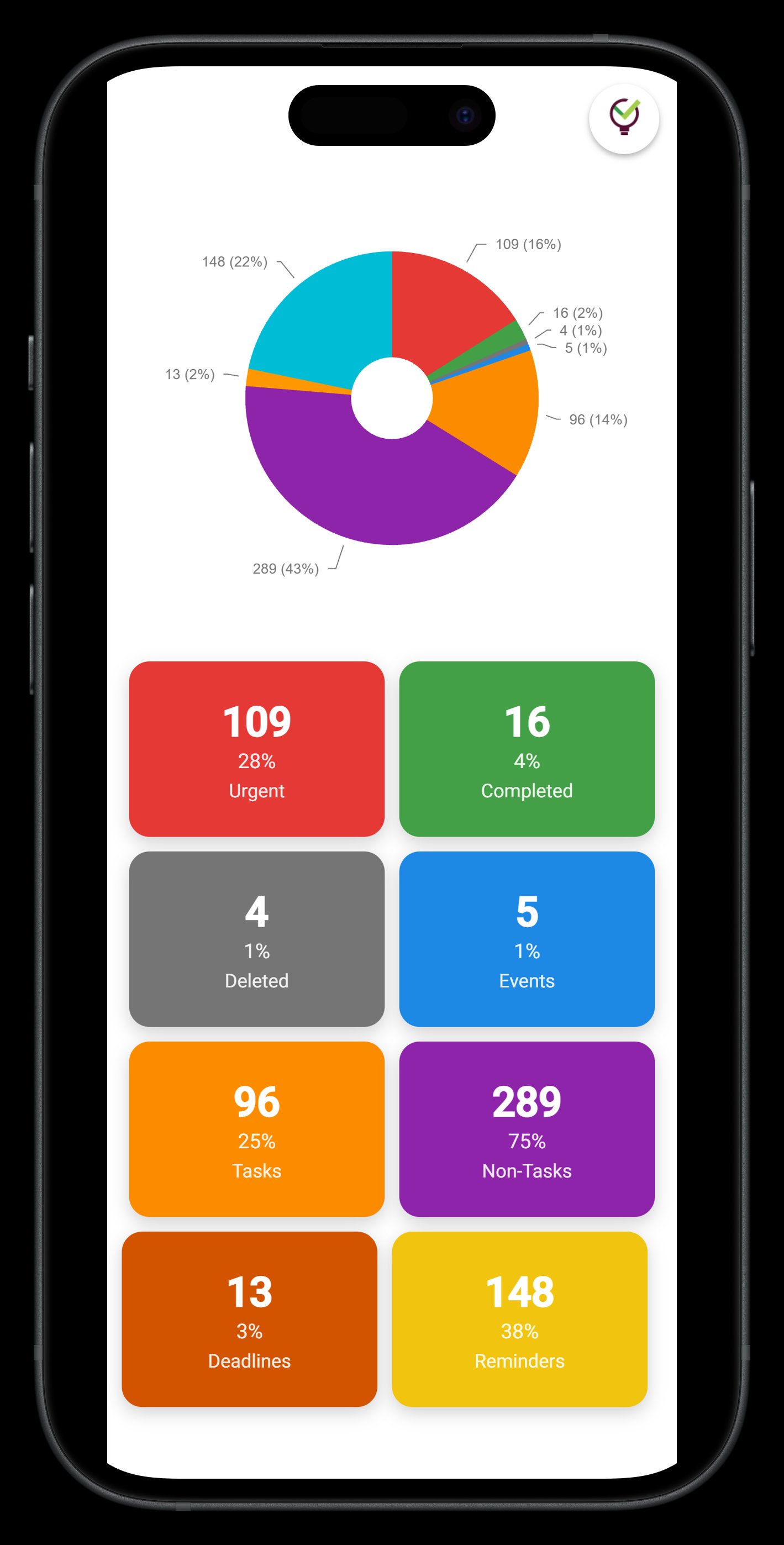
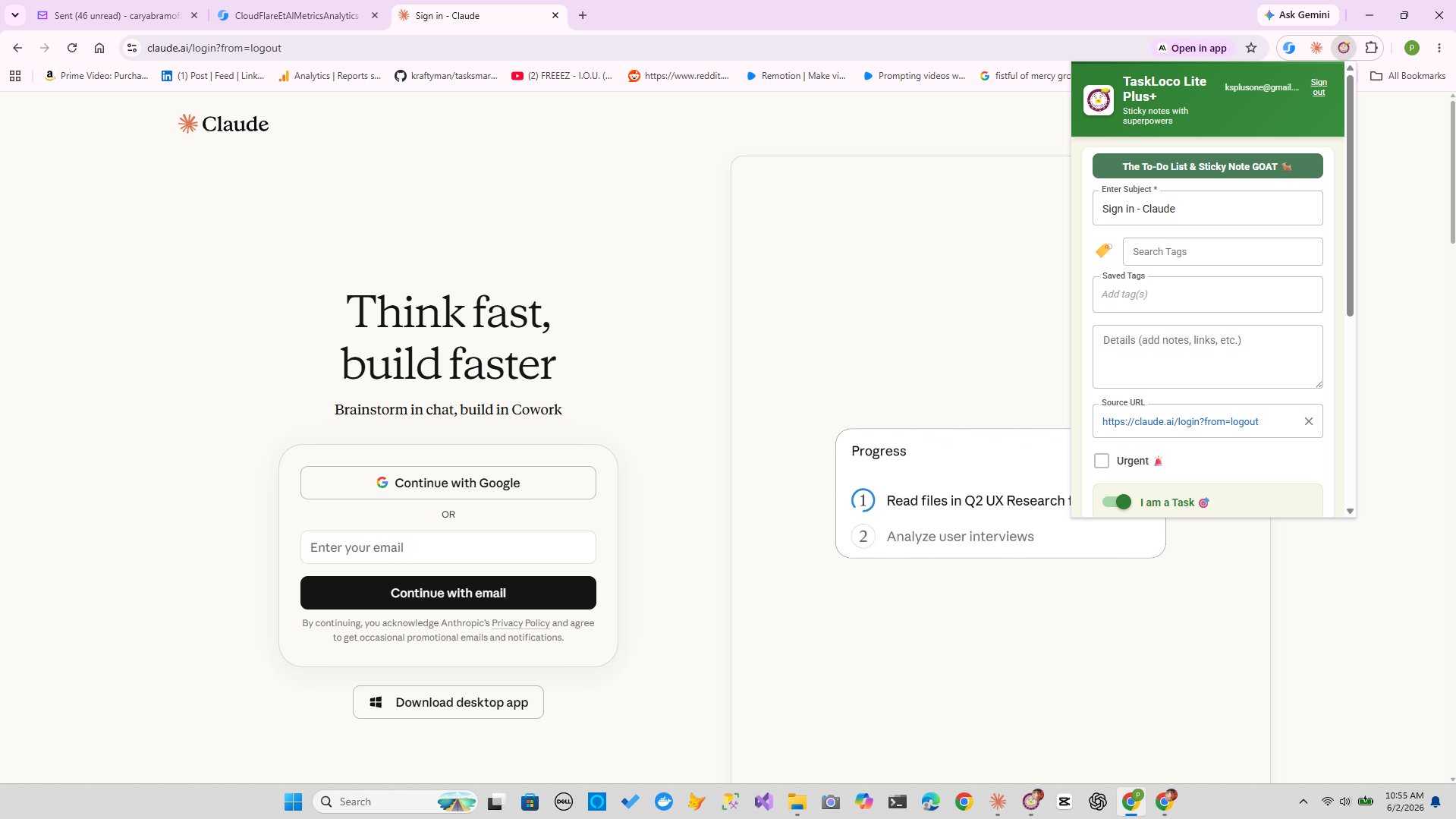
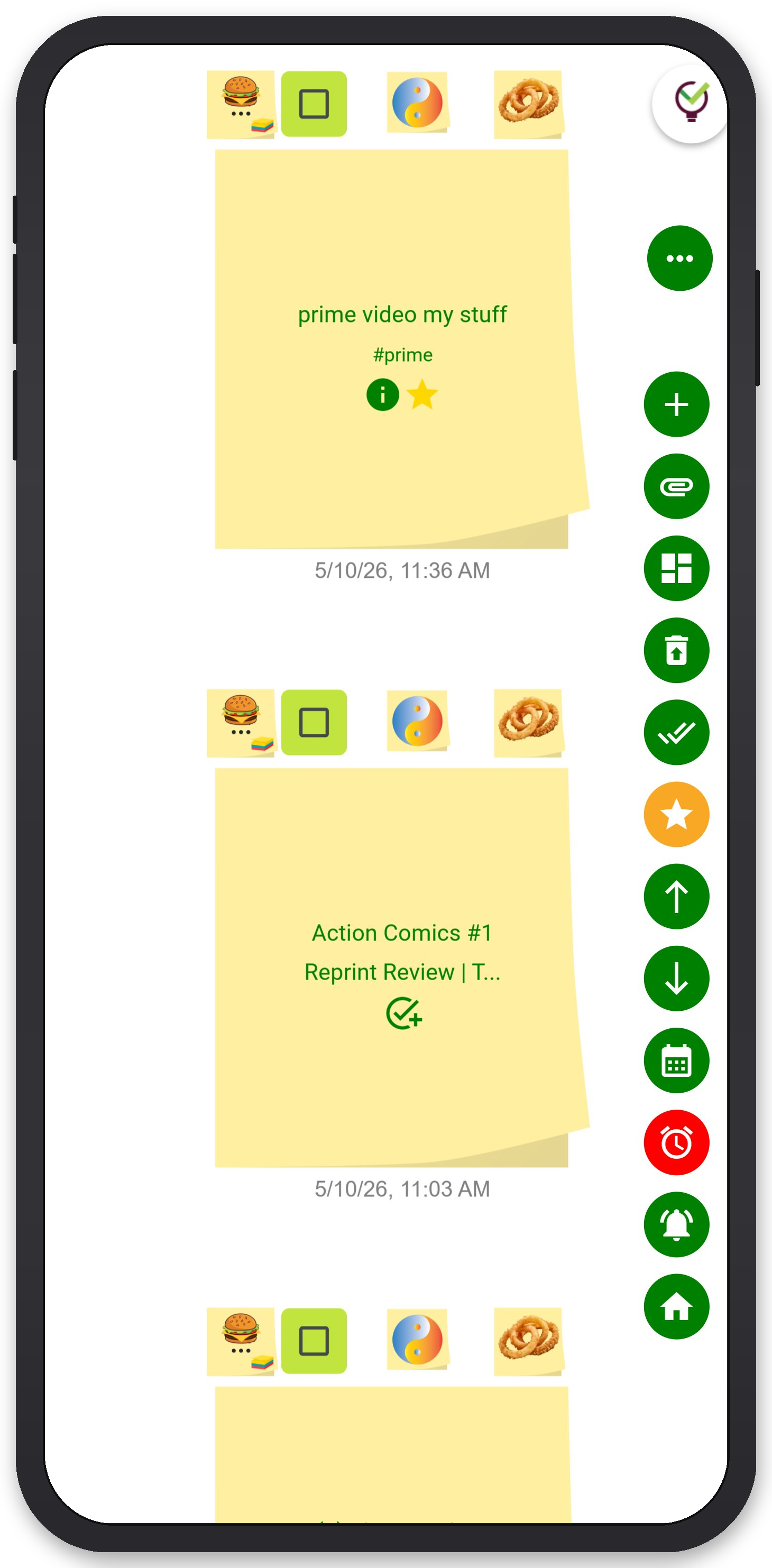
TaskLoco's Chrome extension solves the browser side of this with a single click. You're on a landing page you want to remember — click the extension, and it captures the page into a note instantly. You can add your own commentary right there, tag it, and move on. The note lives in your Premium account and syncs across every device, so it's available when you're building a brief on your laptop or reviewing examples on your phone's browser.
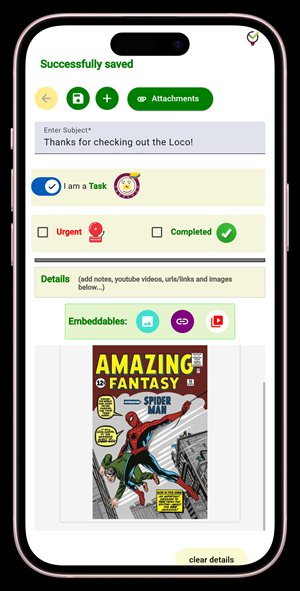
For everything else — screenshots, PDFs, swipe images, audio recordings — TaskLoco Premium lets you attach files directly to a note. Each note becomes a self-contained record: the asset plus your thinking about it, stored together. You're not hunting across three apps trying to match a screenshot to a mental note you made six weeks ago.
Organization, Search, and Getting Things Back Out
The organizational philosophy of your swipe file matters more than the tool you use. There are two dominant schools of thought: folder hierarchies and flat search. Folder hierarchies feel intuitive but become a maintenance burden — you end up spending more time filing than finding. Flat search, where everything lives in one pool and you retrieve by keyword, is faster day-to-day but requires that you write good notes when you save things.
The most practical approach combines both: loose categories (by channel, by client, by campaign type) with full-text search as the primary retrieval mechanism. When you know roughly what you're looking for, you browse the category. When you need something specific, you search. TaskLoco Premium gives you both — unlimited notes organized however you like, with full-text search across all notes and their attached files.
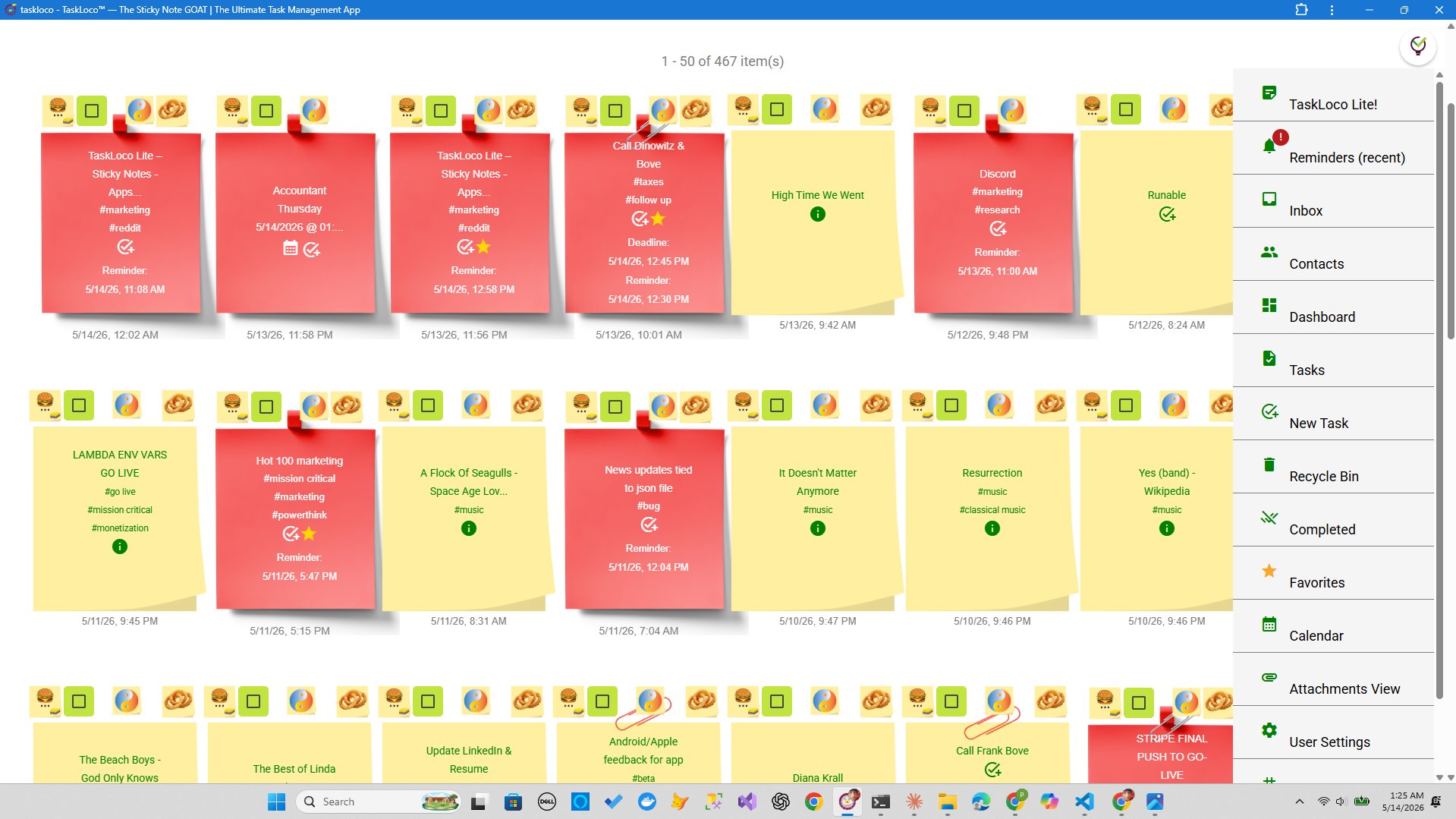
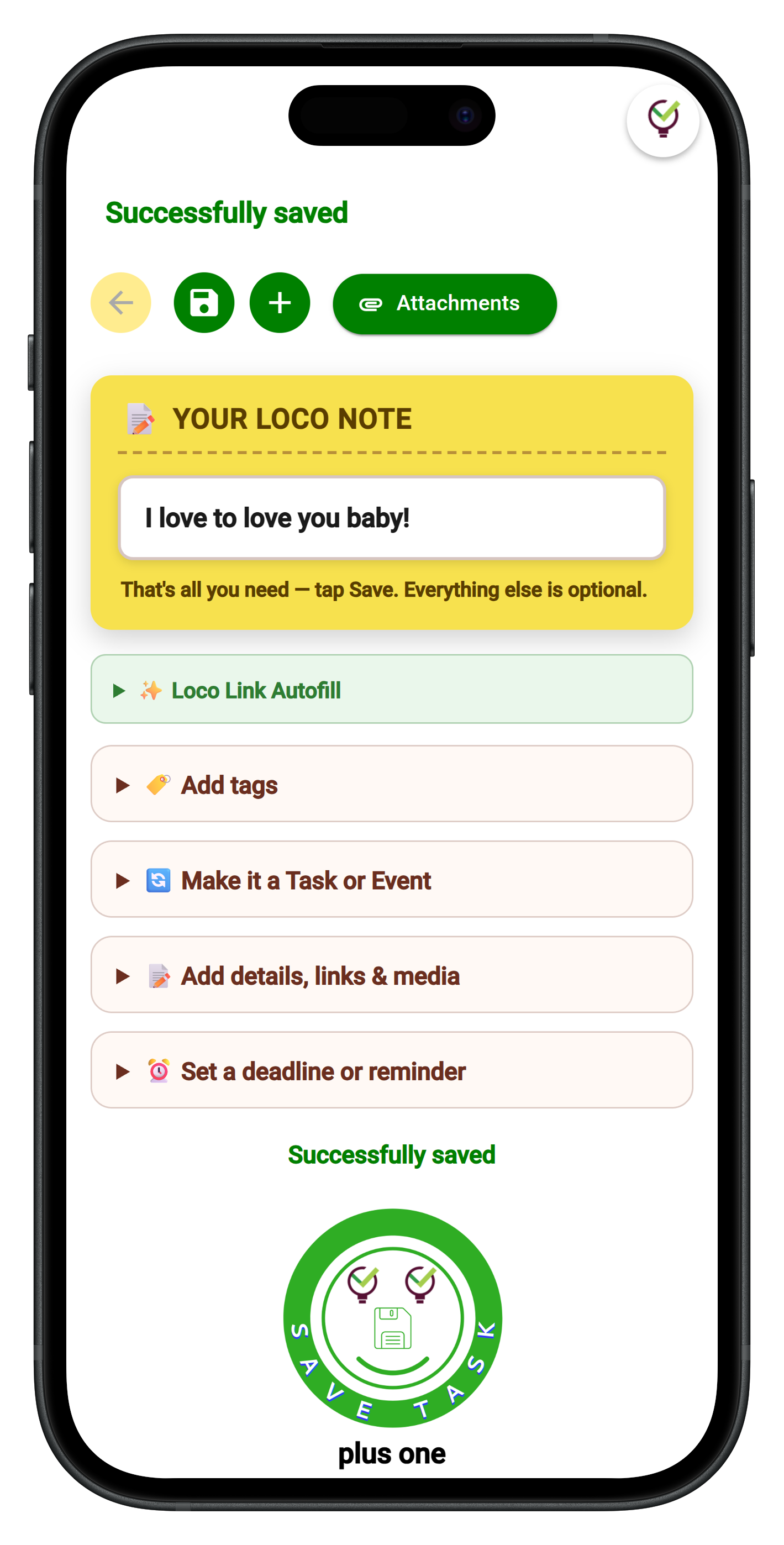
The note format itself is important. Each note in TaskLoco is a sticky note at heart — fast to create, fast to read, not a blank document that pressures you to write something substantial. That's the right format for swipe file entries. You want to record: what this is, why it works, where to use it. Three sentences, maybe four. Then move on. The wall view in TaskLoco lets you spread your notes visually, which is genuinely useful for creative work — you can lay out a dozen email subject lines side by side and look for patterns, or arrange campaign inspiration spatially before you start writing.
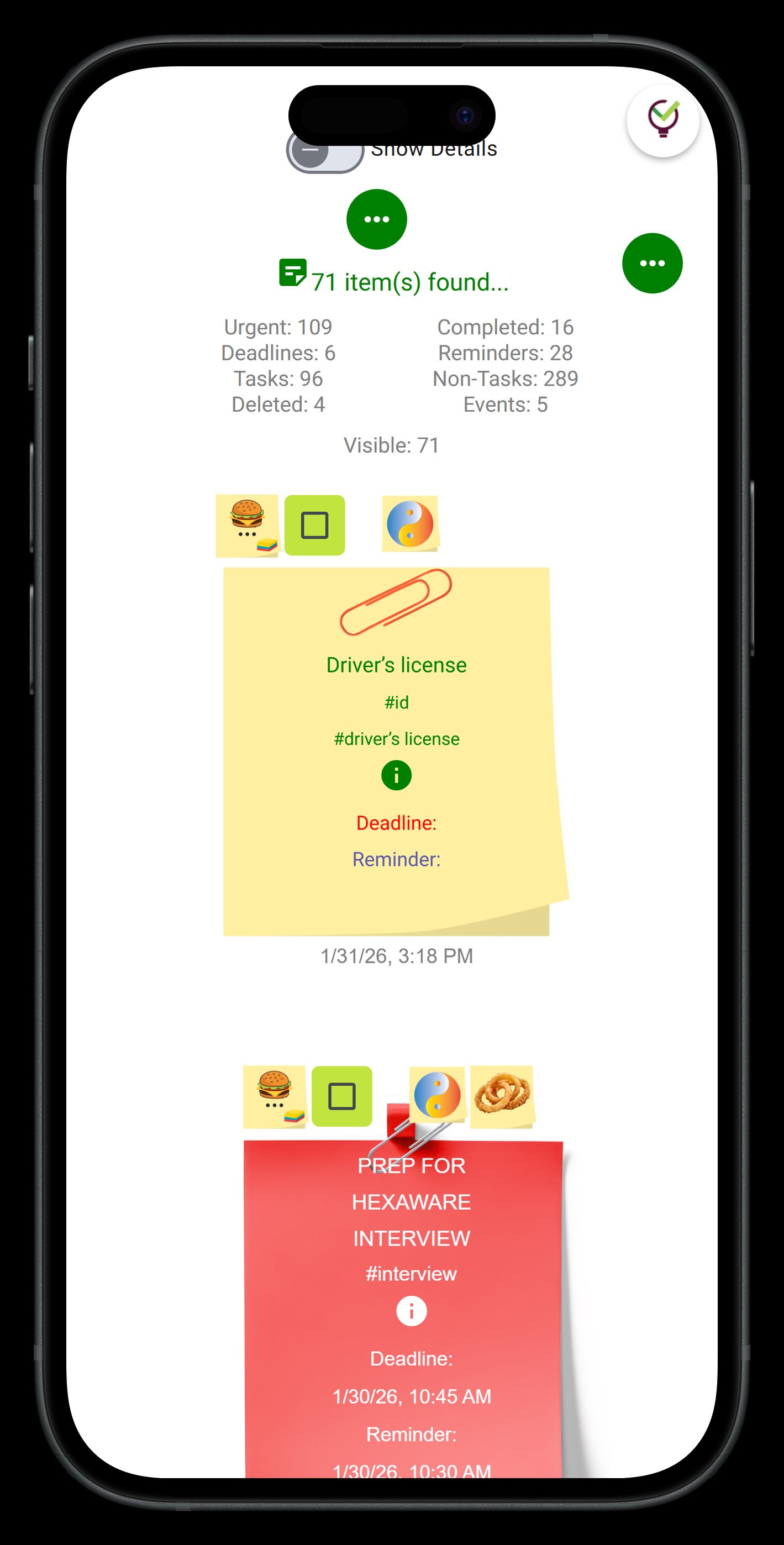
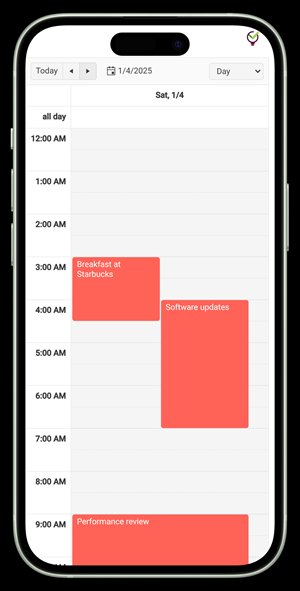
Reminders round out the retrieval system. If you save a competitor's Black Friday landing page in July, you probably don't need it until October. Set a reminder on that note and it will push a notification to your phone and computer when October comes, deep-linking you directly back to the saved note. That's active retrieval — your swipe file reaches out to you rather than waiting for you to go looking.
Team Swipe Files: Shared Inspiration Without Shared Chaos
Solo swipe files are straightforward. Team swipe files are where most systems break down. The failure mode is familiar: someone creates a shared folder, three people add to it enthusiastically for two weeks, and then it becomes a read-only museum that nobody maintains because there's no ownership model. Or the opposite — everyone has their own system, nothing is shared, and the junior copywriter has no idea the senior creative already collected 50 examples of the exact thing they need.
TaskLoco's team sharing is built on a model that matches how creatives actually work. When you share a note with a teammate, they receive it the same way you'd receive an email — they can clone it and make it their own. There's no permission hierarchy to configure, no access levels to manage. The note arrives, they take what's useful, they adapt it to their context. It's a pull model, not a push-and-forget model. That distinction matters for swipe files because creative inspiration is personal — a note about why a particular headline works needs to be owned and annotated by the person using it, not just read-only shared from a central repository.
For teams running multiple campaigns simultaneously, this means each person can maintain their own working swipe file while still drawing from shared inspiration. A creative director shares a note about a structural approach that's working in paid social. Each copywriter on the team clones it, adds their own examples, and builds their own reference. The idea propagates without creating a maintenance burden on the person who shared it.
Every team member needs their own Premium subscription — that's how the sharing and sync works. But that also means every person gets the full feature set: unlimited notes, 10GB of file storage for screenshots and PDFs, reminders, calendar view, and the Chrome extension for capture. It's not a watered-down shared tier. It's the full tool, for each person who uses it.
TaskLoco Premium is regularly $9.99/month per person. Right now, charter members can lock in 50% off the regular price — forever. That means $4.99/month per person today. And if our price ever goes up, you still pay half. Always.
Code CHARTER50 auto-applies at checkout. First 500 spots only — once they're gone, this offer is gone permanently. Act fast while spots last.
Every Premium subscription includes unlimited notes, 10GB file storage, reminders, calendar, and team sharing. Each team member requires a separate subscription. 7-day free trial — no charge until day 8. Cancel anytime.
Free Options: TaskLoco
TaskLoco Lite
- Native iPhone & Android app
- Completely anonymous — no sign-in
- Data stays on your device
- Up to 20 notes
- Free forever
TaskLoco Lite Plus+
- Web app + Chrome extension
- Sign in with Google
- Wall syncs across all devices
- Up to 30 notes
- Free forever
Lock In 50% Off — Forever
7-day free trial. No charge until day 8. CHARTER50 auto-applies at checkout.
🔒 Lock In My Charter SpotSee TaskLoco in Action
Frequently Asked Questions
What exactly is a swipe file and why do marketers use one?
A swipe file is a personal collection of marketing assets — ads, subject lines, landing pages, hooks, copy structures — that you save because they're effective or inspiring. The term comes from print advertising, where copywriters physically cut (swiped) examples from magazines. Today it's digital, but the purpose is the same: build a reference library of proven techniques you can draw from when you're creating. The best swipe files are studied, not just stored. Marketers who review their swipe file regularly develop better pattern recognition for what actually works in their channel.
What's the best format for organizing a swipe file?
The most practical format combines loose categories with full-text search. Categories (by channel, campaign type, emotion, format) give you a browsable structure when you roughly know what you need. Search handles everything else. Avoid deep folder hierarchies — they become a filing job you'll stop doing. Keep notes short and contextual: what the asset is, why it works, when you'd use it. TaskLoco's note format is built for exactly this — fast to create, fast to scan, and searchable across everything you've saved.
How do I capture swipe file entries quickly without breaking my workflow?
Speed of capture is the single biggest factor in whether a swipe file system survives. For web content, TaskLoco's Chrome extension lets you save any page to a note in one click — you can add your commentary right in the extension popup and move on. For screenshots, PDFs, and image files, TaskLoco Premium lets you attach files directly to notes so the asset and your thinking stay together. The goal is to get from 'I want to save this' to 'it's saved with context' in under ten seconds.
How is TaskLoco different from just using a bookmark folder or screenshot folder?
Bookmark folders and screenshot folders have zero retrievability. A bookmark only survives as long as the page does. A screenshot folder with 800 images has no search, no context, no way to find the one thing you need. TaskLoco notes attach your own commentary to every saved item, support full-text search across all notes and attached files, and let you set reminders that push notifications directly to your phone and computer with a deep link back to the original note. That's the difference between passive storage and an active reference system.
Can my team share a swipe file in TaskLoco?
Yes. TaskLoco Premium includes full team sharing. When you share a note with a teammate, they receive it like an email and can clone it to make it their own — add their own annotations, examples, and context without affecting your original. This is the right model for creative teams because inspiration is personal. Each team member needs their own Premium subscription to send and receive shared notes with full sync and attachments. There are no permission levels or access tiers to configure — sharing works simply, and each person owns their version of the material.
How do I make sure I actually use what I save instead of just hoarding it?
The answer is reminders and intentional review. In TaskLoco Premium, you can set a reminder on any note. When the time comes, you get a push notification on your phone and computer that links directly back to that note — not just a generic alert, but a direct line to the specific piece you saved. This is how a swipe file becomes active: you save a competitor's holiday campaign in the off-season, set a reminder for two months before the relevant campaign window, and your swipe file surfaces it exactly when it's useful. Beyond reminders, schedule a weekly 15-minute swipe file review. Re-reading your saved examples regularly is how pattern recognition actually develops.
What's the difference between TaskLoco Lite, Lite Plus+, and Premium for swipe file use?
TaskLoco Lite is the native iPhone and Android app — completely anonymous, no sign-in, stores up to 20 notes on your device only. It never syncs. For a swipe file, it's too limited — 20 notes fills up fast and nothing leaves the device. TaskLoco Lite Plus+ is the free web app and Chrome extension: up to 30 notes, synced across all your devices, and the Chrome extension for one-click capture. It's a genuine starting point for a swipe file, though it has no reminders, no file attachments, and a 30-note cap. TaskLoco Premium removes all of those limits — unlimited notes, 10GB of file attachments, reminders with push notifications, calendar view, and team sharing. For anyone building a serious swipe file, Premium is the right tier. $9.99/month per person (currently $4.99/month per person for first 500 charter members with code CHARTER50)
Born in Brooklyn. Powered by AWS. Your data stays yours.
TaskLoco is available on iPhone, Android, Chrome, and every web browser.