Every creative person has a graveyard — a folder, a notebook, a notes app — where ideas go to be forgotten. You capture something in the moment, and a week later you can't find it, can't remember what you meant, and couldn't reconstruct the context if you tried. That's not an idea bank. That's an idea cemetery.
A real visual idea bank does the opposite: it makes your captured thoughts visible, organized, and alive. You glance at the wall and something jumps out. You come back not because you have to, but because the wall rewards you every time. Building that kind of system isn't complicated — but the tool has to earn it, and most don't.
What to Look for in a Visual Idea Bank
Before we get into any specific tool, it helps to define what a visual idea bank actually needs to do — because most productivity apps are built for tasks and projects, not for the messy, nonlinear way ideas actually work.
A visual idea bank has three jobs. First, frictionless capture: the moment between having an idea and recording it is where most ideas die. If capture takes more than two taps or keystrokes, you'll skip it when it matters most. The tool needs to get out of your way.
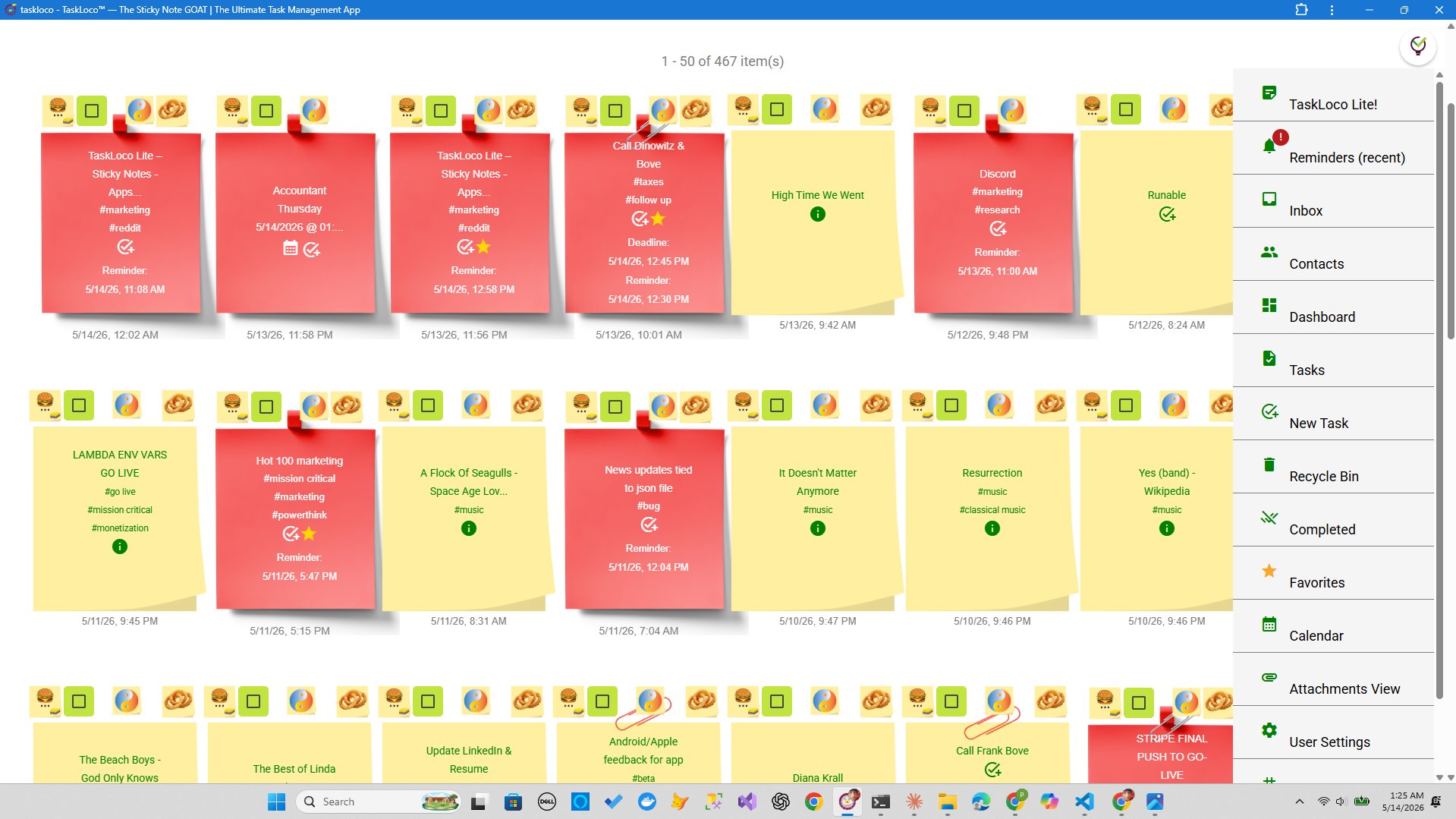
Second, at-a-glance organization: ideas need to be spatially arranged so you can scan them without reading every word. Color, position, grouping, and visual weight all do work that a flat list simply cannot. A wall of notes beats a numbered list for ideation because your eye finds patterns your brain hasn't consciously registered yet.
Third, active retrieval: a passive archive is almost useless. The best idea banks reach back out to you — a reminder that resurfaces a half-formed thought at exactly the right moment. Without that, even a beautifully organized wall becomes a place you visit less and less over time.
Secondary considerations include file attachment support (so a reference image, PDF, or voice memo can live right on the note), cross-device sync (ideas don't only happen at your desk), and search — because even a well-organized wall needs a fast way to find the specific thing you half-remember.
Why TaskLoco Works as a Visual Idea Bank
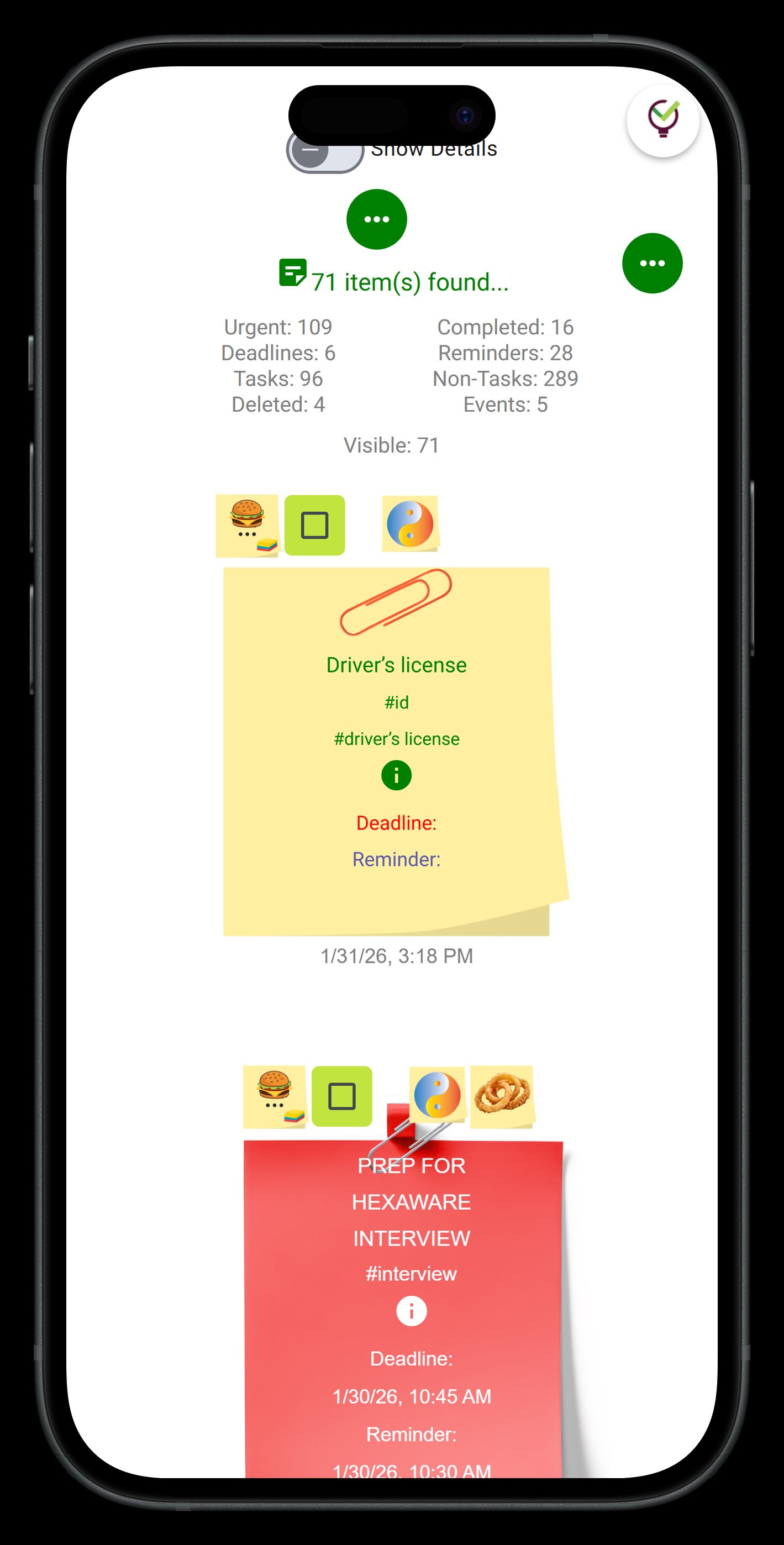
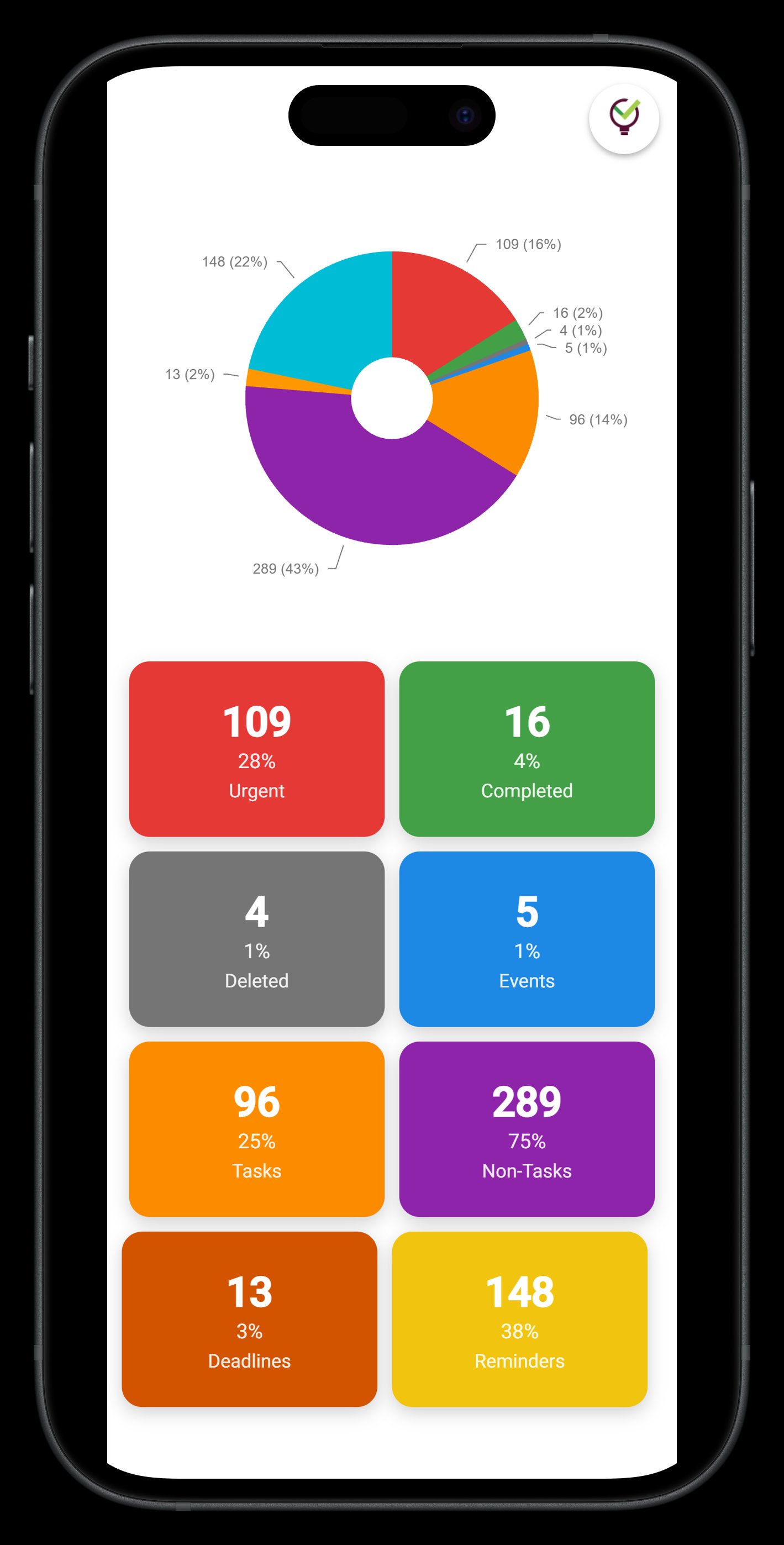
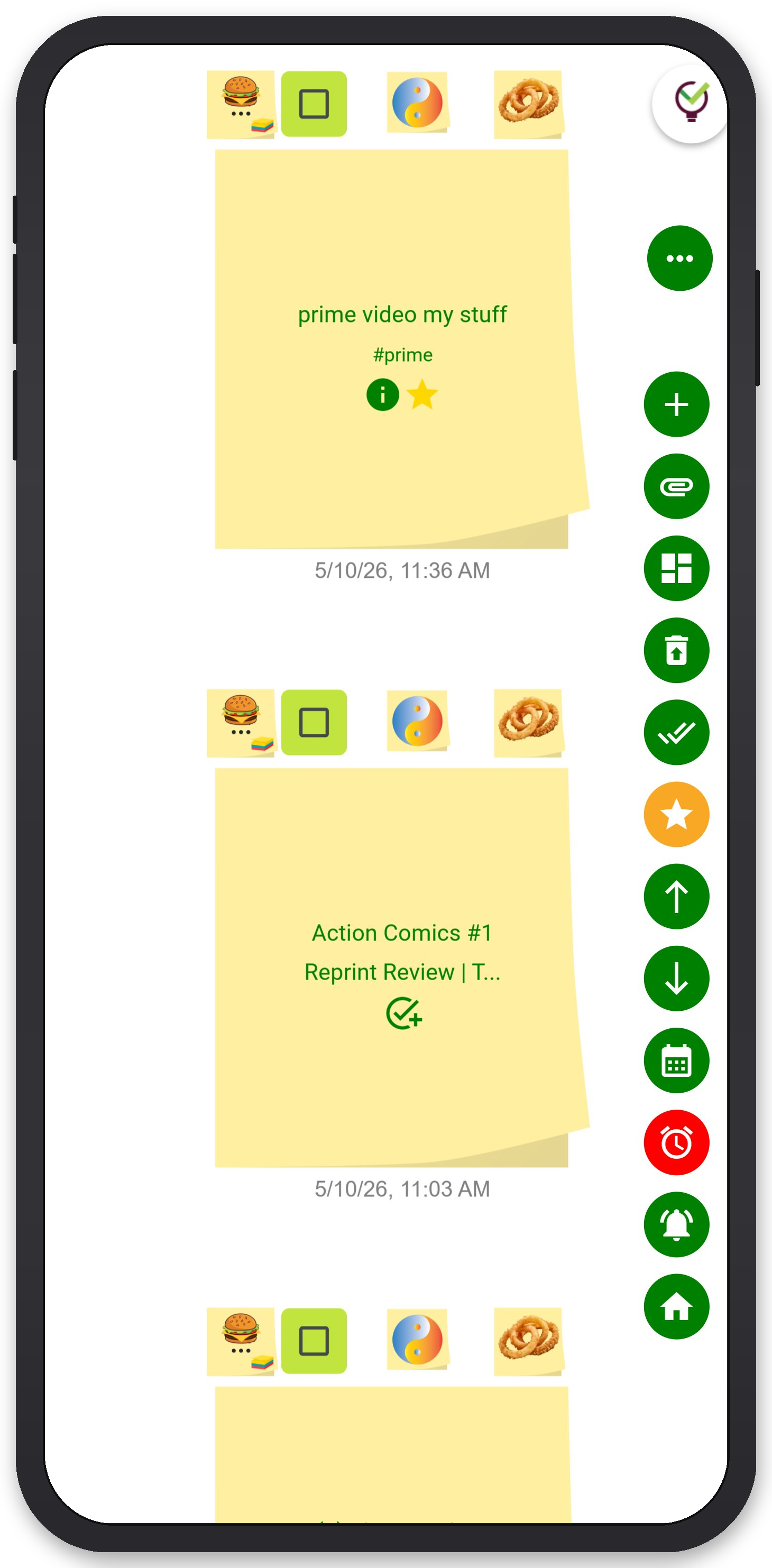
TaskLoco was designed around the sticky note — not as a metaphor, but as the actual interface. Notes live on a scrollable wall you can arrange spatially. Color-code by project, theme, or urgency. Group related ideas physically close together the same way you'd move cards around a corkboard. The visual layer isn't a skin on top of a list — it's the core of how the product thinks.
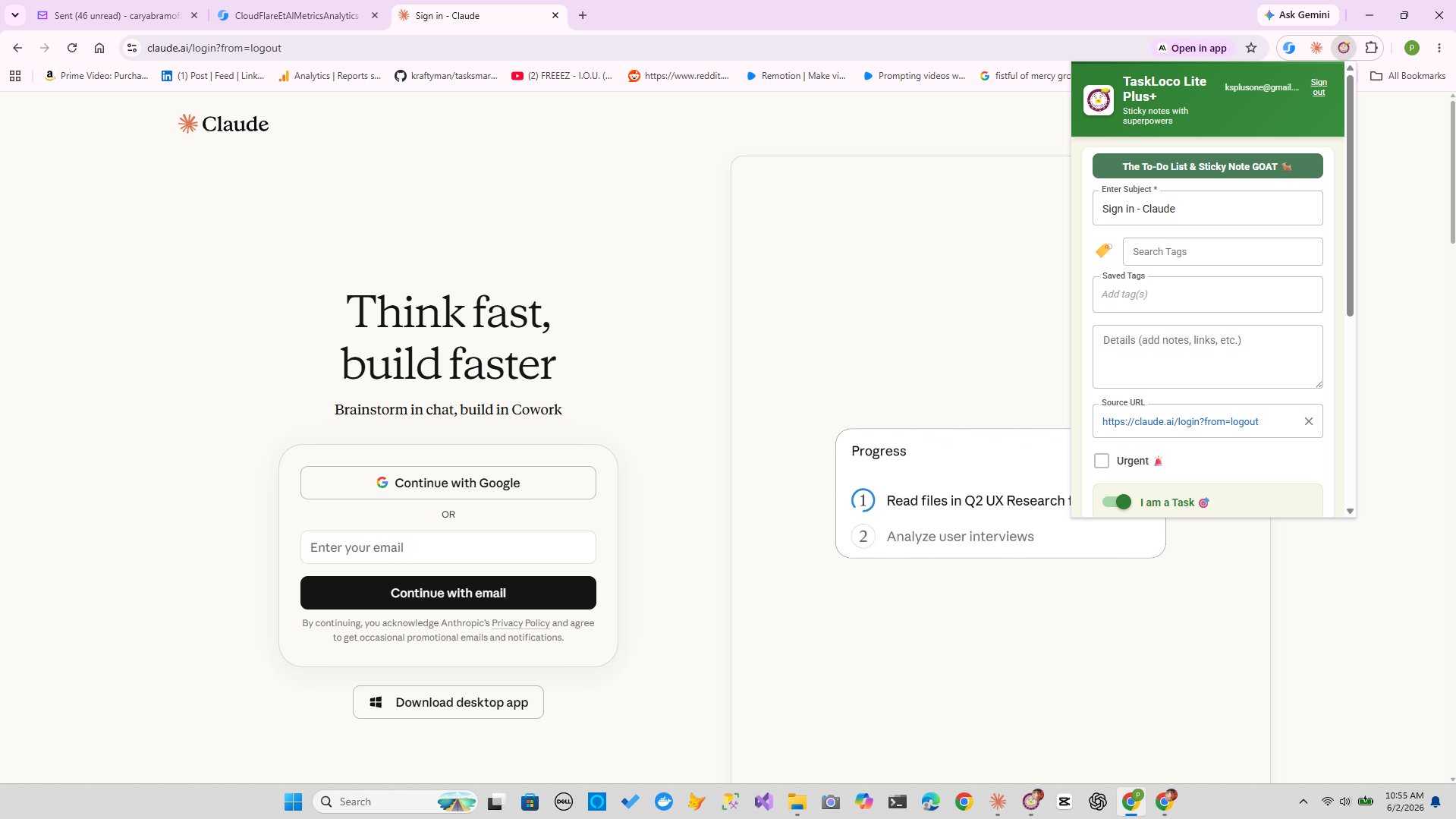
Capture is fast by design. On the web app, a new note is one click away from anywhere. The Chrome extension goes further: one click captures any webpage — title, URL, and selected text — and drops it onto your wall as a note. If an idea lives on the internet, you never have to retype it. That alone closes the gap between seeing something interesting and actually having it in your idea bank.
Where TaskLoco pulls clearly ahead of a passive archive is the reminder system. Set a reminder on any note, and it arrives as a push notification on your phone and computer — with a deep link that opens that exact note. Not your inbox. Not a generic app notification. The note itself. Optional email notifications are available if you want them, and there's an SMS add-on too, but the push-notification deep link is what makes the reminder genuinely useful: one tap and you're back in context.
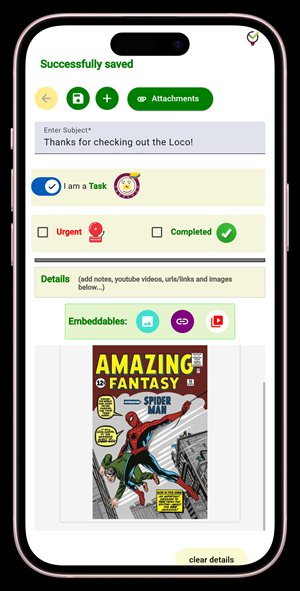
Premium also includes full-text search across all your notes, so the wall stays your primary interface but you always have a fast fallback when you half-remember a keyword. File attachments let you pin a reference photo, a PDF brief, or a sketch directly to the note it belongs to — with 10GB of storage included. The idea and its supporting material live together, not in two different apps.
How to Build a Visual Idea Bank That You'll Actually Use
The tool is only half the equation. The other half is a light system that makes the habit stick. Here's what actually works.
Use color as your first layer of organization — not folders. Folders encourage you to defer the decision of where something belongs. Color is instant. Pick three to five colors with fixed meanings (blue for research, yellow for rough ideas, green for things ready to act on, red for urgent) and apply them at capture time. Your wall becomes readable at a glance without any additional sorting.
Capture everything; curate weekly. A good idea bank has a low bar for entry and a regular review. Don't try to decide at capture time whether something is worth keeping — you'll talk yourself out of half your best ideas. Instead, set a weekly reminder (the push notification deep-links back to your wall) to spend fifteen minutes promoting the notes that grew, archiving what didn't, and reorganizing the spatial layout to reflect where your thinking is now.
Attach the artifact to the idea, not to a folder. When an idea has a reference — a screenshot, a PDF, a rough diagram — attach it to the note using TaskLoco's file attachment feature. The note becomes the container for both the thought and the evidence. When you come back six weeks later, you won't have to reconstruct what you were looking at.
Use the Chrome extension as your passive capture layer. Any time you're browsing and something interesting appears — a competitor's announcement, an article worth returning to, a design you want to reference — one click captures it. You don't have to decide what to do with it now. It's on the wall. Future-you will sort it.
Free Tiers, Premium, and Which One You Actually Need
TaskLoco offers two free tiers before you spend a dollar, and they're genuinely useful for getting started.
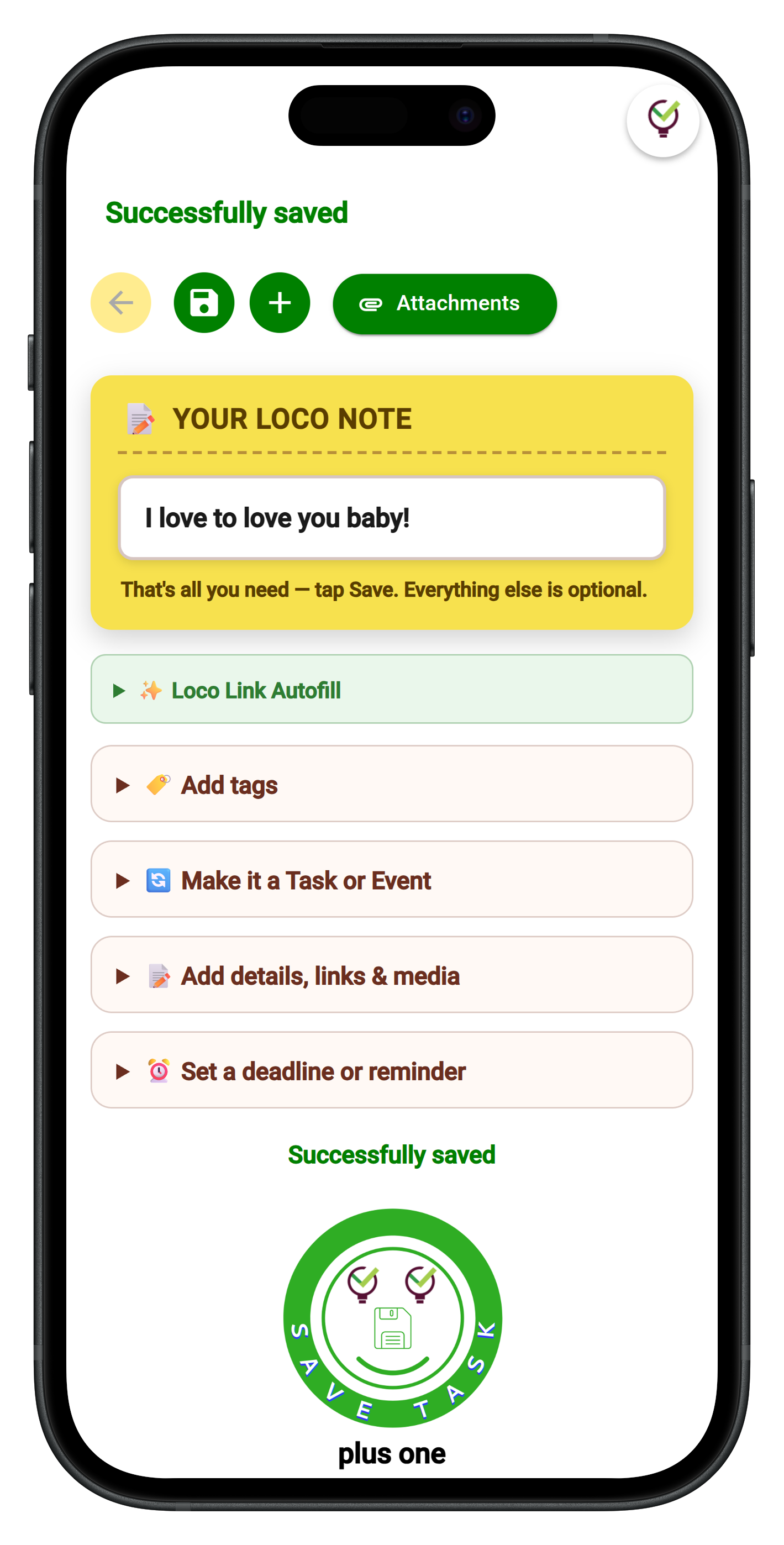
TaskLoco Lite is the native iPhone and Android app — completely anonymous, no sign-in, no account required. It stores up to 20 notes as a JSON file on your device only. There's no sync, no reminders, no file attachments, and no sharing. It's a purely local scratchpad. Good for testing the note-taking experience, not for a real idea bank that needs to travel with you.
TaskLoco Lite Plus+ is the web app and Chrome extension, free, signed in with Google. Up to 30 notes, synced across all your devices, with the one-click Chrome extension capture. No reminders, no file attachments, no team sharing. For a personal idea bank with a limited number of active notes, Lite Plus+ is a legitimate starting point.
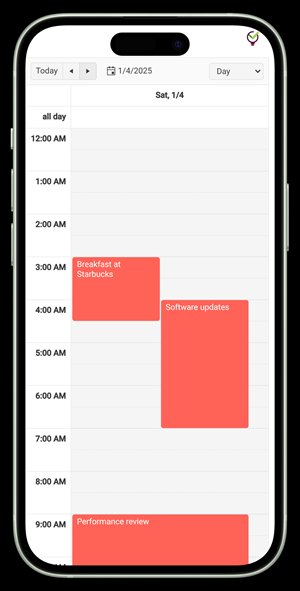
TaskLoco Premium is where the idea bank becomes fully alive: unlimited notes, 10GB file storage, push-notification reminders with deep links back to each note, calendar view, team sharing, and the full Chrome extension. If you're serious about building an idea system you'll maintain for months and years — not just weeks — Premium removes every ceiling that would otherwise slow you down.
TaskLoco Premium is regularly $9.99/month per person. Right now, charter members can lock in 50% off the regular price — forever. That means $4.99/month per person today. And if our price ever goes up, you still pay half. Always.
Code CHARTER50 auto-applies at checkout. First 500 spots only — once they're gone, this offer is gone permanently. Act fast while spots last.
Every Premium subscription includes unlimited notes, 10GB file storage, reminders, calendar, and team sharing. Each team member requires a separate subscription. 7-day free trial — no charge until day 8. Cancel anytime.
Free Options: TaskLoco
TaskLoco Lite
- Native iPhone & Android app
- Completely anonymous — no sign-in
- Data stays on your device
- Up to 20 notes
- Free forever
TaskLoco Lite Plus+
- Web app + Chrome extension
- Sign in with Google
- Wall syncs across all devices
- Up to 30 notes
- Free forever
Lock In 50% Off — Forever
7-day free trial. No charge until day 8. CHARTER50 auto-applies at checkout.
🔒 Lock In My Charter SpotSee TaskLoco in Action
Frequently Asked Questions
What exactly is a visual idea bank?
A visual idea bank is a space where you store, arrange, and retrieve ideas in a spatial, at-a-glance format — think sticky notes on a wall rather than items in a list. The visual layout lets you spot patterns and connections that a flat list buries. A good one also reaches back out to you with reminders so ideas don't just sit there.
How is TaskLoco different from a regular notes app for storing ideas?
Most notes apps store ideas in a list you scroll through and forget. TaskLoco's wall view lets you arrange notes spatially — by color, position, and grouping — so the layout itself carries meaning. Add push-notification reminders that deep-link back to the exact note, file attachments, and a one-click Chrome extension capture, and the difference between passive archive and active idea bank becomes obvious fast.
Can I use TaskLoco for free to build an idea bank?
Yes. TaskLoco Lite Plus+ is free — sign in with Google, get up to 30 notes synced across all your devices, plus the Chrome extension for one-click webpage capture. It has no reminders or file attachments, so if you want an idea bank that actively surfaces notes and supports attached files, you'll want Premium. But Lite Plus+ is a real, functional starting point.
How does the Chrome extension help with idea capture?
One click on the TaskLoco Chrome extension captures the current webpage — title, URL, and any text you've selected — and drops it onto your note wall. You don't retype anything, you don't switch apps, you don't lose the thread. It's the fastest way to turn a browsing moment into a permanent idea record.
How do reminders work in TaskLoco?
Reminders in TaskLoco arrive as push notifications on your phone and computer. The notification deep-links directly back to the original note, so one tap puts you right back in context. Optional email notifications are available, and there's an SMS add-on if you want it — but the push notification with the deep link is the core experience.
What's the best way to organize a visual idea bank without it getting chaotic?
Use color as your primary organizational layer — assign fixed meanings to three to five colors and apply them at capture time, not later. Arrange notes spatially by theme or project. Then set a weekly reminder to review the wall: promote what's grown, archive what hasn't, and update the layout. Capture freely; curate on a schedule. That rhythm keeps the wall useful instead of overwhelming.
How much does TaskLoco Premium cost?
$9.99/month per person (currently $4.99/month per person for first 500 charter members with code CHARTER50)
Born in Brooklyn. Powered by AWS. Your data stays yours.
TaskLoco is available on iPhone, Android, Chrome, and every web browser.