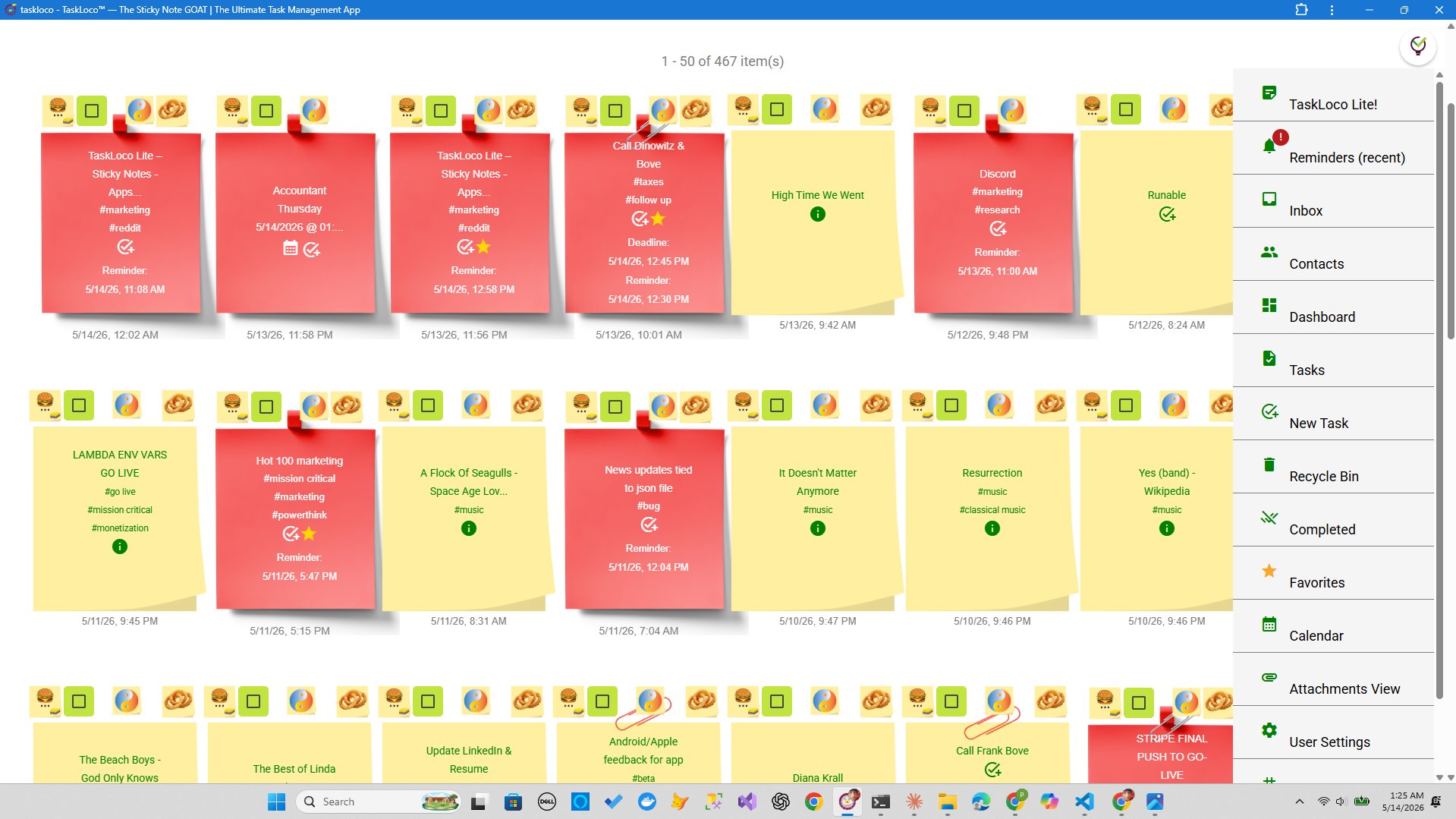
Every plan starts the same way: a head full of ideas that don't yet have a shape. Lists help, but they hide relationships. Spreadsheets help, but they drain the life out of creative thinking. What actually works is seeing everything at once — a wall of interconnected pieces you can rearrange until the picture clicks. That's what a visual storyboard is for.
This isn't a technique reserved for screenwriters or ad agencies. Product launches, content calendars, home renovations, event planning, job searches, research projects — anything with moving parts benefits from a visual layout where you can see the whole arc and zoom into any detail. The question is which tool lets you build that storyboard without fighting the interface.
What to Look for in a Visual Storyboard Tool
Before any specific tool enters the picture, it helps to understand what separates a genuinely useful visual planning tool from one that just looks good in screenshots. There are three things that actually matter.
1. Spatial freedom without chaos. The whole point of a storyboard is that position carries meaning — this idea comes before that one, these tasks cluster together, that milestone anchors the right side of the board. A tool that forces a rigid grid or collapses everything into a list defeats the purpose. But infinite whiteboards with no structure can tip into noise just as fast. The best tools give you a canvas with just enough structure to stay navigable.
2. Notes that hold real information. A sticky note on a whiteboard is a label. A sticky note in a planning tool should be a container — capable of holding a checklist, a due date, a file, a photo, a reminder, a link. If each card is only a headline, you'll spend half your time context-switching to other apps to find the actual content behind it.
3. Sharing that doesn't require a permissions tutorial. Most planning eventually involves at least one other person. The right tool makes sharing feel like sending an email — the recipient gets the note, can make it their own, and doesn't need to navigate a maze of access levels and role settings to contribute.
Why Sticky Notes Are the Right Unit for a Storyboard
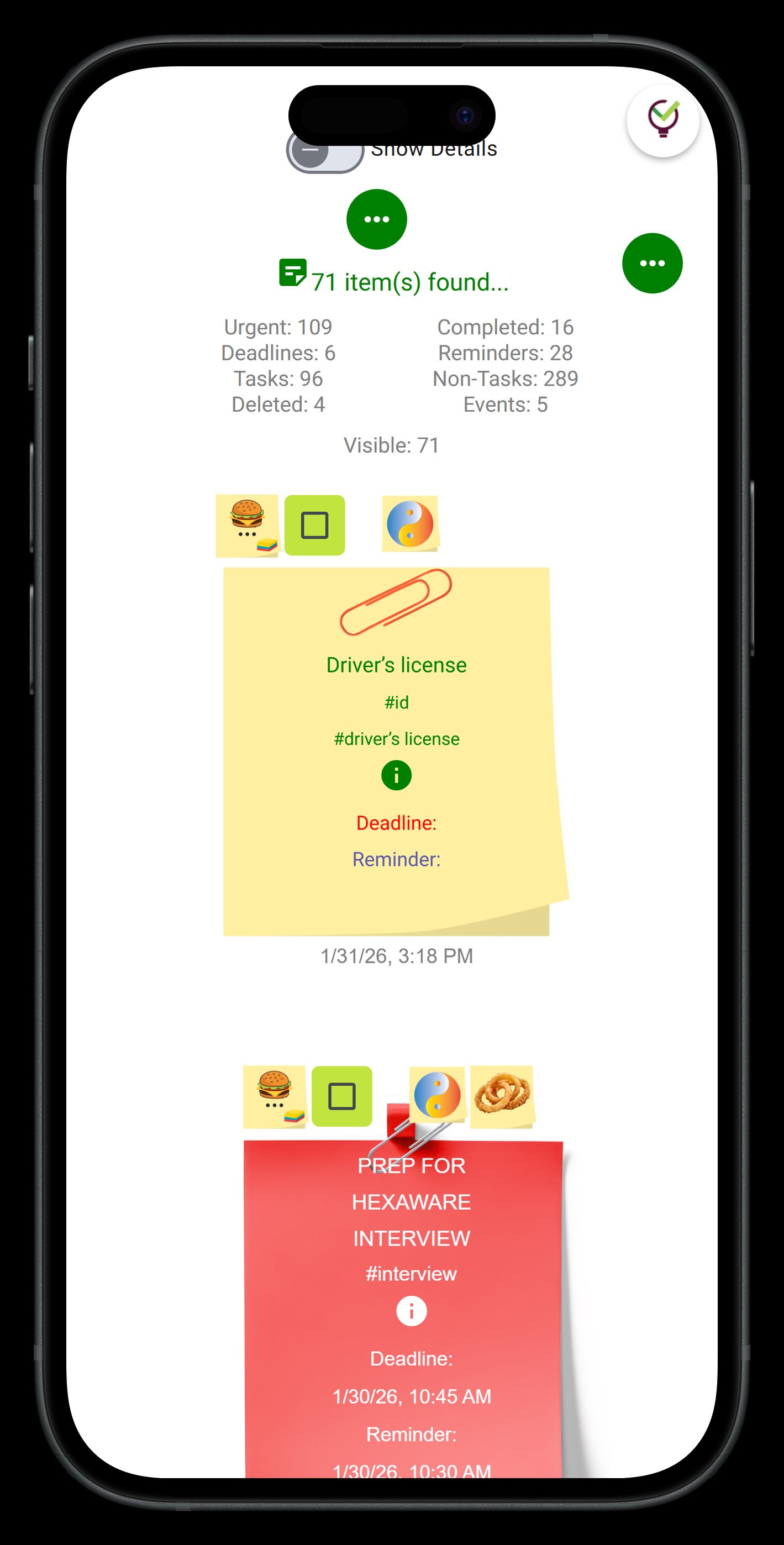
There's a reason film directors and product managers both reach for index cards when they're planning something big. A card — physical or digital — is the right size for one idea. Not so small that it's just a label, not so large that it becomes a document. You can hold a card, move a card, group cards, and throw a card away without losing your place in the bigger picture.
Digital sticky notes carry that same cognitive advantage, and they add something physical cards can't: depth. Behind any note you can attach a file, embed a photo, set a reminder that fires as a push notification and deep-links you straight back to that note, add a checklist, or link it into a calendar event. The note on the wall is the surface. Everything beneath it is actionable.
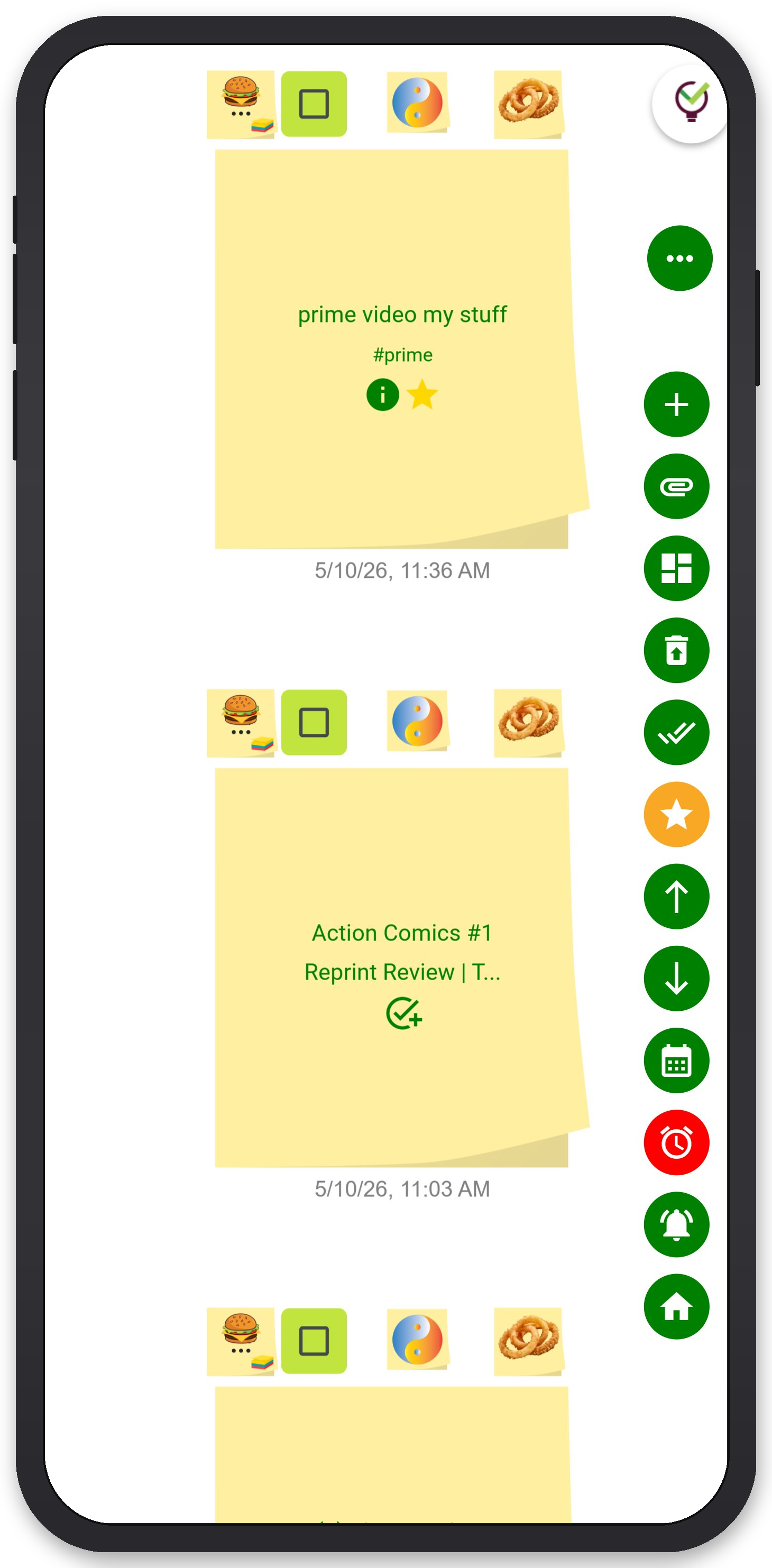
TaskLoco was built around exactly this model. The wall view puts every note in spatial relationship to every other note. You can cluster your pre-production notes in one corner, your shoot-day logistics in the center, and your post-production tasks on the right — and the layout itself communicates the flow of the project. Nothing is buried in a sidebar or collapsed behind a toggle.
Capturing Ideas Fast — Before They Disappear
A storyboard is only as good as what feeds it. The biggest failure mode in visual planning isn't a bad layout — it's the idea you had at 7am that vanished before you opened your planning app. Speed of capture is everything.
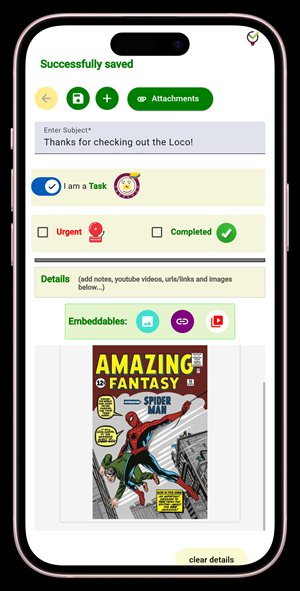
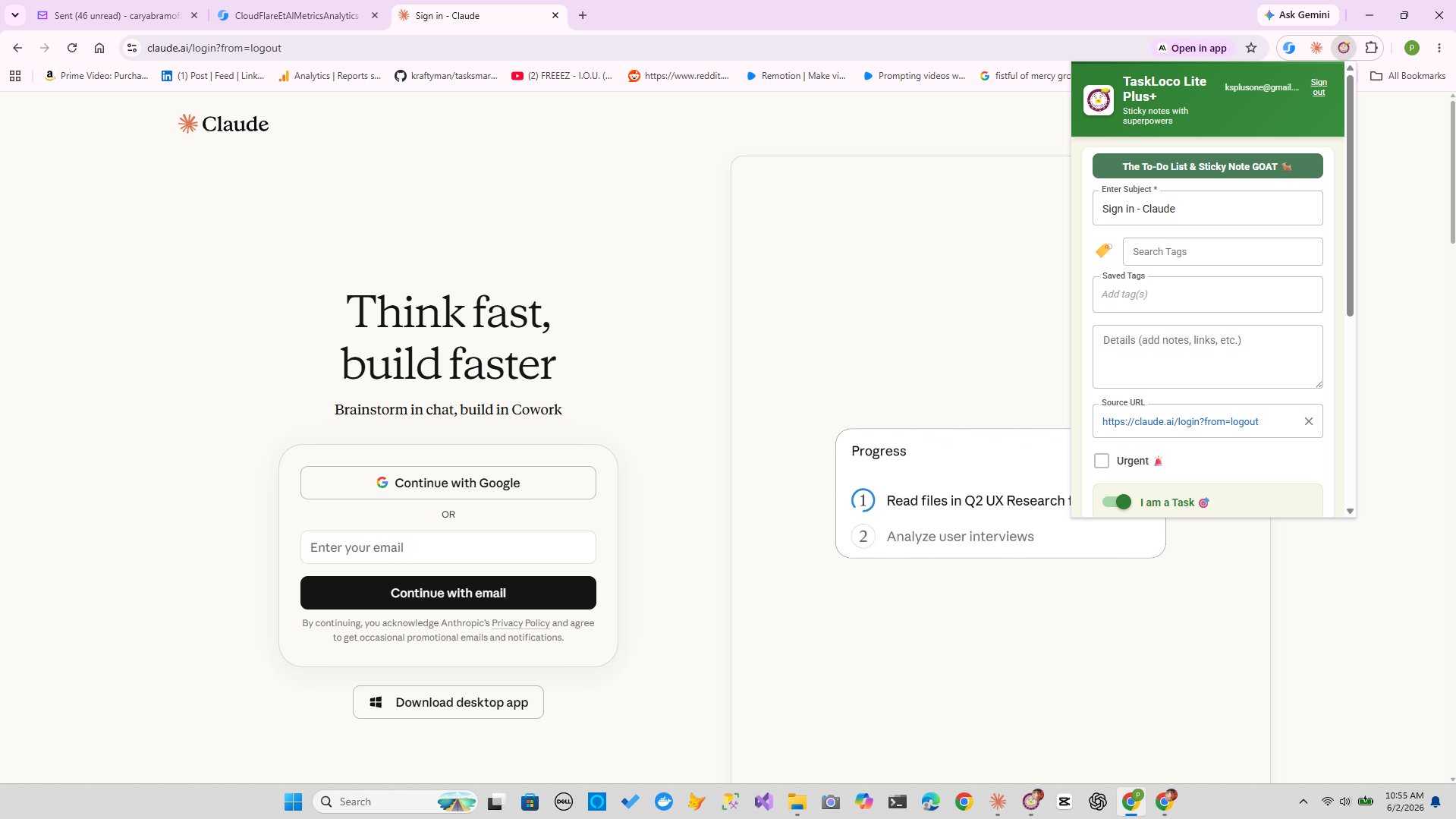
TaskLoco's Chrome extension solves this for anything you find on the web. One click saves a webpage — title, URL, and any notes you want to add — directly into your wall as a new sticky note. No copy-paste, no tab juggling, no forgetting why you bookmarked something three weeks ago. Research for a project, a reference article, a product page, a competitor's announcement — it lands on your storyboard the moment you see it.
For visual content, TaskLoco Premium lets you embed photos directly into notes. For documents, spreadsheets, PDFs, and any other files, 10GB of storage is included with every Premium subscription — so the supporting material lives right next to the plan, not in a separate folder you'll have to hunt for later.
TaskLoco Lite Plus+ (free, web app and Chrome extension) gives you the one-click capture and sync across all your devices with up to 30 notes. If your storyboard grows beyond that — and most real projects will — TaskLoco Premium removes all limits.
From Storyboard to Action: Reminders, Files, and Team Sharing
A storyboard that never converts to action is just decoration. The gap between a visual plan and actual execution usually comes down to three things: knowing what's due, having the files you need, and making sure the right people can see their part of the picture.
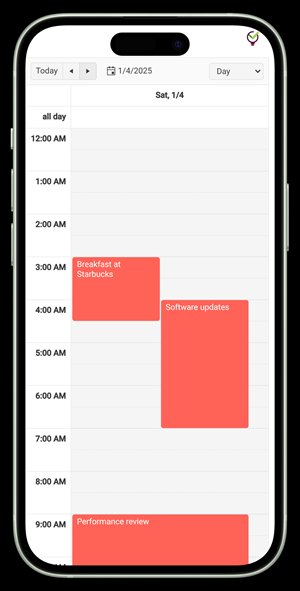
TaskLoco Premium handles all three. Every note can carry a reminder, delivered as a push notification to your phone and computer — and the notification deep-links straight back to that specific note. No hunting through your board to find which task fired. You tap the notification, you're there. Optional email and SMS notifications are available as additional channels if you want them.
Files are built in, not bolted on. Each Premium account includes 10GB of file storage, with add-on tiers available up to 1TB if a project demands it. Contracts, mood boards, briefs, recordings — everything that belongs to a note stays with that note.
Team sharing in TaskLoco works the way email does: you share a note, the recipient can clone it and make it their own. No permissions hierarchy, no access level confusion. Shared notes sync in real time, so everyone on the team is always looking at the same version of the storyboard. Each team member has their own individual Premium subscription — the plan is per person, which keeps billing clean and gives every collaborator their own full-featured workspace.
TaskLoco Premium is regularly $9.99/month per person. Right now, charter members can lock in 50% off the regular price — forever. That means $4.99/month per person today. And if our price ever goes up, you still pay half. Always.
Code CHARTER50 auto-applies at checkout. First 500 spots only — once they're gone, this offer is gone permanently. Act fast while spots last.
Every Premium subscription includes unlimited notes, 10GB file storage, reminders, calendar, and team sharing. Each team member requires a separate subscription. 7-day free trial — no charge until day 8. Cancel anytime.
Free Options: TaskLoco
TaskLoco Lite
- Native iPhone & Android app
- Completely anonymous — no sign-in
- Data stays on your device
- Up to 20 notes
- Free forever
TaskLoco Lite Plus+
- Web app + Chrome extension
- Sign in with Google
- Wall syncs across all devices
- Up to 30 notes
- Free forever
Lock In 50% Off — Forever
7-day free trial. No charge until day 8. CHARTER50 auto-applies at checkout.
🔒 Lock In My Charter SpotSee TaskLoco in Action
Frequently Asked Questions
What is a visual storyboard for planning?
A visual storyboard for planning is a spatial layout of notes, cards, or ideas arranged so you can see the whole project at once — including how pieces relate to each other. Unlike a list, a storyboard lets you cluster related tasks, sequence steps visually, and spot gaps in a plan before they become problems. It's useful for any project with multiple moving parts: content calendars, product launches, events, research, creative campaigns, or personal goals.
How is a digital storyboard different from a physical one?
A physical storyboard — sticky notes on a wall or index cards on a table — is fast and spatial, but it can't hold much information per card, it doesn't travel with you, and it disappears the moment someone bumps the table. A digital storyboard keeps the spatial freedom of a physical wall while letting each card hold a full checklist, files, reminders, photos, and links. It syncs across your devices and can be shared with teammates instantly.
Can I use TaskLoco as a visual storyboard tool?
Yes. TaskLoco's wall view is designed specifically for this kind of spatial planning. You arrange sticky notes freely, each note can hold a checklist, files, reminders, and photos, and you can share the board with teammates. TaskLoco Premium adds unlimited notes, 10GB file storage, a calendar view, and push notification reminders that deep-link back to the specific note that fired them.
What's the best way to start a visual storyboard for a new project?
Start with a brain dump: create one note per idea, task, or question — don't filter yet. Then cluster related notes into zones (research, execution, review, etc.) and sequence them left to right or top to bottom based on what needs to happen first. Once the shape of the project is visible, add checklists inside each note, attach relevant files, and set reminders on any note with a hard deadline. Resist the urge to make it perfect before you start — the storyboard should evolve as the project does.
How do I share a storyboard with my team in TaskLoco?
In TaskLoco Premium, sharing a note works like sending an email. You share the note and the recipient can clone it, make it their own, and edit it independently. Notes sync in real time so everyone on the team sees the current version. Each team member needs their own individual Premium subscription — there's no shared-account workaround, which keeps everyone's workspace clean and full-featured.
Does the free version of TaskLoco work for storyboarding?
TaskLoco Lite (native iPhone and Android app, completely anonymous, no sign-in) stores up to 20 notes on your device — useful for a quick personal storyboard but limited in scale and features, and it doesn't sync. TaskLoco Lite Plus+ (free, web app and Chrome extension) gives you up to 30 synced notes and one-click webpage capture via the Chrome extension, which makes research capture fast. For a full storyboard — unlimited notes, files, reminders, calendar view, and team sharing — you'll want TaskLoco Premium. $9.99/month per person (currently $4.99/month per person for first 500 charter members with code CHARTER50)
What kinds of projects work well with a visual storyboard?
Almost any project with more than a handful of moving parts benefits from a visual storyboard. Common uses include: content calendars (map out topics, drafts, publish dates, and assets spatially), product launches (sequence announcements, tasks, and dependencies by phase), event planning (cluster logistics, vendors, and timelines by category), creative campaigns (arrange concepts, references, and deliverables visually), and personal goal planning (break a big goal into phases and see the whole arc at once). The common thread is that a list alone can't show you the relationships — a storyboard can.
Born in Brooklyn. Powered by AWS. Your data stays yours.
TaskLoco is available on iPhone, Android, Chrome, and every web browser.