AP exams pack a full year of college-level material into a single three-hour test. Without a solid study schedule, it's easy to fall behind or waste time on topics you already know while neglecting your weak spots.
The best AP study schedules start 2-3 months before test day, break content into daily chunks, and track progress visually so you can see exactly where you stand. Here's how to build a schedule that actually works — and how to stick to it when motivation runs low.
What Makes an Effective AP Study Schedule
The difference between cramming and confident test-taking comes down to three key elements in your study schedule: realistic time allocation, visual progress tracking, and built-in flexibility for life's interruptions.
Start with your test date and work backwards. Most successful AP students begin serious prep 8-12 weeks out, depending on the subject. AP Chemistry and Physics need longer runways than AP Psychology or Environmental Science. Calculate your total study hours needed (typically 60-100 hours for most APs) and divide by available days, leaving buffer time for review and practice tests.
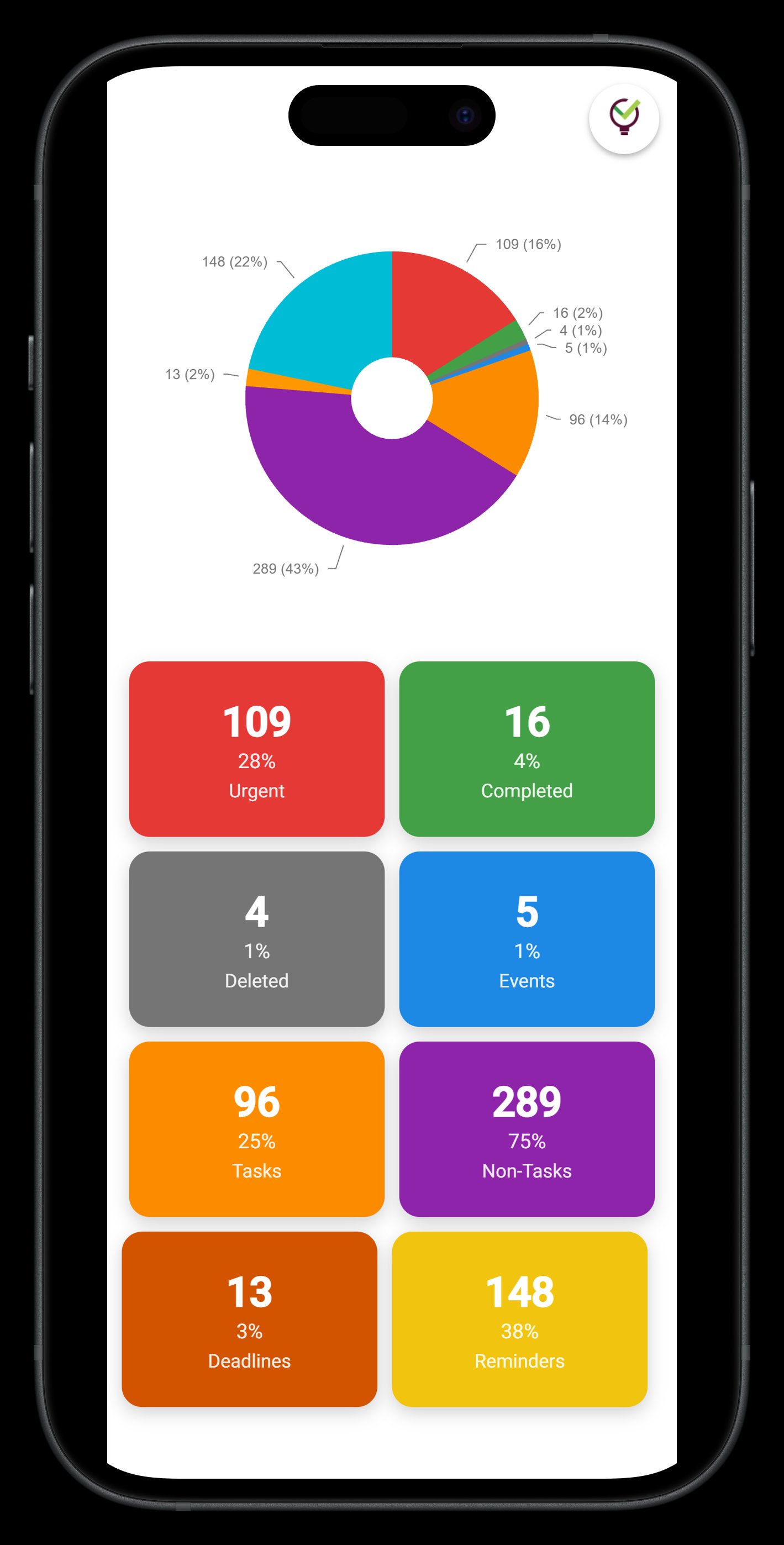
Visual tracking beats spreadsheets every time. When you can see your completed topics, current focus areas, and upcoming deadlines on one screen, you maintain momentum and catch problems early. Students who use visual planning tools report 40% better adherence to their schedules compared to text-based lists.
Breaking Down Content Into Daily Tasks
AP courses cover massive amounts of material, but effective scheduling turns overwhelming content into bite-sized daily tasks. Start by listing every major topic from your AP course outline, then estimate study time for each based on your current knowledge level.
Create specific, actionable tasks instead of vague goals. "Study Chapter 12" becomes "Complete Chapter 12 practice problems #1-25, review key formulas, create flashcards for new vocabulary." This level of detail prevents decision fatigue and keeps you moving forward even on low-motivation days.
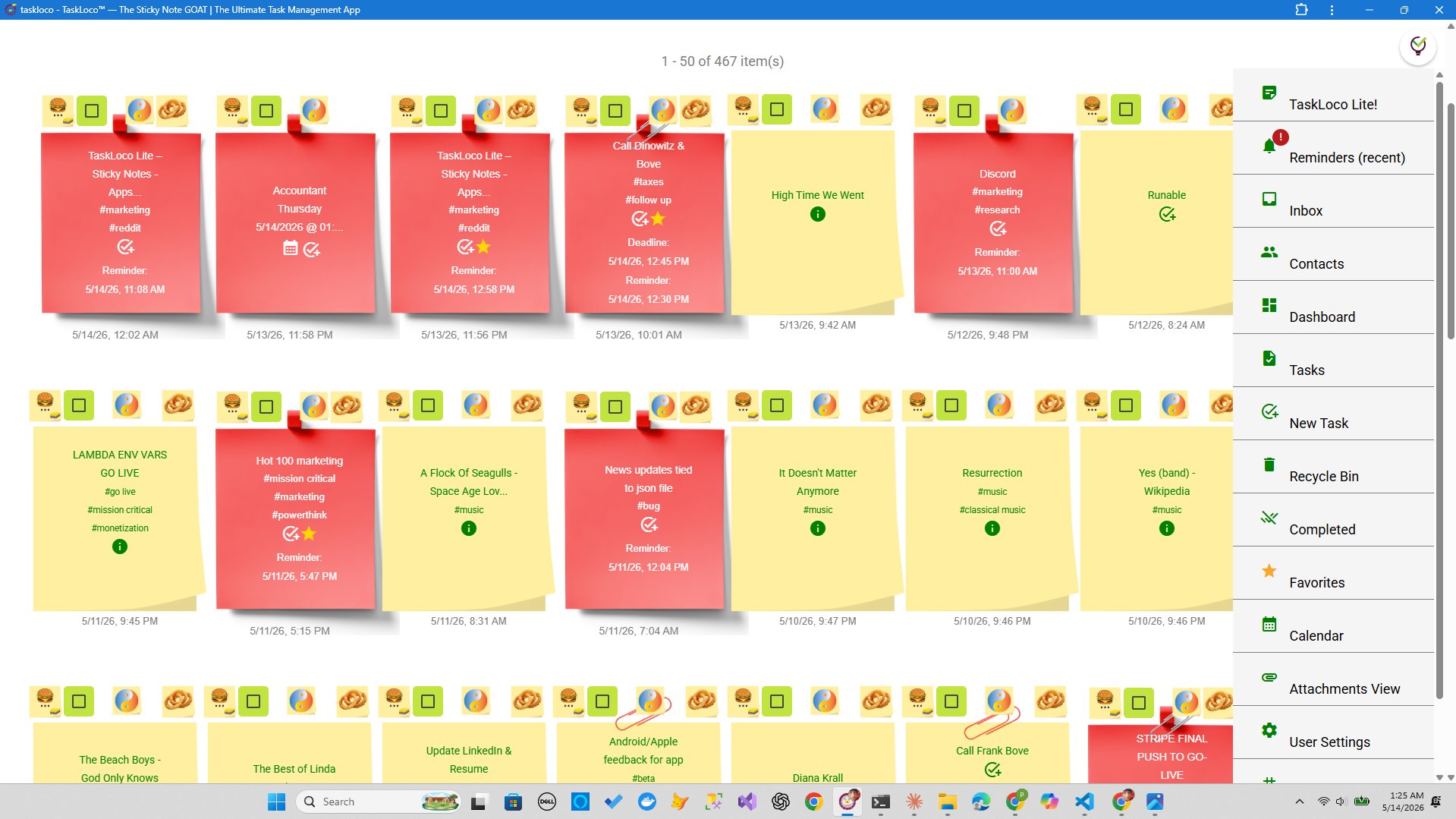
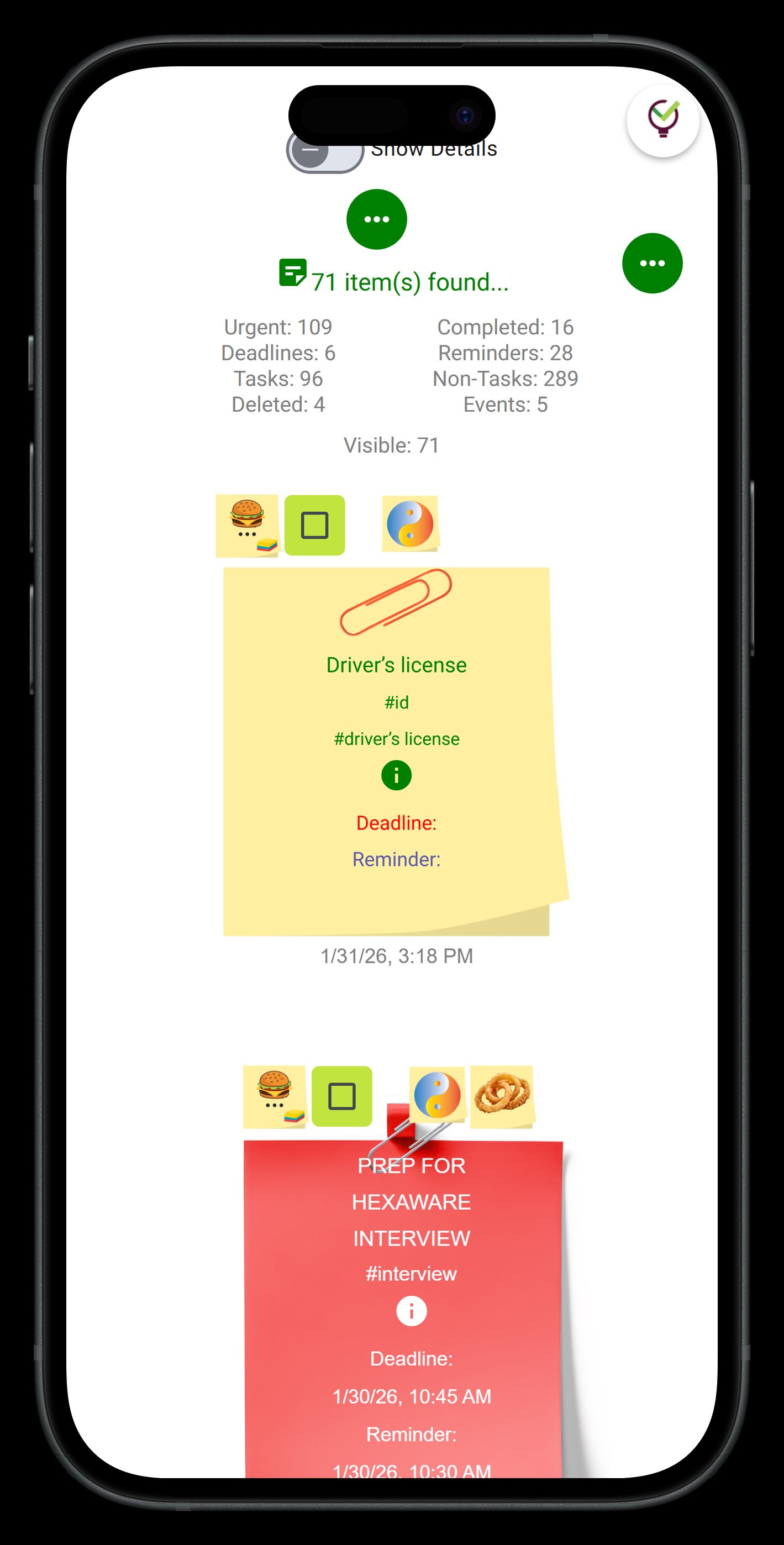
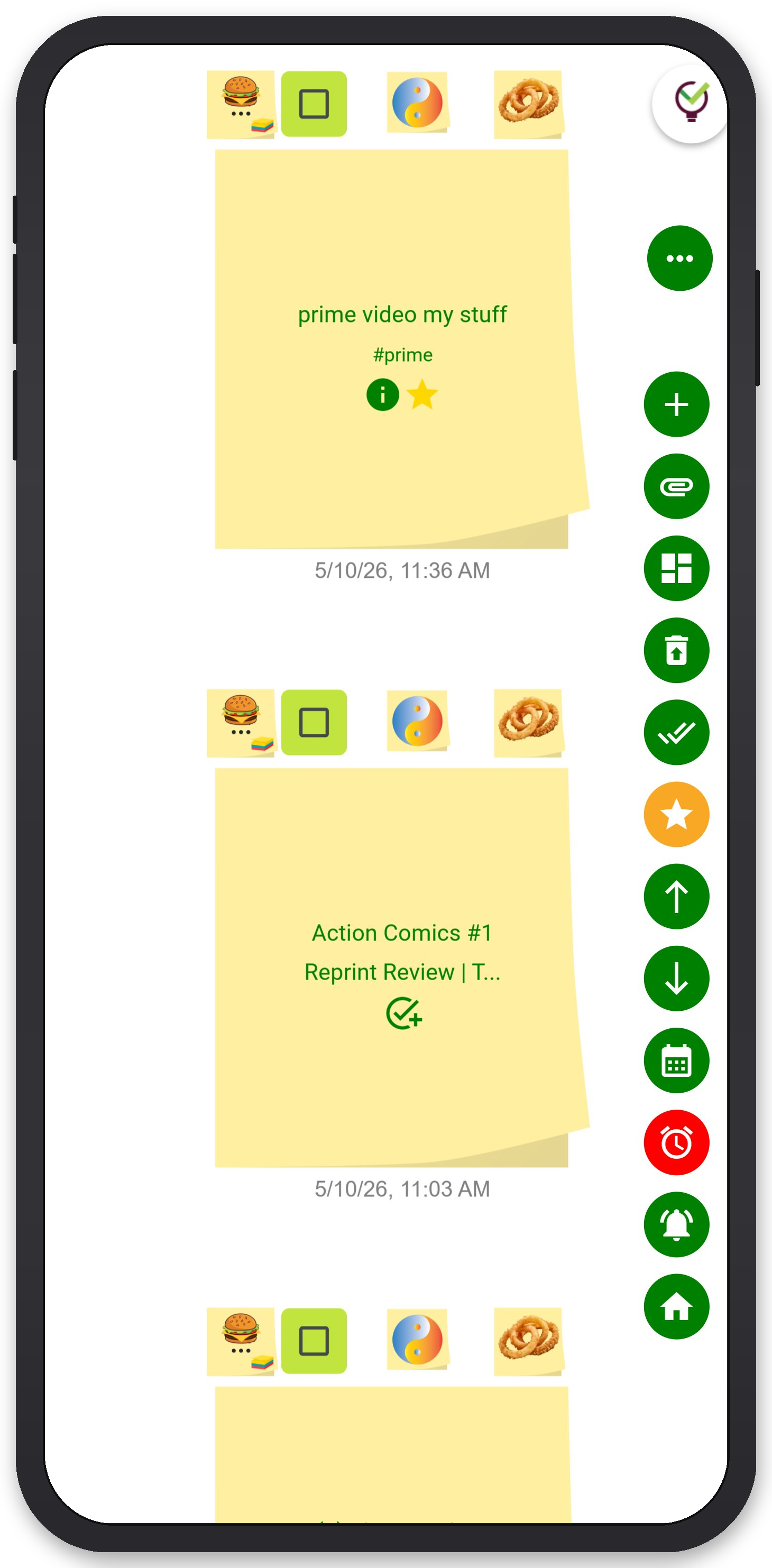
TaskLoco makes this process visual and flexible. Each topic gets its own sticky note with specific tasks, due dates, and progress indicators. As you complete sections, you can move notes to your "Done" column and see your progress accumulate. When life interferes or a topic takes longer than expected, drag and drop to reschedule without losing your place.
Tracking Progress and Staying Motivated
Visual progress tracking transforms abstract study goals into concrete achievements you can see daily. When you complete a topic, practice test, or review session, that visual confirmation reinforces your momentum and builds confidence for test day.
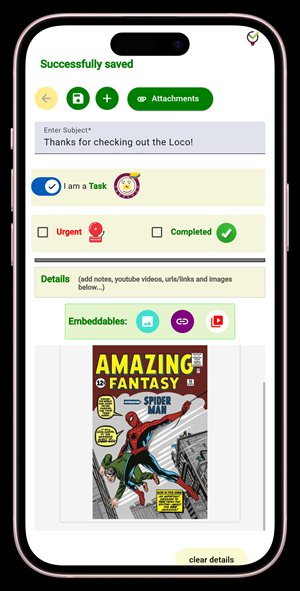
Set up progress indicators that matter: topics mastered, practice test scores, weak areas identified and conquered. TaskLoco's attachment feature lets you save practice test results, formula sheets, and study notes directly with each topic, creating a complete record of your prep journey.
Use reminders strategically to maintain consistency without overwhelming yourself. Set up notifications for daily study sessions, weekly practice tests, and monthly progress reviews. The key is creating accountability without stress — reminders should feel like helpful nudges, not pressure.
Adjusting Your Schedule When Life Happens
The best study schedules anticipate disruptions. School projects, extracurriculars, family events, and even sick days will interfere with your plan. Build flexibility from day one rather than scrambling to catch up later.
Create buffer zones in your schedule — aim to finish content review one week before your target date, leaving time for intensive practice and weak-area focus. When you miss a day, you're borrowing from buffer time, not falling behind permanently.
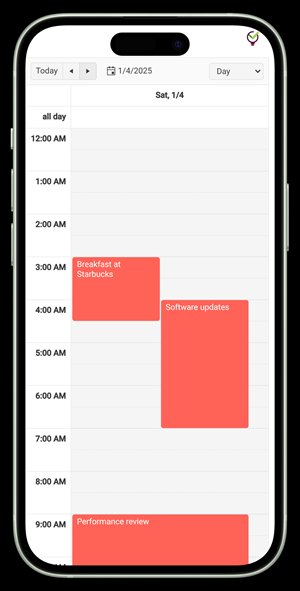
TaskLoco's visual system makes schedule adjustments painless. Drag incomplete tasks to new dates, adjust priorities with color coding, and see the ripple effects of changes instantly. Your study plan stays realistic and achievable even when life gets complicated.
Keep a "parking lot" section for tasks that need rescheduling. This prevents small delays from derailing your entire plan and gives you a clear view of what needs attention when time opens up.
TaskLoco Premium is regularly $9.99/month per person. Right now, charter members can lock in 50% off the regular price — forever. That means $4.99/month per person today. And if our price ever goes up, you still pay half. Always.
Code CHARTER50 auto-applies at checkout. First 500 spots only — once they're gone, this offer is gone permanently. Act fast while spots last.
Every Premium subscription includes unlimited notes, 10GB file storage, reminders, calendar, and team sharing. Each team member requires a separate subscription. 7-day free trial — no charge until day 8. Cancel anytime.
Free Options: TaskLoco
TaskLoco Lite
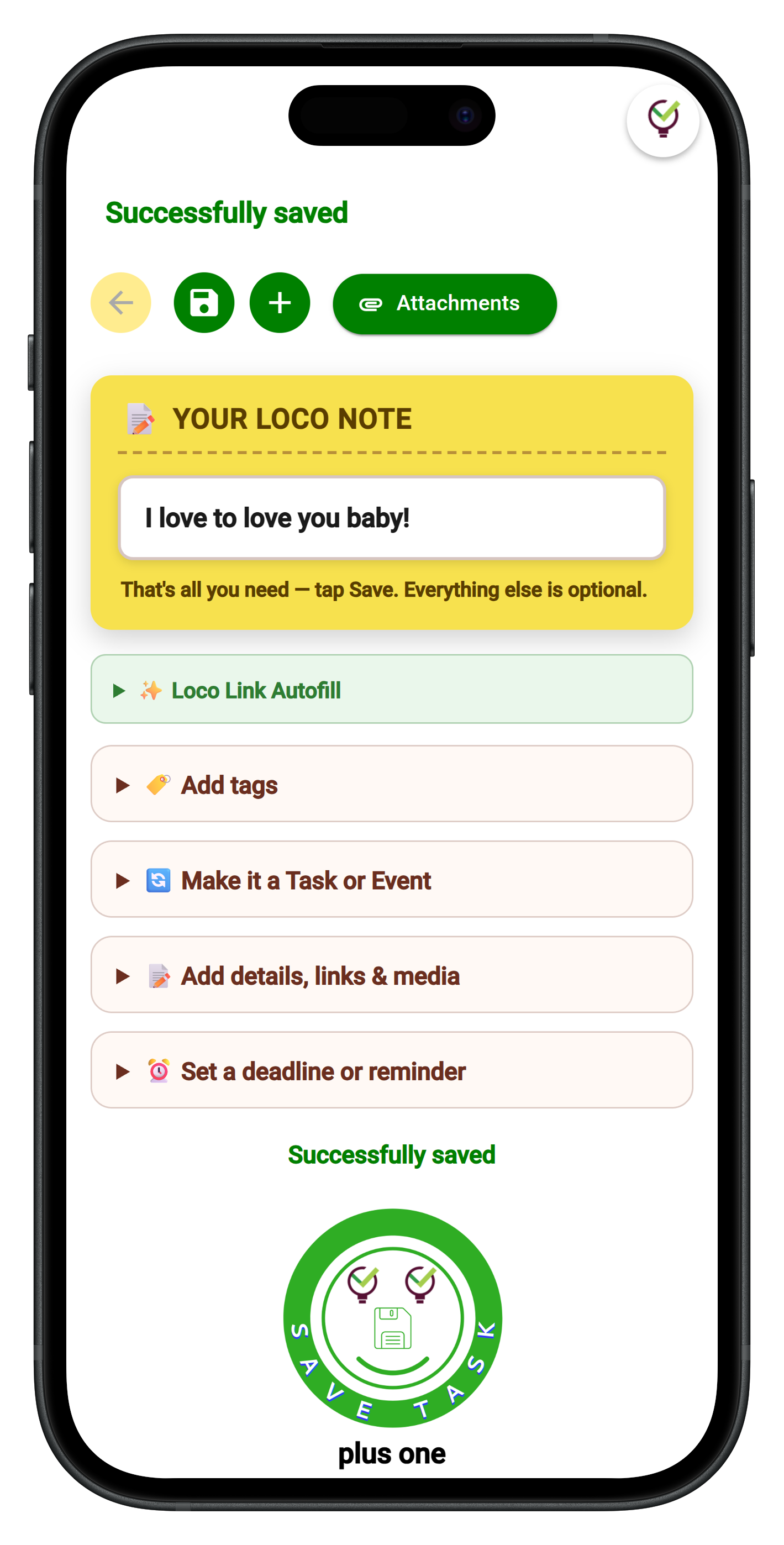
- Native iPhone & Android app
- Completely anonymous — no sign-in
- Data stays on your device
- Up to 20 notes
- Free forever
TaskLoco Lite Plus+
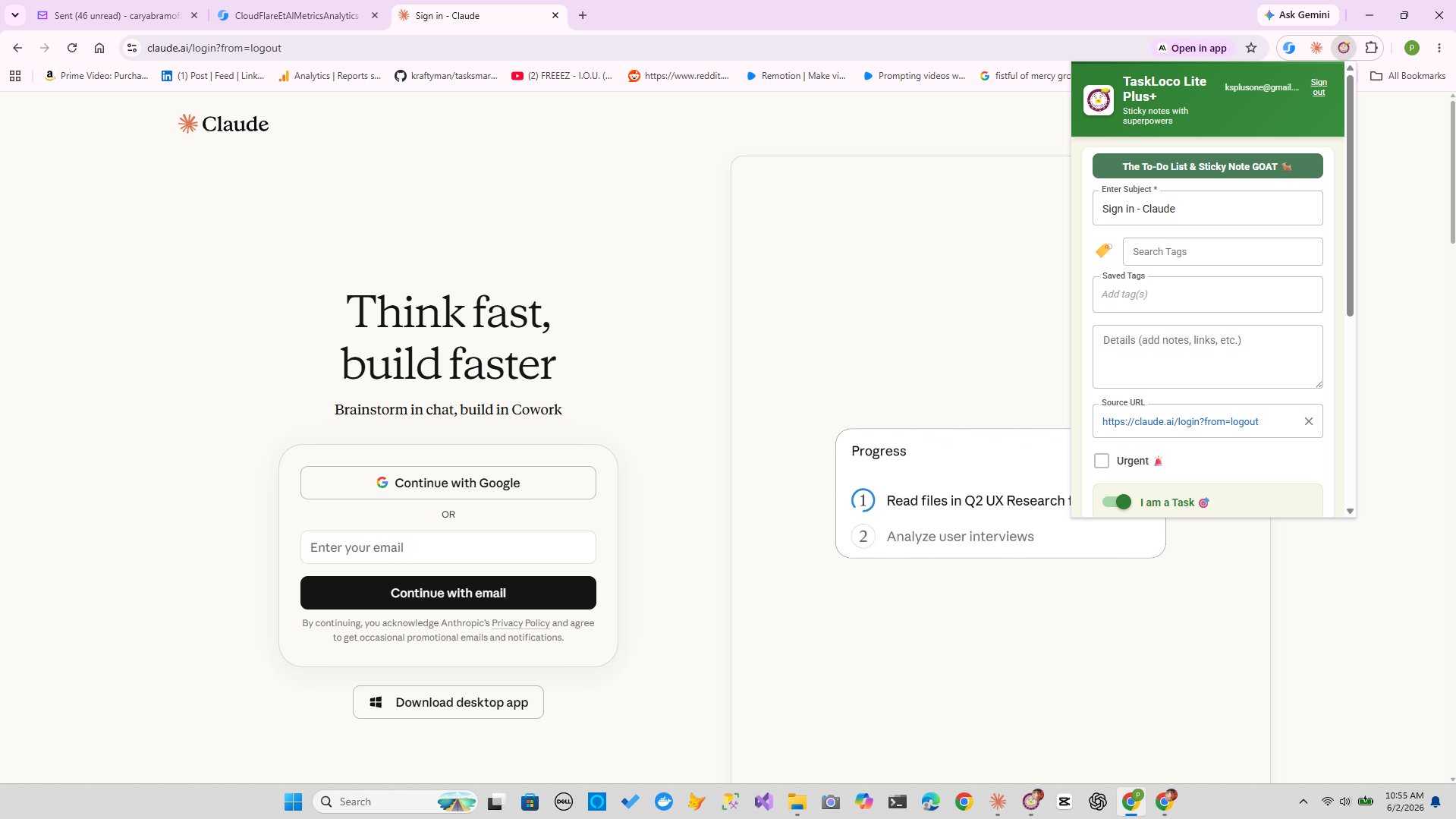
- Web app + Chrome extension
- Sign in with Google
- Wall syncs across all devices
- Up to 30 notes
- Free forever
Lock In 50% Off — Forever
7-day free trial. No charge until day 8. CHARTER50 auto-applies at checkout.
🔒 Lock In My Charter SpotSee TaskLoco in Action
Frequently Asked Questions
How far in advance should I start my AP study schedule?
Start 8-12 weeks before your exam date. Sciences like Chemistry and Physics benefit from 12+ weeks, while subjects like Psychology or Environmental Science can work with 8-10 weeks of focused prep.
How many hours per day should I study for AP exams?
Most successful students study 1-2 hours daily during the school year, increasing to 2-3 hours in the final month. Quality focused study beats marathon cramming sessions every time.
Should I study multiple AP subjects at the same time?
Yes, but balance is key. Alternate between subjects daily or dedicate specific days to each subject. Visual planning helps you see your full course load and prevent one subject from dominating your time.
When should I start taking AP practice tests?
Take your first practice test 6-8 weeks out to establish a baseline, then take one every 2-3 weeks. Save official College Board tests for the final month when your content knowledge is strongest.
How do I stay motivated during long AP study periods?
Visual progress tracking is crucial. Seeing completed topics and improved practice scores maintains momentum. Set weekly goals and celebrate small wins rather than focusing only on the final exam date.
What if I fall behind my AP study schedule?
Don't panic and restart. Identify your weakest areas, focus on high-yield topics, and use your buffer time. It's better to know 80% of the material well than to superficially cover everything.
How much does TaskLoco cost for AP exam planning?
$9.99/month per person (currently $4.99/month per person for first 500 charter members with code CHARTER50)
Born in Brooklyn. Powered by AWS. Your data stays yours.
TaskLoco is available on iPhone, Android, Chrome, and every web browser.