An atomic habits planner app isn't just another task manager—it's a tool designed around James Clear's breakthrough insight that tiny changes compound into remarkable results. Instead of setting huge goals that feel overwhelming, these apps help you focus on the smallest possible improvement you can make today.
The science behind atomic habits is simple: behaviors that seem insignificant in the moment become the foundation of extraordinary outcomes over months and years. But turning this knowledge into practice requires the right system, and that's where specialized planning apps come in.
The Four Laws of Behavior Change in Digital Form
James Clear's atomic habits framework rests on four laws that make habits stick: make it obvious, make it attractive, make it easy, and make it satisfying. The best habit planner apps translate these principles into their design.
Make It Obvious: Visual habit trackers and daily reminders serve as environmental cues. When your phone buzzes with a gentle nudge to drink water or read for five minutes, you're leveraging the first law of behavior change.
Make It Attractive: Progress visualization, streak counters, and celebration animations tap into your brain's reward systems. Seeing a chain of completed days creates anticipation and motivation to continue.
Make It Easy: One-tap logging, pre-built habit templates, and minimal setup friction remove barriers between intention and action. The easier it is to record a habit, the more likely you'll stick with it.
Make It Satisfying: Immediate feedback through progress bars, achievement badges, and visual completion markers provide the instant gratification that reinforces behavior.
Habit Stacking and Implementation Intentions
One of the most powerful techniques from atomic habits is habit stacking—pairing a new habit with an existing one. The formula is simple: 'After I [existing habit], I will [new habit].' Effective planner apps make this connection explicit.
Implementation intentions take this further by creating specific if-then plans. Instead of vague goals like 'exercise more,' you create precise intentions: 'If it's 7 AM on a weekday, then I will do 10 push-ups in my bedroom.' This specificity dramatically increases follow-through rates.
The best apps let you link habits together in chains, set location-based triggers, and create detailed implementation scripts. They understand that context matters more than motivation—when you design your environment and schedule properly, good habits become automatic.
The 2-Minute Rule and Minimum Viable Habits
James Clear's 2-minute rule states that when starting a new habit, it should take less than two minutes to complete. This isn't about limiting yourself—it's about mastering the art of showing up. Once showing up becomes automatic, you can gradually expand.
Smart habit apps embrace this philosophy by encouraging minimum viable habits: read one page, do one push-up, meditate for 30 seconds. The goal isn't the outcome—it's establishing the identity of someone who reads, exercises, or meditates daily.
This approach works because it bypasses the resistance that kills most habit attempts. Your brain doesn't resist one push-up the way it resists a full workout. Once you're down on the floor doing that single push-up, momentum often carries you further naturally.
The most effective apps track both minimum and extended versions of habits, celebrating the small wins while allowing for organic expansion when motivation strikes.
How TaskLoco Supports Atomic Habits
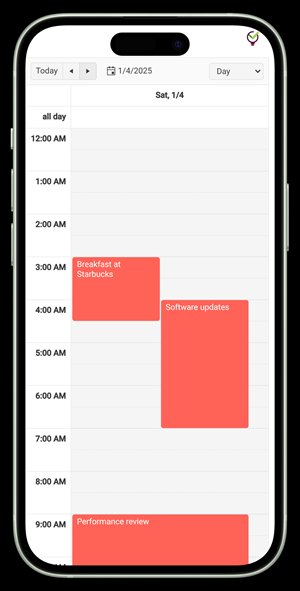
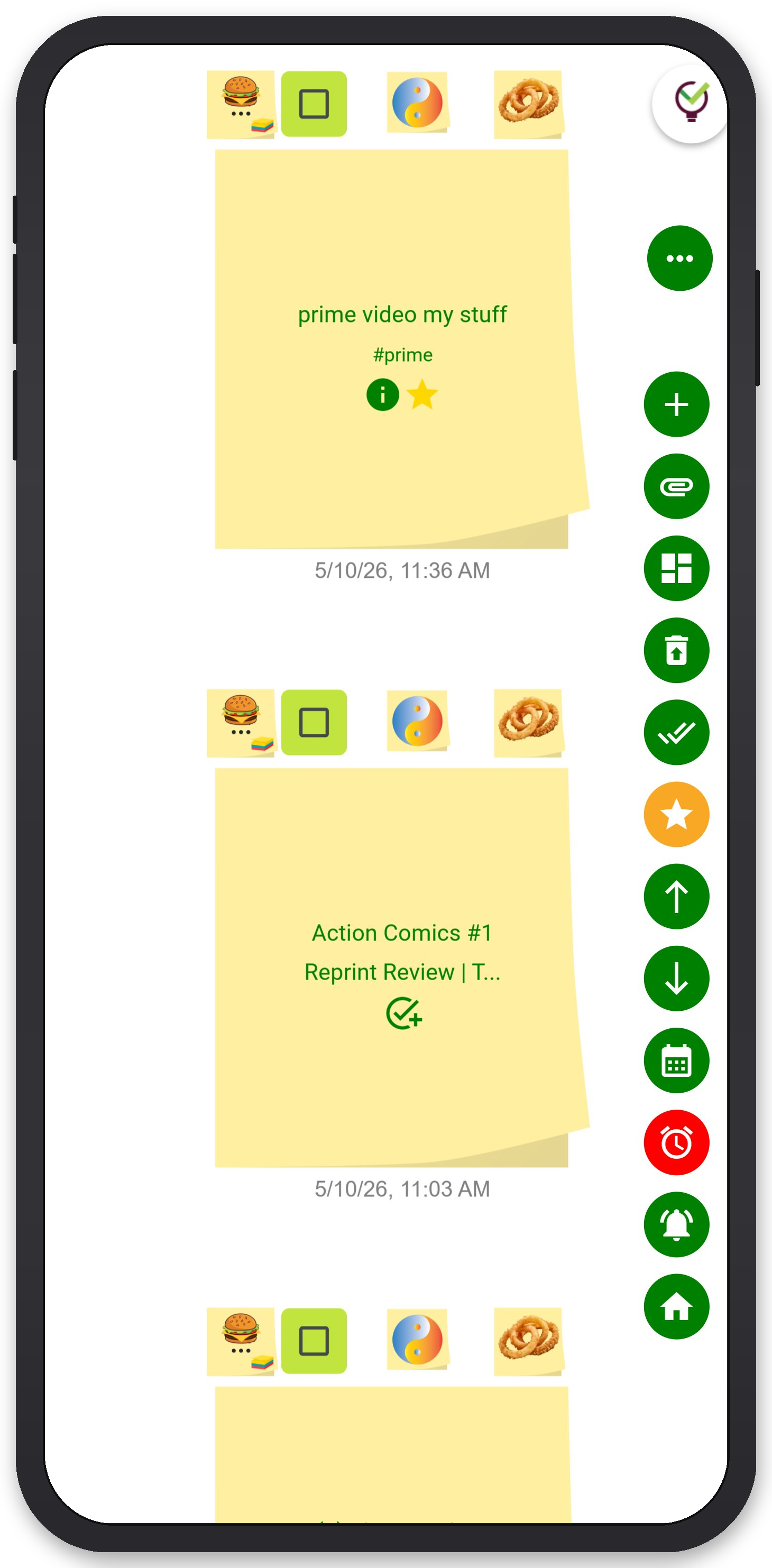
While TaskLoco isn't exclusively a habit tracker, its design philosophy aligns perfectly with atomic habits principles. The sticky note format makes habit tracking feel natural and unintimidating—you're just jotting down what you did, not filling out complex forms.
TaskLoco's reminder system helps you implement Clear's environmental design strategies. Set gentle nudges for your minimum viable habits, and use the note attachment feature to store habit templates, progress photos, or motivational content that reinforces your identity goals.
The simplicity factor matters enormously. When tracking habits feels like work, you'll abandon it. TaskLoco's one-click note creation and cross-device sync mean you can capture habit completions the moment they happen, whether you're at your desk or on the go.
$9.99/month per person (currently $4.99/month per person for first 500 charter members with code CHARTER50)
TaskLoco Premium is regularly $9.99/month per person. Right now, charter members can lock in 50% off the regular price — forever. That means $4.99/month per person today. And if our price ever goes up, you still pay half. Always.
Code CHARTER50 auto-applies at checkout. First 500 spots only — once they're gone, this offer is gone permanently. Act fast while spots last.
Every Premium subscription includes unlimited notes, 10GB file storage, reminders, calendar, and team sharing. Each team member requires a separate subscription. 7-day free trial — no charge until day 8. Cancel anytime.
Free Options: TaskLoco
TaskLoco Lite
- Native iPhone & Android app
- Completely anonymous — no sign-in
- Data stays on your device
- Up to 20 notes
- Free forever
TaskLoco Lite Plus+
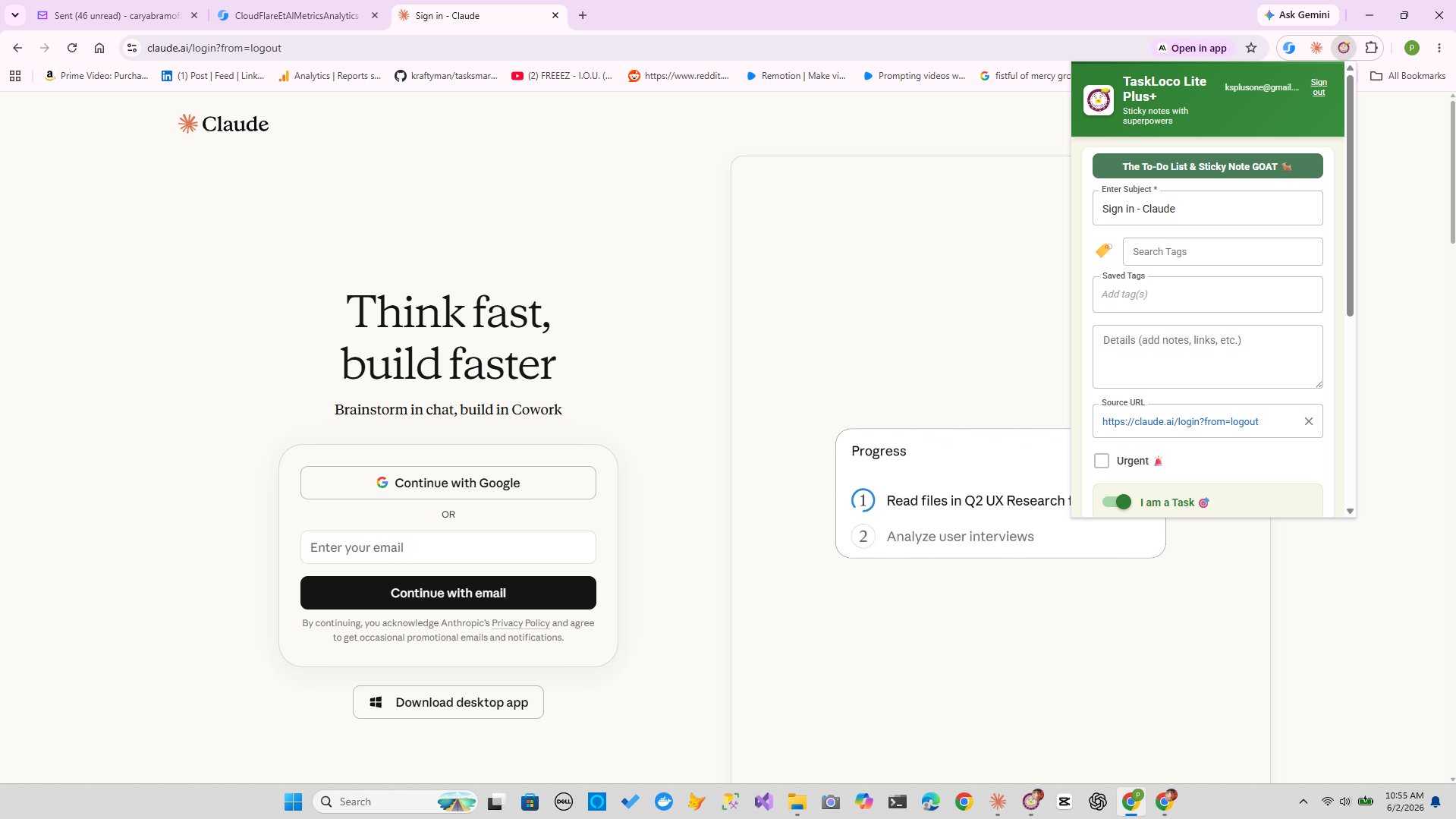
- Web app + Chrome extension
- Sign in with Google
- Wall syncs across all devices
- Up to 30 notes
- Free forever
Lock In 50% Off — Forever
7-day free trial. No charge until day 8. CHARTER50 auto-applies at checkout.
🔒 Lock In My Charter SpotSee TaskLoco in Action
Frequently Asked Questions
What makes an atomic habits planner different from regular habit trackers?
Atomic habits planners focus on tiny, 2-minute habits that compound over time, rather than big behavioral changes. They emphasize identity-based goals, habit stacking, and environmental design principles from James Clear's research.
How long does it take to form an atomic habit?
Research shows habit formation varies widely—from 18 to 254 days depending on complexity. Atomic habits focus on consistency over speed, making the timeline less important than showing up daily with minimum viable actions.
Can I track multiple atomic habits at once?
Start with 1-3 habits maximum. The atomic habits approach prioritizes depth over breadth—it's better to master a few small habits than to attempt many and abandon them all.
What's the 2-minute rule in habit formation?
Any new habit should take less than 2 minutes to complete when starting. Read one page, not 30 minutes. Do one push-up, not a full workout. This builds the identity first, then expands naturally.
How do I know if my atomic habit is working?
Look for consistency over outcomes. If you're showing up daily for your 2-minute habit, it's working even if results aren't visible yet. Atomic habits compound—small changes become big results over months.
Should I use a dedicated habit app or a general planner?
Choose based on simplicity and friction. Dedicated habit apps offer specialized features, but general planners like TaskLoco can work well if they make tracking feel natural and effortless.
What if I break my habit streak?
Atomic habits focus on systems, not streaks. Missing once is an outlier, missing twice starts a pattern. Get back on track immediately rather than abandoning the habit entirely—progress isn't erased by single missed days.
Born in Brooklyn. Powered by AWS. Your data stays yours.
TaskLoco is available on iPhone, Android, Chrome, and every web browser.