Your brain is not a hard drive. It was never meant to store meeting notes, half-formed article ideas, project context from six months ago, and your grocery list simultaneously. Yet most people treat it exactly that way — then wonder why they feel scattered, forget important details, and stall out on creative work. The "Second Brain" concept is a direct answer to that problem: stop trusting your head and start trusting a system.
The phrase was popularized by productivity author and educator Tiago Forte, whose book Building a Second Brain (2022) brought decades of knowledge management theory into a practical, step-by-step framework anyone can use. But the underlying idea is older than Forte — it traces back to Vannevar Bush's 1945 essay "As We May Think," Niklas Luhmann's paper-based Zettelkasten practice, and decades of cognitive science research on distributed cognition. Forte's contribution was making it approachable, and giving it a name that stuck.
What Building a Second Brain Actually Means
At its core, Building a Second Brain (often abbreviated BASB) is a personal knowledge management (PKM) practice. The goal is to capture information that matters to you, organize it in a way that makes it retrievable, distill the most useful parts, and ultimately express that thinking as output — writing, decisions, projects, creative work. Forte calls this the CODE framework: Capture, Organize, Distill, Express.
The organizing backbone Forte recommends is PARA: Projects, Areas, Resources, Archive. Projects are things with a deadline and a desired outcome. Areas are ongoing responsibilities with no end date — health, finances, a relationship. Resources are topics you're interested in or might use someday. Archive is everything inactive. The key insight of PARA is that it organizes by actionability, not by topic. A note about nutrition lives in "Health" (an Area) if you're actively managing your diet, or in "Resources" if it's just something interesting you read. That distinction keeps your system useful rather than turning into a reference library you never open.
The distillation step is what separates BASB from simple note-dumping. Forte teaches Progressive Summarization: each time you return to a note, you highlight the most important sentences. Return again, and you bold the most important of those highlights. The result is a note that, at a glance, surfaces its own essence — no re-reading required. This is the part most people skip, and it's the part that makes retrieval actually fast.
Why the System Works — and Where It Breaks Down
The cognitive science behind BASB is solid. Working memory — the mental workspace where you hold and manipulate information in real time — has a well-documented capacity limit. Psychologist George Miller's 1956 paper put it at roughly seven items (plus or minus two). More recent research by Nelson Cowan suggests the true limit for complex chunks is closer to four. When you try to hold a project's full context in your head while also doing the actual work of the project, you are competing with yourself. Externalizing that context — writing it down somewhere trustworthy — frees cognitive resources for the creative thinking that actually moves work forward.
The system also works because it closes what Forte calls the "capture gap." Most people have a great idea in the shower, lose it by the time they reach a keyboard, and never think about it again. A second brain that's always one tap away collapses the distance between insight and capture to nearly zero.
But BASB breaks down in predictable ways. First, the tool problem: many people spend weeks researching and configuring their note-taking app before they've captured a single idea. The system becomes the project. Second, the maintenance trap: PARA requires periodic review and re-filing. Life gets busy. The archive fills up with things that were never truly archived — they just got abandoned. Third, the complexity cliff: Progressive Summarization requires discipline and regular return visits. If you capture obsessively but never revisit, you've built a very organized junk drawer.
The most common failure mode is choosing a tool with a high floor of complexity — one that requires you to learn a proprietary organizational logic, configure databases, or set up templates before you can capture anything. When the tool's learning curve is steeper than the idea it's meant to hold, people quit before the habit forms.
Choosing the Right Tool: What Actually Matters
The BASB community has enthusiastic debates about tools — Notion, Obsidian, Roam, Logseq, Apple Notes, Evernote. Each has genuine strengths. Obsidian's bidirectional linking is powerful for researchers who think in webs. Notion's database features suit teams tracking structured data. But both carry real overhead: Obsidian requires comfort with Markdown and plugin management; Notion's blank-canvas flexibility can become a productivity trap in itself.
For BASB purposes, the most important qualities in a capture tool are: speed to blank note, reliable sync across devices, search that works, and some way to resurface things you've saved. Everything else is negotiable. File attachments matter when you're collecting reference material. Reminders matter when a note contains something time-sensitive. A calendar view matters when you're tracking deadlines. But none of that matters if you never open the app.
It's also worth being honest about what BASB tools genuinely don't offer — at least not out of the box. If your workflow requires Gantt charts, project dependencies and timelines, enterprise SSO, compliance certifications, or deep API integrations with your existing software stack, a dedicated project management platform will serve you better than any note-centric second brain tool. BASB is a personal knowledge system first. It complements project management — it doesn't replace it.
- Speed to capture: Can you open a blank note in under three seconds?
- Cross-device sync: Does your capture from your phone show up on your laptop immediately?
- Search: Can you find a note by a phrase you remember from it, not just the title?
- Reminders: When a note contains a deadline, can the note itself alert you?
- Attachments: Can you file the PDF or screenshot alongside the note it belongs to?
How TaskLoco Fits the Second Brain Model
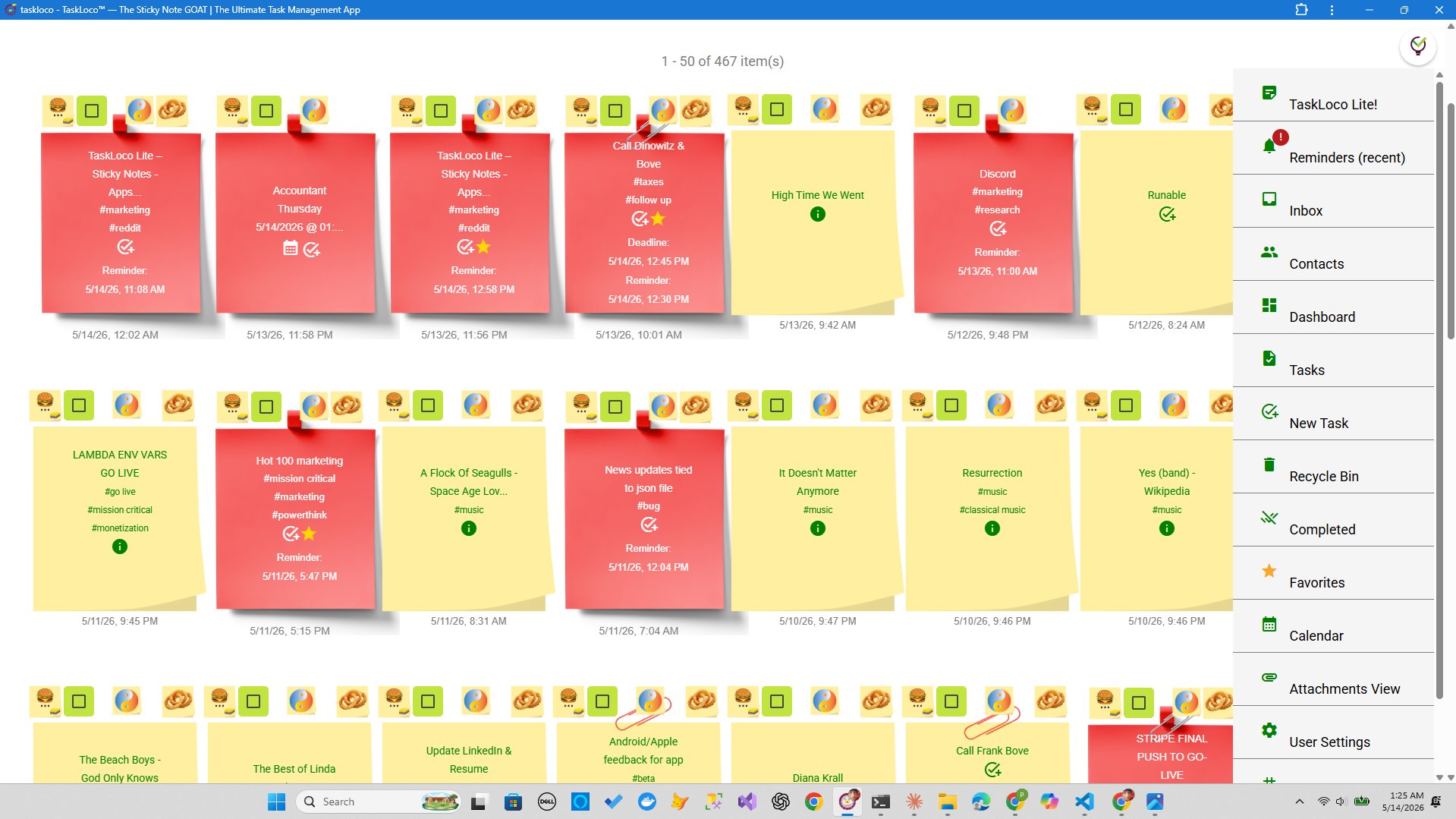
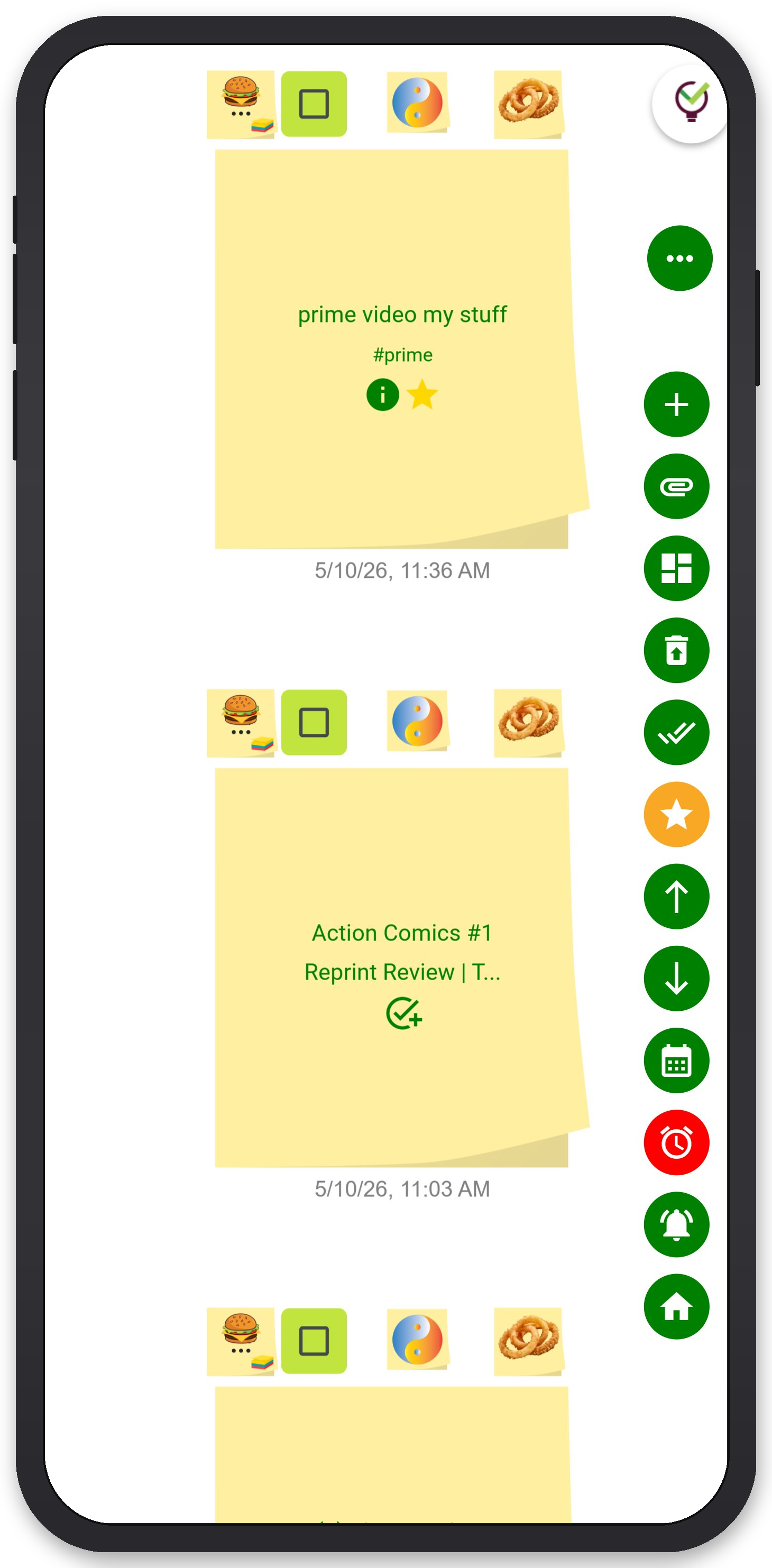
TaskLoco was built around the sticky note — the original low-friction capture tool — and scaled it into a full digital system. The wall view maps naturally onto a PARA-style layout: you can arrange notes by project, area, or status without learning a proprietary system or setting up a database. Notes are just notes. You add what you need when you need it.
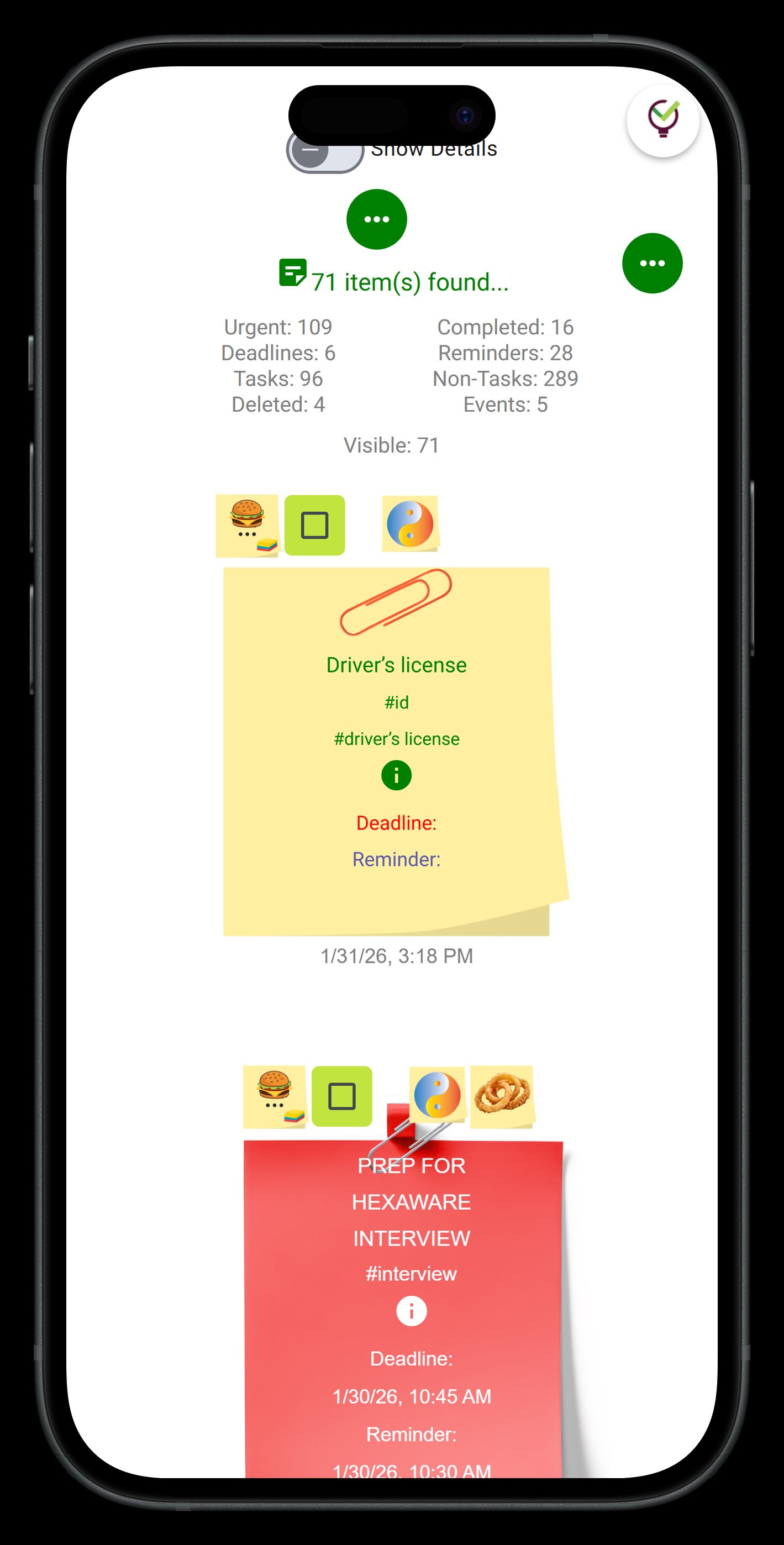
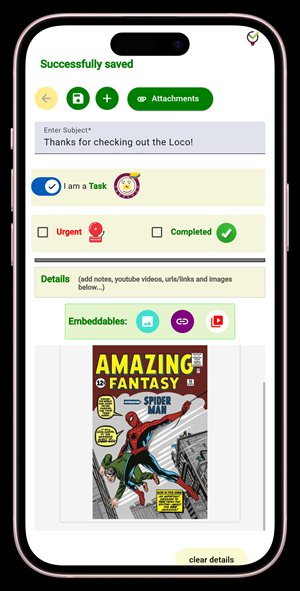
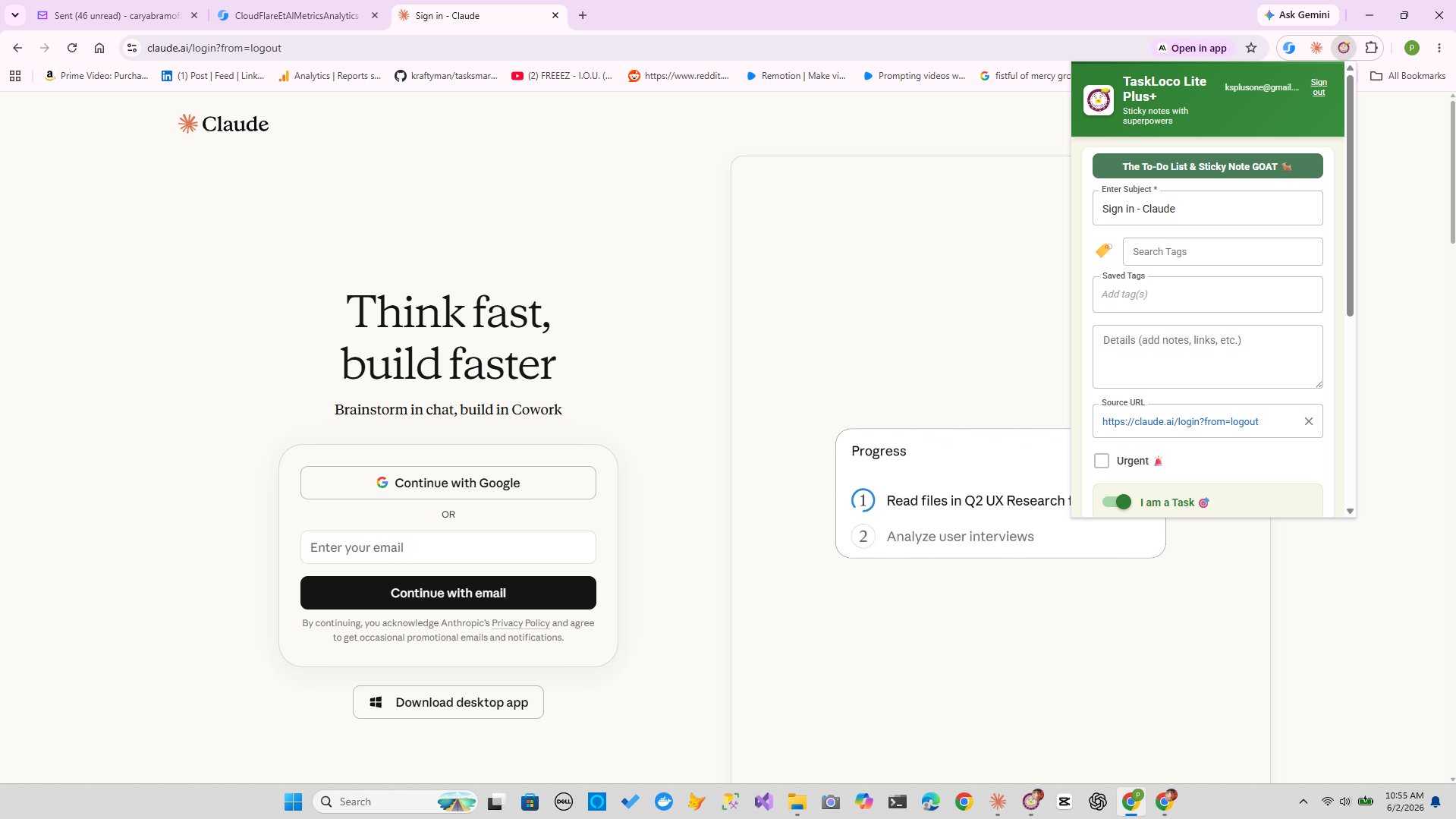
For second brain use, a few specific things stand out. The Chrome extension captures any webpage in one click — no copy-pasting, no tab-switching. That collapses the capture gap for research. File attachments in Premium mean the supporting document lives with the note it belongs to, not in a separate folder you'll forget to check. When a note is time-sensitive, reminders deliver as push notifications that deep-link directly back to the original note — so you land exactly where the context lives, not in an inbox that makes you hunt for it.
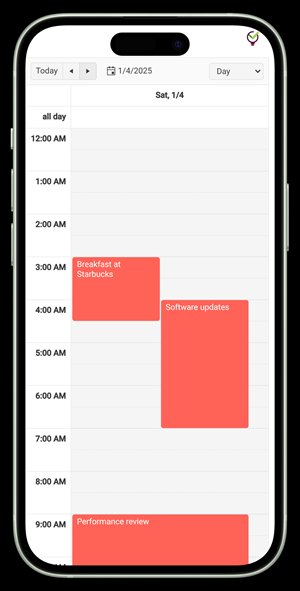
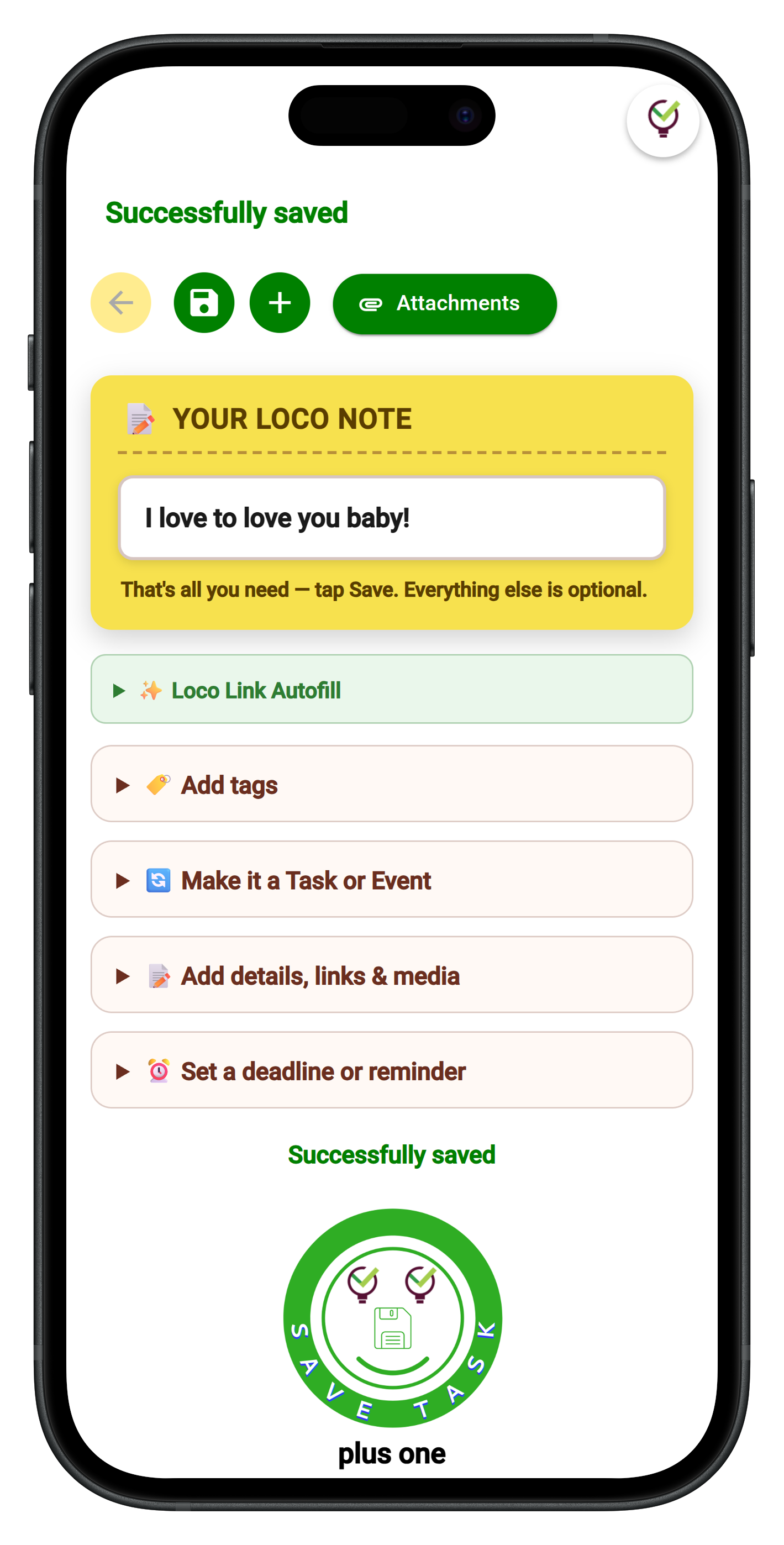
TaskLoco Lite (the native iPhone and Android app) is the fastest possible entry point: completely anonymous, no sign-in required, and stores up to 20 notes on your device. It's a pure capture tool — nothing more. Lite Plus+ (web app and Chrome extension, free with Google sign-in) adds cross-device sync and up to 30 notes. Premium removes every limit and adds reminders, file storage, calendar view, and team sharing — the full system for people who've moved past just capturing and want to actually distill and express.
TaskLoco won't give you bidirectional links, a graph view, or a Zettelkasten-style network. If that's your model, Obsidian is a better fit. But if you want a second brain you'll actually use — one that's running in under ten seconds, doesn't require you to learn a new logic, and grows with you as your needs do — TaskLoco is worth a serious look.
TaskLoco Premium is regularly $9.99/month per person. Right now, charter members can lock in 50% off the regular price — forever. That means $4.99/month per person today. And if our price ever goes up, you still pay half. Always.
Code CHARTER50 auto-applies at checkout. First 500 spots only — once they're gone, this offer is gone permanently. Act fast while spots last.
Every Premium subscription includes unlimited notes, 10GB file storage, reminders, calendar, and team sharing. Each team member requires a separate subscription. 7-day free trial — no charge until day 8. Cancel anytime.
Free Options: TaskLoco
TaskLoco Lite
- Native iPhone & Android app
- Completely anonymous — no sign-in
- Data stays on your device
- Up to 20 notes
- Free forever
TaskLoco Lite Plus+
- Web app + Chrome extension
- Sign in with Google
- Wall syncs across all devices
- Up to 30 notes
- Free forever
Lock In 50% Off — Forever
7-day free trial. No charge until day 8. CHARTER50 auto-applies at checkout.
🔒 Lock In My Charter SpotSee TaskLoco in Action
Frequently Asked Questions
What is Building a Second Brain in simple terms?
Building a Second Brain is a method for offloading your memory and thinking into a trusted digital system. Instead of trying to remember everything, you capture information as it comes in, organize it by how actionable it is, distill the most important parts each time you revisit a note, and use that stored thinking as raw material for your actual work. The phrase was coined by Tiago Forte, but the underlying idea — that humans think better when they externalize information — comes from decades of cognitive science.
What is the PARA method?
PARA stands for Projects, Areas, Resources, and Archive. It's the organizational framework Tiago Forte designed as part of the BASB system. Projects have a deadline and a specific outcome. Areas are ongoing responsibilities with no end date. Resources are topics of interest or potential future use. Archive is everything that's no longer active. The key difference between PARA and a typical folder structure is that PARA organizes by actionability — how relevant something is to what you're doing right now — rather than by subject or category.
What is Progressive Summarization?
Progressive Summarization is Tiago Forte's technique for making saved notes retrievable without re-reading them in full. Each time you return to a note, you highlight the most important sentences. On a subsequent visit, you bold the most important of those highlights. Over time the note surfaces its own essence at a glance. It's the distillation layer of the CODE framework (Capture, Organize, Distill, Express) and the step most people skip — which is also why most people's note systems eventually stop being useful.
Do I need special software to build a second brain?
No. The concepts work with paper, with a simple notes app, or with a dedicated tool like Obsidian or TaskLoco. What matters is that the system is fast enough to capture in the moment, organized enough to retrieve later, and simple enough that you actually maintain it. The biggest mistake people make is choosing a tool with so many configuration options that setting up the tool becomes the project. Start with the simplest thing that lets you capture and search.
What are the most common reasons people quit their second brain system?
Three patterns show up repeatedly. First, tool paralysis — spending so much time evaluating and configuring apps that no real capturing happens. Second, the maintenance trap — PARA and Progressive Summarization both require returning to notes periodically, and when life gets busy, the system silently stops being maintained. Third, capturing without expressing — accumulating thousands of notes but never using them to produce output. A second brain that only receives and never generates is just an elaborate archive. The fix is to design for the smallest possible friction at every step and to schedule regular review sessions.
Is TaskLoco good for a second brain system?
TaskLoco maps well onto the BASB model for people who want a low-friction, fast-start system. The wall view can mirror a PARA layout. The Chrome extension collapses the capture gap for web research. Reminders deep-link back to the original note so time-sensitive context is never lost. File attachments in Premium keep supporting documents with the notes they belong to rather than in separate folders. Where TaskLoco doesn't fit is if your second brain practice relies on bidirectional linking, a graph view, or a Zettelkasten-style network — for those needs, Obsidian is better suited.
How is a second brain different from just taking notes?
Regular note-taking is passive storage. A second brain is an active system designed for retrieval and use. The difference is in what happens after you capture something. In a second brain, notes are organized by actionability, progressively summarized so they're skimmable later, and deliberately used as inputs for creative and professional output. Most people's notes are a write-once archive they never return to. A second brain is designed to be read, revised, and built upon — it's a working document for your thinking, not a filing cabinet.
Born in Brooklyn. Powered by AWS. Your data stays yours.
TaskLoco is available on iPhone, Android, Chrome, and every web browser.