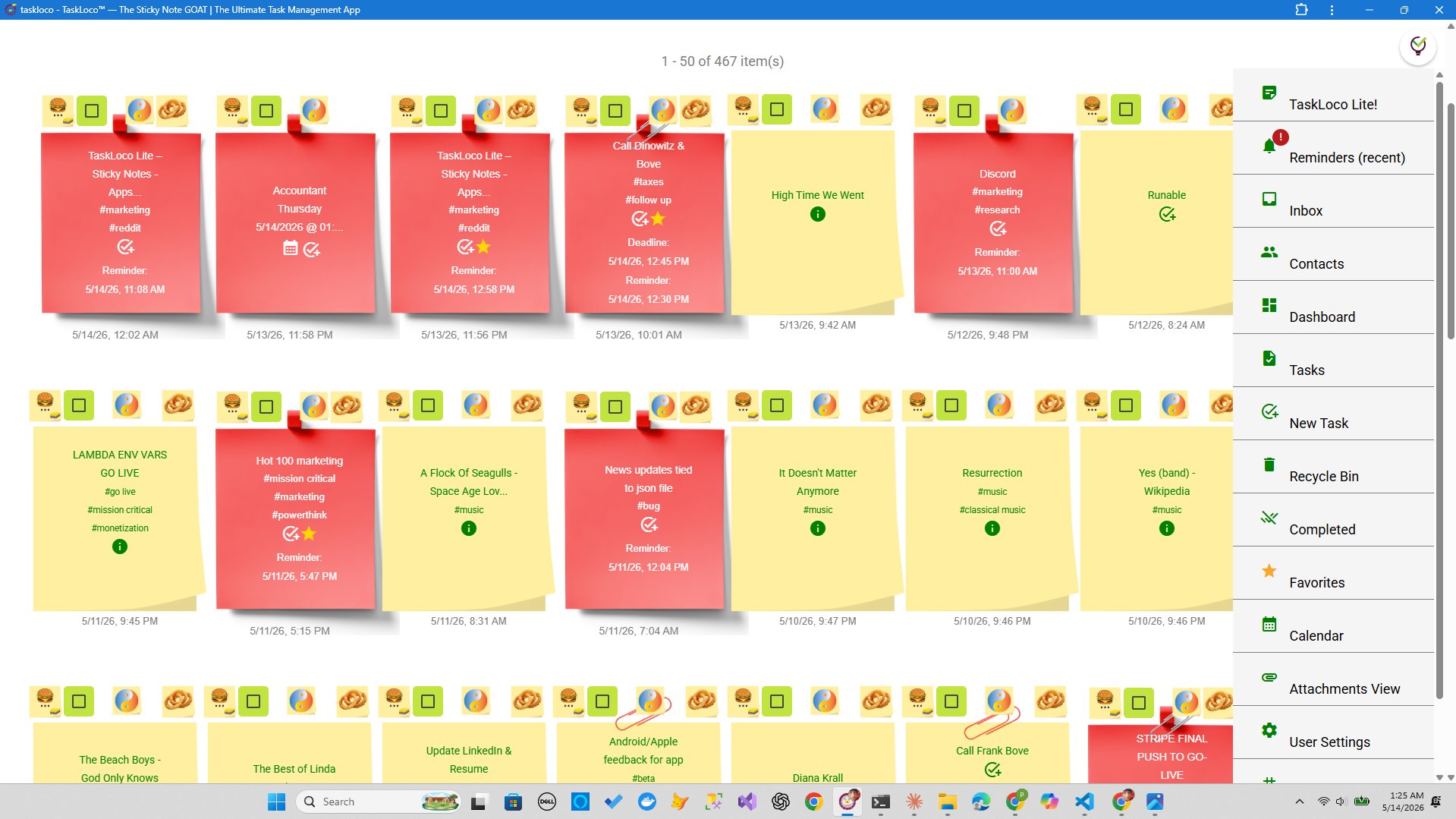
Your brain is not a filing cabinet. It was never supposed to be. The prefrontal cortex handles reasoning, planning, and creative connection — but it is a terrible archivist. When you try to hold a project, three deadlines, a half-formed idea, and a grocery list in working memory at once, none of those things get the attention they deserve. That is not a personal failing. That is neuroscience.
The "second brain" concept, popularized by productivity educator Tiago Forte, is a direct response to this reality. The premise is simple: offload the storage function to an external system so your biological brain can do what it is actually good at. The "visual" part matters just as much — spatial arrangement, color, and proximity are far faster for the human eye to parse than a flat list or a folder tree. This page explains the mental model honestly: where it comes from, why it works, where it breaks down, and what a practical version looks like.
Where the Idea Comes From
The term "second brain" is modern, but the underlying idea is centuries old. Leonardo da Vinci kept thousands of pages of notebooks — sketches, observations, half-finished questions — that he returned to repeatedly as new problems emerged. Niklas Luhmann, the German sociologist, built a Zettelkasten (slip-box) of roughly 90,000 index cards, each linked to others, and credited it for generating the intellectual connections behind his prolific output. Both systems shared the same core logic: capture everything, organize by relationship rather than category, and trust the system to surface relevant material when you need it.
Tiago Forte synthesized these traditions into a modern framework called PARA — Projects, Areas, Resources, Archives. The key innovation in his framing was the distinction between projects (things with a defined end) and areas (ongoing responsibilities with no finish line). This distinction sounds obvious until you realize most people's note systems collapse everything into a single undifferentiated pile, which is why they stop using them.
The "visual" layer draws from a separate body of research. Cognitive psychologist Stephen Kosslyn demonstrated that spatial reasoning and visual memory are processed through different neural pathways than language and sequential logic. This is why a well-arranged sticky note wall can communicate the status of a complex project in seconds, while a nested folder structure requires deliberate navigation. The brain reads a visual layout; it has to decode a hierarchy.
Why the Visual Format Works (and When It Breaks Down)
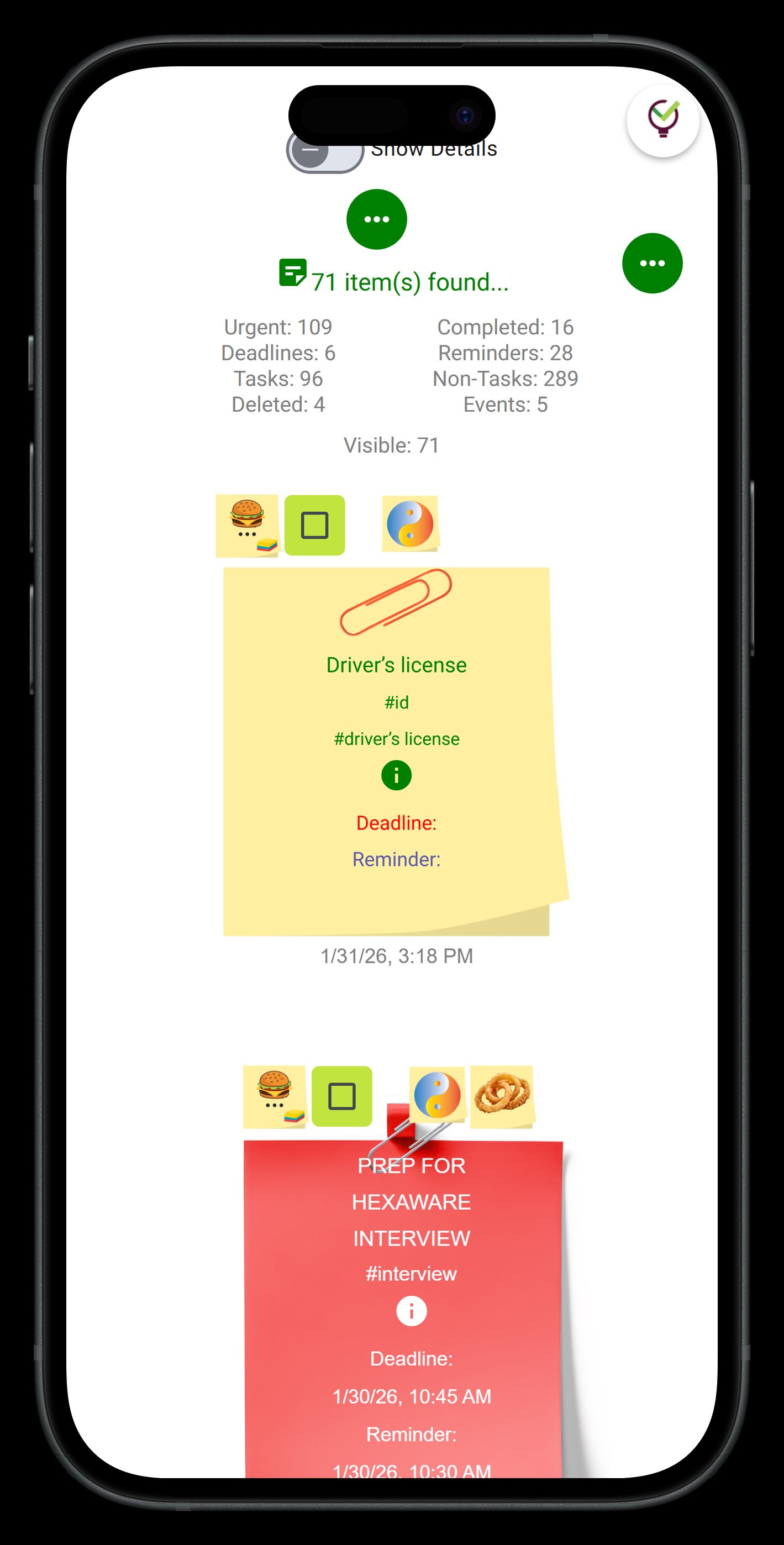
The case for visual organization rests on a well-documented phenomenon called the picture superiority effect. In experiments going back to the 1970s, people consistently recall images and spatially-encoded information better than text presented in a linear sequence. When your notes have a position — this cluster of ideas lives in the top-left corner, that one anchors the bottom — your brain encodes both the content and the location. You remember where you put it, which means you can find it without a search query.
Color adds a second retrieval dimension. When every note in a project is blue and every personal task is yellow, you can filter visually without any software interaction. This is not decoration — it is a deliberate use of pre-attentive processing, the brain's ability to detect visual properties before conscious attention is engaged. A red note on a wall of yellow ones is impossible to miss.
Proximity encodes relationship. Notes placed near each other imply connection. This is why a wall of sticky notes works as a storyboard: the spatial arrangement carries meaning that a flat list cannot. Moving a note changes its relationship to everything around it — a gesture that a folder rename never achieves.
That said, the visual second brain has real limits, and honest coverage requires acknowledging them:
- Scale: A wall of 15 notes is a cognitive tool. A wall of 800 notes is visual noise. Without regular pruning and archiving, any visual system degrades into clutter.
- Search: When you need a specific fact buried in 200 notes, spatial memory fails and you need full-text search. A pure analog system — physical sticky notes, whiteboards — has no search at all.
- Shared context: A visual layout that is obvious to its creator can be opaque to a collaborator who did not build it. Visual systems shared across a team require some shared conventions — color meanings, zone labels — that take time to establish.
- Depth: Visual layouts excel at status and relationship. They are weaker for storing detailed reference material, structured data, or anything that requires tabular or relational organization.
How to Actually Build One — Without the Setup Spiral
The most common failure mode for second-brain systems is the setup spiral: you spend three weekends designing the perfect taxonomy, choose a tool with a hundred features, watch six tutorials, and then never actually use it because the system has become more complex than the problems it was supposed to solve. This is not a personal discipline failure. It is a design failure — the system was optimized for theoretical completeness rather than daily use.
A functional visual second brain needs exactly four things:
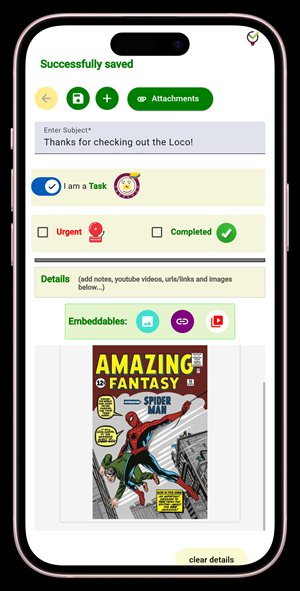
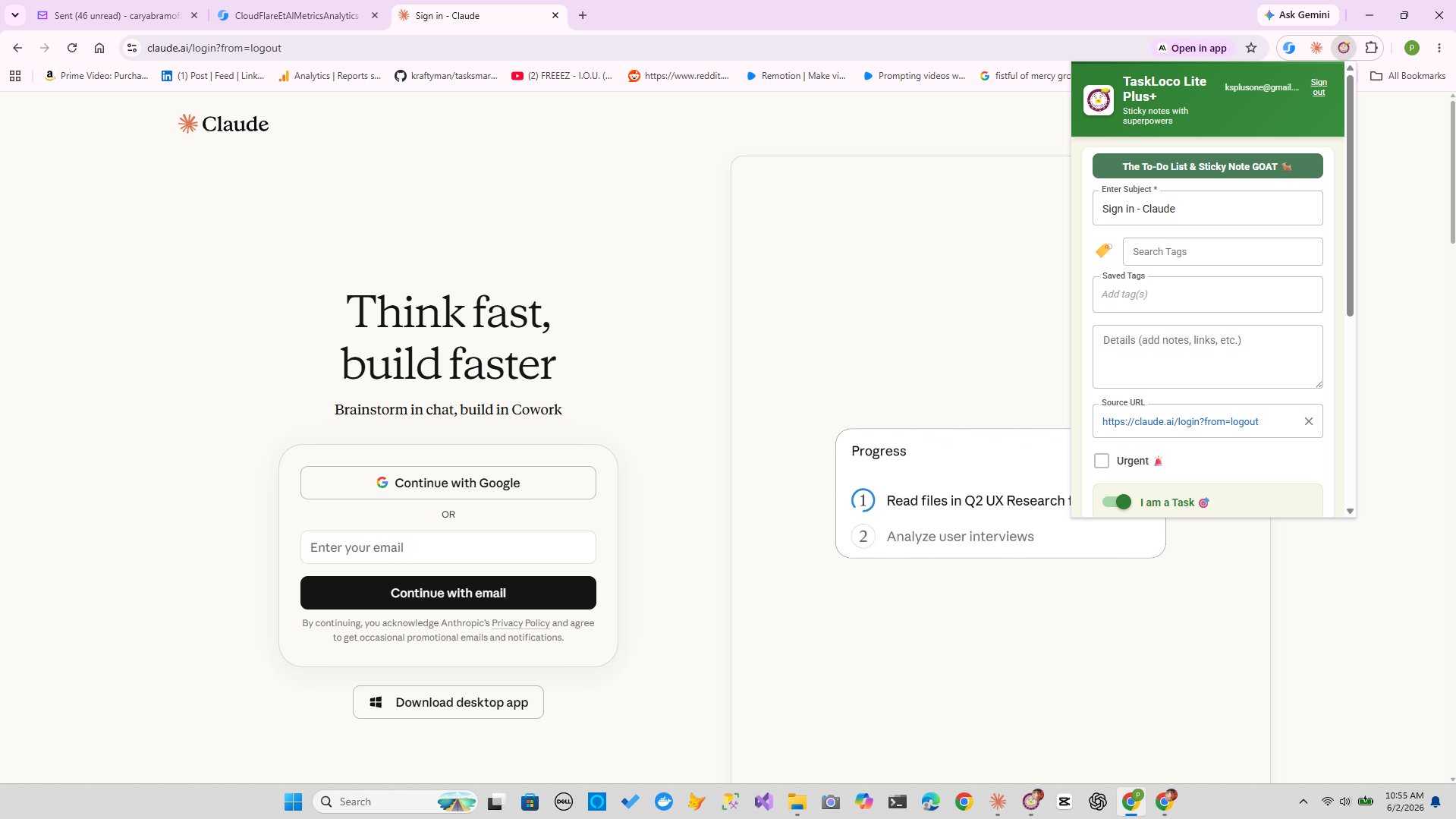
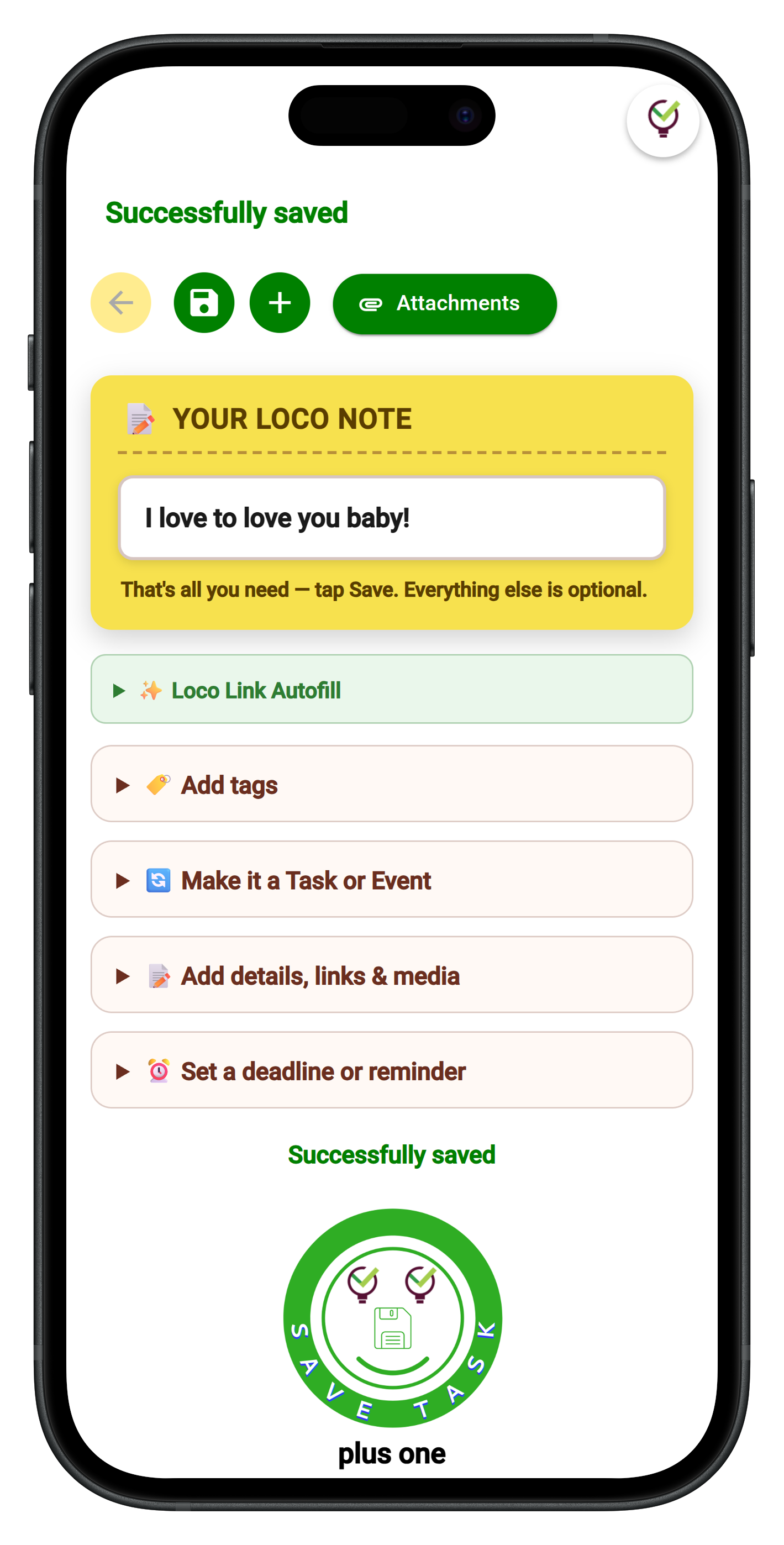
- A single capture habit. Every idea, task, reference, or fleeting thought goes into one place immediately. The capture step must take under 10 seconds or you will skip it. A quick-capture button, a Chrome extension, or a home-screen widget are all valid. What matters is that capture is frictionless.
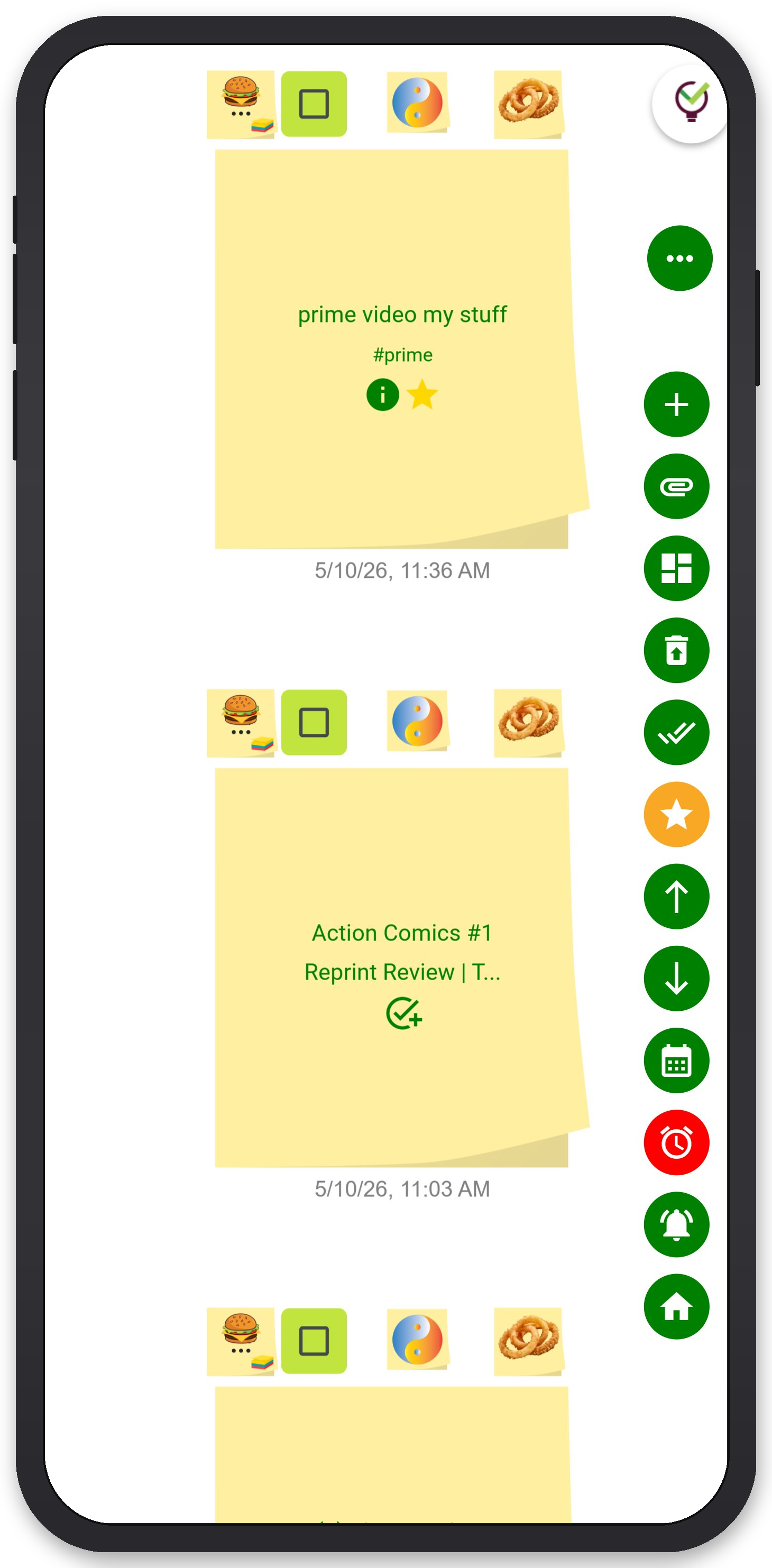
- A visual surface. This is your working memory. It should show active projects, open questions, and current priorities at a glance. A sticky note wall, a kanban board, or a color-coded note grid all work. The format matters less than the visual density — you want to see everything at once, not scroll through it.
- A review rhythm. The system only works if you return to it. A daily 5-minute review to clear completed items and a weekly 20-minute review to archive inactive notes keeps the visual surface meaningful.
- A separation between active and archived. Active notes stay on the wall. Completed or reference material moves to an archive. Without this separation, the wall fills up and loses its function as a quick-read surface.
Notice what is not on that list: tagging hierarchies, nested folders, custom fields, linked databases, or any other structural complexity. Those tools have their place — but they are not prerequisites for a working visual second brain. Start with a wall and a capture habit. Add structure only when a specific problem demands it.

TaskLoco Premium is regularly $9.99/month per person. Right now, charter members can lock in 50% off the regular price — forever. That means $4.99/month per person today. And if our price ever goes up, you still pay half. Always.
Code CHARTER50 auto-applies at checkout. First 500 spots only — once they're gone, this offer is gone permanently. Act fast while spots last.
Every Premium subscription includes unlimited notes, 10GB file storage, reminders, calendar, and team sharing. Each team member requires a separate subscription. 7-day free trial — no charge until day 8. Cancel anytime.
Free Options: TaskLoco
TaskLoco Lite
- Native iPhone & Android app
- Completely anonymous — no sign-in
- Data stays on your device
- Up to 20 notes
- Free forever
TaskLoco Lite Plus+
- Web app + Chrome extension
- Sign in with Google
- Wall syncs across all devices
- Up to 30 notes
- Free forever
Lock In 50% Off — Forever
7-day free trial. No charge until day 8. CHARTER50 auto-applies at checkout.
🔒 Lock In My Charter SpotSee TaskLoco in Action
Frequently Asked Questions
What is a visual second brain?
A visual second brain is an external system — digital or physical — designed to capture, organize, and surface your ideas, tasks, and reference material so your working memory stays free for actual thinking. The "visual" part means the system uses spatial arrangement, color, and proximity to communicate relationships and status at a glance, rather than relying on hierarchical folders or linear lists. The concept draws from Niklas Luhmann's Zettelkasten method, Tiago Forte's PARA framework, and cognitive research on spatial memory and the picture superiority effect.
How is a visual second brain different from a regular note-taking app?
Most note-taking apps are built around documents and folders — a text-first, hierarchy-first model. A visual second brain prioritizes the spatial relationship between ideas: what is near what, what color signals what, what zone of the wall is for active work versus reference. The difference is not just aesthetic. Spatial encoding gives your brain a second retrieval path — you remember where you put something, not just what it said. A regular notebook or app gives you only one path: search or scroll.
Does a visual second brain actually work, or is it just productivity theater?
The underlying mechanisms are well-supported. The picture superiority effect — that spatially and visually encoded information is recalled better than text in a list — is one of the most replicated findings in cognitive psychology. The Zettelkasten's effectiveness is documented across decades of Luhmann's output. Where visual second brain systems fail is almost always in implementation: the setup is too complex, the review habit never forms, or the wall fills up and becomes visual noise. The idea works. The execution requires discipline about scope and a consistent review rhythm.
What is the PARA method and does it apply to visual second brains?
PARA stands for Projects, Areas, Resources, Archives — a framework created by Tiago Forte for organizing any digital note system. Projects have a defined end goal and a deadline. Areas are ongoing responsibilities (health, finances, a specific relationship). Resources are reference material you might use later. Archives hold completed or inactive items. PARA applies directly to visual second brains: different zones or colors on your note wall can map to each category. The active wall surface stays focused on Projects and Areas; Resources and Archives move out of the primary view.
How many notes is too many for a visual wall to work?
There is no universal number, but most practitioners find that a working wall of more than 40-60 active notes starts to lose its at-a-glance utility. The visual density exceeds what pre-attentive processing can handle quickly. The solution is not a larger wall — it is a stricter archiving habit. Completed notes should leave the active surface. Reference material that is not currently relevant should be archived. The wall's value is proportional to how current and focused it stays, not how many notes it holds.
Can a visual second brain work for a team, not just an individual?
Yes, but it requires shared conventions that a solo system does not. A team wall needs agreed-upon color meanings (everyone knows red means blocked, green means ready for review), clear zone labels so a note's position is readable to anyone on the team, and a shared review rhythm. The failure mode for team visual systems is that the creator's mental model is not legible to collaborators. Building that shared context takes a short onboarding step — but once established, a shared visual wall can communicate project status faster than any status meeting.
What tool should I use to build a visual second brain?
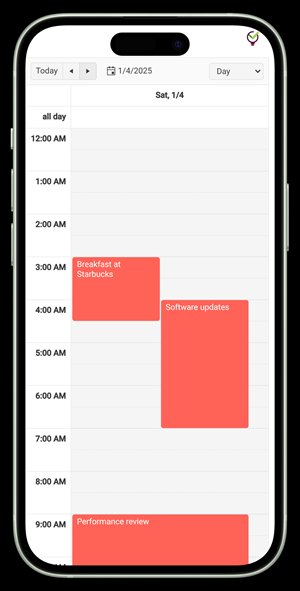
The right tool is the one you will actually use every day. For a visual second brain, the non-negotiables are: a frictionless capture step (ideally one tap or one click), a wall-style view where you can see and arrange notes spatially, color-coding, and full-text search for when spatial memory is not enough. TaskLoco was built specifically around this model — sticky notes on a visual wall, a Chrome extension for one-click web capture, and Premium features (reminders that deep-link back to the original note, 10GB file storage, calendar view, and team sharing) for a system that scales beyond a basic capture habit. $9.99/month per person (currently $4.99/month per person for first 500 charter members with code CHARTER50)
Born in Brooklyn. Powered by AWS. Your data stays yours.
TaskLoco is available on iPhone, Android, Chrome, and every web browser.