TaskLoco›Articles›Covey Matrix vs Eisenhower Matrix: Which Priority Framework Actually Works?
Covey Matrix vs Eisenhower Matrix: Same Framework, Different Focus. Here's What Actually Matters.
By TaskLoco · taskloco.com · June 2026
Quick Answer
The Covey Matrix and Eisenhower Matrix are essentially the same 4-quadrant framework — Covey just added insights about urgency addiction and weekly planning rituals. TaskLoco makes either approach work by turning your priority decisions into actionable notes with reminders.
Stephen Covey's Time Management Matrix and Dwight Eisenhower's decision framework are practically identical — both use four quadrants to separate urgent from important tasks. The real difference? Eisenhower created a quick decision tool for a president's daily choices, while Covey built a philosophy around breaking urgency addiction.
But here's what both frameworks miss: a simple way to capture those quadrant decisions and turn them into action. Most people sketch the matrix, sort their tasks, then lose track of everything within hours. The framework works. The follow-through doesn't.
The Frameworks: Same Grid, Different Philosophy
Both matrices use identical quadrants: Urgent & Important (Q1), Important & Not Urgent (Q2), Urgent & Not Important (Q3), and Neither (Q4). Eisenhower designed this as a rapid decision filter during World War II — do it, schedule it, delegate it, or delete it.
Covey took the same grid and built a complete productivity philosophy around it. His key insight: most people live in Q1 (crisis mode) and Q3 (urgency addiction), while the magic happens in Q2 — important but not urgent work like planning, prevention, and skill-building.
The Eisenhower approach treats each task as a standalone decision. Covey's version focuses on patterns — why do you keep ending up in crisis mode, and how do you shift toward proactive Q2 work?
TaskLoco bridges this gap by letting you capture both the immediate decision (this task goes to Q2) and the ongoing pattern (weekly Q2 planning sessions with reminders).
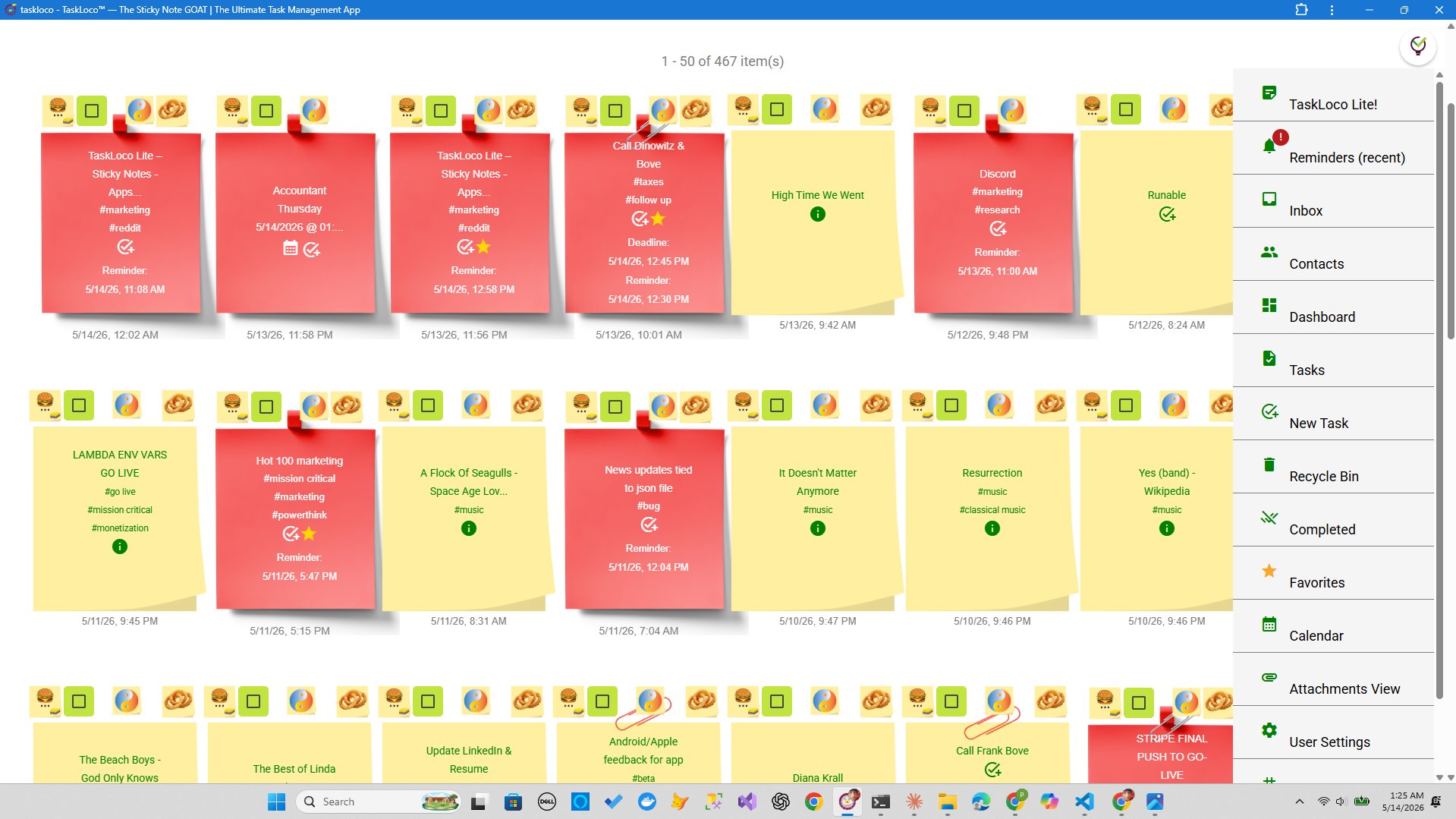
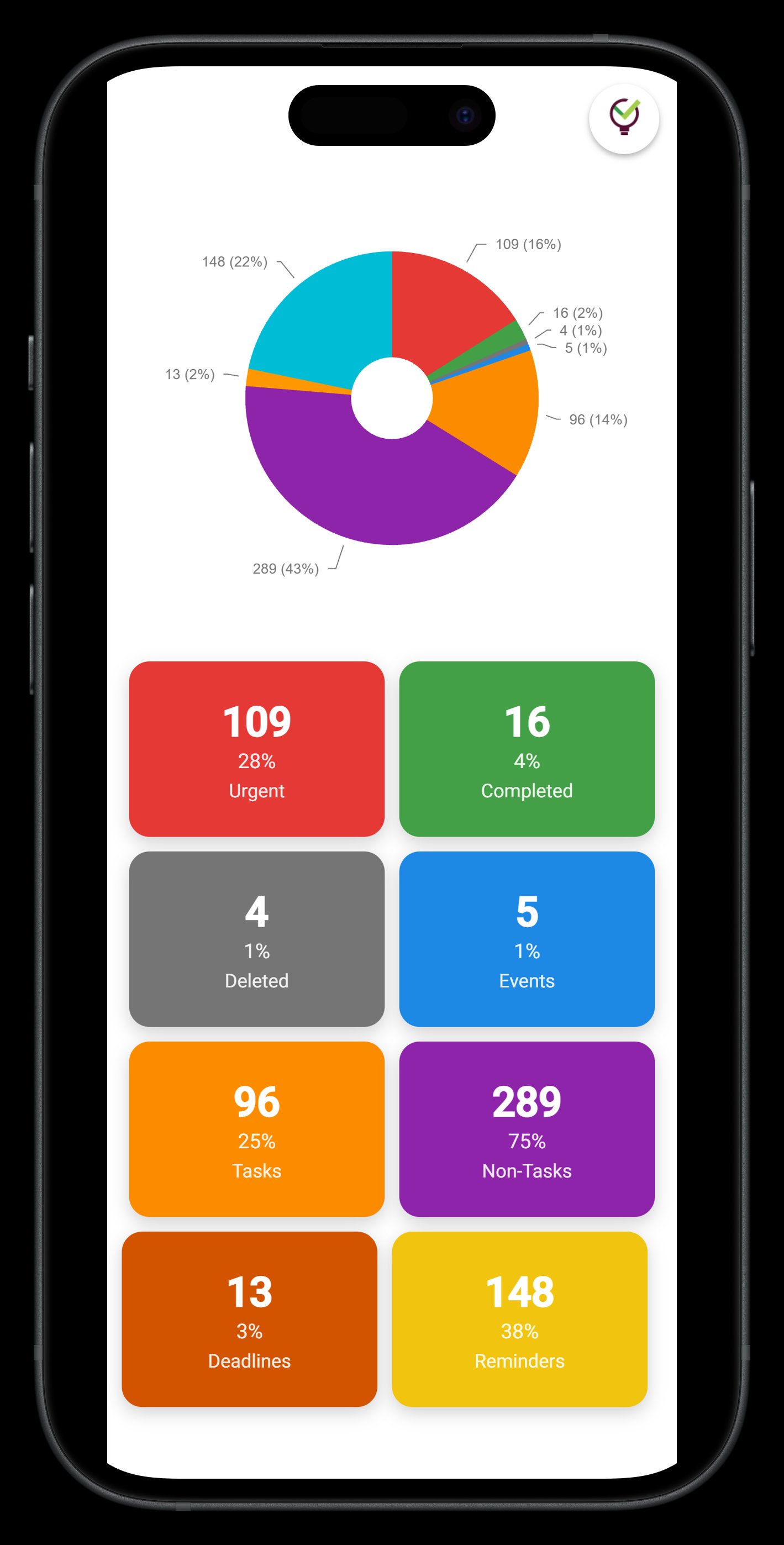
Notes that actually do something.
Where Covey Added Value (And Complexity)
Covey's main contribution wasn't the matrix itself — it was the surrounding framework. He identified urgency addiction as the reason people can't escape Q1/Q3 cycles. He prescribed weekly Q2 planning sessions and role-based goal setting to break the pattern.
This makes Covey's approach more complete but also more complex. Eisenhower's version works for daily task triage. Covey's requires lifestyle changes and consistent weekly rituals.
The practical difference: if you need quick decisions on existing tasks, either framework works. If you want to fundamentally change how you approach time and priorities, Covey's expanded philosophy provides the roadmap.
<
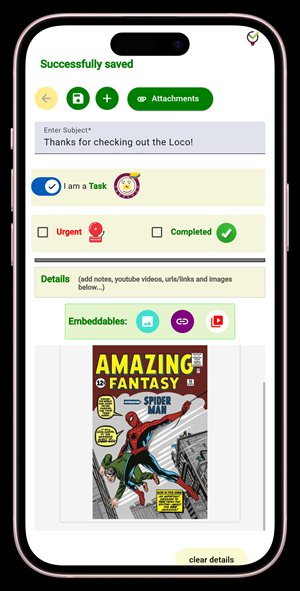
Photos, videos, files — right inside your note.
The Missing Piece: Execution
Both frameworks excel at categorizing tasks but fall short on execution. Most implementations involve drawing quadrants on paper, sticky notes on whiteboards, or complex project management software that turns a simple concept into overwhelming overhead.
The real challenge isn't understanding the matrix — it's maintaining momentum after you've sorted everything. Q2 tasks (important but not urgent) are especially vulnerable because they lack natural deadlines and external pressure.
TaskLoco solves this by treating each quadrant decision as a note that can carry reminders, attachments, and context. Your delegated Q3 task becomes a shared note with a follow-up reminder. The framework stays simple while the execution becomes systematic.
File attachments mean your priority matrix can include supporting documents, templates, and reference materials — all linked to specific quadrant decisions.
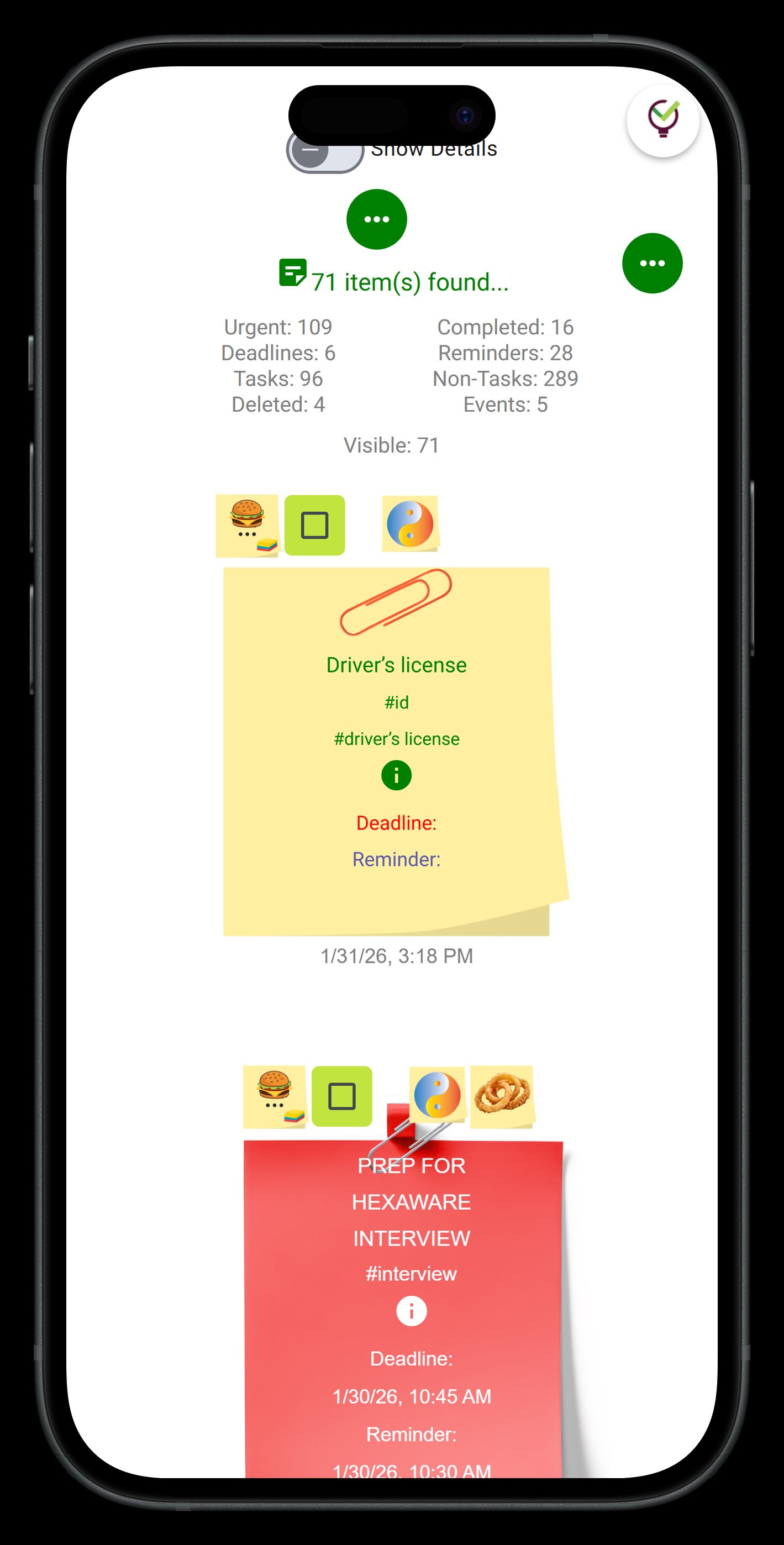
Every deadline. Every reminder. In your pocket.
Making Either Framework Stick
The choice between Covey and Eisenhower matters less than consistent application. Both frameworks work when you actually use them. The key is building sustainable habits around the quadrant decisions, not perfecting the theoretical understanding.
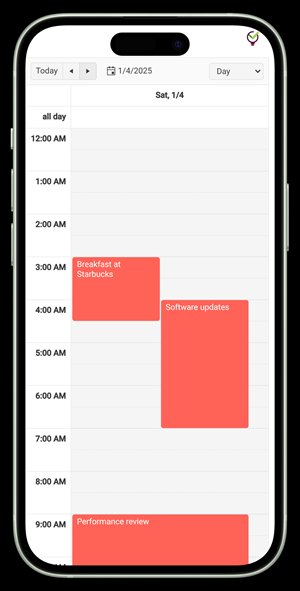
TaskLoco makes this practical by removing friction from the process. Capture priority decisions as notes when they happen. Set reminders for Q2 work before it becomes Q1 crisis. Share delegated tasks as notes so nothing falls through cracks. Use the calendar view to see how your quadrant decisions play out over time.
Whether you prefer Eisenhower's tactical simplicity or Covey's strategic depth, the framework only works if you can act on the insights consistently.
TaskLoco Premium includes unlimited notes for all your priority decisions, reminders to maintain Q2 focus, and team sharing for delegated tasks — all for $9.99/month per person (currently $4.99/month per person for first 500 charter members with code CHARTER50)
Your whole workload. One screen.
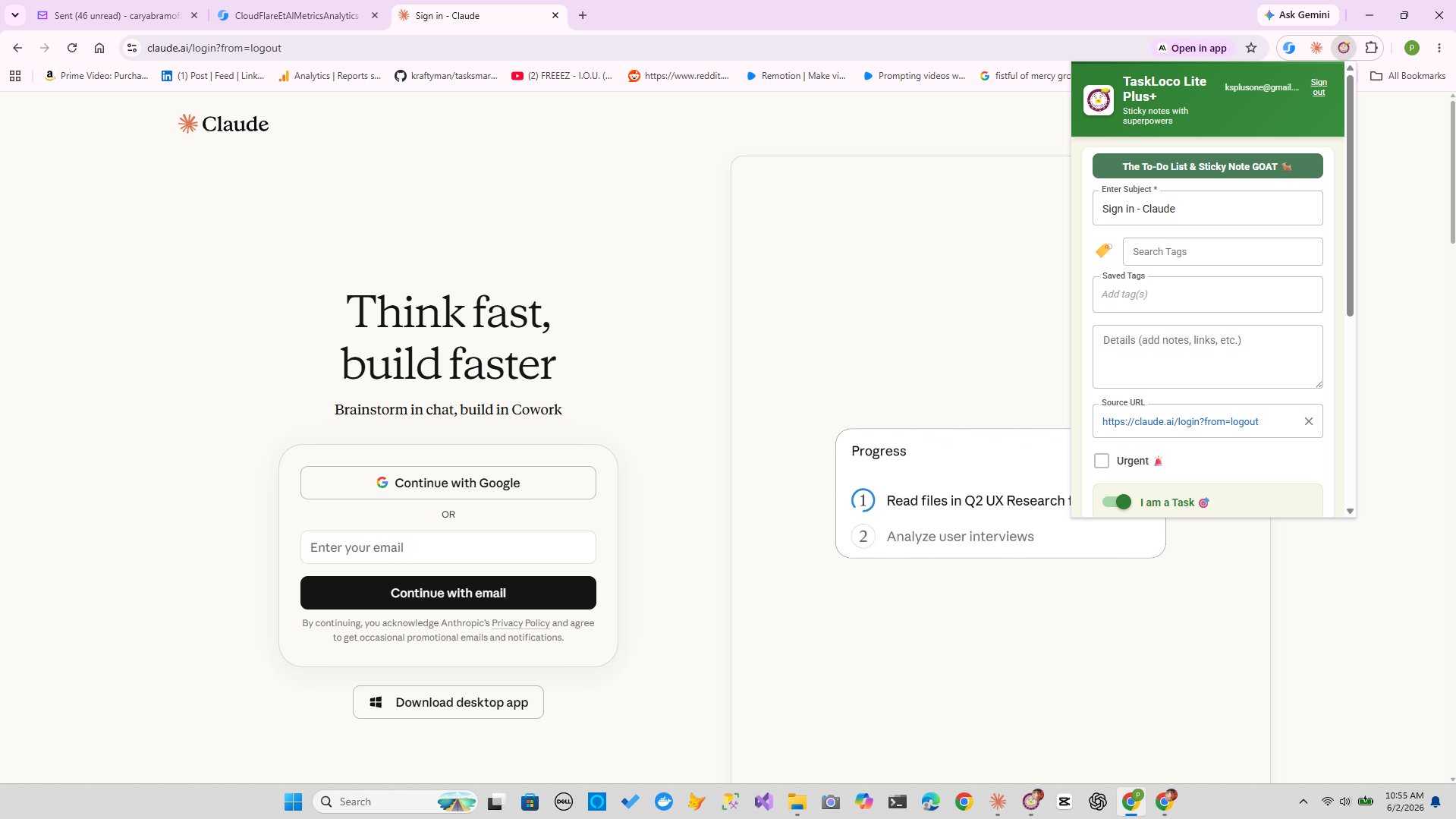
The TaskLoco Chrome Extension — while you're browsing, one click turns any webpage into a sticky note on your wall. No copy-paste. No tab switching. It just works.
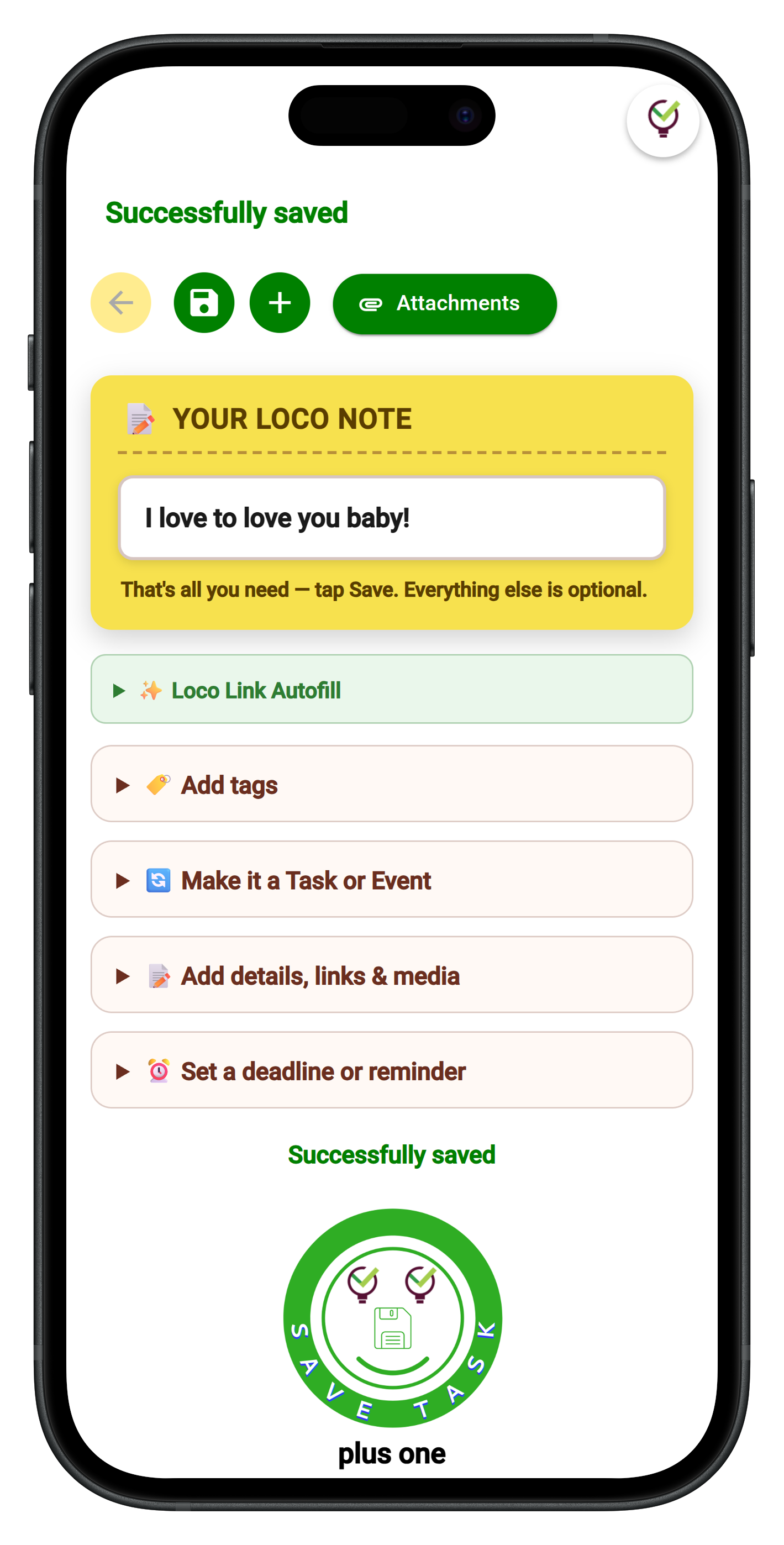
Type it. Tap Save. Done.
Learn More 🔍
Flip the script on screen stress with fun & relaxing
Sign in with Google. Two taps. Your first loco note in under 30 seconds.
TaskLoco Premium is regularly $9.99/month per person. Right now, charter members can lock in 50% off the regular price — forever. That means $4.99/month per person today. And if our price ever goes up, you still pay half. Always.
Code CHARTER50 auto-applies at checkout. First 500 spots only — once they're gone, this offer is gone permanently. Act fast while spots last.
Every Premium subscription includes unlimited notes, 10GB file storage, reminders, calendar, and team sharing. Each team member requires a separate subscription. 7-day free trial — no charge until day 8. Cancel anytime.
Free Options: TaskLoco vs Eisenhower Matrix
TaskLoco Lite
Native iPhone & Android app
Completely anonymous — no sign-in
Data stays on your device
Up to 20 notes
Free forever
TaskLoco Lite Plus+
Web app + Chrome extension
Sign in with Google
Wall syncs across all devices
Up to 30 notes
Free forever
Lock In 50% Off — Forever
Charter Member Exclusive · First 500 spots only
7-day free trial. No charge until day 8. CHARTER50 auto-applies at checkout.
What's the main difference between Covey Matrix and Eisenhower Matrix?
They're essentially the same 4-quadrant framework. Eisenhower created it as a quick decision tool, while Covey expanded it into a complete philosophy about urgency addiction and weekly planning rituals.
Which matrix is better for daily task management?
Either works for daily decisions — both use the same urgent/important quadrants. Eisenhower's version is simpler for quick task triage, while Covey's includes more context about breaking urgency patterns.
How do I actually implement a priority matrix?
The key is turning quadrant decisions into actionable systems. Use TaskLoco to capture each priority decision as a note with reminders, so your matrix becomes a working system rather than just a planning exercise.
Why do most people fail at priority matrices?
They focus on understanding the framework but lack execution systems. Without reminders for Q2 work and tracking for delegated tasks, even perfect prioritization falls apart within days.
Can TaskLoco help with Quadrant 2 planning?
$9.99/month per person (currently $4.99/month per person for first 500 charter members with code CHARTER50)
Should I use Covey's weekly planning approach?
If you're stuck in constant crisis mode (Q1) or urgency addiction (Q3), Covey's weekly Q2 planning can help break the pattern.
How do I delegate tasks using a priority matrix?
Use TaskLoco's team sharing to turn Q3 decisions (urgent but not important) into shared notes with the right person. Include context, deadlines, and follow-up reminders so delegation actually sticks.
Born in Brooklyn. Powered by AWS. Your data stays yours. TaskLoco is available on iPhone, Android, Chrome, and every web browser.