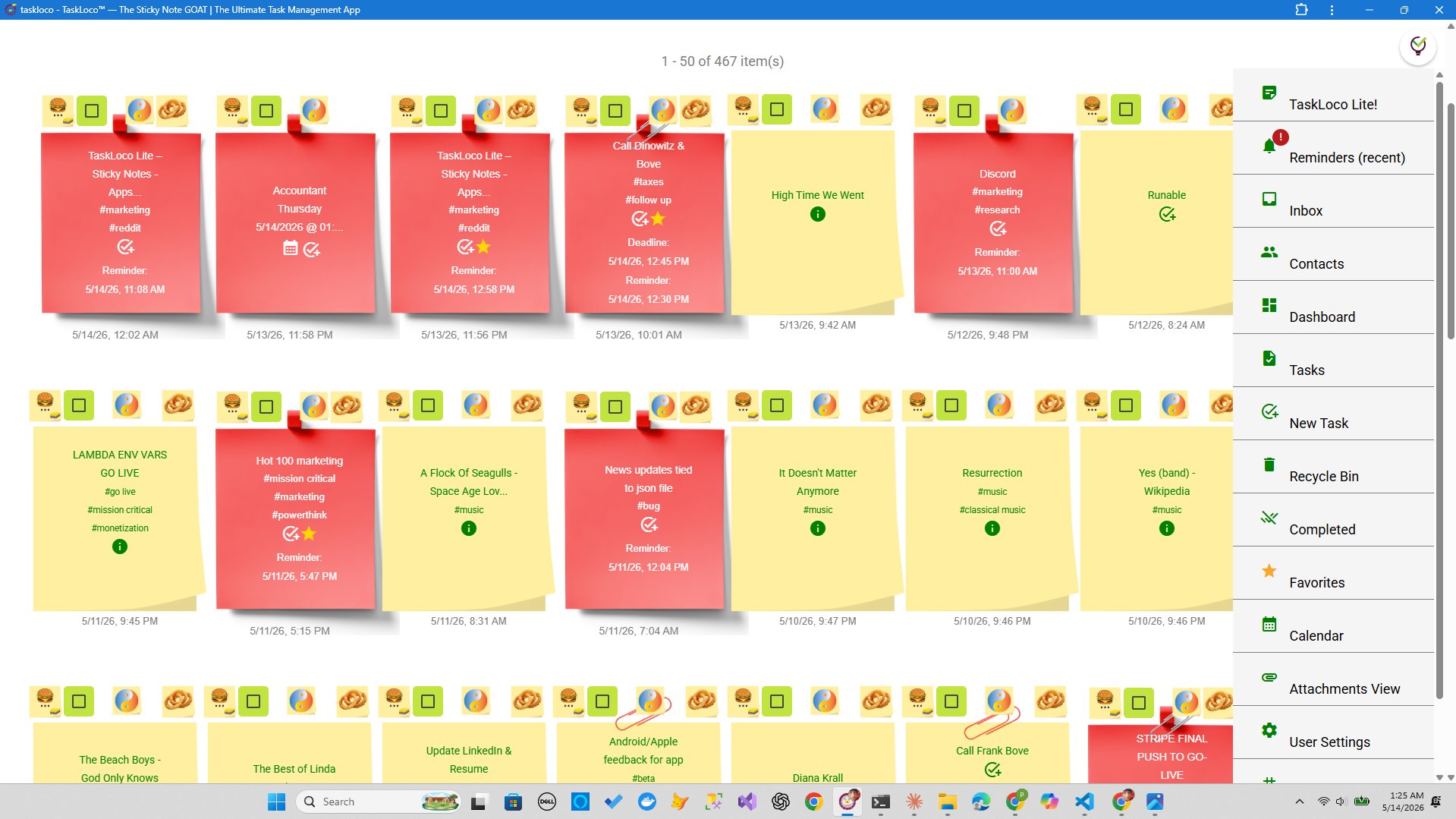
Your brain treats checking off a task exactly like eating chocolate or getting a text message — it floods your reward center with dopamine. This isn't metaphor. It's measurable brain chemistry that explains why some people become genuinely addicted to productivity apps.
The catch? Complex project management systems actually diminish this dopamine hit by burying task completion in layers of menus, dependencies, and administrative overhead. Your brain craves immediate visual feedback, not project hierarchies.
TaskLoco Premium is regularly $9.99/month per person. Right now, charter members can lock in 50% off the regular price — forever. That means $4.99/month per person today. And if our price ever goes up, you still pay half. Always.
Code CHARTER50 auto-applies at checkout. First 500 spots only — once they're gone, this offer is gone permanently. Act fast while spots last.
Every Premium subscription includes unlimited notes, 10GB file storage, reminders, calendar, and team sharing. Each team member requires a separate subscription. 7-day free trial — no charge until day 8. Cancel anytime.
Free Options: TaskLoco vs Traditional Productivity Systems
TaskLoco Lite
- Native iPhone & Android app
- Completely anonymous — no sign-in
- Data stays on your device
- Up to 20 notes
- Free forever
TaskLoco Lite Plus+
- Web app + Chrome extension
- Sign in with Google
- Wall syncs across all devices
- Up to 30 notes
- Free forever
The Neuroscience Behind Task Completion Addiction
When you complete a task, your brain's ventral tegmental area releases dopamine — the same neurotransmitter involved in gambling, social media, and substance addiction. This isn't a design flaw. It's evolution's way of rewarding goal-directed behavior.
Research from MIT shows that the dopamine hit is strongest when three conditions align: the task feels achievable, completion is immediately visible, and the reward comes quickly after the action. Traditional to-do lists nail all three. Complex project management tools often fail on all three.
The visual aspect is crucial. Your brain processes images 60,000 times faster than text. Physically crossing out a handwritten task or dragging a digital sticky note to "Done" creates instant visual satisfaction that text-based task lists can't match.
Why Complex Systems Kill Your Motivation
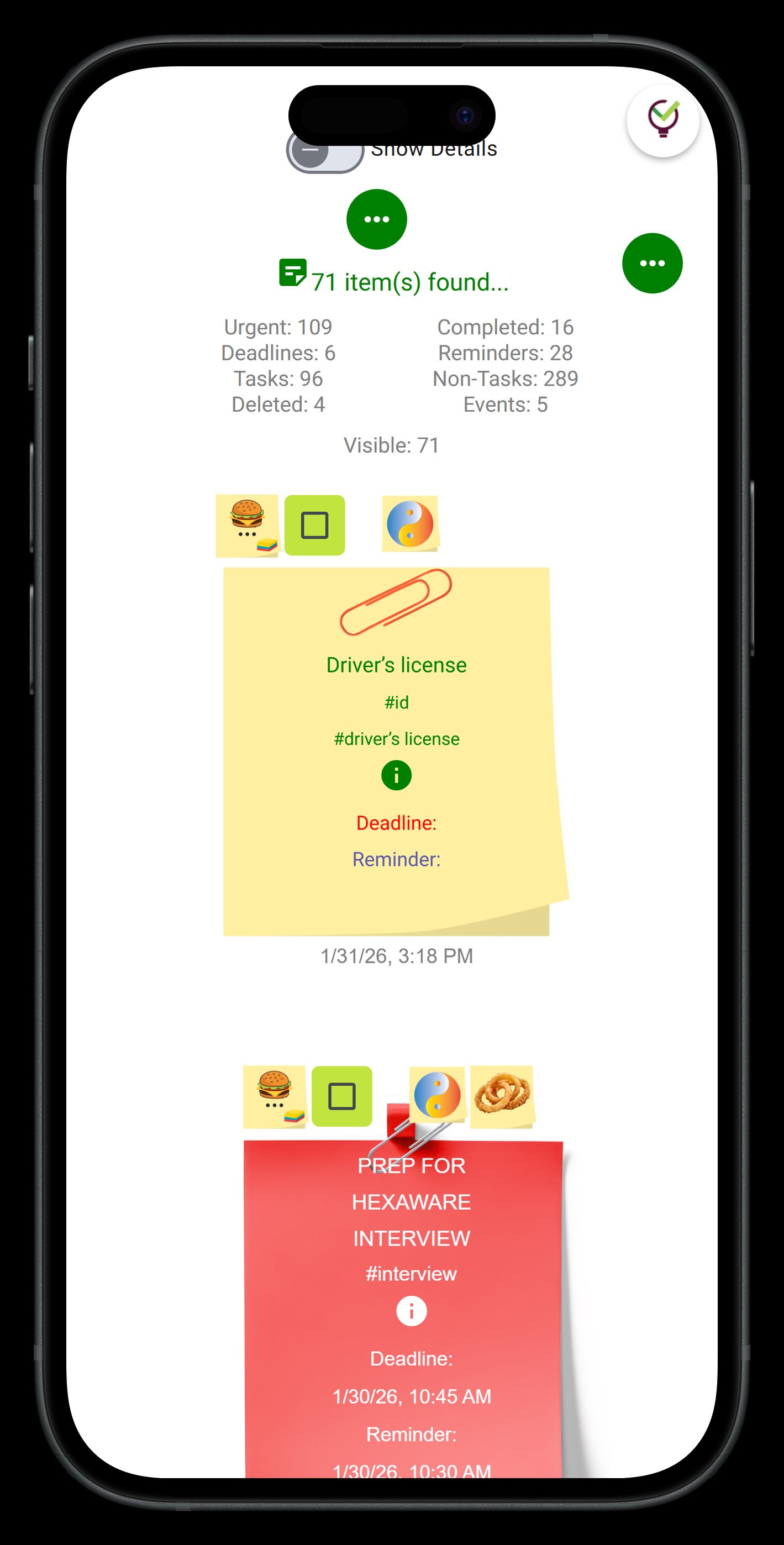
Enterprise project management tools create what researchers call "completion friction" — the cognitive load required to mark something done. When completing a task requires navigating menus, updating status fields, or logging time, your brain doesn't get the immediate reward it craves.
Asana, for example, requires clicking a checkbox, then often prompting you to move the task to another section, update dependencies, or add completion notes. By the time you're done, the dopamine moment has passed.
Studies show that any delay between action and reward weakens the dopamine response. A 3-second delay reduces the neurochemical impact by roughly 50%. A 10-second delay almost eliminates it entirely.
This explains why people often maintain personal to-do lists alongside their company's official project management system. The personal list provides instant dopamine. The official system provides documentation.
The Sticky Note Advantage
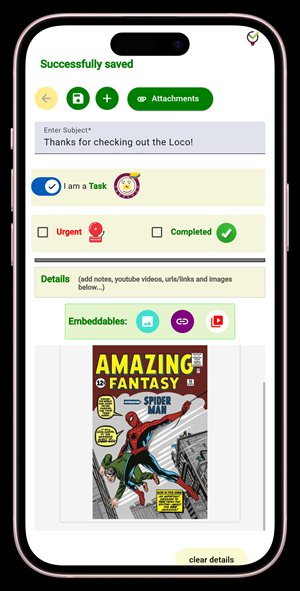
Physical sticky notes became productivity legends because they maximize dopamine delivery. Writing a task, placing it visually, then physically removing it creates a complete sensory experience that digital systems struggle to replicate.
Digital sticky note apps like TaskLoco preserve this immediate feedback loop. Drag a note to "Done" and it disappears instantly — no forms, no confirmations, no administrative overhead. Your brain gets the full dopamine hit.
The key is maintaining the visual metaphor. Traditional sticky notes work because they occupy physical space, move visually, and disappear completely when done. Digital versions that preserve this behavior maintain the neurochemical reward. Those that turn into database entries lose it.
This is why TaskLoco's interface mimics real sticky notes rather than trying to look "professional." Your brain responds to familiar visual patterns, not corporate aesthetics.
Designing Your Personal Dopamine System
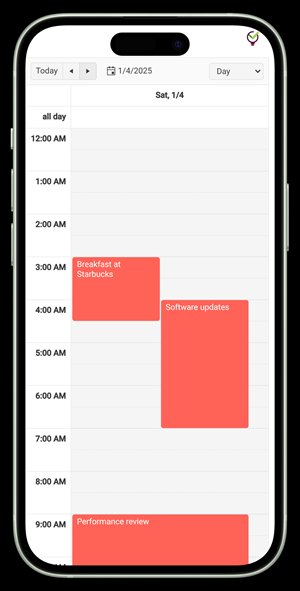
To maximize task completion addiction, design your system around immediate visual rewards. Keep tasks small enough to complete quickly. Make completion require exactly one action — tap, drag, or click. Ensure the visual change is immediate and obvious.
Break large projects into smaller, completable pieces. "Write report" gives you one dopamine hit. "Write outline, research sources, draft intro, write conclusion" gives you four hits for the same work. Your brain doesn't care that you're gaming the system.
Use visual progress indicators that fill up or empty out. Progress bars, completion percentages, and visual timers all trigger anticipatory dopamine before you even finish. This creates a positive feedback loop that makes you crave more productivity.
Avoid systems that require you to categorize, tag, or annotate completed tasks. The administrative overhead disrupts the reward timing. Simple done/not-done is neurochemically optimal.
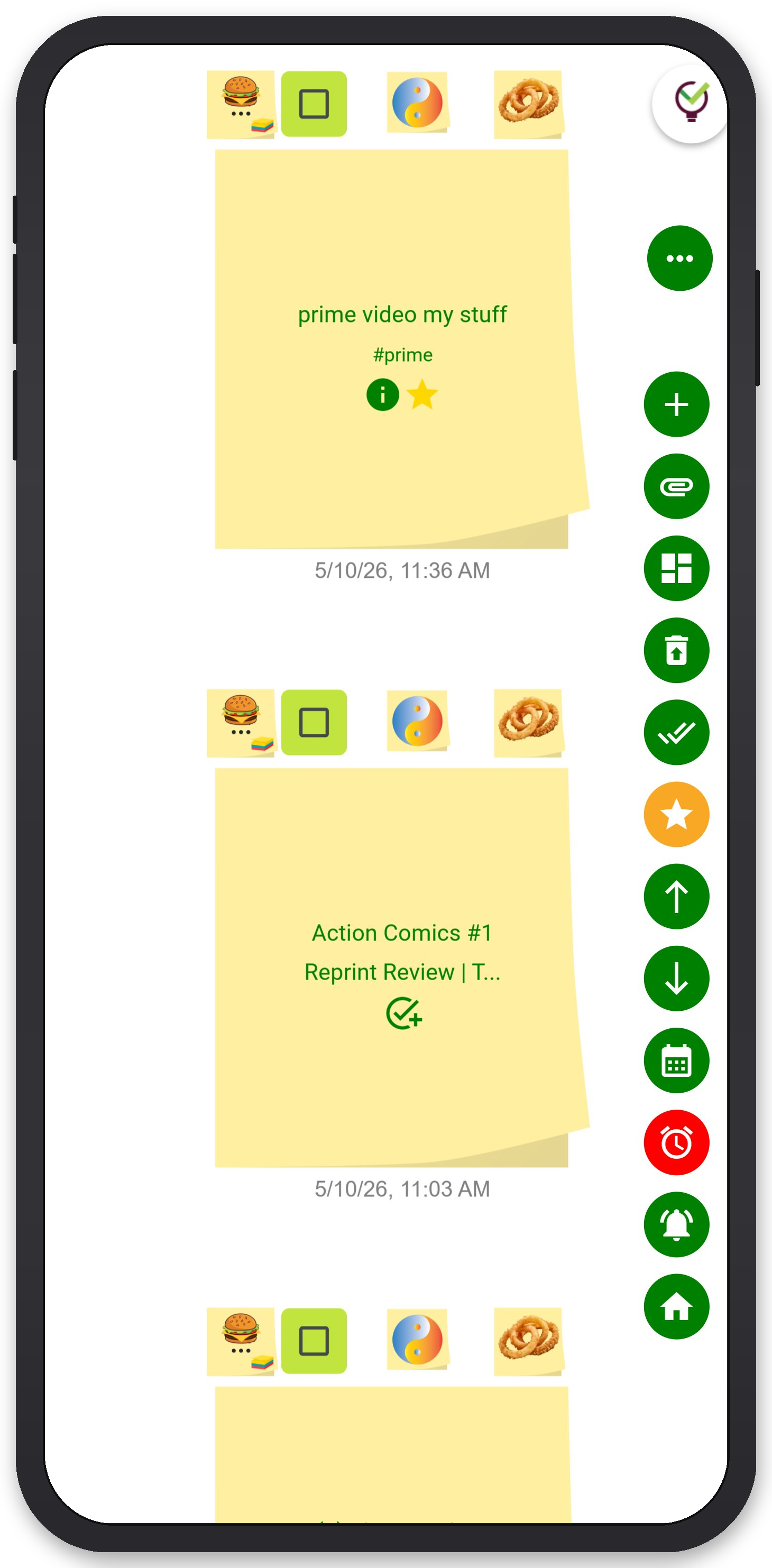
The Honest Comparison
| Feature | TaskLoco | Traditional Productivity Systems |
|---|---|---|
| Task completion speed | Single tap or drag — instant visual removal | Multi-step process with status updates and confirmations |
| Visual feedback | Complete note disappearance — matches physical sticky note behavior | Status change in database view — minimal visual impact |
| Dopamine optimization | Zero completion friction — preserves full neurochemical reward | Administrative overhead reduces dopamine impact |
| Progress visualization | Wall view shows immediate visual progress | Progress buried in project dashboards and reports |
| Completion tracking | Simple done/not-done — no administrative overhead | Detailed completion logging with time tracking and notes |
| Task breakdown | Encourages small, completable tasks for maximum dopamine | Large project structure reduces completion frequency |
| Instant gratification | Immediate visual reward — zero delay between action and feedback | Delays from navigation and form completion weaken reward |
| Addiction potential | Designed to maximize dopamine delivery and create positive habits | Administrative focus reduces addictive potential |
| Visual metaphor | Preserves familiar sticky note behavior for optimal brain response | Database interface lacks familiar visual patterns |
| Completion ceremony | Dramatic visual removal creates strong psychological closure | Subtle status changes provide minimal psychological impact |
| Learning curve | Instant familiarity — brain already knows how sticky notes work FREE | Complex interface reduces immediate dopamine accessibility |
| Productivity addiction | Optimized to create genuine craving for task completion | Focus on documentation over psychological reward |
| Visual clutter | Clean wall view — completed tasks disappear completely | Completed tasks remain visible in project views |
| Mobile completion | Optimized for one-handed mobile task completion FREE | Mobile completion often requires multiple taps and navigation |
| Psychological design | Built around brain chemistry research and dopamine optimization | Built around project management methodology |
| Immediate satisfaction | Every completion provides instant psychological reward | Satisfaction delayed by administrative requirements |
| Habit formation | Strong dopamine response creates automatic productivity habits | Weaker psychological reward reduces habit formation |
| Task simplicity | Encourages simple, actionable tasks for frequent completion | Complex project structure discourages frequent completion |
Who Should Use Each
Use TaskLoco if…
- You want to get genuinely addicted to productivity through optimized dopamine delivery
- You prefer instant visual feedback over detailed project documentation
- You work better with frequent small wins than infrequent large completions
- You want a system that works with your brain chemistry rather than against it
Use Traditional Productivity Systems if…
- You need detailed completion tracking and time logging for billing or compliance
- Your work requires extensive project dependencies and milestone tracking
- You prioritize documentation and reporting over psychological reward optimization
- You manage complex projects where simple task completion isn't the primary goal
Lock In 50% Off — Forever
7-day free trial. No charge until day 8. CHARTER50 auto-applies at checkout.
🔒 Lock In My Charter SpotSee TaskLoco in Action
Frequently Asked Questions
How much dopamine does task completion actually release?
Task completion triggers measurable dopamine release in the brain's reward center — the same neurotransmitter involved in addiction. The amount varies by person, but brain imaging studies show completion activates the same regions as gambling wins or social media likes.
Can you actually get addicted to productivity apps?
Yes. People can develop genuine behavioral addiction to task completion when the dopamine reward is strong enough. This is actually beneficial — productivity addiction is one of the few addictions that improves your life rather than harming it.
Why do complex project tools reduce motivation?
Complex tools create "completion friction" — delays between finishing a task and marking it done. Any delay weakens the dopamine response. A 3-second delay reduces the reward by roughly 50%, which explains why people often maintain personal to-do lists alongside official systems.
Is TaskLoco designed around dopamine research?
$9.99/month per person (currently $4.99/month per person for first 500 charter members with code CHARTER50)
Do physical sticky notes work better than digital ones?
Physical sticky notes maximize dopamine delivery through complete sensory engagement — writing, placing, and physically removing them. Digital sticky note apps like TaskLoco preserve this by maintaining the visual metaphor and instant completion feedback.
How do I maximize my productivity dopamine hits?
Break large projects into smaller, completable pieces. Use systems that provide instant visual feedback. Avoid administrative overhead during completion. Choose tools that make task completion require exactly one action — tap, drag, or click.
Why does crossing things off feel so satisfying?
Your brain evolved to reward goal completion with dopamine release. The visual act of crossing out or removing a completed task triggers this ancient reward system, creating genuine psychological satisfaction that motivates continued productivity.
Born in Brooklyn. Powered by AWS. Your data stays yours.
TaskLoco is available on iPhone, Android, Chrome, and every web browser.