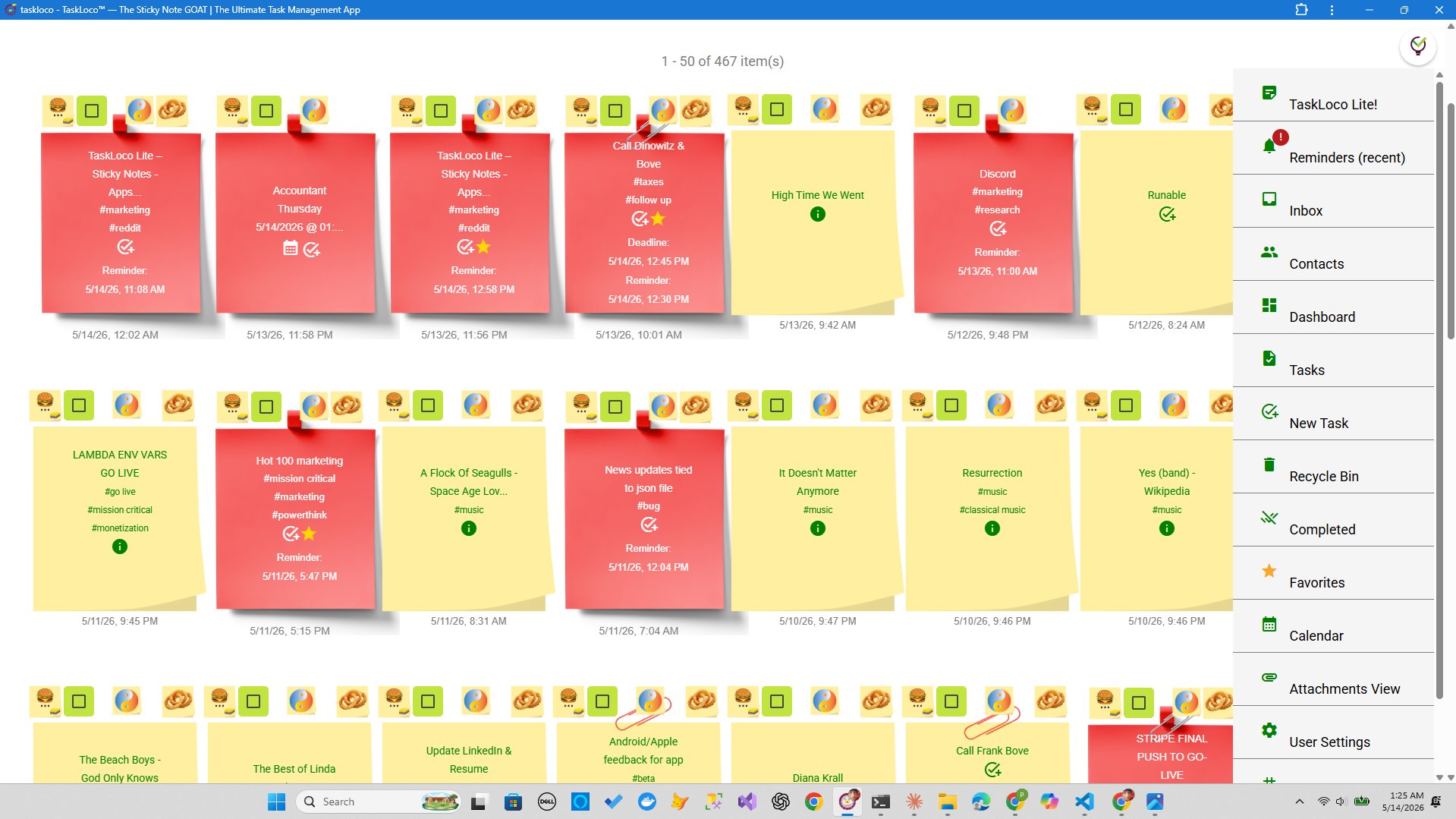
Getting Things Done on Android requires an app that actually works the way your brain does. Most GTD apps promise everything but deliver overcomplicated project management tools that feel like work software.
TaskLoco takes a different approach — sticky notes with reminders, offline access, and zero learning curve. While competitors like Todoist, Any.do, and TickTick pile on features, TaskLoco keeps GTD simple: capture, organize, act.
TaskLoco Premium is regularly $9.99/month per person. Right now, charter members can lock in 50% off the regular price — forever. That means $4.99/month per person today. And if our price ever goes up, you still pay half. Always.
Code CHARTER50 auto-applies at checkout. First 500 spots only — once they're gone, this offer is gone permanently. Act fast while spots last.
Every Premium subscription includes unlimited notes, 10GB file storage, reminders, calendar, and team sharing. Each team member requires a separate subscription. 7-day free trial — no charge until day 8. Cancel anytime.
Free Options: TaskLoco vs Todoist
TaskLoco Lite
- Native iPhone & Android app
- Completely anonymous — no sign-in
- Data stays on your device
- Up to 20 notes
- Free forever
TaskLoco Lite Plus+
- Web app + Chrome extension
- Sign in with Google
- Wall syncs across all devices
- Up to 30 notes
- Free forever
GTD Capture: How Each App Handles Brain Dumps
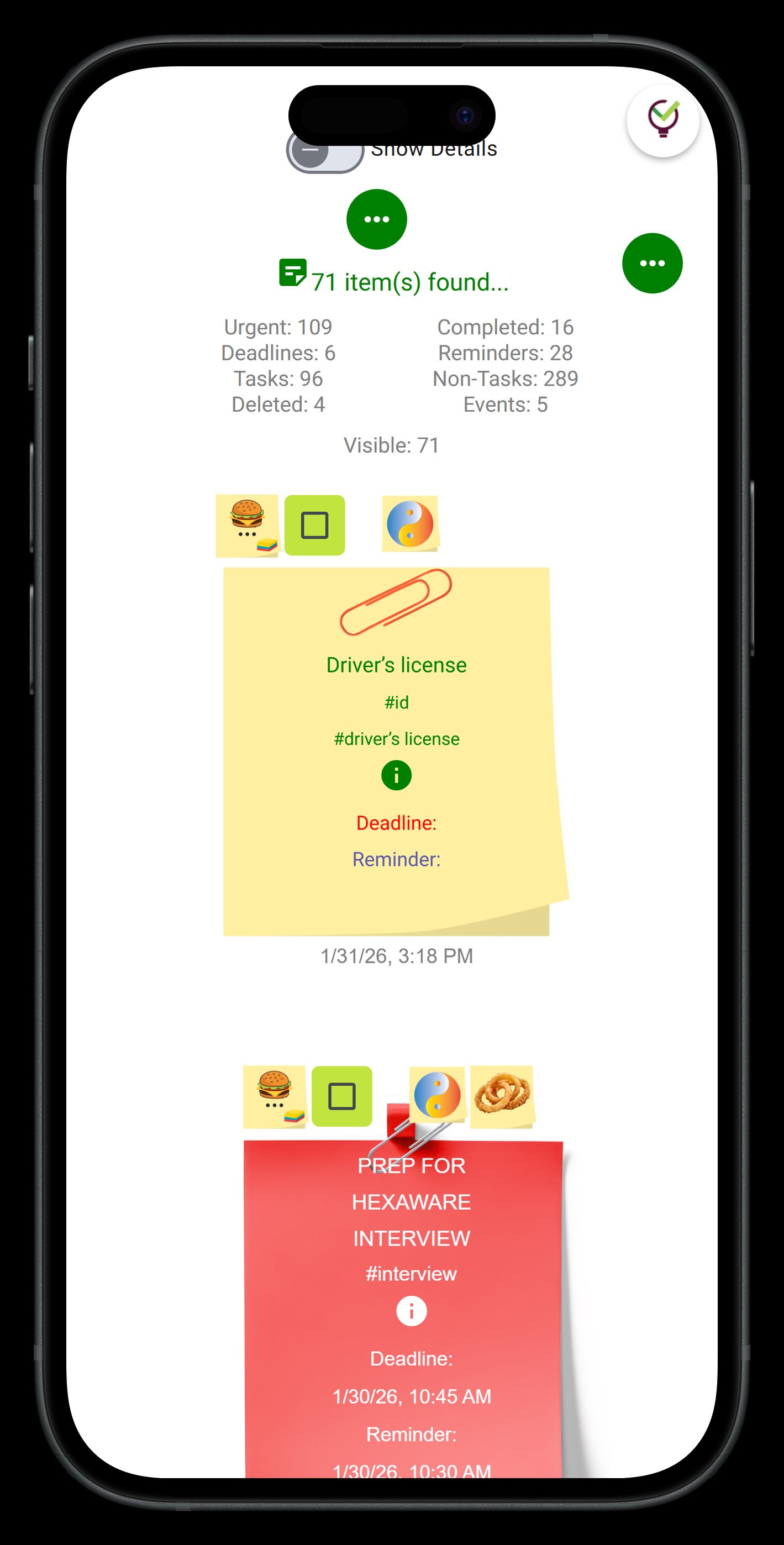
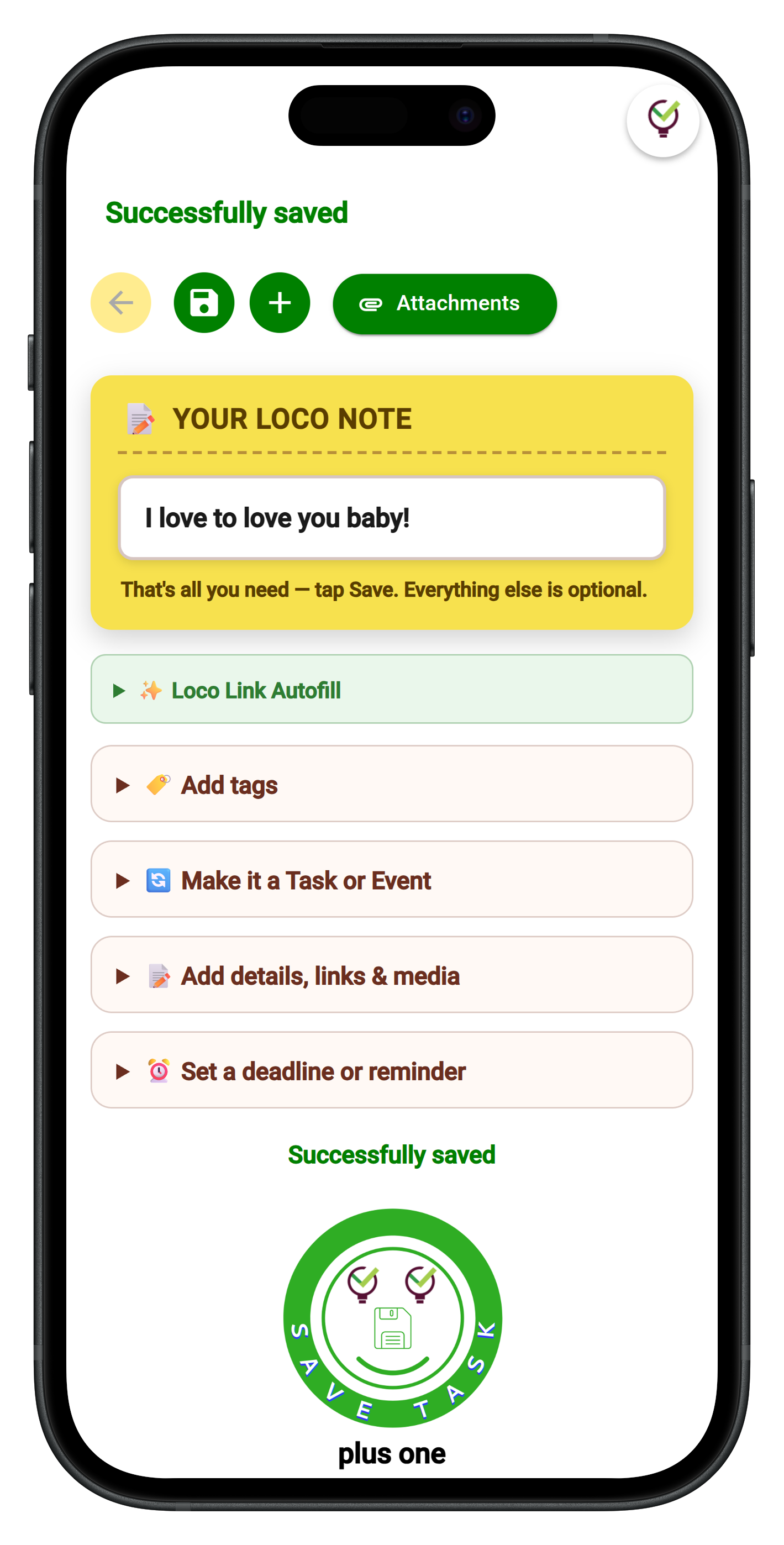
GTD starts with capture — getting everything out of your head fast. TaskLoco's Android app opens instantly to a blank note. No menus, no project selection, no friction. Just type and save.
Todoist requires you to pick a project first, then add labels, then set priority. That's three extra taps when you need to capture a fleeting thought. Any.do forces everything into today's list initially. TickTick opens to a specific list view.
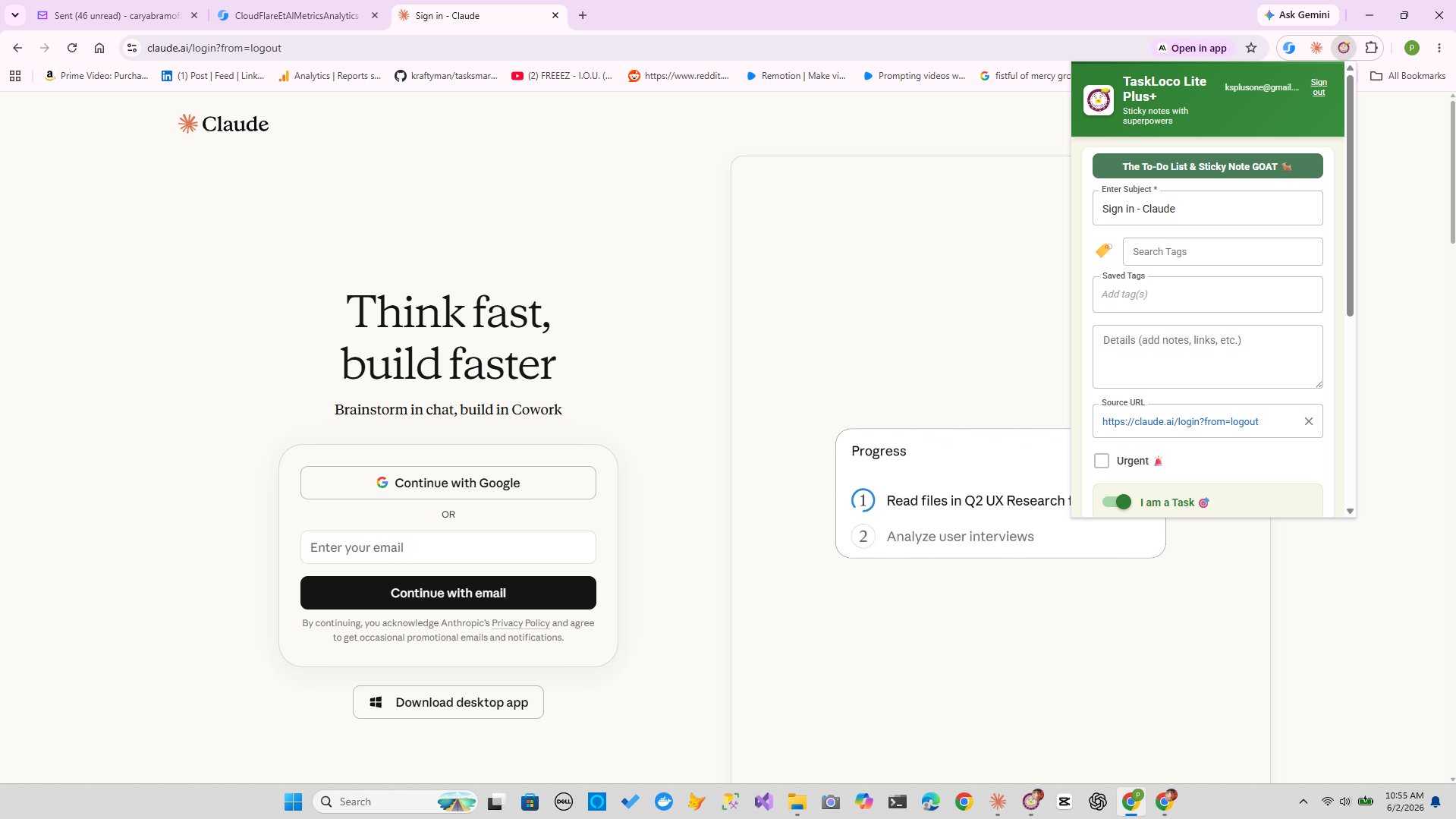
The Chrome extension adds another capture method — save any webpage as a note in one click. Most GTD apps require copy-paste or complicated integrations.
GTD Processing: Turning Captures Into Actions
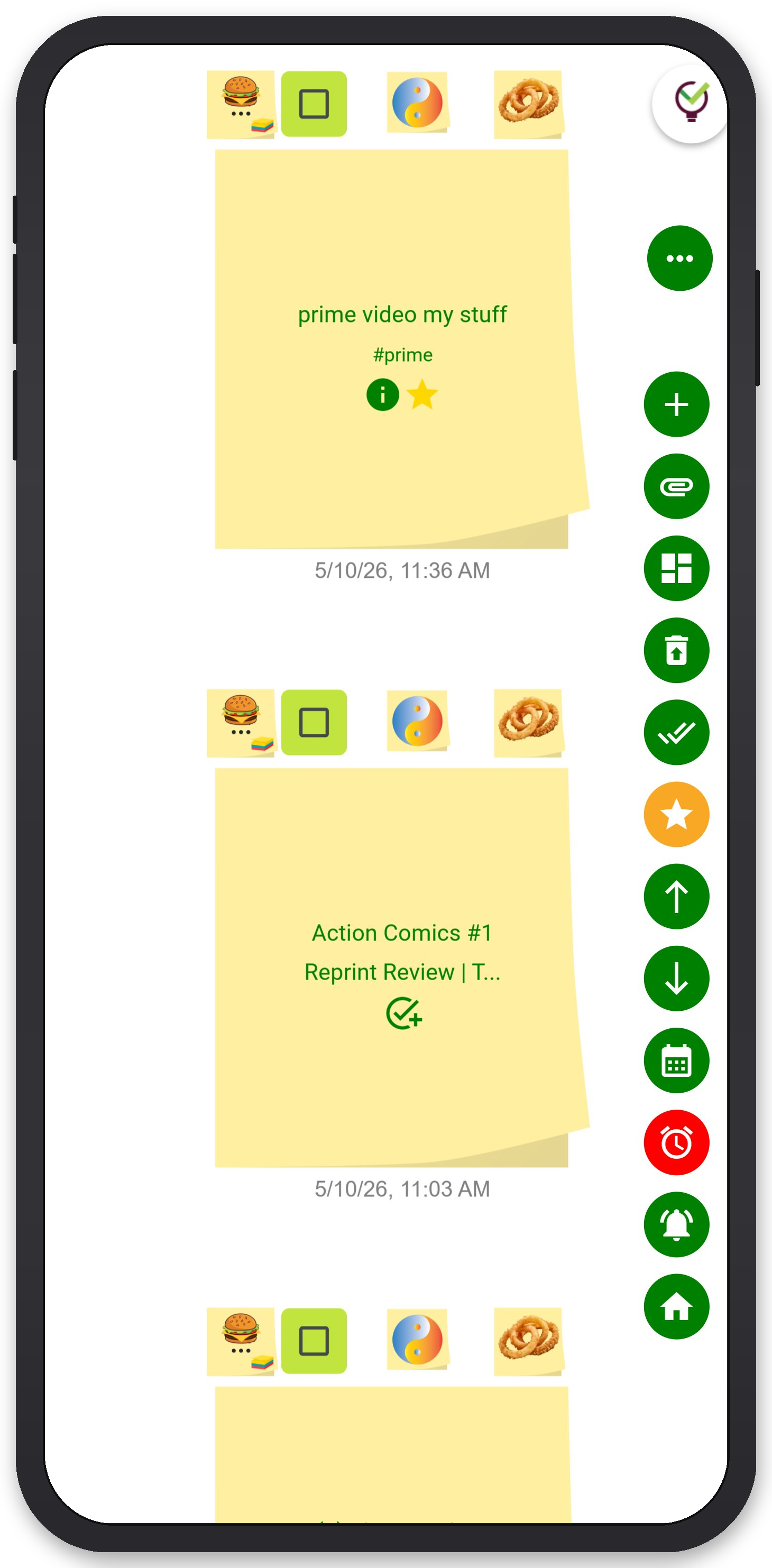
After capture comes processing — deciding what each item means and where it goes. TaskLoco keeps it visual with color-coded sticky notes. Red for urgent, yellow for waiting, green for projects.
Todoist excels here with natural language parsing. Type "Call mom tomorrow at 2pm" and it automatically creates a task with the right date and time. TaskLoco requires manual reminder setup, but it's still just two taps.
Any.do focuses on today/tomorrow/someday buckets, which works for simple GTD but lacks the granular control serious practitioners need. TickTick offers the most organizational features but at the cost of simplicity.
GTD Organization: Projects, Contexts, and Reference
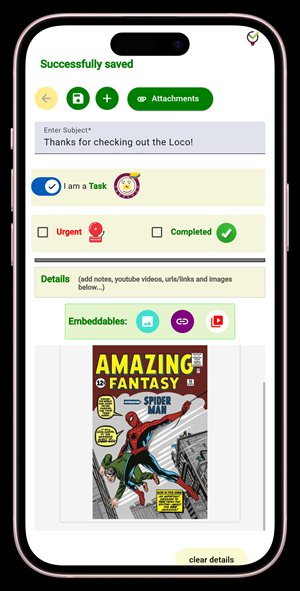
GTD requires separating actionable items from reference material. TaskLoco handles this with file attachments — photos, documents, and links attach directly to notes. The 10GB storage covers most reference needs.
Todoist organizes by projects and labels but struggles with reference material. Everything becomes a task, even things that aren't actionable. Any.do has no file attachment system at all.
TickTick offers the most sophisticated organization with custom fields and templates, but it's overkill for most GTD implementations. TaskLoco's approach — notes with attachments and reminders — covers 90% of GTD use cases without complexity.
Pricing Reality: What GTD Actually Costs on Android
$9.99/month per person (currently $4.99/month per person for first 500 charter members with code CHARTER50)
Todoist Pro costs $4/month per person and includes natural language parsing, reminders, and 300 projects. But you'll hit the project limit fast with proper GTD implementation.
Any.do Premium runs $2.99/month per person but lacks file attachments and advanced reminders. TickTick Premium costs $2.79/month per person but overwhelming feature bloat makes it hard to maintain GTD simplicity.
The Honest Comparison
| Feature | TaskLoco | Todoist |
|---|---|---|
| Free tier | Two free tiers — Lite (20 notes offline) and Lite Plus+ (30 notes synced) FREE | Limited — 80 tasks, 5 projects only |
| Offline access | TaskLoco Lite works completely offline — no account required FREE | Requires internet connection for sync and most features |
| Quick capture | Opens directly to blank note — zero friction capture | Requires project selection and categorization during capture |
| Natural language input | Manual date/time entry required | Advanced — "Call mom tomorrow 2pm" sets date and time automatically |
| File attachments | 10GB storage included — photos, documents, links | Limited file uploads — 100MB max per file |
| Reminders | Built-in with Premium — email notifications included | Push notifications and email reminders included |
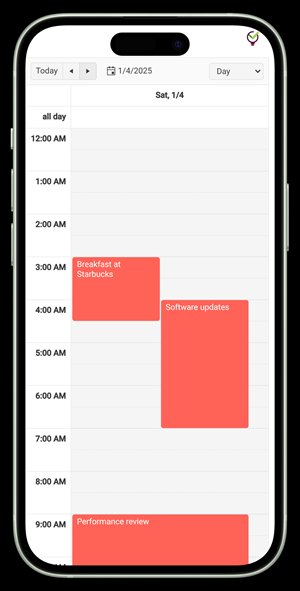
| Calendar view | Integrated calendar shows all reminders and deadlines | Calendar integration but requires external calendar app |
| Team sharing | Yes — included with Premium. Each team member requires a separate subscription — currently $9.99/month per person, but TaskLoco is offering a Charter Member special: 50% off for life, currently $4.99/month per person for the first 500 subscribers with code CHARTER50. | Project sharing and collaboration features |
| Search functionality | Full-text search across notes and attachments | Advanced search with filters and labels |
| Chrome extension | One-click webpage capture to notes FREE | Browser extension for quick task creation |
| Project templates | No templates — each note is independent | Extensive template library for recurring projects |
| Third-party integrations | Limited — focuses on core functionality | 200+ integrations including Gmail, Slack, Alexa |
| Sub-tasks | Manual organization within notes | Unlimited sub-tasks with full hierarchy |
| Labels and filters | Color coding and manual organization | Advanced labeling system with smart filters |
| Recurring tasks | Manual recreation required | Flexible recurring task patterns |
| Android widgets | No widgets currently available | Multiple widget options for home screen |
| Pricing per person | $9.99/month per person (currently $4.99/month per person for first 500 charter members with code CHARTER50) | $4/month per person for Pro features |
| Learning curve | Instant — works like physical sticky notes | Moderate — requires setup and GTD methodology knowledge |
Who Should Use Each
Use TaskLoco if…
- You want GTD without the complexity of traditional project management
- You need offline access for capturing ideas anywhere on Android
- You prefer visual organization with sticky notes over endless lists
- You want file attachments integrated with your tasks and reference material
- You need a simple pricing model without feature tiers or usage limits
Use Todoist if…
- You rely heavily on natural language input for quick task creation
- You need extensive third-party integrations with other productivity tools
- You require advanced project templates and recurring task patterns
- You want sophisticated labeling and filtering systems for complex workflows
- You need sub-task hierarchies for detailed project breakdown
Lock In 50% Off — Forever
7-day free trial. No charge until day 8. CHARTER50 auto-applies at checkout.
🔒 Lock In My Charter SpotSee TaskLoco in Action
Frequently Asked Questions
Which Android GTD app works offline?
TaskLoco Lite works completely offline on Android with no account required. It stores up to 20 notes locally and never connects to the internet. Most other GTD apps require internet connection for sync and core features.
Is TaskLoco good for Getting Things Done methodology?
Yes. TaskLoco covers all core GTD principles: instant capture with sticky notes, visual organization with colors, file attachments for reference material, reminders for time-sensitive actions, and calendar view for weekly reviews.
How much does TaskLoco cost compared to Todoist?
$9.99/month per person (currently $4.99/month per person for first 500 charter members with code CHARTER50) Todoist Pro costs $4/month per person. TaskLoco includes unlimited notes while Todoist Pro limits you to 300 projects.
Can TaskLoco handle GTD reference material?
Yes. TaskLoco Premium includes 10GB file storage for attaching documents, photos, and links directly to notes. This covers most GTD reference needs without requiring separate file management systems.
Does TaskLoco support natural language task creation?
No. TaskLoco requires manual date and time entry for reminders. Apps like Todoist excel at parsing "Call mom tomorrow at 2pm" automatically, while TaskLoco keeps things simple with direct input.
Which Android app is best for GTD beginners?
TaskLoco works best for GTD beginners because it mimics physical sticky notes — no learning curve required. Advanced GTD users might prefer Todoist's project management features, but TaskLoco covers 90% of GTD use cases simply.
Can I use TaskLoco for team GTD implementation?
Yes. TaskLoco Premium includes team sharing with real-time updates and email notifications. Each team member needs their own subscription, but shared notes work well for collaborative GTD projects and reference material.
Born in Brooklyn. Powered by AWS. Your data stays yours.
TaskLoco is available on iPhone, Android, Chrome, and every web browser.