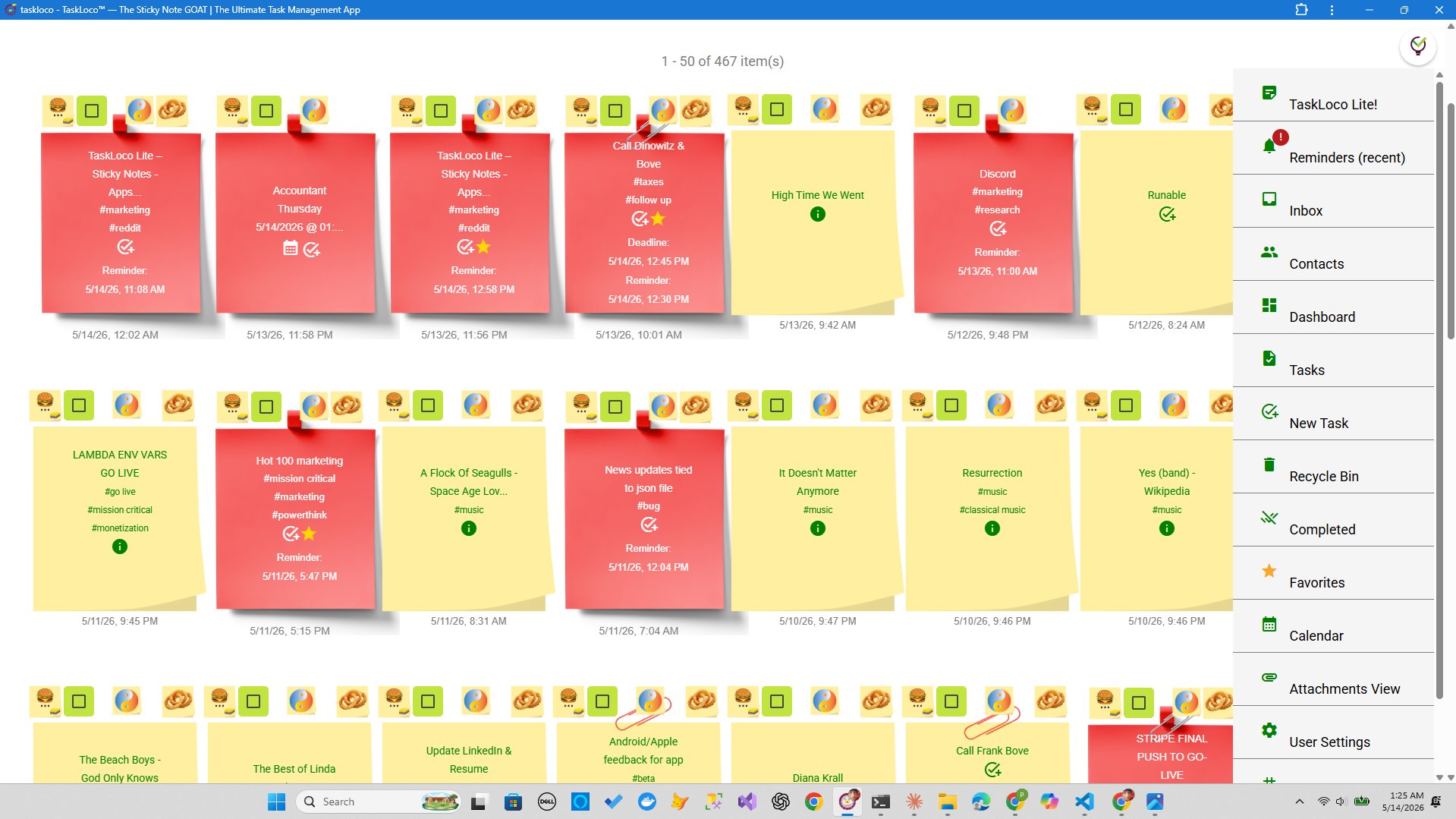
Getting Things Done isn't just another productivity hack — it's a complete mental shift. David Allen's GTD method works because it removes the cognitive load of remembering what you need to do, freeing your brain to focus on actually doing it.
The magic happens when you capture everything — every task, idea, commitment — in a system you trust completely. Your mind relaxes when it knows nothing will fall through the cracks. Digital tools like Todoist make this possible at scale, handling the constant capture and organization that GTD demands.
The Five Core GTD Steps That Actually Work
GTD breaks down into five concrete steps that turn chaos into clarity. Capture means getting every task, idea, and commitment out of your head and into a trusted system — your inbox becomes sacred ground where nothing gets lost.
Clarify is where you decide what each captured item actually means. Is it actionable? If yes, what's the very next physical action required? If it takes less than two minutes, do it now. If it's bigger, break it into concrete next steps.
Organize puts each clarified item where it belongs — next actions go in context lists (calls, computer, errands), waiting-for items get tracked separately, and someday-maybe ideas get their own space.
Reflect happens during your weekly review when you update all lists and make sure nothing stagnates. Engage is simply doing the work with confidence, knowing your system has your back.
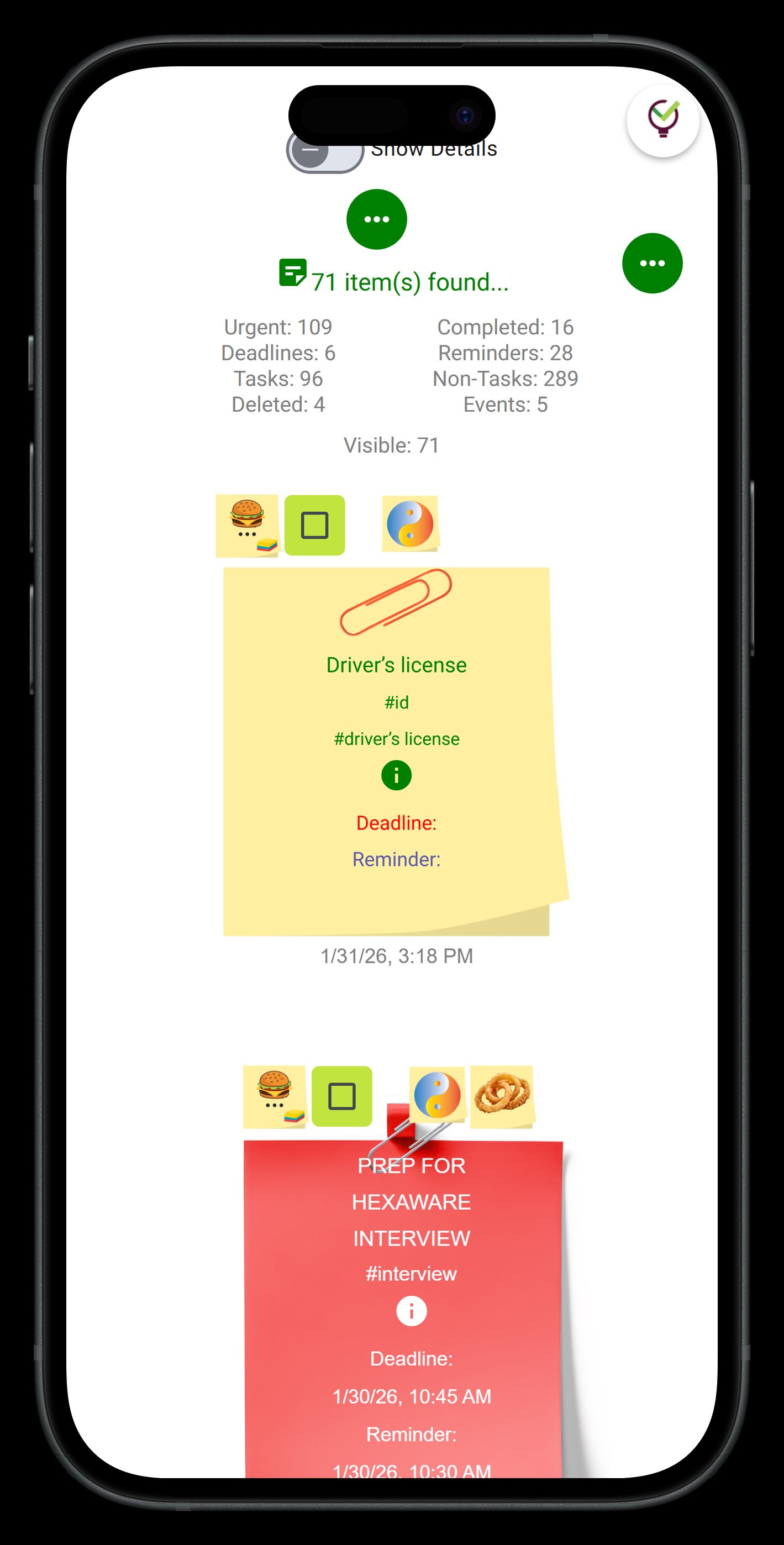
Why Context Lists Beat Traditional To-Do Lists
Traditional to-do lists fail because they mix contexts — you can't make a phone call when you're away from your phone, and you can't run errands from your office. GTD organizes by context first, so you always see exactly what you can do right now.
@Calls lists every phone call you need to make. When you have ten minutes between meetings, you scan this list and knock out three calls. @Computer holds all your digital tasks — emails to write, research to do, files to organize.
@Errands becomes your shopping and errand list, organized by location when possible. @Waiting For tracks everything you're waiting on from other people — crucial for following up without nagging.
Digital tools excel here because they can show you different views instantly. In Todoist, you create projects for contexts, then filter by what you can do right now based on time, energy, and location.
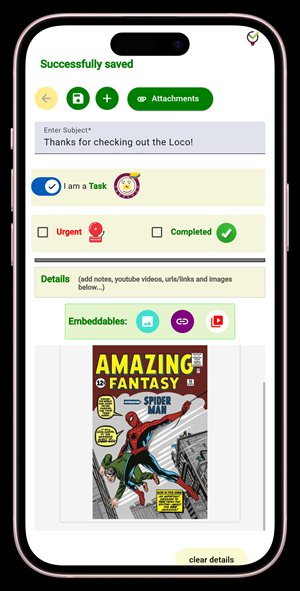
The Weekly Review: Where GTD Lives or Dies
The weekly review is GTD's engine room — skip it and the whole system breaks down. Every Friday (or your chosen day), you process your entire system from top to bottom, ensuring nothing stagnates and everything stays current.
Start by collecting loose papers, emptying your physical and digital inboxes, and reviewing your calendar for the past week. What actions emerged from meetings? What commitments did you make? Get it all captured.
Then review your Next Actions lists — what's done? What's moved forward? What's stuck? Update your Waiting For list and decide what needs a gentle follow-up nudge. Check your Someday/Maybe list and see if anything has become relevant.
Digital tools make this review process faster because they can surface overdue items, show completion patterns, and help you reorganize on the fly. In Todoist, you can use filters to show all overdue items across projects, making cleanup systematic rather than overwhelming.
How TaskLoco Supports GTD Workflows
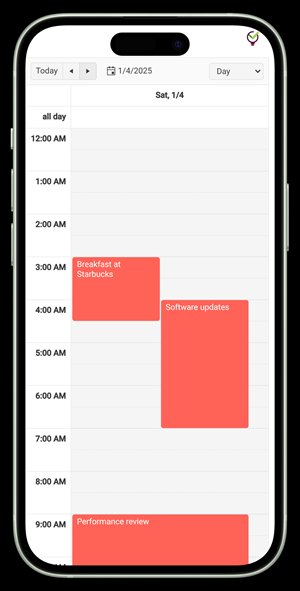
TaskLoco naturally supports GTD principles through its note-centric approach. Each note becomes a project or context list, and the unlimited structure in Premium lets you organize however GTD works for you — by context, project, or area of focus.
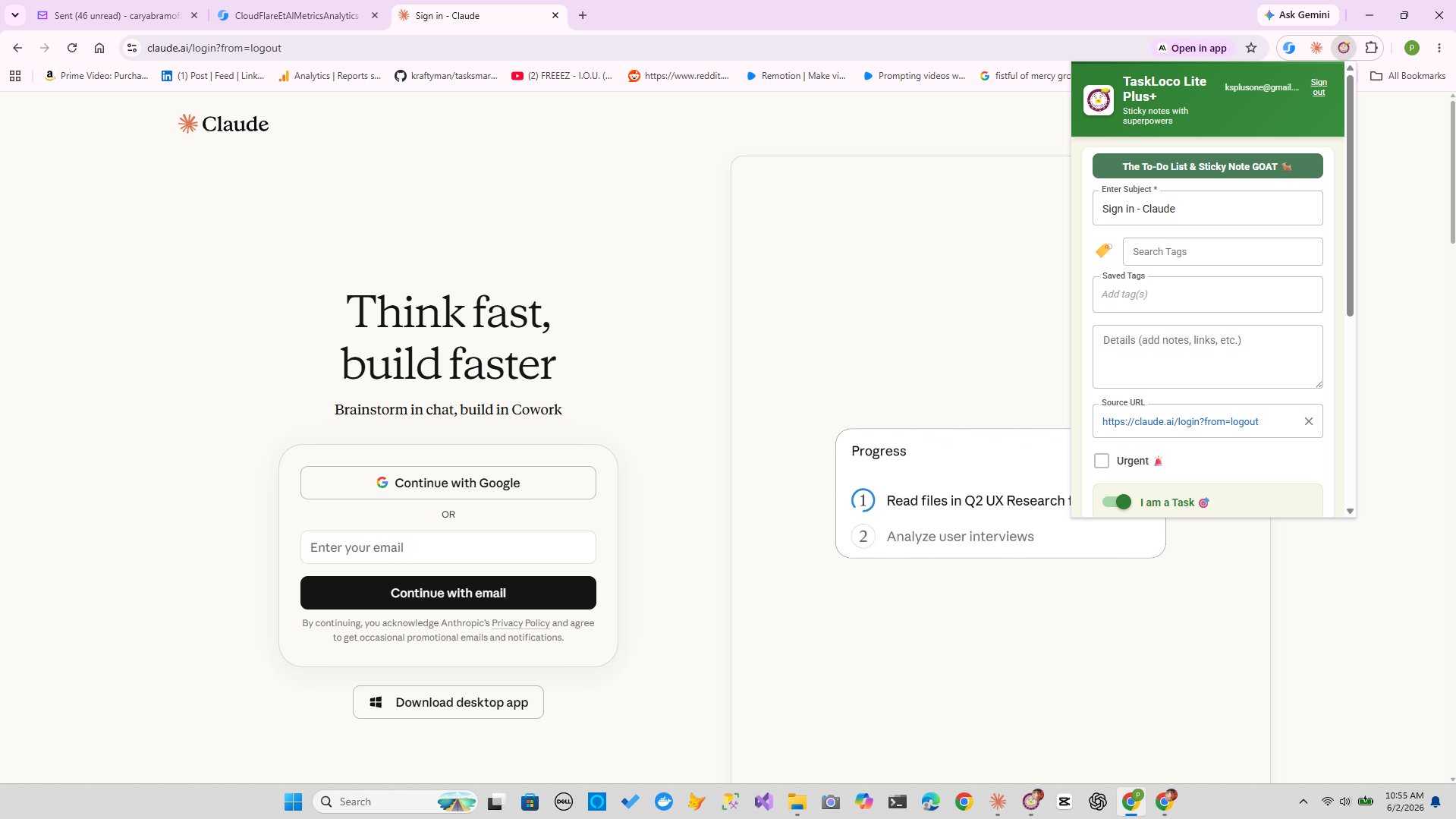
The capture process is instant — the Chrome extension grabs web content in one click, and the mobile interface lets you brain-dump ideas immediately. File attachments keep project materials connected to tasks, while reminders ensure nothing falls through the cracks during your weekly review cycles.
Team sharing works for household GTD implementation — family members can share grocery lists, vacation planning notes, and home project tasks. The deep-linking reminders bring you directly back to context, maintaining the GTD principle that everything has its proper place.
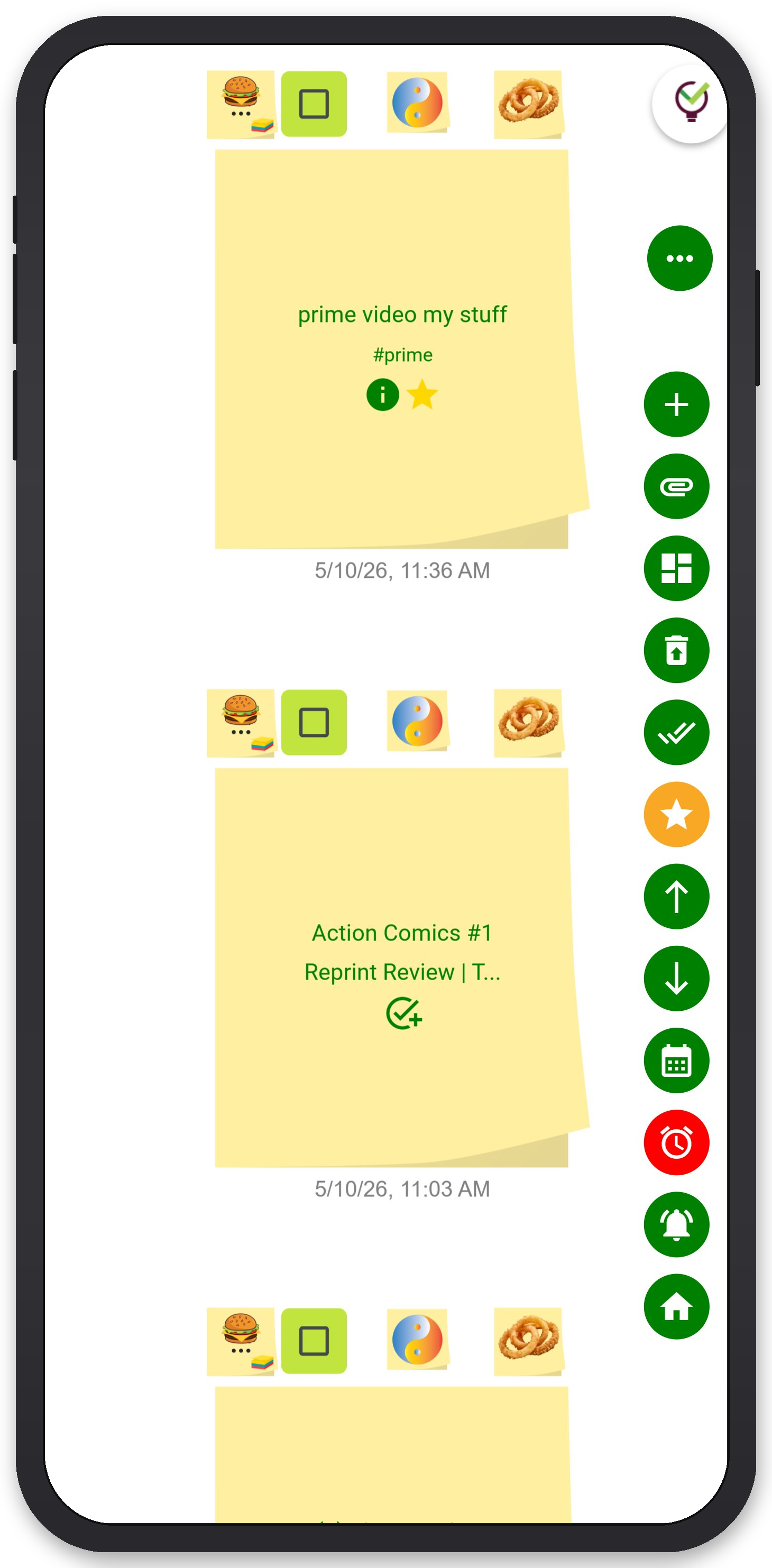
TaskLoco Premium is regularly $9.99/month per person. Right now, charter members can lock in 50% off the regular price — forever. That means $4.99/month per person today. And if our price ever goes up, you still pay half. Always.
Code CHARTER50 auto-applies at checkout. First 500 spots only — once they're gone, this offer is gone permanently. Act fast while spots last.
Every Premium subscription includes unlimited notes, 10GB file storage, reminders, calendar, and team sharing. Each team member requires a separate subscription. 7-day free trial — no charge until day 8. Cancel anytime.
Free Options: TaskLoco
TaskLoco Lite
- Native iPhone & Android app
- Completely anonymous — no sign-in
- Data stays on your device
- Up to 20 notes
- Free forever
TaskLoco Lite Plus+
- Web app + Chrome extension
- Sign in with Google
- Wall syncs across all devices
- Up to 30 notes
- Free forever
Lock In 50% Off — Forever
7-day free trial. No charge until day 8. CHARTER50 auto-applies at checkout.
🔒 Lock In My Charter SpotSee TaskLoco in Action
Frequently Asked Questions
What makes GTD different from other productivity methods?
GTD is system-agnostic and focuses on mental clarity rather than specific tools. It's built around capturing everything externally so your mind can focus on doing rather than remembering. Most other methods tell you how to prioritize; GTD tells you how to organize so priorities become obvious.
Can you do GTD without digital tools?
Absolutely — David Allen originally designed GTD for paper systems. However, digital tools excel at the search, filtering, and reorganization that make GTD maintenance easier. The key is choosing tools that support GTD principles rather than fighting against them.
How long does it take to set up GTD properly?
Initial setup takes 1-3 days to capture everything and create your system. The real investment is 6-8 weeks of consistent weekly reviews to build the habit. Most people see mental clarity benefits within the first week of proper capture.
What's the biggest GTD mistake people make?
Skipping the weekly review. GTD works because it's a closed-loop system — capture, process, review, update. Miss the review cycle and your system becomes stale, your trust breaks down, and you revert to mental juggling.
How do you handle GTD with team collaboration?
GTD is inherently personal, but team elements work through shared Waiting For lists and clear hand-off protocols. Team members can share project status and next actions while maintaining their individual GTD systems for personal task management.
Is GTD overkill for simple task management?
GTD scales to your complexity level. If you only have 5-10 tasks, a simple list works fine. GTD becomes valuable when you're juggling multiple projects, commitments, and contexts where traditional lists break down.
Why use TaskLoco for GTD implementation?
TaskLoco's note-based structure naturally supports GTD contexts and projects without forcing rigid categories. The unlimited organization in Premium, instant capture tools, and team sharing create a flexible foundation that adapts as your GTD system evolves. $9.99/month per person (currently $4.99/month per person for first 500 charter members with code CHARTER50)
Born in Brooklyn. Powered by AWS. Your data stays yours.
TaskLoco is available on iPhone, Android, Chrome, and every web browser.