In the 1920s, researchers at Western Electric's Hawthorne Works factory made a startling discovery. Workers produced more regardless of whether lighting was increased or decreased during the study. The mere act of being observed changed behavior.
This became known as the Hawthorne Effect — a psychological phenomenon where people modify their performance when they know they're being watched. Understanding this effect reveals powerful insights for boosting productivity in any setting.
The Original Hawthorne Studies: What Really Happened
Between 1924 and 1932, researchers Elton Mayo and Fritz Roethlisberger conducted a series of experiments at the Hawthorne Works plant in Chicago. They initially wanted to test how physical conditions affected worker productivity.
In the illumination experiments, they changed lighting levels for different groups of workers. Productivity increased in both the experimental group with brighter lights and the control group with unchanged lighting. Even when they dimmed the lights, productivity remained high.
The researchers realized something profound: the workers weren't responding to the environmental changes. They were responding to the attention itself. Being selected for study, having researchers watch their work, and knowing their performance was being measured made them work harder.
Later studies in the same factory confirmed this pattern. Workers in the relay assembly test room increased output by 30% over five years, despite various changes to break schedules, working hours, and incentives. The consistent factor was ongoing observation and attention from researchers.
Why the Hawthorne Effect Works: The Psychology Behind It
The Hawthorne Effect taps into several fundamental psychological drivers that influence human behavior in work and productivity settings.
Social facilitation plays a central role. People naturally perform better when they feel others are watching. This evolutionarily-rooted behavior helped our ancestors succeed in group settings where individual performance mattered for survival.
Increased self-awareness emerges when people know they're being observed. This heightened consciousness makes them more deliberate about their actions and more likely to align with their ideal self-image as a productive person.
Sense of importance develops when someone takes the time to study or observe our work. Being selected for attention signals that our contributions matter, which naturally motivates higher effort levels.
Accountability pressure increases when behavior is visible. Knowing that poor performance will be noticed creates natural motivation to maintain higher standards than we might when working completely alone.
These psychological mechanisms explain why the effect appears across cultures and contexts, from factory floors to creative work to personal habits.
When the Hawthorne Effect Backfires: Limitations and Pitfalls
While powerful, the Hawthorne Effect isn't universally beneficial. Understanding its limitations prevents misapplication and helps maintain sustainable productivity gains.
Surveillance fatigue sets in when observation becomes constant or intrusive. Workers may initially increase performance but eventually experience stress, resentment, and decreased motivation. The effect depends on observation feeling supportive rather than punitive.
Performance theater can replace genuine productivity. When people focus more on appearing busy than accomplishing meaningful work, the effect backfires. This is especially problematic in knowledge work where visible activity doesn't always correlate with results.
Short-term thinking emerges when observation emphasizes immediate metrics over long-term outcomes. Workers may optimize for what's being measured rather than what actually matters for sustainable success.
Anxiety and pressure can overwhelm the positive effects, particularly for people who struggle with performance anxiety. Some individuals perform worse under observation, making the effect counterproductive for certain personality types.
Gaming the system becomes tempting when observation focuses on narrow metrics. People may manipulate measurements to appear more productive while neglecting unmeasured but important aspects of their work.
Applying the Hawthorne Effect to Personal Productivity
Understanding the Hawthorne Effect reveals practical strategies for boosting individual productivity without falling into common traps.
Public commitments harness the effect by making your goals visible to others. Sharing deadlines with colleagues or posting progress updates creates gentle accountability that often increases follow-through rates.
Progress tracking acts as self-observation. Regular check-ins with yourself about productivity metrics, completed tasks, or time allocation can trigger the effect even without external observers.
Working in visible spaces naturally increases performance for many people. Coffee shops, shared workspaces, or even video calls with body doubling partners can provide the sense of observation that drives focus.
Regular reporting to managers, coaches, or accountability partners creates structured observation that maintains momentum on important projects. The key is making these check-ins supportive rather than judgmental.
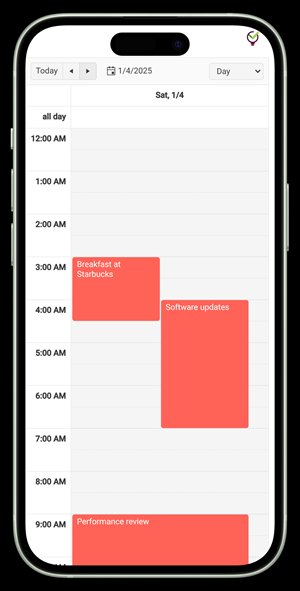
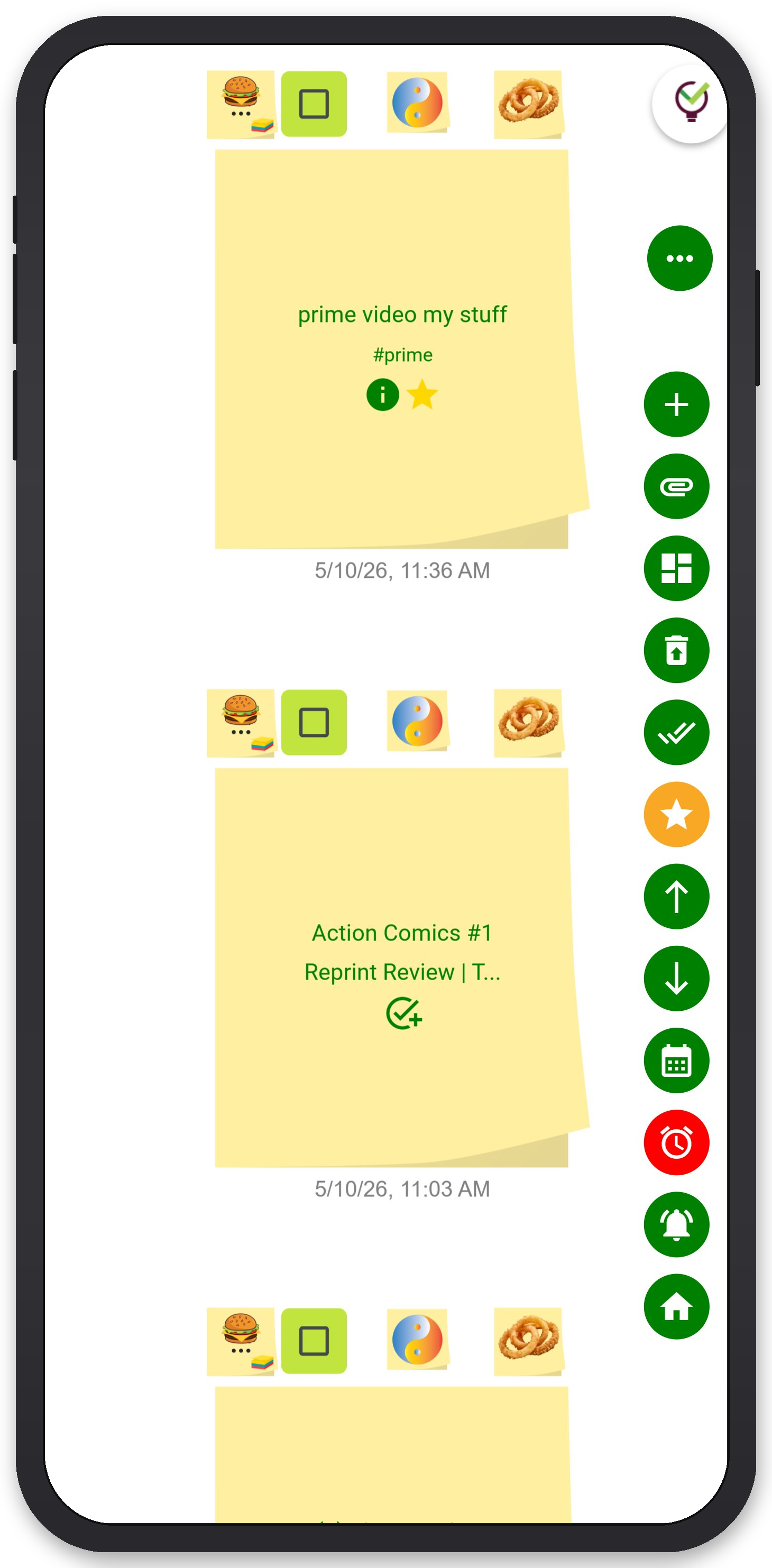
Simple tools that track your work and make progress visible can trigger the Hawthorne Effect in your daily routine. When you can see your productivity patterns and know that your system is 'watching' your progress, you naturally maintain higher standards for yourself.
TaskLoco Premium is regularly $9.99/month per person. Right now, charter members can lock in 50% off the regular price — forever. That means $4.99/month per person today. And if our price ever goes up, you still pay half. Always.
Code CHARTER50 auto-applies at checkout. First 500 spots only — once they're gone, this offer is gone permanently. Act fast while spots last.
Every Premium subscription includes unlimited notes, 10GB file storage, reminders, calendar, and team sharing. Each team member requires a separate subscription. 7-day free trial — no charge until day 8. Cancel anytime.
Free Options: TaskLoco
TaskLoco Lite
- Native iPhone & Android app
- Completely anonymous — no sign-in
- Data stays on your device
- Up to 20 notes
- Free forever
TaskLoco Lite Plus+
- Web app + Chrome extension
- Sign in with Google
- Wall syncs across all devices
- Up to 30 notes
- Free forever
Lock In 50% Off — Forever
7-day free trial. No charge until day 8. CHARTER50 auto-applies at checkout.
🔒 Lock In My Charter SpotSee TaskLoco in Action
Frequently Asked Questions
What exactly is the Hawthorne Effect?
The Hawthorne Effect is when people change their behavior and increase performance simply because they know they're being observed or studied, regardless of any specific changes to their environment or conditions.
Does the Hawthorne Effect work for remote workers?
Yes, the effect works through virtual observation too. Video calls, progress reports, shared task lists, or even self-tracking tools can trigger the psychological response that drives better performance.
How long does the Hawthorne Effect last?
The effect typically diminishes over time if observation becomes routine or surveillance-like. It works best when observation feels supportive and when people receive positive feedback about their improved performance.
Can you use the Hawthorne Effect on yourself?
Absolutely. Self-monitoring through productivity tracking, progress journals, or accountability apps can trigger similar psychological responses. Making your own work visible to yourself often increases motivation and focus.
What's the difference between helpful observation and micromanagement?
Helpful observation focuses on support and growth, gives people autonomy over how they improve, and celebrates progress. Micromanagement emphasizes control, punishment for mistakes, and rigid adherence to specific behaviors.
Why do some people perform worse when being watched?
Performance anxiety, fear of judgment, or pressure to be perfect can overwhelm the positive effects. Some personality types naturally struggle with observation, making supportive rather than evaluative attention crucial.
How can productivity apps leverage the Hawthorne Effect?
$9.99/month per person (currently $4.99/month per person for first 500 charter members with code CHARTER50) Apps work best when they make your progress visible, provide clear tracking of accomplishments, and optionally share progress with others for natural accountability without creating surveillance stress.
Born in Brooklyn. Powered by AWS. Your data stays yours.
TaskLoco is available on iPhone, Android, Chrome, and every web browser.