You've been staring at the same task for three days. Not because it's hard. Because it isn't good enough yet. The email draft is almost right. The project plan needs one more pass. The presentation could always use tighter phrasing. Meanwhile, nothing ships, nothing moves, and your to-do list grows while your output doesn't. That's perfectionism — and it has nothing to do with caring about quality.
Perfectionism is a delay mechanism dressed up as a work ethic. It feels productive because you're always busy improving something. But improving something that hasn't shipped yet is just a more socially acceptable form of avoidance. This article breaks down exactly how perfectionism works against you — and how to structure your work so the pull toward "just one more revision" stops winning.
What Perfectionism Actually Is (and Isn't)
Perfectionism is not the same as high standards. High standards mean you care about the outcome. Perfectionism means you're afraid of the outcome — specifically, afraid that the finished thing will reveal something unflattering about you. So you keep it unfinished. An unfinished thing can always get better. A finished thing can be judged.
That's the core mechanism: perfectionism is a fear-management strategy. It keeps you in the safe zone of perpetual refinement where no one can say you failed, because you never fully committed to a final version. The problem is that nothing in that zone counts. Projects don't ship. Goals don't advance. You stay busy while staying stuck.
Psychologists distinguish between adaptive and maladaptive perfectionism. Adaptive perfectionism drives quality — you set a high bar, work toward it, and accept the result. Maladaptive perfectionism ties your self-worth to the outcome so tightly that the only safe move is to never fully finish. Most people who identify as perfectionists are dealing with the maladaptive kind, even if they'd describe it as "just having high standards."
The Cognitive Loops That Keep You Refining Instead of Finishing
Perfectionism runs on a few reliable cognitive loops that are worth naming, because once you see them clearly, they lose some of their grip.
The moving goalposts loop: You set a standard. You meet it. Then you raise it. Every time you get close, "good enough" shifts just a little further out. This isn't ambition — it's a self-fulfilling system designed to never arrive. The goal isn't actually quality; it's continued deferral.
The comparison spiral: You look at work that's already out in the world — polished, published, refined — and compare your draft to the finished version of someone else's output. Your rough draft always loses that comparison. But that polished work was also a rough draft once. You're comparing your process to their product.
The all-or-nothing frame: Perfectionists tend to evaluate work as either exceptional or worthless, with nothing in between. A 90% result feels like failure because it isn't 100%. This makes finishing feel dangerous — you might have to accept that something is merely good, which the perfectionist brain treats as equivalent to bad.
The preparation trap: "I just need to research a little more before I start." "Let me think it through more carefully first." Preparation is real and necessary, but perfectionism hijacks it as a delay. At some point, more preparation is just procrastination with better PR.
Why Your Productivity System Might Be Making It Worse
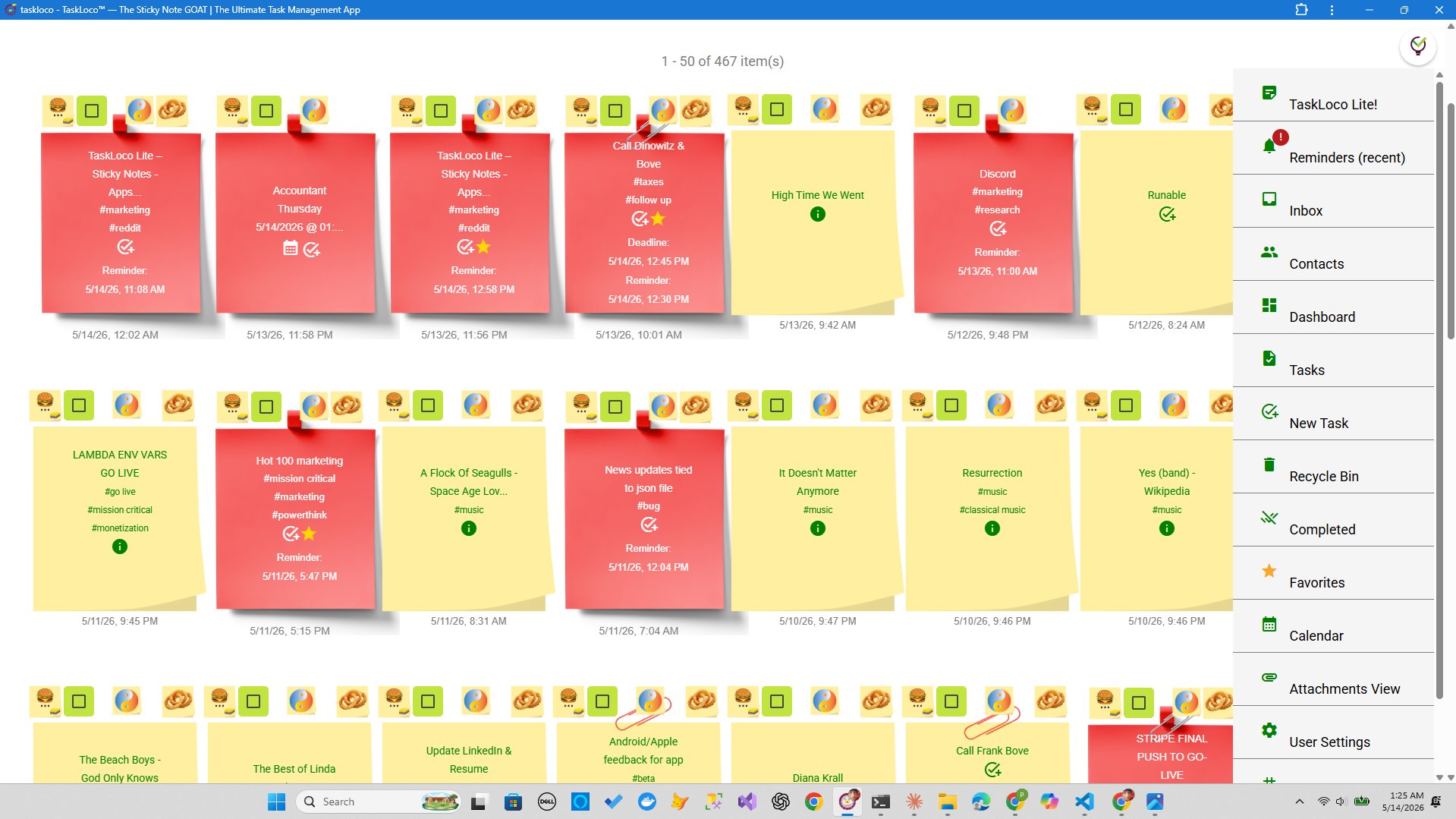
Here's something most productivity advice won't tell you: a bloated, over-engineered task system actively feeds perfectionism. When your tool has seventeen status options, nested subtasks five levels deep, priority scores, effort estimates, and color-coded urgency tags — you're not managing work, you're perfecting the management of work. The system becomes the thing you endlessly refine instead of the actual output.
This is especially common with heavy project management tools. They offer so much organizational surface area that a perfectionist can spend hours restructuring their task hierarchy, renaming projects, and adjusting tags — and feel genuinely productive the whole time. Nothing ships, but everything is extremely well-organized.
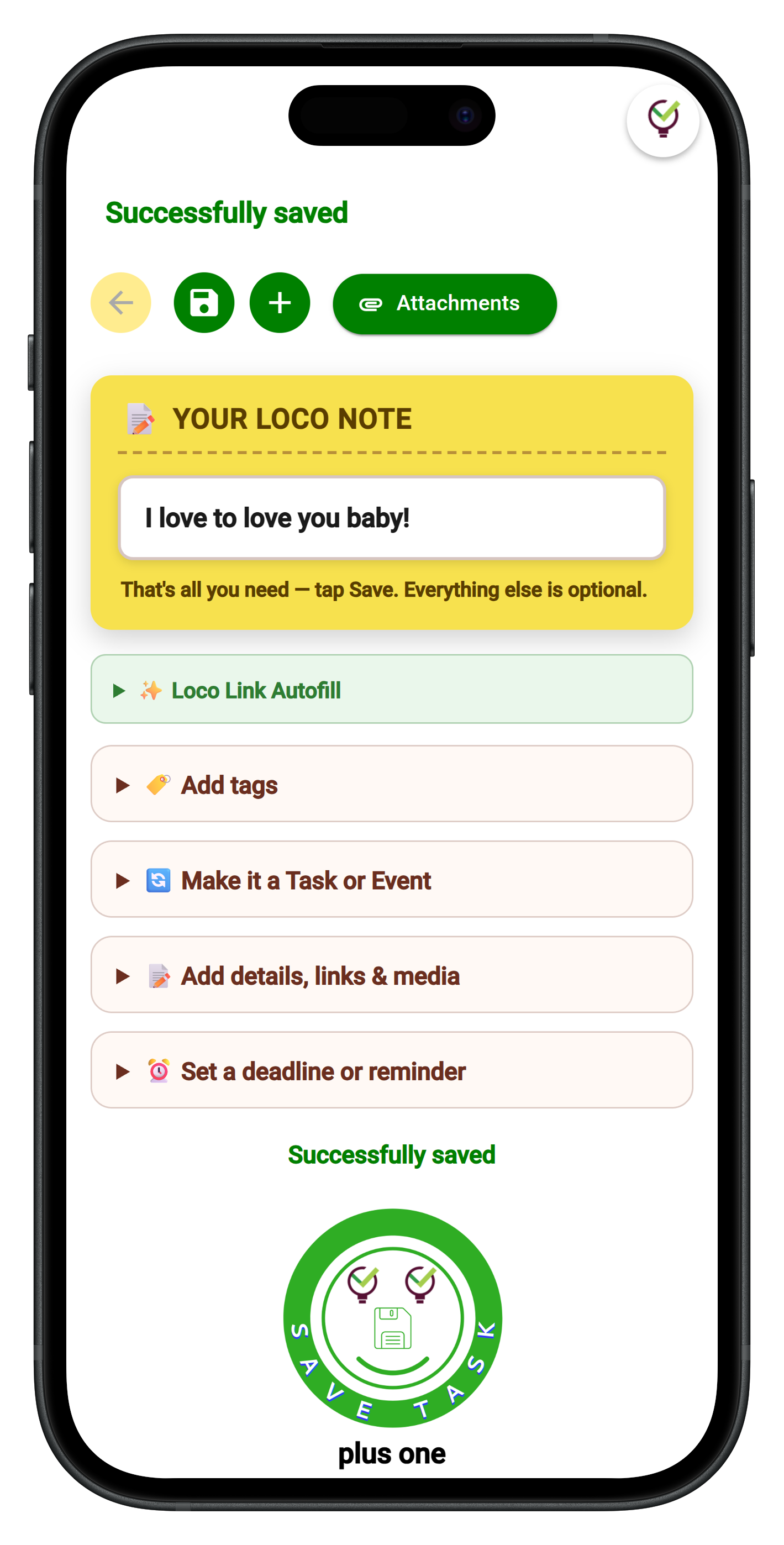
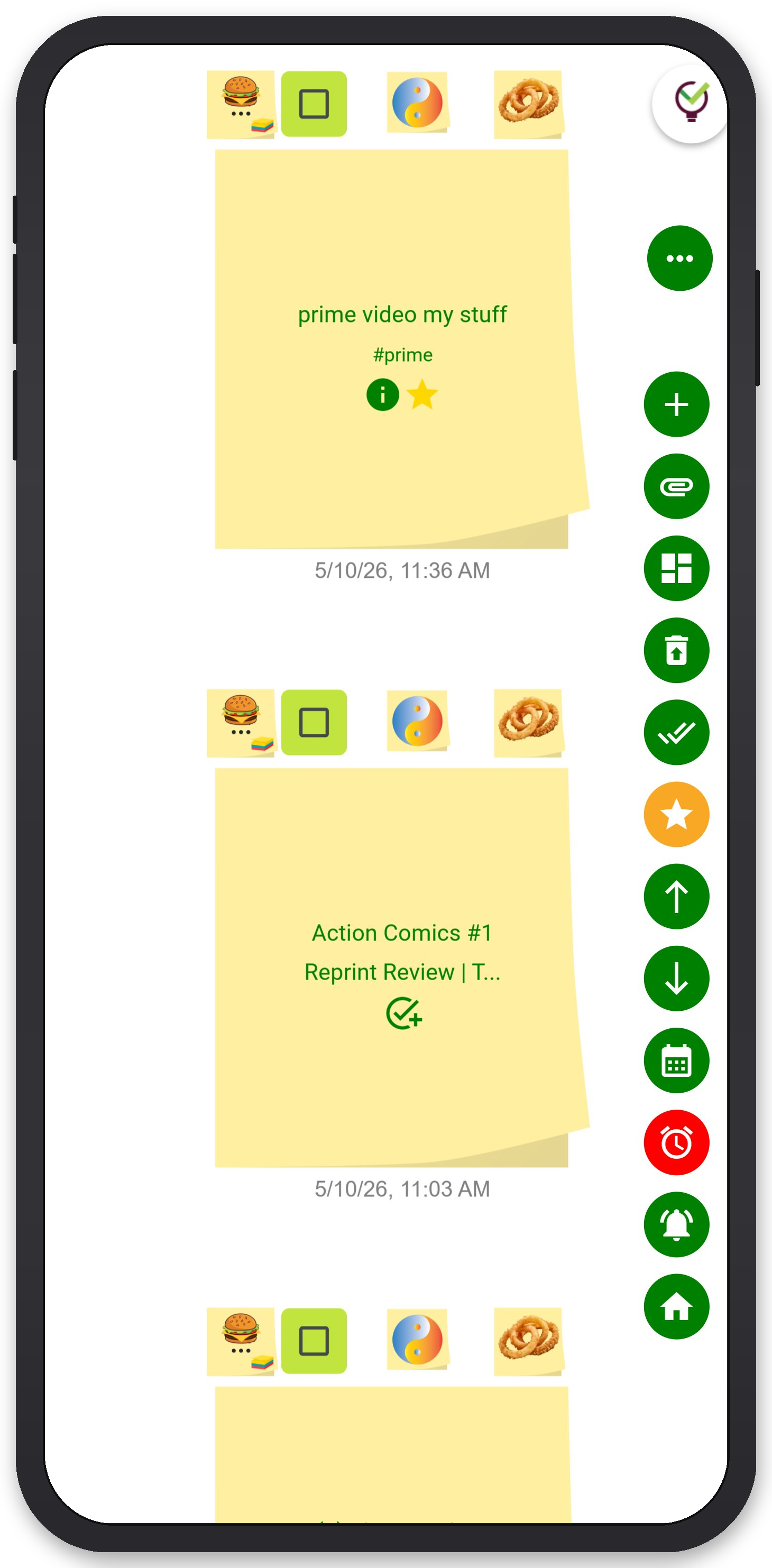
The antidote is a system that's frictionless enough to capture an idea the second you have it, clear enough that you can see everything at a glance, and simple enough that organizing it doesn't become its own project. That's the design principle behind TaskLoco — sticky notes on a visual wall, not a workflow engine that needs its own onboarding course.
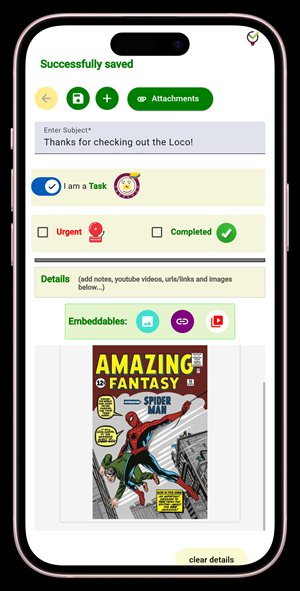
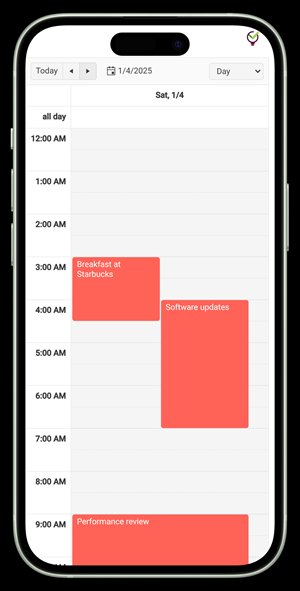
TaskLoco Premium gives you a visual board where notes, tasks, calendar events, and reminders coexist without demanding that you categorize everything before you can use it. Capture the idea. Set a reminder that deep-links you back to that exact note when it's time to act. Move the note when it's done. That's the whole loop — and it doesn't offer enough surface area to perfect-manage instead of actually work.
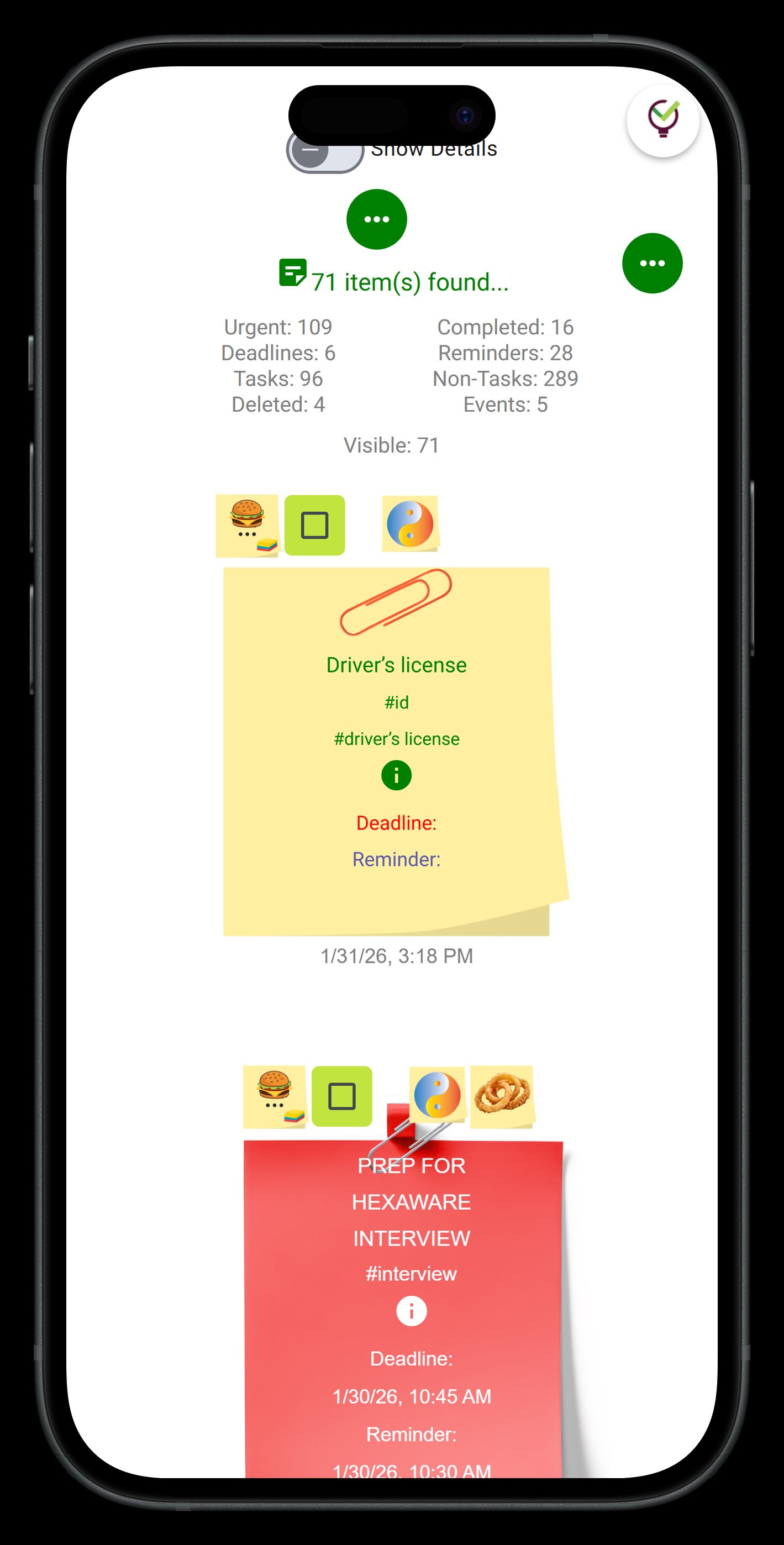
Reminders in TaskLoco are delivered as push notifications to your phone and computer, and each reminder deep-links directly back to the note it came from. When the notification fires, you land exactly where you need to be — no hunting, no context-switching. Optional email notifications are also available, and there's an SMS add-on if you want it. But the push notification is the core: immediate, direct, and tied to the actual work.
Practical Ways to Work Around the Perfectionism Pull
Insight alone doesn't fix perfectionism. You need structural changes that make finishing easier than refining. Here are the ones that actually work in practice.
Define done in writing before you start. Before you open a document, write a single note that says exactly what the finished version looks like. Not "a great article" — "an article with an intro, three sections, and a conclusion, totaling roughly 800 words." Specificity kills the moving goalposts. Capture that definition in a TaskLoco note before you start the work, and set a reminder on it so you see it again at a defined deadline — the push notification will bring you right back to that note.
Use time boxes, not quality boxes. Instead of "I'll finish when it's good," work in a fixed block — 45 minutes, 90 minutes, whatever fits — and stop when the time is up. Quality as a finish condition is endlessly negotiable. Time is not. This is one of the most reliable ways to break the refinement loop.
Ship the 80% version. In most real work — most emails, most reports, most presentations — the difference between 80% and 100% is invisible to everyone except you. The extra 20% of polish costs 80% of your time. Ship the 80% version and use the saved time to start the next thing.
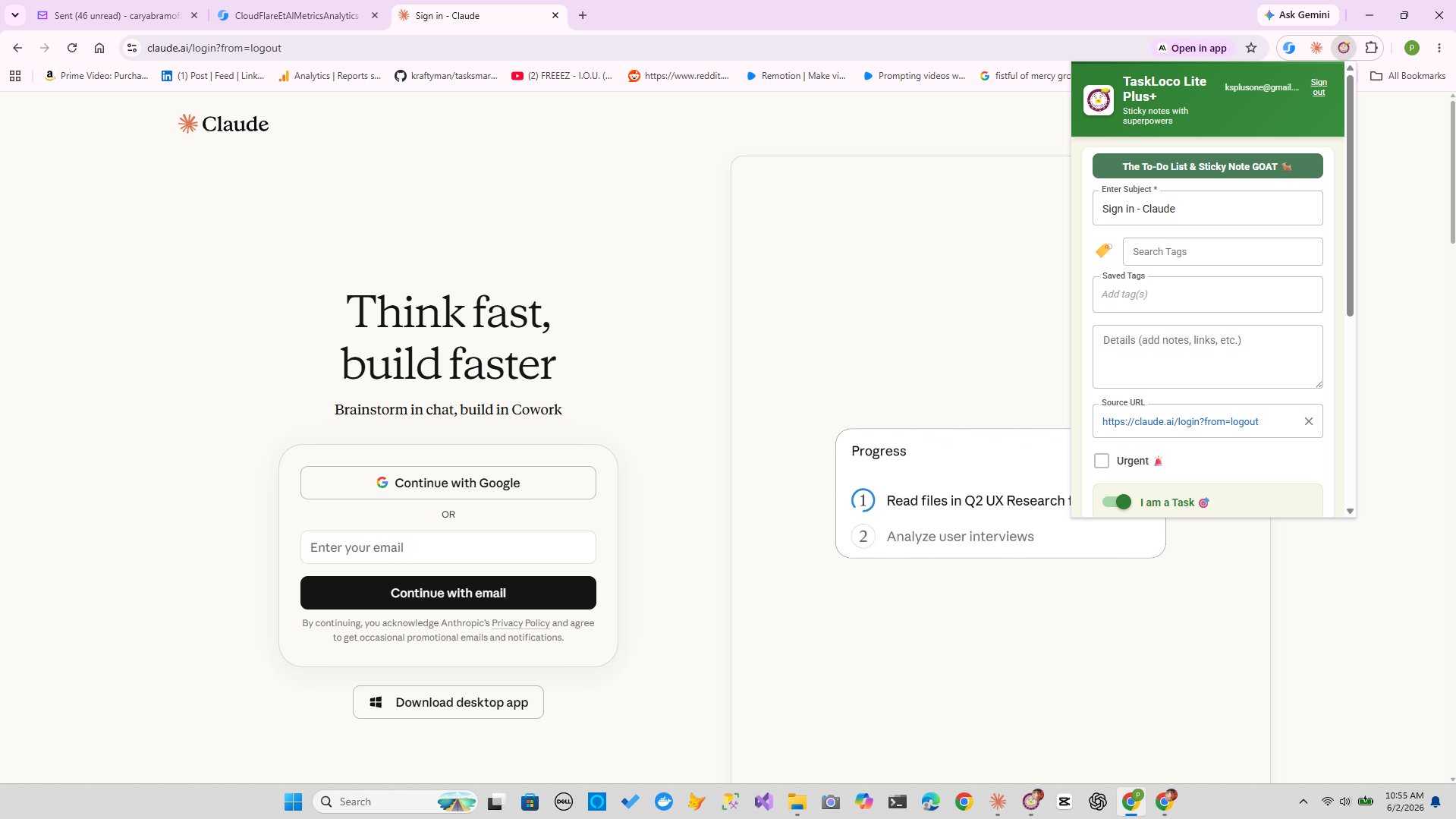
Separate capture from refinement. When an idea or task lands, just capture it — raw, unformatted, imperfect. TaskLoco Lite Plus+ lets you do this for free, synced across all your devices, with up to 30 notes. The Chrome extension captures any webpage in one click. Nothing about that capture needs to be polished. That comes later, if at all.
Track completions, not quality scores. Perfectionists often measure success by how good something was, not how much got done. Shift the metric. At the end of a week, count how many things moved from in-progress to done. Volume of completion is a much healthier signal than subjective quality judgment — and it's harder to fake with endless refinement.
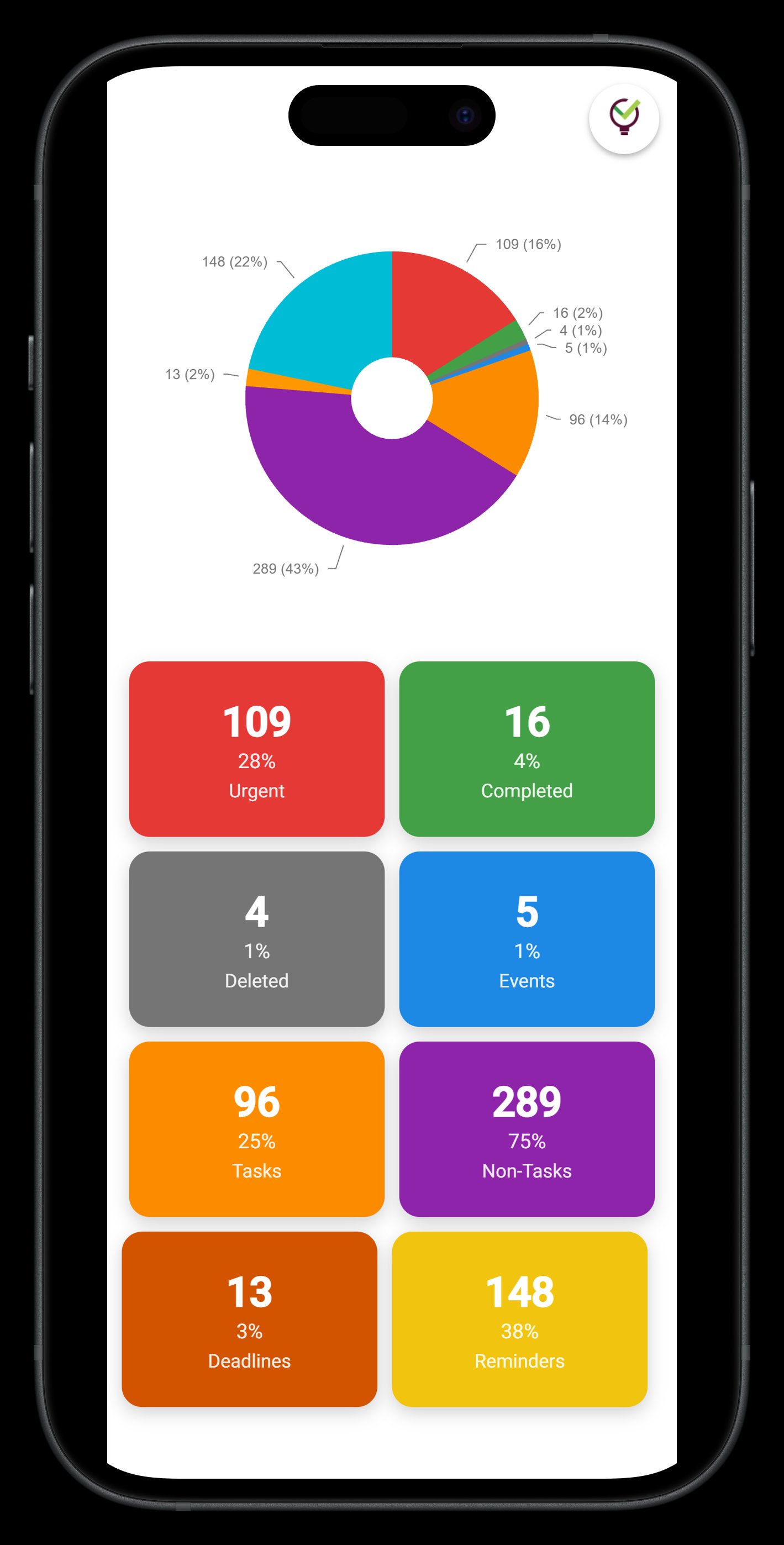
TaskLoco Premium is regularly $9.99/month per person. Right now, charter members can lock in 50% off the regular price — forever. That means $4.99/month per person today. And if our price ever goes up, you still pay half. Always.
Code CHARTER50 auto-applies at checkout. First 500 spots only — once they're gone, this offer is gone permanently. Act fast while spots last.
Every Premium subscription includes unlimited notes, 10GB file storage, reminders, calendar, and team sharing. Each team member requires a separate subscription. 7-day free trial — no charge until day 8. Cancel anytime.
Free Options: TaskLoco
TaskLoco Lite
- Native iPhone & Android app
- Completely anonymous — no sign-in
- Data stays on your device
- Up to 20 notes
- Free forever
TaskLoco Lite Plus+
- Web app + Chrome extension
- Sign in with Google
- Wall syncs across all devices
- Up to 30 notes
- Free forever
Lock In 50% Off — Forever
7-day free trial. No charge until day 8. CHARTER50 auto-applies at checkout.
🔒 Lock In My Charter SpotSee TaskLoco in Action
Frequently Asked Questions
Is perfectionism actually a form of procrastination?
Yes — functionally, they're the same thing. Both delay finishing. The difference is that procrastination feels like avoidance, while perfectionism feels like diligence. But if the end result is that nothing ships, the mechanism doesn't matter. Both are fear of completion dressed differently.
How do I know if my standards are high or if I'm being a perfectionist?
Ask one question: do your standards consistently prevent you from finishing things? High standards improve output. Perfectionism prevents output. If you regularly produce things you're proud of and ship them on reasonable timelines, that's high standards. If you're constantly almost done but never quite done, that's perfectionism.
Can a productivity app help with perfectionism?
The right one can — but it has to be simple enough that organizing your work doesn't become its own refinement project. TaskLoco's visual sticky note system captures ideas fast without demanding complex categorization. Premium adds reminders delivered as push notifications that deep-link back to the exact note, so you stay moving forward instead of circling back endlessly. $9.99/month per person (currently $4.99/month per person for first 500 charter members with code CHARTER50)
What's the fastest way to break a perfectionism loop right now?
Write down a specific, concrete definition of done for the thing you're stuck on. Put a deadline on it that isn't today — give yourself one more bounded work session. Then stop when that session ends, regardless of how you feel about the result. The loop breaks when you honor a defined stopping point instead of a quality threshold.
Does perfectionism get worse with remote work or working alone?
Often, yes. When you work alone or remotely, there's no external forcing function — no meeting where you have to present the draft, no colleague waiting for the handoff. Without those external deadlines, the perfectionist's internal judgment becomes the only standard, and it's merciless. Building your own external structure — deadlines written into notes, reminders that fire on schedule — replaces what the office provided naturally.
How is perfectionism different from OCD?
They can overlap, but they're distinct. Perfectionism is primarily about fear of judgment and external evaluation — the work isn't good enough for other people to see. OCD involves intrusive thoughts and compulsive behaviors that aren't always tied to external standards or outcomes. If perfectionistic thinking feels uncontrollable or is significantly disrupting daily life, talking to a mental health professional is the right call, not a productivity app.
What's a good system for capturing ideas quickly without them sitting unfinished forever?
Capture should be zero-friction and separate from refinement. TaskLoco Lite Plus+ is free, syncs across all your devices, and lets you capture up to 30 notes instantly — including one-click webpage capture with the Chrome extension. For unlimited notes with reminders and file attachments, TaskLoco Premium is the next step. $9.99/month per person (currently $4.99/month per person for first 500 charter members with code CHARTER50)
Born in Brooklyn. Powered by AWS. Your data stays yours.
TaskLoco is available on iPhone, Android, Chrome, and every web browser.