The Big Rocks method transforms how you approach your schedule by putting your most important goals first. Instead of cramming priorities into leftover time, you protect space for what matters most, then fit everything else around it.
This approach comes from Stephen Covey's famous demonstration where rocks, pebbles, and sand only fit in a jar when you put the big rocks in first. Applied to productivity, your big rocks are major projects, key relationships, and long-term goals that truly move your life forward.
Step 1: Identify Your Big Rocks
Start by listing your most important goals and responsibilities across all areas of life. These aren't daily tasks — they're the major outcomes that define success for you personally and professionally.
Ask yourself: What are the 3-5 things that, if accomplished this quarter, would make the biggest difference? Examples include launching a new product, strengthening family relationships, completing a certification, or building an emergency fund.
Your big rocks should feel slightly uncomfortable — important enough that you'd regret not making progress on them. If everything feels urgent, you haven't identified the real priorities yet.
Step 2: Schedule Big Rocks First
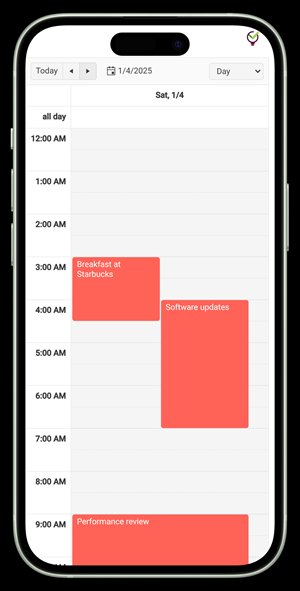
Block dedicated time for your big rocks before adding anything else to your calendar. This isn't wishful thinking — these blocks are non-negotiable appointments with your most important work.
For each big rock, determine what consistent action it requires. A quarterly goal might need 3-4 hours weekly, spread across specific days. A relationship goal might need one protected evening per week. Block these times first, treating them as seriously as you would a client meeting.
Place big rock blocks during your peak energy hours when possible. If you're sharpest in the morning, don't fill that time with email and meetings. Protect it for work that moves your biggest priorities forward.
Step 3: Fill in the Pebbles and Sand
Once your big rocks have protected time, add your smaller responsibilities and routine tasks. The key insight: these will naturally fit into the remaining space, but only if you resist the temptation to let them expand and crowd out your priorities.
Pebbles are important but less critical tasks — responding to emails, attending routine meetings, handling administrative work. Sand represents the small, often urgent items that fill any available space — quick calls, minor requests, and daily maintenance tasks.
Use time-blocking for pebbles too, but be more flexible. Group similar tasks together — all emails in one block, all phone calls in another. This prevents small tasks from fragmenting your entire day.
The magic happens when you realize that protecting time for big rocks doesn't mean neglecting everything else. It means being intentional about when and how you handle smaller tasks, so they support rather than sabotage your main objectives.
Making the Big Rocks Method Stick
The biggest challenge isn't understanding the method — it's maintaining it when urgent requests and daily chaos try to derail your priorities. Success comes from building systems that protect your big rock time and keep priorities visible.
Review your big rocks weekly. Schedule a 15-minute session every Sunday to confirm your upcoming big rock blocks are still protected and adjust if needed. This prevents priorities from slowly eroding under day-to-day pressures.
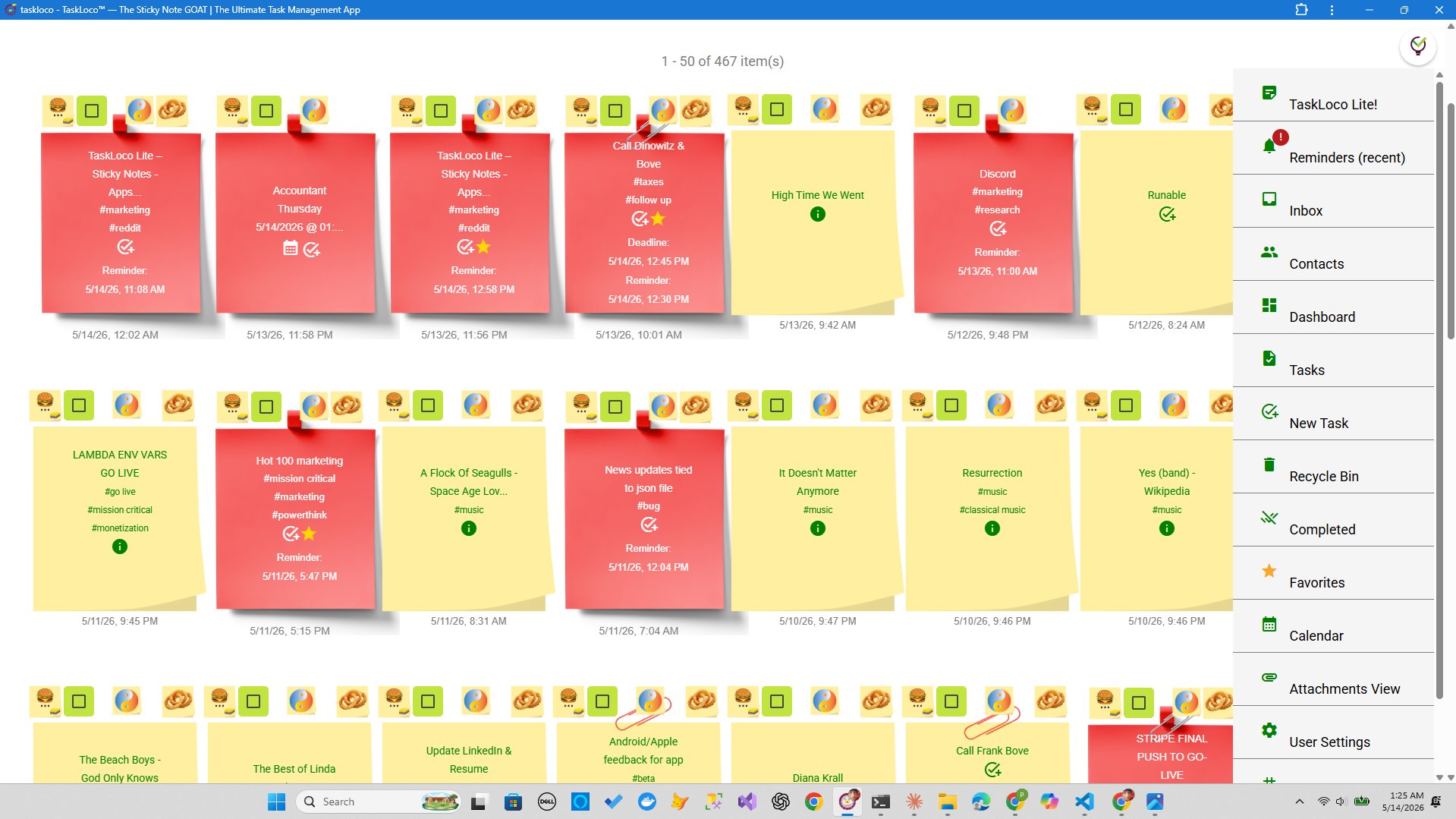
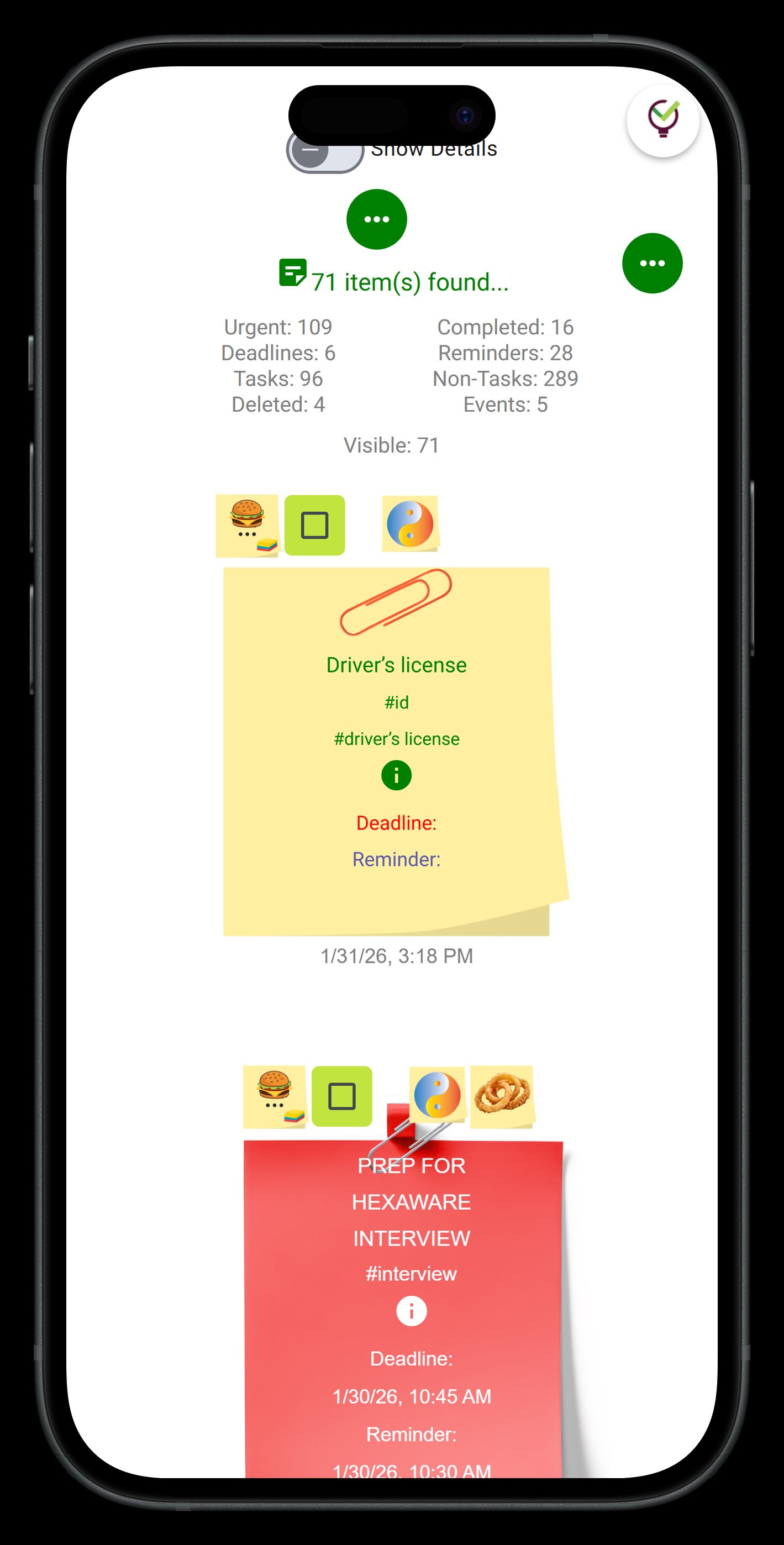
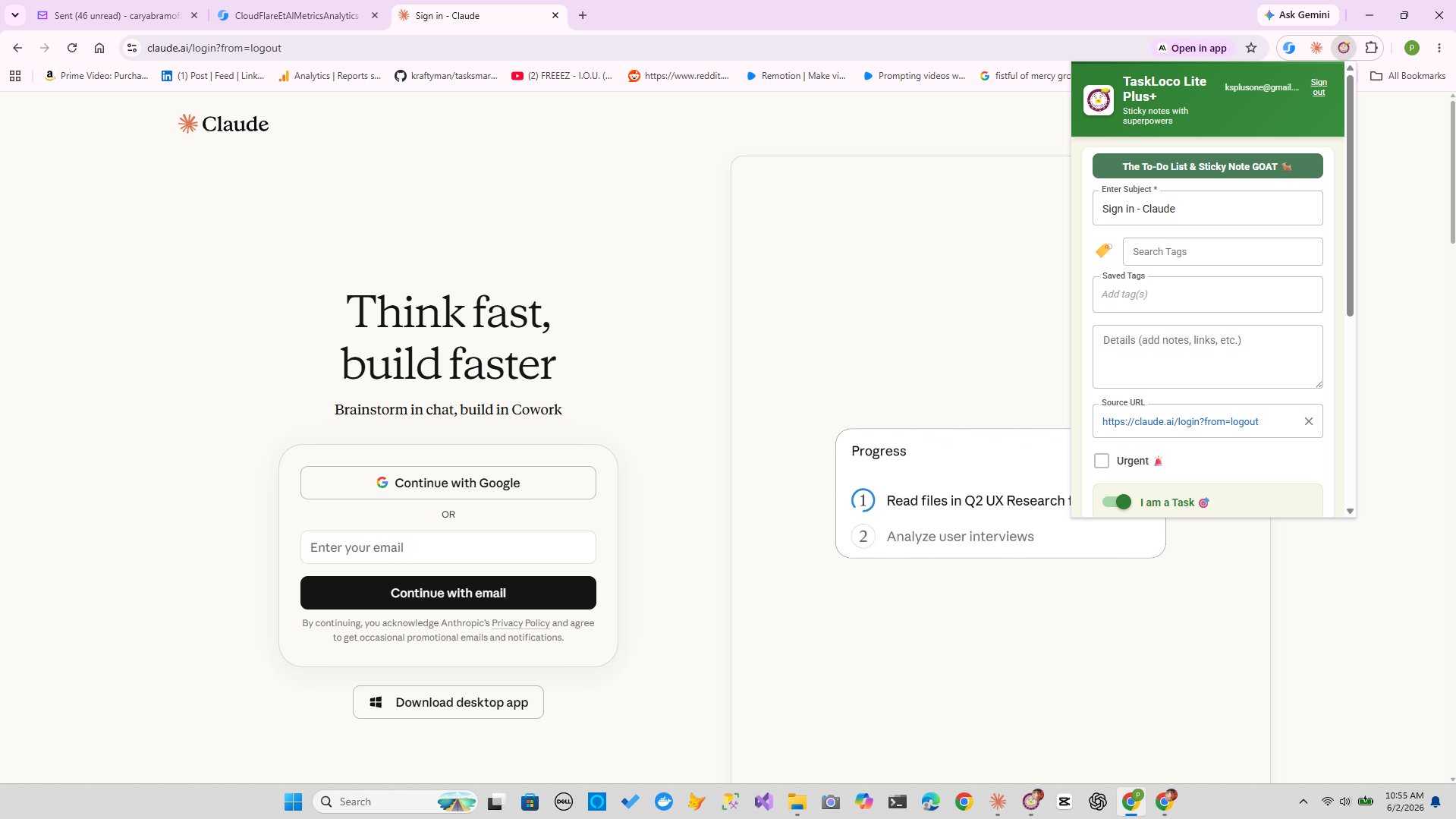
TaskLoco makes this process seamless by combining your big rock planning with daily task management. Create notes for each major goal, set reminders for your weekly review sessions, and use the calendar view to see how well you're protecting priority time. When urgent requests come up, quickly capture them as notes to process later instead of letting them immediately hijack your schedule.
Start small with just 2-3 big rocks and focus on consistency rather than perfection. Once protecting priority time becomes automatic, you can expand to handle more ambitious goals while still maintaining the foundation that makes everything else possible.
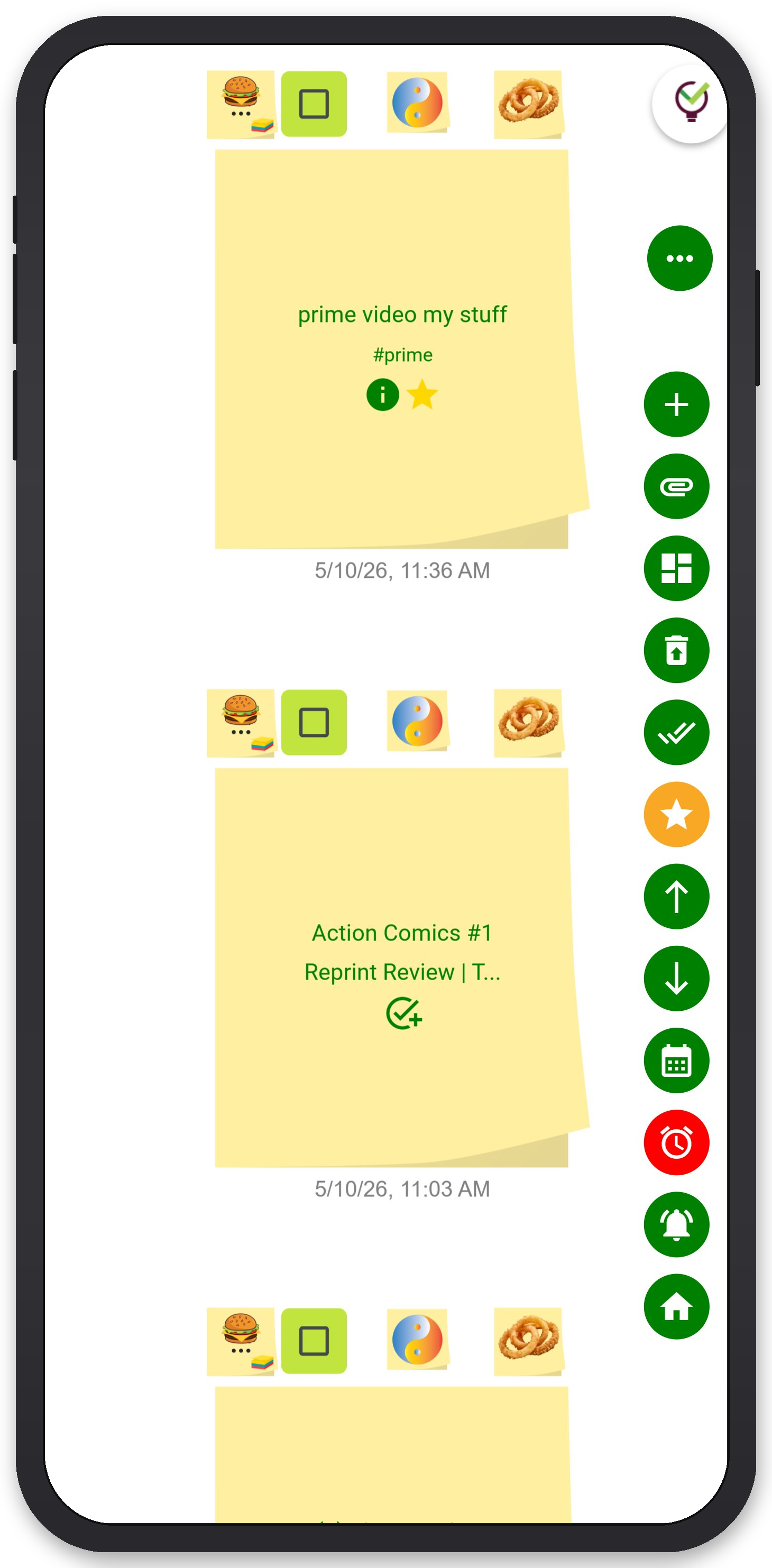
TaskLoco Premium is regularly $9.99/month per person. Right now, charter members can lock in 50% off the regular price — forever. That means $4.99/month per person today. And if our price ever goes up, you still pay half. Always.
Code CHARTER50 auto-applies at checkout. First 500 spots only — once they're gone, this offer is gone permanently. Act fast while spots last.
Every Premium subscription includes unlimited notes, 10GB file storage, reminders, calendar, and team sharing. Each team member requires a separate subscription. 7-day free trial — no charge until day 8. Cancel anytime.
Free Options: TaskLoco
TaskLoco Lite
- Native iPhone & Android app
- Completely anonymous — no sign-in
- Data stays on your device
- Up to 20 notes
- Free forever
TaskLoco Lite Plus+
- Web app + Chrome extension
- Sign in with Google
- Wall syncs across all devices
- Up to 30 notes
- Free forever
Lock In 50% Off — Forever
7-day free trial. No charge until day 8. CHARTER50 auto-applies at checkout.
🔒 Lock In My Charter SpotSee TaskLoco in Action
Frequently Asked Questions
How many big rocks should I have at once?
Start with 3-5 big rocks maximum. More than that and you'll struggle to give each one adequate time and attention. It's better to make solid progress on fewer priorities than to spread yourself too thin across many goals.
What if urgent tasks conflict with big rock time?
Treat big rock time as non-negotiable unless it's a true emergency. Ask yourself if the urgent task can wait a few hours, be delegated, or handled more efficiently later. Most 'urgent' requests aren't as time-sensitive as they initially appear.
How long should each big rock time block be?
Aim for blocks of at least 90 minutes to 2 hours. Shorter blocks get consumed by context switching and don't allow for deep work. If you can only find smaller windows, group them on the same day rather than spreading them across the week.
Can the Big Rocks method work with an unpredictable schedule?
Yes, but it requires more flexibility. Instead of fixed time blocks, identify your peak energy periods and protect those for big rocks when possible. Even 30-45 minutes of consistent progress beats waiting for perfect schedule alignment.
How do I identify what qualifies as a big rock?
Big rocks are outcomes that align with your core values and long-term goals. They're important but rarely urgent, and neglecting them has significant consequences over time. Ask: 'Will this matter in six months?' and 'What would I regret not making progress on?'
What's the best way to track progress on big rocks?
Break each big rock into weekly milestones and track completion. $9.99/month per person (currently $4.99/month per person for first 500 charter members with code CHARTER50) Use a system that lets you quickly capture progress notes and see patterns over time. The key is consistent check-ins, not perfect measurement.
How do I handle resistance when protecting big rock time?
Communicate your priorities clearly with your team and family. Explain that protecting this time ultimately makes you more effective at everything else. Start with shorter blocks to build credibility, then expand as people see the results.
Born in Brooklyn. Powered by AWS. Your data stays yours.
TaskLoco is available on iPhone, Android, Chrome, and every web browser.