That 2-3 PM energy crash hits almost everyone. Your focus dissolves, your eyelids feel heavy, and even simple tasks become mountains to climb. It's not laziness — it's your natural circadian rhythm dipping, combined with blood sugar fluctuations and mental fatigue from hours of concentrated work.
The good news? You can outsmart this biological pattern with specific strategies that keep your energy steady throughout the day. Here's how to maintain peak performance from morning coffee to evening shutdown.
Master Your Energy Cycles
Your body runs on 90-minute ultradian rhythms throughout the day. Every hour and a half, your alertness naturally peaks and then dips. Instead of fighting this pattern, work with it by scheduling breaks at the 90-minute mark.
Take a 10-15 minute break every 90 minutes. Step away from your screen, walk outside if possible, or do light stretching. This prevents the energy debt that accumulates when you power through multiple cycles without rest.
Schedule your most cognitively demanding work for 9 AM to 11 AM when cortisol levels naturally peak. Save routine tasks like email and administrative work for the afternoon dip period. This way, when your energy drops, you're already doing lighter work that matches your capacity.
Smart Nutrition Strategies
Blood sugar crashes are a major culprit behind afternoon fatigue. The typical lunch of refined carbs and sugar sends glucose soaring, then plummeting 2-3 hours later — right when the slump hits hardest.
Eat protein and healthy fats with every meal. Aim for 20-30 grams of protein at lunch, paired with complex carbs and vegetables. Good combinations include grilled chicken with quinoa and vegetables, or Greek yogurt with nuts and berries.
Keep strategic snacks on hand: almonds, hard-boiled eggs, apple slices with almond butter, or a small portion of hummus with vegetables. These provide steady energy without the sugar spike-and-crash cycle.
Hydrate consistently throughout the day. Even mild dehydration reduces cognitive performance and increases fatigue. Drink water regularly rather than chugging large amounts at once.
Environmental and Light Optimization
Light exposure directly impacts your circadian rhythm and alertness levels. The afternoon slump coincides with reduced natural light as the day progresses, signaling to your brain that it's time to wind down.
Get 10 minutes of bright light exposure when you feel energy dropping. Step outside, sit by a bright window, or use a light therapy lamp. This helps reset your circadian clock and boosts alertness naturally.
Adjust your workspace temperature. Warm environments promote drowsiness while cooler air keeps you alert. If possible, drop the temperature 2-3 degrees in the afternoon or use a small fan for personal cooling.
Change your physical position regularly. Sitting in the same chair for hours reduces circulation and increases fatigue. Try a standing desk for 30 minutes, work from a different location, or take walking meetings when possible.
Build Your Anti-Slump System
The most effective approach combines all these strategies into a consistent daily routine. Success comes from building habits that prevent the slump rather than just reacting when it hits.
Create a pre-slump routine for 1:30 PM: take a 10-minute walk outside, eat a protein snack, drink a full glass of water, and set up your workspace for the afternoon. This proactive approach maintains energy before the dip occurs.
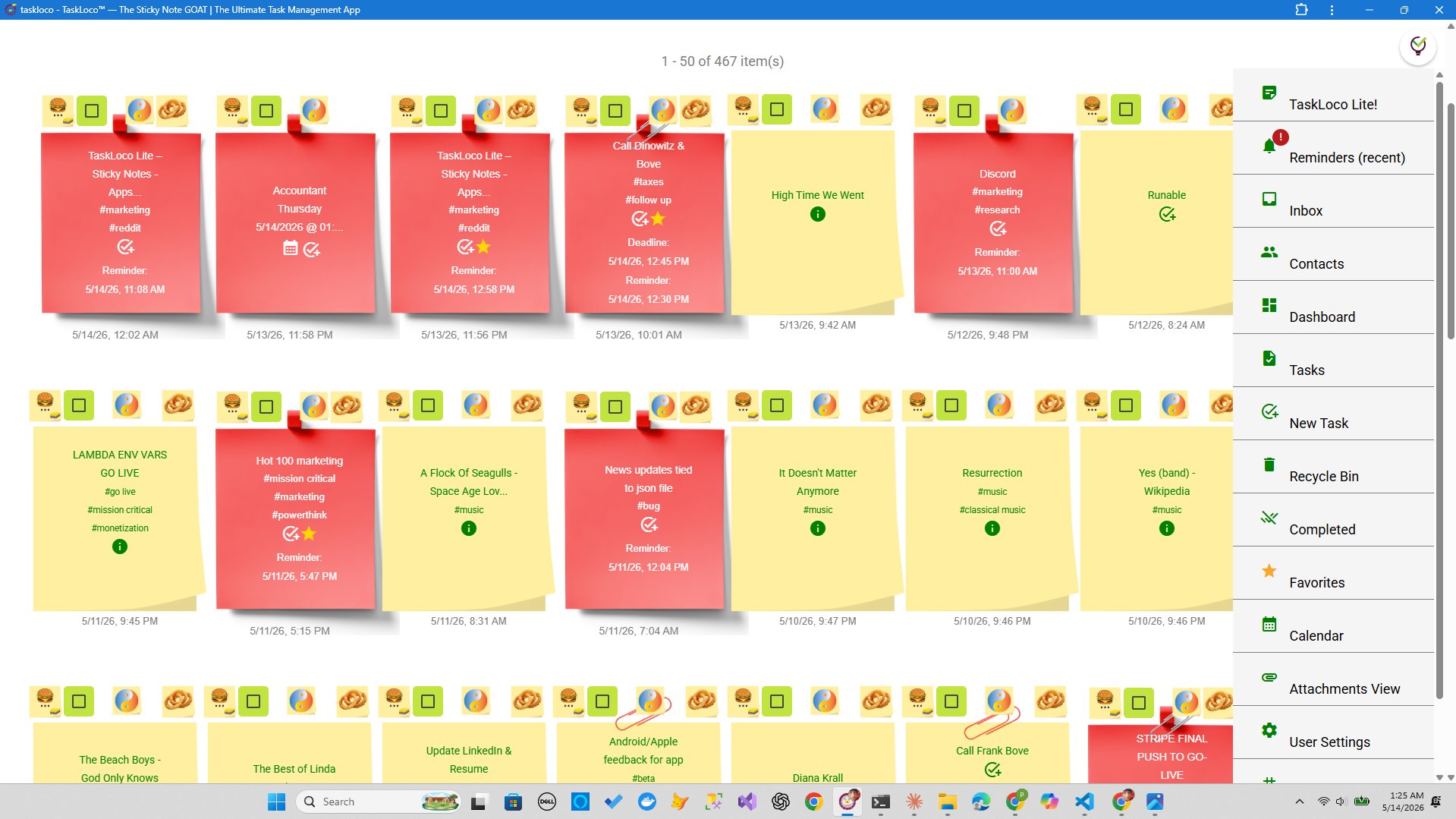
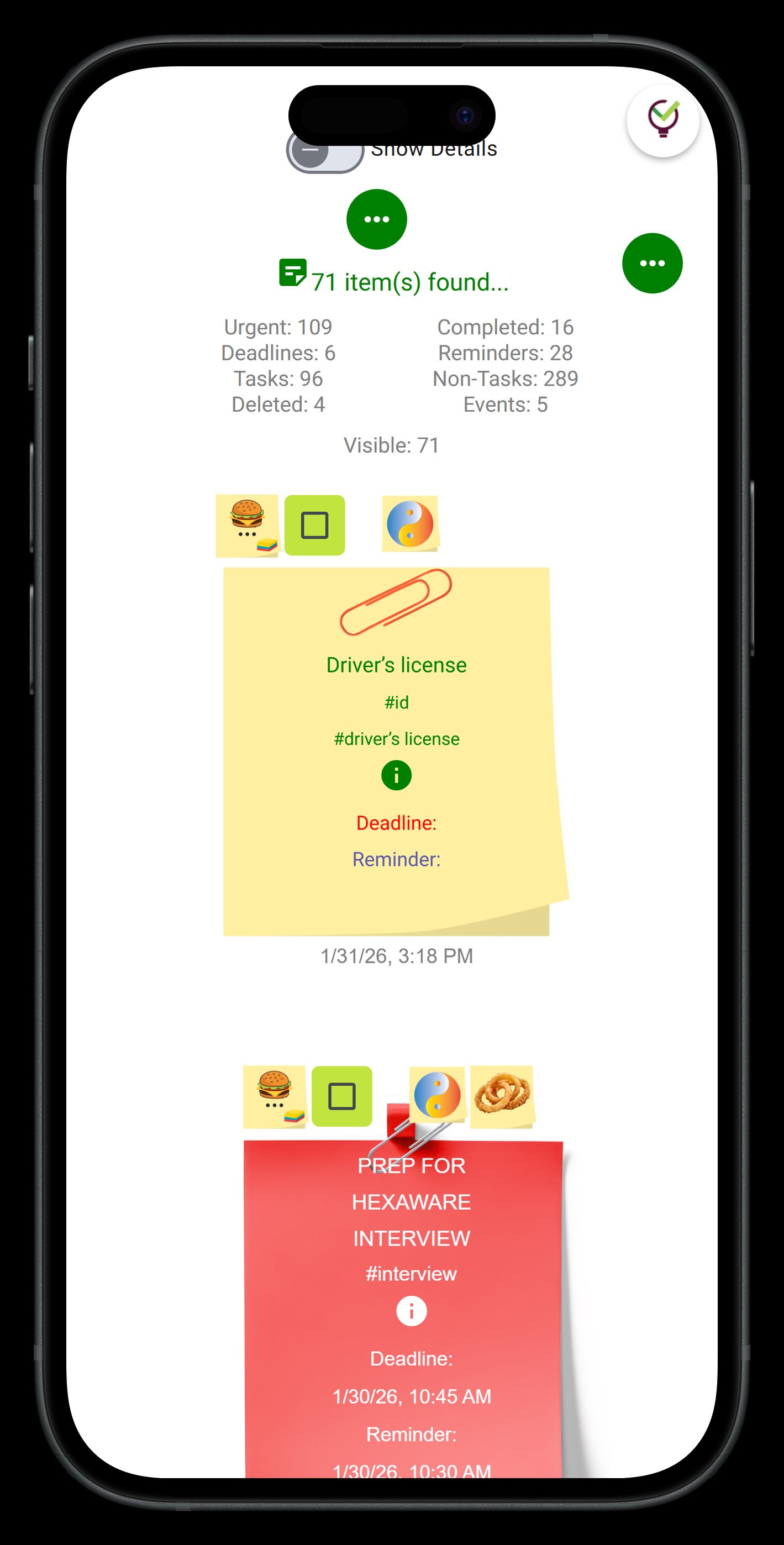
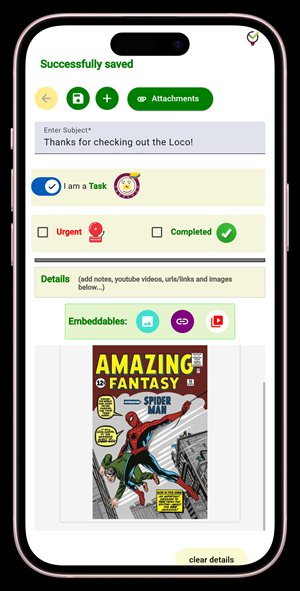
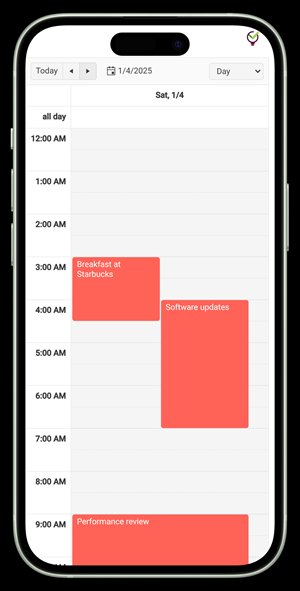
Tools like TaskLoco can help you build and maintain these habits by setting reminders for breaks, snacks, and environmental adjustments. You can create notes for different energy levels — high-focus tasks for morning hours and lighter administrative work for afternoon periods.
The key is consistency. Your body adapts to patterns, so stick with your anti-slump routine for at least two weeks before adjusting. Most people see significant improvement within the first week of implementing these strategies.
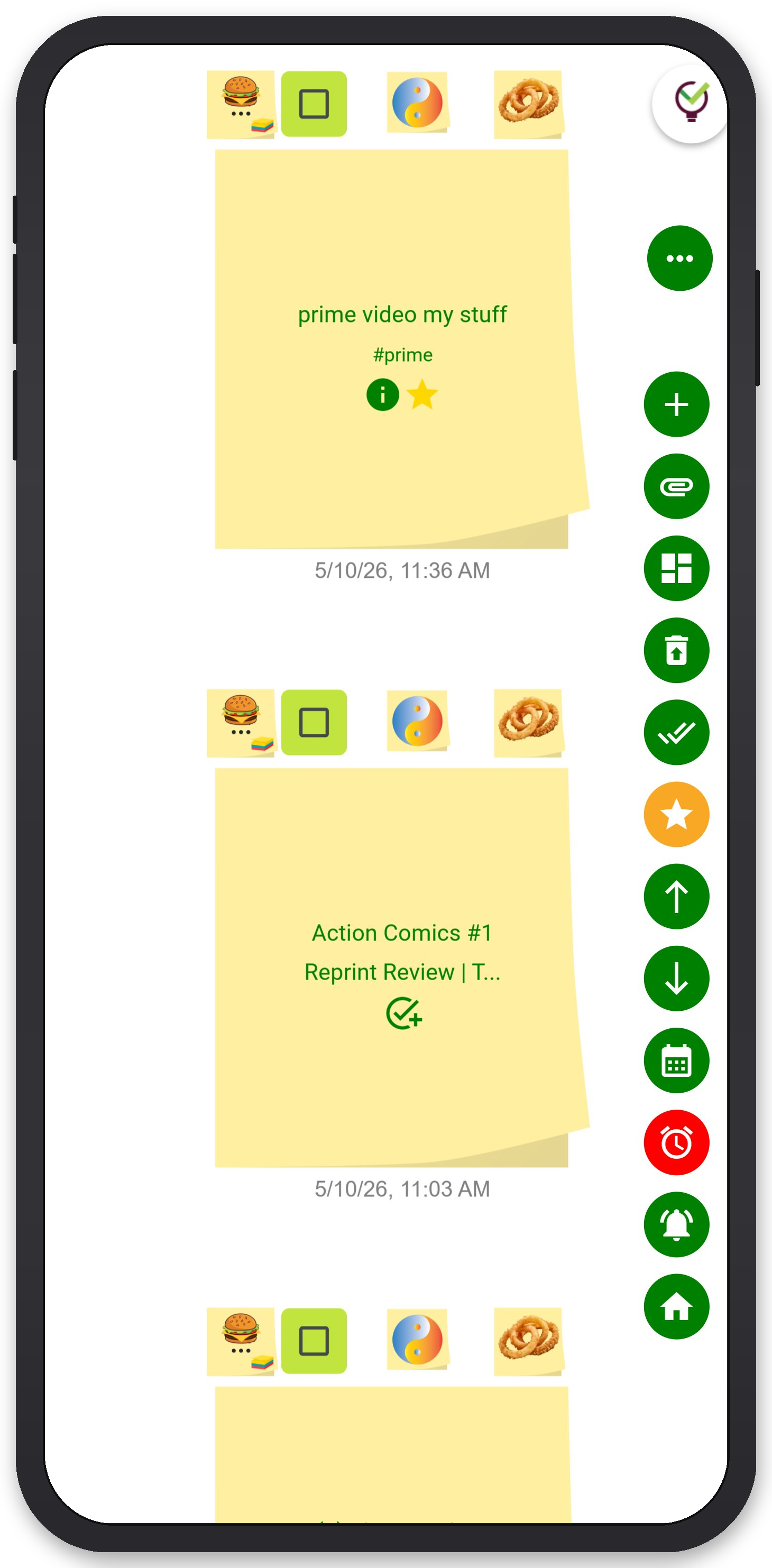
TaskLoco Premium is regularly $9.99/month per person. Right now, charter members can lock in 50% off the regular price — forever. That means $4.99/month per person today. And if our price ever goes up, you still pay half. Always.
Code CHARTER50 auto-applies at checkout. First 500 spots only — once they're gone, this offer is gone permanently. Act fast while spots last.
Every Premium subscription includes unlimited notes, 10GB file storage, reminders, calendar, and team sharing. Each team member requires a separate subscription. 7-day free trial — no charge until day 8. Cancel anytime.
Free Options: TaskLoco
TaskLoco Lite
- Native iPhone & Android app
- Completely anonymous — no sign-in
- Data stays on your device
- Up to 20 notes
- Free forever
TaskLoco Lite Plus+
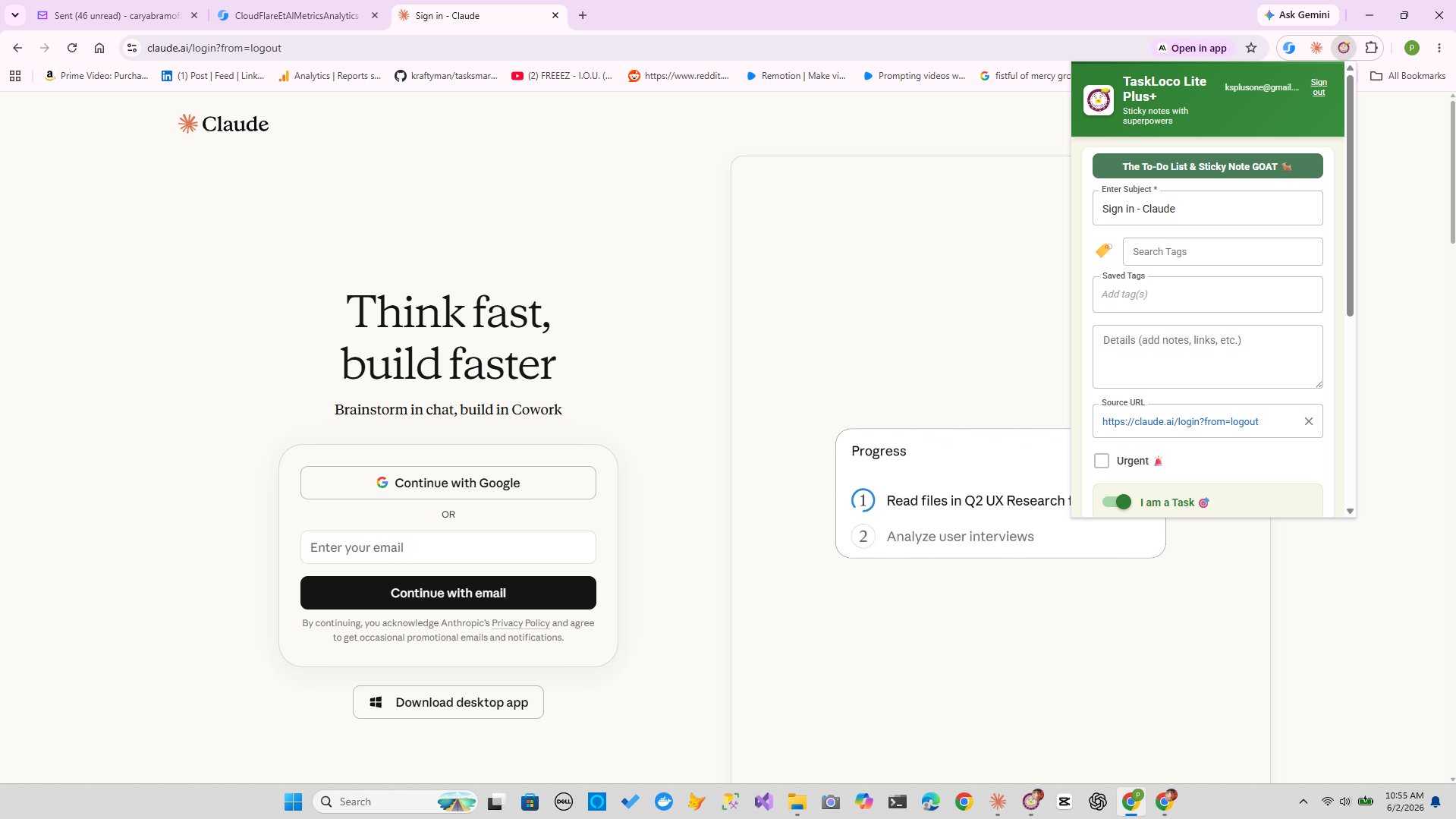
- Web app + Chrome extension
- Sign in with Google
- Wall syncs across all devices
- Up to 30 notes
- Free forever
Lock In 50% Off — Forever
7-day free trial. No charge until day 8. CHARTER50 auto-applies at checkout.
🔒 Lock In My Charter SpotSee TaskLoco in Action
Frequently Asked Questions
Why do I get tired every afternoon at the same time?
Your body follows natural circadian rhythms that create energy dips every 12 hours. The afternoon slump typically hits between 1-3 PM due to this biological clock, combined with post-lunch blood sugar changes and accumulated mental fatigue from morning work.
What's the best snack to prevent afternoon fatigue?
Choose protein-rich snacks with healthy fats: almonds, Greek yogurt with berries, apple slices with almond butter, or hard-boiled eggs. These provide sustained energy without the sugar crash that makes fatigue worse.
Should I drink coffee during the afternoon slump?
A small amount of caffeine can help, but avoid large doses after 2 PM as they can disrupt nighttime sleep. Try green tea instead — it provides gentler energy with L-theanine to prevent jitters.
How long should afternoon breaks be?
Take 10-15 minute breaks every 90 minutes. This aligns with your natural ultradian rhythms and prevents energy debt from accumulating. Longer breaks can make it harder to restart work.
Can light exposure really boost afternoon energy?
Yes, bright light exposure helps regulate circadian rhythms and increases alertness. Just 10 minutes of natural sunlight or bright artificial light can significantly reduce afternoon fatigue.
What's the worst thing to do during an energy crash?
Avoid reaching for sugary snacks or drinks. While they provide a quick energy boost, the subsequent crash makes fatigue worse. Also avoid staying sedentary — even light movement helps restore alertness.
How can I track what works best for my energy levels?
Keep a simple energy log for one week, noting your alertness levels every 2 hours and what activities, foods, or breaks you took. $9.99/month per person (currently $4.99/month per person for first 500 charter members with code CHARTER50)
Born in Brooklyn. Powered by AWS. Your data stays yours.
TaskLoco is available on iPhone, Android, Chrome, and every web browser.