That rush you feel when crossing something off your to-do list? That's pure dopamine flooding your brain's reward system. It's the same chemical that makes winning at slots or getting likes on social media feel so good.
But here's what most productivity advice gets wrong: not all task completions trigger the same dopamine response. The size, specificity, and visual feedback of your tasks dramatically affect how good completion feels. Master this, and you'll turn your to-do list into an addiction machine for getting things done.
TaskLoco Premium is regularly $9.99/month per person. Right now, charter members can lock in 50% off the regular price — forever. That means $4.99/month per person today. And if our price ever goes up, you still pay half. Always.
Code CHARTER50 auto-applies at checkout. First 500 spots only — once they're gone, this offer is gone permanently. Act fast while spots last.
Every Premium subscription includes unlimited notes, 10GB file storage, reminders, calendar, and team sharing. Each team member requires a separate subscription. 7-day free trial — no charge until day 8. Cancel anytime.
Free Options: TaskLoco vs General productivity advice
TaskLoco Lite
- Native iPhone & Android app
- Completely anonymous — no sign-in
- Data stays on your device
- Up to 20 notes
- Free forever
TaskLoco Lite Plus+
- Web app + Chrome extension
- Sign in with Google
- Wall syncs across all devices
- Up to 30 notes
- Free forever
The Neuroscience of Task Completion
When you complete a task, your brain releases dopamine in the nucleus accumbens — the same region activated by food, sex, and addictive drugs. This isn't just feel-good fluff. Dopamine literally rewires your neural pathways to make you crave more task completion.
But dopamine isn't released equally for all completions. Research shows three factors maximize the dopamine hit:
- Specificity: "Write email to John about Friday's meeting" beats "Handle correspondence"
- Size: Small, achievable tasks trigger more frequent dopamine releases than massive projects
- Visual feedback: Physical or digital checking-off creates stronger neural associations
This is why sticky notes work so well for task management. The physical act of writing, the visual presence on your desk, and the satisfying removal all trigger dopamine at different stages of the completion cycle.
How to Structure Tasks for Maximum Dopamine
Most people sabotage their own dopamine system by writing terrible tasks. "Work on presentation" or "Clean house" are dopamine killers because completion is vague and distant.
Instead, break every project into micro-tasks that take 5-15 minutes each:
- Bad: "Prepare for client meeting"
- Good: "Print agenda", "Review Q3 numbers", "Draft 3 key questions"
The magic number is 7±2 subtasks per project. This matches your brain's working memory capacity and creates multiple dopamine hits as you progress.
Visual completion matters enormously. Digital tools that let you check boxes or cross off items trigger stronger dopamine responses than plain text lists. TaskLoco's sticky note interface taps into this by letting you crumple and toss completed notes — a deeply satisfying physical metaphor.
Time-box your tasks too. "Draft email (10 min)" creates urgency and makes completion feel more significant than open-ended work.
The Power of Visual Task Management
Your visual cortex processes information 60,000 times faster than text. This is why sticky notes beat linear to-do lists for dopamine optimization. Seeing your tasks spatially — scattered across a desk or digital wall — engages different brain regions than reading a list.
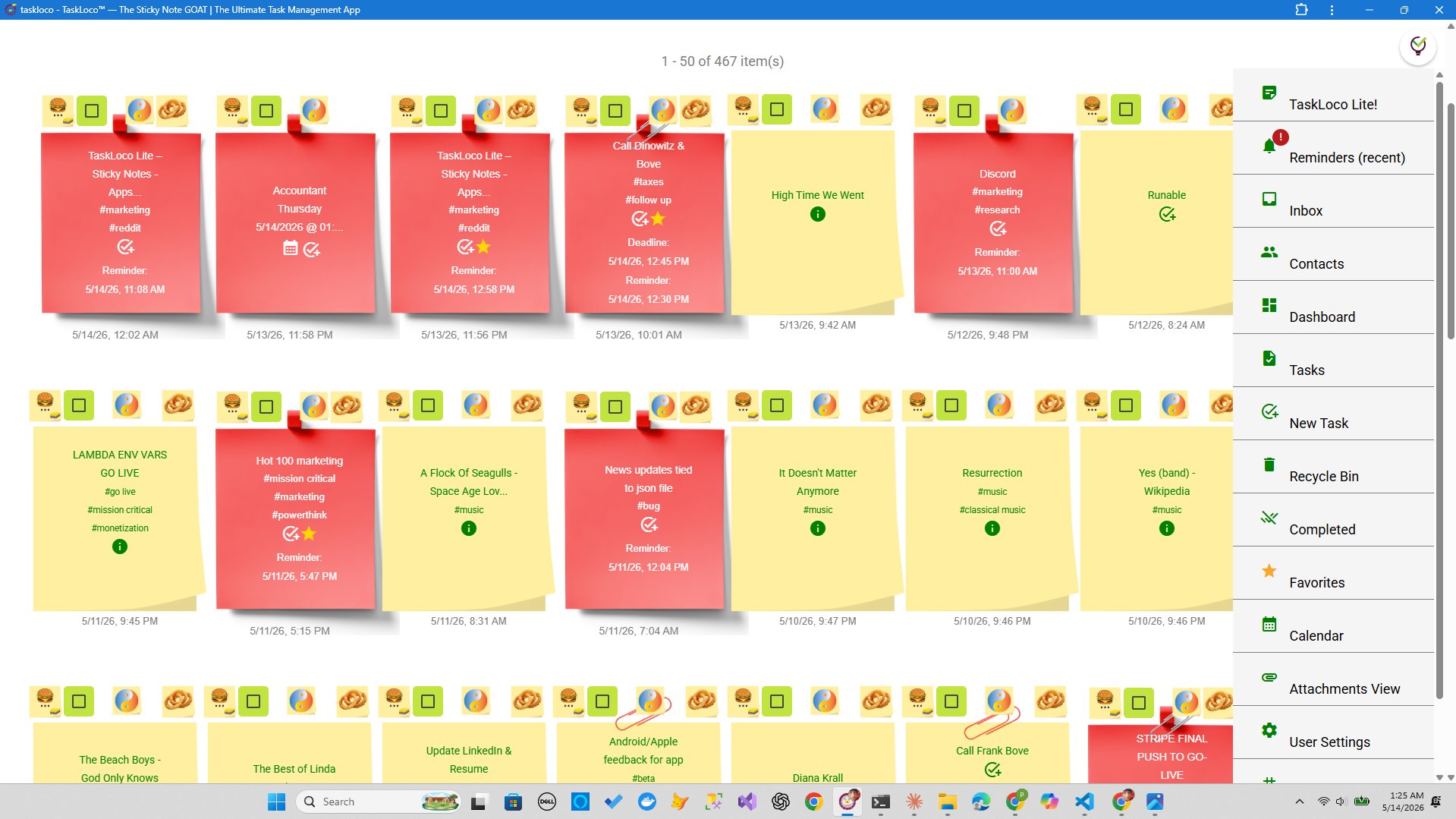
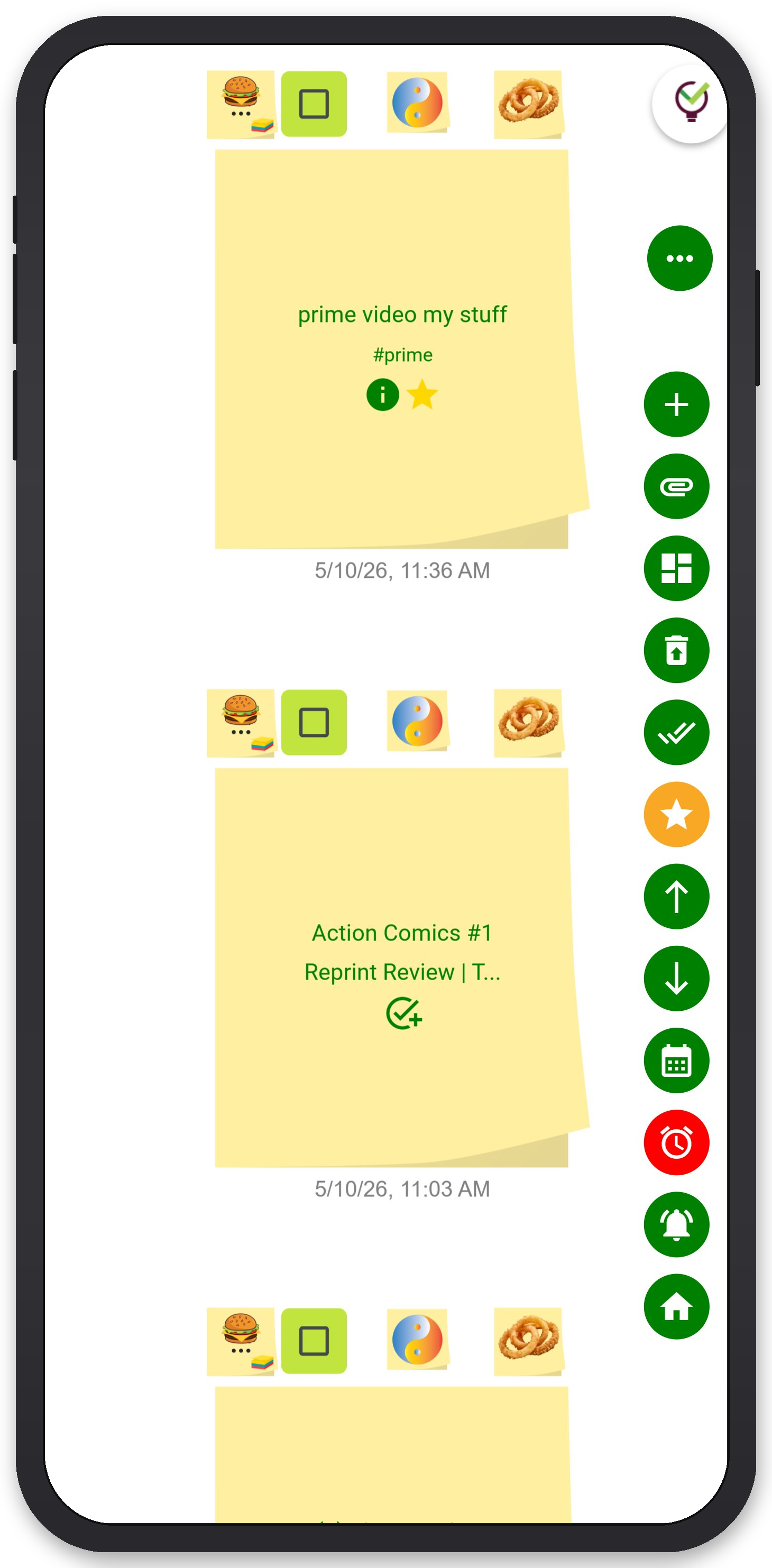
TaskLoco replicates this with a digital wall view where notes can be arranged, colored, and grouped visually. Moving completed tasks to a "done" section provides the same satisfaction as crumpling physical sticky notes.
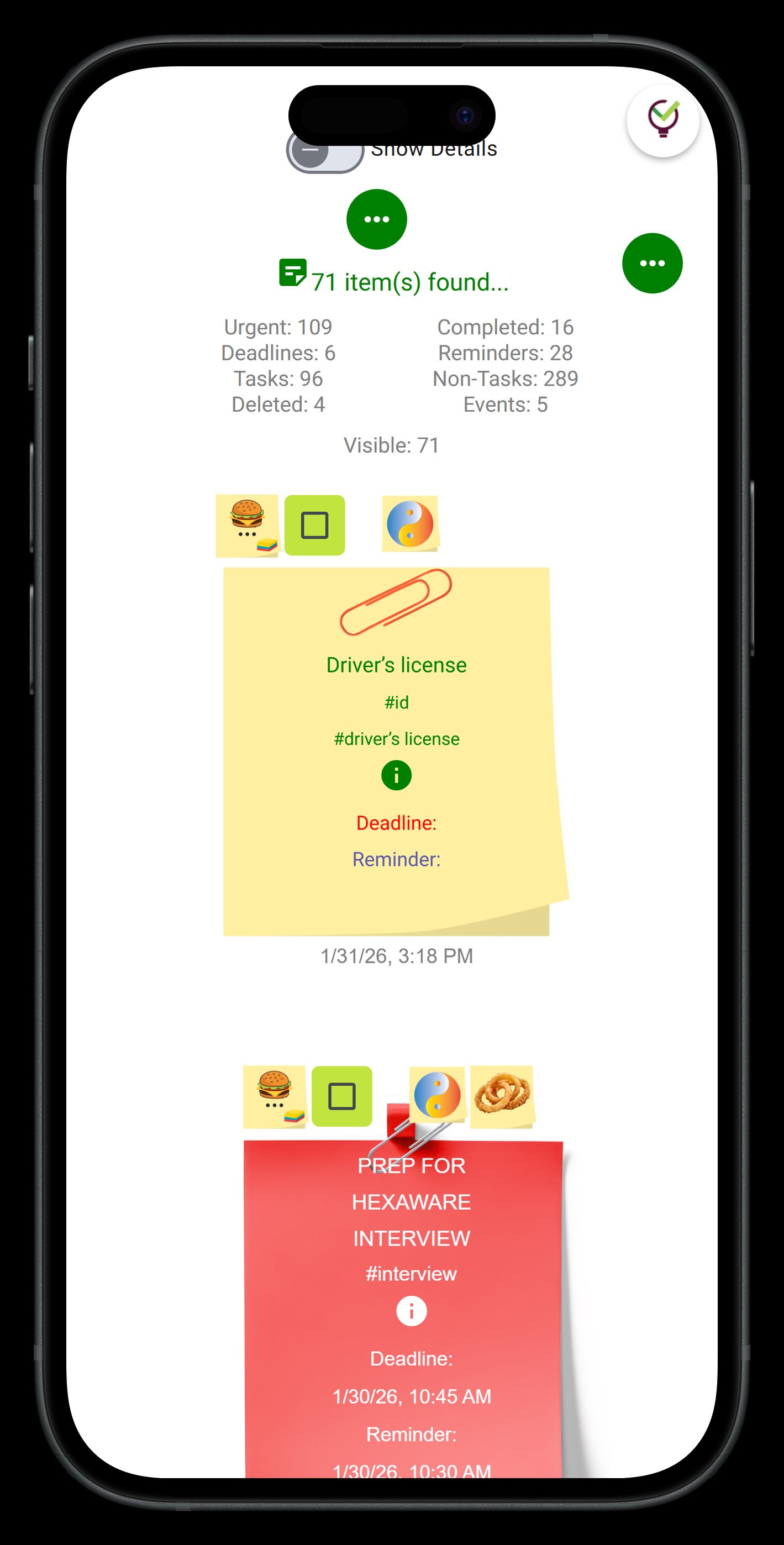
Color coding amplifies the effect. Red for urgent, yellow for in-progress, green for completed. Your brain processes these colors pre-consciously, creating emotional associations before you even read the task text.
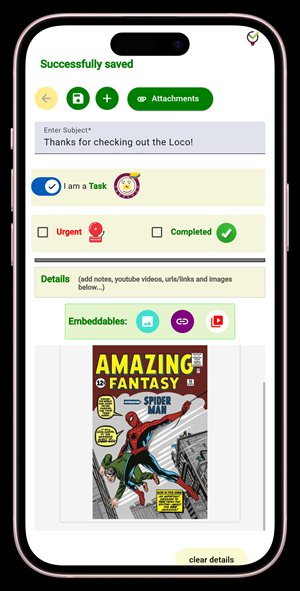
File attachments matter too. Being able to attach relevant documents, photos, or voice memos to tasks creates richer context and makes completion feel more substantial. When you finish "Review contract" and can see the actual PDF attached, the accomplishment feels more real.
Building a Dopamine-Driven Productivity System
The most addictive productivity systems combine quick wins with longer-term progress. Start each day by knocking off 2-3 easy tasks to get dopamine flowing. Then tackle harder work while your motivation is high.
Track completion streaks. Seeing "5 days of inbox zero" or "12 completed projects this month" creates additional dopamine from pattern recognition and achievement visualization.
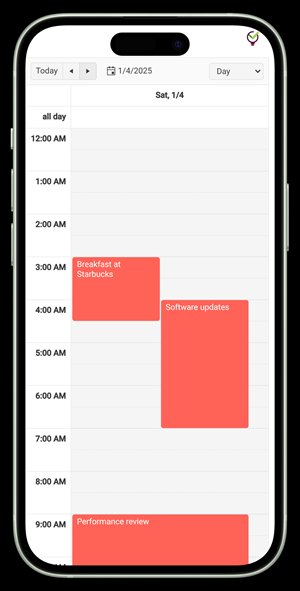
Use reminders strategically. TaskLoco's reminder system lets you schedule dopamine hits throughout the day. Set a 2pm reminder to "Review morning's completed tasks" — you'll get a second dopamine hit from acknowledging your progress.
Share your completions. Team features in TaskLoco let colleagues see your finished work, adding social validation to the dopamine mix. Public accountability creates additional motivation beyond personal satisfaction.
Finally, regularly review and celebrate completed tasks. Most people immediately forget finished work and focus only on what's left. Spend 5 minutes each evening reviewing what you accomplished. Your brain will start associating the entire day with success rather than stress.
The Honest Comparison
| Feature | TaskLoco | General productivity advice |
|---|---|---|
| Visual task completion | Check off boxes, crumple/toss notes, visual feedback designed for dopamine | Basic checkboxes in most apps, minimal visual satisfaction |
| Sticky note interface | Digital wall mimics physical sticky notes for maximum dopamine response FREE | Linear lists in most productivity apps |
| Color coding | Full color customization for emotional task associations FREE | Limited or no color options in many apps |
| Micro-task breakdown | Unlimited notes allow granular task decomposition | Some apps limit subtasks or charge extra for detailed breakdown |
| File attachments | 10GB storage for rich task context and completion satisfaction | Many apps lack file storage or charge separately |
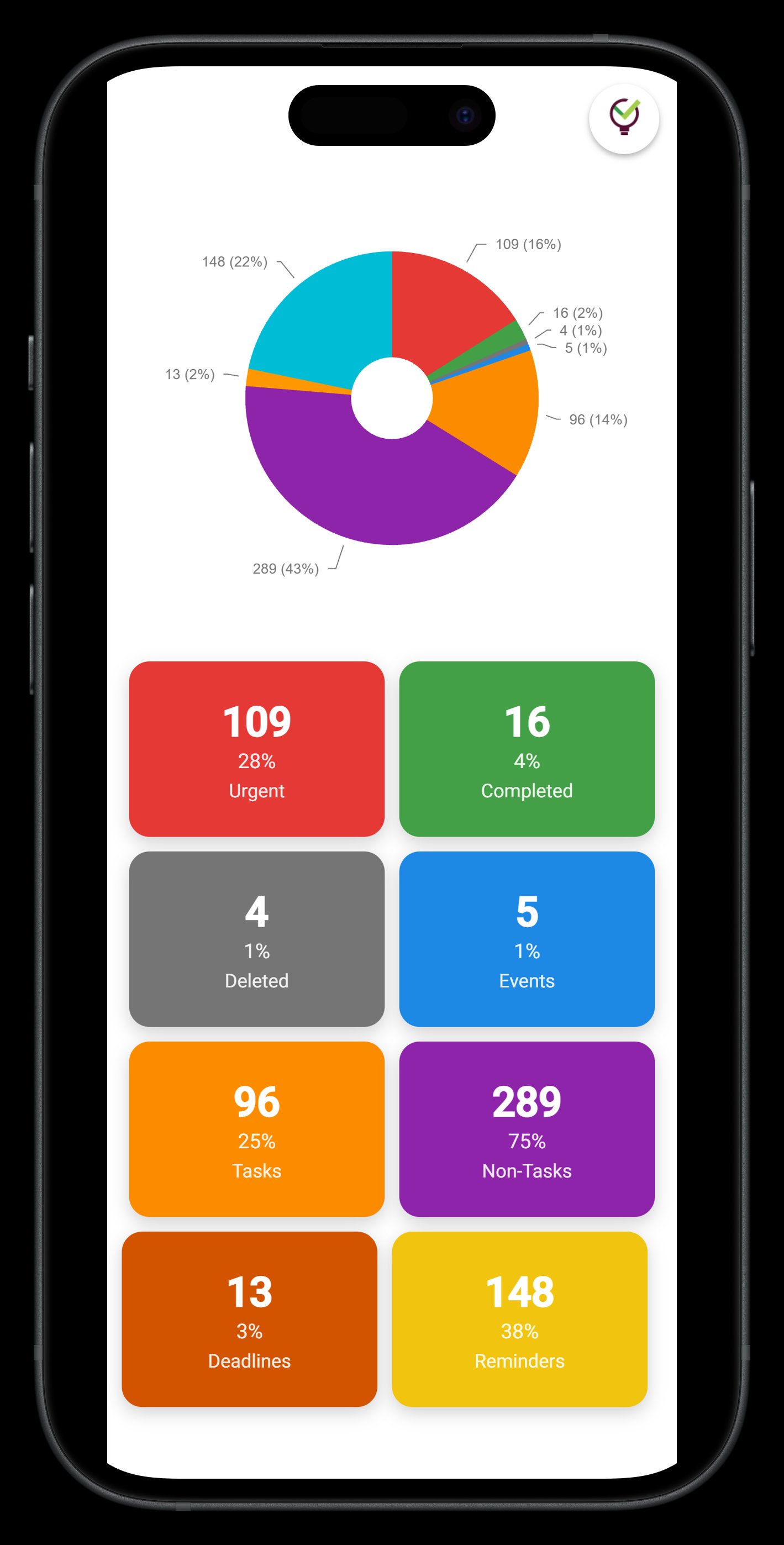
| Completion tracking | Visual dashboard shows completed tasks and streaks | Most apps focus on pending tasks, not completed ones |
| Mobile capture | Native iPhone/Android apps for instant task creation FREE | Not all productivity advice includes mobile-first capture |
| Reminder dopamine | Strategic reminders to review progress and trigger dopamine | Generic reminders that don't optimize for dopamine timing |
| Team sharing satisfaction | Yes — included with Premium. Each team member requires a separate subscription — currently $9.99/month per person, but TaskLoco is offering a Charter Member special: 50% off for life, currently $4.99/month per person for the first 500 subscribers with code CHARTER50. | Limited social features in most productivity systems |
| Offline completion | Lite version works offline for dopamine hits anywhere FREE | Most digital tools require internet connection |
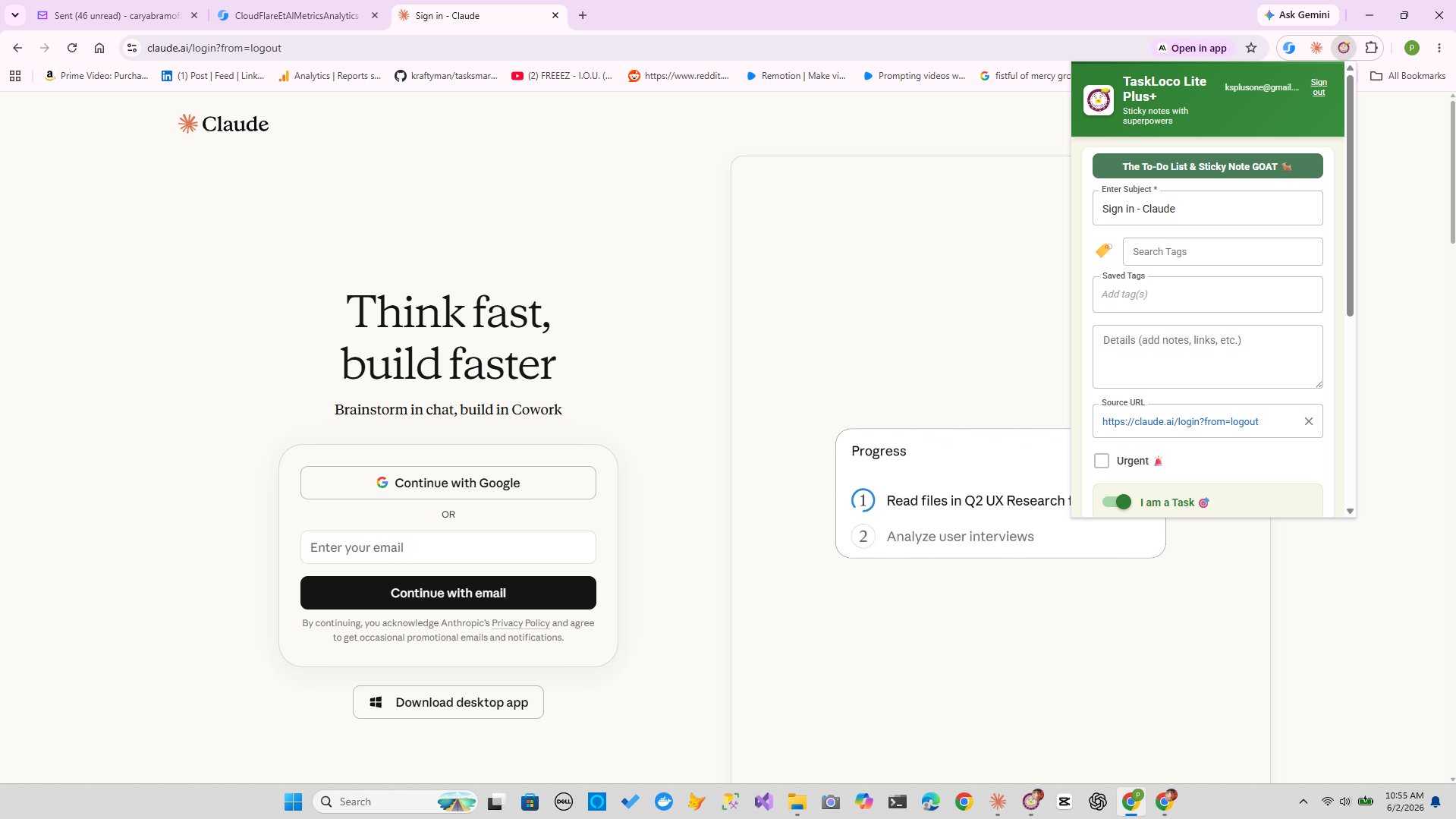
| Quick capture | Chrome extension captures tasks from any webpage in one click FREE | Manual task entry reduces spontaneous capture |
| Visual progress | Move notes between in-progress and completed sections FREE | Linear completion doesn't show visual progress |
| Completion celebration | Crumple animation and visual feedback celebrate finished tasks FREE | Most apps provide minimal completion feedback |
| Task specificity | Unlimited notes encourage detailed, dopamine-optimized task writing | Note limits in free tiers discourage granular tasks |
| Habit building | Daily review features help build completion-focused habits | Generic productivity advice doesn't include systematic habit formation |
Who Should Use Each
Use TaskLoco if…
- You want maximum dopamine satisfaction from completing tasks
- You prefer visual, spatial task management over linear lists
- You need file attachments and rich context for meaningful completion
- You want to build completion habits with reminders and progress tracking
- You work on mobile and need offline task completion capabilities
Use General productivity advice if…
- You prefer simple text-based to-do lists without visual interfaces
- You don't care about optimizing the psychological aspects of task completion
- You need advanced project management features like Gantt charts or dependencies
- You require enterprise integrations or compliance certifications
Lock In 50% Off — Forever
7-day free trial. No charge until day 8. CHARTER50 auto-applies at checkout.
🔒 Lock In My Charter SpotSee TaskLoco in Action
Frequently Asked Questions
Why does checking off tasks feel so good?
Completing tasks releases dopamine in your brain's reward center — the same chemical that makes winning or eating chocolate feel good. The visual act of checking off or crossing out tasks reinforces this neural pathway and makes you crave more completion.
How should I write tasks for maximum dopamine?
Break big projects into 5-15 minute micro-tasks with specific action verbs. Instead of "Work on presentation," write "Create title slide," "Find 3 supporting images," "Draft conclusion." Each completion triggers dopamine independently.
Do digital task apps provide the same satisfaction as paper?
Yes, if they include visual completion feedback. TaskLoco's crumple animation and spatial note arrangement replicate the physical satisfaction of paper sticky notes while adding features like reminders and file attachments.
How many tasks should I complete daily for optimal motivation?
Aim for 7±2 meaningful completions per day — this matches your brain's working memory capacity. Start with 2-3 quick wins to trigger initial dopamine, then tackle harder tasks while motivation is high.
Should I celebrate completed tasks?
Absolutely. Spend 5 minutes each evening reviewing finished work. Most people immediately forget completed tasks and focus only on what's left, missing opportunities to reinforce the completion-reward cycle.
How much does TaskLoco cost?
$9.99/month per person (currently $4.99/month per person for first 500 charter members with code CHARTER50)
Can I use TaskLoco offline for dopamine hits anywhere?
Yes. TaskLoco Lite works completely offline with no internet required — perfect for completing and checking off tasks during flights, commutes, or anywhere without connectivity. Upgrade to Premium for reminders and cloud sync.
Born in Brooklyn. Powered by AWS. Your data stays yours.
TaskLoco is available on iPhone, Android, Chrome, and every web browser.