You feel busy all day but can't point to what you accomplished. Sound familiar? A time audit cuts through the fog by tracking exactly where your minutes go — not where you think they go, but where they actually disappear.
Most people are shocked to discover they spend 3 hours daily on tasks that add zero value. The good news? Once you see the pattern, you can break it. Here's how to audit your time like a detective and reclaim hours you didn't know you had.
Step 1: Choose Your Tracking Method
Pick a method you'll actually use consistently. The best time audit fails if you forget to track for half the day. You have three main options:
Paper and pen: Simple notebook or printed time log sheets. Write down what you're doing every 15-30 minutes. No tech barriers, works anywhere, but easy to lose or forget.
Smartphone notes: Use your phone's built-in notes app or any simple note-taking tool. Set hourly reminders to check in. More convenient than paper, always with you, but can be distracting if notifications pile up.
Dedicated time tracking apps: Automatic tracking with categories and reports. Less manual work, better analysis, but requires setup and can feel overwhelming for beginners.
Step 2: Track Everything for 1-2 Weeks
Log your activities in 15-30 minute chunks. Be honest and specific — write what you actually did, not what you intended to do. Instead of "work," write "answered emails" or "researched competitor pricing." Instead of "break," write "scrolled social media."
Include everything: work tasks, meetings, email, phone calls, commuting, meals, social media, TV, errands, even bathroom breaks. The goal is complete visibility into your day.
Sample time log entry:
- 9:00 AM - Checked email (12 messages)
- 9:30 AM - Team standup meeting
- 10:00 AM - Started project proposal, got distracted by Slack
- 10:30 AM - Back to proposal writing
- 11:00 AM - Coffee break, checked social media
Set reminders every hour to log what you just did. Don't wait until the end of the day — you'll forget details and rationalize away time drains.
Step 3: Analyze Your Time Patterns
After tracking, categorize your activities into buckets like: Deep Work, Meetings, Email/Communication, Administrative Tasks, Breaks, Social Media, Commuting, Personal Care, and Interruptions.
Add up time spent in each category. Most people discover surprising patterns:
- Email consumes 2-3 hours daily when they thought it was 30 minutes
- Meetings eat 40% of work time with little to show for it
- Task switching happens every 6-8 minutes, killing deep focus
- "Quick" social media checks turn into 20-minute rabbit holes
Look for energy patterns too. When do you feel most focused? When does your energy crash? These insights help you schedule demanding work during peak hours and protect your best time from low-value activities.
Calculate your "productive time ratio" — deep work hours divided by total work hours. Most knowledge workers score below 30%. Anything above 50% puts you in the top tier.
Step 4: Take Action on What You Find
Your time audit data is only valuable if you act on it. Start with the biggest time drains first — usually email, meetings, and digital distractions.
Eliminate time wasters: Cancel recurring meetings that don't add value. Unsubscribe from newsletters you never read. Delete social media apps from your phone or move them off your home screen.
Batch similar tasks: Check email only 2-3 times daily instead of constantly. Group all phone calls into one block. Handle administrative tasks together rather than scattered throughout the day.
Protect deep work time: Block 2-4 hour chunks for focused work. Turn off notifications. Close unnecessary browser tabs. Work when your energy is highest, not when it's convenient.
Set boundaries: Say no to meetings without clear agendas. Limit "quick questions" to specific hours. Use "Do Not Disturb" modes during focused work.
Repeat your time audit monthly to catch new time drains before they become habits. Your awareness alone will start changing how you spend time.
Use TaskLoco to Track and Improve Your Time
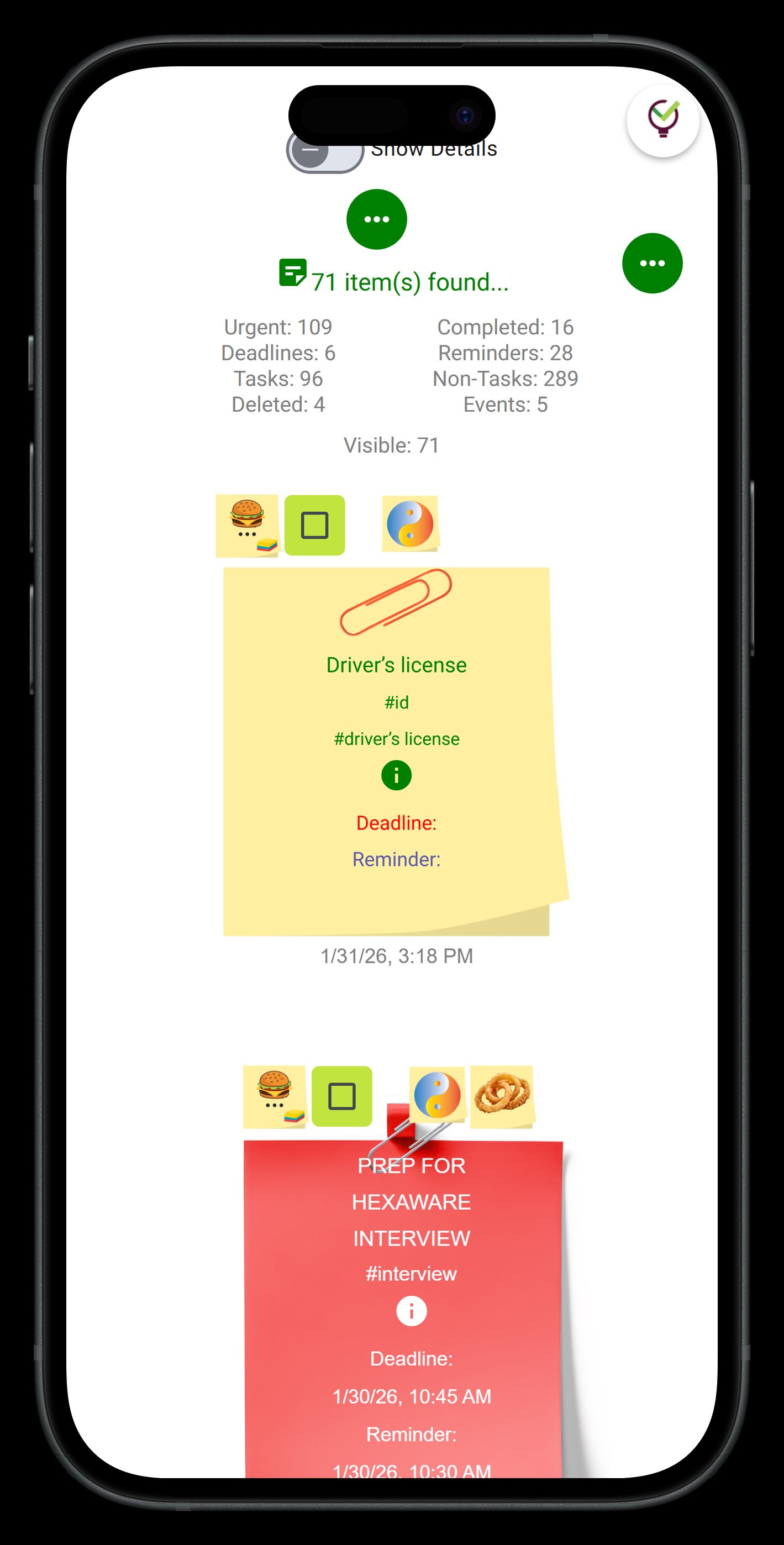
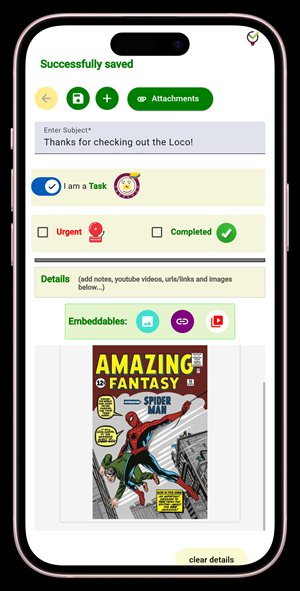
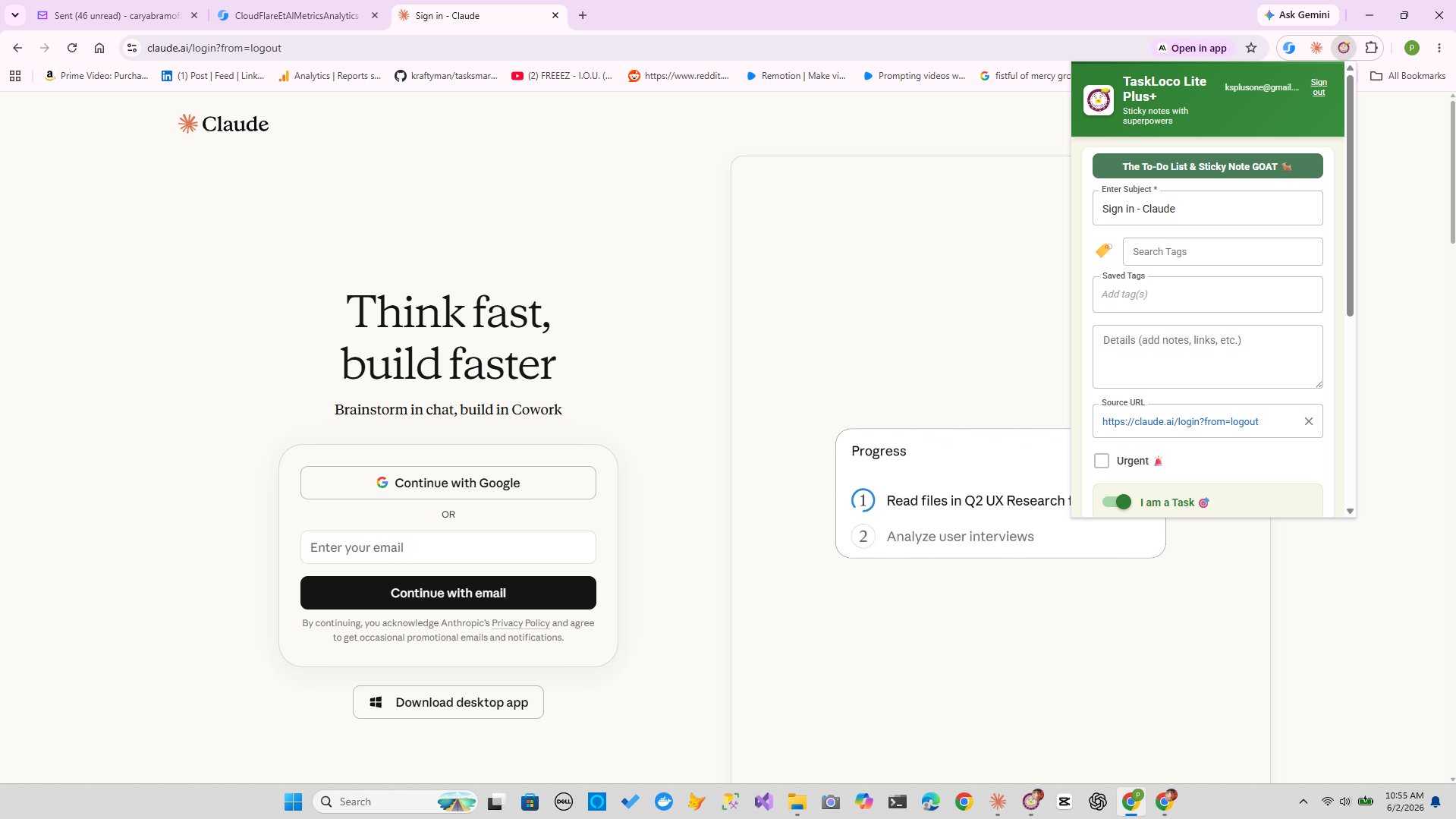
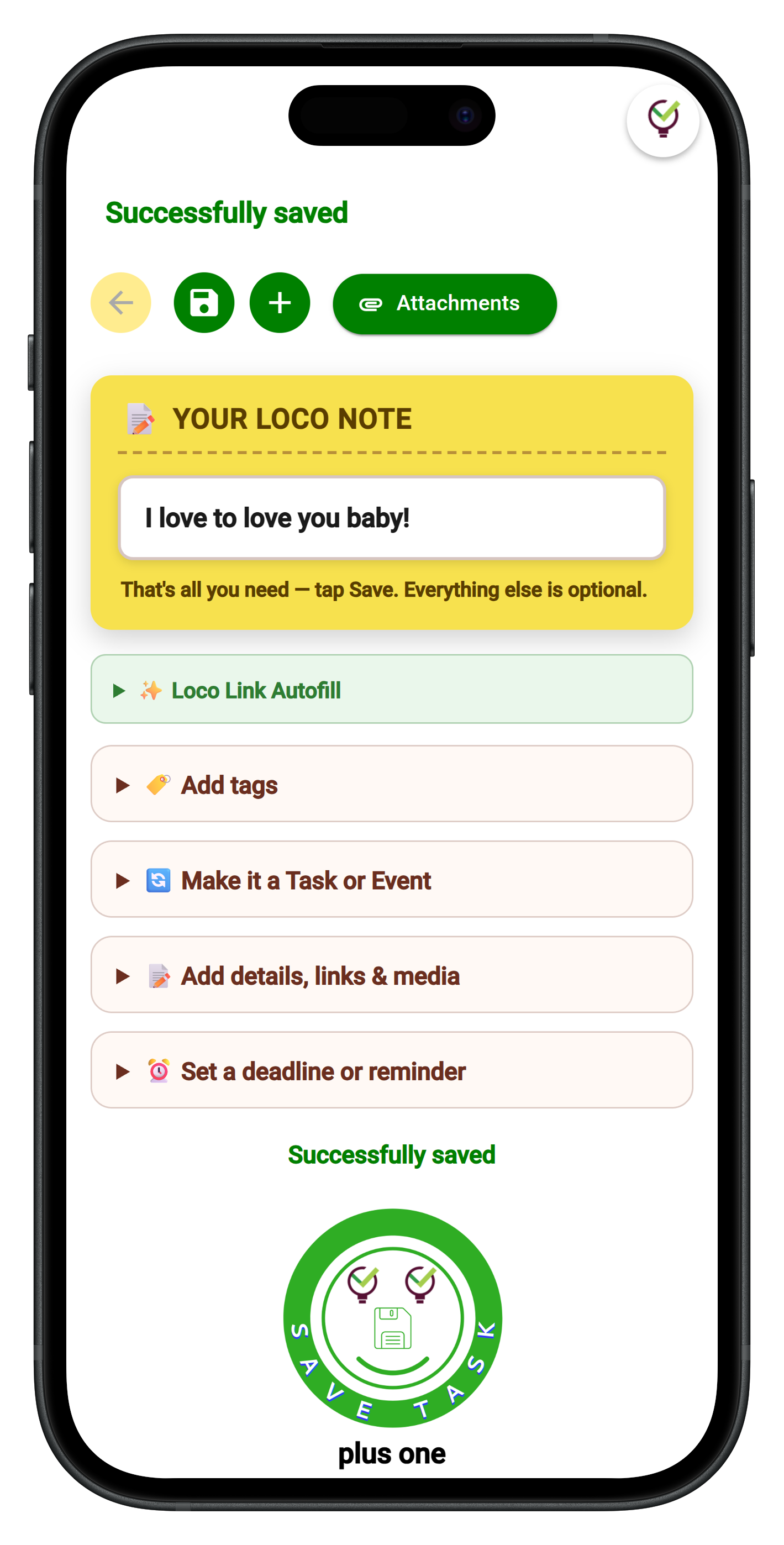
While you can do time audits with any tool, TaskLoco makes the process smoother. Create quick notes for each time block, attach screenshots or photos of what you were working on, and set reminders to check in every hour.
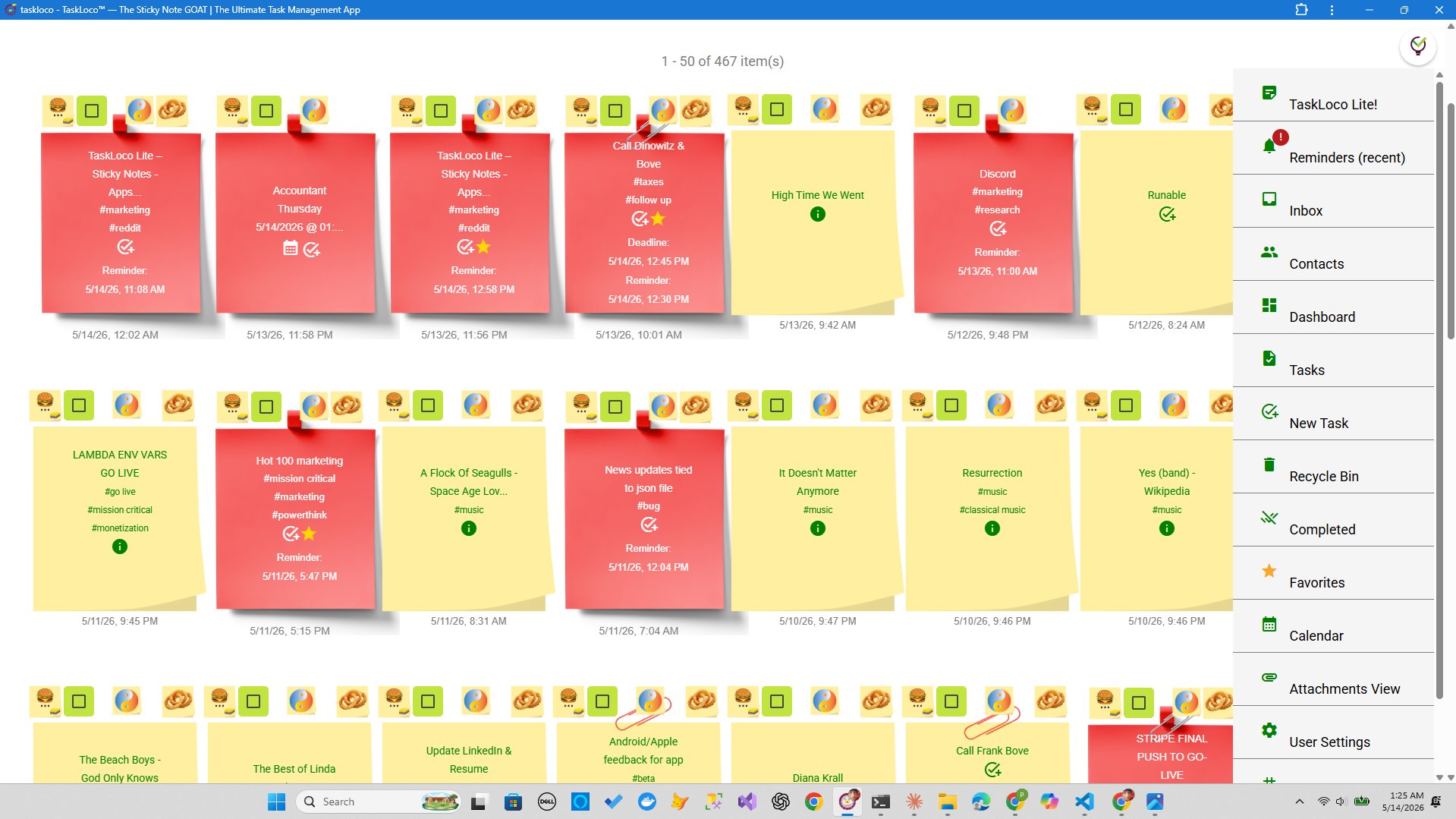
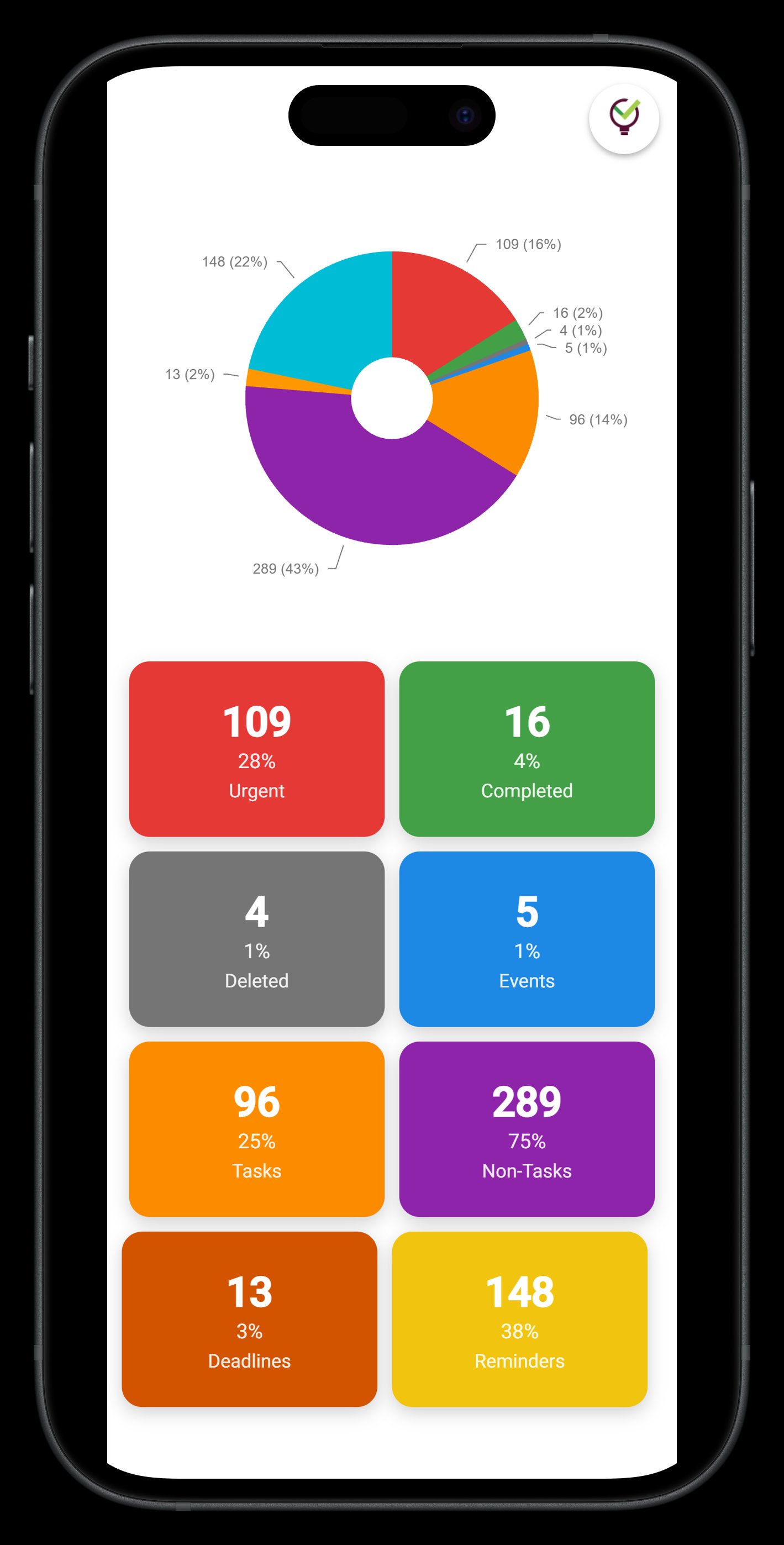
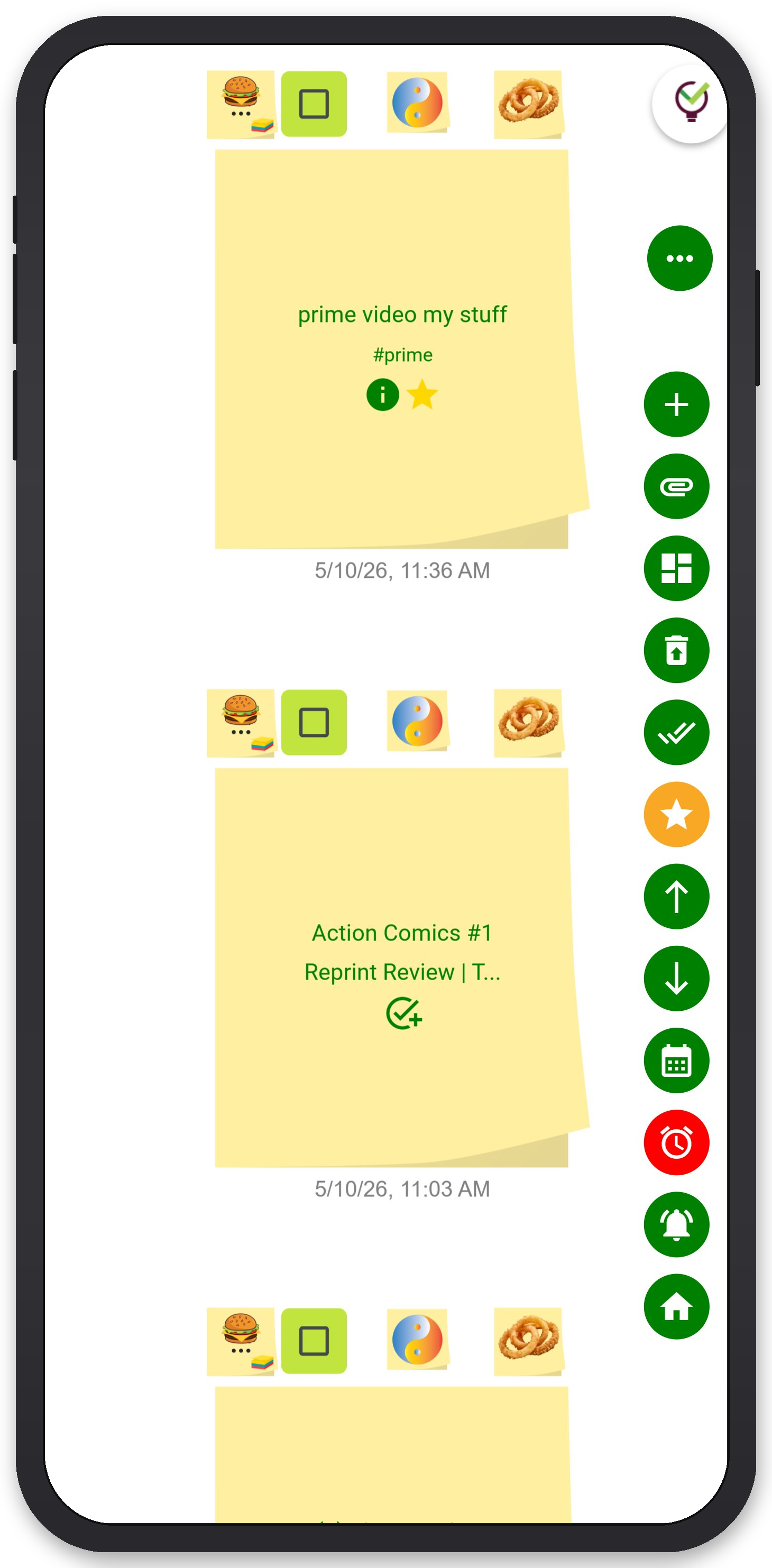
The visual wall view lets you see your entire day at a glance. You can spot patterns instantly — like clustering all your "email check" notes or seeing how often "distracted by Slack" appears. File attachments let you capture screenshots of what was on your screen during each time block for more accurate tracking.
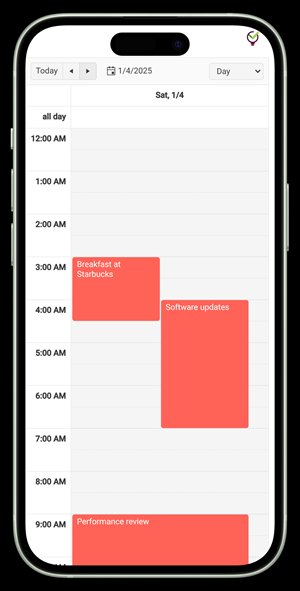
Once you identify your time drains, use TaskLoco to build better habits. Create reminders for focused work blocks, make notes about what triggers your distractions, and track your progress over time. The calendar view helps you see how much time you're really dedicating to deep work versus busywork.

TaskLoco Premium is regularly $9.99/month per person. Right now, charter members can lock in 50% off the regular price — forever. That means $4.99/month per person today. And if our price ever goes up, you still pay half. Always.
Code CHARTER50 auto-applies at checkout. First 500 spots only — once they're gone, this offer is gone permanently. Act fast while spots last.
Every Premium subscription includes unlimited notes, 10GB file storage, reminders, calendar, and team sharing. Each team member requires a separate subscription. 7-day free trial — no charge until day 8. Cancel anytime.
Free Options: TaskLoco
TaskLoco Lite
- Native iPhone & Android app
- Completely anonymous — no sign-in
- Data stays on your device
- Up to 20 notes
- Free forever
TaskLoco Lite Plus+
- Web app + Chrome extension
- Sign in with Google
- Wall syncs across all devices
- Up to 30 notes
- Free forever
Lock In 50% Off — Forever
7-day free trial. No charge until day 8. CHARTER50 auto-applies at checkout.
🔒 Lock In My Charter SpotSee TaskLoco in Action
Frequently Asked Questions
How long should I track my time for an accurate audit?
Track for at least one full week, including weekends, to capture your true patterns. Two weeks gives you even better data and accounts for weekly variations like different meeting schedules or project deadlines.
What's the best interval for logging activities during a time audit?
Log every 15-30 minutes for detailed insights without being overwhelming. Every 15 minutes catches short distractions and task switches. Every 30 minutes works if you tend to focus longer and want less tracking overhead.
Should I track personal time or just work hours?
Track everything during waking hours for the most complete picture. Personal time affects work energy and focus. Plus, you might discover that evening social media scrolling is why you're tired during morning deep work.
What categories should I use to analyze my time audit data?
Use categories that match your goals: Deep Work, Meetings, Email/Communication, Administrative Tasks, Learning, Breaks, Social Media, Commuting, and Interruptions. Customize based on what matters most in your role and life.
How do I handle interruptions and unexpected tasks during tracking?
Log them honestly as they happen. Write "interrupted by John with question about project X" instead of just "work." Interruptions often reveal patterns — like which people or topics derail you most frequently.
What should I do if I forget to track time for several hours?
Reconstruct what you can remember, but mark it as estimated. Don't give up on the audit — even partial data reveals patterns. Set more frequent reminders or try a simpler tracking method for the remaining days.
How often should I repeat time audits?
Do a full audit quarterly or whenever your schedule changes significantly. Quick weekly check-ins help maintain awareness. $9.99/month per person (currently $4.99/month per person for first 500 charter members with code CHARTER50)
Born in Brooklyn. Powered by AWS. Your data stays yours.
TaskLoco is available on iPhone, Android, Chrome, and every web browser.