Most advice on self-forgiveness sounds like a motivational poster. 'Let it go.' 'You are enough.' 'Move forward.' That advice isn't wrong — it's just incomplete. It skips the hard middle part: the actual cognitive and emotional work that has to happen before any of that becomes true rather than just something you repeat to yourself in the mirror.
This article is about that middle part. What it actually means to face what you did, process it without drowning in it, and build a genuine new beginning — not just a surface-level decision to 'be better.' Whether you're dealing with a professional failure, a broken relationship, a years-long pattern you finally see clearly, or a single moment you can't stop replaying, the framework here applies.
Step 1: Stop Confusing Guilt With Punishment
Guilt is functional. It signals that your behavior conflicted with your values — that's useful information. Shame is different. Shame says you are the problem, not what you did. And self-punishment — replaying the event, catastrophizing, refusing to move forward — is what happens when you confuse the two and decide that suffering is the same thing as accountability.
It isn't. Suffering for its own sake doesn't undo anything. It doesn't repair a relationship, recover a loss, or make you a better person. What it does is keep your attention locked on a fixed point in the past, which is exactly the opposite of what starting over requires.
The first step in genuine self-forgiveness is making this distinction clearly: What did I actually do? What rule or value of mine did it violate? And what would real accountability look like — as opposed to endless punishment?
Write down the specific action, not a sweeping judgment about your character. 'I broke a promise to someone I care about' is workable. 'I am an unreliable person who ruins everything' is a spiral. Words matter here — the way you frame the offense determines whether you can process it or just keep circling it.
Step 2: Grieve The Gap, Then Close It
Most of the pain underneath self-blame isn't actually about the event itself. It's about the gap between who you thought you were and what you did. You had an image of yourself — as a good parent, a dependable colleague, a loyal friend, a disciplined person — and the action violated that image. That gap is real and it deserves to be grieved, not dismissed.
Grieving it means sitting with the disappointment honestly. It means saying: 'I expected more of myself, and this time I didn't deliver.' That's not weakness — it's the kind of clear-eyed acknowledgment that makes real change possible. People who skip this step and jump straight to 'I forgive myself, moving on' tend to repeat the same patterns because they never actually confronted the gap.
After the grief comes the harder question: Was my self-image accurate, or was it a story I told myself that the evidence never fully supported? Sometimes the action reveals a pattern you'd been ignoring. Sometimes it was genuinely out of character and situational. Knowing which is true shapes what you do next.
- If it was a pattern: Forgiveness requires acknowledging the pattern exists, understanding what drives it, and putting a real system in place to address it — not just promising to do better.
- If it was situational: Forgiveness is about updating your understanding of your own limits and building supports for the conditions that led to it.
- If you caused harm to someone else: Forgiveness of yourself is separate from and does not replace making amends to them. Do both.
Step 3: Build a Concrete Fresh Start — Not Just an Intention
Deciding to start again is not the same as starting again. The decision is the easy part. What makes a fresh start real is the structure you build around it — the specific, visible commitments that replace the old pattern with something different.
This is where most people stall. They feel the emotional release of forgiving themselves, they make the internal decision to change, and then they return to the exact same environment, routines, and systems — and wonder why nothing changes. The environment is doing most of the work. If you don't change the environment, the environment wins.
A concrete fresh start includes at least three things:
- A clear articulation of what you're moving toward, not just away from. 'I won't do that again' is not a plan. 'Here's what I will do instead, under these conditions' is a plan.
- External accountability. Tell someone. Write it somewhere you'll see it. Build a check-in. The brain is very good at renegotiating private commitments with itself. External visibility makes renegotiation harder.
- A defined 'minimum viable recovery' for the days it's hard. What's the smallest action you'll take on a difficult day to stay on track? Know it in advance so you don't have to decide when you're depleted.
None of this requires a productivity app. A piece of paper on your wall, a text to a friend, a note in your phone — any of these can anchor the commitment. The format matters less than the consistency. What you need is something external to your own head, somewhere you will actually see it, that reminds you of the decision you made when your thinking was clear.
How TaskLoco Can Help You Structure a Fresh Start
Once you've done the real work — naming what happened, grieving the gap, deciding what changes — you need somewhere to put the plan where you'll actually see it. This is a practical problem, and TaskLoco is a practical tool for it.
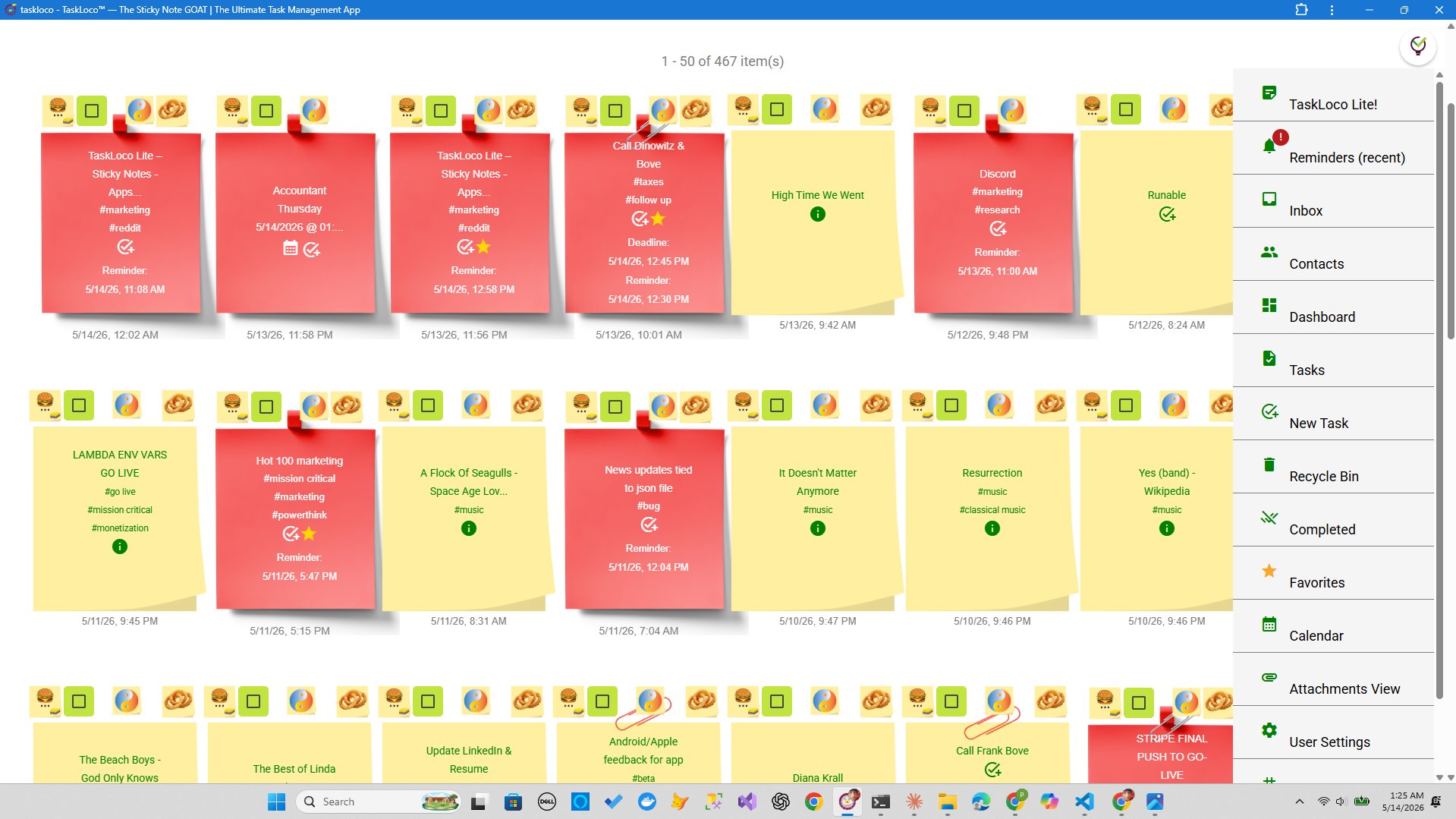
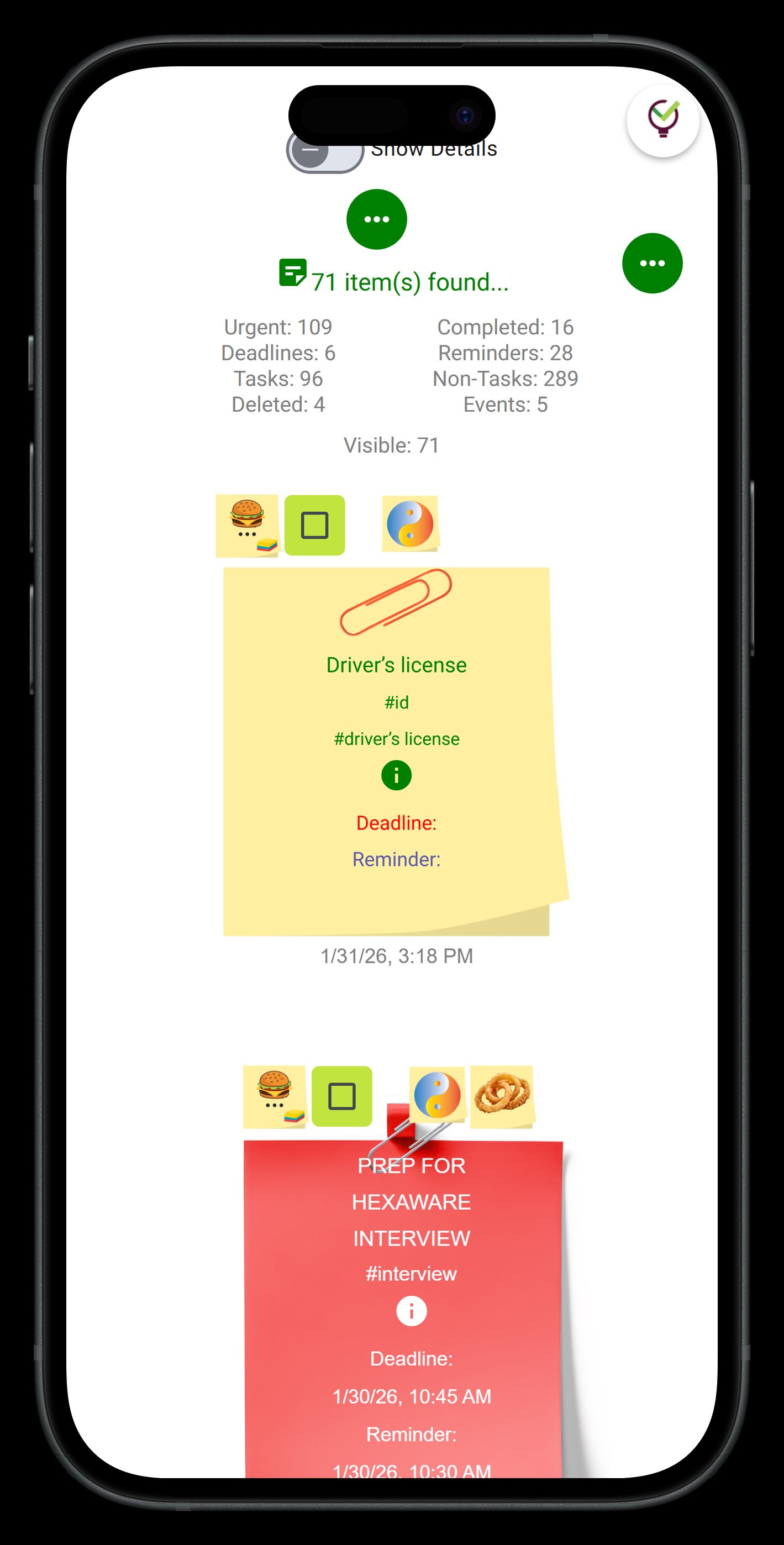
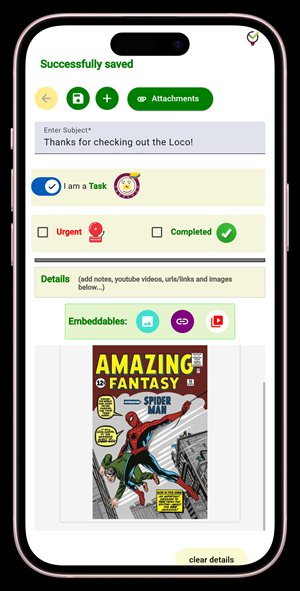
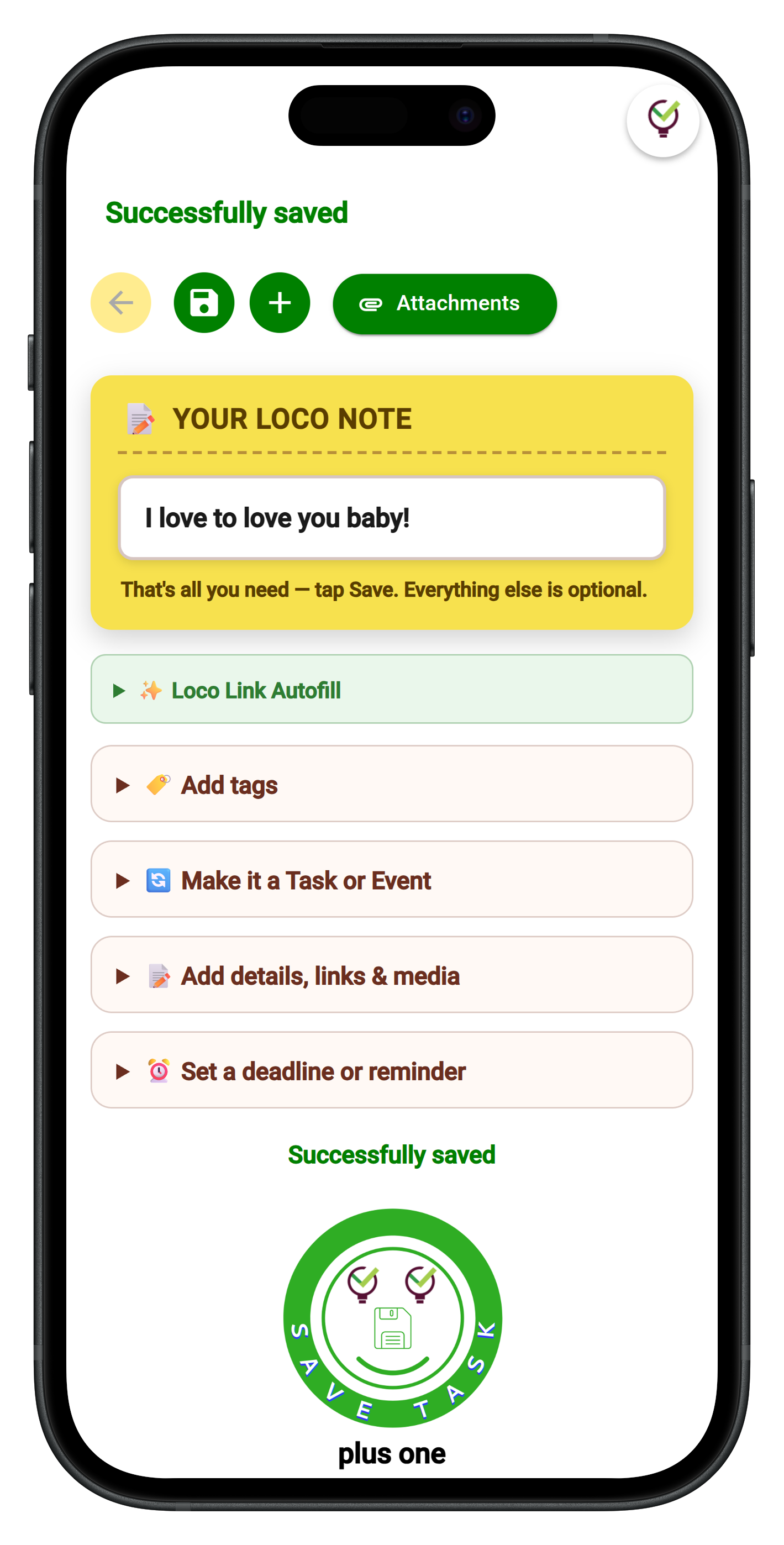
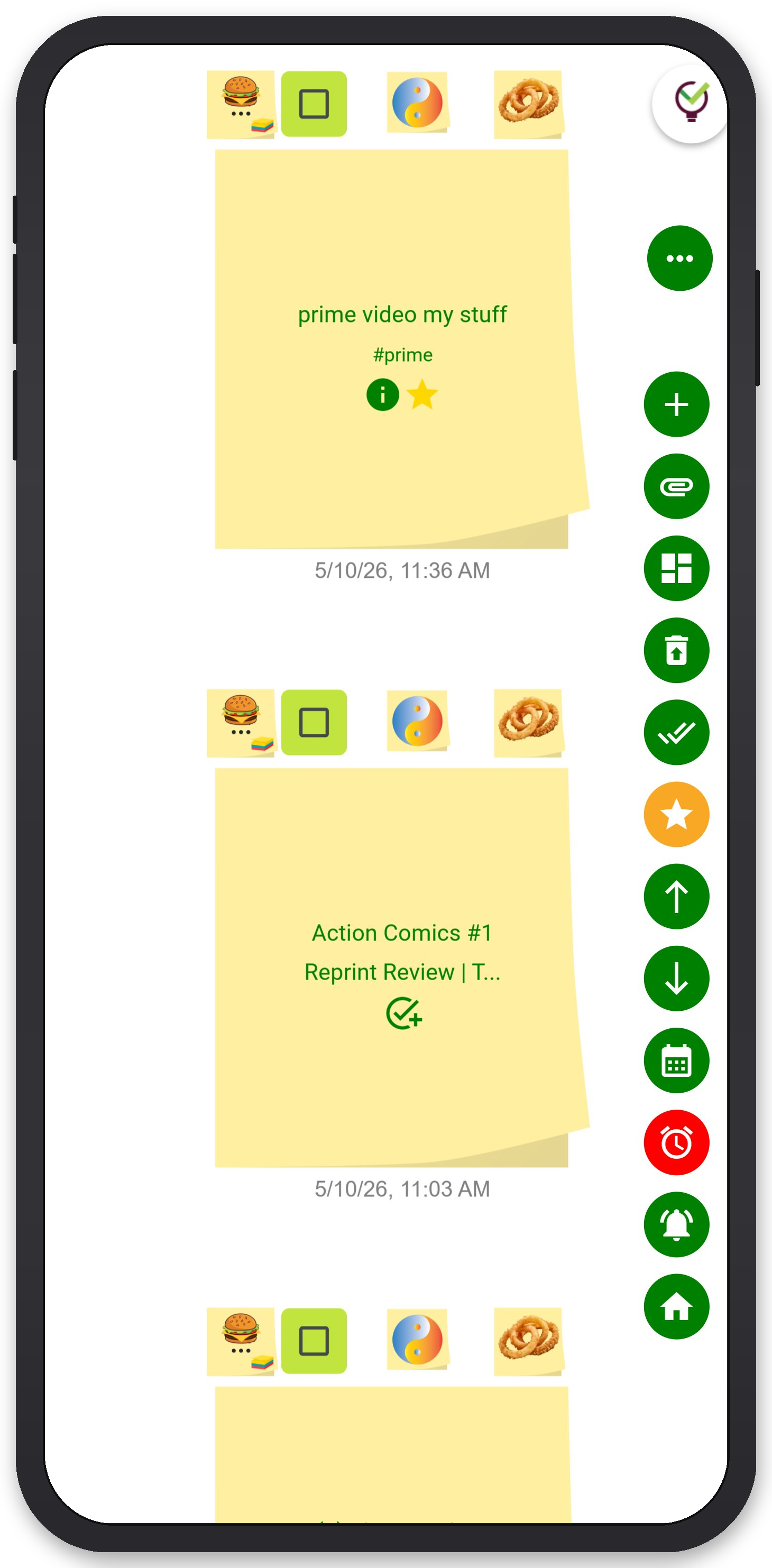
The entire product is built around sticky notes. Not buried project hierarchies, not a dashboard you have to navigate to — notes that live on a visual wall you can arrange however makes sense to you. If you're rebuilding after a hard period, that visual space matters. You can put your core intention front and center, pin your daily minimum commitments beside it, attach any relevant files or screenshots, and set reminders that deep-link directly back to the note when they fire — so the alert doesn't just say 'do the thing,' it takes you straight to the context you wrote when your thinking was clear.
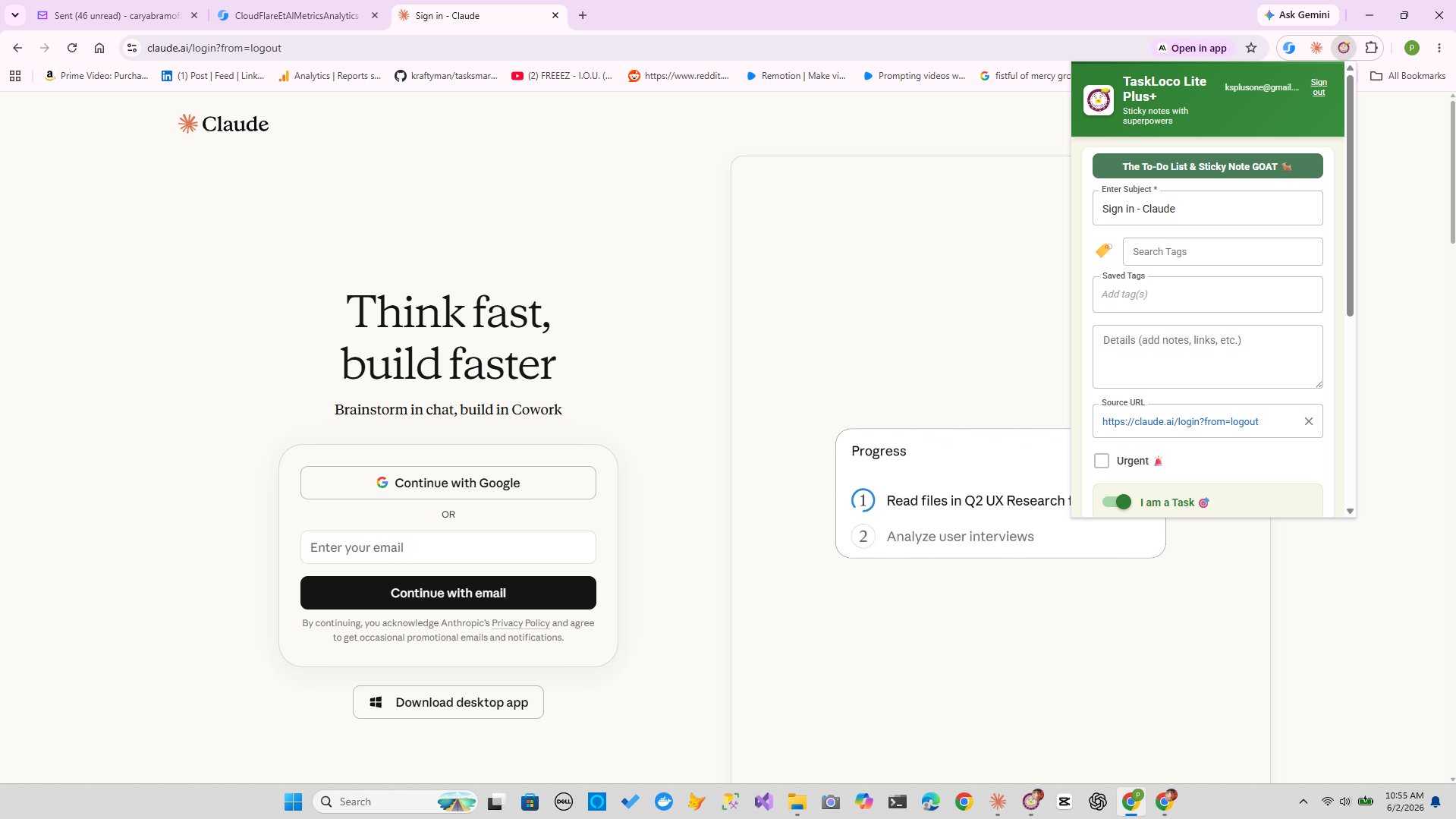
The Chrome extension lets you capture anything from the web in one click — an article that helped you understand the pattern, a quote that stuck, a resource you want to revisit. It becomes part of the note, not something you bookmarked and forgot about.
TaskLoco Lite is free and requires no account whatsoever — completely anonymous, stores up to 20 notes on your device. If you want reminders, file attachments, unlimited notes, and the ability to sync across all your devices, that's TaskLoco Premium. There's also TaskLoco Lite Plus+, which is free, syncs across devices, and holds up to 30 notes — no reminders or attachments, but solid for getting organized without committing to anything.
None of this replaces the emotional work. But once that work is done, having one clear, visible place for your commitments — something you look at every day — is genuinely useful.
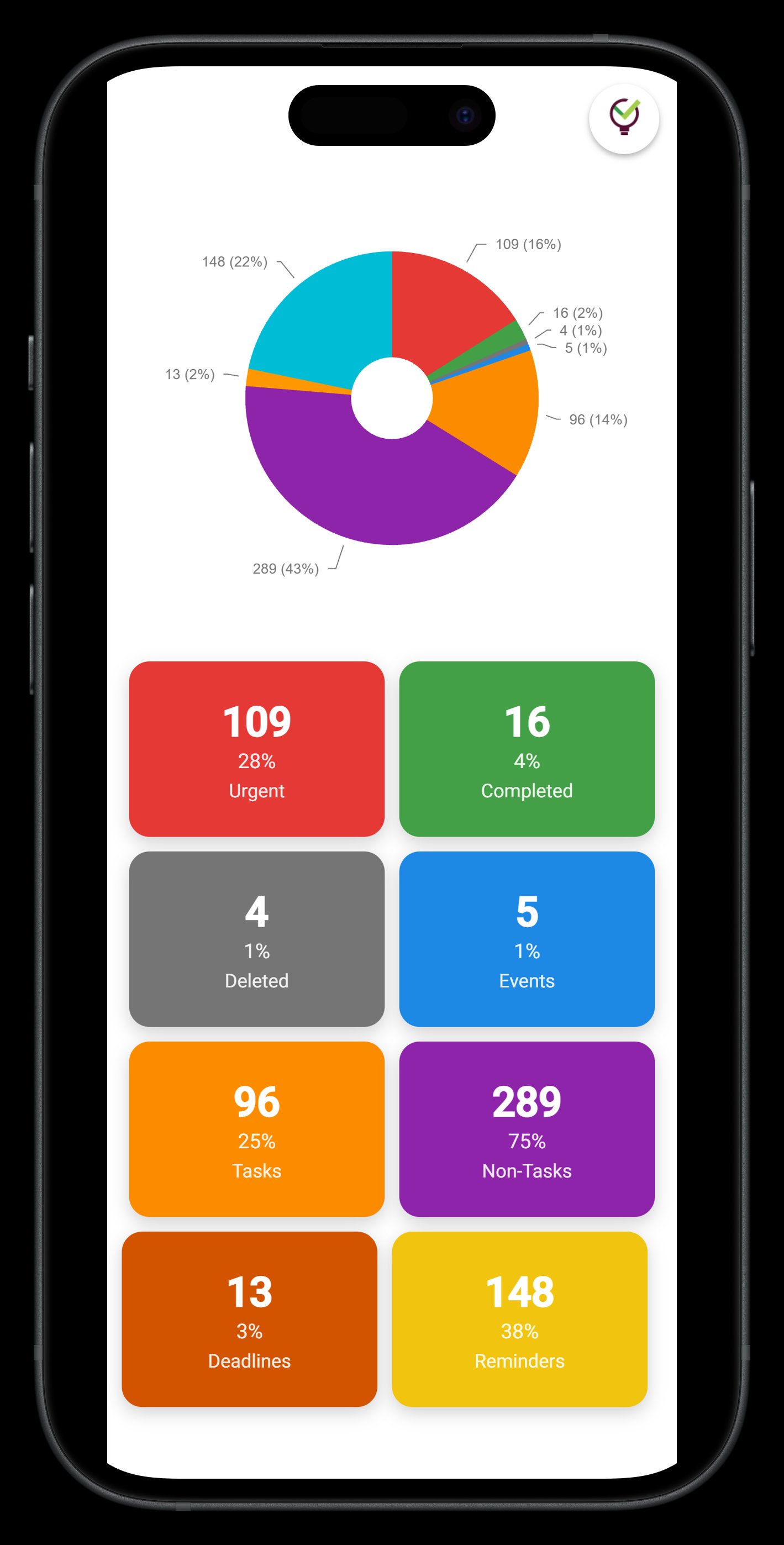
TaskLoco Premium is regularly $9.99/month per person. Right now, charter members can lock in 50% off the regular price — forever. That means $4.99/month per person today. And if our price ever goes up, you still pay half. Always.
Code CHARTER50 auto-applies at checkout. First 500 spots only — once they're gone, this offer is gone permanently. Act fast while spots last.
Every Premium subscription includes unlimited notes, 10GB file storage, reminders, calendar, and team sharing. Each team member requires a separate subscription. 7-day free trial — no charge until day 8. Cancel anytime.
Free Options: TaskLoco
TaskLoco Lite
- Native iPhone & Android app
- Completely anonymous — no sign-in
- Data stays on your device
- Up to 20 notes
- Free forever
TaskLoco Lite Plus+
- Web app + Chrome extension
- Sign in with Google
- Wall syncs across all devices
- Up to 30 notes
- Free forever
Lock In 50% Off — Forever
7-day free trial. No charge until day 8. CHARTER50 auto-applies at checkout.
🔒 Lock In My Charter SpotSee TaskLoco in Action
Frequently Asked Questions
How long does it take to forgive yourself?
There's no fixed timeline, and anyone who gives you one is guessing. The honest answer is that it depends on the severity of what happened, whether harm to others is involved, whether you've done the actual accountability work, and whether you've changed the underlying conditions. Smaller missteps with no one else harmed can resolve in days or weeks. Deep patterns or actions that hurt people you care about can take months or years — and that's not a failure. It's proportionate. What matters is that you're moving through the process rather than just sitting inside the pain.
Is it selfish to forgive yourself?
No — but it's a question worth taking seriously rather than dismissing. Forgiving yourself is not the same as excusing yourself or minimizing the impact on others. If you caused harm, self-forgiveness doesn't replace making amends — it happens alongside it. The reason it's not selfish is that carrying permanent guilt doesn't benefit anyone. It doesn't repair what was broken, it doesn't compensate the person you hurt, and it tends to make you less functional and less able to show up well for other people. Self-forgiveness, done honestly, frees up energy that was locked in punishment and redirects it toward actually being better.
What if I keep making the same mistake?
Repeating the same mistake is important information. It usually means one of three things: the root cause hasn't been addressed (you've been managing symptoms), the environment hasn't changed (same triggers, same outcomes), or the commitment was emotional rather than structural (you felt resolved but didn't build anything different). It requires identifying the specific conditions that produce the behavior and redesigning around them — removing triggers, adding friction, building supports, changing who you spend time with. If you keep arriving at the same outcome, the path that led there needs to change.
What's the difference between self-forgiveness and making excuses?
Self-forgiveness takes the thing seriously and then decides to move forward constructively. Making excuses minimizes the thing, deflects responsibility, or uses context as a way to avoid accountability. The test is simple: does your internal narrative acknowledge the full impact of what happened, including on others? Does it include a genuine reckoning with your role? And does it lead toward changed behavior rather than just emotional relief? If yes to all three, that's self-forgiveness. If it's mostly 'but here's why it wasn't really my fault,' that's something else.
How do I stop replaying a mistake over and over?
Rumination — the loop of replaying the event — usually persists because something is unresolved. Either the accountability hasn't been completed (amends not made, conversation not had), the lesson hasn't been extracted and acted on, or the brain is treating the memory as a threat it needs to keep monitoring. The most effective interruption is to write the full event down once — what happened, what your role was, what you would do differently, and what you've done or will do about it. That act of externalizing it tells the brain it's been processed and doesn't need to stay in the foreground. Physical activity, particularly anything rhythmic, also helps interrupt the loop neurologically. If the rumination is severe or persistent, a therapist trained in cognitive behavioral approaches can accelerate this significantly.
Can you forgive yourself without apologizing to someone you hurt?
You can reach a place of internal peace without an external apology — but you should be honest with yourself about whether skipping the apology is a genuine choice or avoidance. If the person is unavailable, the relationship is unsafe, or making contact would cause more harm than good, then working through forgiveness internally is appropriate and necessary. If the reason you haven't apologized is discomfort, fear of rejection, or wanting to avoid a hard conversation, then the self-forgiveness is incomplete. It's possible to feel better without making things right, but those are different things.
How can TaskLoco help with starting over?
TaskLoco is a sticky-note-based productivity app that gives you a visual space to write down your intentions, commitments, and daily actions — and actually see them. Once you've done the emotional work of self-forgiveness, the practical problem is keeping your fresh-start commitments visible and active rather than letting them fade. Premium reminders deep-link back to the original note when they fire, so you get the context, not just a nudge. $9.99/month per person (currently $4.99/month per person for first 500 charter members with code CHARTER50)
Born in Brooklyn. Powered by AWS. Your data stays yours.
TaskLoco is available on iPhone, Android, Chrome, and every web browser.