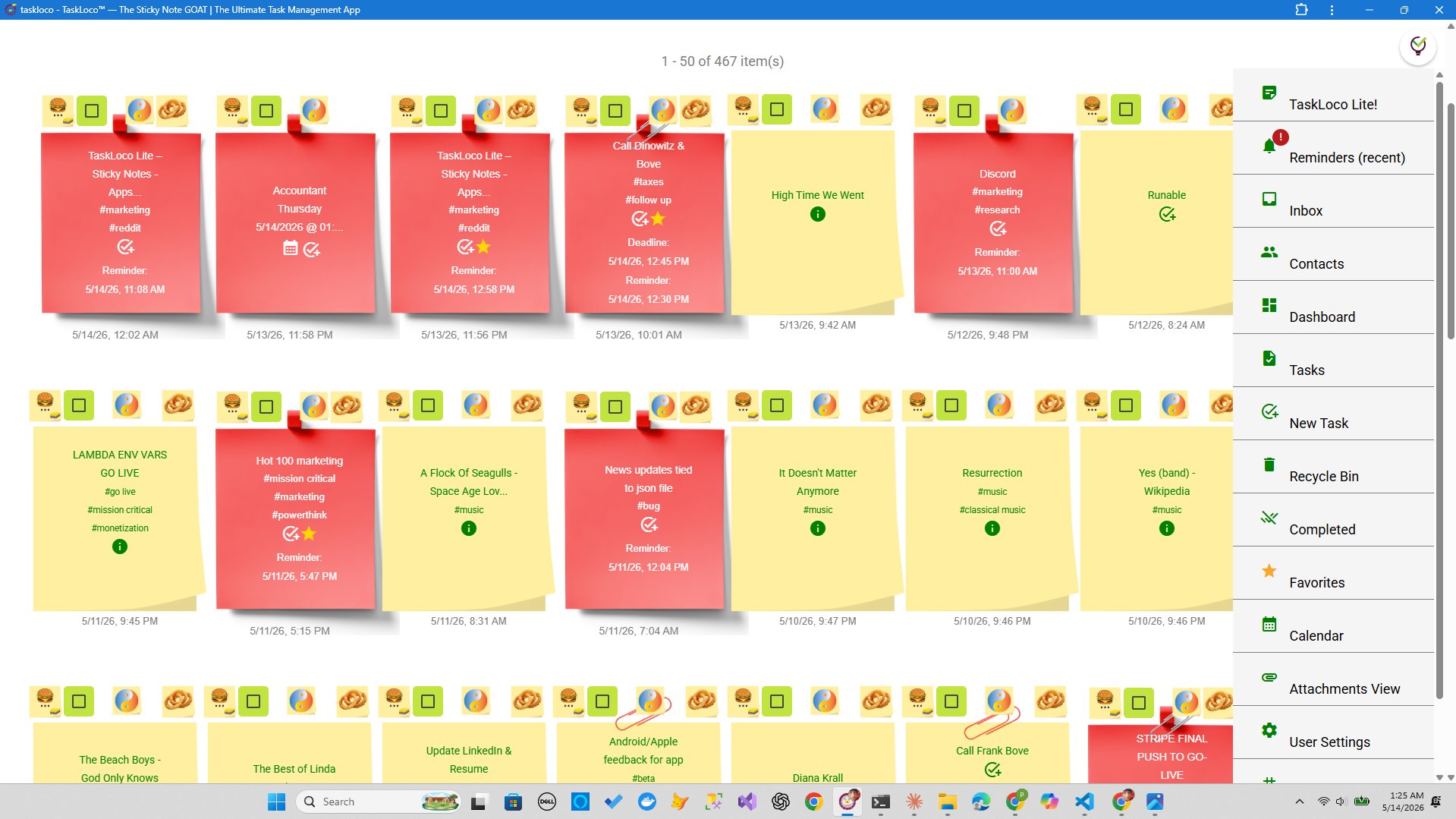
Motivation isn't a switch you flip on — it's a muscle you build through specific, repeatable actions. The most successful people don't wait for inspiration to strike; they create conditions that make starting easier and sustaining momentum natural.
Research shows that motivation follows action, not the other way around. Once you understand this counterintuitive principle, you can build systems that generate consistent drive to work, even on days when you'd rather do anything else.
Start with the Two-Minute Rule
The biggest barrier to motivation is the initial resistance to starting. Your brain perceives work as a threat to comfort, triggering avoidance behaviors. The two-minute rule bypasses this by making the commitment so small that resistance disappears.
Here's how it works: identify your most important task, then commit to working on it for exactly two minutes. Set a timer. When it goes off, you can stop — but you'll often find yourself continuing because the hardest part (starting) is behind you.
This technique works because it exploits a psychological principle called the Zeigarnik effect: once you start something, your brain wants to finish it. The two-minute commitment gets you past the starting line, where natural momentum takes over.
Build Your Environment for Success
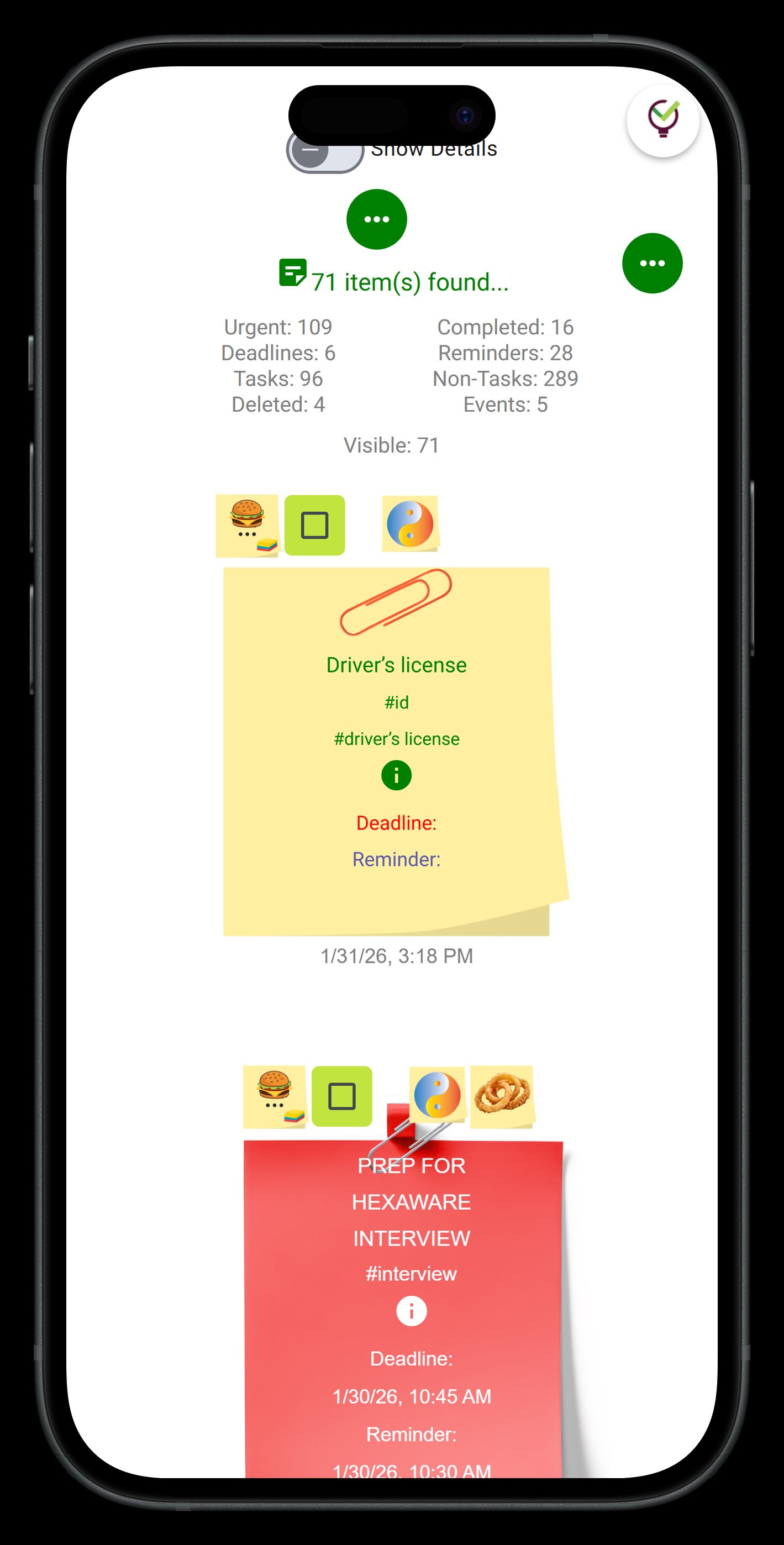
Your environment shapes your behavior more than willpower ever will. If you have to search for materials, clear space, or fight distractions every time you want to work, you're relying on motivation when you should be engineering inevitability.
Create dedicated spaces for different types of work. Keep essential tools immediately accessible. Remove friction from starting: open the right documents, charge your devices, and eliminate decision fatigue about where and how to begin.
Digital environments matter just as much. Close unnecessary browser tabs, use website blockers during focus time, and organize your desktop so important files are one click away. Every extra step between intention and action is an opportunity for procrastination to creep in.
Most importantly, design your space to remind you of your goals. Visual cues — whether it's a project timeline on your wall or key tasks written where you'll see them — keep priorities top of mind without requiring conscious effort.
Use Progress Tracking to Fuel Momentum
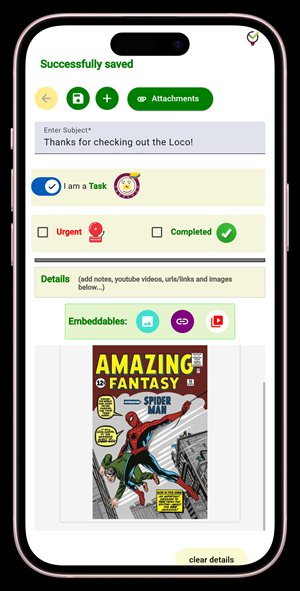
Nothing builds motivation like seeing concrete progress. Your brain releases dopamine when you complete tasks, creating a natural reward cycle that encourages more work. But this only happens when progress is visible and meaningful.
Track completion, not just time spent. Checking off finished tasks feels better than logging hours worked because it represents actual advancement toward your goals. Break large projects into smaller, completable chunks so you can experience wins frequently.
Document your progress visually. Whether it's crossing items off a list, filling in a progress bar, or watching a project folder grow with completed work, visual progress indicators provide immediate feedback that reinforces productive behavior.
Apply These Strategies with the Right Tools
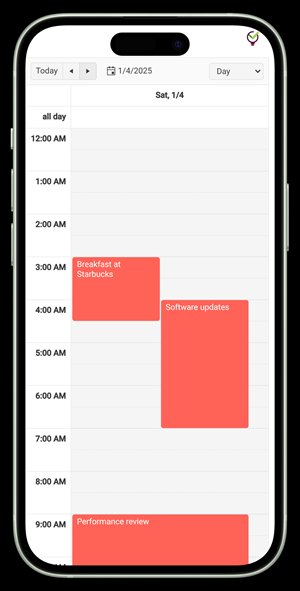
The motivation strategies above work best when supported by tools that make tracking progress and maintaining momentum effortless. TaskLoco turns these psychological principles into practical systems.
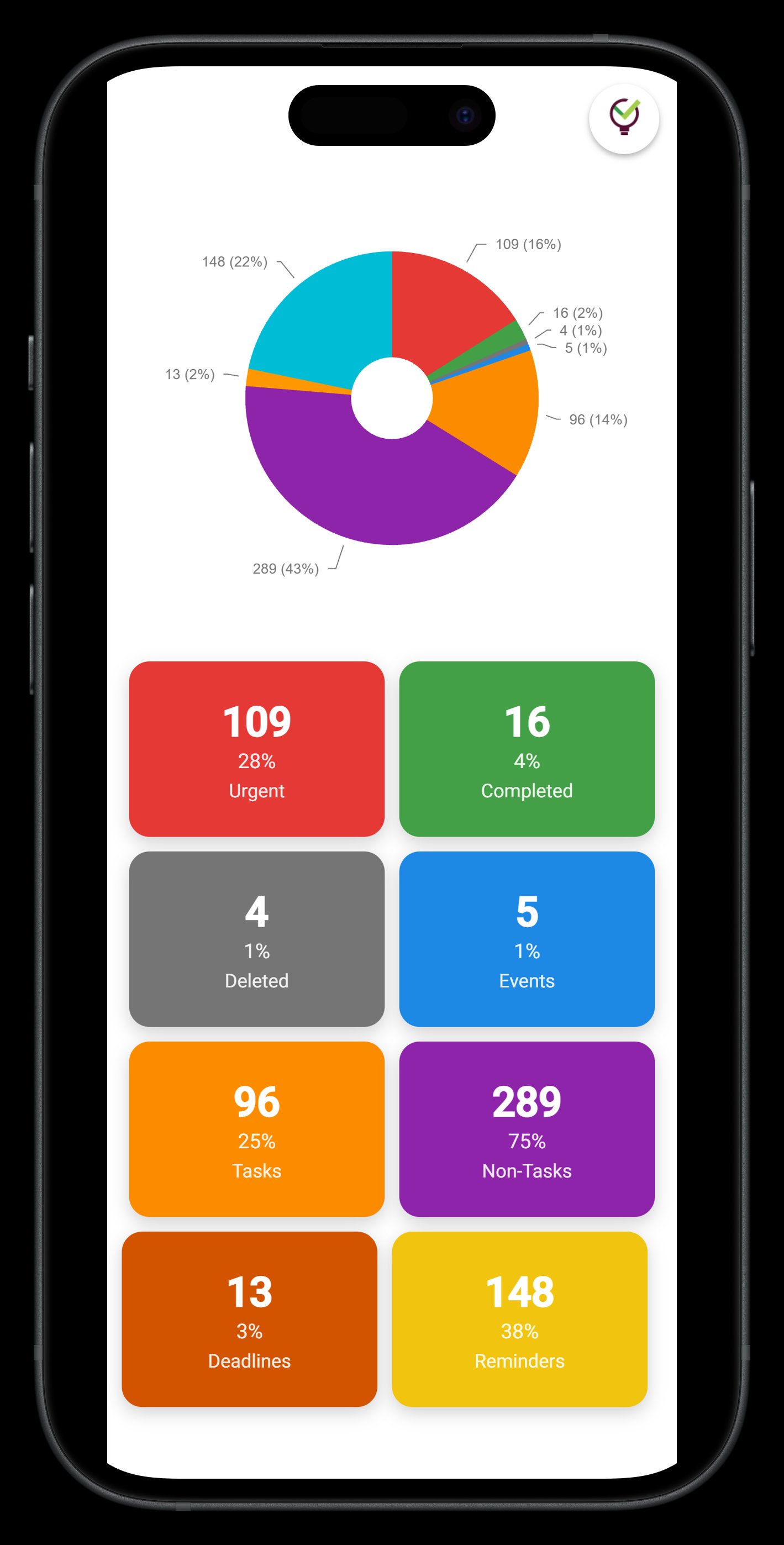
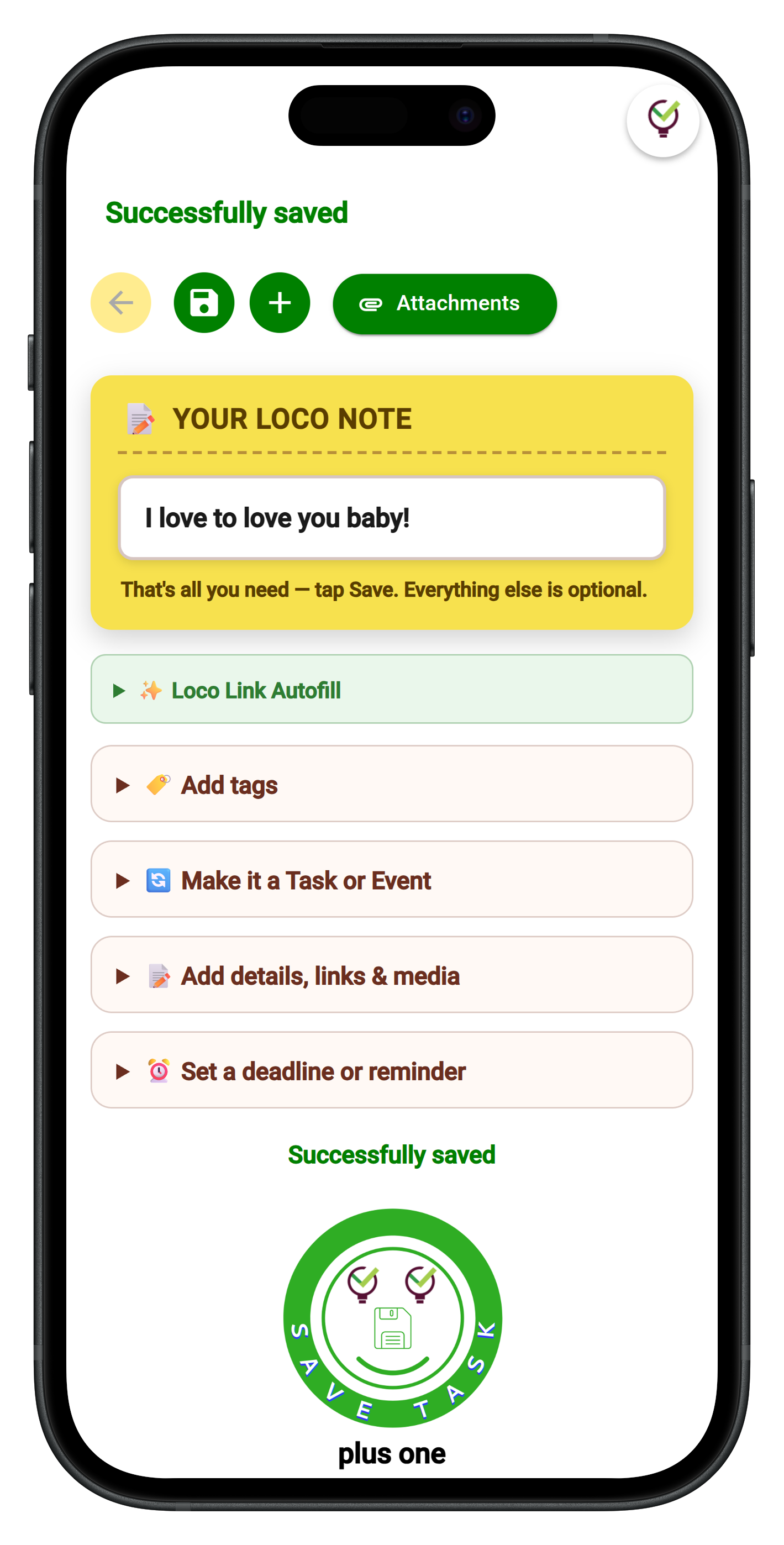
With TaskLoco, you can break projects into small, actionable notes that make the two-minute rule easy to apply. Set reminders that gently prompt you to start without creating pressure. Track your progress by checking off completed items and watching your productivity patterns emerge over time.
The key is having everything in one place — notes, reminders, files, and calendar — so there's no friction between planning work and doing it. When your tools work seamlessly together, you spend energy on actual work instead of managing your productivity system.
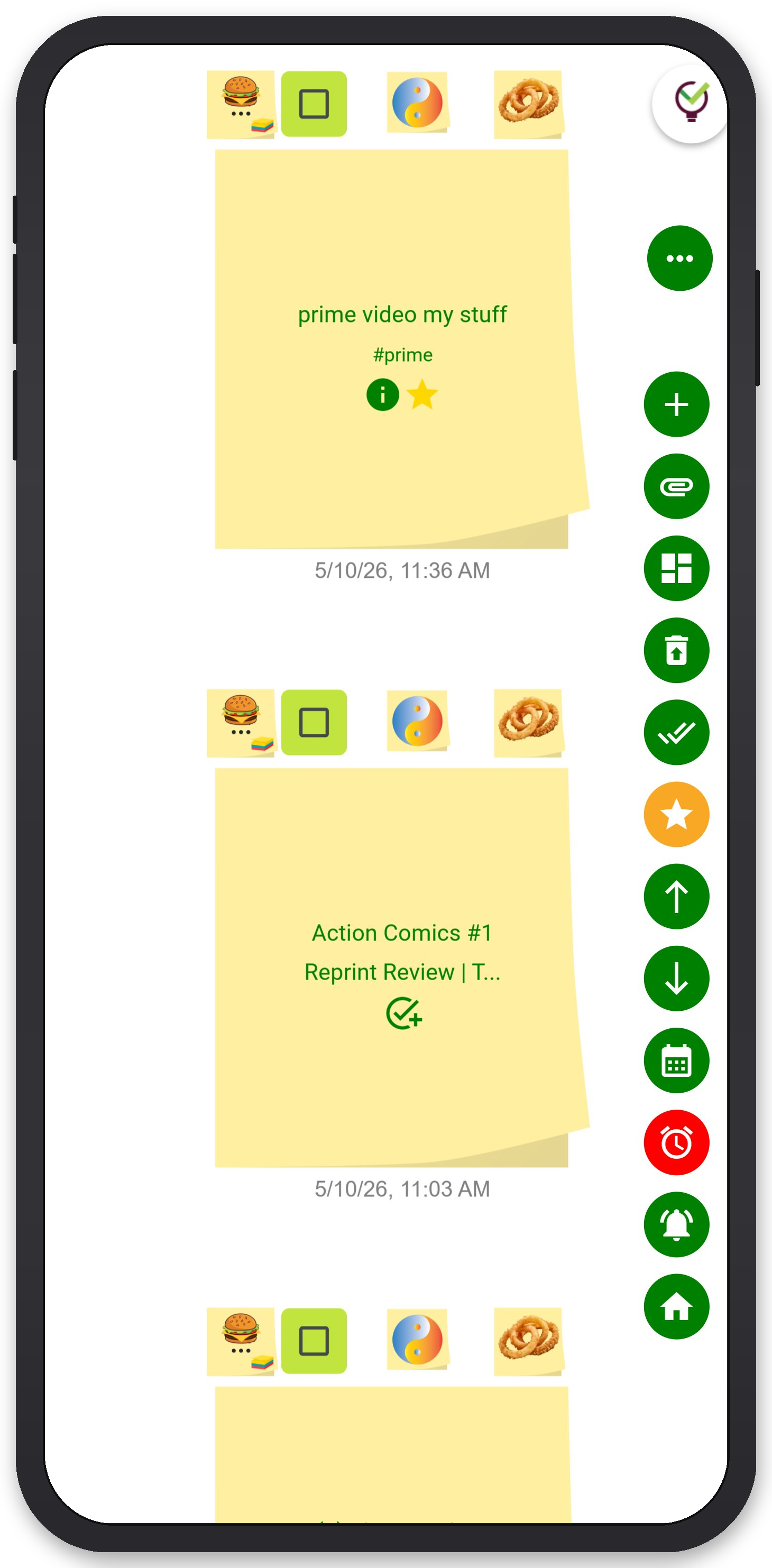
TaskLoco Premium is regularly $9.99/month per person. Right now, charter members can lock in 50% off the regular price — forever. That means $4.99/month per person today. And if our price ever goes up, you still pay half. Always.
Code CHARTER50 auto-applies at checkout. First 500 spots only — once they're gone, this offer is gone permanently. Act fast while spots last.
Every Premium subscription includes unlimited notes, 10GB file storage, reminders, calendar, and team sharing. Each team member requires a separate subscription. 7-day free trial — no charge until day 8. Cancel anytime.
Free Options: TaskLoco
TaskLoco Lite
- Native iPhone & Android app
- Completely anonymous — no sign-in
- Data stays on your device
- Up to 20 notes
- Free forever
TaskLoco Lite Plus+
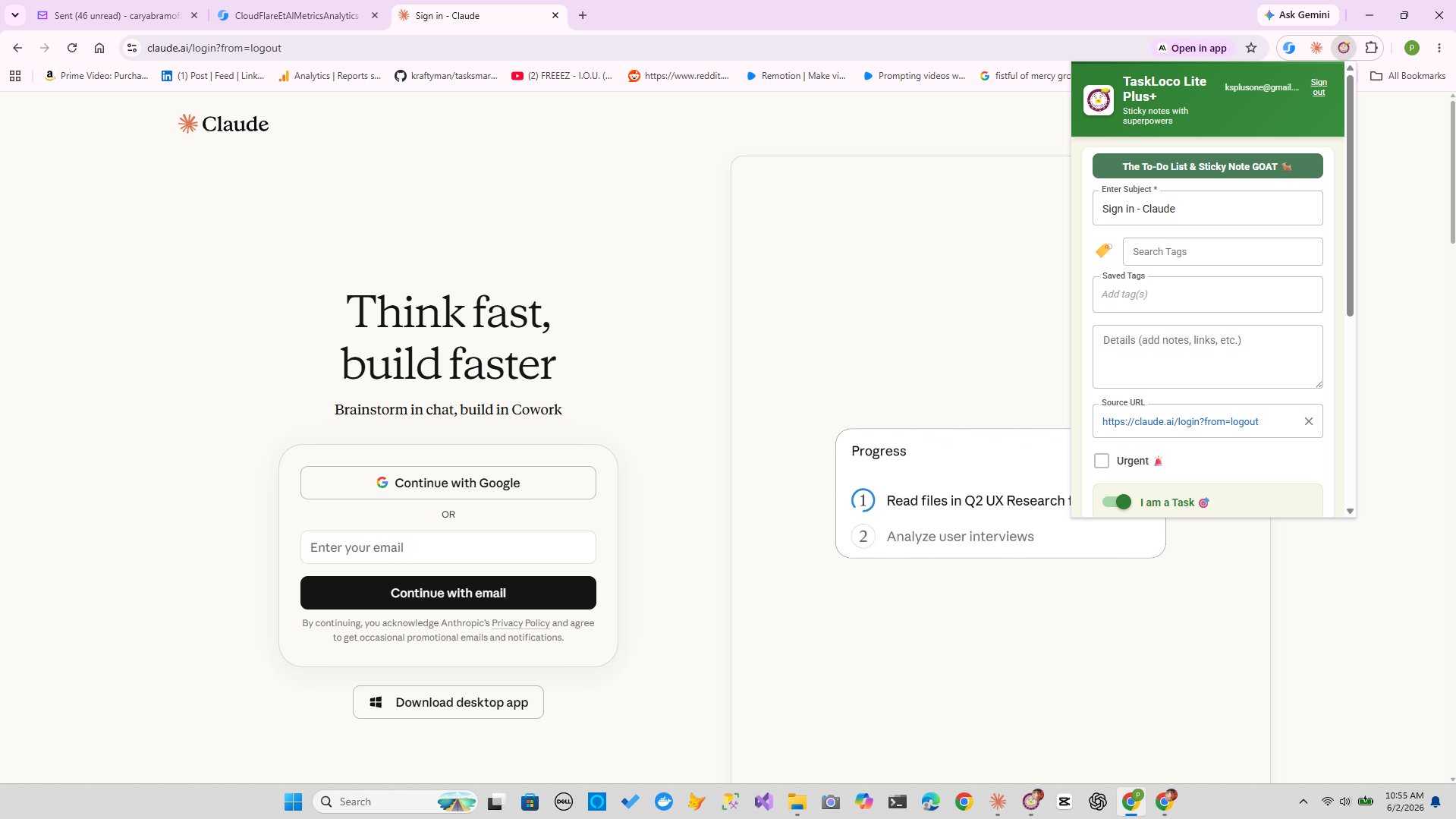
- Web app + Chrome extension
- Sign in with Google
- Wall syncs across all devices
- Up to 30 notes
- Free forever
Lock In 50% Off — Forever
7-day free trial. No charge until day 8. CHARTER50 auto-applies at checkout.
🔒 Lock In My Charter SpotSee TaskLoco in Action
Frequently Asked Questions
What if I start working but lose motivation quickly?
Set micro-deadlines throughout your work session. Instead of working for hours straight, commit to 25-minute focused blocks with 5-minute breaks. This prevents mental fatigue and maintains engagement by creating frequent completion points.
How do I stay motivated when working on boring tasks?
Pair boring tasks with something you enjoy — good music, a favorite drink, or a comfortable workspace. Also, connect the task to a larger goal that matters to you. Understanding why the work matters makes tedious tasks more tolerable.
Is it normal to need motivation strategies every day?
Yes, absolutely. Motivation isn't a one-time achievement — it's a daily practice. Even highly productive people use systems and strategies to maintain momentum. The key is making these practices so automatic they require minimal mental energy.
What's the difference between motivation and discipline?
Motivation is the feeling that makes you want to work; discipline is working regardless of how you feel. Build discipline by starting small and being consistent, even when motivation is low. Over time, disciplined action creates its own motivation through visible progress.
How long does it take to build lasting work motivation?
You can see immediate results with techniques like the two-minute rule, but building consistent motivation habits takes about 21-66 days of practice. Focus on consistency over perfection — small daily actions compound into significant behavioral changes.
Can I use these strategies for creative work or just routine tasks?
These strategies work for any type of work. For creative projects, the two-minute rule might mean sketching one idea or writing one paragraph. The key is lowering the barrier to starting, then letting natural engagement take over once you're in flow.
What if my work environment can't be changed?
Focus on what you can control. Bring noise-canceling headphones, organize your immediate workspace, use digital tools to minimize distractions, and create portable environmental cues like a specific playlist that signals focus time. Small changes compound into significant improvements.
Born in Brooklyn. Powered by AWS. Your data stays yours.
TaskLoco is available on iPhone, Android, Chrome, and every web browser.