Habit stacking transforms how you build routines by piggybacking new behaviors onto habits you already do consistently. Instead of relying on motivation or memory, you create automatic triggers that make good habits inevitable.
The strategy works because your existing habits are already wired into your brain's neural pathways. When you attach a new behavior to an established routine, you leverage that existing mental infrastructure to make change stick without willpower.
The Habit Stacking Formula
Habit stacking follows a simple formula: 'After I [current habit], I will [new habit].' This creates what behavioral scientists call an implementation intention — a specific plan that removes decision-making from the equation.
Your current habit becomes the cue for your new behavior. For example: 'After I pour my morning coffee, I will write down three priorities for the day.' The coffee-pouring triggers the planning, making it feel natural and automatic.
The key is choosing anchor habits that are already rock-solid in your routine. Don't stack onto behaviors you're trying to build — use the ones you do without thinking. Your morning coffee, brushing teeth, or checking your phone are perfect anchors because they happen consistently.
Start Micro, Stack Smart
The biggest mistake people make with habit stacking is trying to attach big behaviors to their routines. Instead of 'After I brush my teeth, I will exercise for 30 minutes,' start with 'After I brush my teeth, I will put on my workout clothes.'
Micro-habits remove friction and build momentum. Once putting on workout clothes becomes automatic, you can stack the actual exercise. But that first tiny step needs to be so small it feels silly not to do it.
Stack habits in logical sequences that follow your natural flow. If you want to build a morning routine, map out what you already do: wake up, use bathroom, brush teeth, make coffee, check phone. Then insert your new micro-habits between these existing anchors.
Timing matters too. Stack new habits immediately after your anchor, not 'sometime later in the morning.' The tighter the connection, the stronger the trigger becomes.
Common Stacking Patterns That Work
Certain habit combinations stick better than others. Environmental stacks work well: 'After I sit down at my desk, I will review my priorities.' Location changes create natural trigger points for new behaviors.
Time-based stacks are powerful too: 'After I finish lunch, I will take a 5-minute walk.' Meals, commutes, and other time-bound activities make excellent anchors because they happen at predictable intervals.
Technology stacks leverage devices you're already using: 'After I open my laptop, I will check my project notes.' Since you're already reaching for the device, adding one more quick action feels effortless.
Using TaskLoco for Habit Stack Tracking
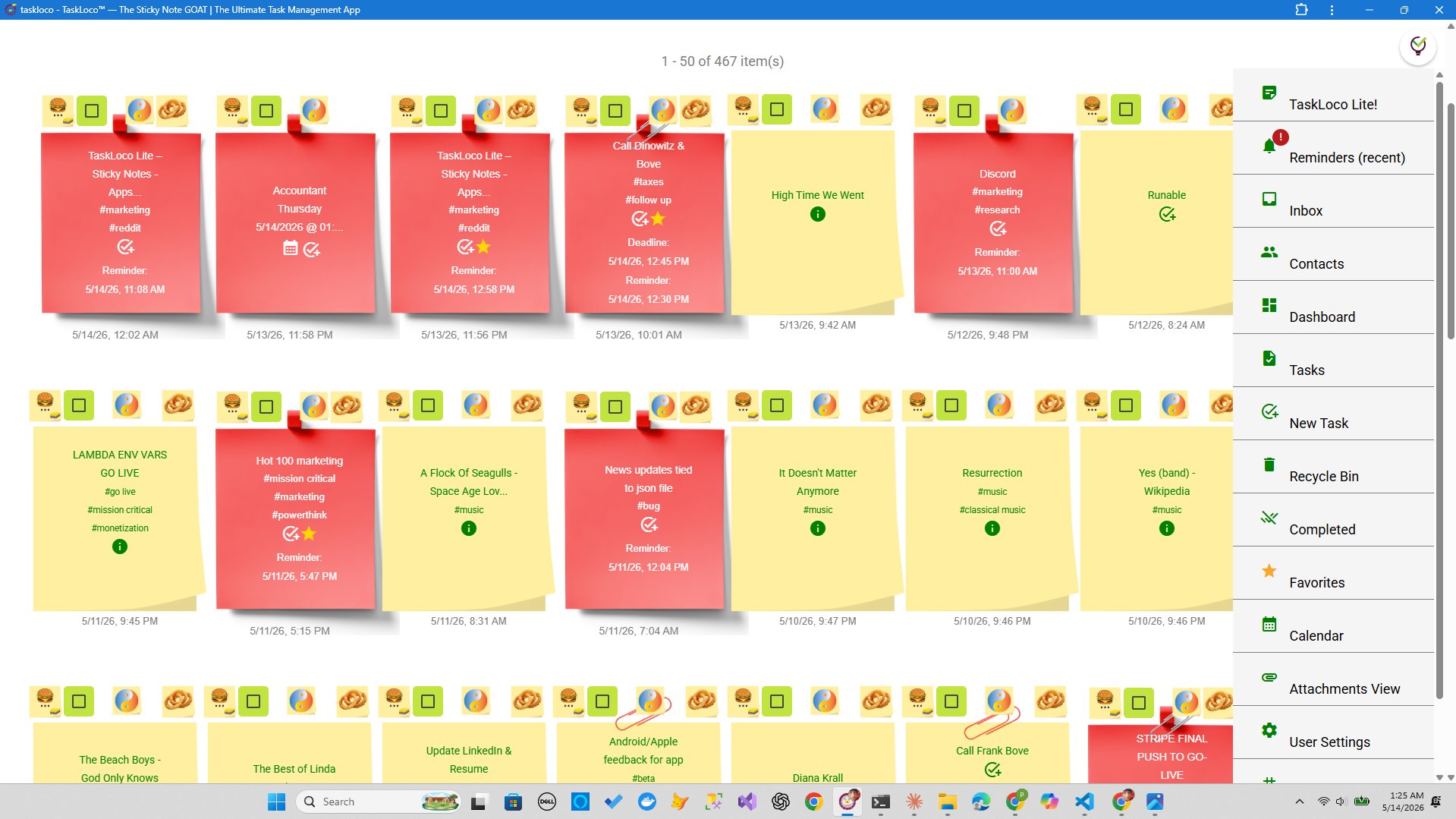
TaskLoco makes habit stacking practical with its simple note system and reminder features. Create one note for each habit stack with the formula written out clearly: 'After I pour coffee, I will write three priorities.'
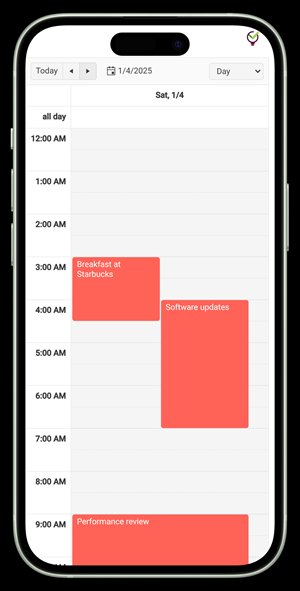
Set reminder notifications to help establish new stacks during the first few weeks. Once the behavior becomes automatic, you can remove the reminders. The calendar view lets you track which stacks are working and which need adjustment.
Keep habit stack notes short and actionable. The goal is quick reference, not detailed planning. TaskLoco's fast note access means you can capture stack ideas immediately and refine them as you test what works.
$9.99/month per person (currently $4.99/month per person for first 500 charter members with code CHARTER50)
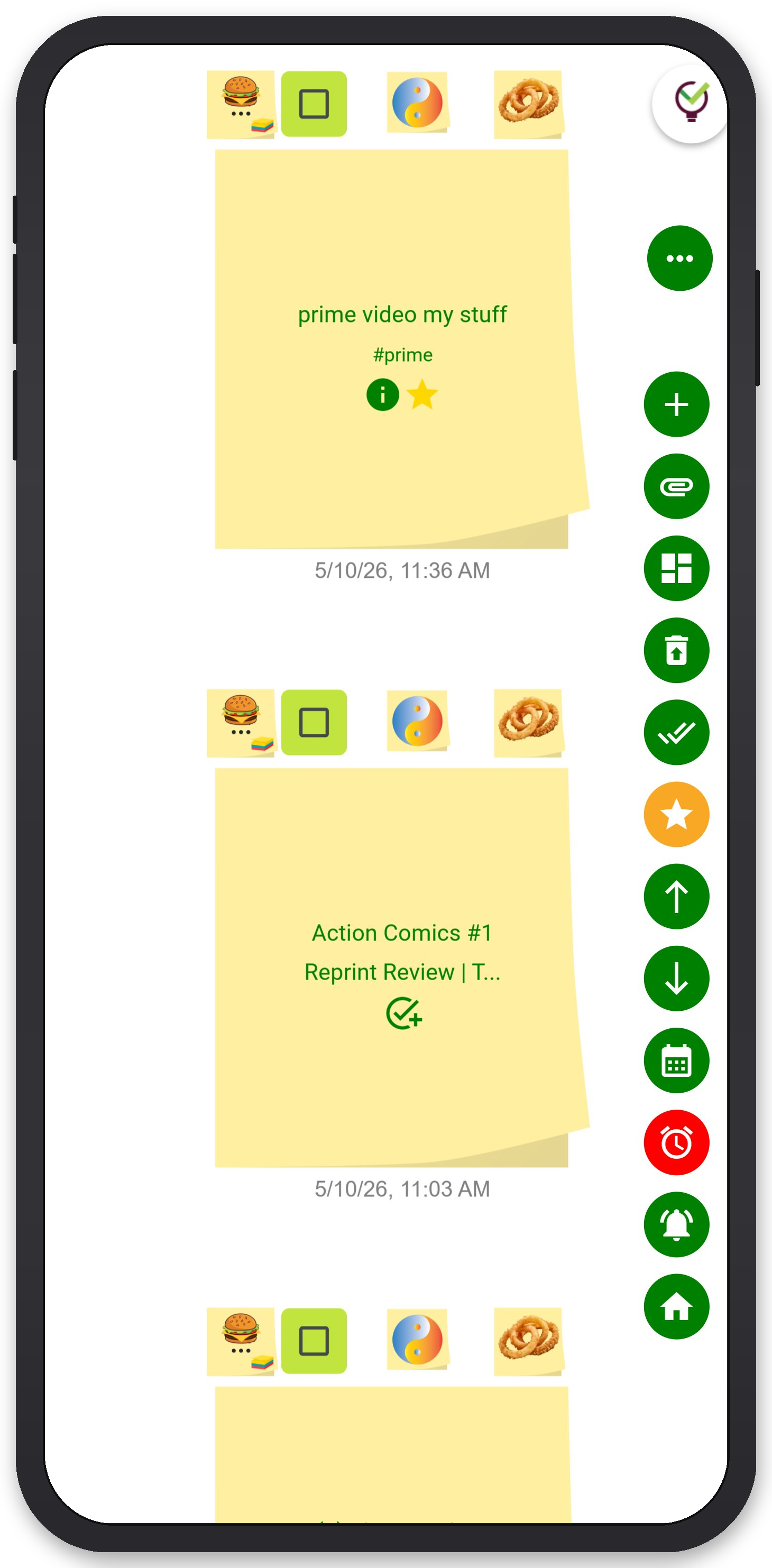
TaskLoco Premium is regularly $9.99/month per person. Right now, charter members can lock in 50% off the regular price — forever. That means $4.99/month per person today. And if our price ever goes up, you still pay half. Always.
Code CHARTER50 auto-applies at checkout. First 500 spots only — once they're gone, this offer is gone permanently. Act fast while spots last.
Every Premium subscription includes unlimited notes, 10GB file storage, reminders, calendar, and team sharing. Each team member requires a separate subscription. 7-day free trial — no charge until day 8. Cancel anytime.
Free Options: TaskLoco
TaskLoco Lite
- Native iPhone & Android app
- Completely anonymous — no sign-in
- Data stays on your device
- Up to 20 notes
- Free forever
TaskLoco Lite Plus+
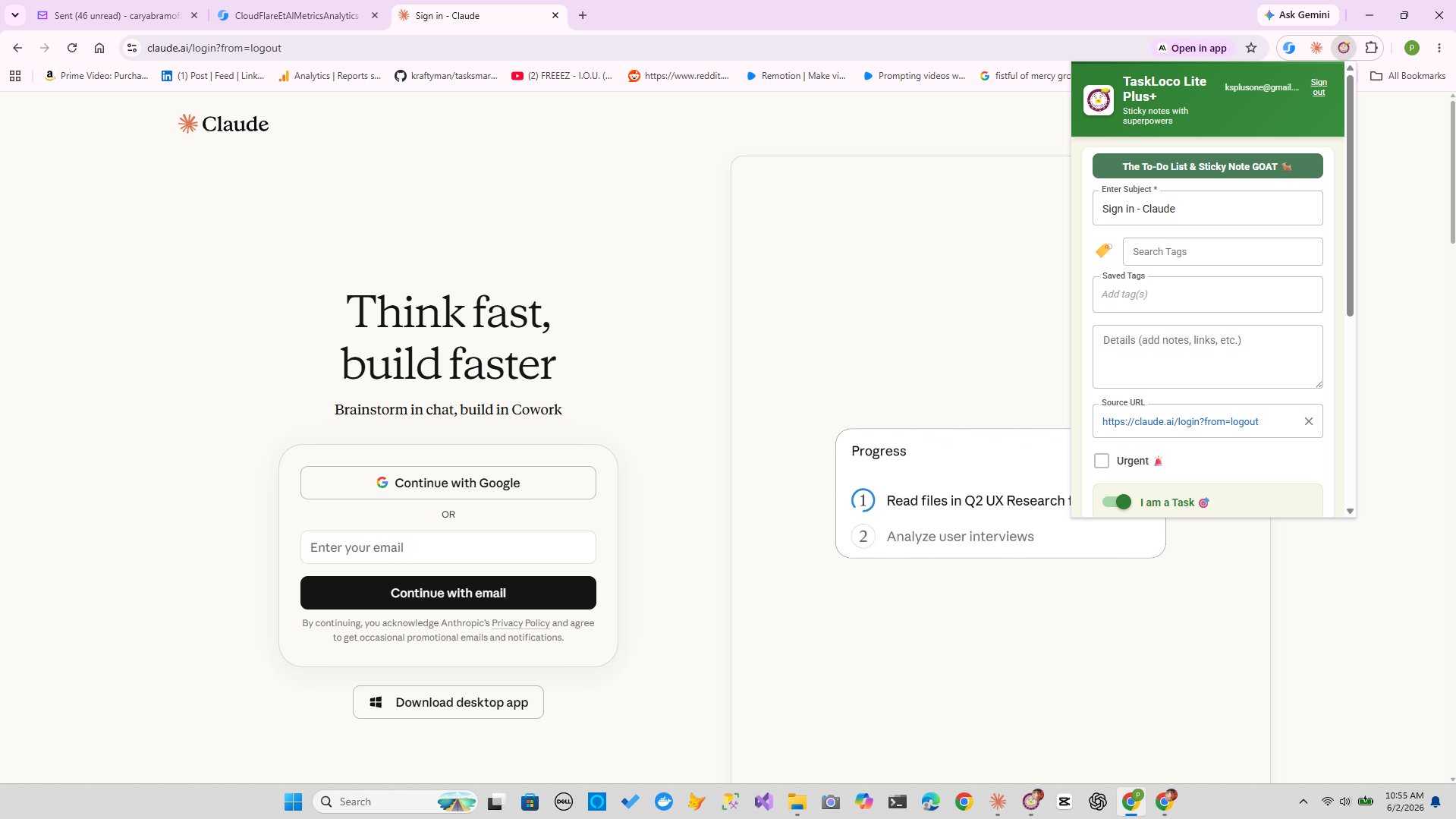
- Web app + Chrome extension
- Sign in with Google
- Wall syncs across all devices
- Up to 30 notes
- Free forever
Lock In 50% Off — Forever
7-day free trial. No charge until day 8. CHARTER50 auto-applies at checkout.
🔒 Lock In My Charter SpotSee TaskLoco in Action
Frequently Asked Questions
How long does it take for a habit stack to become automatic?
Most habit stacks become automatic within 2-4 weeks of consistent practice. The stronger your anchor habit, the faster the new behavior sticks. Micro-habits stack faster than complex behaviors.
What if my anchor habit isn't consistent enough?
Choose a different anchor. Your morning coffee might happen every day, but checking email might not. Pick behaviors that are truly automatic and happen at predictable times or locations.
Can you stack multiple new habits at once?
Start with one new habit per anchor to avoid overwhelming yourself. Once that becomes automatic (2-4 weeks), you can add another. Building slowly creates more reliable long-term habits.
What makes a good anchor habit for stacking?
Good anchors happen consistently, at specific times or locations, and require little mental energy. Examples: brewing coffee, brushing teeth, sitting at your desk, or starting your car.
How small should a micro-habit be when starting?
So small it feels almost silly not to do it. Instead of 'exercise for 20 minutes,' start with 'put on workout shoes.' The goal is building the trigger first, then expanding the behavior.
What if I forget to do my habit stack?
Use visual cues or reminders for the first few weeks. Place workout clothes by your coffee maker, or set phone notifications. Once the connection strengthens, external reminders become unnecessary.
Can habit stacking work for evening routines?
Absolutely. Evening anchors like 'after I close my laptop' or 'after I brush my teeth' work well for stacking habits like setting out clothes, reviewing the day, or preparing for tomorrow.
Born in Brooklyn. Powered by AWS. Your data stays yours.
TaskLoco is available on iPhone, Android, Chrome, and every web browser.