Comparison is the thief of progress because it replaces your actual data with someone else's highlight reel. You hit a personal best and feel nothing because someone on your feed hit a bigger one. That's not a motivation problem — it's a measurement problem. You're using the wrong ruler.
Measuring progress without comparing yourself to others isn't about ignoring the world or pretending competition doesn't exist. It's about building a personal feedback loop that actually tells you something true. This guide walks through exactly how to do that — the frameworks, the habits, and the mental models that make your own growth legible to you.
Start With a Baseline, Not a Benchmark
A benchmark is external — it tells you where others are. A baseline is internal — it tells you where you started. Measuring progress requires a baseline. Without one, you have no reference point and no way to see how far you've traveled.
To set your baseline, write down your current state in concrete, observable terms. Not "I want to get better at writing" — instead: "I currently write for 15 minutes, three times a week, and I average 300 words per session." That's a baseline. Now future-you has something real to beat.
Do this for every area you want to track. Fitness, skills, habits, finances, creative output — whatever matters to you. The more specific, the more useful. Vague baselines produce vague measurements.
Four Methods That Work (No Other Person Required)
Once you have a baseline, you need a system for checking in. Here are four approaches that work in practice — not just in theory.
1. The Weekly Snapshot
Every week, write three sentences: what you did, what changed, and what you noticed. No grades, no scores — just observation. Over time, patterns emerge that you can't see day to day. The act of writing forces clarity and creates a record you can actually read back.
2. The Delta Method
Track deltas, not absolutes. Instead of writing "I ran 4 miles," write "I ran 0.5 miles more than last week." The delta is your progress signal. Absolute numbers tempt comparison. Deltas are yours alone.
3. Skill Journaling
For any skill you're building, keep a log of specific moments where you did something you couldn't do before. Not "I got better at public speaking" — instead: "I made eye contact with the audience for the first time without losing my place." These micro-wins are invisible in a comparison framework but highly visible in a personal log.
4. The Before/After Document
Pick a time horizon — 90 days works well. Write a detailed "before" description at the start. Seal it (put it somewhere you won't re-read it obsessively). At 90 days, write your "after" description first, then open the before. The gap between the two documents is your progress, in your own words, with zero external reference needed.
The Mindset Shift That Makes All of This Stick
Methods only work if the underlying mindset supports them. The reason people default to comparison isn't laziness — it's because external benchmarks feel objective. "They ran a marathon" is a concrete data point. "I feel like I improved" feels subjective and therefore unreliable.
The fix is to make your internal measurements just as concrete. Specificity is the antidote to subjectivity. "I feel better" is not measurable. "I fell asleep in under 20 minutes four nights this week versus one night last month" is measurable — and it belongs entirely to you.
There's also a reframe worth making explicit: other people's progress is not evidence about your progress. Someone learning guitar faster than you tells you nothing about whether your playing is improving. These are two separate variables that have no logical relationship. When you catch yourself comparing, the useful question isn't "why am I behind them?" — it's "what does my own data say?"
Progress also isn't linear, and comparison hides that fact particularly well. You'll see someone's highlight — their breakthrough moment — and measure it against your current plateau. That's comparing your full story, including the stuck parts, to a single curated frame of theirs. Your own baseline-to-now record shows the full picture, plateaus and all, and that's actually more motivating once you can read it clearly.
How TaskLoco Fits Into This Practice
Any of the methods above can be done with a notebook, a notes app, or a plain document. The system matters more than the tool. That said, if you want a single place where your weekly snapshots, skill logs, before/after documents, and reminders all live together and stay organized, TaskLoco Premium is worth a look.
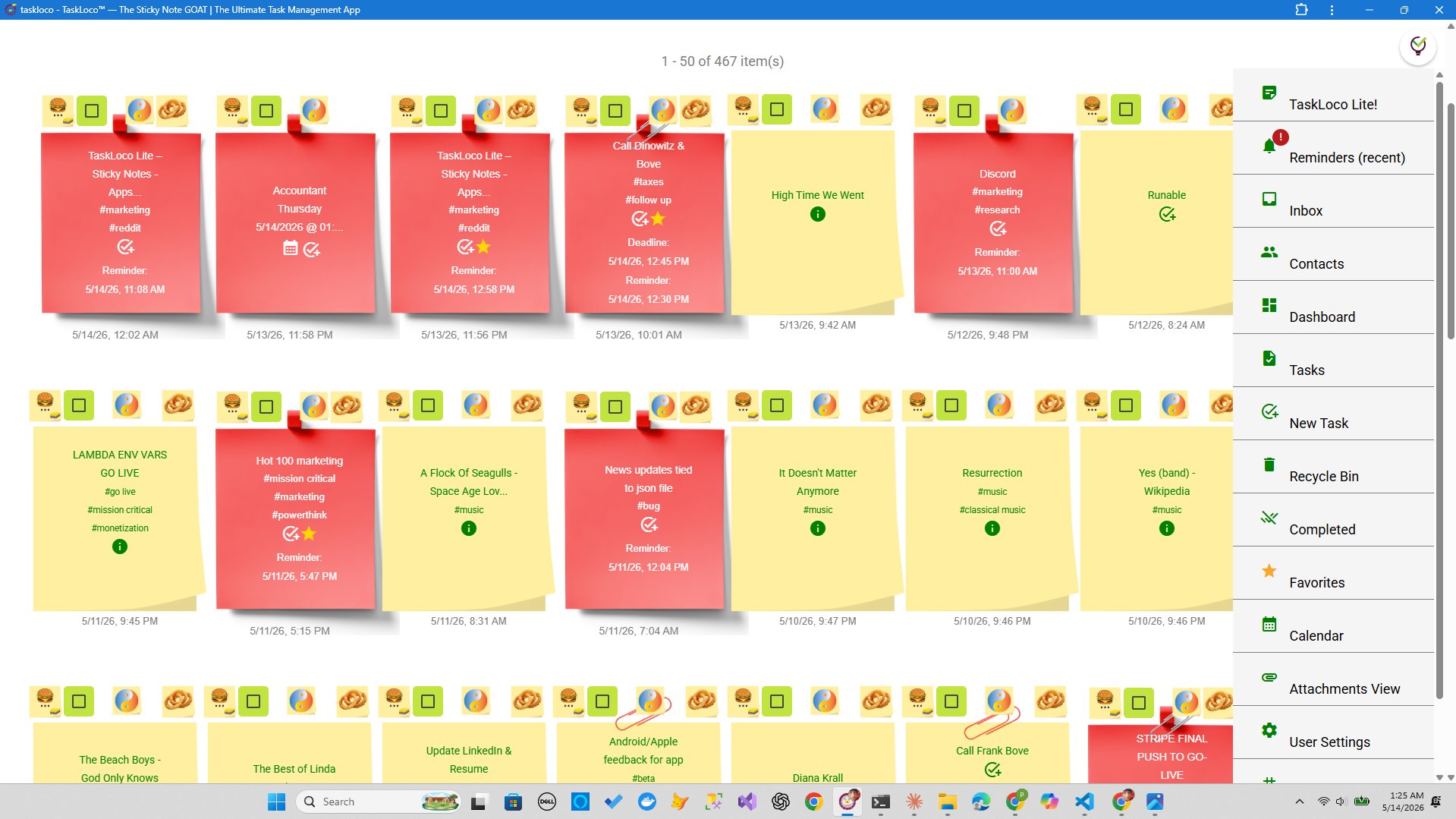
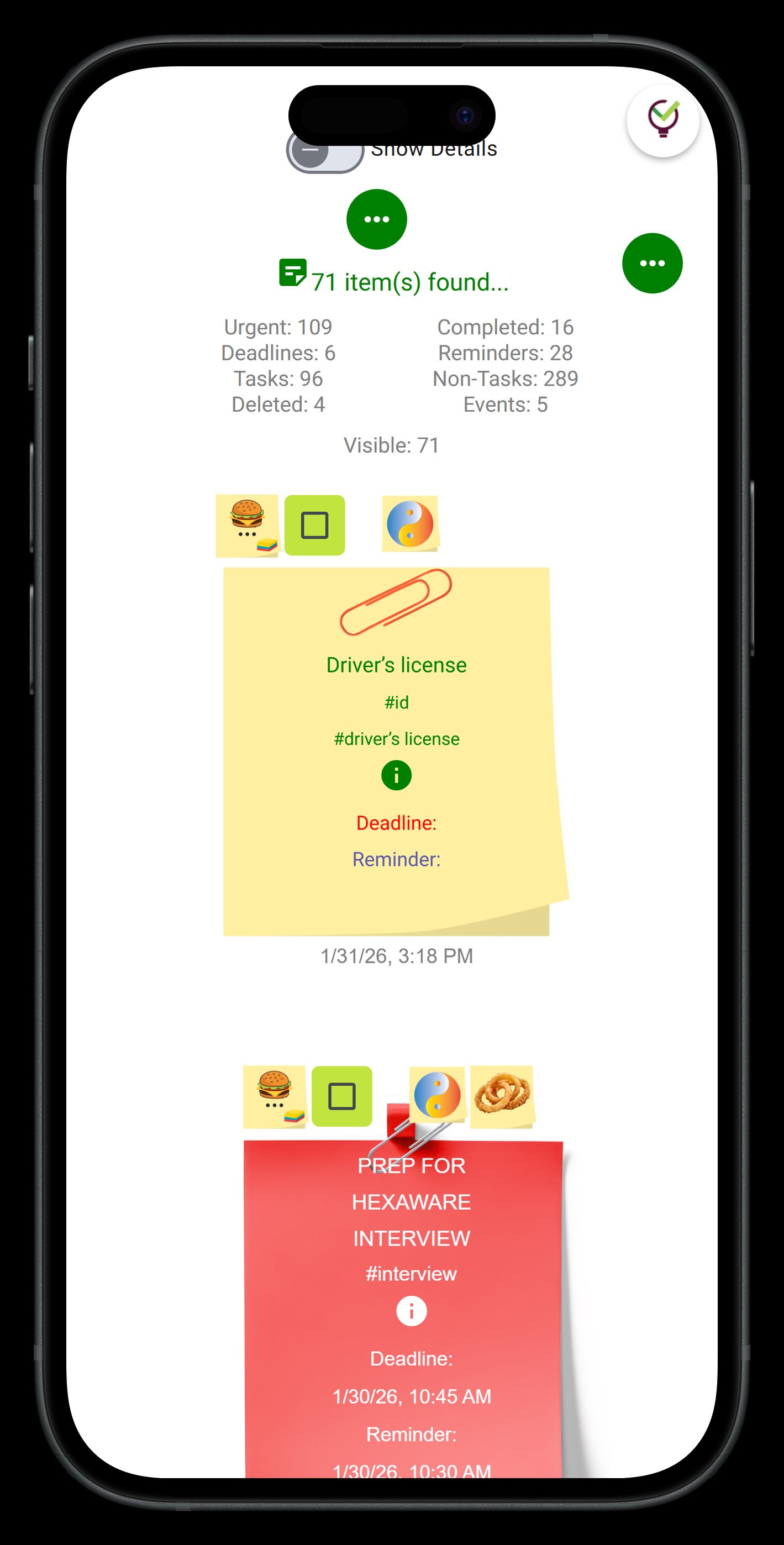
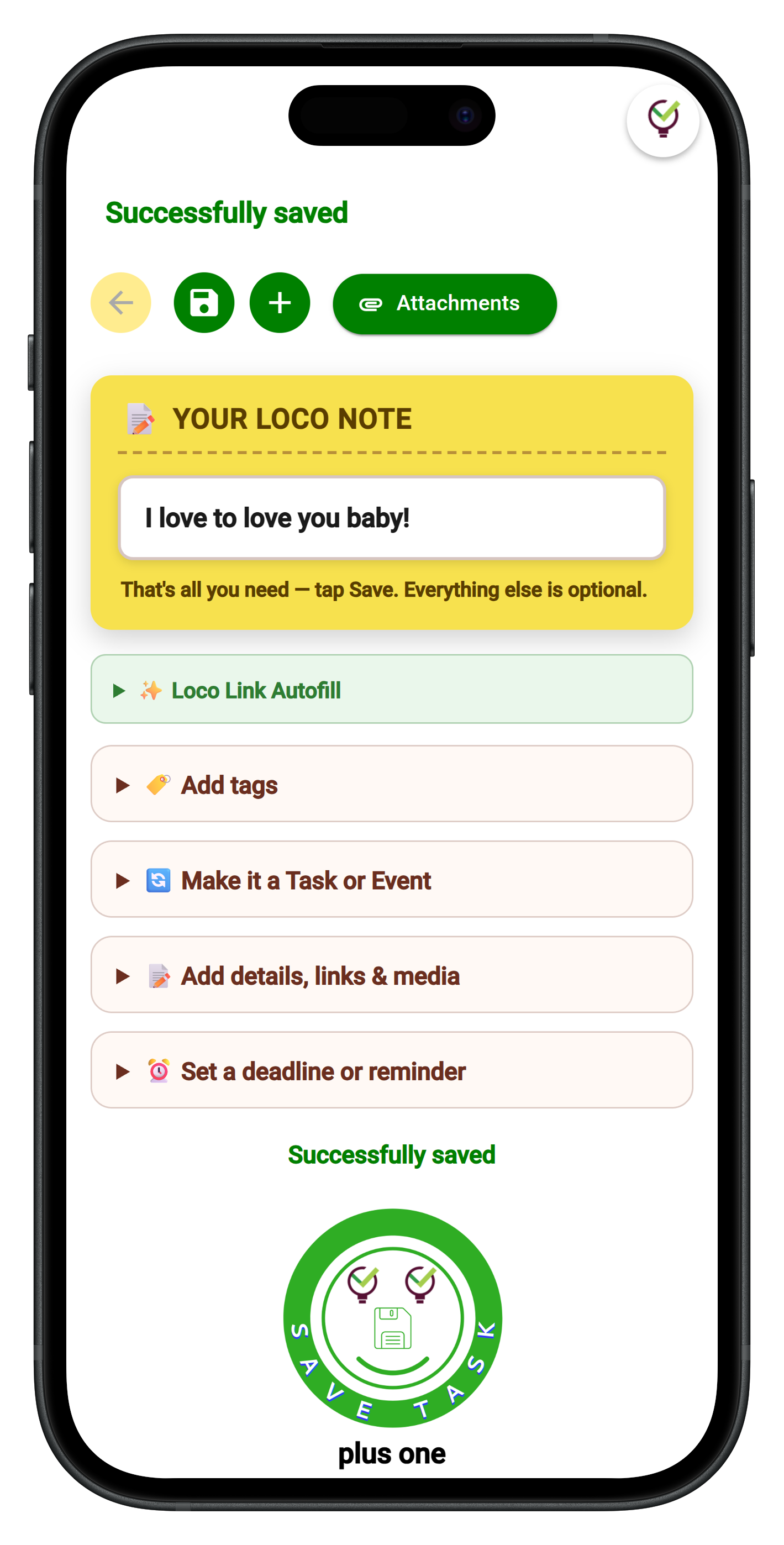
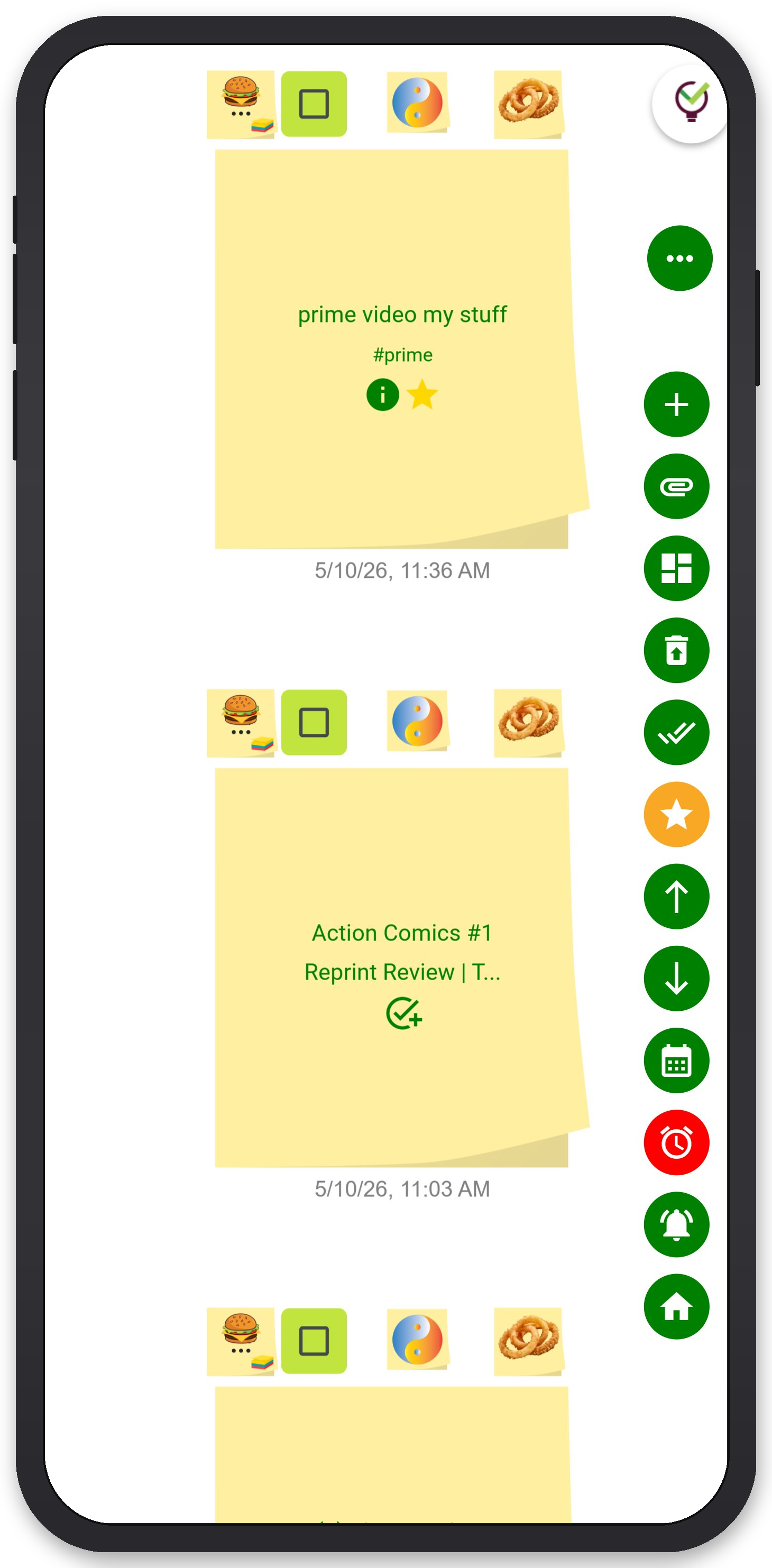
The core of TaskLoco is sticky notes — each one a card you can write on, tag, and revisit. For a personal progress practice, that maps naturally: one note per week snapshot, one note per skill you're tracking, one pinned note for your 90-day baseline. The wall view lets you see everything at once, which makes patterns visible in a way a linear list never does.
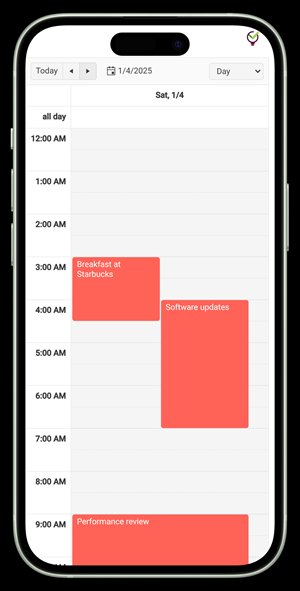
What makes it practical for ongoing habit-building: reminders in Premium deliver a push notification directly to your phone and computer, deep-linking straight back to the original note. So you can set a reminder on your weekly snapshot note and get pulled back into it every Sunday evening without having to remember. Optional email and SMS notifications are also available if you want additional channels.
Premium also includes 10GB of file storage, so if your progress tracking includes photos, voice memos, screenshots, or documents, they live alongside the notes instead of scattered across other apps. Team sharing works like email — share a note and the recipient can clone it and make it their own, no permissions setup required. That's useful if you're tracking shared goals with a colleague, partner, or coach.
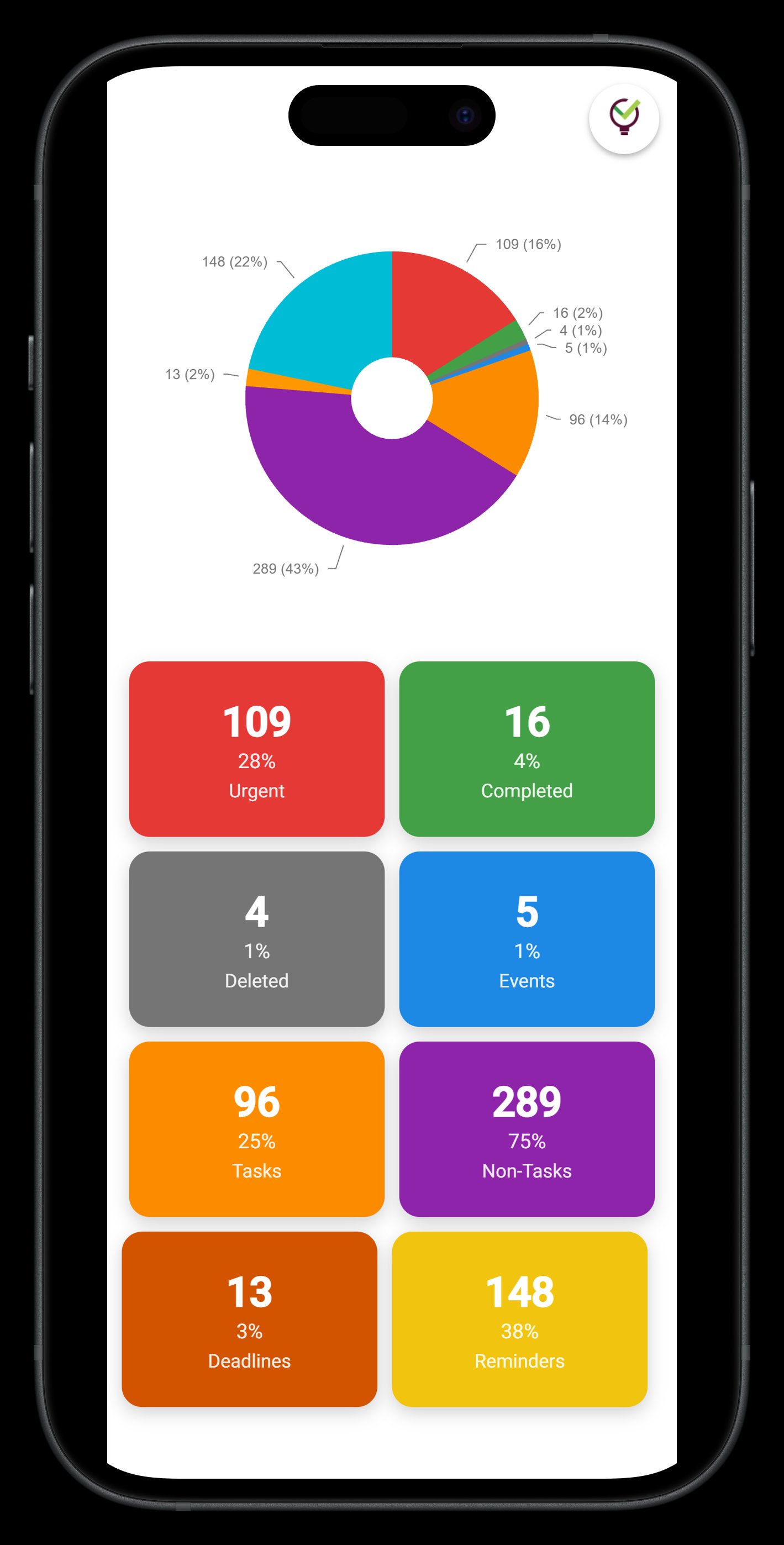
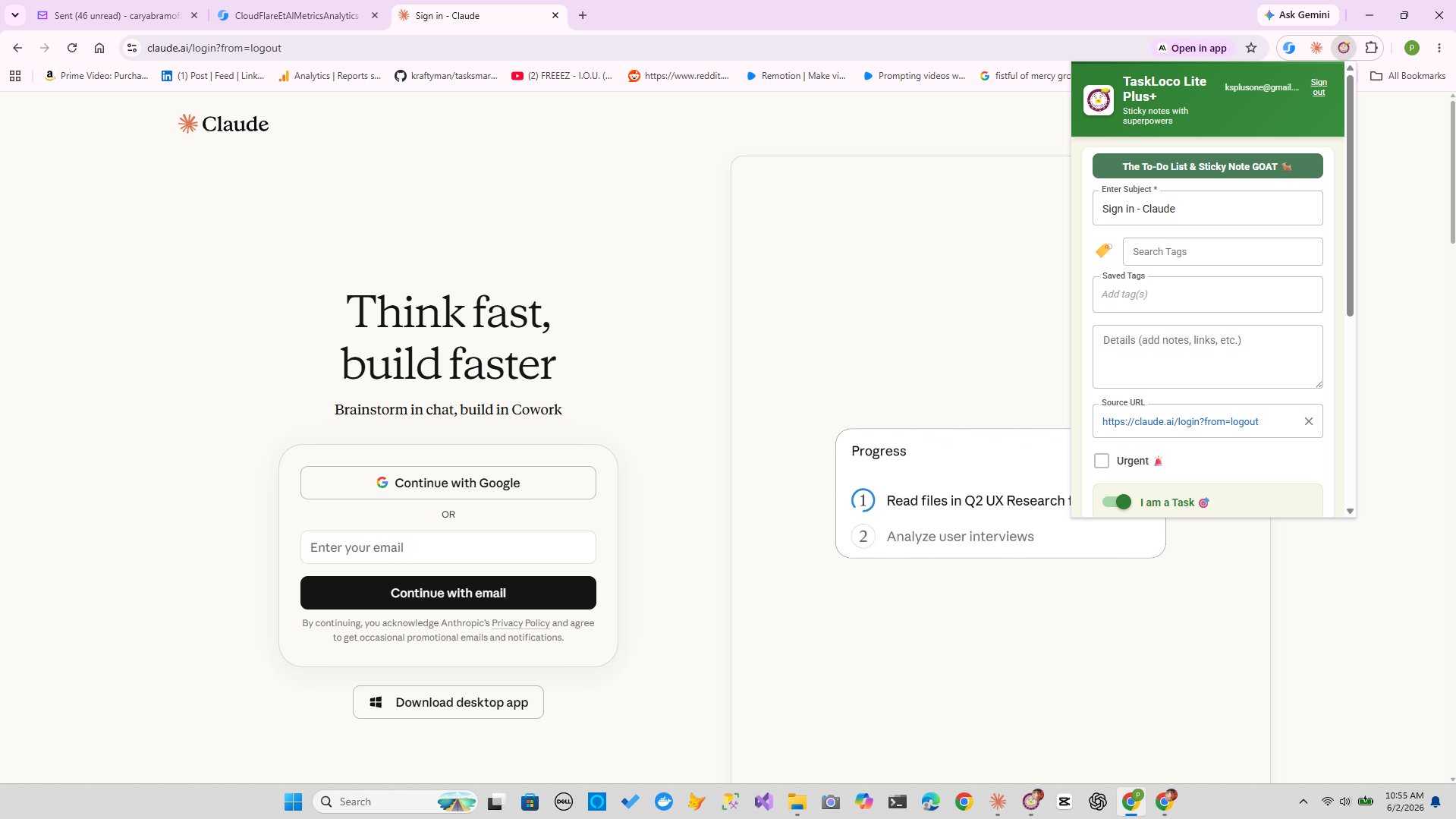
There's a free path in too. TaskLoco Lite is a native iPhone and Android app — fully anonymous, no account needed, stores up to 20 notes on your device. Good for getting started with a simple log before committing to anything. TaskLoco Lite Plus+ is a free web app with Google sign-in that syncs across all your devices and holds up to 30 notes. Reminders, file attachments, and team sharing are Premium-only features.
TaskLoco Premium is regularly $9.99/month per person. Right now, charter members can lock in 50% off the regular price — forever. That means $4.99/month per person today. And if our price ever goes up, you still pay half. Always.
Code CHARTER50 auto-applies at checkout. First 500 spots only — once they're gone, this offer is gone permanently. Act fast while spots last.
Every Premium subscription includes unlimited notes, 10GB file storage, reminders, calendar, and team sharing. Each team member requires a separate subscription. 7-day free trial — no charge until day 8. Cancel anytime.
Free Options: TaskLoco
TaskLoco Lite
- Native iPhone & Android app
- Completely anonymous — no sign-in
- Data stays on your device
- Up to 20 notes
- Free forever
TaskLoco Lite Plus+
- Web app + Chrome extension
- Sign in with Google
- Wall syncs across all devices
- Up to 30 notes
- Free forever
Lock In 50% Off — Forever
7-day free trial. No charge until day 8. CHARTER50 auto-applies at checkout.
🔒 Lock In My Charter SpotSee TaskLoco in Action
Frequently Asked Questions
Why is comparing yourself to others bad for measuring progress?
Because comparison measures the wrong variable. Other people's progress is data about them — not about you. When you use it as your benchmark, you replace your own signal with noise. You might be improving steadily and still feel like you're failing because someone else improved faster. Your baseline is the only honest reference point for your own progress.
What is the best way to track personal progress without external benchmarks?
Set a concrete baseline first — document your current state in specific, observable terms. Then use consistent check-ins (weekly snapshots, skill logs, delta tracking) to measure change relative to that baseline. Keep records in writing so patterns become visible over time. The more specific your records, the clearer your progress becomes without needing anyone else as a reference.
How do I stop comparing myself to others when tracking goals?
Redirect attention to your own data. When a comparison impulse hits, ask: "What does my own record say about the last 30 days?" That question has no room for another person's story. Building a written log of your own progress gives you a concrete alternative to comparison — something specific to look at instead of reaching for someone else's numbers.
What is the delta method for tracking progress?
The delta method means tracking changes rather than absolute values. Instead of logging "I wrote 500 words today," you log "I wrote 200 more words than yesterday." The delta — the change — is your actual progress signal. Absolute numbers invite comparison because they sit next to other people's absolute numbers. Deltas are inherently personal and show movement clearly.
How long should I track progress before I can see results?
Most people can't see meaningful patterns in less than 30 days because day-to-day variation is too high. A 90-day window is more useful — long enough to capture real change, short enough that the starting point is still recent enough to compare honestly. The before/after document method works especially well at 90 days: write your "before" at the start, seal it, and read it only after writing your "after" at day 90.
Can apps help with tracking personal progress?
Yes, though the system matters more than the tool. Any app that lets you write notes, revisit them easily, and set reminders can support a progress practice. TaskLoco Premium lets you keep weekly snapshots, skill logs, and baseline documents as individual notes on a wall view, with push notification reminders that deep-link back to the original note. $9.99/month per person (currently $4.99/month per person for first 500 charter members with code CHARTER50)
What's the difference between a goal and a progress measure?
A goal is a destination — a future state you want to reach. A progress measure is a current reading — it tells you how far you've traveled from your starting point toward that destination. Goals without progress measures are just wishes because you have no feedback on whether your actions are working. The two work together: set the goal, document the baseline, then measure the delta regularly to see if you're actually moving.
Born in Brooklyn. Powered by AWS. Your data stays yours.
TaskLoco is available on iPhone, Android, Chrome, and every web browser.