SAT prep without organization is like driving blindfolded — you might move forward, but you'll waste time and miss your destination. Most students jump into practice problems without a clear system, leading to scattered studying and mediocre score improvements.
The difference between a 50-point improvement and a 200-point improvement often comes down to organization, not intelligence. Students who systematically track their weak areas, maintain consistent study schedules, and review mistakes strategically see the biggest gains. Here's how to build that system from scratch.
Create Your Master Study Schedule
Start with a baseline practice test to identify your current score and weak areas. This isn't about getting a perfect score — it's about understanding where you stand. Take a full, timed practice test under real conditions and score it honestly.
Build your schedule around three-week cycles. Week one focuses on learning new concepts and strategies. Week two emphasizes practice and application. Week three is dedicated to practice tests and mistake analysis. This rhythm prevents burnout while ensuring consistent progress.
Allocate study time based on score potential, not personal preference. If you're scoring 500 in math but 650 in reading, spend 60% of your time on math. Every 10-point improvement in your weakest section has more impact than the same improvement in your strongest.
Track Practice Tests and Weak Areas
Create a practice test log that captures more than just your total score. Record section scores, question types you missed, and time management issues. After each practice test, spend at least 30 minutes analyzing every wrong answer.
Categorize your mistakes into three buckets: careless errors, concept gaps, and timing issues. Careless errors need process fixes — slower reading, double-checking work. Concept gaps require targeted study of specific topics. Timing issues need strategy adjustments and more practice.
Track your progress on specific question types. If you're missing 4 out of 8 algebra questions consistently, that's a clear pattern requiring focused attention. Most students see dramatic improvements when they identify and address these specific weak spots.
Build Your Mistake Review System
Create a dedicated mistake log for every practice problem you get wrong. Include the question type, why you missed it, and the correct approach.
Use the 'wrong answer journal' method for reading and writing sections. Write down not just the correct answer, but why the other choices were wrong. This builds pattern recognition for common trap answers that appear across multiple tests.
For math sections, redo missed problems from memory 3 days after your initial mistake. If you can solve it correctly without looking at your notes, you've truly learned the concept. If not, it goes back into active review.
Digital Tools for SAT Prep Organization
While you can organize SAT prep with paper and spreadsheets, digital tools make tracking and reviewing much more efficient. Look for apps that handle both scheduling and content organization without overwhelming complexity.
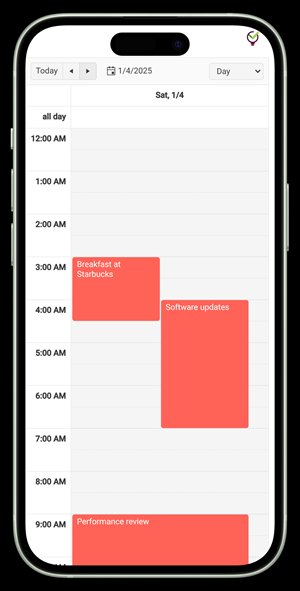
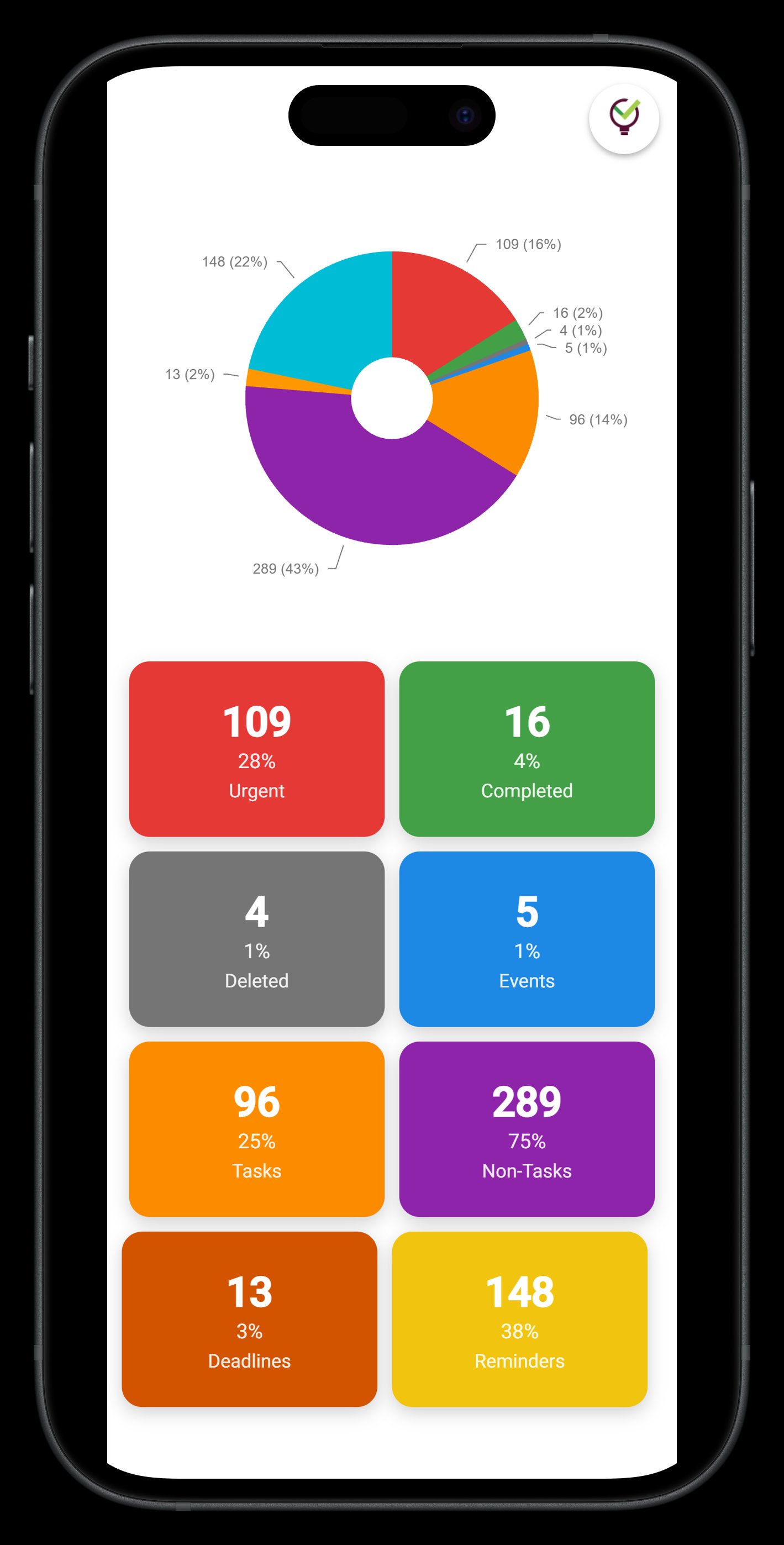
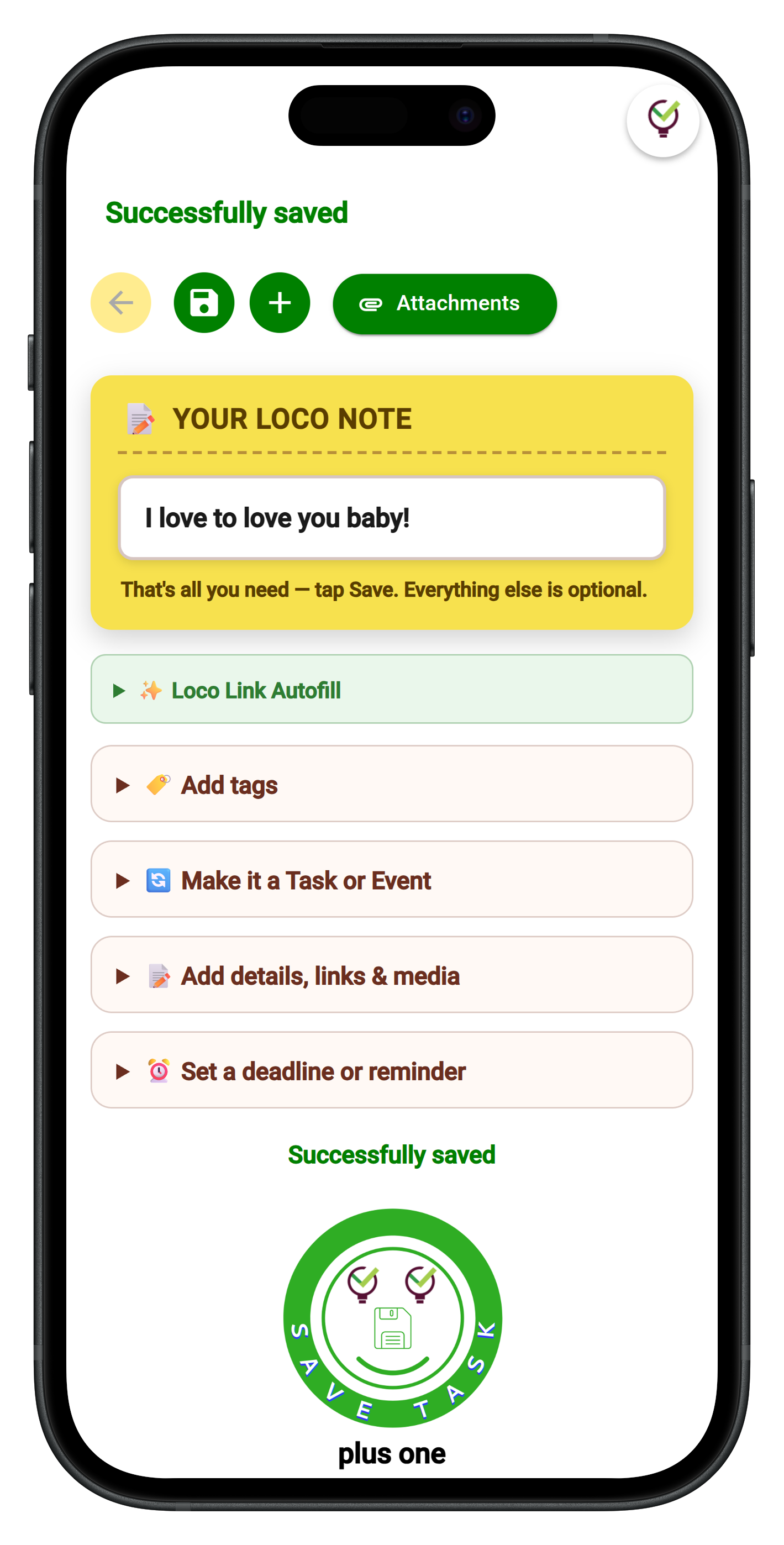
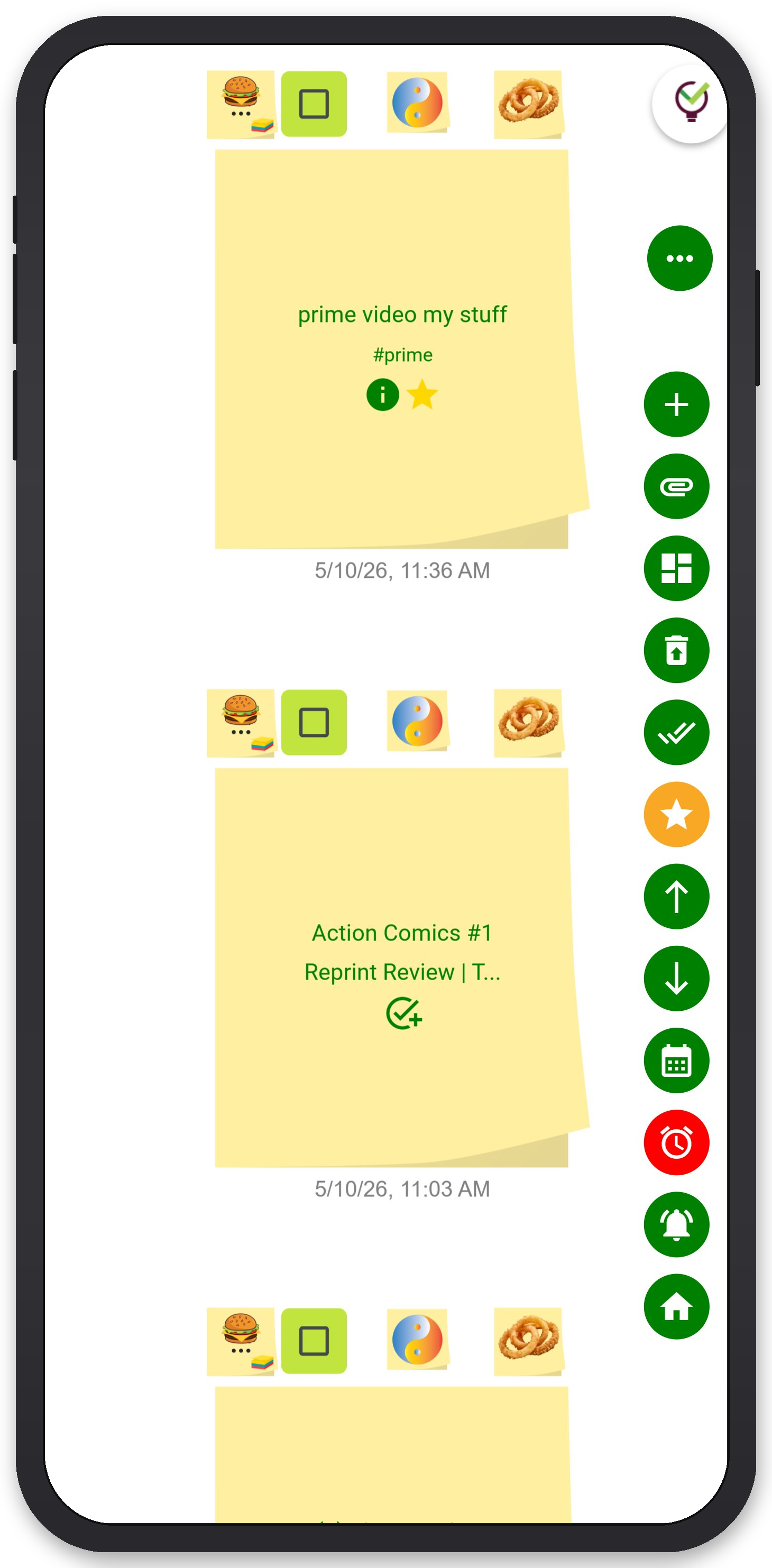
TaskLoco works particularly well for SAT prep because it combines task management with file attachments and reminders. You can create separate notes for each study session, attach practice test PDFs, set reminders for review sessions, and share study materials with tutors or study partners. The calendar view helps you visualize your three-week study cycles, while file storage keeps all your prep materials organized in one place.
The key is choosing tools that enhance your system rather than complicating it. Whether you use a simple notebook or a sophisticated app, consistency matters more than the specific tool.

TaskLoco Premium is regularly $9.99/month per person. Right now, charter members can lock in 50% off the regular price — forever. That means $4.99/month per person today. And if our price ever goes up, you still pay half. Always.
Code CHARTER50 auto-applies at checkout. First 500 spots only — once they're gone, this offer is gone permanently. Act fast while spots last.
Every Premium subscription includes unlimited notes, 10GB file storage, reminders, calendar, and team sharing. Each team member requires a separate subscription. 7-day free trial — no charge until day 8. Cancel anytime.
Free Options: TaskLoco
TaskLoco Lite
- Native iPhone & Android app
- Completely anonymous — no sign-in
- Data stays on your device
- Up to 20 notes
- Free forever
TaskLoco Lite Plus+
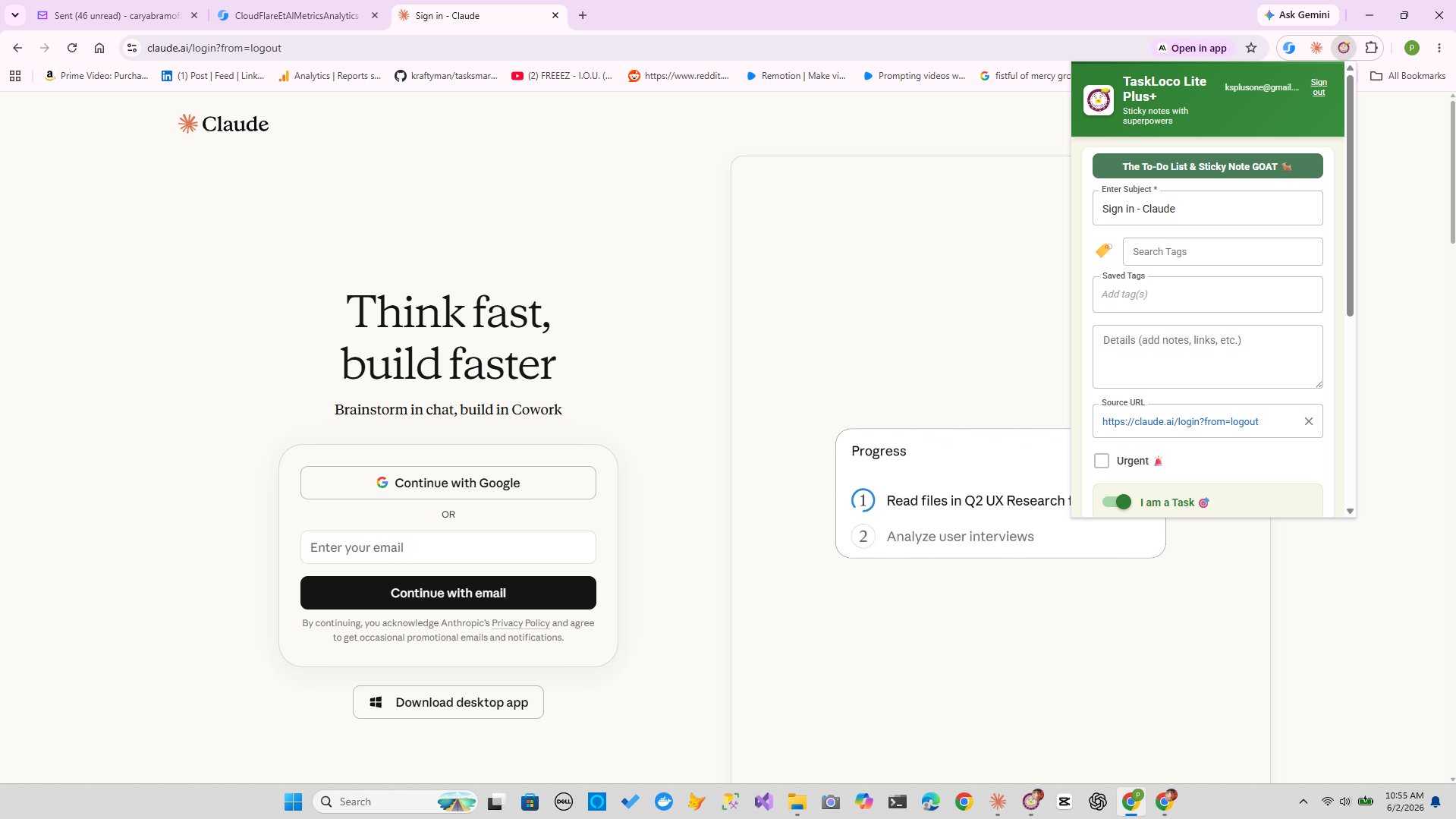
- Web app + Chrome extension
- Sign in with Google
- Wall syncs across all devices
- Up to 30 notes
- Free forever
Lock In 50% Off — Forever
7-day free trial. No charge until day 8. CHARTER50 auto-applies at checkout.
🔒 Lock In My Charter SpotSee TaskLoco in Action
Frequently Asked Questions
How long should I spend organizing my SAT prep before I start studying?
Spend one full day setting up your organizational system before diving into content study. Take a baseline practice test, create your study schedule template, and set up your tracking methods. This upfront investment saves dozens of hours of inefficient studying later.
Should I organize my SAT prep by subject or by test date?
Organize by three-week cycles that rotate through all subjects, not by isolating one subject at a time. Each cycle should include concept learning, practice, and testing for all sections. Subject isolation often leads to forgetting earlier material.
How often should I review my SAT prep organization system?
Review and adjust your system every three weeks, coinciding with your practice test schedule. Look at what's working, what's not, and where you're seeing the most improvement. Adjust time allocation based on your evolving weak areas.
What's the biggest mistake students make when organizing SAT prep?
Focusing too much on new material and not enough on reviewing mistakes. Most students spend 80% of their time learning new concepts and only 20% reviewing errors. Flip this ratio — review and reinforce previous mistakes more than you learn new material.
How do I stay motivated with my SAT prep organization system?
Track small wins beyond just practice test scores. Record your improvement on specific question types, faster completion times, or consecutive days of study. Seeing progress in multiple areas keeps motivation high during score plateaus.
Should I organize differently if I'm retaking the SAT?
Yes — focus your organization entirely on mistake patterns from your previous test and practice sessions. Spend minimal time on concepts you've already mastered and maximum time on persistent weak areas. Your organization should be much more targeted the second time around.
How do I organize SAT prep while balancing schoolwork?
Integrate SAT prep into your existing study routine rather than treating it as separate. Use SAT reading passages for English class analysis, apply SAT math strategies to homework problems, and schedule SAT study during your most productive daily time slots.
Born in Brooklyn. Powered by AWS. Your data stays yours.
TaskLoco is available on iPhone, Android, Chrome, and every web browser.