Your to-do list has 47 items. Three are screaming urgent. Five feel important but not urgent. The rest? Complete mystery whether they matter at all. Sound familiar?
The problem isn't having too much to do — it's not knowing what to do first. Task prioritization is the difference between productive days and chaotic scrambling. Here's how to master it using proven frameworks that actually work in real life.
TaskLoco Premium is regularly $9.99/month per person. Right now, charter members can lock in 50% off the regular price — forever. That means $4.99/month per person today. And if our price ever goes up, you still pay half. Always.
Code CHARTER50 auto-applies at checkout. First 500 spots only — once they're gone, this offer is gone permanently. Act fast while spots last.
Every Premium subscription includes unlimited notes, 10GB file storage, reminders, calendar, and team sharing. Each team member requires a separate subscription. 7-day free trial — no charge until day 8. Cancel anytime.
Free Options: TaskLoco vs General productivity
TaskLoco Lite
- Native iPhone & Android app
- Completely anonymous — no sign-in
- Data stays on your device
- Up to 20 notes
- Free forever
TaskLoco Lite Plus+
- Web app + Chrome extension
- Sign in with Google
- Wall syncs across all devices
- Up to 30 notes
- Free forever
The Eisenhower Matrix: Urgent vs Important
President Eisenhower said, "What is important is seldom urgent and what is urgent is seldom important." His matrix divides tasks into four quadrants:
- Quadrant 1: Urgent + Important (crises, emergencies) — Do first
- Quadrant 2: Important but not urgent (planning, prevention, skill-building) — Schedule
- Quadrant 3: Urgent but not important (interruptions, some emails) — Delegate
- Quadrant 4: Neither urgent nor important (time wasters, mindless scrolling) — Delete
The magic happens in Quadrant 2. Successful people spend most of their time on important but not urgent tasks — the stuff that prevents fires instead of fighting them.
The MoSCoW Method: Must, Should, Could, Won't
MoSCoW prioritization comes from software development but works perfectly for any task list:
- Must have: Non-negotiable, mission-critical tasks
- Should have: Important but not deal-breakers if delayed
- Could have: Nice-to-haves that add value but aren't essential
- Won't have: Tasks you're explicitly not doing (yet)
The genius is in the "Won't have" category. By actively choosing what not to do, you give yourself permission to ignore distractions guilt-free.
Start each week by categorizing your tasks. Tackle all "Must" items first, then "Should," and finally "Could" if time allows.
RICE Scoring: Reach, Impact, Confidence, Effort
For complex decisions, RICE scoring assigns numerical values to help you compare tasks objectively:
- Reach: How many people/areas does this affect?
- Impact: How much positive change will this create?
- Confidence: How sure are you this will work?
- Effort: How much time/resources does this require?
Calculate: (Reach × Impact × Confidence) ÷ Effort = Priority Score
A task affecting 100 people (Reach: 100) with high impact (3/3), high confidence (80%), requiring medium effort (5 weeks) gets: (100 × 3 × 0.8) ÷ 5 = 48 points.
Why Digital Sticky Notes Work Best for Prioritization
Complex prioritization apps often create more work than they solve. You spend more time managing the system than doing actual work. Digital sticky notes strike the perfect balance — flexible enough for any method, simple enough to actually use.
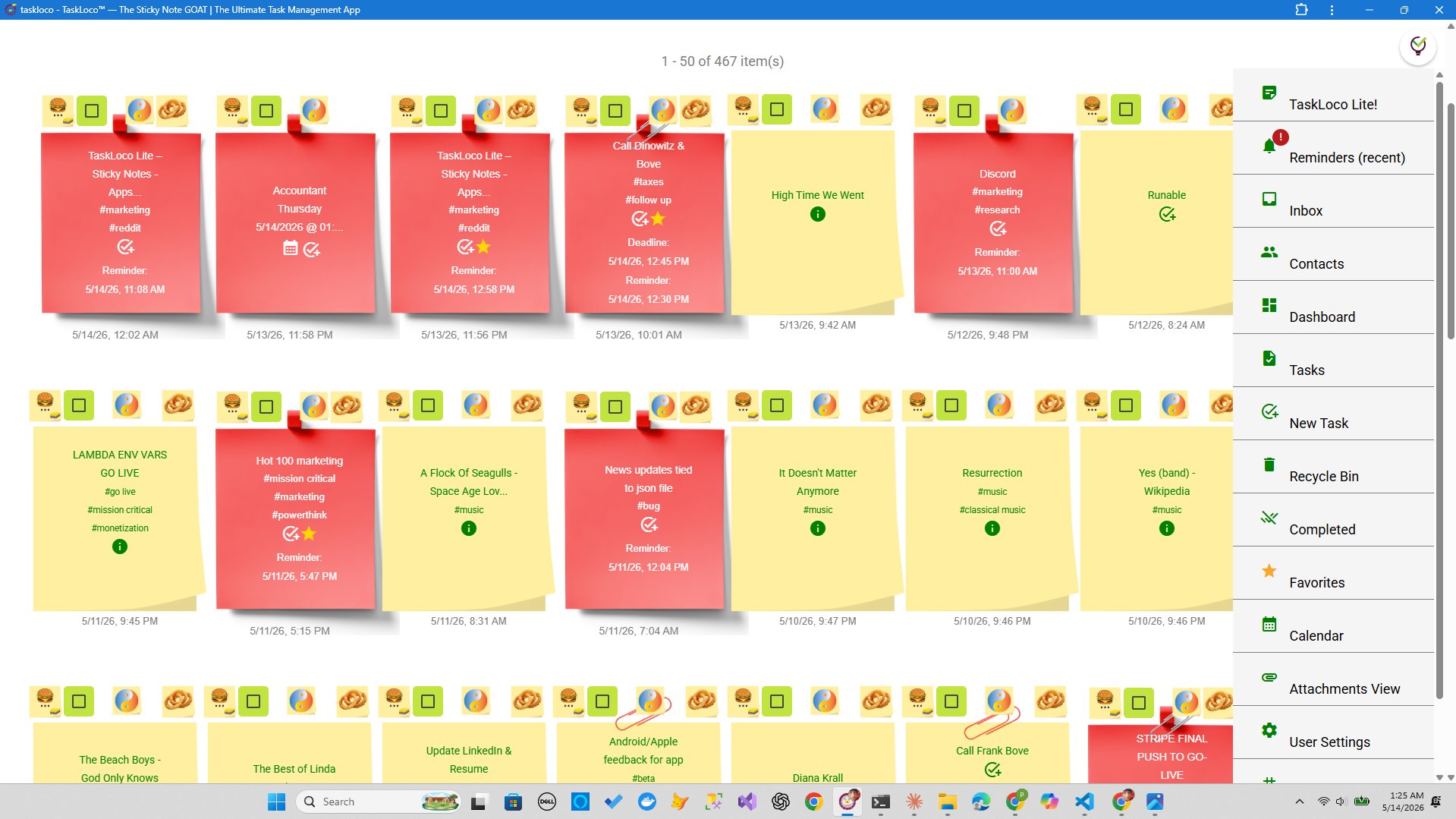
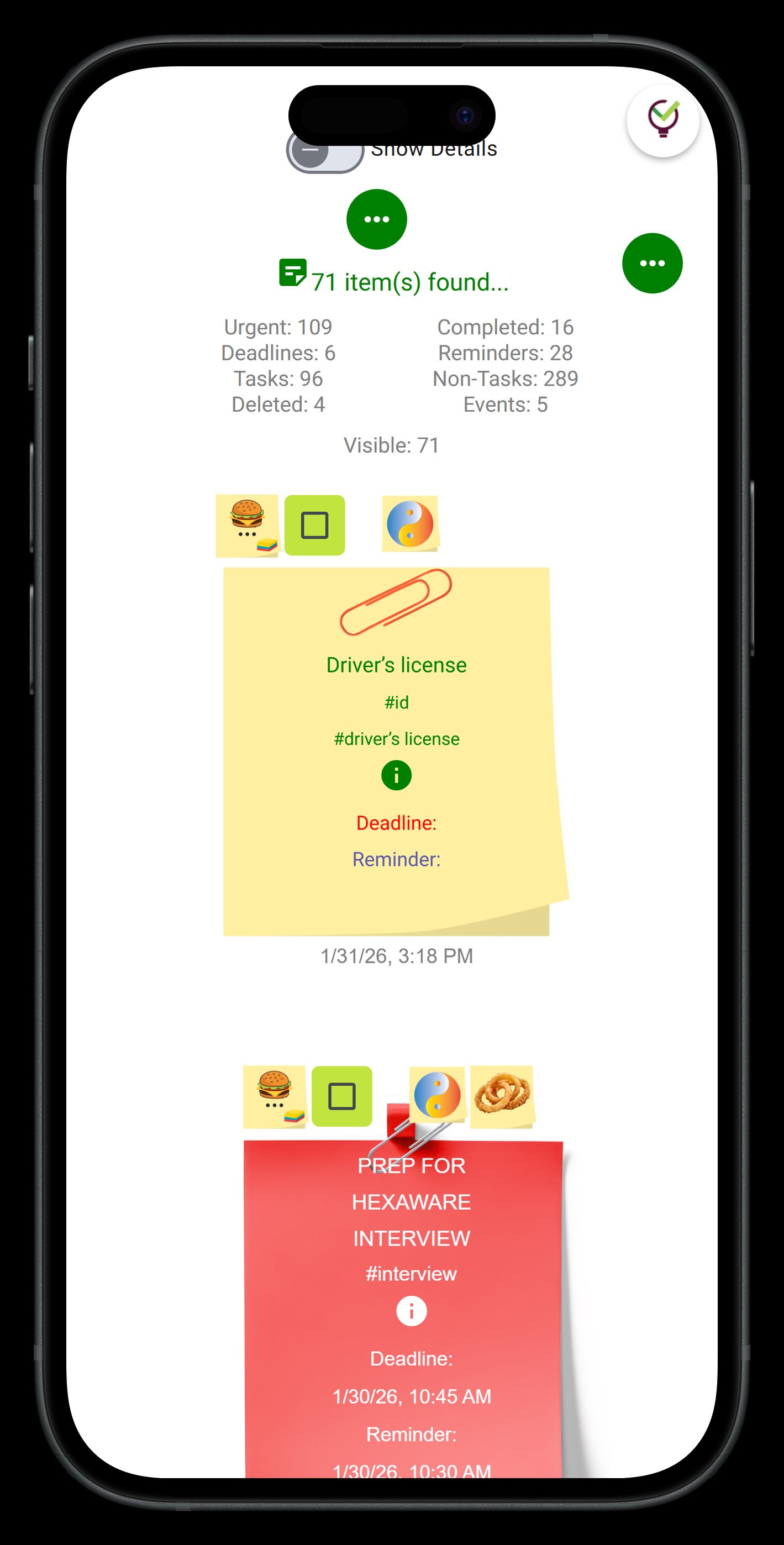
TaskLoco makes prioritization effortless with visual organization. Arrange notes by priority on your digital wall. Color-code by category. Move urgent tasks to the top. The spatial layout makes priorities obvious at a glance.
Unlike rigid project management tools, sticky notes adapt to how you think. Need to switch from Eisenhower Matrix to MoSCoW mid-week? Just rearrange your notes. No complex reconfiguration required.
TaskLoco Premium includes reminders so your prioritized tasks never get forgotten, plus file attachments for supporting documents. Each team member needs their own subscription, but you get full team sharing with real-time updates.
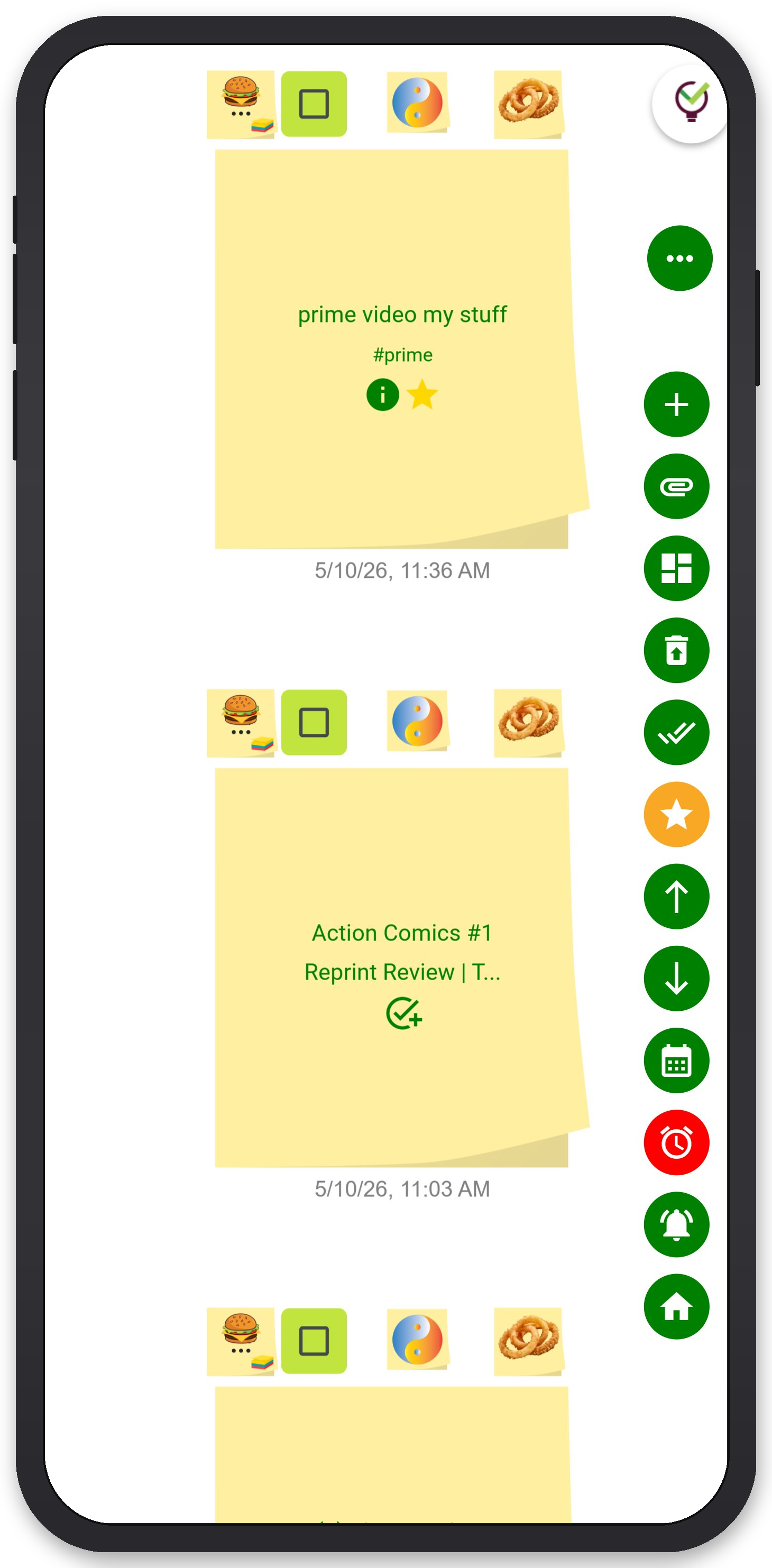
The Honest Comparison
| Feature | TaskLoco | General productivity |
|---|---|---|
| Visual priority organization | Spatial arrangement on digital wall — move high-priority notes to top FREE | Text-based lists with priority labels |
| Eisenhower Matrix support | Color-code notes by quadrant, arrange spatially for instant visual clarity FREE | Manual categorization in separate apps |
| MoSCoW categorization | Group notes by category, color-code Must/Should/Could/Won't sections FREE | Tags and filters in complex interfaces |
| Priority reminders | Set reminders on high-priority tasks so nothing falls through cracks | Manual calendar entries |
| Quick priority changes | Drag and drop to reorder — no forms or menus to navigate FREE | Multi-step editing workflows |
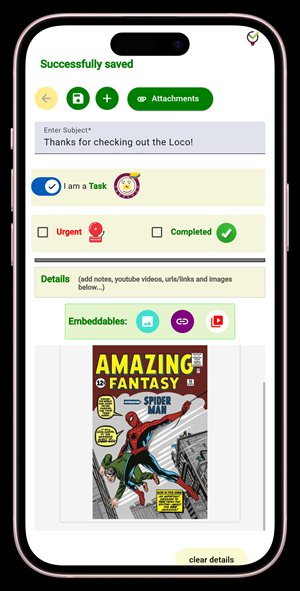
| RICE scoring attachments | Attach scoring spreadsheets directly to task notes for reference | Separate file management systems |
| Team priority sharing | Share priority boards with team, real-time updates when priorities change | Email updates and meeting discussions |
| Offline priority access | TaskLoco Lite works completely offline — priorities available anywhere FREE | Requires internet connection |
| No learning curve | Sticky notes are instantly familiar — start prioritizing immediately FREE | Complex project management interfaces require training |
| Cross-device priority sync | Priorities sync across phone, desktop, Chrome extension automatically FREE | Platform-specific apps with limited sync |
| Priority method flexibility | Switch between Eisenhower, MoSCoW, RICE without system reconfiguration FREE | Locked into specific prioritization frameworks |
| Advanced project dependencies | Basic task relationships only | Full Gantt charts and dependency mapping |
| Automated priority scoring | Manual prioritization only | AI-powered priority suggestions and scoring |
| Priority analytics | Basic completion tracking | Detailed priority effectiveness reporting |
| Enterprise priority workflows | Individual and small team prioritization | Complex multi-level approval and escalation systems |
| Natural language priority input | Manual organization required | "Make this high priority" automatically categorizes tasks |
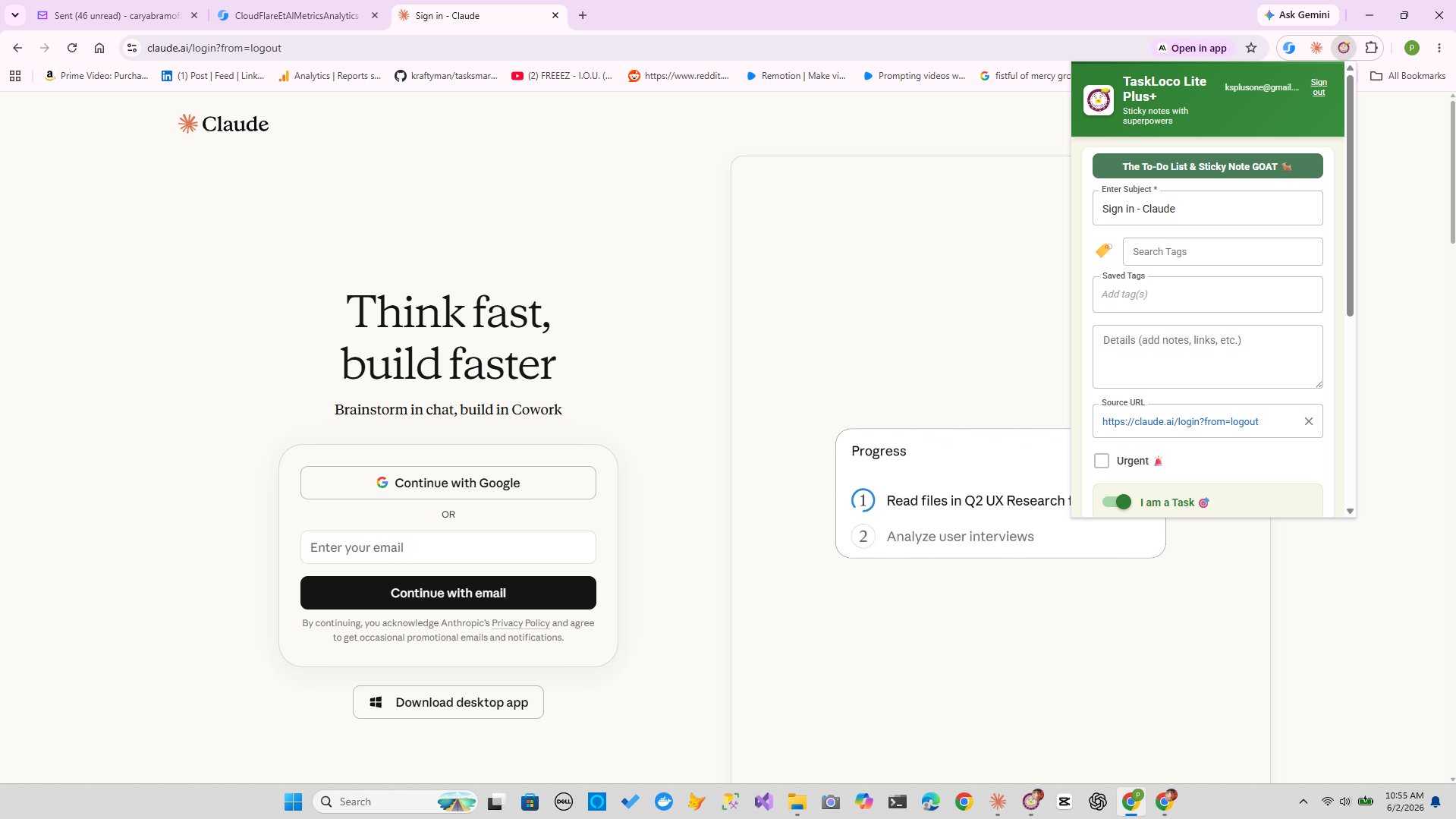
| One-click webpage capture | Chrome extension captures any webpage as prioritizable task instantly FREE | Manual copy-paste or separate browser bookmarks |
| Anonymous quick start | TaskLoco Lite requires no sign-up — start prioritizing immediately FREE | Account creation required |
| Priority search | Full-text search across all priority categories and attached files FREE | Basic keyword search only |
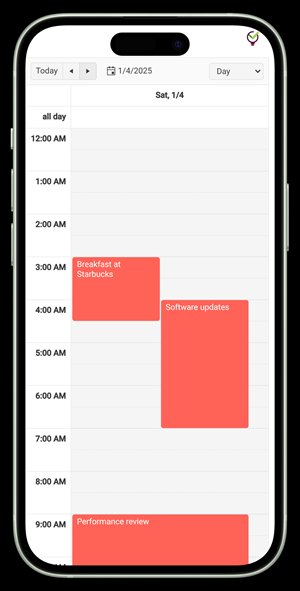
| Calendar priority view | See prioritized tasks in calendar context with due dates | Separate calendar integration required |
Who Should Use Each
Use TaskLoco if…
- You want visual prioritization that feels like arranging physical sticky notes
- You need flexibility to switch between different prioritization methods
- You prefer simple systems that work immediately without training
- You want offline access to your priorities when internet is unavailable
- You need basic team sharing without enterprise complexity
Use General productivity if…
- You need automated priority scoring and AI-powered suggestions
- You require advanced project dependencies and Gantt chart prioritization
- You want detailed analytics on prioritization effectiveness
- You need enterprise-grade priority workflows with approval chains
- You prefer complex project management tools with extensive customization
Lock In 50% Off — Forever
7-day free trial. No charge until day 8. CHARTER50 auto-applies at checkout.
🔒 Lock In My Charter SpotSee TaskLoco in Action
Frequently Asked Questions
What's the best task prioritization method for beginners?
Start with the Eisenhower Matrix. It's simple — just ask "Is this urgent?" and "Is this important?" Focus on important-but-not-urgent tasks (Quadrant 2) for the biggest long-term impact.
How often should I reprioritize my tasks?
Review priorities weekly, adjust daily. Do a complete priority review every Sunday, then make small adjustments each morning based on new information or changing deadlines.
Should I prioritize by deadline or importance?
Importance trumps deadlines for long-term success. Handle truly urgent deadlines first, but don't let urgent-but-unimportant tasks crowd out important strategic work. The Eisenhower Matrix helps balance both.
How many high-priority tasks should I have?
Maximum 3 high-priority tasks per day. If everything is high priority, nothing is. Force yourself to make hard choices — it's better to complete 3 important tasks than to half-finish 10.
What if I can't decide between two equally important tasks?
Use RICE scoring for objective comparison, or ask: "Which task, if completed, makes the other task easier or unnecessary?" Often one task unlocks progress on others.
How do I prioritize when everything feels urgent?
Step back and question the urgency. Ask: "What happens if this waits until tomorrow?" Real emergencies are rare — most "urgent" tasks are poor planning in disguise. Focus on root causes, not symptoms.
Can TaskLoco help with team priority alignment?
$9.99/month per person (currently $4.99/month per person for first 500 charter members with code CHARTER50)
Born in Brooklyn. Powered by AWS. Your data stays yours.
TaskLoco is available on iPhone, Android, Chrome, and every web browser.