Most people don't lack time. They lack uninterrupted time. A single hour of genuine focus — where your brain is fully locked onto one thing — produces more than three or four hours of context-switching and half-attention. The problem isn't willpower. It's that nothing in your environment is set up to defend that hour once it begins.
This is a system problem, not a character problem. Notifications, open browser tabs, unclear task lists, and colleagues who assume you're always available all conspire to make deep work feel impossible. The fix is a small set of deliberate friction points you set up before the hour starts, not during it. Here's exactly how to do it.
Step One: Decide What the Hour Is For Before It Starts
The single biggest focus killer isn't your phone — it's arriving at a blocked hour without a clear, specific task. When you sit down and think okay, what should I work on? you've already lost five to ten minutes and invited every competing priority into your head at once.
The fix: the night before, or first thing in the morning before you open anything, write down one sentence that completes this prompt — "During my focus hour today, I will finish _____." Not "work on the report." Not "make progress on the project." Something specific enough that you'll know when it's done: "Draft the first three sections of the Q3 summary." "Finish the wireframe for the onboarding screen." "Write all the copy for the homepage hero."
Specificity does two things. It eliminates the decision overhead at the start of the hour. And it gives your brain a finish line, which is neurologically motivating in a way that open-ended effort is not. Write it down somewhere physical or in a notes app you already have open — the act of writing commits it.
Step Two: Build a Pre-Focus Ritual That Cuts Off Every Interruption Source
Interruptions don't just cost you the time they take — they cost you the recovery time afterward. Research on attention restoration consistently shows that after a notification or context switch, it takes an average of 20+ minutes to return to the same depth of focus. One interruption in a 60-minute block can effectively ruin it.
Before your focus hour starts, work through this short checklist. It takes under two minutes and it works:
- Phone: Turn on Do Not Disturb. Put it face-down, ideally in a drawer or another room. Physical distance from your phone measurably reduces cognitive load even when it's silent.
- Computer notifications: On Mac, enable Focus mode or Do Not Disturb. On Windows, turn on Focus Assist. Close Slack, Teams, and email — don't just silence them, close the app entirely. A badge count you can see is a distraction.
- Browser tabs: Close everything unrelated to your task. If you need reference material, open exactly those tabs. A browser with 40 open tabs is an anxiety machine.
- People: If you work with others, signal that you're unavailable. A Slack status, a closed door, headphones, a calendar block marked "focus time" — pick whatever communicates "not now" in your environment. You don't need permission to do this; you need a consistent signal people learn to read.
- Your task list: Write down any loose thoughts, errands, or nagging to-dos that surface right before you start. Get them out of your head and onto paper. Your brain will stop rehearsing them once they're captured.
The point of this ritual isn't perfection — it's friction reduction. Every interruption source you eliminate before the hour starts is one that can't pull you out of flow once you're in it.
Step Three: Protect the Hour From Yourself
External interruptions are the obvious enemy, but internal ones are just as destructive. Mid-task, your brain will generate its own diversions: suddenly remembering an email you forgot to send, wondering whether your approach is the right one, feeling an urge to check something "real quick." These aren't failures of discipline — they're how brains work under sustained effort.
Three techniques that actually help:
The capture habit: Keep a blank piece of paper or a note next to you during your focus hour. The moment a stray thought surfaces — a task to do later, an idea to follow up on, a worry — write it down on that paper and immediately return to your task. Don't act on it. Don't think about it further. The capture removes the mental pressure to remember it. You'll handle it after the hour ends.
The "good enough to continue" rule: Perfectionism is a common mid-session killer. You write a paragraph, decide it's bad, and start revising instead of continuing forward. For a focus hour, give yourself permission to produce imperfect first drafts. The goal is completion of the session task, not a finished product. You can refine later.
Time anchoring: Use a visible timer — phone timer, a kitchen timer, a browser tab with a countdown. Knowing the hour is bounded makes it psychologically easier to stay in it. "I only have to hold this for 47 more minutes" is easier to act on than an open-ended stretch of work time. The Pomodoro technique uses 25-minute blocks for the same reason, but a full 60-minute unbroken session produces deeper work once you've built the habit.
How TaskLoco Fits Into This System
Everything above works with nothing but a piece of paper and a timer. But if you want a digital layer that actually supports this habit rather than adding to your notification load, TaskLoco is worth a look.
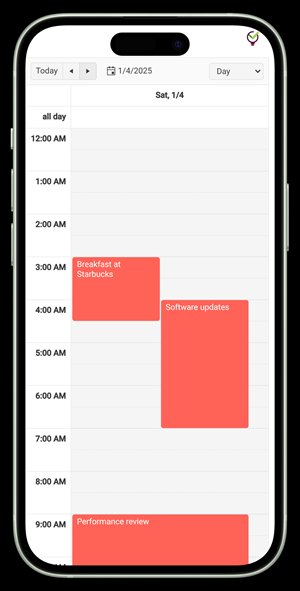
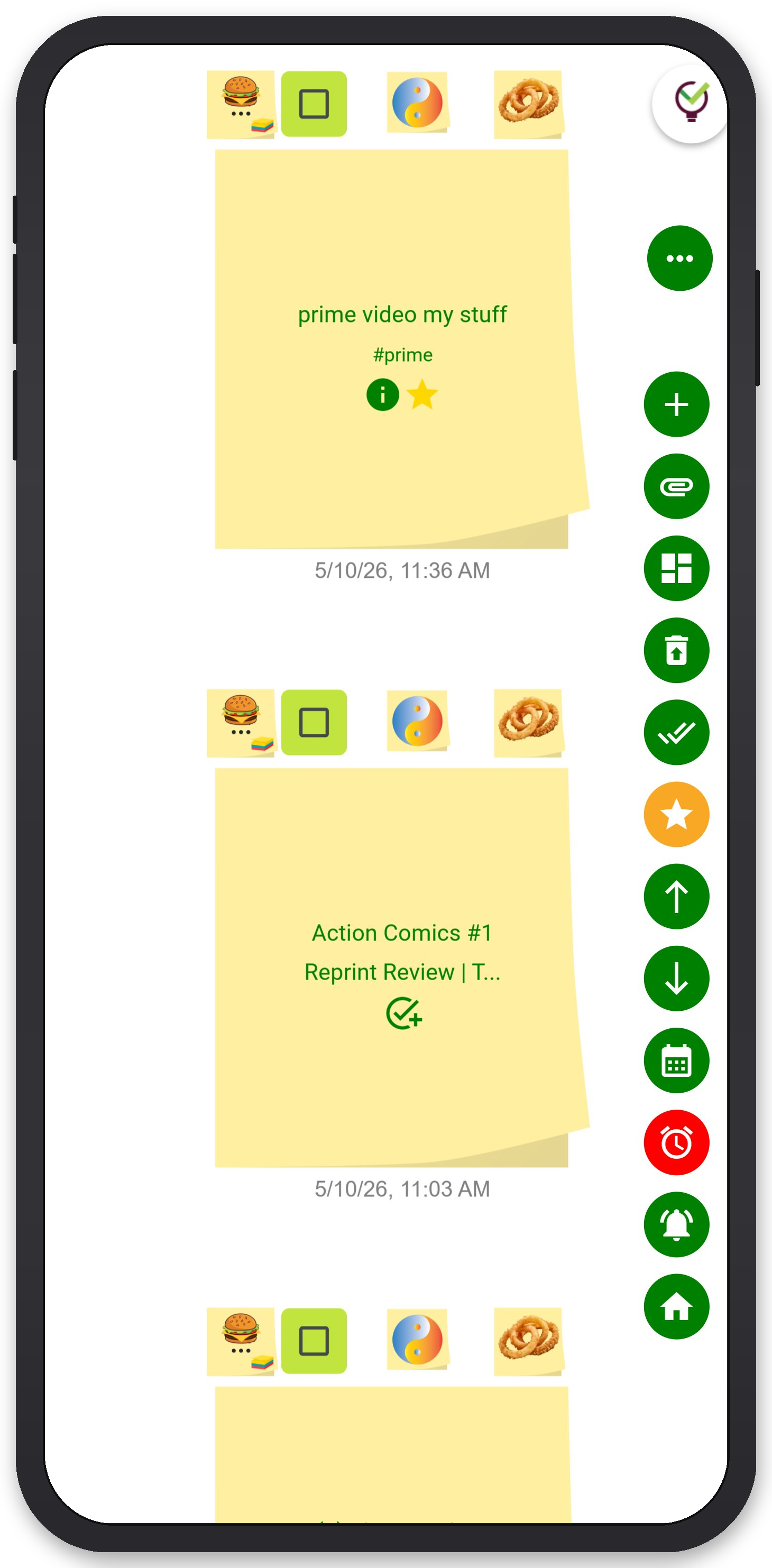
The core idea in TaskLoco is the sticky note — fast to create, easy to scan, and structured around your actual tasks rather than projects and dependencies. For a focus-hour system, that translates into a few practical uses:
- Your one-task note: Write your focus task in a TaskLoco note the night before. It's the first thing you see when you open the app, and you can pin it to the top of your wall so it doesn't get buried.
- Your capture sheet, digitized: During your focus hour, instead of a paper capture sheet, keep a single TaskLoco note open for stray thoughts. Write them in and close the tab. They're there when the hour ends.
- Reminders that deep-link back: TaskLoco Premium reminders fire as push notifications directly to your phone and computer — and tapping the notification takes you straight back to the note it came from. Set a reminder on your focus-task note 10 minutes before the hour starts. You'll never forget to actually begin the block you planned.
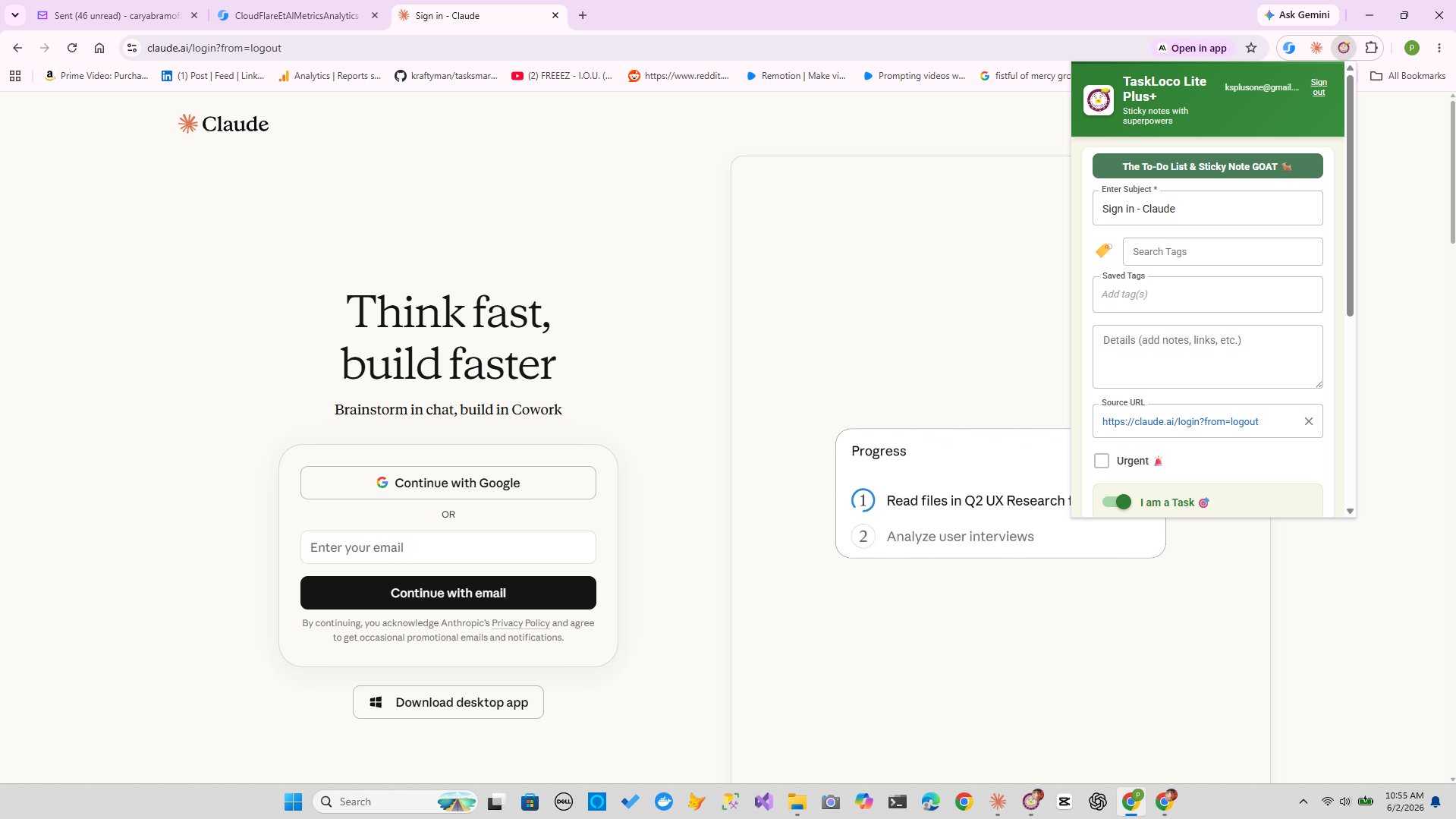
- The Chrome extension: If your work involves research or web references, the Chrome extension lets you capture any webpage into a note in one click. No tab-hopping, no copy-pasting — the reference is in your note wall waiting for the hour.
TaskLoco Lite is free, anonymous, and requires no account — it stores up to 20 notes on your device and is available natively on iPhone and Android. For reminders, file attachments, unlimited notes, and team sharing, that's TaskLoco Premium.
TaskLoco Premium is regularly $9.99/month per person. Right now, charter members can lock in 50% off the regular price — forever. That means $4.99/month per person today. And if our price ever goes up, you still pay half. Always.
Code CHARTER50 auto-applies at checkout. First 500 spots only — once they're gone, this offer is gone permanently. Act fast while spots last.
Every Premium subscription includes unlimited notes, 10GB file storage, reminders, calendar, and team sharing. Each team member requires a separate subscription. 7-day free trial — no charge until day 8. Cancel anytime.
Free Options: TaskLoco
TaskLoco Lite
- Native iPhone & Android app
- Completely anonymous — no sign-in
- Data stays on your device
- Up to 20 notes
- Free forever
TaskLoco Lite Plus+
- Web app + Chrome extension
- Sign in with Google
- Wall syncs across all devices
- Up to 30 notes
- Free forever
Lock In 50% Off — Forever
7-day free trial. No charge until day 8. CHARTER50 auto-applies at checkout.
🔒 Lock In My Charter SpotSee TaskLoco in Action
Frequently Asked Questions
How long should a real focus session be?
For most people, 60 minutes is the practical target. Research on sustained attention suggests that cognitive performance starts declining after 45–90 minutes of intense focus without a break. Beginners should start with 25–30 minutes (the classic Pomodoro length) and work up to 60-minute blocks as the habit solidifies. The key is that the session is unbroken — one 60-minute block beats three 20-minute sessions interrupted by notifications.
What's the best time of day for a focus hour?
Most people do their best deep work in the first 2–4 hours after they fully wake up, before decision fatigue accumulates. For the majority, that means somewhere between 8am and noon. However, about 20–25% of people are genuine evening types who hit peak cognitive performance later in the day. The honest answer: pay attention to when you naturally feel sharpest and protect that window before anything else fills it. Guard it on your calendar like a meeting you can't move.
How do I stop checking my phone during a focus session?
Distance is more effective than willpower. Putting your phone in another room reduces the urge to check it far more reliably than leaving it on your desk face-down. If that's not possible, put it in a bag or drawer — out of your peripheral vision. Turn on Do Not Disturb before the session starts so there's nothing to check even if you pick it up. The goal is to make the first reach for it a conscious, deliberate act, not an automatic reflex.
What if I get interrupted during my focus hour anyway?
It happens. The response matters more than the interruption itself. If you're pulled away, write down exactly where you were in your task — one sentence: "I was in the middle of X, next step is Y." This is called an intention note, and it dramatically cuts the time it takes to re-enter focus when you return. Don't try to finish the hour — restart it from the beginning if you can carve out another block. A contaminated hour isn't a wasted day.
How do I handle urgent Slack or email messages during a focus block?
Set expectations before the hour starts. A Slack status that says "Focus block until 10am — back then" handles most of it. For genuine emergencies, most workplaces have a secondary channel (a direct call, a walk to your desk) that people will use if something truly can't wait. The uncomfortable truth is that almost nothing labeled "urgent" in a Slack message actually requires a response within 60 minutes. You're not being irresponsible — you're doing your best work.
Can I use TaskLoco to manage my focus-hour system?
Yes — and it fits well precisely because it doesn't overcomplicate the system. Write your one focus task in a note, pin it to your wall, and set a push notification reminder to fire before the session starts. Keep a separate capture note open during the hour for stray thoughts. TaskLoco Premium reminders deep-link back to the original note, so when the notification fires, one tap puts you exactly where you need to be. The free tiers (Lite on mobile, Lite Plus+ on web) work for basic note capture with no account required. $9.99/month per person (currently $4.99/month per person for first 500 charter members with code CHARTER50)
What should I do immediately after a focus hour ends?
Two things: take a real break (5–10 minutes away from screens if possible), and process your capture sheet. Go through every stray thought you wrote down during the hour and either delete it, add it to your task list, or schedule it. This closes the mental loops that built up during the session and keeps your capture habit trustworthy — your brain will only keep sending thoughts to the capture sheet if it knows those thoughts actually get handled.
Born in Brooklyn. Powered by AWS. Your data stays yours.
TaskLoco is available on iPhone, Android, Chrome, and every web browser.