You didn't just miss a day. You missed a week, then a month, and somewhere along the way you stopped thinking about it until something — a mirror, a deadline, a conversation — reminded you that you've been off the rails for a while. That's not failure. That's just how humans work. The problem isn't that you fell off. It's that every restart attempt so far has involved rebuilding the entire system on day one, which guarantees you'll fall off again by day three.
This article is about the actual mechanics of getting back on track — not motivation speak, not a new app, not a 30-day challenge. Real steps, in order, that work even when you have zero momentum and a mild sense of shame about the whole situation.
Why You Keep Failing to Restart (And What's Actually Going On)
Most restart attempts fail before they begin because of a specific cognitive trap: the clean-slate illusion. You fell off, so now you need a perfect Monday, a fresh notebook, a new routine, maybe a whole new identity. The bar to re-entry keeps rising until inaction becomes the default again.
There's also the shame spiral. Every day you don't restart becomes evidence that you're the kind of person who doesn't restart — which makes restarting feel like it requires even more energy than it would have the week before. This is a loop, not a character flaw.
The third culprit is scale. The last time you were on track, you had momentum — you could handle a full workout, a long writing session, a complete meal prep. You try to re-enter at that level and fail, which confirms the spiral. The truth is you need to re-enter at a level that feels almost embarrassingly small.
Understanding this isn't just encouraging fluff. It changes the actual behavior. When you know the trap is the setup, you stop trying to build a perfect system and start trying to take one action with a low enough threshold that failure is nearly impossible.
The Actual Method: How to Restart Today
This is not a 12-week transformation plan. It's a sequence you can start in the next ten minutes, with no supplies required.
Step 1: Don't audit. Don't plan. Do one thing first.
The instinct is to assess the damage — figure out how far behind you are, recalibrate your goals, build a new schedule. Resist this completely on day one. All it does is remind you how much you've lost and make action feel contingent on planning. Pick one thing you know you should do. Do it now, before you finish reading this. Even something small: drink a glass of water, write one sentence, do five push-ups. The audit can come after you've moved.
Step 2: Write down exactly what you're trying to restart — in plain language.
Not goals. Not systems. Just the behaviors. "Go to the gym three times a week." "Write 300 words each morning." "Stop ordering food every night." Behaviors are actionable. Goals are not. If you can't describe it as something you do with your body, it's too abstract to restart.
Step 3: Cut everything by 50%.
Whatever you were doing before you fell off — cut it in half for the first two weeks. If you were running four miles, run two. If you were writing 1,000 words, write 500. If you were saving 20% of your income, save 10%. This feels like losing, but it's the only approach with a real re-entry success rate. You're rebuilding the habit loop, not the performance. Performance comes back fast once the loop is solid.
Step 4: Set one anchor trigger — not a time, a trigger.
"I will do X after I do Y" outperforms "I will do X at 7am" by a significant margin (this is well-documented in habit research going back to the 1990s). The trigger doesn't need to be elaborate. "After I make coffee, I write for ten minutes." "After I close my laptop, I change into workout clothes." The trigger becomes the cue; your brain stops having to decide.
Step 5: Give yourself a two-day rule, not a streak.
Streaks are brittle. Miss one day and the whole structure feels broken. Instead, adopt the two-day rule: never miss two days in a row. Miss one? Fine. Miss two? That's a pattern. This keeps you from the all-or-nothing spiral that caused the original fall-off in the first place.
Step 6: Don't tell anyone for the first week.
This sounds counterintuitive — isn't accountability helpful? Yes, but only after you have a few days of traction. Announcing a restart before you've restarted often gives your brain the social reward it was seeking from the behavior itself, reducing the drive to actually do it. Wait until you've had five or six consecutive (or near-consecutive) days. Then tell someone if you want to.
How to Keep the Restart from Becoming Another Fall-Off
Most people restart successfully for four to seven days and then fall off again — often harder than the first time, because now they've "proven" they can't sustain it. This second fall-off is almost always caused by one of three things: scale creep, life interference, or system complexity.
Scale creep is when you start adding things back before the habit loop is stable. You have a good week and suddenly you're back to the full workout, the full writing session, the full meal prep — all at once. Then one hard day hits and the whole stack collapses. The fix: add back only one thing per week, and only after the previous thing has held for at least five days without forcing it.
Life interference is just life. A work sprint, a sick kid, a trip, a bad mental health week. These are inevitable and they're not the problem. The problem is treating them as restarts rather than pauses. When interference happens, your only job is to do something — anything — in the category you're building. Five minutes of the thing is a thousand times better than zero minutes, not because of the output, but because it keeps the loop from breaking.
System complexity is the biggest silent killer. Every tool you add, every habit tracker you set up, every journal format you try is another point of failure. The system should serve the behavior, not replace it. If maintaining your system is starting to feel like a job, strip it back. A note with three things on it is more powerful than an elaborate app setup you'll abandon in two weeks.
There's a useful mental model here: think of your restart not as rebuilding what you had, but as building something new that happens to resemble what you had. The version of you that had the old routine was operating with months or years of compounded momentum. You're starting fresh. Treat it accordingly — with patience, not urgency.
How TaskLoco Can Help You Put This Into Practice
Everything above works with a paper napkin. But if you want a digital setup that doesn't turn into its own project, TaskLoco is worth a look — specifically because it's built around sticky notes, which map almost perfectly to the method described here.
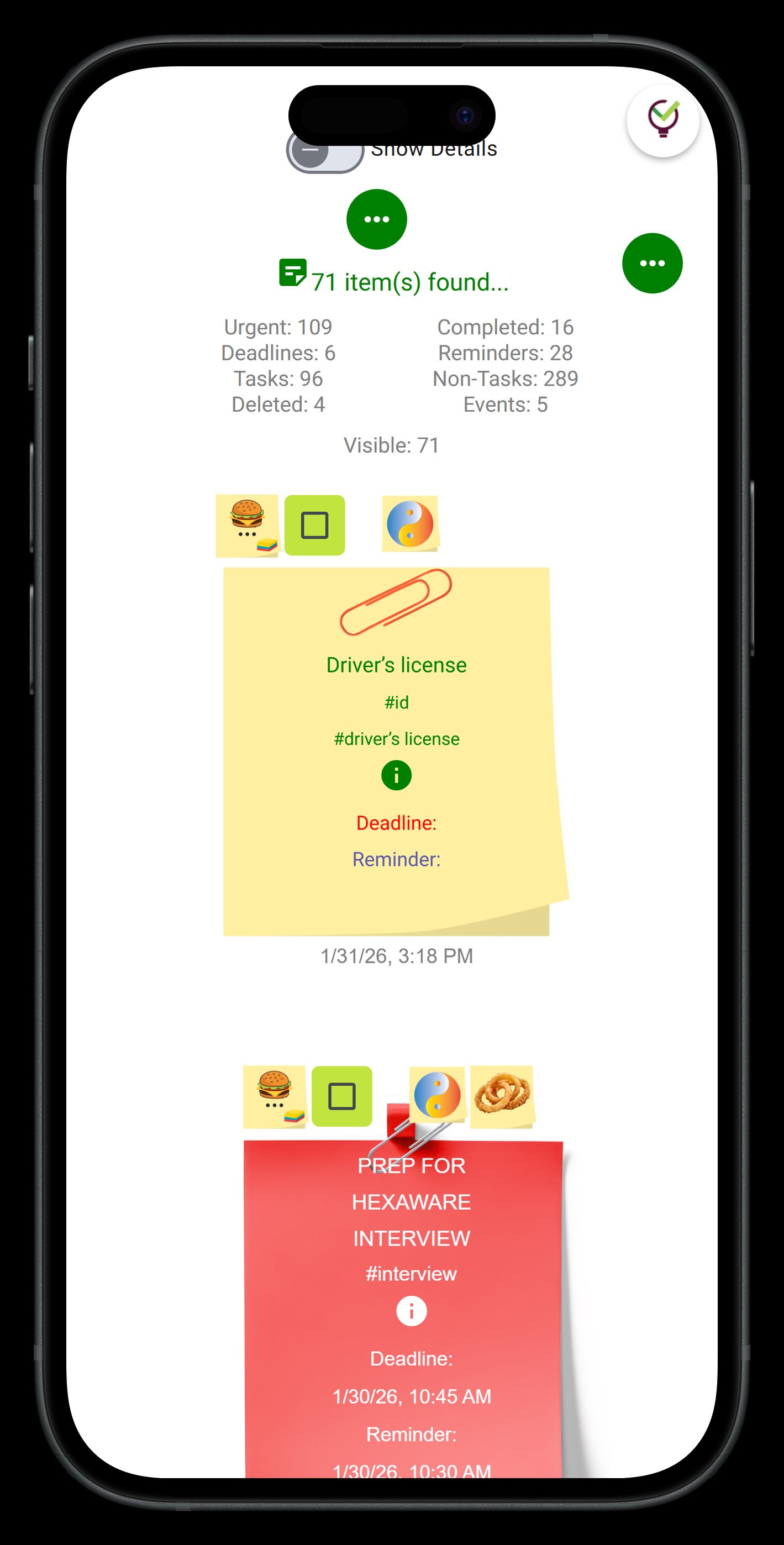
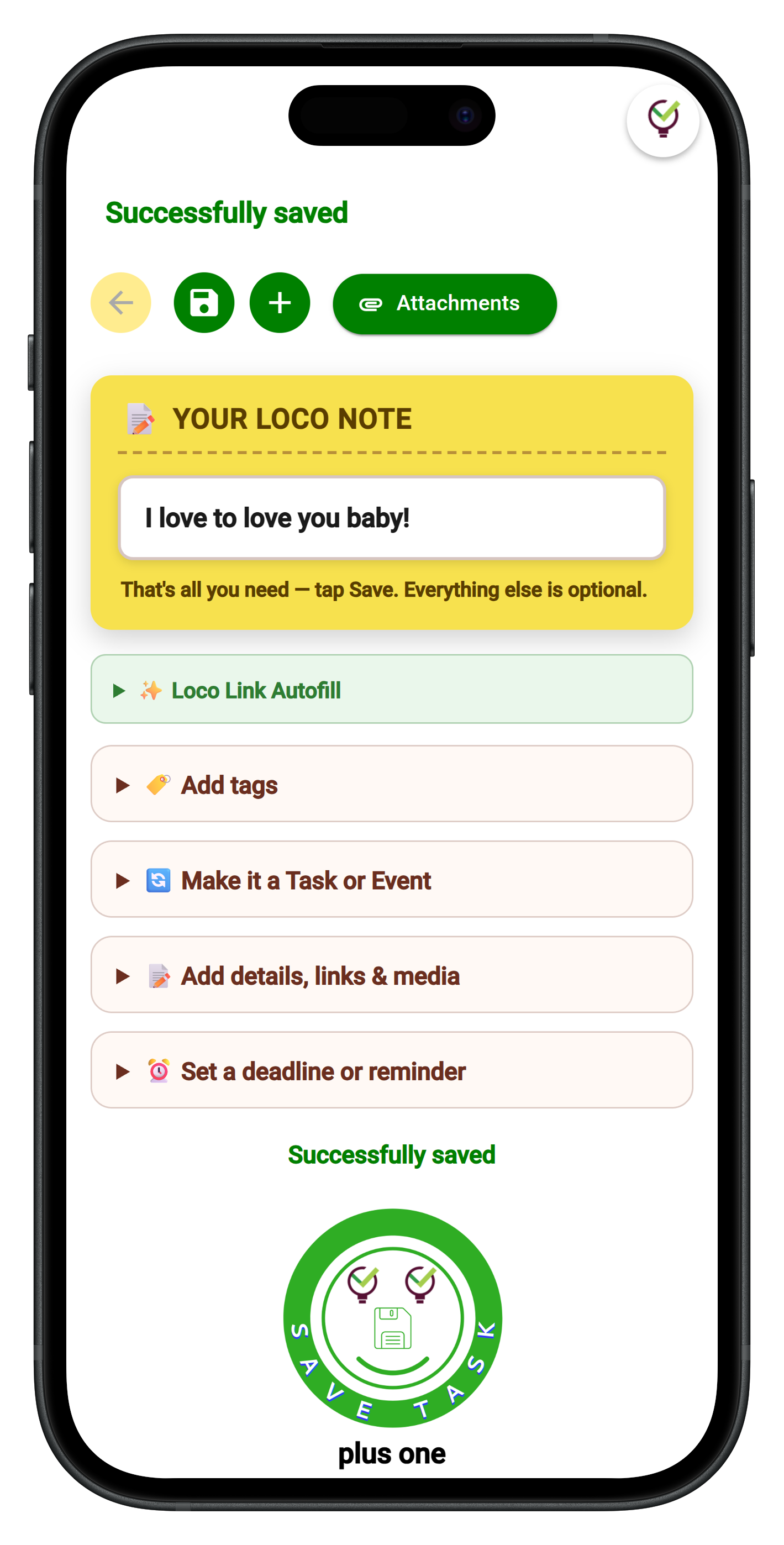
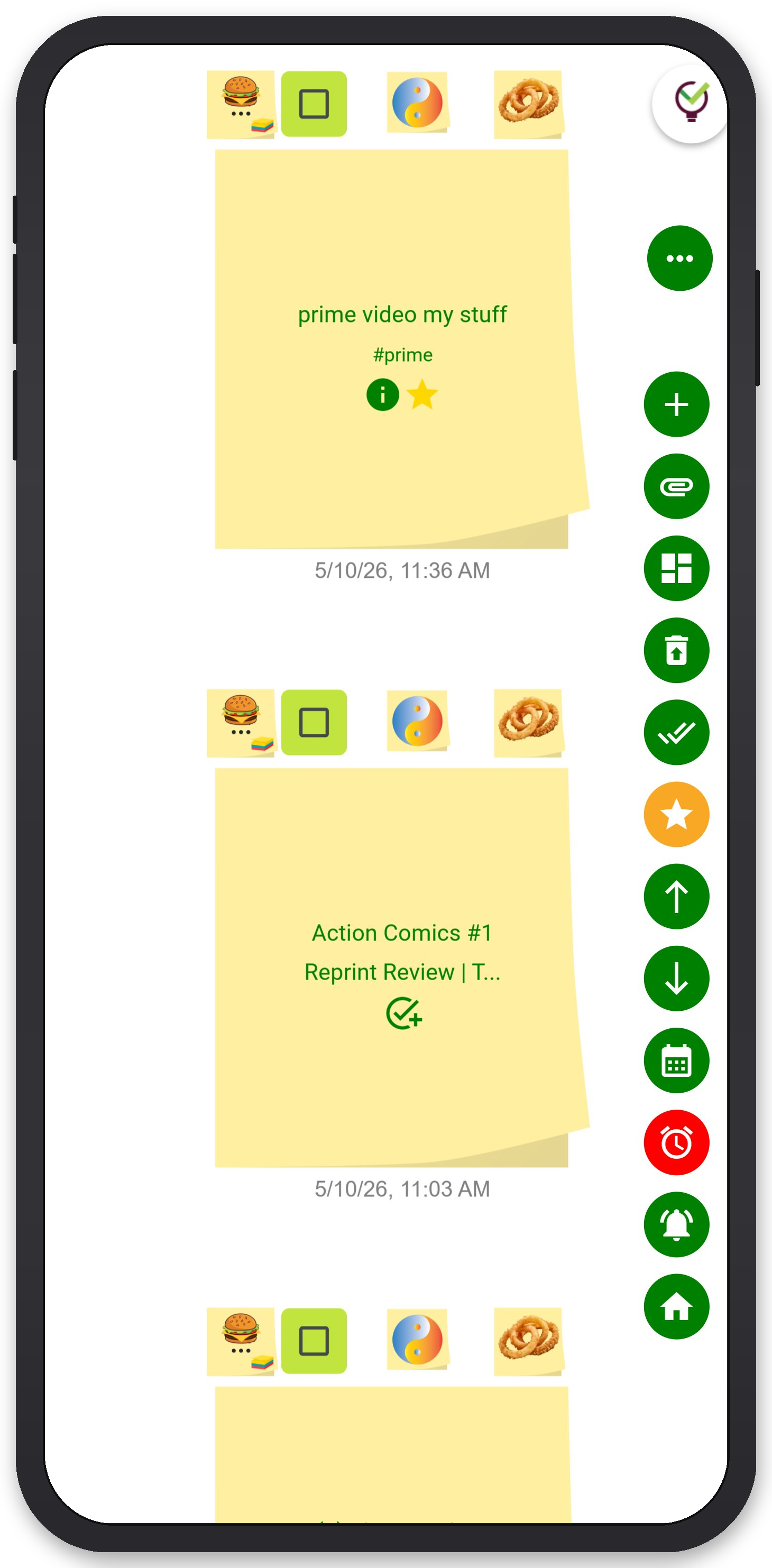
The core use case: create one note per behavior you're restarting. Keep it short — just the behavior, written as an action. Pin those notes to your wall view so they're the first thing you see when you open the app. No elaborate project structure, no subtask trees, no dependencies. Just your three behaviors on the wall, visible and simple.
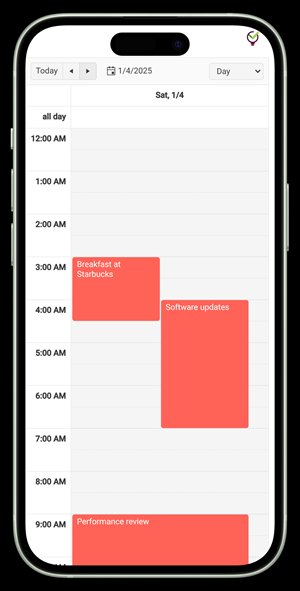
Where TaskLoco's Premium tier adds real value here is reminders. Each note can have a reminder attached — delivered as a push notification to your phone and computer, with optional email and SMS channels as well. The reminder deep-links directly back to the note it's attached to, so when the notification fires, one tap puts you exactly where you need to be. For anchor-trigger habits, this works particularly well: set the reminder for right after your trigger event and let the notification do the job of keeping the loop intact on hard days.
Team sharing is there if you decide to bring in an accountability partner after your first week — share a note, they can clone it and track their own version independently, no permissions setup required. It works the way email does: you send it, they own their copy.
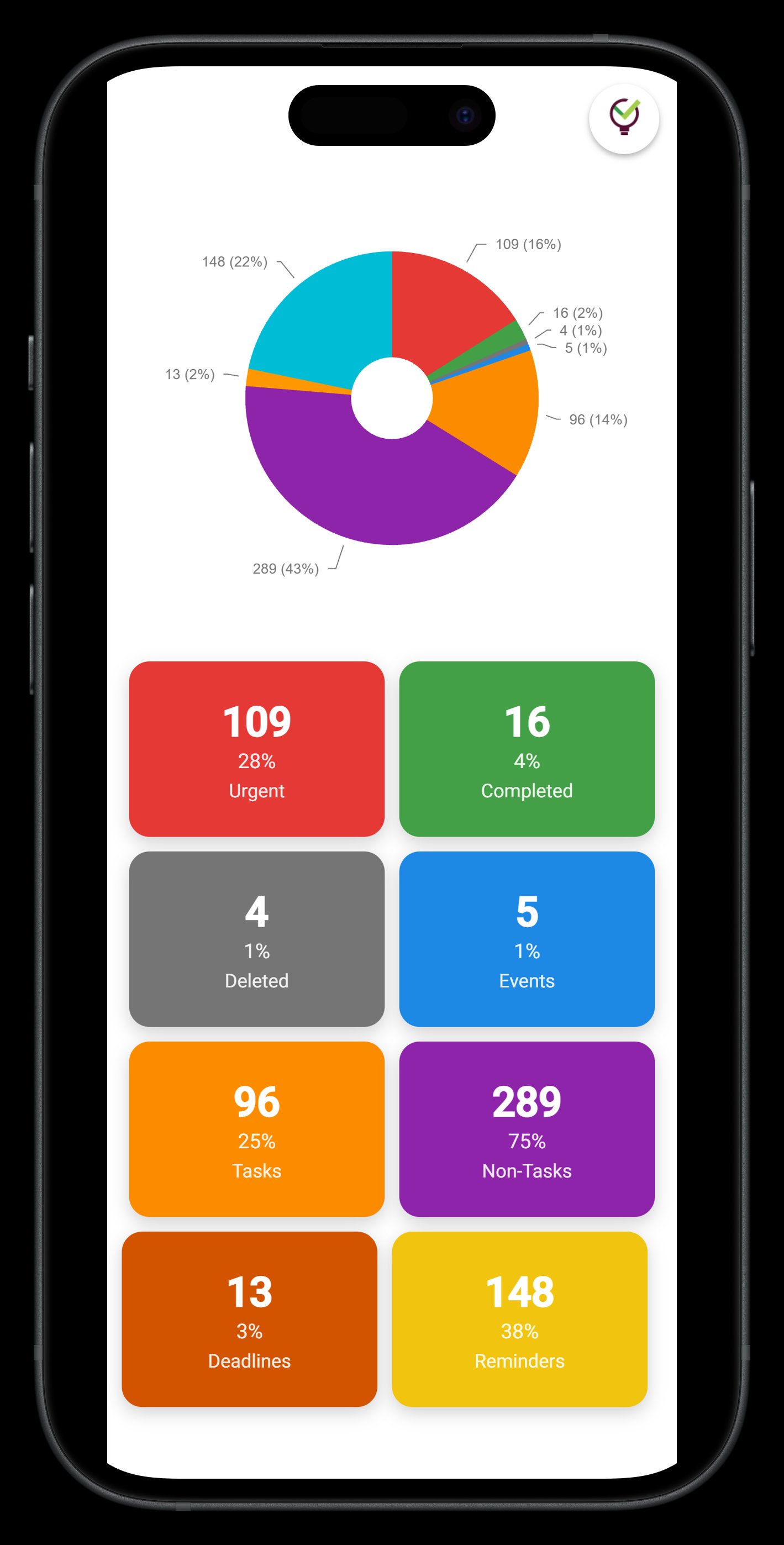
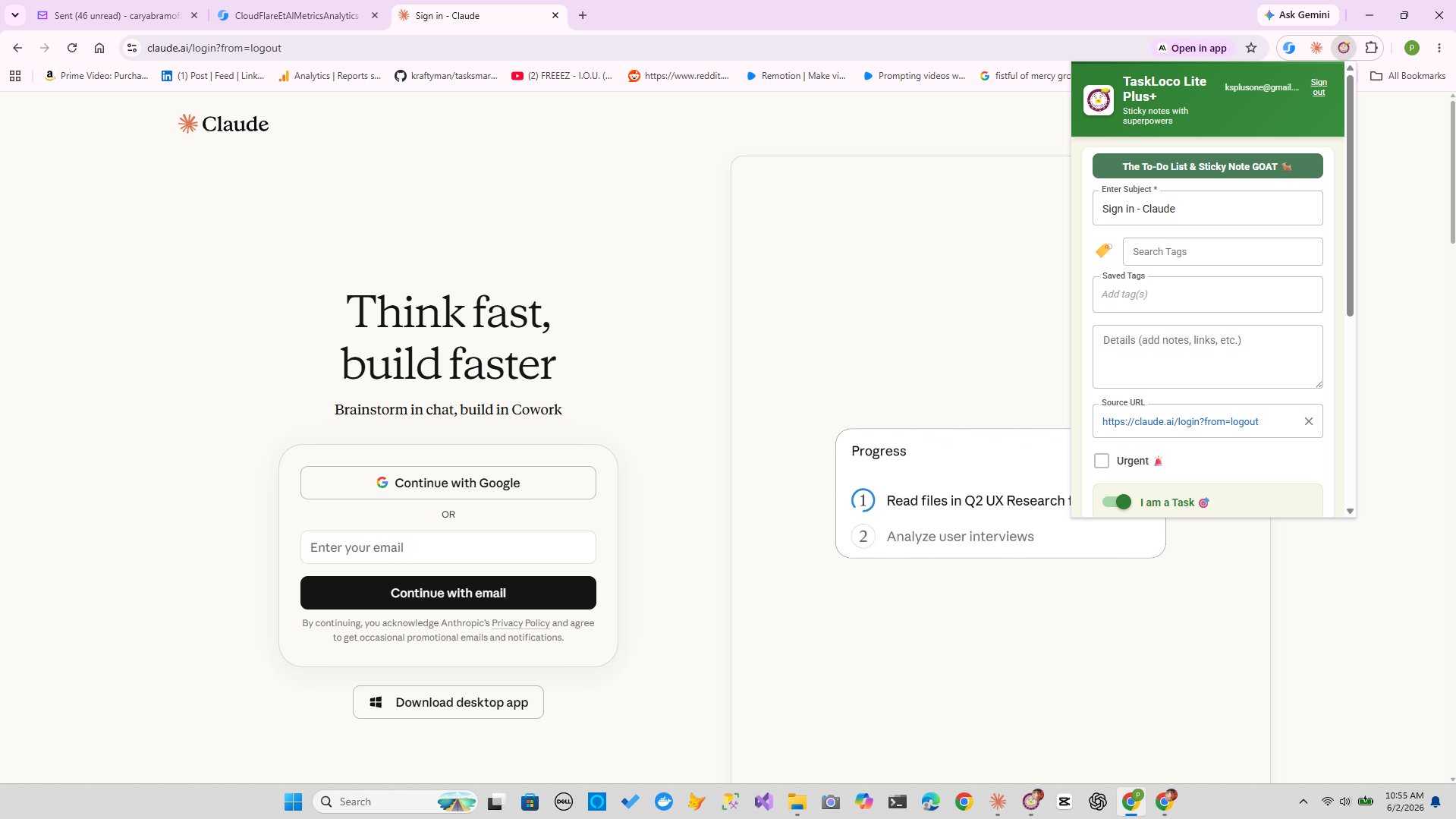
TaskLoco Lite is free, anonymous, no sign-in required, available on iPhone and Android natively — good if you just want to capture the three behaviors right now without committing to anything. If you want reminders, file attachments, and cross-device sync, that's Premium territory.
TaskLoco Premium is regularly $9.99/month per person. Right now, charter members can lock in 50% off the regular price — forever. That means $4.99/month per person today. And if our price ever goes up, you still pay half. Always.
Code CHARTER50 auto-applies at checkout. First 500 spots only — once they're gone, this offer is gone permanently. Act fast while spots last.
Every Premium subscription includes unlimited notes, 10GB file storage, reminders, calendar, and team sharing. Each team member requires a separate subscription. 7-day free trial — no charge until day 8. Cancel anytime.
Free Options: TaskLoco
TaskLoco Lite
- Native iPhone & Android app
- Completely anonymous — no sign-in
- Data stays on your device
- Up to 20 notes
- Free forever
TaskLoco Lite Plus+
- Web app + Chrome extension
- Sign in with Google
- Wall syncs across all devices
- Up to 30 notes
- Free forever
Lock In 50% Off — Forever
7-day free trial. No charge until day 8. CHARTER50 auto-applies at checkout.
🔒 Lock In My Charter SpotSee TaskLoco in Action
Frequently Asked Questions
How do I restart when I have zero motivation?
Motivation follows action — it almost never precedes it. The move is to make the action so small that motivation becomes irrelevant. Pick something in your category that takes less than two minutes and do it right now. One rep. One sentence. One glass of water. Once you've moved, motivation often shows up. If it doesn't, the small action still counts and the habit loop stays intact. Stop waiting to feel ready.
Should I start everything over at once or focus on one thing?
One thing, always. Trying to restart multiple habits simultaneously is the single most reliable way to restart nothing at all. Pick the one behavior that has the most downstream effect on everything else — often sleep, exercise, or a core work habit — and get that stable first. Two weeks of one solid habit beats one week of five fragile ones every time. Add the next thing only once the first is running without effort.
How long does it take to get back to where I was before I fell off?
Faster than you think, but only if you don't rush it. Most people who reenter at a reduced level and hold it consistently for two to three weeks find that their old performance level comes back within a month. Muscle memory, cognitive habits, and behavioral patterns are much more durable than they feel when you're in the shame spiral. The setback feels bigger than it is. The real variable is how quickly you can stop trying to re-enter at full capacity and accept the slower re-entry path.
What should I do if I fall off again during the restart?
Apply the two-day rule: never miss two days in a row. Miss one day and just resume the next day — no pep talk, no reset, no journaling about what went wrong. Miss two days in a row and you need to treat it as a new restart, which means going back to step one: one small action, right now, before you plan anything. The faster you re-enter after the second miss, the less the loop degrades. Speed of recovery matters more than frequency of falling off.
Is it better to use a habit tracker app when restarting?
It depends on the person, but the risk with habit trackers is that maintaining the tracker becomes the habit instead of the behavior itself. If you're the kind of person who enjoys the data and finds streaks motivating, a tracker can help. If you've set up habit trackers before and abandoned them within two weeks, they're probably adding friction rather than removing it. A simple note with your three behaviors written on it — physical or digital — is often more durable than an elaborate tracking system. Tools should serve the behavior, not compete with it for your attention.
Can TaskLoco actually help with restarting habits and routines?
In a practical sense, yes — specifically because it's not trying to be a habit-tracking system. You write your behaviors as notes, pin them where you'll see them, and set reminders that fire as push notifications and deep-link back to the specific note. That's the whole setup. It works best as a lightweight external trigger system rather than a full productivity overhaul — which is exactly what a restart needs. $9.99/month per person (currently $4.99/month per person for first 500 charter members with code CHARTER50)
What's the difference between TaskLoco Lite and TaskLoco Premium for this use case?
TaskLoco Lite is the free native iPhone and Android app — completely anonymous, no sign-in, stores up to 20 notes on your device. It's a good way to capture your restart behaviors right now without committing to anything. If you want reminders — which are the most useful feature for a restart — you need Premium, which adds push notification reminders that deep-link back to your notes, plus file attachments, unlimited notes, calendar view, and team sharing. $9.99/month per person (currently $4.99/month per person for first 500 charter members with code CHARTER50)
Born in Brooklyn. Powered by AWS. Your data stays yours.
TaskLoco is available on iPhone, Android, Chrome, and every web browser.