You find a genuinely good Medium article. You start reading. Then the popup hits — you've reached your free article limit for the month. If you'd only saved it two minutes earlier, you'd have the link, the context, and a way back in. That window closes fast.
The good news: there are real, practical ways to capture Medium articles before the paywall kicks in — and some of them take less than a second. This guide covers what actually works, what the gotchas are, and how to build a saving habit so you stop losing good reads to timing.
How Medium's Paywall Actually Works (And the Window You Have)
Medium gives non-members a limited number of free articles per month. The counter ticks up each time you open a metered article. Here's the critical thing most people miss: the paywall doesn't block you mid-read if you've already loaded the page — it blocks you the next time you try to open that URL once you're over your limit.
That means your saving window is open the moment an article loads. If you can read it right now, you can also save it right now — before that URL becomes inaccessible to you.
A few other things worth knowing:
- Friend links bypass the paywall. When a Medium author shares their own article via the built-in share button, it generates a special URL that grants free access to anyone — even non-members. If you spot a friend link in a newsletter or social post, save that specific URL, not the plain article URL.
- Incognito resets nothing reliably. Medium has tightened this significantly. Counting on private browsing to dodge the limit is increasingly unreliable and not a real workflow.
- Your saved URL is what matters. A bookmarked plain URL gives you nothing if you're over your limit and not a member. What you actually need is a way to capture the article's content context — the title, where it lives, and enough signal to act on it later.
Methods That Actually Work for Saving Medium Articles
Here are the real approaches, ranked by how useful they are in practice:
1. Save with a web clipper (best option)
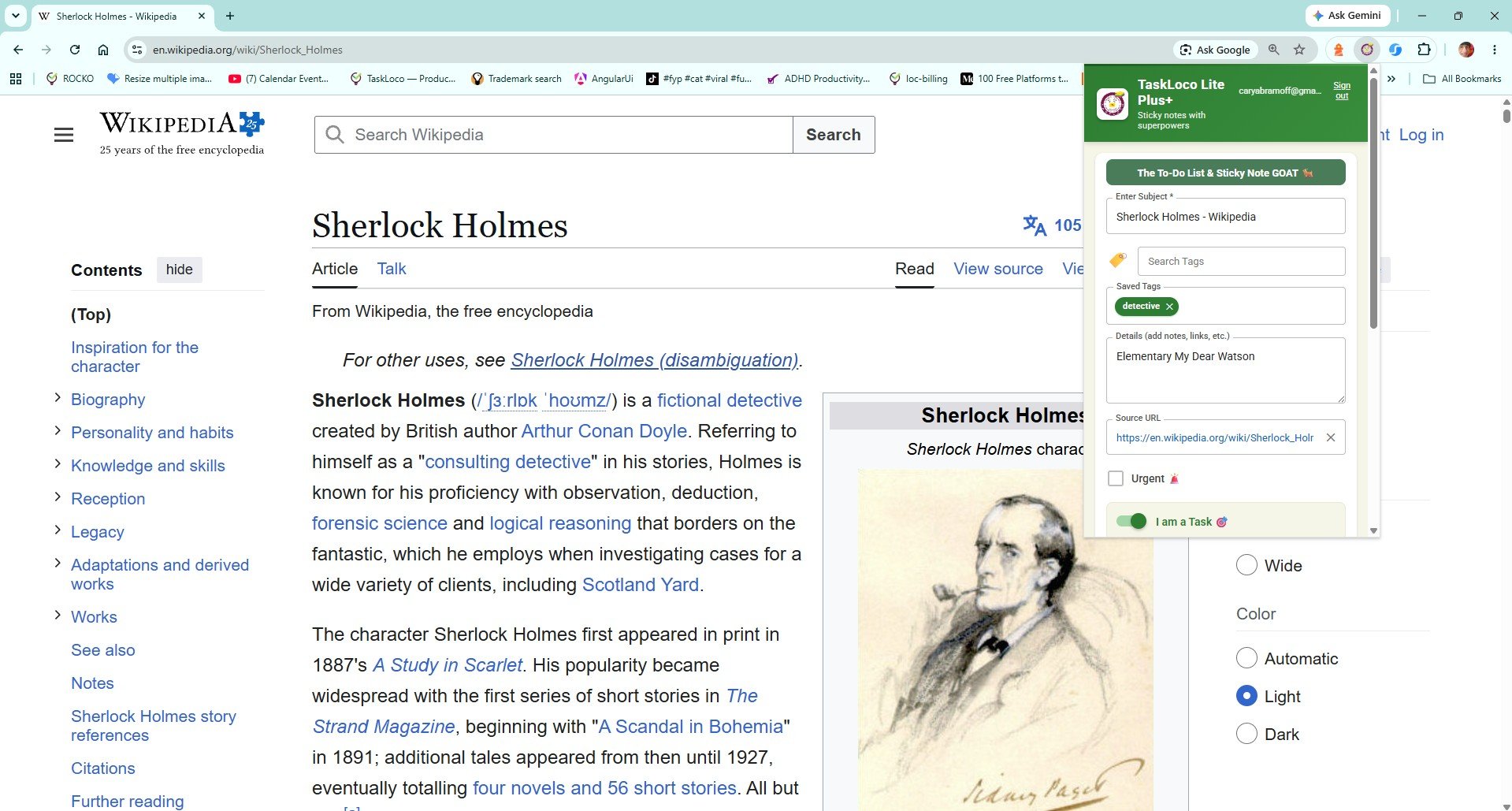
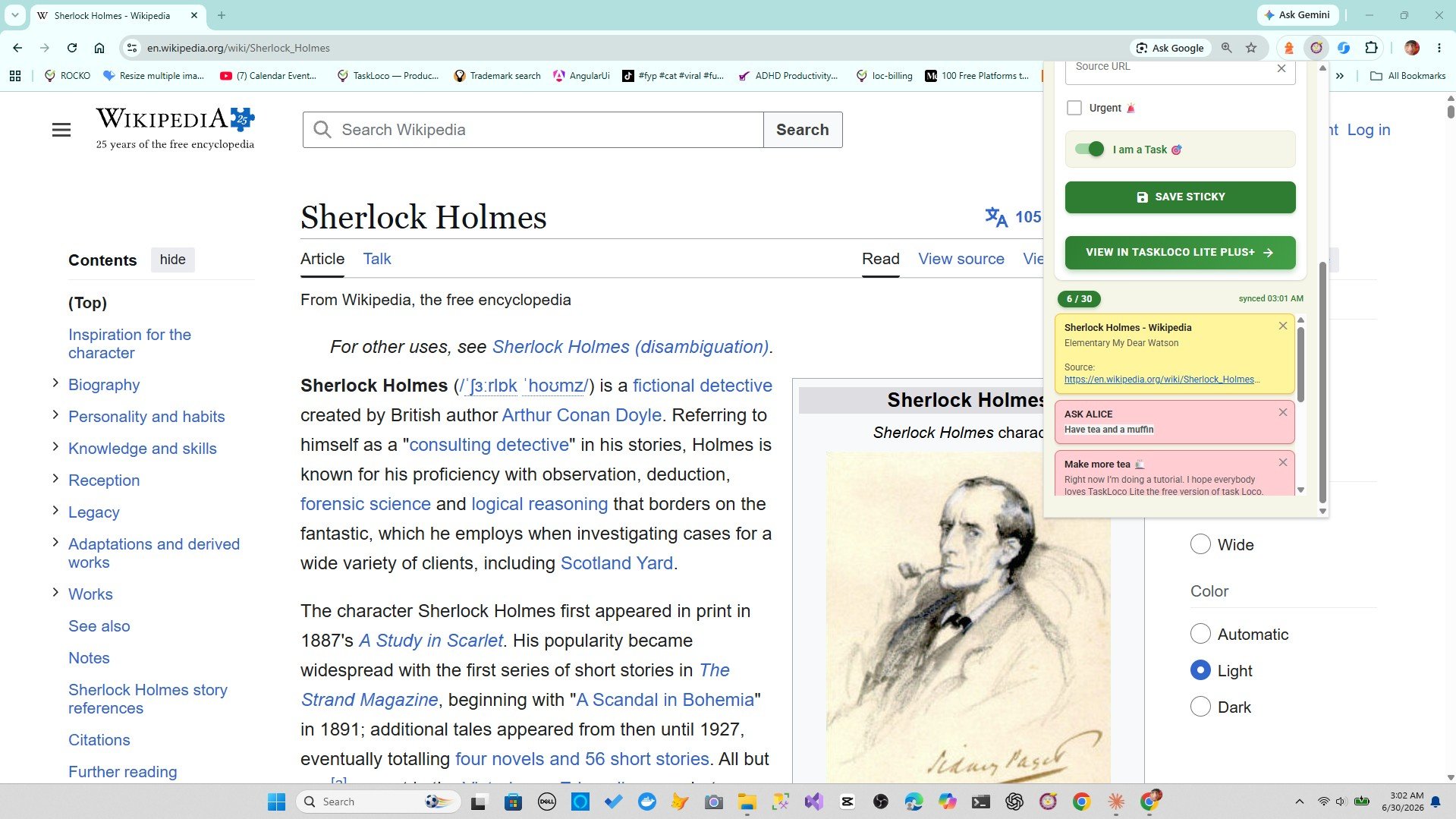
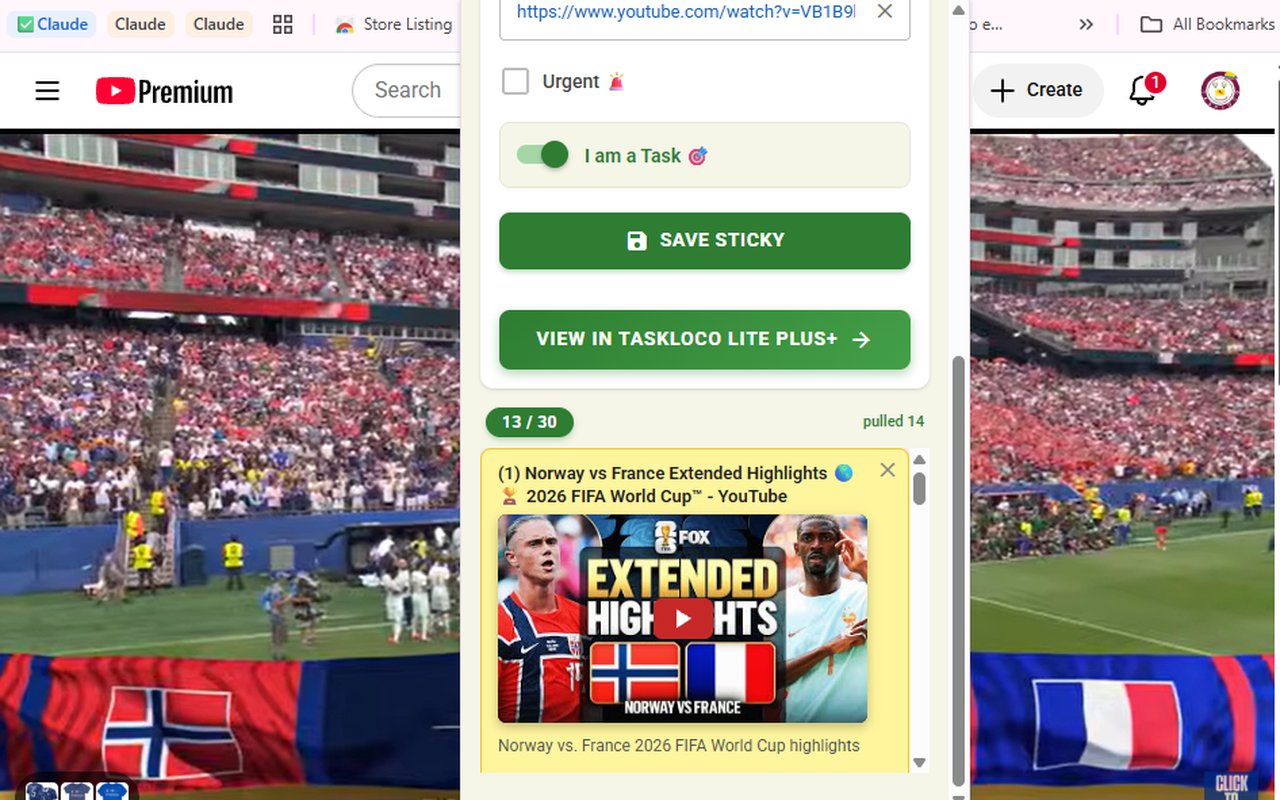
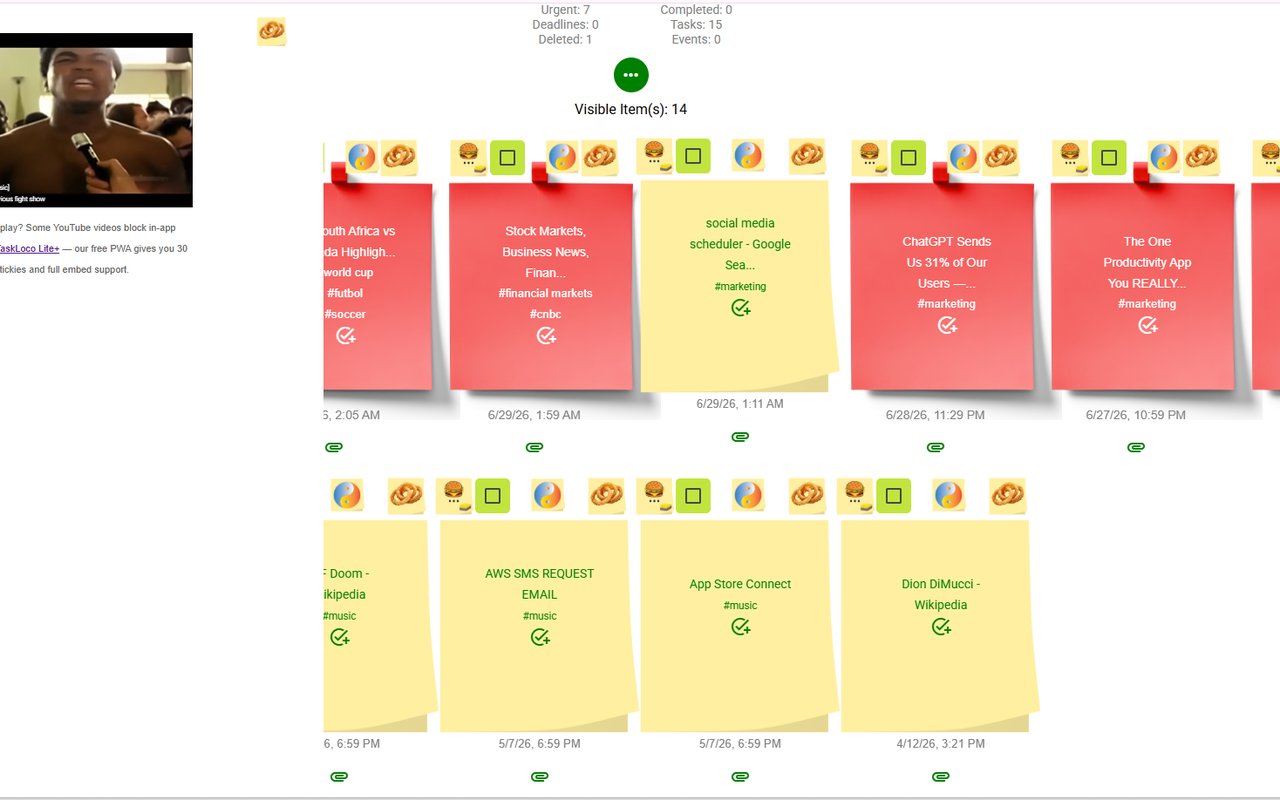
A browser extension that saves the current page as a note — with title and URL auto-filled — is the fastest and most reliable method. You don't need to copy anything or open a new tab. One click, and the article is captured as a visual card you can find later. The free Sticky Note Web Clipper does exactly this: click the toolbar icon, and the page is saved as a sticky note in your TaskLoco wall, accessible on your phone and desktop. You save it while you can read it; you return to the note when you're ready to dig in.
2. Save the friend link version, not the plain URL
If you encounter a Medium article through a friend link (the URL usually contains ?source=friends_link or similar), save that exact URL — not the cleaned-up canonical one. That link grants open access. A clipper that auto-fills the current URL captures the right link automatically.
3. Use Medium's built-in reading list (if you're a member)
Medium members can save articles to their reading list inside Medium itself. This is clean and works well — but only if you're already a paying member. If you're not, this option doesn't help with paywall access.
4. Copy the URL manually to a notes app
Old-fashioned but it works. The problem: a raw URL in a notes app has zero context. Three weeks later, you won't remember why you saved it. At minimum, paste the title alongside the URL. Better yet, use a clipper that does this automatically.
5. Browser bookmarks
Bookmarks save the URL, and that's about it. No thumbnail, no quick description, no way to tag or search by topic. Your bookmarks bar fills up fast, and finding any specific saved article days later usually involves scrolling through an undifferentiated list. Bookmarks work for sites you visit constantly; they don't work well for articles you want to return to once.
Building a Saving Habit That Sticks
The paywall problem is really a habit problem. Most people lose articles not because they couldn't save them, but because they intended to come back and didn't act in the moment. The fix is making the save instant enough that it happens automatically.
A few principles that help:
- Save first, read second. When you land on any article you intend to read, save it before you start. This takes one second and means you always have it, regardless of what happens mid-session.
- Keep your clipper in the toolbar. A web clipper pinned to your browser toolbar is visible, fast, and requires no context-switching. Clippers buried in an extension menu get ignored.
- Tag as you clip. If your clipper supports tags, add one while saving — something like read-later, research, or a topic name. Tagging at clip time takes two seconds and saves minutes of hunting later.
- Review your saved notes on your phone. The best reading happens away from the desk — on a commute, in a waiting room. If your saved articles sync to your phone automatically, you'll actually return to them. A clipper that syncs to mobile closes the loop that bookmarks leave open.
The goal isn't a bigger archive of links you never open. It's a short, curated stack of things you actually plan to read — captured at the right moment, easy to find later, accessible wherever you are.
One-Click Saving with the Sticky Note Web Clipper
The Sticky Note Web Clipper by TaskLoco is a free Chrome extension built for exactly this kind of moment. When you hit an article you want to keep — Medium or anywhere else — you click the toolbar icon once. The title and URL are auto-filled into a visual sticky note. Done. No forms, no folder decisions, no copy-paste.
The notes live on your TaskLoco wall, which syncs to your phone and desktop. So the Medium article you save on your lunch break shows up on your iPhone for the commute home. YouTube videos you clip embed directly in the note and play inside it — useful when you're clipping research that mixes articles and video.
It's free to install and free to use. Sign in with Google, pin the extension to your toolbar, and the next time you land on a Medium article you actually want to keep — clip it before you start reading. You'll never lose a good article to a paywall timing problem again.
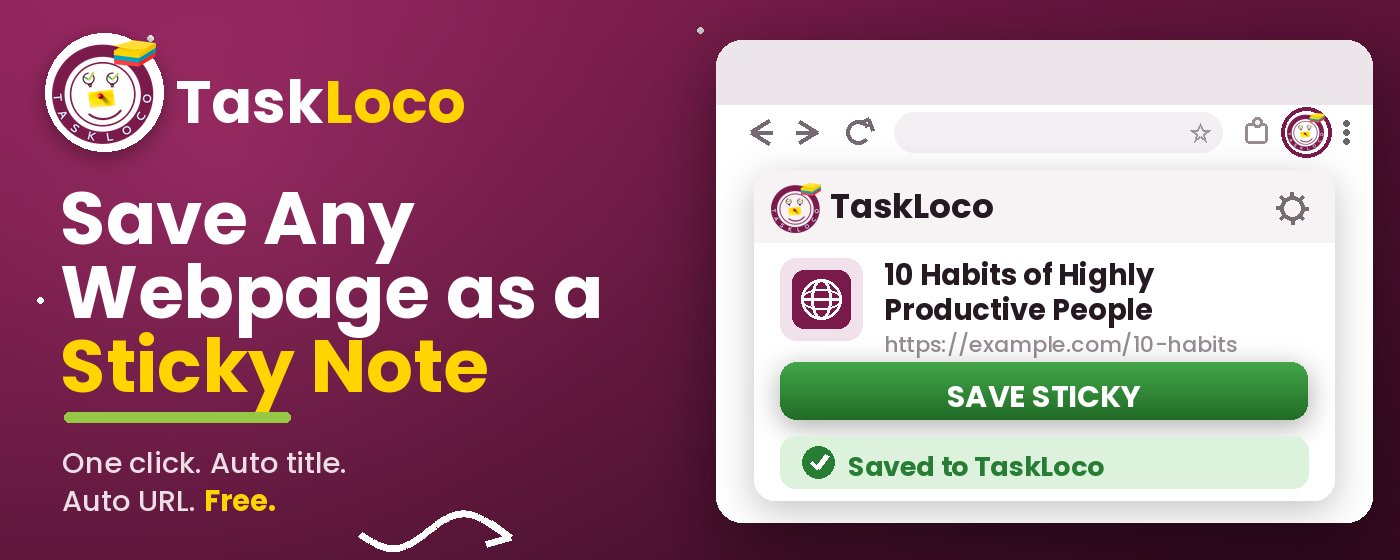
The Sticky Note Web Clipper is free. Install it from the Chrome Web Store, sign in with Google, and every page you clip becomes a sticky note you can find later.
Your clipped notes sync to TaskLoco across Chrome, desktop, iPhone, and Android — also free to start. No credit card to begin.
Get the Free Clipper
Sticky Note Web Clipper
- Free Chrome extension
- One-click save — any page, article, or video
- Title & URL auto-filled
- Tags & search
- Free forever
Synced to TaskLoco
- Sign in free with Google
- Your wall on Chrome, desktop, iPhone, Android
- YouTube videos embed & play in notes
- Visual sticky-note wall
- Free to start
Add It to Chrome — Free
One click saves any page, article, or YouTube video as a sticky note. Title and URL auto-filled.
Add to Chrome — FreeSee TaskLoco in Action
Frequently Asked Questions
Can I save a Medium article after the paywall has already blocked me?
Not directly — once you're over your free article limit, Medium won't load the full content of metered articles. The best approach is to save articles the moment they load, before you finish reading. A one-click clipper like the free Sticky Note Web Clipper makes this fast enough to do habitually.
Does saving a Medium URL in bookmarks help me get past the paywall later?
No. Bookmarking the URL doesn't change your access level. When you click it again while over your limit, you'll hit the paywall just like if you'd typed the URL fresh. Saving the friend link version of an article (if one exists) is the exception — that URL grants open access regardless of your article count.
What is a Medium friend link and how do I save it correctly?
A friend link is a special URL Medium authors can generate that gives anyone free access to their article, bypassing the paywall. You'll often find them in newsletters or social posts. To save the right URL, use a web clipper while you have the friend link open in your browser — it auto-fills the exact current URL, including the access token.
Is the Sticky Note Web Clipper free?
Yes — the extension is completely free. TaskLoco also has a free tier. Install it from the Chrome Web Store, sign in with Google, and start clipping. No payment required.
How is saving with a web clipper different from just bookmarking?
A bookmark is just a URL — no title preview, no visual card, no tags, and no sync to your phone unless you use a separate setup. The Sticky Note Web Clipper saves the page as a visual sticky note with the title and URL auto-filled, supports tags and search, and syncs across Chrome, desktop, iPhone, and Android automatically.
Can I save Medium articles to read on my phone later?
Yes. When you clip an article with the Sticky Note Web Clipper, it saves to your TaskLoco wall, which syncs to your iPhone and Android. Open TaskLoco on your phone, find the note, and tap the link to open the article in your mobile browser.
Will a web clipper work on other sites besides Medium?
Absolutely. The Sticky Note Web Clipper works on any webpage — news articles, research pages, blog posts, YouTube videos (which embed and play inside the note), and any link you can open in Chrome. Medium just happens to be a common place where saving in the moment matters a lot.
Born in Brooklyn. Powered by AWS. Your data stays yours.
TaskLoco is available on iPhone, Android, Chrome, and every web browser.