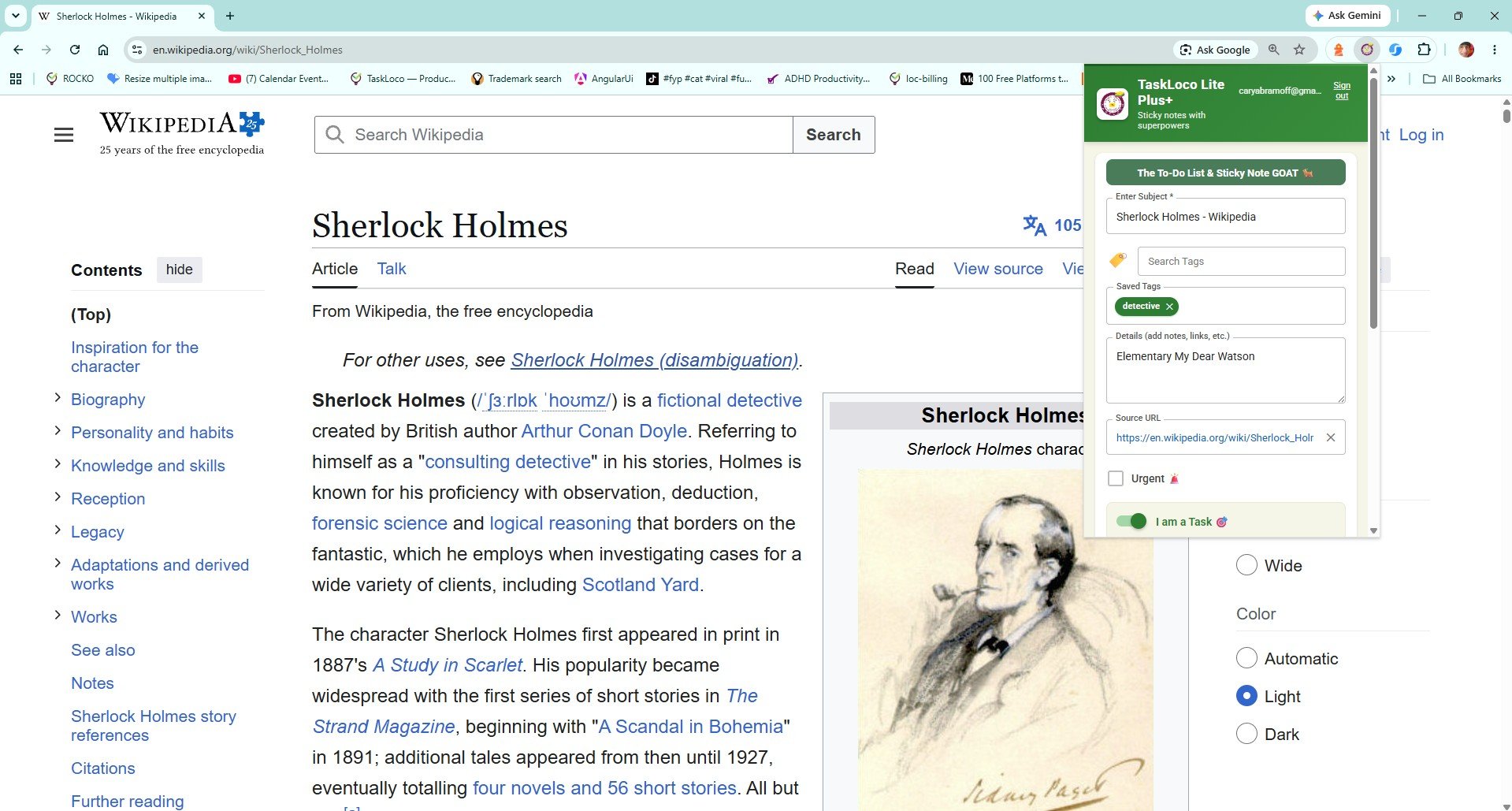
You're in the middle of something when a headline catches your eye. You don't have time to read it now, but you know you'll forget it exists in twenty minutes. Whatever you do next — copy the URL, leave the tab open, try to bookmark it — it probably won't work. Tabs get closed. Bookmarks disappear into an unsorted folder nobody opens. Links texted to yourself get buried under actual texts.
Saving news stories to read later sounds like a solved problem, but the graveyard of abandoned reading lists says otherwise. The real issue isn't access — it's friction. If saving a story takes more than a second, you won't do it consistently. This guide walks through the most practical free methods, what actually works, and how to build a habit that sticks.
The Free Methods That Actually Work (No App Required)
Before reaching for a dedicated tool, it helps to understand what each common free method is actually good for — and where each one breaks down.
- Browser bookmarks: Built into every browser and completely free. The problem is that bookmarks are invisible. Once you file something away in a bookmarks folder, it tends to stay there. There's no visual reminder that you saved something, and there's no way to see what a link is about without clicking it. For occasional saves, bookmarks are fine. For news stories you genuinely want to return to, they're a black hole.
- Open tabs: This is the most common approach and the worst one. Leaving tabs open creates browser clutter, slows down your machine, and produces real anxiety. Most people with forty open tabs haven't read thirty-five of them. The tab is not a reading list — it's a guilt pile.
- Copy-pasting URLs into a note: More intentional than leaving tabs open, but also more effort. Raw URLs tell you nothing about what the story is — you have to click each one to remember why you saved it. If you save a lot of stories, this becomes useless fast.
- Email yourself the link: Works surprisingly well for single stories, because email creates an inbox item that demands attention. The downside: your actual inbox becomes part reading list, and the two don't mix well over time.
If you're only saving one or two stories a week, any of these methods will work. If you're a regular news reader who wants a real system, you need something that removes friction to near-zero.
How to Save News Stories Consistently: Building a Real Habit
The research on habit formation is clear: the harder a behavior is to perform, the less likely it becomes automatic. Saving links is no different. Every extra step — right-clicking, opening a new tab, finding a folder, pasting a URL — is a step that erodes the habit.
Here's what a frictionless saving habit looks like in practice:
- One action, every time. Pick a single method and use it for everything. Splitting saves between bookmarks, a notes app, and open tabs means you'll never know where anything is.
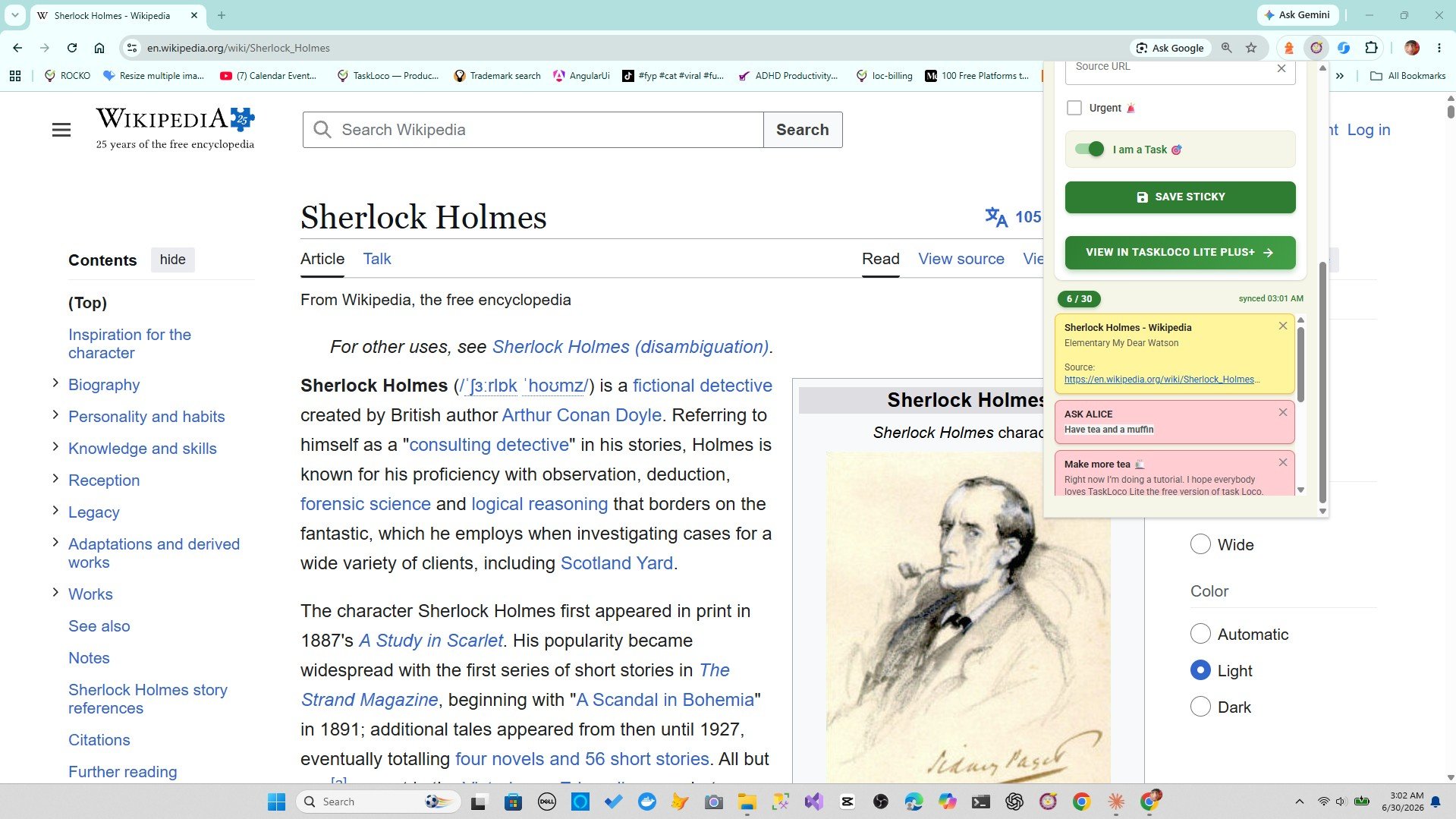
- Make saved stories visible. A reading list you can't see is a reading list you won't use. Whatever tool you use should show you what you've saved, not hide it in a folder.
- Sync to your phone. Most news reading happens on a phone during commutes, breaks, or evenings. If your saved stories are only on your laptop, you'll never catch up on them.
- Don't over-organize. Elaborate folder systems and tag taxonomies feel productive but they're the enemy of actually saving things. Start simple: save now, sort later if at all.
The people who actually read what they save tend to have a small, visible, synced queue — not a massive archive they've been building for years. Aim for a reading list that feels like a manageable stack, not a library.
One-Click Saving with the Sticky Note Web Clipper
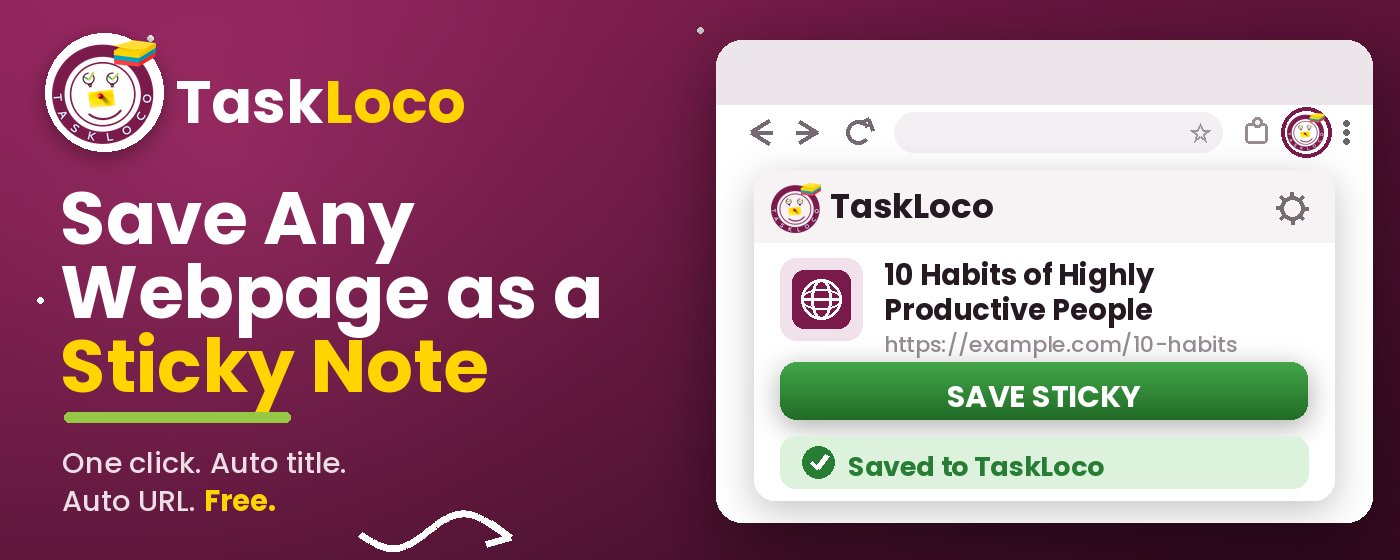
If you want the lowest-friction option available for Chrome, the Sticky Note Web Clipper is worth installing. It's a free Chrome extension that turns any open page into a visual sticky note in one click — the title and URL are auto-filled, so there's nothing to type.
Here's what happens when you save a news story with it:
- You click the extension icon in your Chrome toolbar while the story is open.
- A sticky note is created instantly with the article's title and URL already filled in.
- The note appears on your TaskLoco wall — a visual board where you can see everything you've saved at a glance.
- That wall syncs to the free TaskLoco web experience, so your saved stories are accessible on your phone, tablet, or any desktop.
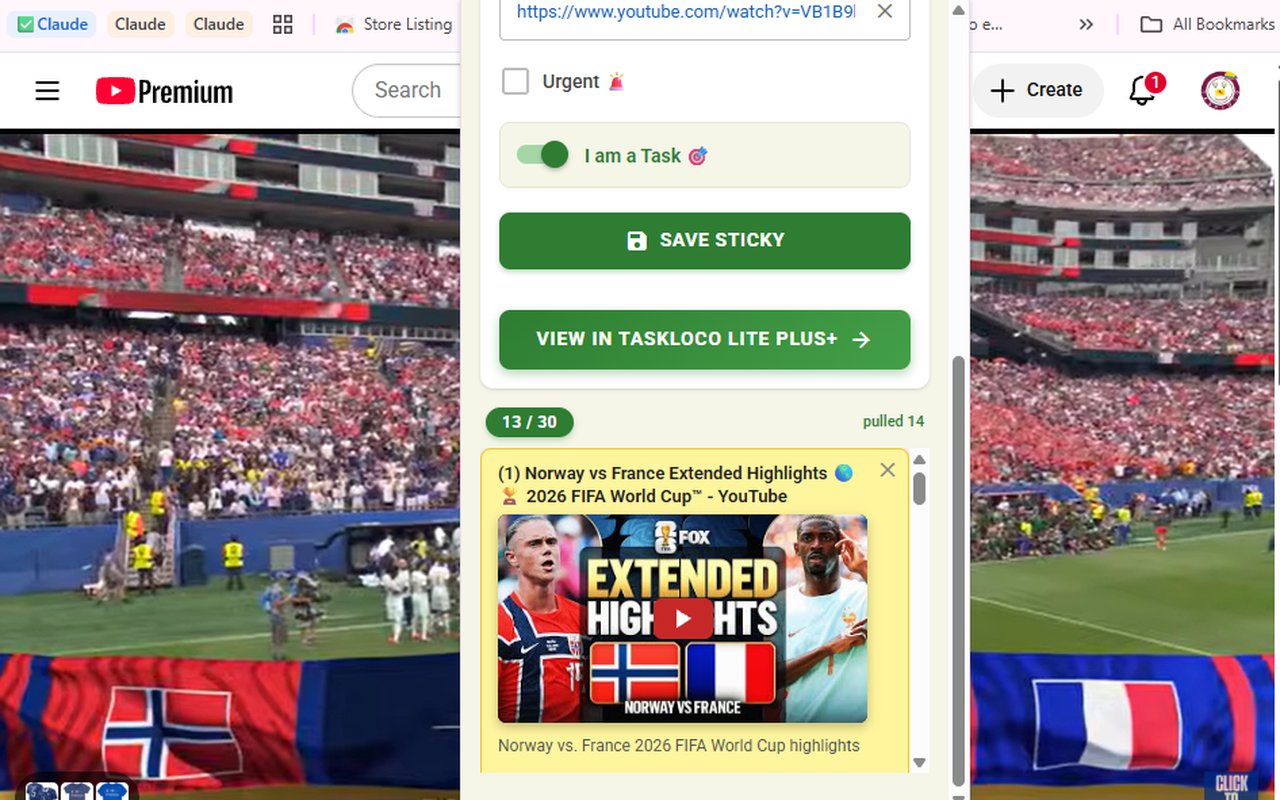
It works the same way for YouTube videos, research pages, or any link — not just news articles. YouTube clips actually embed inside the note and play without leaving TaskLoco, which is handy when you find a news video you want to watch later.
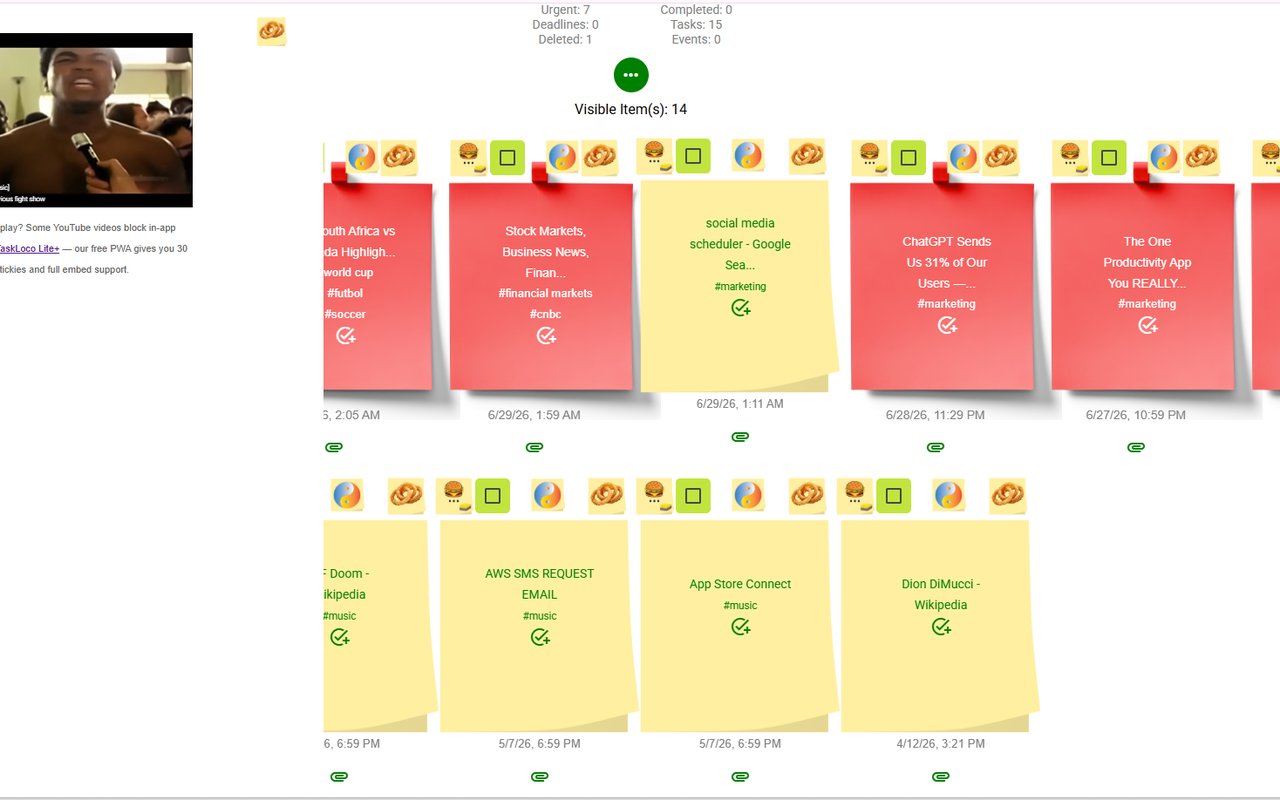
Because the notes are visual — they look like sticky notes on a wall — you see what you've saved every time you open TaskLoco. There's no hidden folder. Nothing disappears. Sign in is free with Google, and the extension itself costs nothing.
What to Do When Your Reading List Gets Out of Hand
Even with a great saving habit, reading lists grow faster than reading time. Here's how to keep yours from becoming the digital equivalent of a stack of unread magazines:
- Do a weekly sweep. Once a week, open your saved stories and be ruthless. If you no longer care about a story, delete it. News has a short shelf life — a story saved three weeks ago may not be relevant anymore, and that's fine.
- Use tags or search instead of folders. If you do want to organize, a quick tag is faster than filing into a folder. The Sticky Note Web Clipper lets you search and tag saved notes, which is usually enough to find anything without a complex folder structure.
- Save less, read more. The temptation is to save every interesting headline and read it all later. In reality, most saved articles never get read. Try a stricter filter: only save stories you'd be genuinely disappointed to miss.
- Read on the device you actually use. If you save on your laptop but read on your phone, your reading list and your reading time never meet. The sync across devices that comes with the free TaskLoco account solves this directly — save on Chrome, read on your phone.
A reading list that stays manageable is one you'll actually use. The goal isn't to archive the entire internet — it's to make sure the things you actually care about don't slip through the cracks.
The Sticky Note Web Clipper is free. Install it from the Chrome Web Store, sign in with Google, and every page you clip becomes a sticky note you can find later.
Your clipped notes sync to TaskLoco across Chrome, desktop, iPhone, and Android — also free to start. No credit card to begin.
Get the Free Clipper
Sticky Note Web Clipper
- Free Chrome extension
- One-click save — any page, article, or video
- Title & URL auto-filled
- Tags & search
- Free forever
Synced to TaskLoco
- Sign in free with Google
- Your wall on Chrome, desktop, iPhone, Android
- YouTube videos embed & play in notes
- Visual sticky-note wall
- Free to start
Add It to Chrome — Free
One click saves any page, article, or YouTube video as a sticky note. Title and URL auto-filled.
Add to Chrome — FreeSee TaskLoco in Action
Frequently Asked Questions
What is the easiest free way to save a news article to read later?
The easiest method is the Sticky Note Web Clipper — a free Chrome extension that saves any article as a visual sticky note in one click, with the title and URL auto-filled. You don't need to copy anything or type anything. It's faster than bookmarking.
Do browser bookmarks work for saving news stories?
Bookmarks work technically, but they're easy to forget. They're text-only, buried in folders, and offer no visual reminder that you saved something. Most people who rely on bookmarks for reading lists stop using them within weeks because there's no friction to create them but also no visibility to use them.
Can I save news articles to read later on my phone?
Yes. If you use the Sticky Note Web Clipper on Chrome, your saved stories sync through the free TaskLoco experience and are available on your phone — iPhone or Android — without any extra steps. Save on your laptop, read on your phone.
Is the Sticky Note Web Clipper free?
Yes — the extension is completely free. TaskLoco, where your notes sync and live, also has a free tier. Install the extension from the Chrome Web Store, sign in with Google, and start saving stories immediately.
Can I save YouTube news videos to watch later too?
Yes. The Sticky Note Web Clipper works on YouTube just like it does on any news article. When you save a YouTube video, it embeds inside the sticky note and plays directly there — you don't have to navigate back to YouTube to watch it.
How is this different from leaving browser tabs open?
Open tabs are a source of clutter and stress, not a reading list. They slow your browser, pile up guilt, and disappear when a browser crashes or restarts. The Sticky Note Web Clipper closes the tab problem entirely — you save the story in one click, close the tab, and your saved note is waiting for you whenever you're ready.
How do I install the Sticky Note Web Clipper?
Search for 'Sticky Note Web Clipper' in the Chrome Web Store, click Add to Chrome, and sign in with Google. The toolbar icon appears immediately — click it on any news story to save your first note. The whole setup takes under a minute.
Born in Brooklyn. Powered by AWS. Your data stays yours.
TaskLoco is available on iPhone, Android, Chrome, and every web browser.