You found the perfect tutorial. Forty minutes of exactly what you needed. You watched the first five minutes, thought I'll finish this later, and closed the tab. You have not found it since. That is not a memory problem — it is a saving problem.
YouTube's own Watch Later playlist sounds like the answer, but it turns into a graveyard of hundreds of videos with no context, no search by topic, and no way to group a React tutorial next to the CSS flexbox video you also need. Bookmarks fare worse — a flat list of links that all look identical at a glance. What actually works is capturing tutorials the way your brain works: visually, with enough context that future-you knows exactly what the clip is and why you saved it.
Why YouTube Tutorials Disappear (And Why Bookmarks Don't Fix It)
The core problem is not forgetting — it is that most saving methods strip away context at the moment of saving. A bookmark records a URL and a title like "JavaScript Tutorial for Beginners — Full Course". A week later, that tells you almost nothing about why you saved it, where in the video the relevant part starts, or how it relates to the three other tutorials you clipped around the same time.
YouTube's Watch Later feature is slightly better because it keeps a thumbnail — but it is locked inside YouTube, it mixes everything together, and there is no search by keyword or topic. If you saved forty videos over two months, good luck finding the one on async/await without scrolling endlessly.
The fix is a saving method that captures the video in a way that is visually distinct, searchable, and grouped with related material. That means moving away from lists entirely.
The Right Way to Save a YouTube Tutorial: A Method That Actually Works
Here is a method you can apply right now, with any tool you have:
- Save the moment you find it, not when you think you'll watch it. The instinct to watch first, save later is what causes losses. If you see a tutorial that looks relevant, save it immediately — even if you plan to watch in the next ten minutes. Tabs close, browsers crash, plans change.
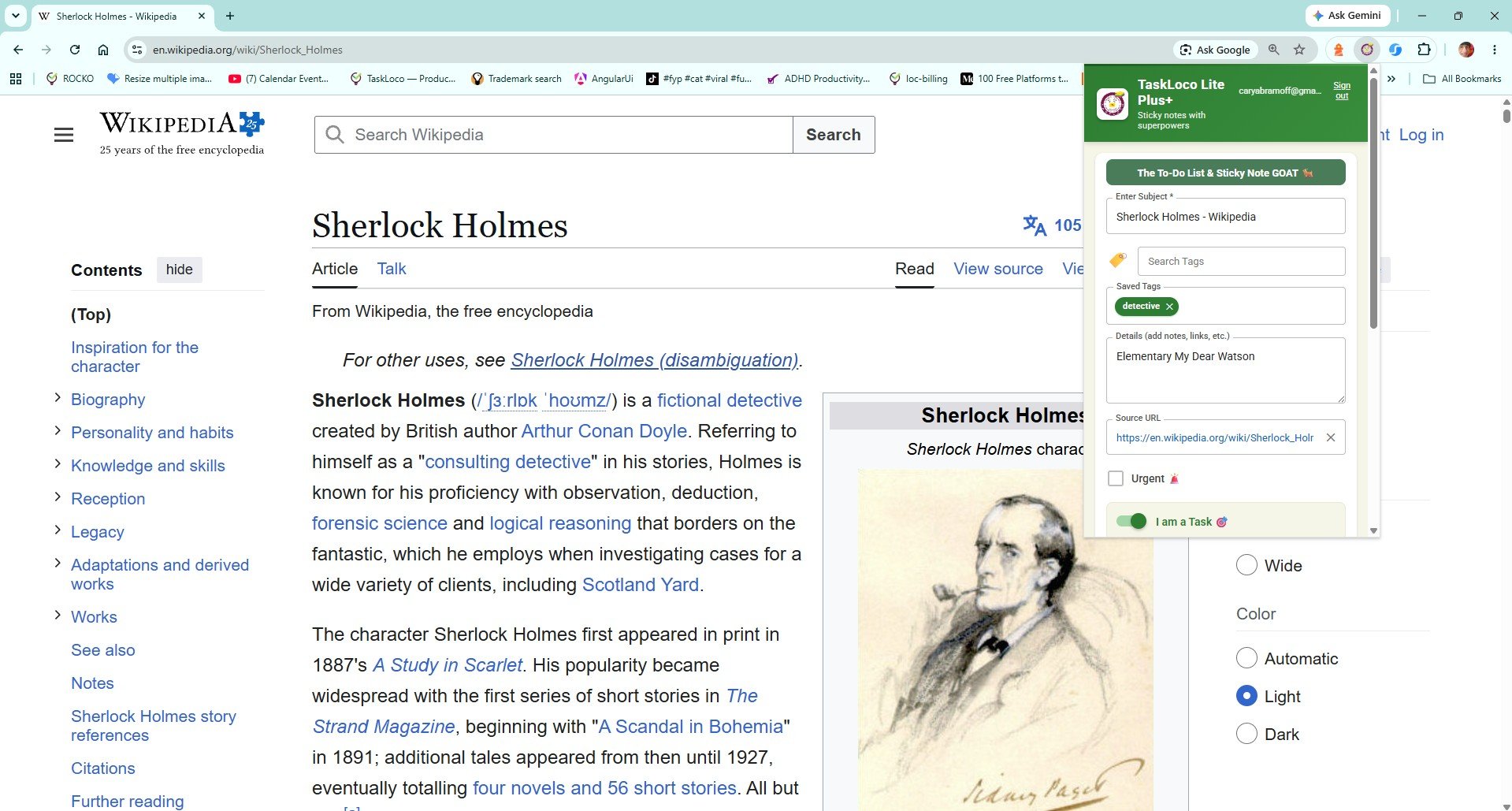
- Add a personal note in the same place as the link. Even a single sentence — "covers the useEffect cleanup pattern I keep getting wrong" — makes retrieval trivially easy weeks later. A bare URL has none of that.
- Group tutorials by project or skill, not by date. Saving everything in one undifferentiated list means retrieval is always a search. Grouping by topic means you can visually scan a cluster of related material and immediately see what you have.
- Make sure it is searchable. Whatever system you use, you need to be able to type a keyword and surface the right video. YouTube Watch Later has no search. A browser bookmark folder has no full-text search across your notes.
- Keep it available on your phone. You often remember a tutorial when you are away from your desk. If your saved list only lives in a browser on one machine, you lose access exactly when you need it.
These principles work whether you use a notes app, a dedicated clipper, or even a well-organized document. The method matters more than the tool — but the right tool makes the method effortless.
How the Sticky Note Web Clipper Makes This Automatic
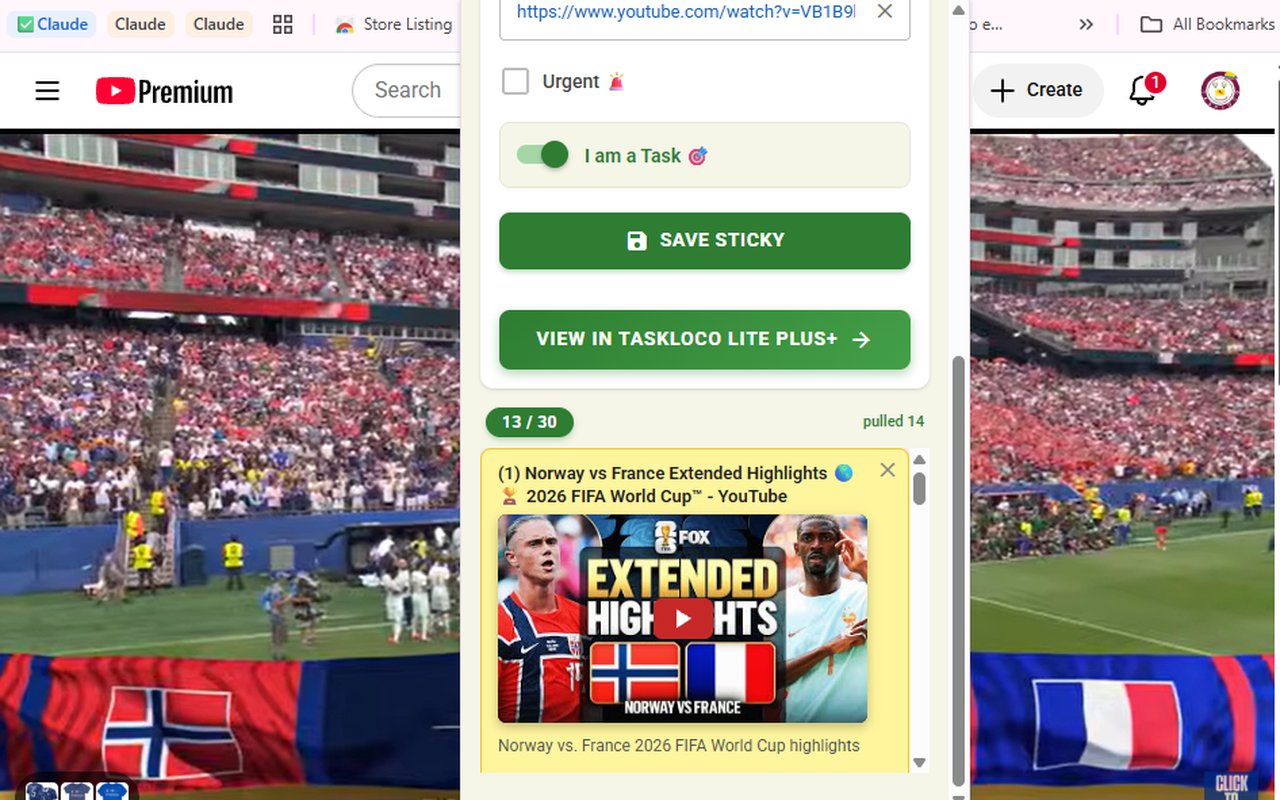
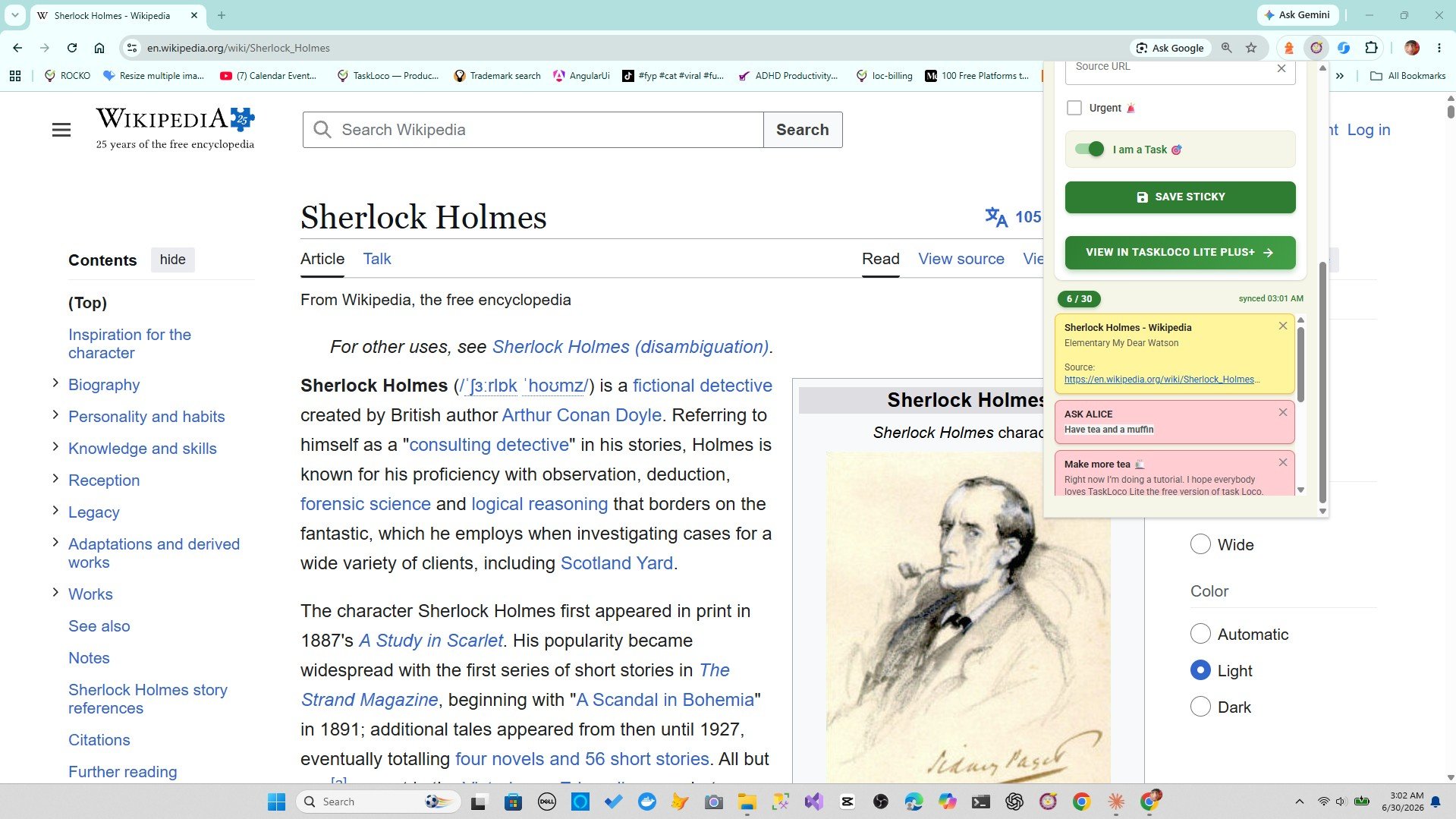
Once you have the Sticky Note Web Clipper installed in Chrome, the workflow collapses to a single click. You are on a YouTube tutorial — you hit the toolbar icon. Done. The note is created with the video title and URL already filled in. The video embeds directly inside the note and plays there, so you never need to go back to YouTube just to resume watching.
That embedded player is the part that changes everything for tutorials specifically. You can scrub, pause, and replay right from your saved note. If the tutorial is three hours long and the part you care about is at 1:12:00, you can drop straight back in without context-switching to a new tab and hunting for your place.
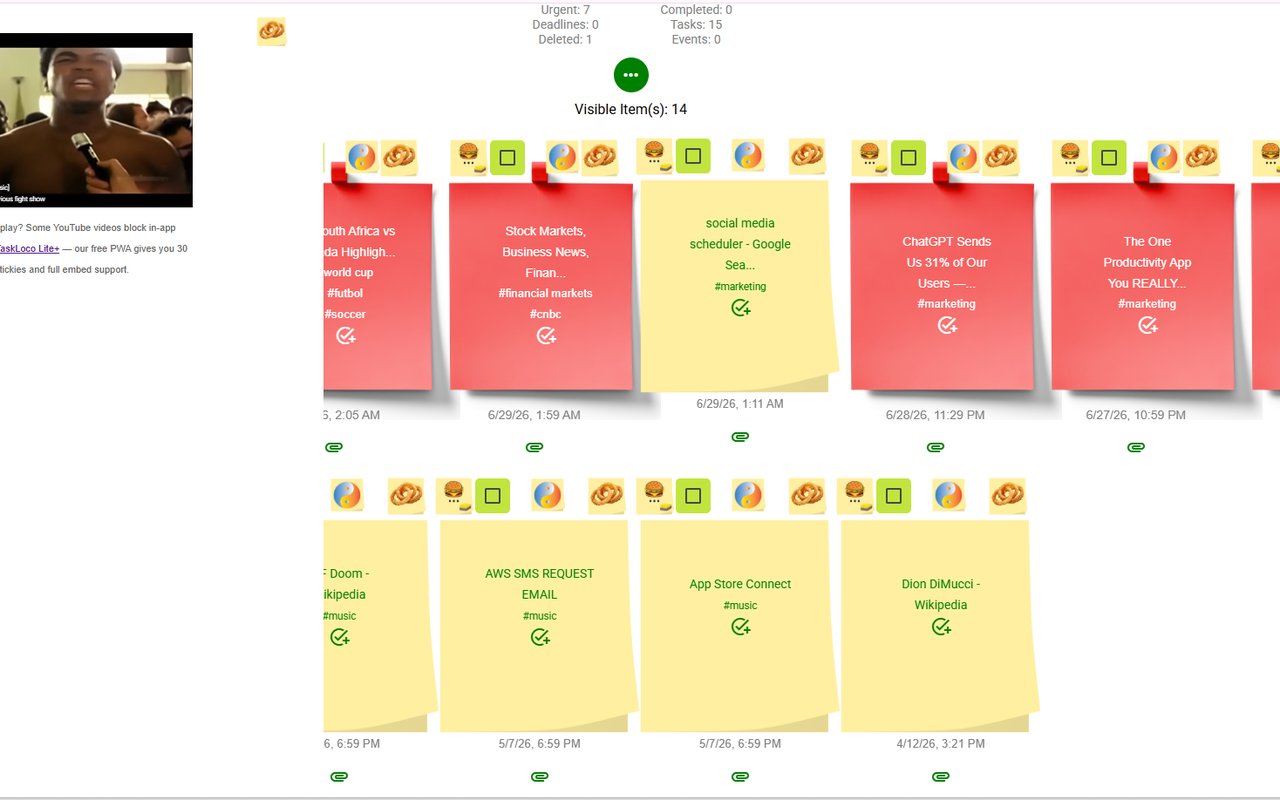
Your saved notes live on a visual wall in TaskLoco. You can tag them, search them by keyword, and arrange them however makes sense for your projects. A cluster of web-dev tutorials sits separately from your design research and your writing references. Sign in is free with Google, and everything syncs — so the tutorial you clipped on your laptop is waiting on your phone when you pick it up later.
Compare that to what happens with bookmarks: you get a title, a URL, and no visual separation from the other two hundred bookmarks around it. There is no embedded player, no tags, no search across your own notes, and no sync to mobile unless you are already using a browser that syncs bookmarks. The clipper beats that setup in every dimension that matters for tutorials.
Building a Tutorial Library You Will Actually Use
The bigger payoff comes after you have been clipping for a few weeks. Instead of a chaotic Watch Later queue and a bookmark folder you avoid opening, you have a wall of visually distinct notes, organized by topic, searchable by keyword, and playable from any device. That is the difference between a graveyard and a library.
A few habits that make it even more useful over time:
- Tag by skill or project immediately. The moment you clip a tutorial, add a tag — css, python-basics, video-editing, whatever fits. Tags cost you three seconds at save time and save you three minutes at retrieval time.
- Add a one-line note about why you saved it. Future-you will thank present-you. "Best explanation of closures I've seen" is more useful than a title you cannot remember choosing.
- Clip related tutorials together as a set. If you find two or three videos on the same topic in one session, clip them all and group them. Treat them as a mini-curriculum.
None of this requires a complicated system. It requires only that you clip at the moment of discovery instead of hoping you'll remember — and that you use a tool that saves the context along with the link. Install the free Sticky Note Web Clipper, and the hardest part of the habit is already handled for you.
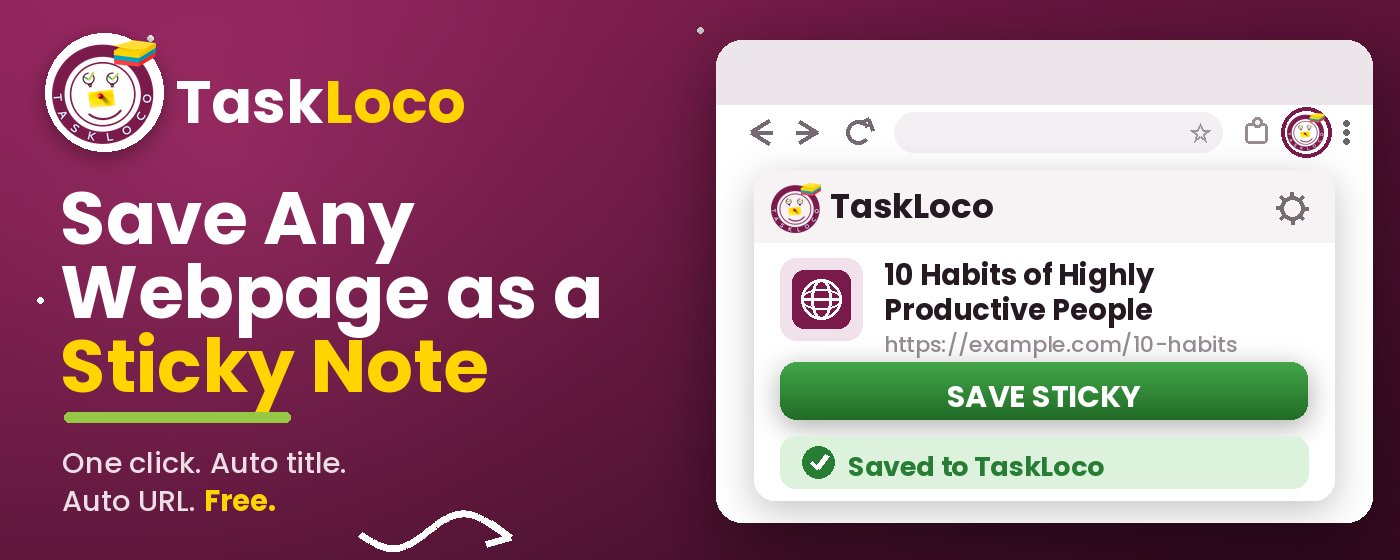
The Sticky Note Web Clipper is free. Install it from the Chrome Web Store, sign in with Google, and every page you clip becomes a sticky note you can find later.
Your clipped notes sync to TaskLoco across Chrome, desktop, iPhone, and Android — also free to start. No credit card to begin.
Get the Free Clipper
Sticky Note Web Clipper
- Free Chrome extension
- One-click save — any page, article, or video
- Title & URL auto-filled
- Tags & search
- Free forever
Synced to TaskLoco
- Sign in free with Google
- Your wall on Chrome, desktop, iPhone, Android
- YouTube videos embed & play in notes
- Visual sticky-note wall
- Free to start
Add It to Chrome — Free
One click saves any page, article, or YouTube video as a sticky note. Title and URL auto-filled.
Add to Chrome — FreeSee TaskLoco in Action
Frequently Asked Questions
What is the easiest way to save a YouTube tutorial to watch later?
Click the Sticky Note Web Clipper icon in your Chrome toolbar while the video is open. It saves the title and URL automatically, and the video embeds directly inside the note so you can play it without going back to YouTube.
Why does YouTube's Watch Later keep losing videos I saved?
YouTube's Watch Later has no search, no tagging, and no way to group related videos. It also only works inside YouTube itself. A dedicated clipper like the Sticky Note Web Clipper saves tutorials in a searchable, visual format you can access from any device.
Can I save a YouTube video as a note and still play it?
Yes. When you clip a YouTube video with the Sticky Note Web Clipper, the video embeds inside the note and plays there. You do not need to open a new tab or return to YouTube to watch or resume it.
How do I organize saved YouTube tutorials by topic?
After clipping a tutorial with the Sticky Note Web Clipper, add tags before you close the note — something like the skill or project name. Your notes on TaskLoco are searchable by tag and keyword, so you can pull up every tutorial on a topic instantly.
Will my saved tutorials sync to my phone?
Yes. Notes you clip in Chrome sync to TaskLoco, which is available on iPhone and Android as well as the desktop web. Sign in with the same free Google account and your clips are there.
Is the Sticky Note Web Clipper free?
Yes — the extension is completely free. TaskLoco also has a free tier. Install it from the Chrome Web Store, sign in with Google, and start clipping your tutorials immediately.
What is wrong with just bookmarking a YouTube tutorial?
Browser bookmarks save the title and URL but strip all visual context — thumbnails, your notes, related clips. They do not embed the video, they cannot be searched alongside personal annotations, and they look identical to every other bookmark. You end up with a list you avoid rather than a library you use.
Born in Brooklyn. Powered by AWS. Your data stays yours.
TaskLoco is available on iPhone, Android, Chrome, and every web browser.