College throws everything at you at once — classes, assignments, social events, work schedules, and deadlines that seem to multiply overnight. The students who thrive aren't necessarily the smartest; they're the ones who build systems that keep them on top of everything without burning out.
Organization in college isn't about perfect color-coded planners or elaborate productivity apps. It's about creating simple, reliable habits that catch everything important and help you act on it when it matters. Here's how to build a system that actually sticks.
Build a Central Capture System
The biggest mistake college students make is trying to remember everything in their heads. Your brain is for thinking, not storing random assignment due dates and meeting times.
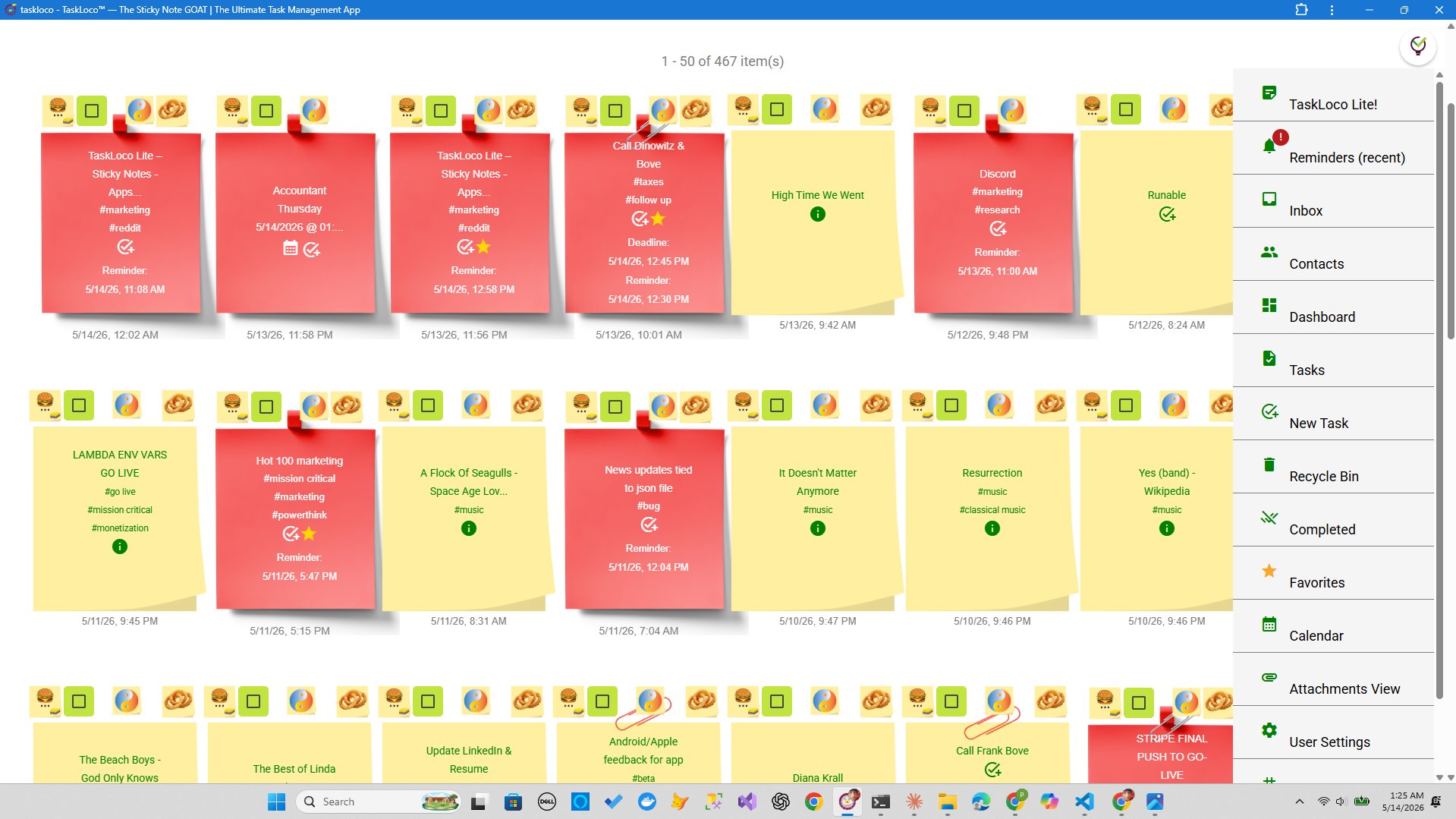
Pick one place where everything goes — every assignment, deadline, meeting, and random thought. This could be a notebook, phone app, or digital tool, but it must be something you always have with you. When a professor mentions a paper due in three weeks, capture it immediately. When you think of a question to ask during office hours, write it down.
The magic happens when you trust your system completely. Once you know everything important is captured somewhere reliable, your mind stops trying to hold onto every detail and can focus on actual learning.
Time-Block Your Schedule
College schedules are deceptively open. You might only have classes three days a week, but that freedom becomes a trap if you don't structure your time deliberately.
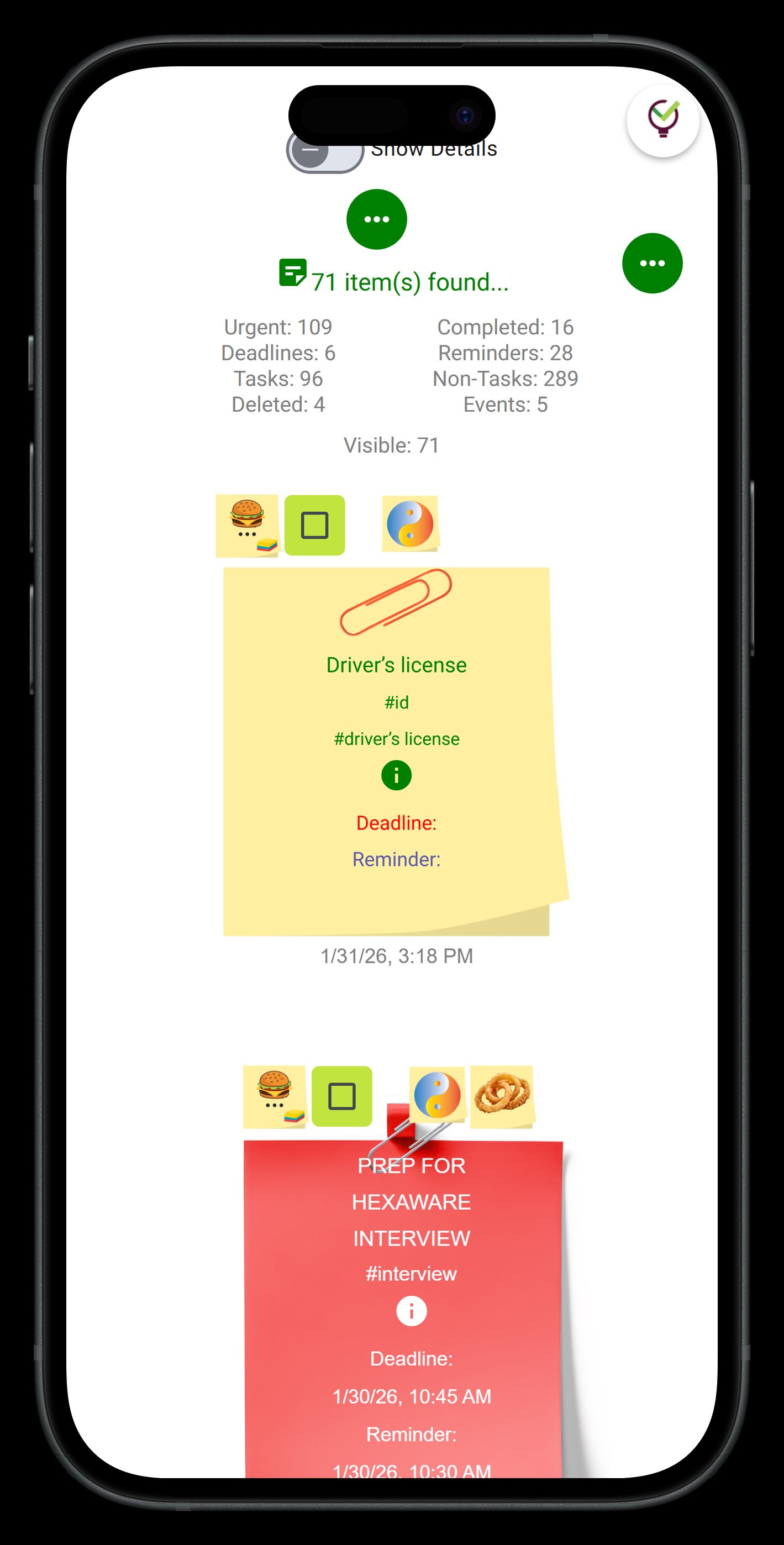
Time-blocking means assigning specific time slots to specific activities. Instead of saying 'I'll study chemistry sometime today,' block out 2-4 PM for chemistry review. Include everything — classes, study sessions, meals, exercise, even social time.
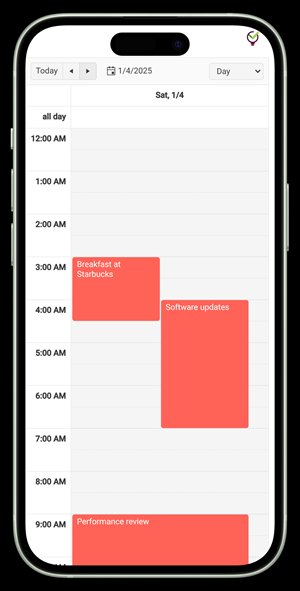
Start by mapping out your fixed commitments (classes, work, regular meetings), then fill in study blocks around them. Treat study time like any other appointment you can't miss. Most students underestimate how long tasks take, so add buffer time between activities.
Create Assignment and Deadline Workflows
Most college stress comes from assignments that sneak up on you. The solution is working backwards from deadlines and breaking big projects into smaller, manageable pieces.
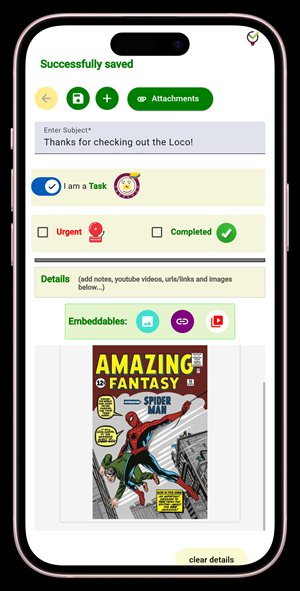
When you get a new assignment, immediately break it down: research phase, outline, first draft, revisions, final submission. Put each step on your calendar with its own mini-deadline. A 10-page paper due in four weeks becomes much less intimidating when you see it as 'find five sources by Friday' followed by 'write section one by Tuesday.'
Keep a running list of all upcoming deadlines sorted by date. Review it weekly and adjust your schedule if multiple assignments pile up around the same time. This weekly review catches potential disasters before they happen.
Tools That Support Your System
The best organization tool is the one you'll actually use consistently. Many students get caught up in finding the 'perfect' app and spend more time organizing their organization system than actually studying.
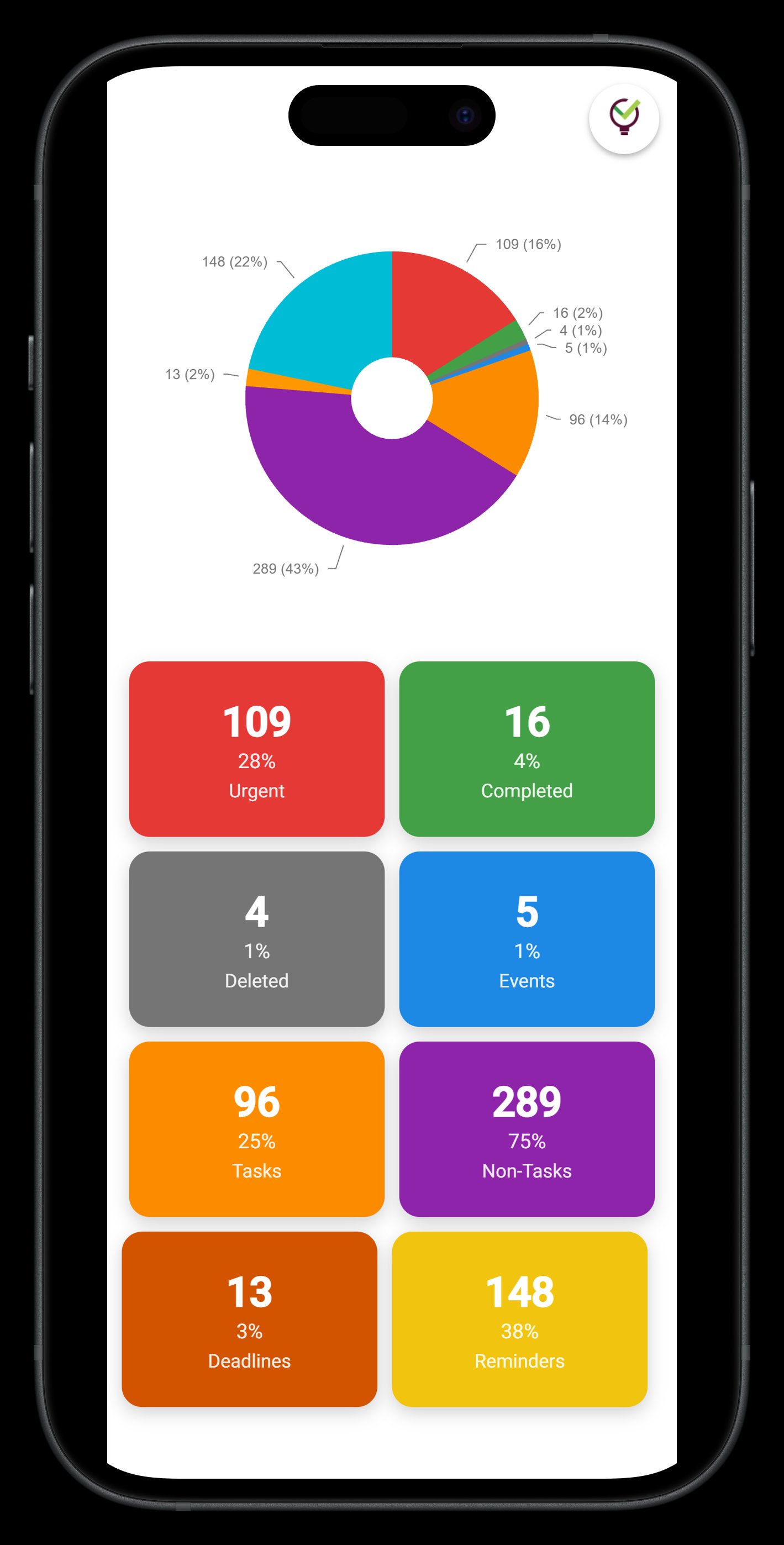
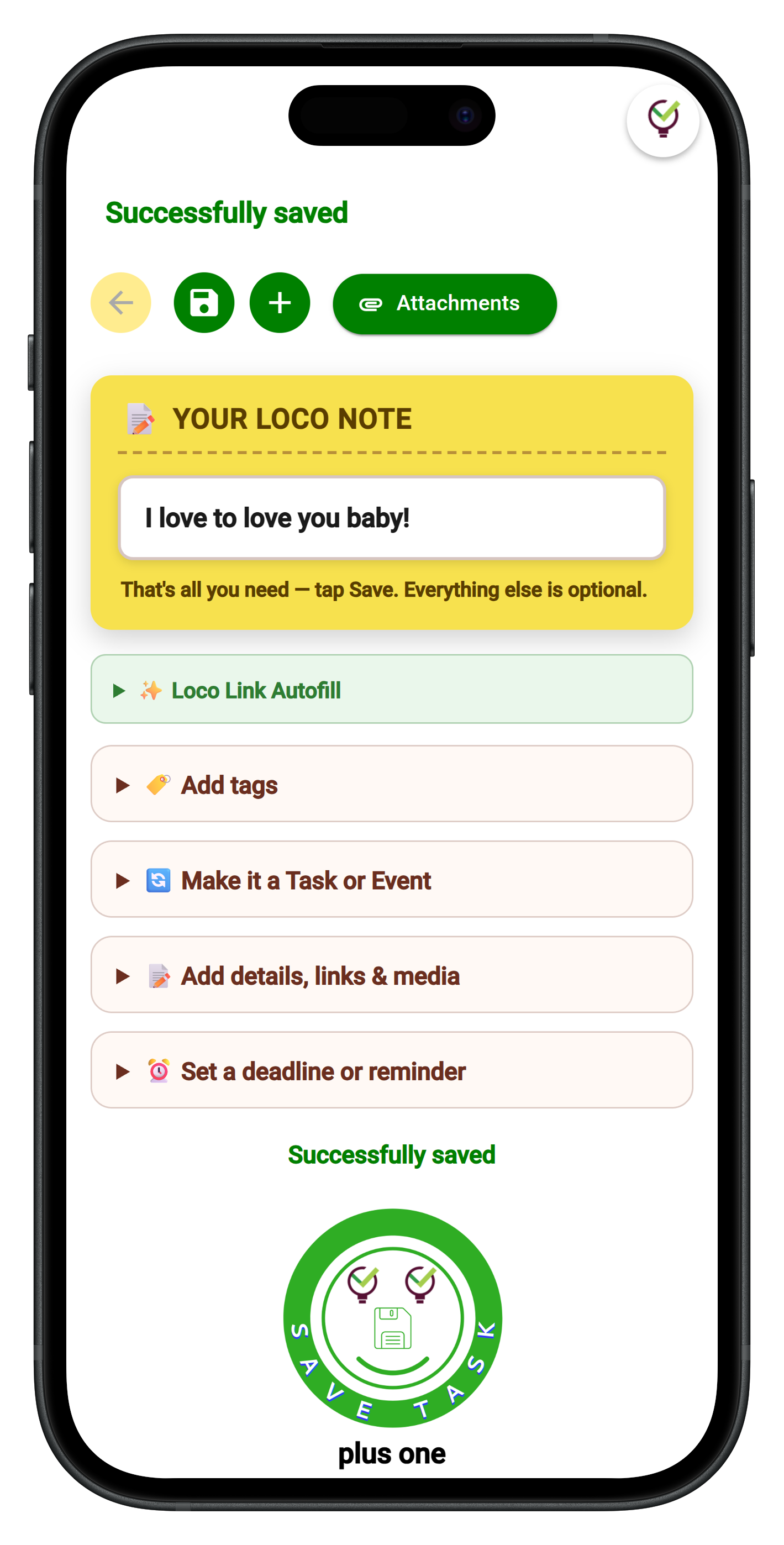
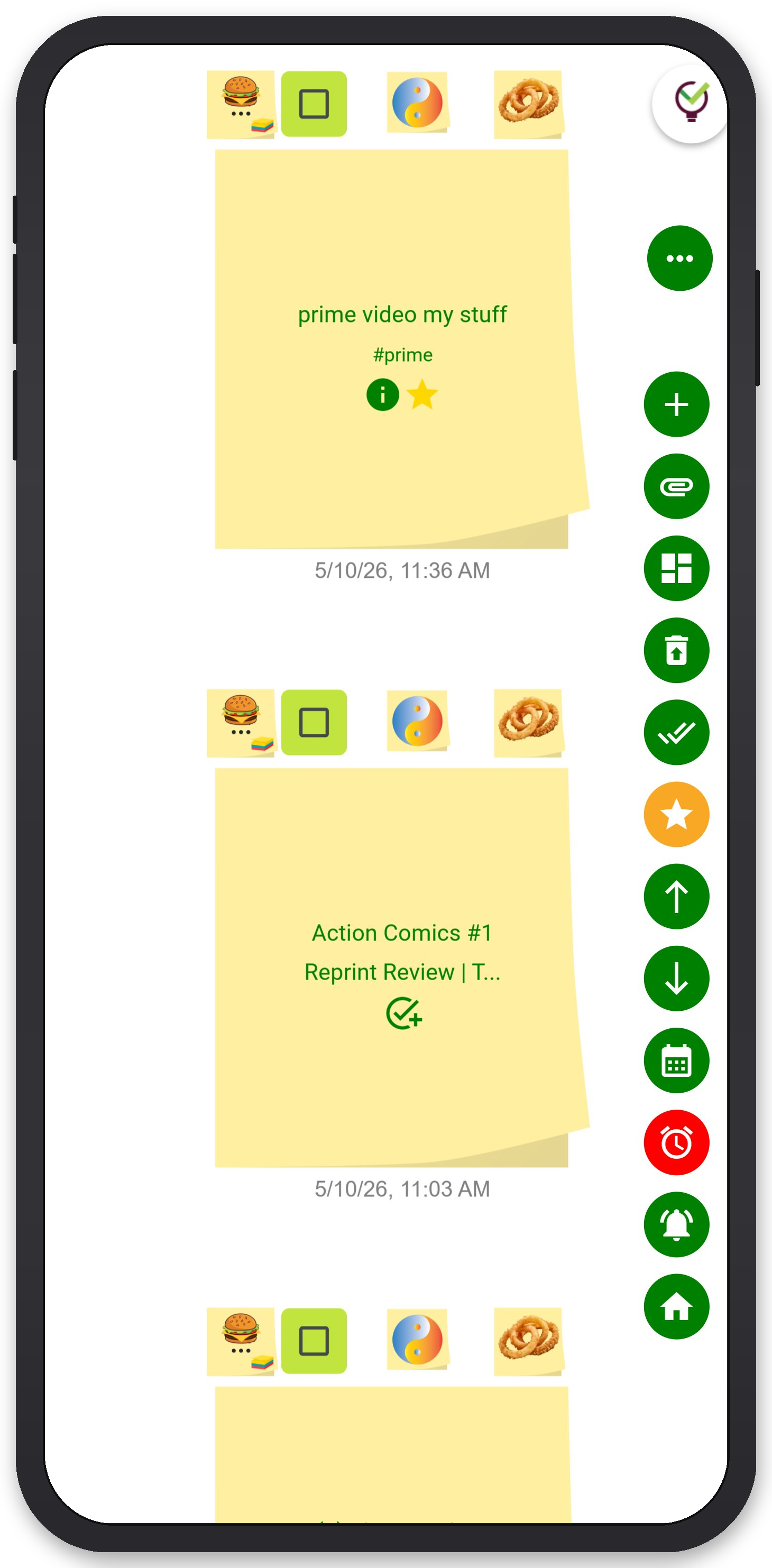
TaskLoco works well for college organization because it keeps everything in one place without overwhelming complexity. You can capture assignments quickly, set reminders for deadlines, attach relevant files, and access everything from your phone or computer. The key is that it gets out of your way — you spend seconds organizing and hours getting things done.
Whatever tool you choose, make sure it syncs across all your devices, works reliably, and feels fast to use. If opening your organization app feels like a chore, you'll stop using it exactly when you need it most.
TaskLoco Premium is regularly $9.99/month per person. Right now, charter members can lock in 50% off the regular price — forever. That means $4.99/month per person today. And if our price ever goes up, you still pay half. Always.
Code CHARTER50 auto-applies at checkout. First 500 spots only — once they're gone, this offer is gone permanently. Act fast while spots last.
Every Premium subscription includes unlimited notes, 10GB file storage, reminders, calendar, and team sharing. Each team member requires a separate subscription. 7-day free trial — no charge until day 8. Cancel anytime.
Free Options: TaskLoco
TaskLoco Lite
- Native iPhone & Android app
- Completely anonymous — no sign-in
- Data stays on your device
- Up to 20 notes
- Free forever
TaskLoco Lite Plus+
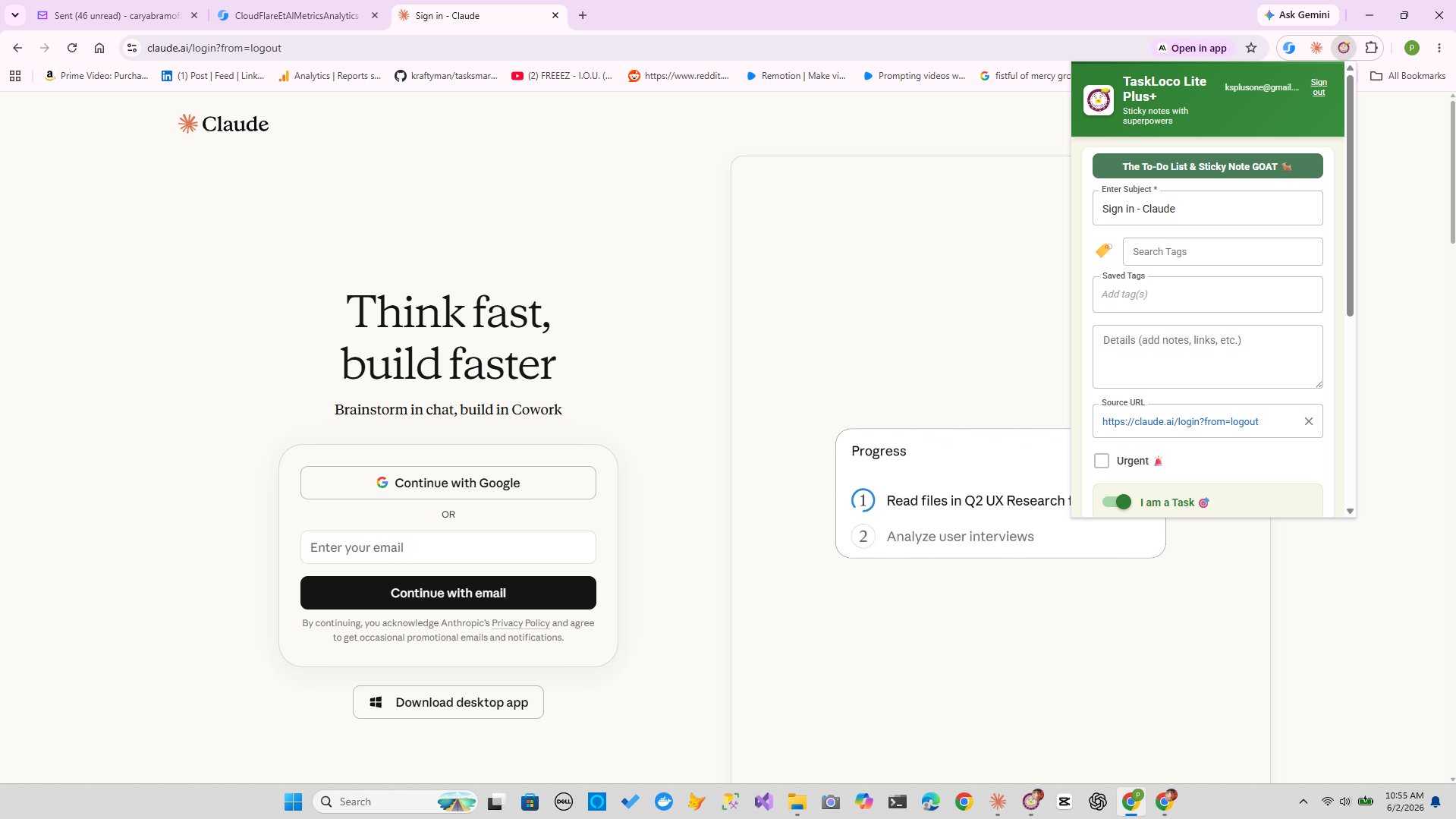
- Web app + Chrome extension
- Sign in with Google
- Wall syncs across all devices
- Up to 30 notes
- Free forever
Lock In 50% Off — Forever
7-day free trial. No charge until day 8. CHARTER50 auto-applies at checkout.
🔒 Lock In My Charter SpotSee TaskLoco in Action
Frequently Asked Questions
What's the best way to organize college assignments and deadlines?
Use a central capture system where everything goes, break large assignments into smaller tasks with mini-deadlines, and review your upcoming deadlines weekly. The key is consistency — pick simple tools you'll actually use every day.
How do I balance studying with social life and other activities?
Time-block your schedule to include everything — classes, study time, social activities, and rest. Treat study sessions like unmovable appointments, but also schedule fun activities so you don't burn out. Balance comes from being intentional about both work and play.
What should I do when I feel overwhelmed by everything I need to do?
Do a complete brain dump — write down everything you're thinking about. Then sort tasks by urgency and importance. Focus on what's actually due soon and let go of perfectionism on less critical items. Often feeling overwhelmed comes from trying to hold too much in your head.
How far in advance should I start working on major assignments?
Start the day you get the assignment, even if it's just reading the requirements and creating a rough timeline. For major papers, begin research 2-3 weeks before the due date. For presentations, start practicing at least one week early. Starting early reduces stress and improves quality.
Should I use digital tools or paper planners for college organization?
Use whatever you'll check consistently. Digital tools offer reminders and sync across devices, which helps with today's mobile lifestyle. Paper planners work great if you prefer writing by hand and won't lose them. The best system is the one you actually use daily.
How do I stay organized when my college schedule changes every semester?
Build flexible habits rather than rigid systems. Focus on core practices like daily task capture, weekly planning sessions, and consistent study blocks that can adapt to new schedules. Start each semester with a fresh setup based on your new class times and commitments.
What's the biggest mistake college students make with organization?
Trying to remember everything instead of writing it down, and choosing overly complex systems they abandon after a few weeks. The most successful students use simple tools consistently rather than perfect systems sporadically. Start simple and build habits first.
Born in Brooklyn. Powered by AWS. Your data stays yours.
TaskLoco is available on iPhone, Android, Chrome, and every web browser.