Procrastination isn't about time management or laziness. It's about emotion management. Your brain sees an unpleasant task and immediately starts looking for an escape route — checking social media, reorganizing your desk, suddenly remembering you need to do laundry.
The good news? You can hack this system. These seven strategies work because they either make starting easier or make avoiding harder. Some take 30 seconds to implement. Others require building new habits over weeks. All are backed by research, not feel-good platitudes.
TaskLoco Premium is regularly $9.99/month per person. Right now, charter members can lock in 50% off the regular price — forever. That means $4.99/month per person today. And if our price ever goes up, you still pay half. Always.
Code CHARTER50 auto-applies at checkout. First 500 spots only — once they're gone, this offer is gone permanently. Act fast while spots last.
Every Premium subscription includes unlimited notes, 10GB file storage, reminders, calendar, and team sharing. Each team member requires a separate subscription. 7-day free trial — no charge until day 8. Cancel anytime.
Free Options: TaskLoco
TaskLoco Lite
- Native iPhone & Android app
- Completely anonymous — no sign-in
- Data stays on your device
- Up to 20 notes
- Free forever
TaskLoco Lite Plus+
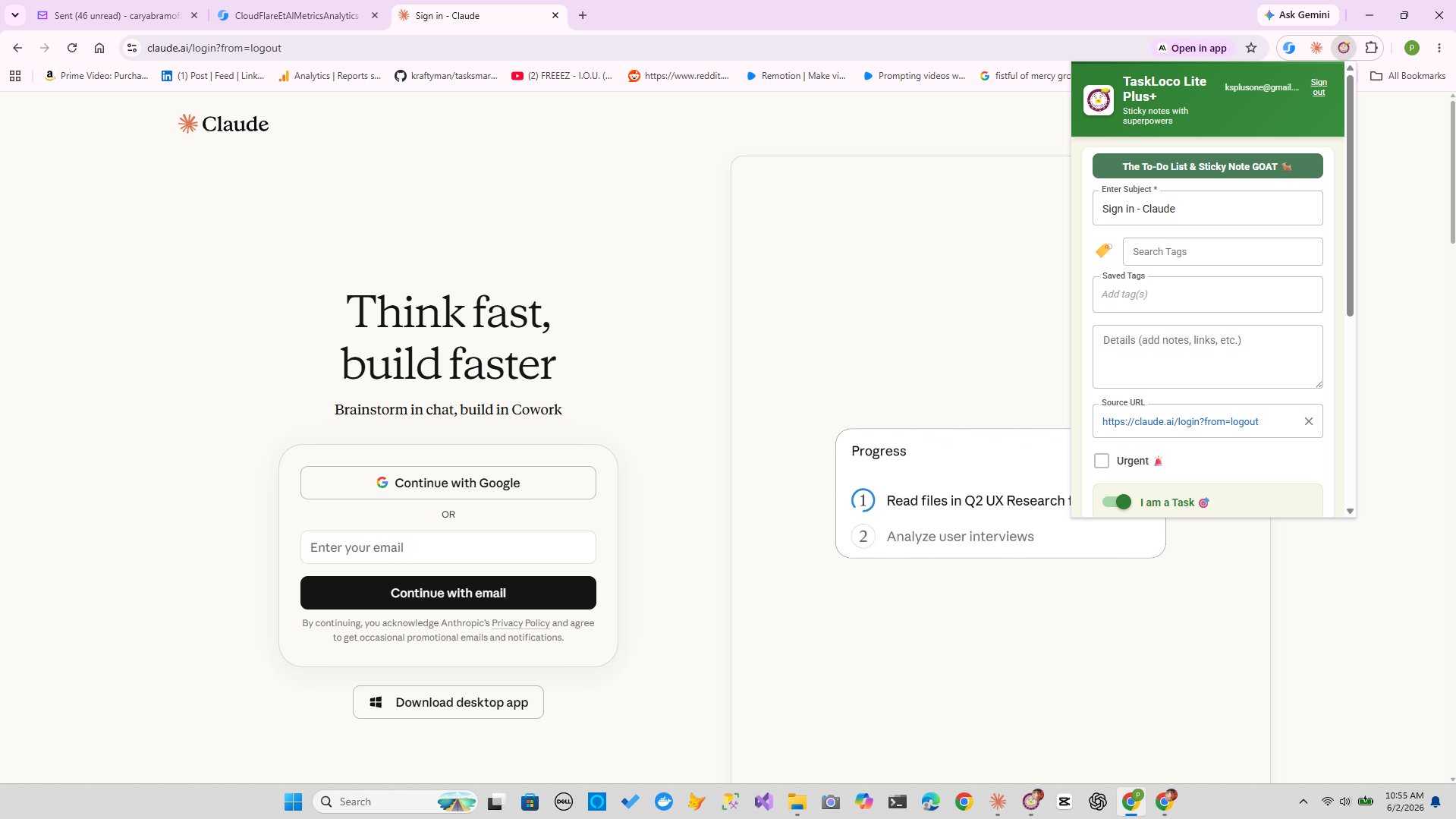
- Web app + Chrome extension
- Sign in with Google
- Wall syncs across all devices
- Up to 30 notes
- Free forever
The 2-Minute Rule: Start Stupidly Small
If a task takes less than two minutes, do it immediately. If it takes longer, commit to just two minutes of work. This isn't about finishing — it's about starting.
Your brain resists beginning because it imagines the entire overwhelming task. But once you start, you often keep going. Momentum is easier to maintain than to create.
This works because starting is the hardest part. Writing one sentence is easier than writing an essay. Opening a spreadsheet is easier than finishing a budget. Making one phone call is easier than clearing your entire callback list.
Track your wins with a simple system. Every time you complete a 2-minute session, mark it down. These small victories compound into real progress.
Remove Friction: Make Starting Automatic
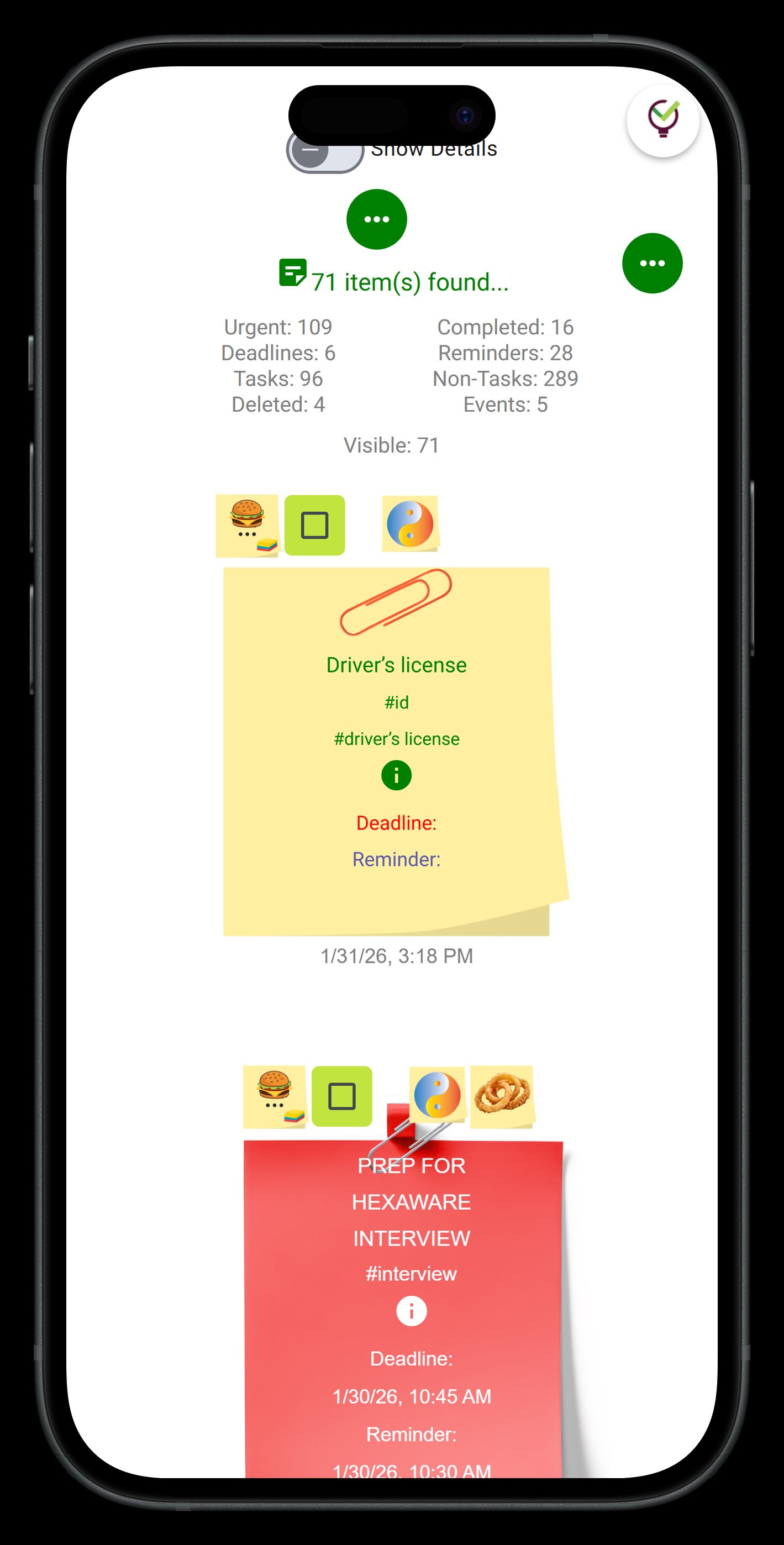
Procrastination thrives on friction. Every extra step between you and starting gives your brain another chance to bail out. The solution? Remove as many barriers as possible.
If you want to exercise, lay out your workout clothes the night before. If you need to write, open a blank document and leave it visible on your screen. If you should call someone, put their number in your phone's favorites.
Environment design beats willpower every time. Instead of relying on motivation, create conditions where the right choice is the easiest choice.
This also works in reverse — add friction to distractions. Log out of social media accounts. Put your phone in another room. Uninstall time-wasting apps. Make the wrong choice harder to make.
External Accountability: Make Avoiding Painful
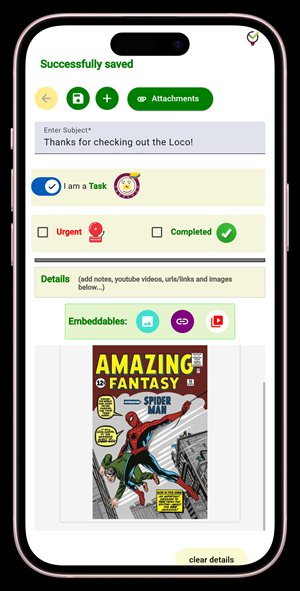
Tell someone about your deadline. Better yet, make them a stake in your success or failure. Public commitment works because humans hate looking incompetent in front of others.
Choose your accountability partner carefully. They need to be someone who will actually follow up, not someone who will let you off the hook with excuses. A colleague who checks your progress weekly works better than a friend who always says 'that's okay, you'll get it next time.'
Make the stakes real. Promise to donate $100 to a political cause you hate if you miss your deadline. Agree to do your partner's least favorite chore. Create consequences that genuinely motivate you.
Use technology to your advantage. Share your goals on social media. Join online accountability groups. Use apps that track and publicize your progress. The more eyes on your commitment, the harder it becomes to quit.
Implementation Intentions: If-Then Planning
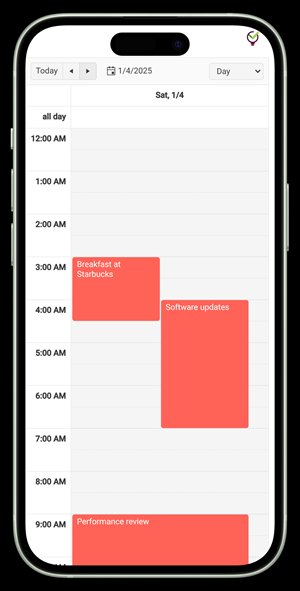
Instead of vague goals like 'I'll work on this project today,' create specific if-then plans: 'If it's 9 AM and I've finished my coffee, then I'll open the project file and work for 25 minutes.'
This strategy works because it removes decision-making from the equation. You're not relying on motivation or remembering to do something. You're following a predetermined script.
Be specific about the trigger (if) and the action (then). 'If I sit down at my desk' is better than 'if I have time.' 'Then I'll write three paragraphs' is better than 'then I'll work on my report.'
Stack new habits onto existing routines. 'After I pour my morning coffee, then I'll review my task list for the day.' This leverages habits you already have to build new ones.
Plan for obstacles too. 'If I feel overwhelmed by a big project, then I'll break it into three smaller tasks and start with the easiest one.' Anticipating problems makes you less likely to be derailed by them.
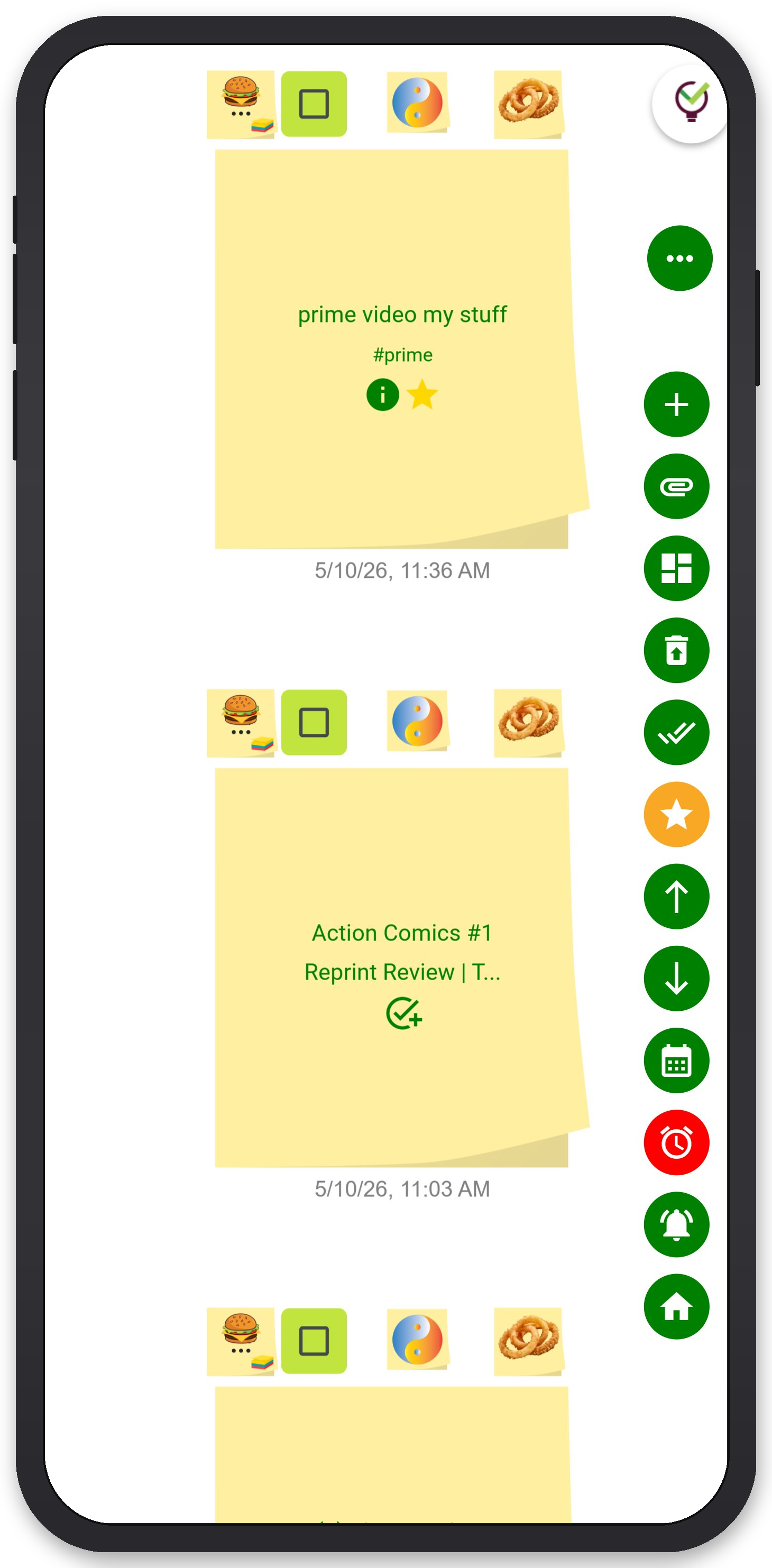
The Honest Comparison
| Feature | TaskLoco | Competitor |
|---|---|---|
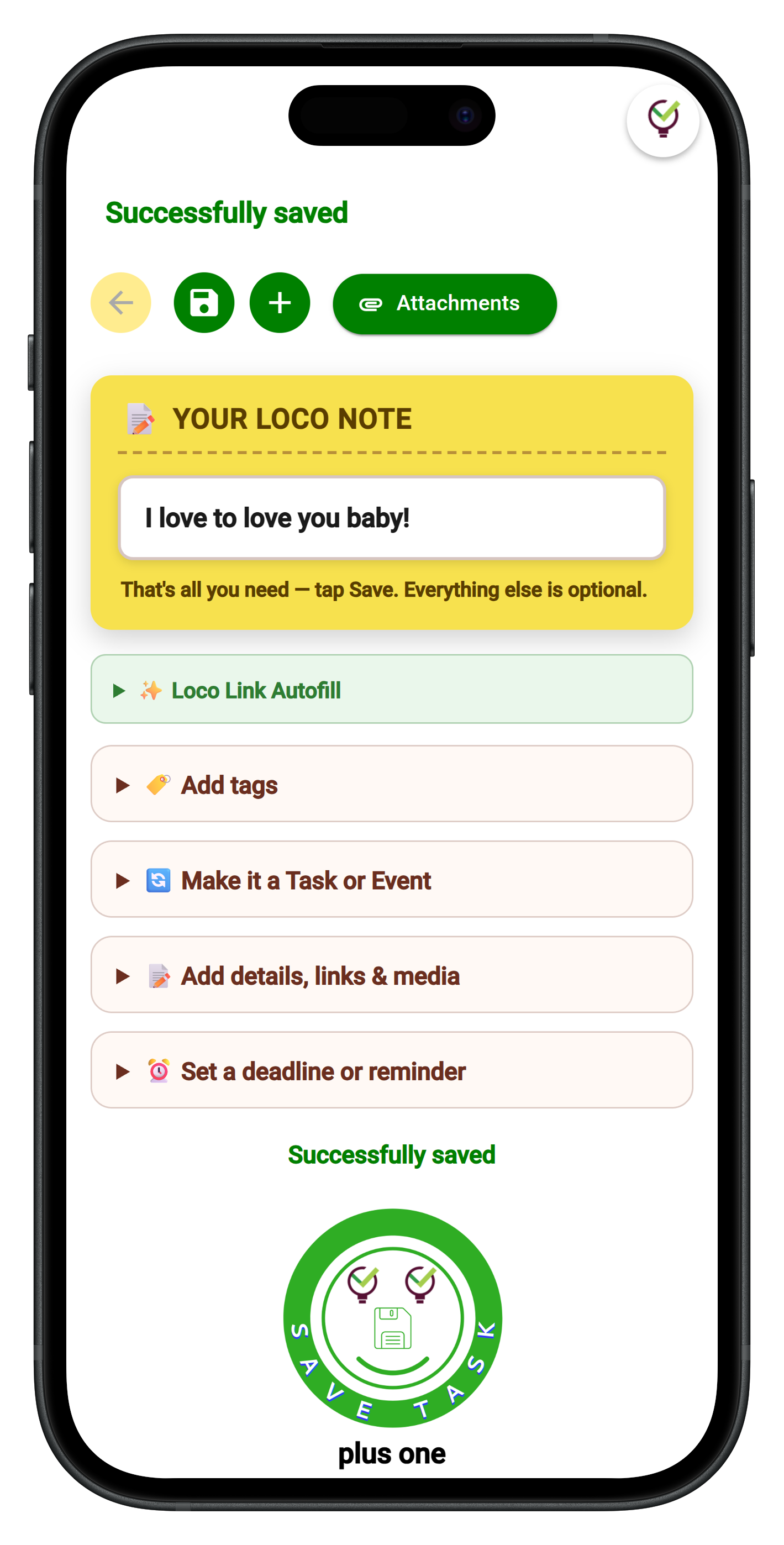
| Quick task capture | One-click note creation from desktop, mobile, or Chrome extension FREE | Manual typing in most apps slows down capture |
| 2-minute timer integration | Built-in reminders help you commit to small time blocks | Most apps don't have dedicated timer features |
| Friction-free starting | Notes sync instantly across all devices — no waiting FREE | Loading times and sync delays create friction |
| Accountability sharing | Share specific notes and progress with team members | Most apps lack simple sharing for accountability |
| Implementation intentions | If-then planning with conditional reminders | Basic reminder systems don't support conditional logic |
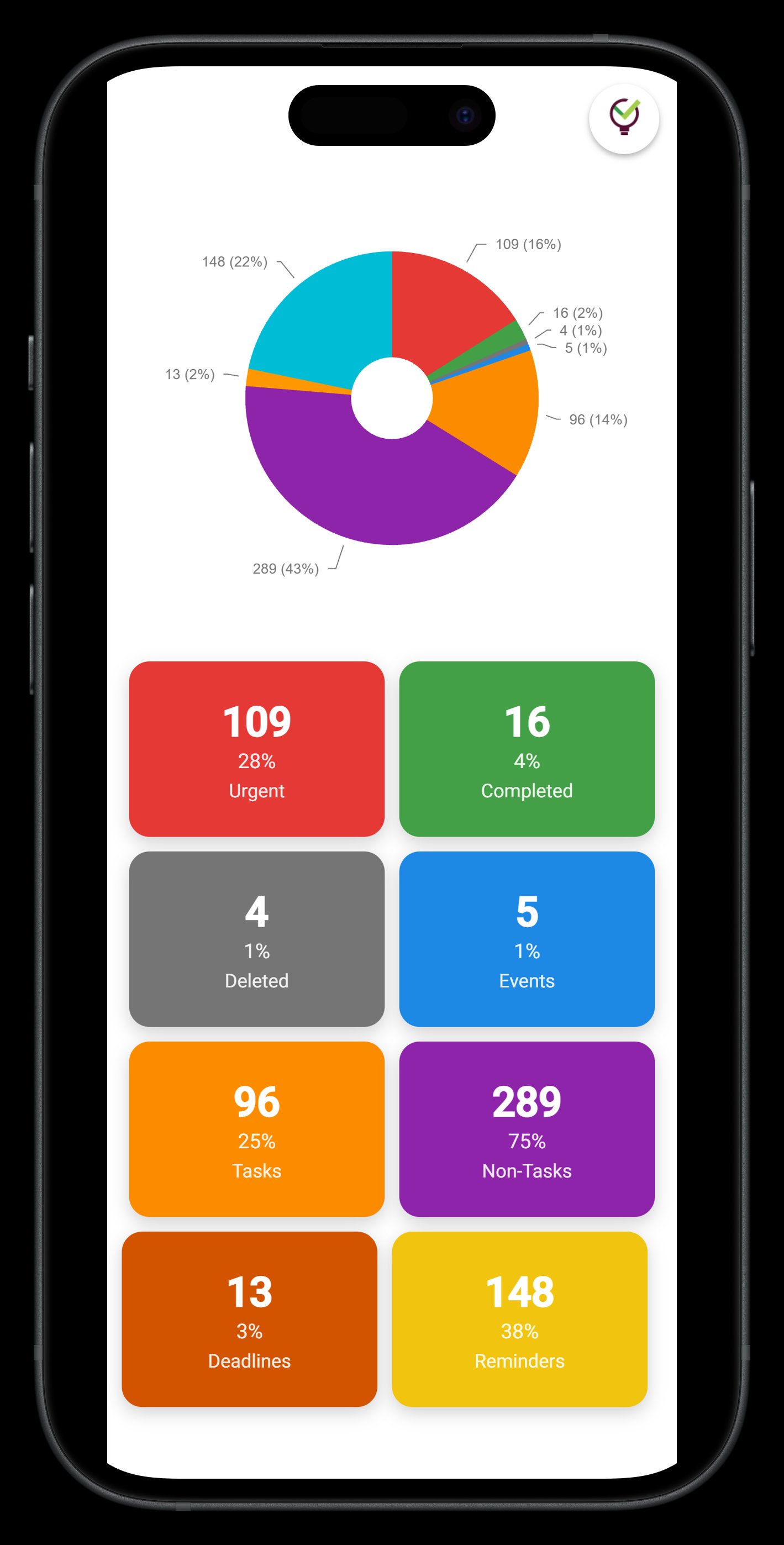
| Progress tracking | Visual completion tracking and streak counting | Limited progress visualization in most apps |
| Distraction blocking | Focus mode hides completed and non-urgent tasks | Most apps show everything all the time |
| Offline access | TaskLoco Lite works completely offline with no account required FREE | Most productivity apps require internet connection |
| File attachment for context | Attach relevant files directly to tasks (10GB included) | Many apps charge extra for file storage |
| Mobile-first design | Native iPhone and Android apps designed for quick capture FREE | Many productivity apps are desktop-first with poor mobile |
| Calendar integration | Built-in calendar view shows tasks and deadlines together | Often requires separate calendar apps or subscriptions |
| Habit stacking support | Link new tasks to existing routines with contextual notes FREE | Most apps don't support habit-building workflows |
| No learning curve | Works like physical sticky notes — instant familiarity FREE | Complex productivity apps require training and setup |
| Team check-ins | Email notifications when shared tasks are updated | Basic sharing without notification systems |
| Web clipper | Chrome extension captures any webpage as a task in one click FREE | Most apps don't have browser integration |
Who Should Use Each
Use TaskLoco if…
- You want to implement the 2-minute rule with built-in timers and progress tracking
- You need quick task capture that doesn't interrupt your flow state
- You want accountability features without complex project management overhead
- You prefer simple tools that work like physical sticky notes but sync everywhere
Use Other Apps if…
- You need advanced project management features like Gantt charts or dependencies
- Your team requires enterprise security compliance and SSO integration
- You want AI-powered task suggestions and natural language input
- You need extensive third-party integrations with business software
Lock In 50% Off — Forever
7-day free trial. No charge until day 8. CHARTER50 auto-applies at checkout.
🔒 Lock In My Charter SpotSee TaskLoco in Action
Frequently Asked Questions
Why do I procrastinate even on tasks I enjoy?
Even enjoyable tasks can trigger procrastination if they feel overwhelming or if you're a perfectionist. Break enjoyable projects into smaller pieces and give yourself permission to do imperfect work initially.
How long does it take to stop procrastinating using these methods?
The 2-minute rule works immediately — you can start today. Building consistent habits typically takes 2-8 weeks depending on the complexity. Focus on one strategy at a time rather than trying all seven simultaneously.
What if I procrastinate on setting up anti-procrastination systems?
Start with the smallest possible step. Instead of creating elaborate systems, just write down one task and set a 2-minute timer. Don't overthink the setup — action beats perfect planning every time.
Is procrastination ever helpful or necessary?
Occasional procrastination can be useful for creative incubation — your subconscious works on problems while you're not actively focused. However, chronic procrastination that interferes with deadlines and goals needs to be addressed.
How do I stop procrastinating on tasks I find boring or meaningless?
Connect boring tasks to bigger goals that matter to you. Find ways to make them more engaging — listen to music, work in a different location, or reward yourself after completion. Sometimes you just have to accept that some work isn't fun.
What's the best app for implementing these anti-procrastination strategies?
$9.99/month per person (currently $4.99/month per person for first 500 charter members with code CHARTER50)
Can procrastination be completely cured or eliminated?
Procrastination is a normal human response to unpleasant or overwhelming tasks. The goal isn't to eliminate it completely but to develop systems and habits that help you start despite not feeling motivated. Even productive people procrastinate sometimes.
Born in Brooklyn. Powered by AWS. Your data stays yours.
TaskLoco is available on iPhone, Android, Chrome, and every web browser.