Busy and full are not the same thing. You can feel overwhelmed on a light week and genuinely stretched thin on a week that looks manageable from the outside. The problem is most people don't know their actual capacity — they just know their current stress level. Those two things correlate, but they're not the same measurement.
Telling when your plate is actually full requires a concrete method, not a gut check. It means knowing what's on your plate right now, what each item truly costs in time and mental energy, and where the margin actually lives. Get that picture right and the answer to "can I take this on?" becomes obvious. Get it wrong and you're either hoarding bandwidth you don't have or turning down things you could have handled.
The Inventory Test: What Is Actually On Your Plate Right Now
The first reason people misjudge their capacity is that they're working from memory instead of a list. Memory is not a reliable inventory system. It surfaces the loudest items — the ones with a deadline tomorrow, the ones someone emailed you about this morning — and quietly buries the rest. So step one is brutal: write everything down.
Sit down and list every active commitment you have. Not just work tasks — include the email thread you promised to follow up on, the appointment you need to schedule, the side project you said yes to three weeks ago. Everything that has a claim on your future time goes on the list. Don't filter as you go. Just capture.
Once you have the full list, assign each item a rough time cost. Not to the minute — a T-shirt size estimate works fine: under an hour, a half day, a full day, more than a day. Then add it up. Most people discover that their mental picture of "how much they have going on" is off by a factor of two or three. The list doesn't lie.
After you have totals, compare them against your actual available hours — not theoretical hours, but the hours you realistically work in a focused state. Account for meetings, context-switching overhead, and the fact that most knowledge work takes 20–30% longer than estimated. What's left after all that is your true remaining capacity. If it's near zero, the plate is full. If it's negative, it's been full for a while.
The Four Signals That Your Plate Is Actually Full
Once you've done the inventory, you don't need to guess. But if you want a faster field test — something you can run in 60 seconds when someone drops a new request in your lap — watch for these four signals.
1. Promises are already slipping. If you have open commitments that you know are behind, not because of circumstances outside your control but because you don't have the time, your plate was already full when you made them. Adding more at this point isn't optimism — it's a pattern that compounds.
2. You're doing work reactively, not intentionally. When your default mode is responding to whatever arrived most recently rather than working from a deliberate priority order, it usually means there's too much to hold in your head at once. Full plates produce reactive behavior because there's no bandwidth left for planning.
3. You can't name your top three priorities right now. This is a fast diagnostic. If someone asks what the three most important things on your plate are today and you hesitate or give four or five answers, it's a sign the plate is overloaded. Real capacity means knowing the order.
4. Recovery time has disappeared. Cognitive work requires white space — time between tasks where your brain consolidates, resets, and prepares for the next thing. If your calendar and task list are packed edge to edge with no breathing room, you're not working at full capacity even on the things that are on your plate. You're working at reduced capacity on all of them.
None of these signals require a complicated system to detect. They just require honesty. The reason most people don't catch them early is that they're waiting to feel overwhelmed, rather than checking the math.
What To Do When the Plate Is Full
Identifying that your plate is full is the diagnostic. What you do next is the actual skill. There are only four options — and only one of them is usually honest.
Say no, or not yet. This is the right answer most of the time. A clean "no" with a brief explanation — "I have active commitments I need to protect, so I can't take this on right now" — is more useful to everyone than a yes that doesn't deliver. "Not yet" works when the request is important and you can name a real date when your capacity opens up.
Trade, don't stack. If the new thing is genuinely more important than something already on your plate, the move is to take something off, not to add on top. This requires you to go back to whoever is waiting on that original commitment and reset expectations. That conversation is uncomfortable — but it's better than silently deprioritizing someone without telling them.
Renegotiate scope or timeline. Some commitments have more flexibility than they appear to. Before you default to a hard no, it's worth asking: is there a smaller version of this I could take on? Is the deadline firm? Renegotiation only works if you're honest about why you're asking — "I want to do this well and right now I can't give it the time it deserves" lands better than vague "I'm just really busy."
Protect recovery time deliberately. If your diagnosis is that the plate is full but the items on it are non-negotiable, the lever you have left is the quality of how you work through them. That means blocking focused work time, batching similar tasks, and actively protecting gaps between commitments — not because you're being precious about your schedule, but because cognitive work done with no recovery time takes longer and produces worse output. Protecting capacity is a delivery strategy, not a luxury.
Using TaskLoco To Keep Your Plate Visible
The inventory method described above works with any tool — or no tool at all. A piece of paper works. What makes it sustainable is doing it consistently, and that's where having one reliable place to capture commitments matters more than the format.
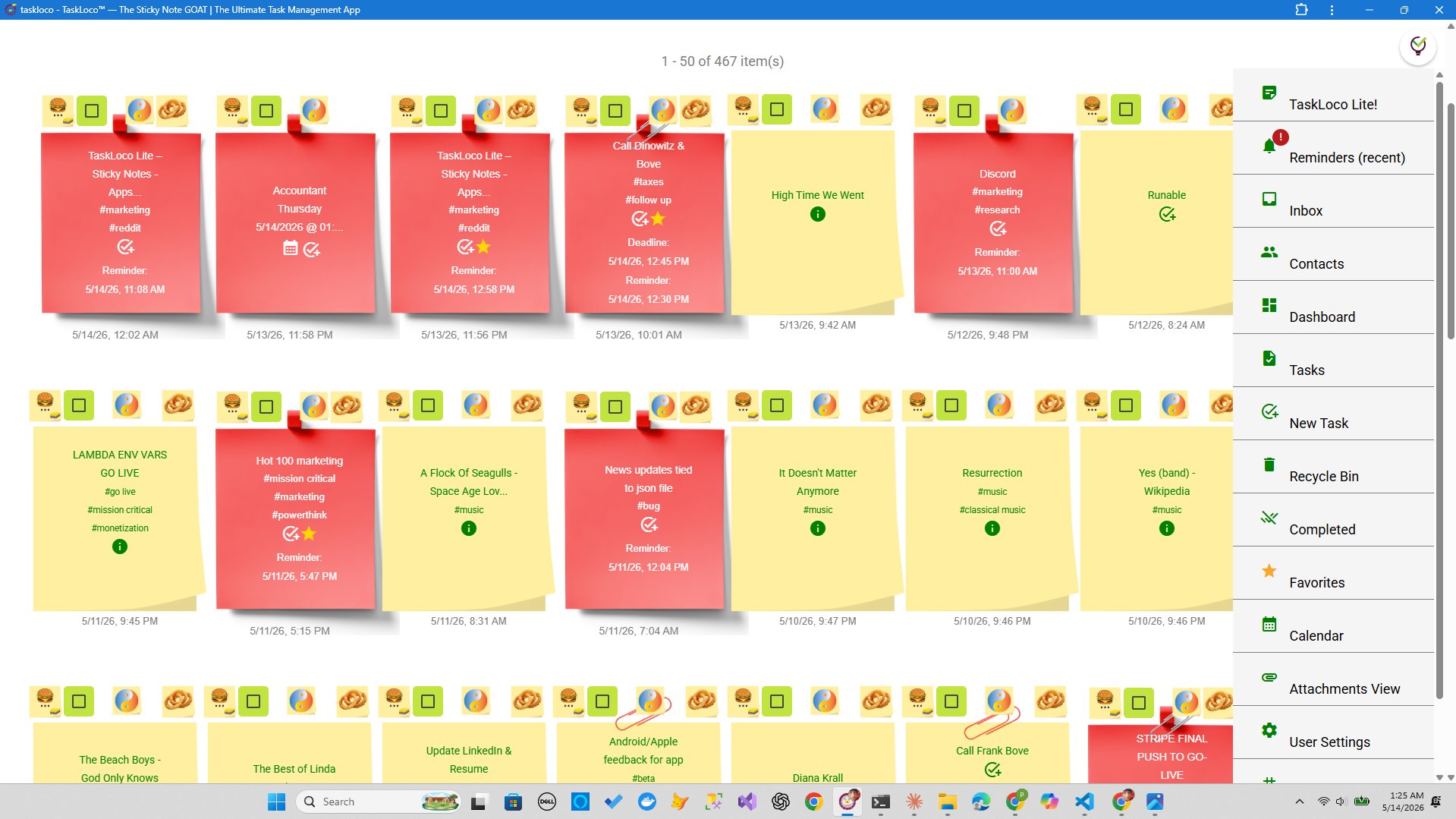
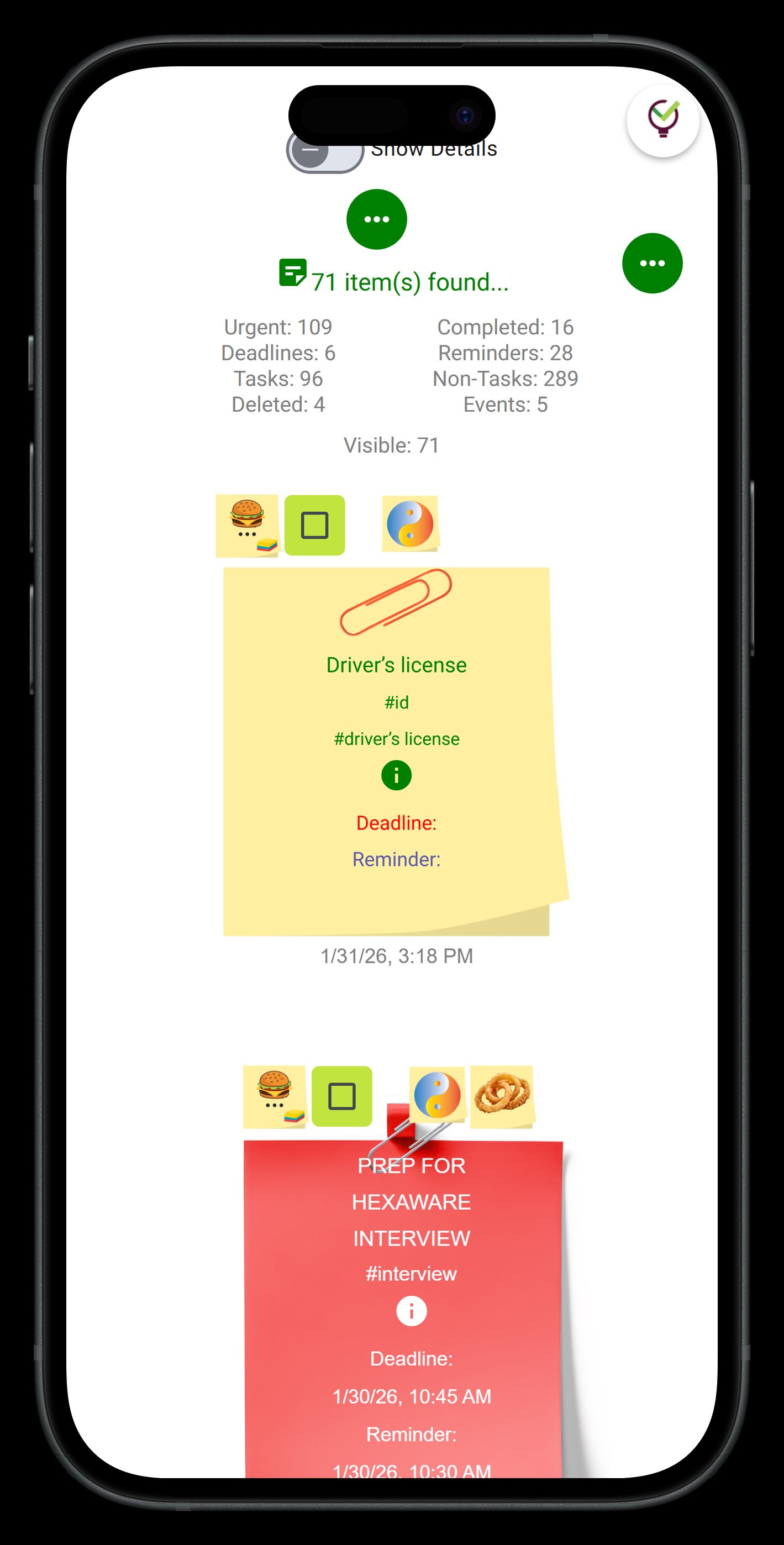
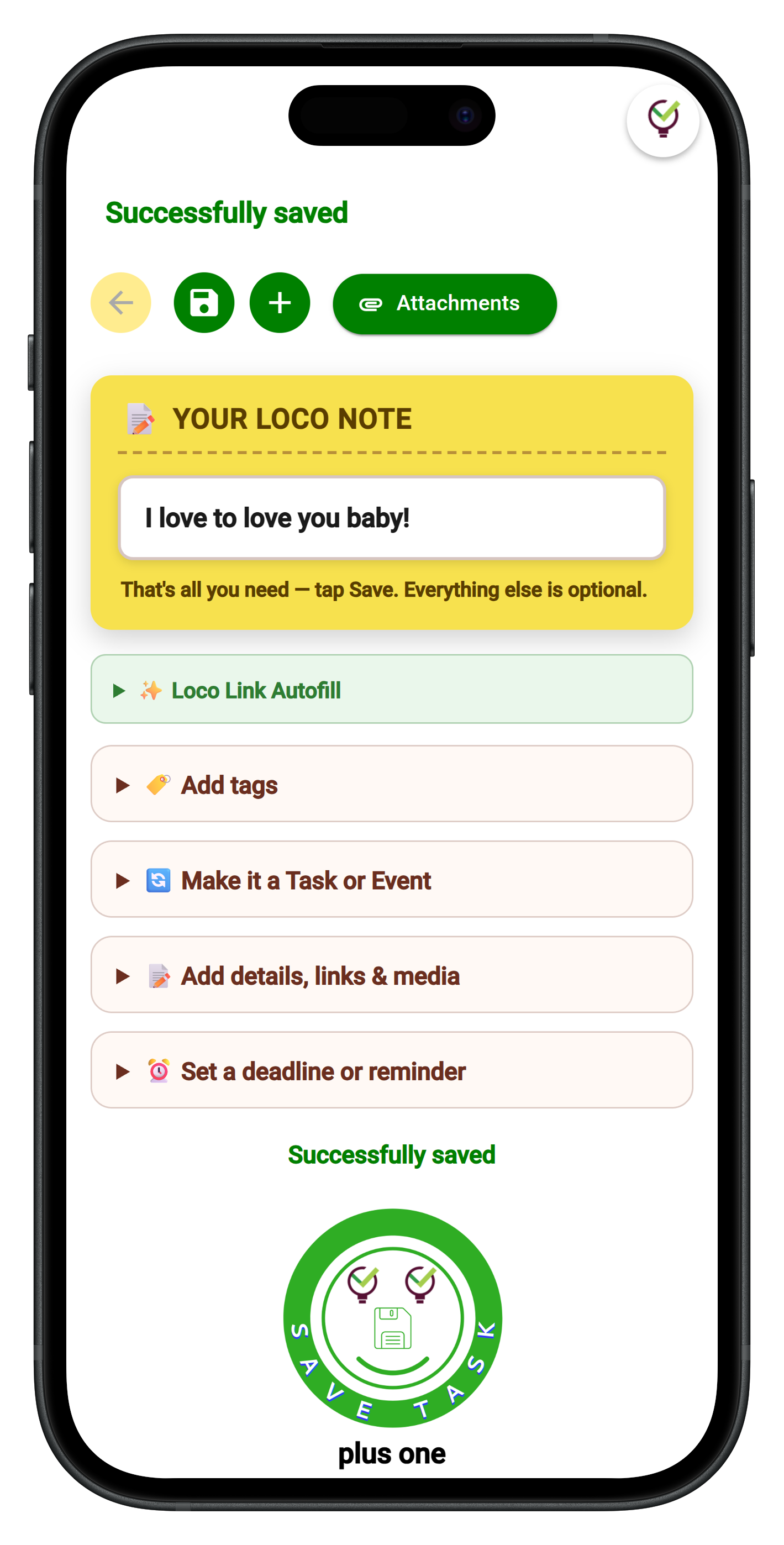
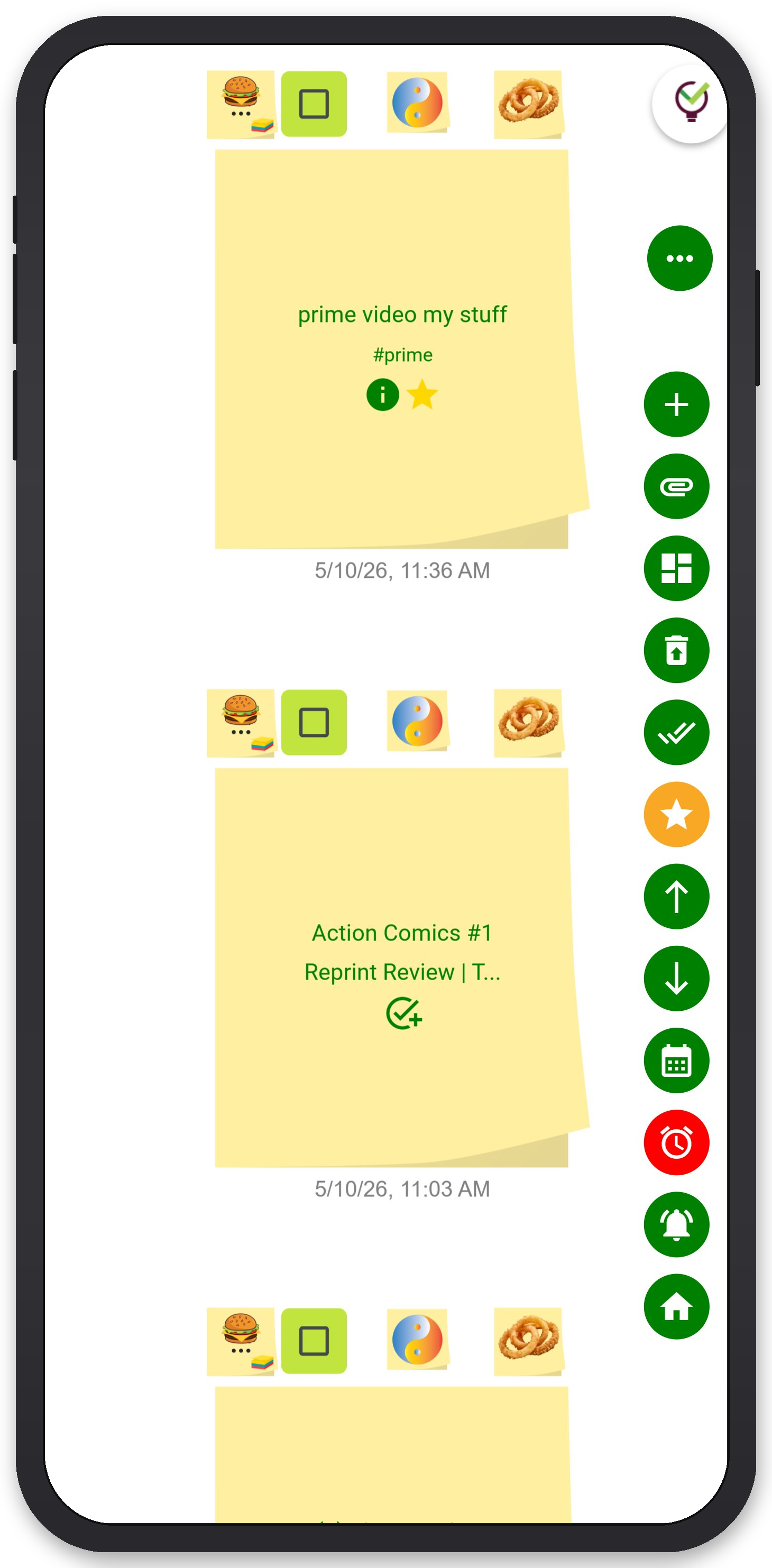
TaskLoco Premium is built around sticky notes — the same mental model as pulling everything out of your head and putting it somewhere you can see it. Every commitment gets a note. Notes live on a wall view you can scan at a glance. When you want to run the inventory test, you open the wall and count. When something is done, you remove it. The board becomes an honest picture of your current plate — not a filtered memory version of it.
The reminders work as push notifications delivered directly to your phone and computer, and each one deep-links back to the original note so you land in context, not in a generic inbox. That means when a commitment surfaces at the right moment, you're back inside the specific note where the details live — not hunting through a list of items that all look the same. Optional email and SMS notifications are available as add-ons if you want additional channels.
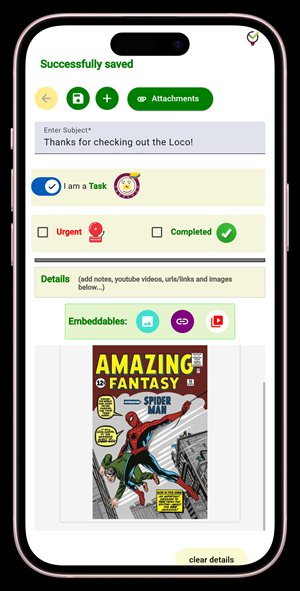
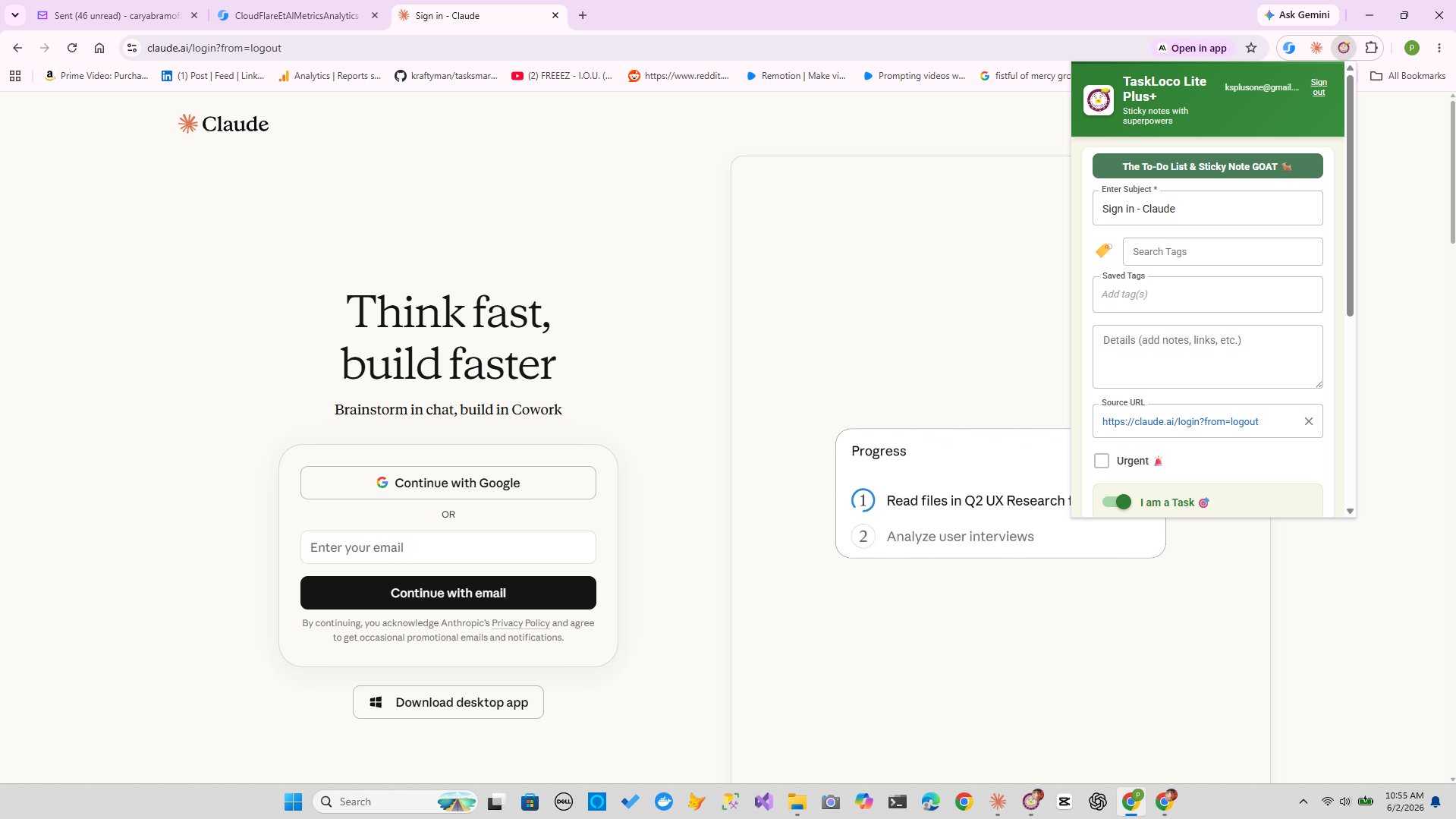
The Chrome extension lets you clip a webpage into a note in one click — useful when a new request arrives as a link or document and you want to capture it without breaking your current focus to triage it immediately. File attachments with 10GB of storage mean supporting materials live next to the note they belong to, rather than scattered across different apps.
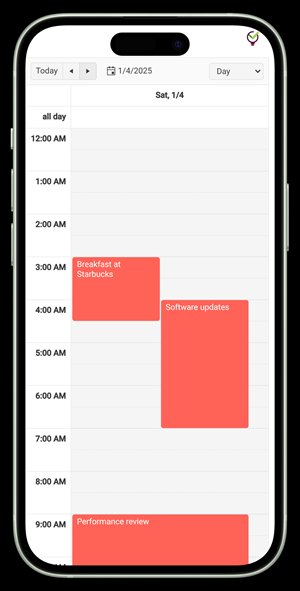
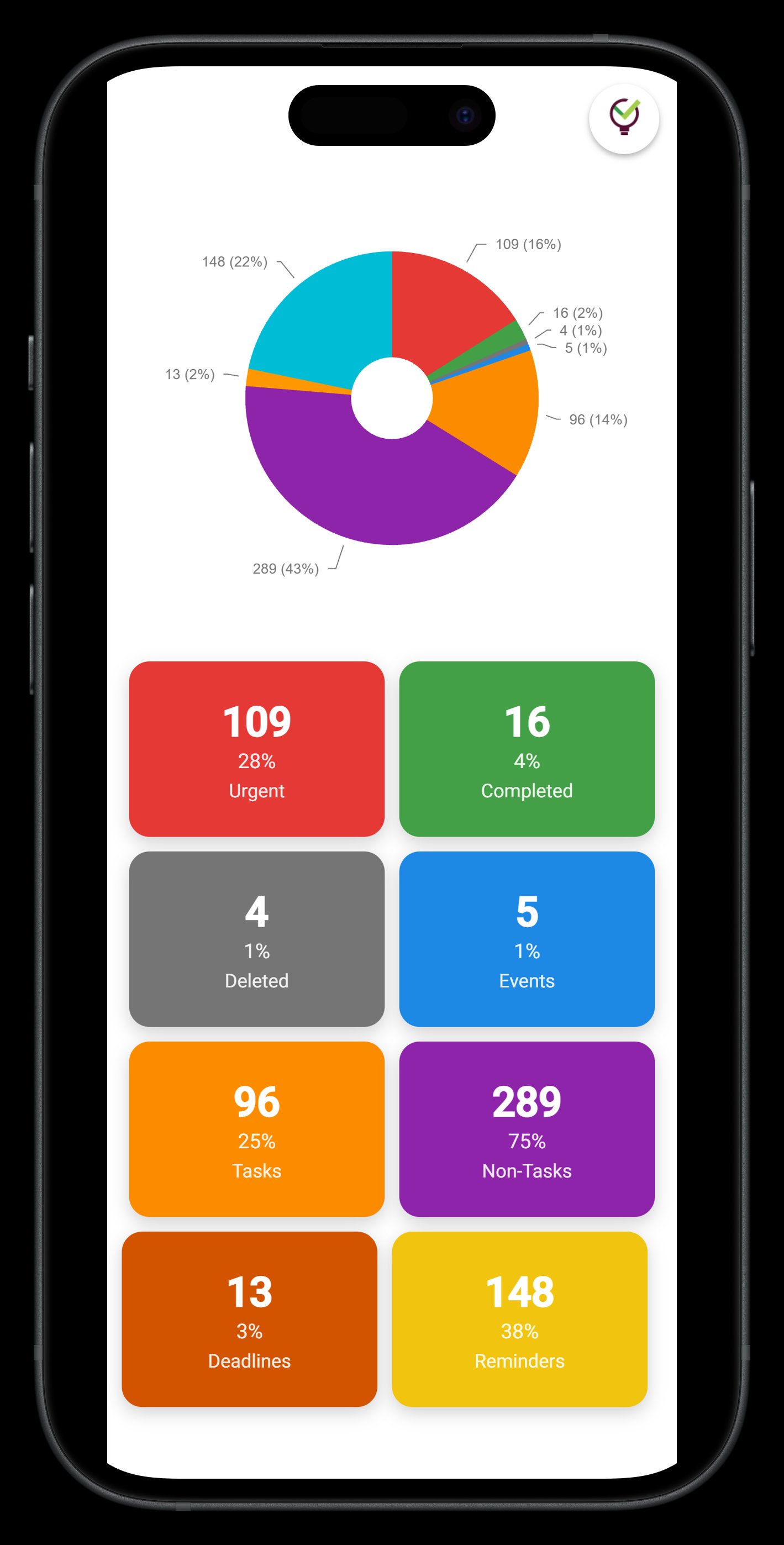
TaskLoco Lite is a free native app for iPhone and Android — no sign-in required, no account, stores up to 20 notes on your device. It's a good starting point if you want to try the sticky note model with zero friction. TaskLoco Lite Plus+ is also free and adds cross-device sync and up to 30 notes through the web app. Premium unlocks unlimited notes, reminders, the calendar view, team sharing, and file attachments.
TaskLoco Premium is regularly $9.99/month per person. Right now, charter members can lock in 50% off the regular price — forever. That means $4.99/month per person today. And if our price ever goes up, you still pay half. Always.
Code CHARTER50 auto-applies at checkout. First 500 spots only — once they're gone, this offer is gone permanently. Act fast while spots last.
Every Premium subscription includes unlimited notes, 10GB file storage, reminders, calendar, and team sharing. Each team member requires a separate subscription. 7-day free trial — no charge until day 8. Cancel anytime.
Free Options: TaskLoco
TaskLoco Lite
- Native iPhone & Android app
- Completely anonymous — no sign-in
- Data stays on your device
- Up to 20 notes
- Free forever
TaskLoco Lite Plus+
- Web app + Chrome extension
- Sign in with Google
- Wall syncs across all devices
- Up to 30 notes
- Free forever
Lock In 50% Off — Forever
7-day free trial. No charge until day 8. CHARTER50 auto-applies at checkout.
🔒 Lock In My Charter SpotSee TaskLoco in Action
Frequently Asked Questions
How do I know if I'm overcommitted or just having a rough week?
The difference is measurable. Write down every active commitment you have and estimate the time each one requires. Then compare that total to your real available hours — not theoretical hours, but focused working hours after meetings and overhead. If the sum of commitments exceeds the available time, you're overcommitted. If the math balances but the week feels hard, it's probably a rough week. The gut feeling of overwhelm tracks stress, not capacity — which is why the list is the only reliable test.
What's the fastest way to assess your plate when someone asks for something right now?
Ask yourself one question: can I take this on without dropping something I've already promised? If yes, the plate has room. If no, it's full. The honest version of this question requires you to actually know what's on your plate — which is why maintaining a current list of commitments is the real prerequisite. Without it, you're estimating from stress level, which isn't the same thing.
How do you politely say no when your plate is full?
Be direct and brief. "I have active commitments I need to protect right now, so I'm not able to take this on" is complete and honest. You don't need to enumerate your workload or apologize extensively. If you can offer a real timeline — "I could look at this in three weeks when a project closes out" — that's useful. If you can't, a clean no is more respectful than a vague maybe that never materializes.
Is it ever okay to say yes when your plate is already full?
Only if you're willing to take something else off. A full plate plus one more item equals a broken promise somewhere — you just don't know which one yet. The honest version of saying yes to a new thing when capacity is already gone is going back to a prior commitment, telling that person you need to adjust, and making a real trade. If you're not willing to have that conversation, the answer to the new request should be no.
Why do I always underestimate how much I have going on?
Two reasons. First, memory surfaces recent and urgent items while suppressing everything that isn't currently screaming for attention — so your mental model of your plate is always skewed toward what happened this morning. Second, most people estimate task time optimistically, assuming best-case conditions. Work almost never happens under best-case conditions. Writing everything down and using honest time estimates consistently closes most of the gap.
How can TaskLoco help me manage my plate?
TaskLoco keeps every commitment on a visible sticky note wall so your plate is always in front of you — not stored in your head where items go dark. Premium includes reminders delivered as push notifications that deep-link back to the original note, a calendar view, unlimited notes, and team sharing. Lite is a free native app for iPhone and Android with no sign-in required. Lite Plus+ is free on the web with cross-device sync. $9.99/month per person (currently $4.99/month per person for first 500 charter members with code CHARTER50)
What's the difference between being busy and being at capacity?
Busy describes how your time feels. Capacity is a measurement of what your time can actually hold. You can be busy on a light week if the work is mentally demanding or if you haven't slept. You can be at or over capacity on a week that doesn't feel particularly hectic if the commitments stack up past what the available hours can absorb. Managing your plate well means tracking capacity — the math — not just responding to how busy you feel in the moment.
Born in Brooklyn. Powered by AWS. Your data stays yours.
TaskLoco is available on iPhone, Android, Chrome, and every web browser.