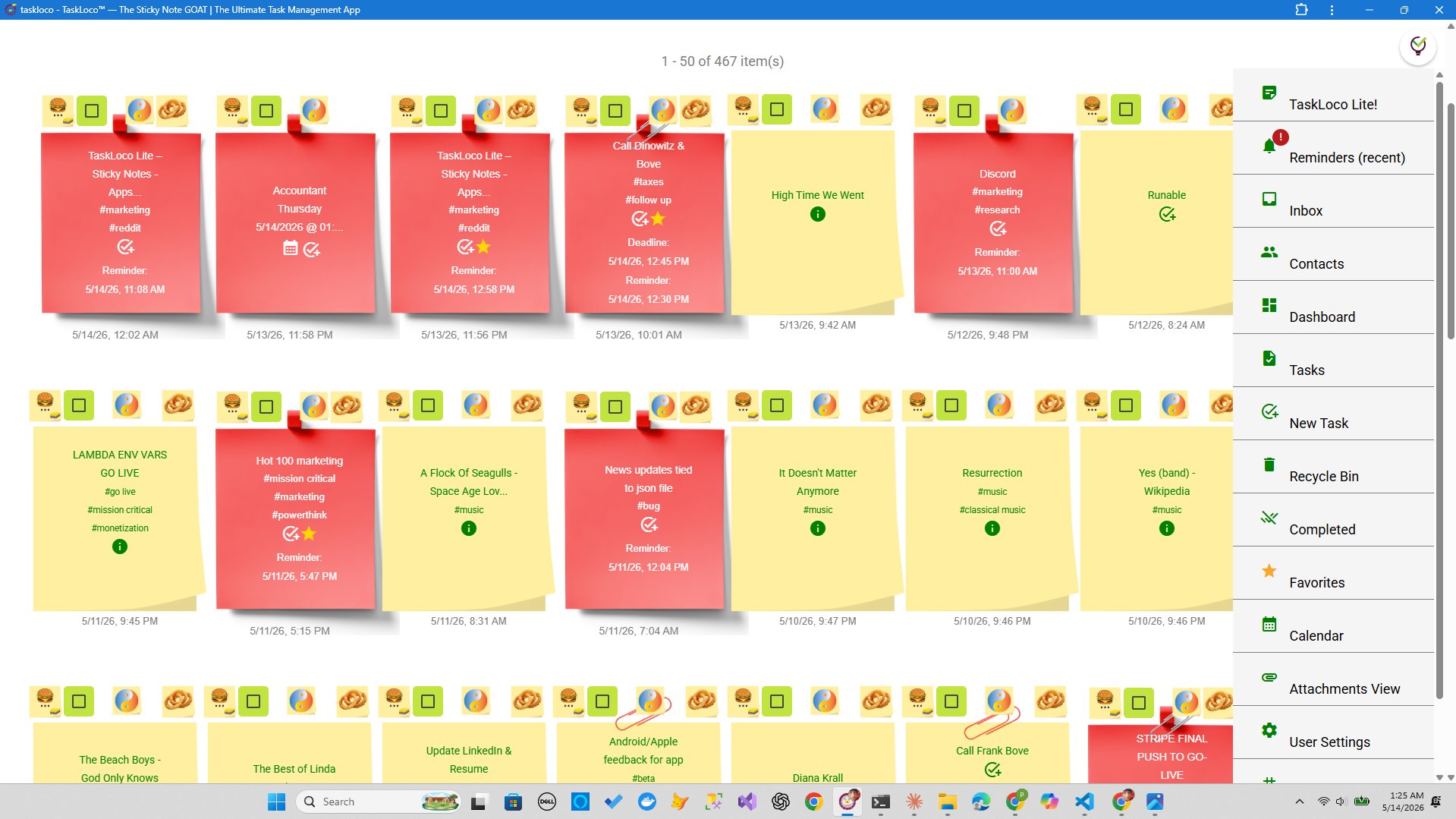
Time blocking transforms chaotic days into focused, productive sessions. Instead of juggling endless to-do lists and constant interruptions, you pre-assign every hour to specific work, creating protected zones where deep focus becomes possible.
The method works because it forces you to estimate how long tasks actually take, prevents overcommitment, and gives you permission to ignore distractions during each block. Here's exactly how to set up time blocking that actually sticks.
Step 1: List Everything You Need to Do
Start by dumping every task, project, and commitment into one master list. Include work projects, personal errands, exercise, meals, meetings — everything that requires time. Don't organize yet, just capture.
Be ruthlessly specific. Instead of "work on presentation," write "research competitor pricing" and "create slide deck outline." Vague tasks make time estimation impossible and leave you guessing during each block.
Most people discover they've been trying to fit 12 hours of work into an 8-hour day. This reality check is brutal but necessary — you can't time block effectively until you know what you're actually dealing with.
Step 2: Estimate Time for Each Task
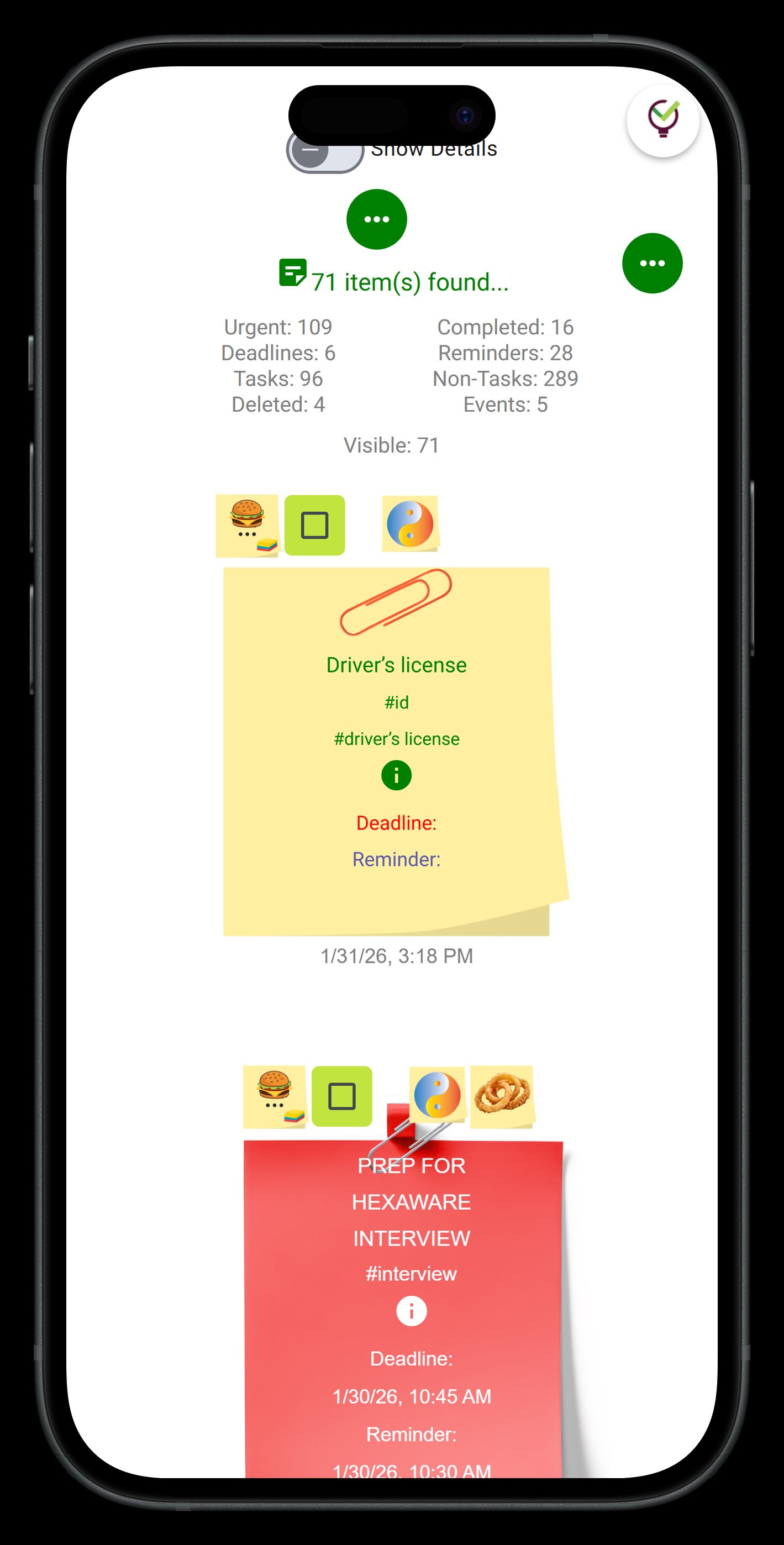
Go through your list and assign realistic time estimates to every item. Most people underestimate by 50% — if you think something takes 30 minutes, block an hour. Include buffer time for context switching, unexpected interruptions, and the inevitable "this is more complex than I thought" moments.
Track your estimates against actual time for a week. You'll quickly learn your personal patterns — maybe you're accurate with creative work but terrible at estimating admin tasks. This data becomes your calibration tool.
For recurring activities like email, meetings, and daily standup calls, use your historical average. If Monday meetings always run 90 minutes despite being scheduled for 60, block 90 minutes.
Step 3: Block Your Calendar
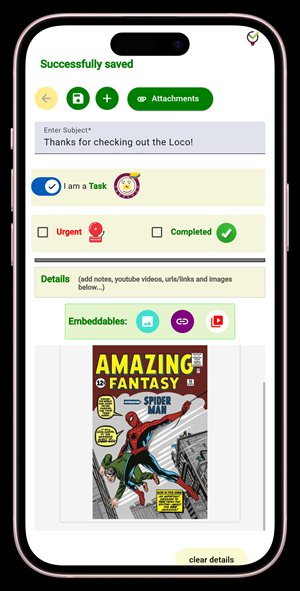
Open your calendar and start dropping tasks into specific time slots. Treat these blocks like unmovable appointments — because they are. If "write quarterly report" gets blocked from 9-11 AM Tuesday, that time is spoken for.
Group similar tasks together to minimize context switching. Block all your deep focus work during your personal peak energy hours. Most people have 3-4 hours of prime focus time — protect those ruthlessly.
Leave 25% of your day unblocked for interruptions, urgent requests, and tasks that inevitably take longer than expected. A packed calendar becomes a broken system the moment anything unexpected happens.
Color-code different types of work — deep focus gets one color, meetings another, admin tasks a third. This visual system makes it easy to spot when your day is balanced or completely skewed toward low-value activities.
Making Time Blocking Work with TaskLoco
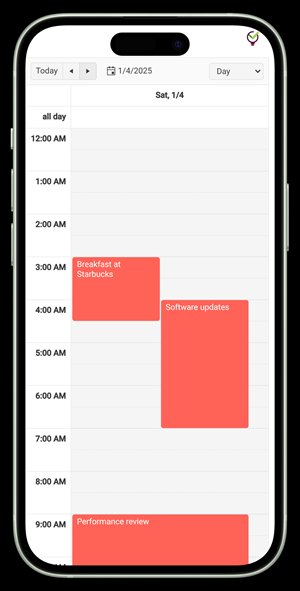
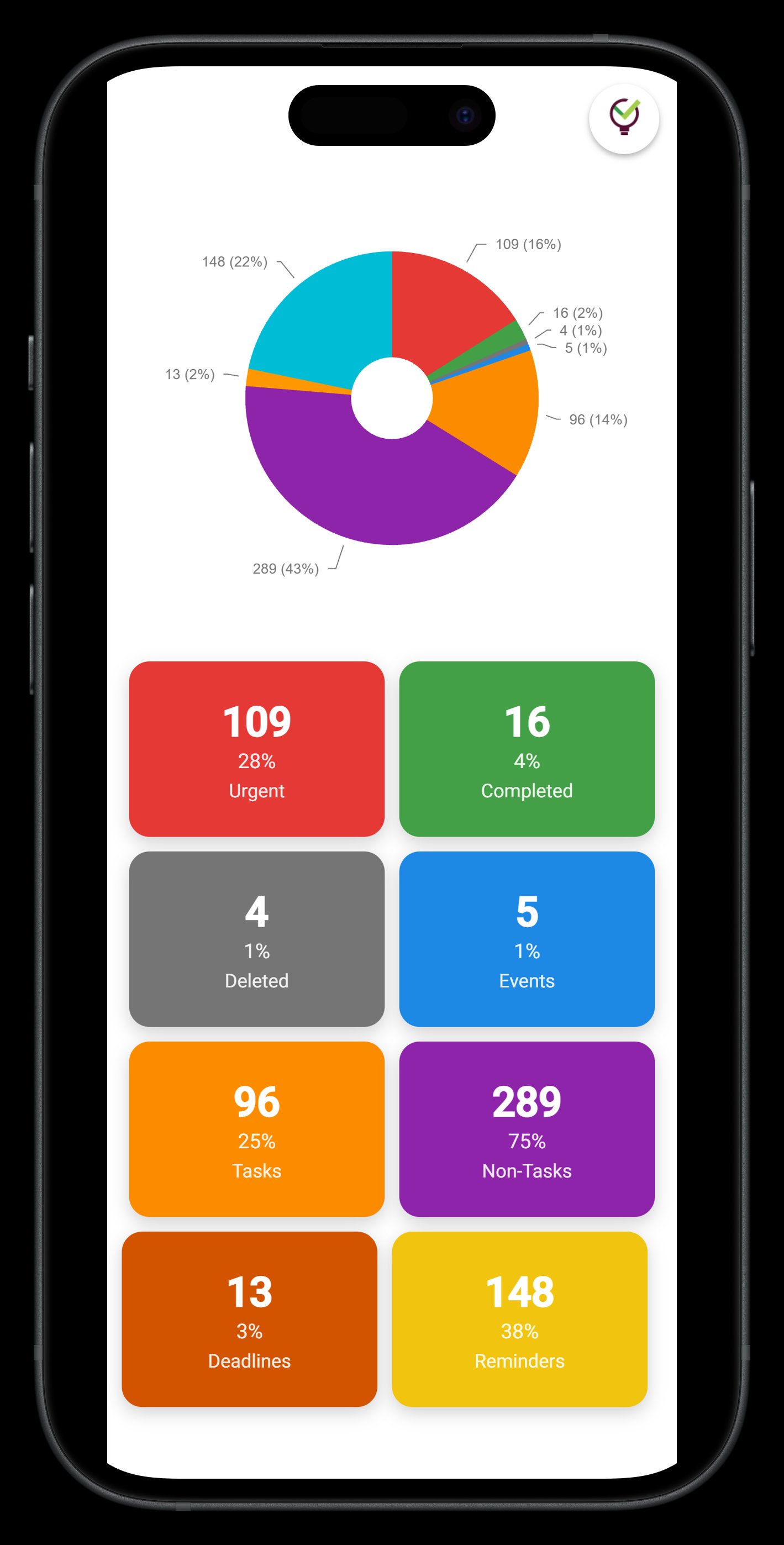
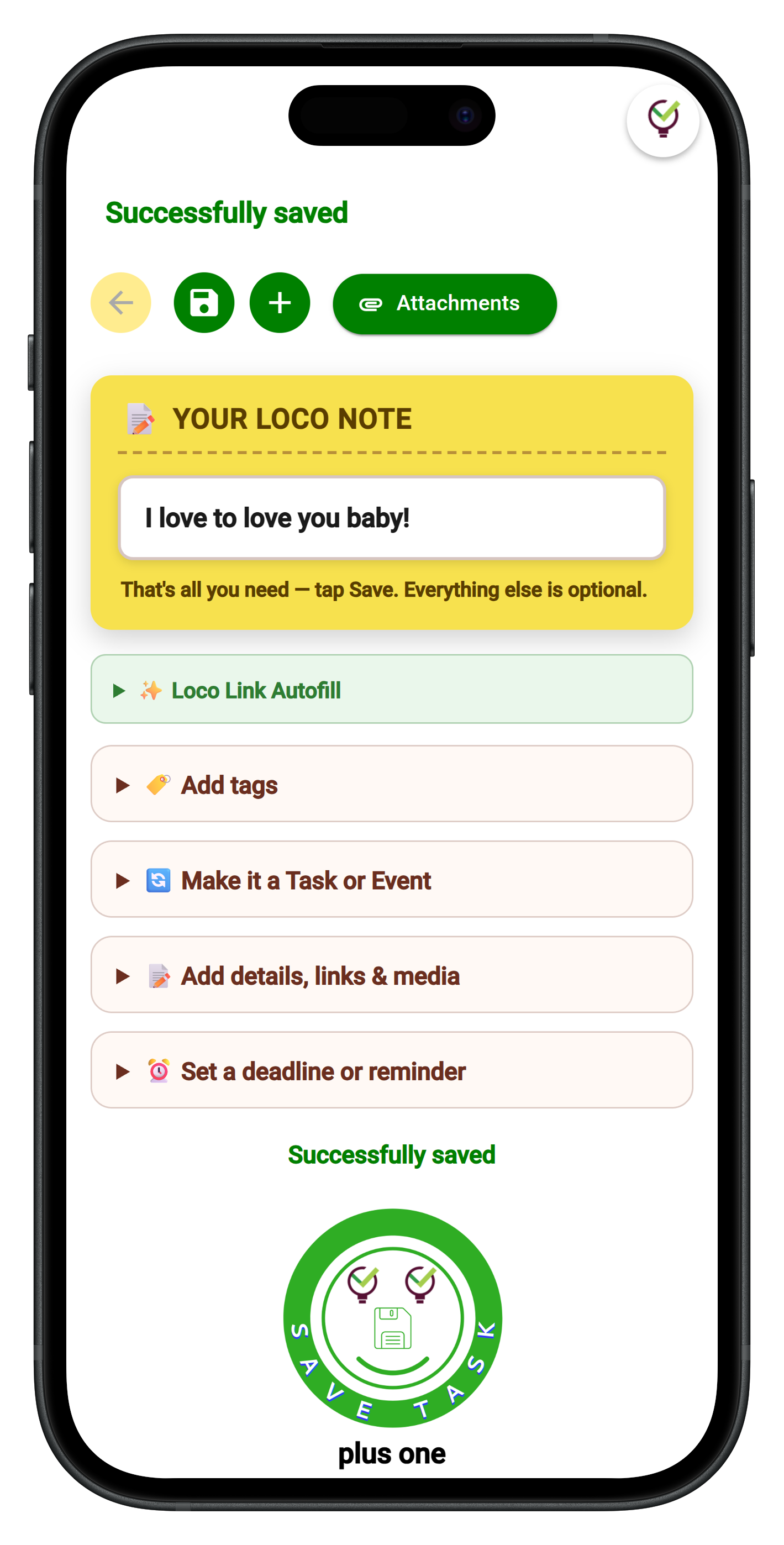
TaskLoco streamlines time blocking by combining your task capture, time estimates, and reminders in one place. Create notes for each major project, estimate time directly in the task, and set reminders that deep-link back to the exact work when it's time to start.
The calendar view lets you see all your time blocks at a glance, while file attachments keep project resources connected to their scheduled time slots. When your 2 PM "client proposal" block starts, one click takes you to the note with all your research, drafts, and reference materials already attached.
$9.99/month per person (currently $4.99/month per person for first 500 charter members with code CHARTER50)
TaskLoco Premium is regularly $9.99/month per person. Right now, charter members can lock in 50% off the regular price — forever. That means $4.99/month per person today. And if our price ever goes up, you still pay half. Always.
Code CHARTER50 auto-applies at checkout. First 500 spots only — once they're gone, this offer is gone permanently. Act fast while spots last.
Every Premium subscription includes unlimited notes, 10GB file storage, reminders, calendar, and team sharing. Each team member requires a separate subscription. 7-day free trial — no charge until day 8. Cancel anytime.
Free Options: TaskLoco
TaskLoco Lite
- Native iPhone & Android app
- Completely anonymous — no sign-in
- Data stays on your device
- Up to 20 notes
- Free forever
TaskLoco Lite Plus+
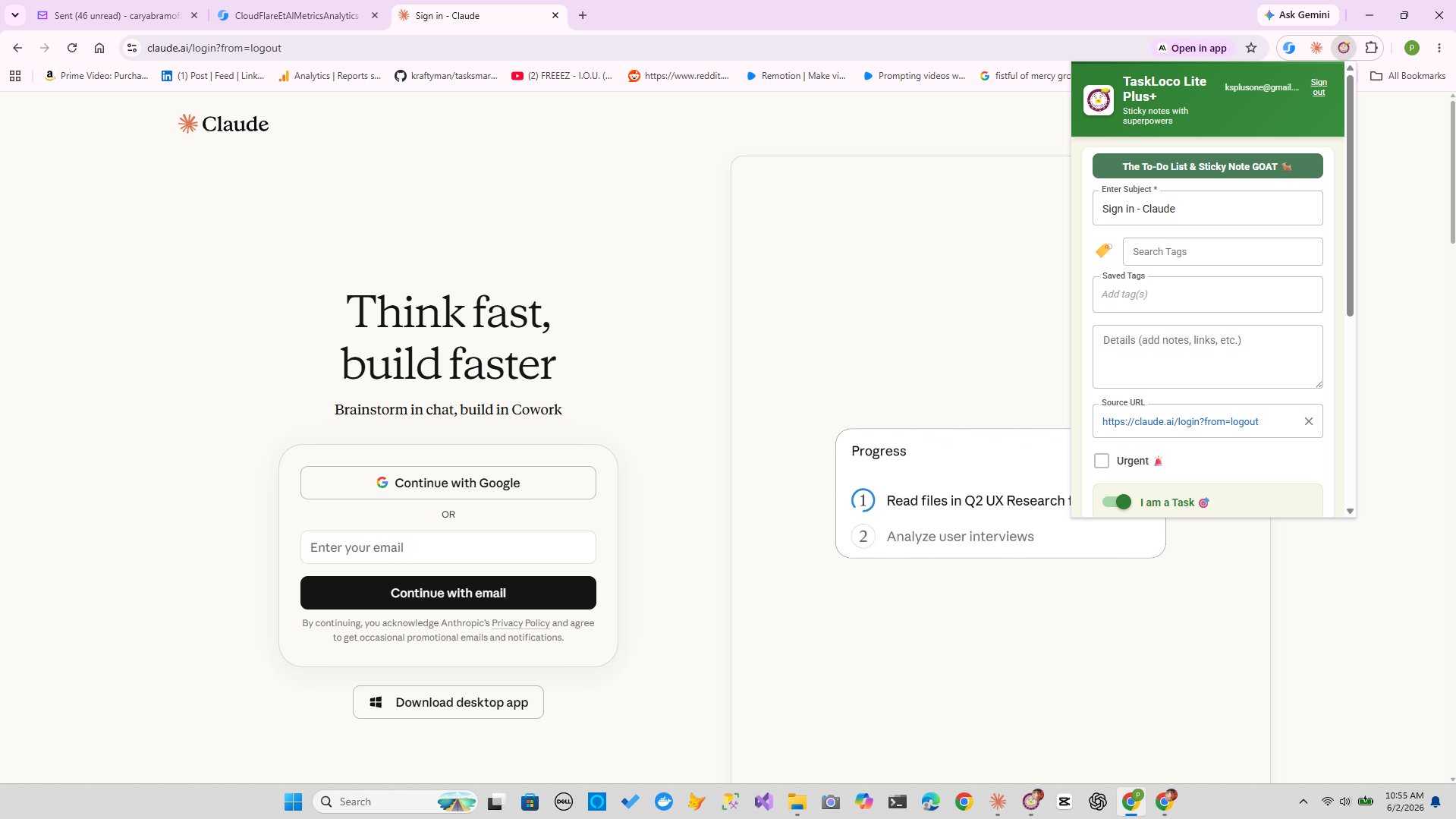
- Web app + Chrome extension
- Sign in with Google
- Wall syncs across all devices
- Up to 30 notes
- Free forever
Lock In 50% Off — Forever
7-day free trial. No charge until day 8. CHARTER50 auto-applies at checkout.
🔒 Lock In My Charter SpotSee TaskLoco in Action
Frequently Asked Questions
How long should each time block be?
Most focused work blocks should be 90-120 minutes — long enough for deep work but short enough to maintain energy. Administrative tasks can be shorter 30-45 minute blocks. Always include 15-minute buffers between blocks for transitions.
What if I get interrupted during a time block?
Protect your blocks like you would any important meeting. If someone needs you urgently, ask if it can wait until your current block ends. For true emergencies, note where you stopped and resume the block later or reschedule it entirely.
Should I time block personal activities too?
Yes, especially exercise, meals, and family time. If these matter to you, they deserve protected time slots just like work tasks. Many people find that scheduling personal time actually helps them stick to it consistently.
How far in advance should I plan time blocks?
Plan one week ahead for major blocks, then adjust daily. Review and refine your next day's blocks the evening before — morning planning takes up valuable focus time that could be spent on actual work.
What if a task takes longer than its time block?
Stop when the block ends and evaluate. Can you finish in 15 more minutes? Extend it. Need another hour? Reschedule the next block or move this task to tomorrow. Don't let one overrun destroy your entire day's schedule.
How do I handle recurring meetings in my time blocks?
Block recurring meetings first, then build your focused work blocks around them. If you have a 10 AM standup every Tuesday, that time is permanently unavailable for deep work. Plan accordingly.
Can time blocking work with an unpredictable schedule?
Yes, but focus on blocking your controllable time. Even if you only have 2-3 predictable hours per day, time blocking those hours prevents them from getting lost to reactive work and interruptions.
Born in Brooklyn. Powered by AWS. Your data stays yours.
TaskLoco is available on iPhone, Android, Chrome, and every web browser.