Monday morning has a reputation it doesn't deserve. The dread, the slow start, the first hour spent just figuring out where you left off — none of that is inevitable. It's the direct result of leaving Friday unfinished.
The people who show up Monday morning already in motion aren't working harder or getting up earlier. They spent 15 minutes on Friday doing something most people skip entirely: a proper shutdown. This article walks through exactly what that looks like, why it works, and how to make it a habit that sticks.
The Friday Shutdown: What It Is and Why It Works
A Friday shutdown is a deliberate, brief ritual at the end of your workweek. The goal is simple: close every open loop so your brain doesn't spend the weekend quietly churning through unfinished business.
Psychologists call this the Zeigarnik effect — the mind holds onto incomplete tasks far more stubbornly than completed ones. When you leave Friday without closing out, your brain keeps those loops spinning in the background. You're technically off the clock, but mentally you never really left. By Sunday evening, the anxiety ratchets up because Monday is close and nothing feels resolved.
The shutdown ritual short-circuits that cycle. It's not about finishing everything — that's impossible. It's about capturing everything and making deliberate decisions about what happens next. Once it's written down and assigned a place, your brain can let it go.
The ritual has three parts: a review, a capture, and a plan. Each one takes about five minutes. Together they take less time than most people spend complaining about Mondays.
The Three-Part Shutdown Ritual, Step by Step
You can do this with a notebook, a whiteboard, a notes app, or a napkin. The tool is secondary. The structure is what matters.
Step 1 — The Review (5 minutes)
Look back at the week. Scan your task list, your inbox, your calendar, your notes. Ask three questions: What did I finish? What didn't I finish? What came in this week that I haven't dealt with yet? You're not judging yourself — you're taking inventory. Anything unfinished gets written down.
Step 2 — The Capture (5 minutes)
This is the most important step. Everything that's still floating — the email you need to send, the idea you had on Wednesday, the thing someone mentioned in passing — gets written down in one place. Not sorted, not prioritized yet. Just captured. The act of writing it down is what tells your brain it's safe to let go.
- Check your email drafts folder — anything unsent?
- Check your browser tabs — are any of them actually reminders in disguise?
- Check your notebook, your phone camera roll, your voice memos — anything captured informally this week?
- Think about your conversations this week — any promises made or received that need a follow-up?
Step 3 — The Monday Plan (5 minutes)
Look at everything you just captured plus your existing task list. Pick exactly three things that must happen Monday. Not ten. Not a full schedule. Three. Write them at the top of a fresh page or a new note. These are your Monday morning targets — the first things you touch when you sit down, before email, before messages, before anything reactive.
Then close your laptop. Actually close it. The ritual ends with a deliberate act of stopping — not trailing off mid-task. Some people even say the word "shutdown" out loud. It sounds strange until you try it. It works because it signals to your brain that work is over, not just paused.
Making the Habit Stick
Most people try the shutdown ritual once, feel great, then gradually let it slip. The most common reasons: Friday afternoons are chaotic, meetings run late, or it just feels easier to close the laptop and go. Here's how to protect the ritual from real-world friction.
Block it on your calendar. A 20-minute block at 4:30 PM Friday (or whatever time suits your workday) is harder to steal than an intention. Name it something that motivates you — "Monday head start" or "week close." Treat it as a real meeting you can't skip.
Use the same format every week. A template eliminates decision fatigue. If your shutdown review always covers the same five areas — tasks, email, calendar, notes, open commitments — you don't have to think about what to review. You just do it.
Keep your capture in one place. The fatal mistake is having tasks in five different places and spending the whole review trying to remember where you wrote things. Pick one place for everything and move everything there. When the review comes, you only have to look in one spot.
Don't skip it when you're busy — especially then. The weeks when you most feel like skipping the shutdown are the weeks when you need it most. A chaotic Friday is a sign that Monday will be even more chaotic if you don't take 20 minutes to close out cleanly.
The payoff compounds. Your first Monday after a Friday shutdown feels better than average. After a month, you start noticing that Monday anxiety has quietly stopped showing up. After three months, you can't imagine ending a week any other way.
How TaskLoco Fits Into This Ritual
The shutdown ritual works with any system — but it works best when everything lives in one place. TaskLoco is worth mentioning here because its core design matches exactly how this ritual works: quick capture, visual organization, and reminders that actually bring you back to the right note at the right time.
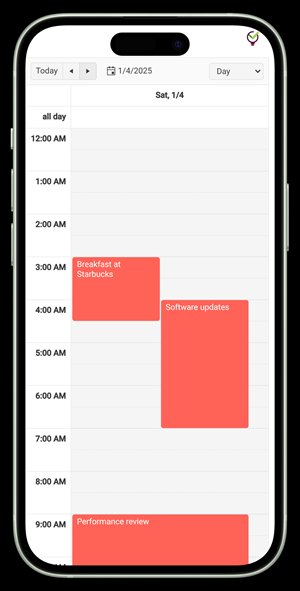
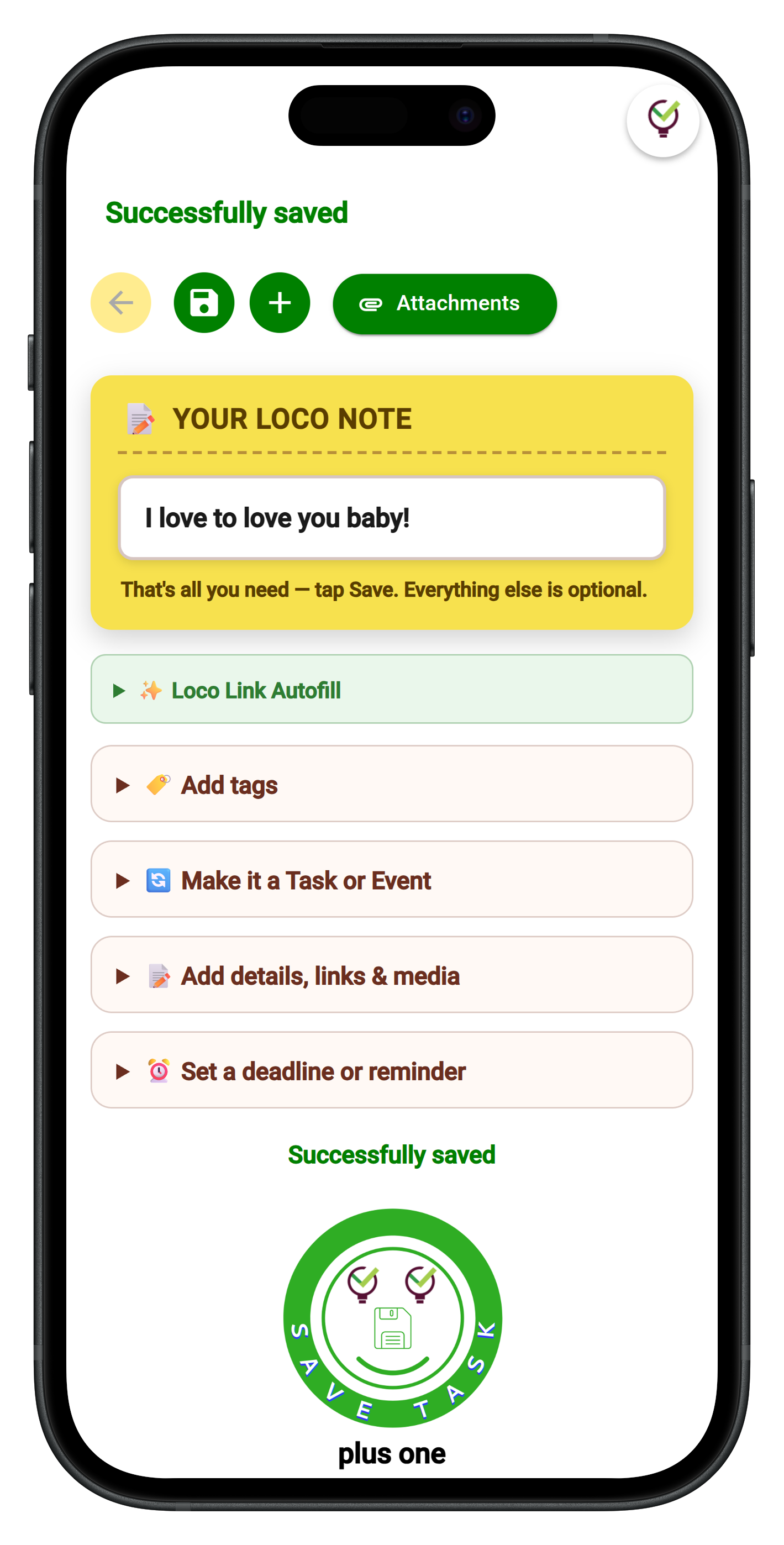
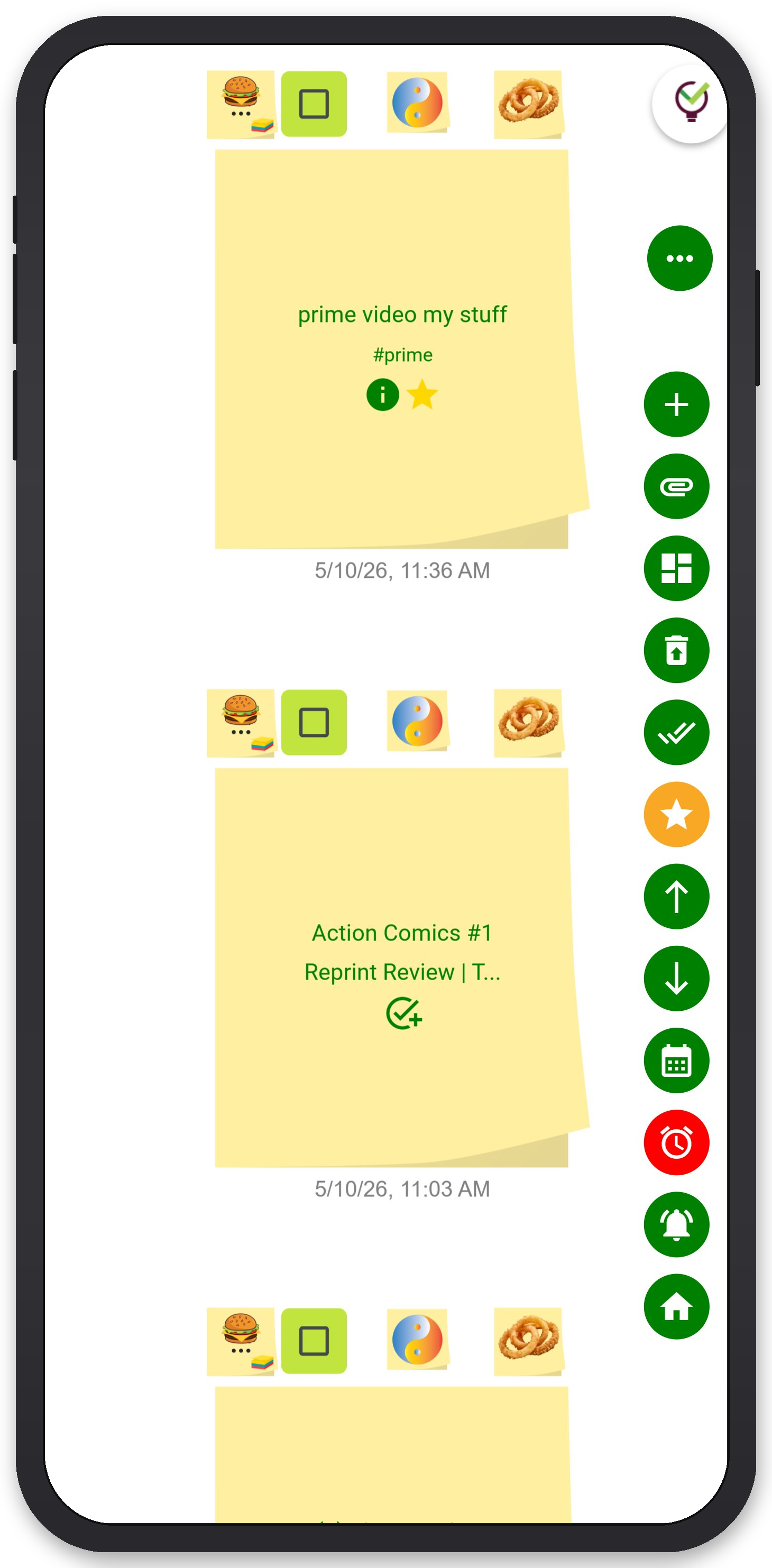
During Step 2, the capture, you're writing things down fast. TaskLoco's sticky-note format is built for that — open it, type, done. Notes live on a wall you can see at a glance, so your weekly capture becomes a visual snapshot rather than a buried list. When you do your Monday plan in Step 3, you can pin your three priorities right at the top of the wall where they're impossible to miss on Monday morning.
The Premium tier's reminder feature is particularly useful here. Set a reminder on your Monday plan note, and it arrives as a push notification directly on your phone and computer — and tapping it deep-links straight back to that note. You don't hunt for it. It finds you, pulls you directly to your Monday priorities, and you're already in motion.
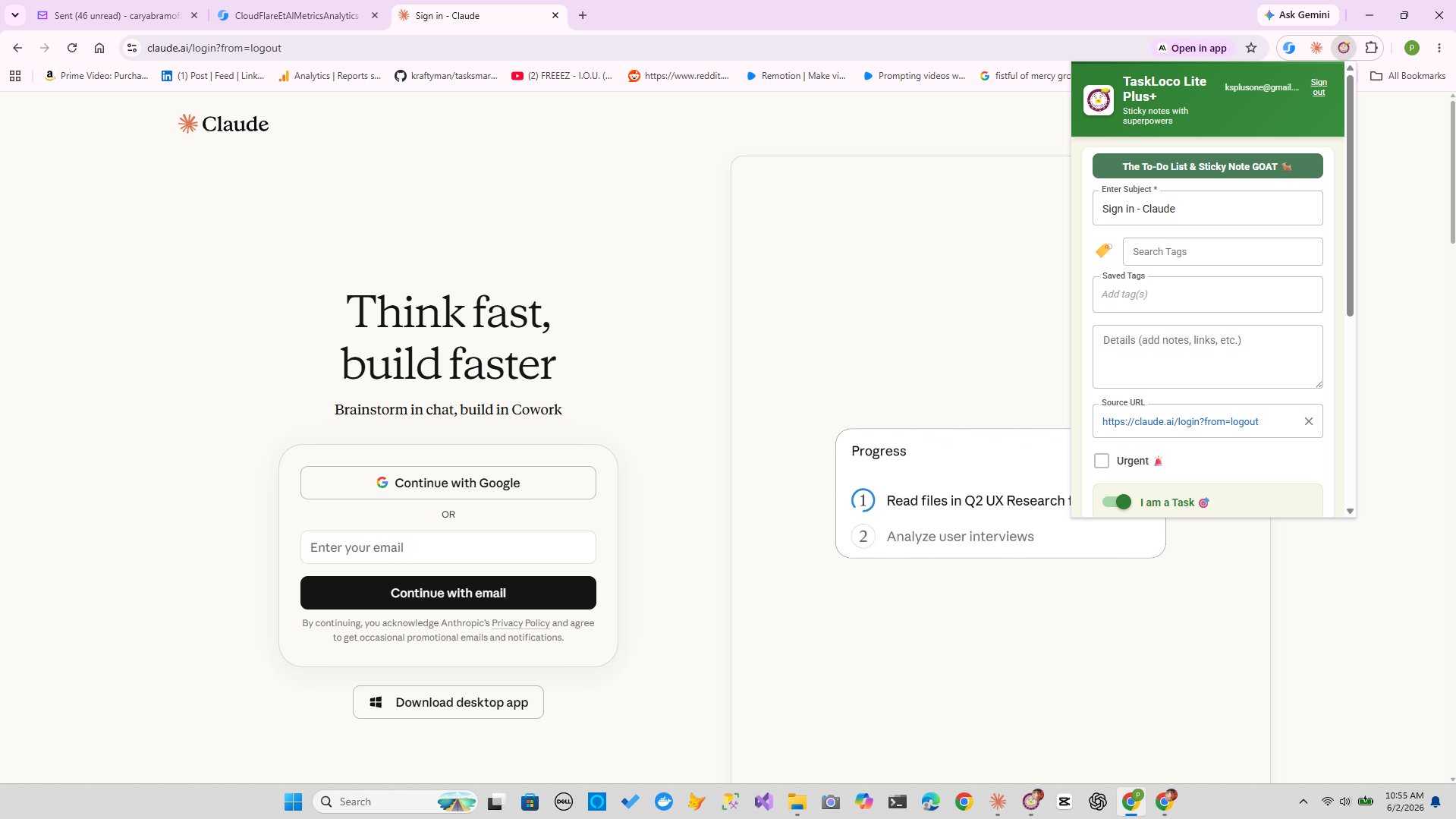
TaskLoco also has a Chrome extension that lets you capture any webpage — an article you need to reference, a tool you want to review, a resource someone sent — with one click. During your Friday review, you're probably closing a dozen browser tabs. Instead of losing that context, clip each tab as a note, add it to your capture pile, and decide its fate in the review.
There's a free version (Lite Plus+) that syncs across all your devices and gives you 30 notes to work with — more than enough to run a solid weekly shutdown ritual before you decide whether to go Premium. No credit card needed to try it.
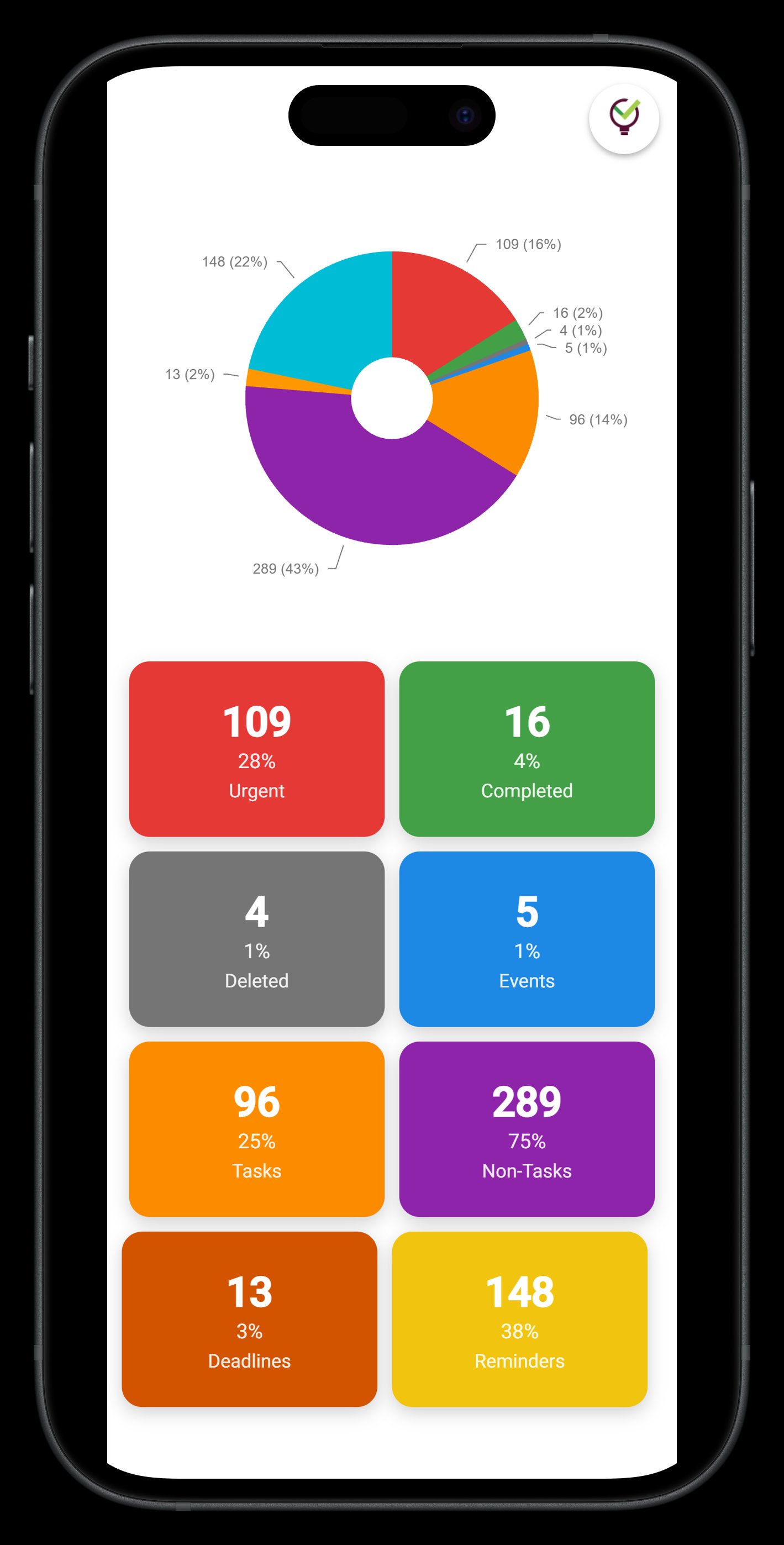

TaskLoco Premium is regularly $9.99/month per person. Right now, charter members can lock in 50% off the regular price — forever. That means $4.99/month per person today. And if our price ever goes up, you still pay half. Always.
Code CHARTER50 auto-applies at checkout. First 500 spots only — once they're gone, this offer is gone permanently. Act fast while spots last.
Every Premium subscription includes unlimited notes, 10GB file storage, reminders, calendar, and team sharing. Each team member requires a separate subscription. 7-day free trial — no charge until day 8. Cancel anytime.
Free Options: TaskLoco
TaskLoco Lite
- Native iPhone & Android app
- Completely anonymous — no sign-in
- Data stays on your device
- Up to 20 notes
- Free forever
TaskLoco Lite Plus+
- Web app + Chrome extension
- Sign in with Google
- Wall syncs across all devices
- Up to 30 notes
- Free forever
Lock In 50% Off — Forever
7-day free trial. No charge until day 8. CHARTER50 auto-applies at checkout.
🔒 Lock In My Charter SpotSee TaskLoco in Action
Frequently Asked Questions
How long should a Friday shutdown ritual take?
Fifteen to twenty minutes is the target. If it's taking longer, you're probably trying to reorganize or prioritize everything rather than just capturing and identifying your top three Monday priorities. The review should be a scan, not a deep dive. Speed is a feature — a long shutdown is one that doesn't survive contact with a busy Friday.
What if my Friday is always chaotic and I can't find the time?
Block it on your calendar as a recurring 20-minute meeting with yourself — ideally 30 minutes before your normal end time. The days when you feel like skipping it are exactly the days you need it most. A chaotic Friday almost always means a chaotic Monday if you don't close out cleanly. Protect the block like you'd protect a meeting with your most important client.
How many Monday priorities should I write down?
Three. Not five, not ten — three. The whole point is to give Monday morning a clear starting point before anything reactive (email, Slack, notifications) pulls your attention sideways. If you hit all three by noon, great — you're ahead. If the day gets hijacked, you at least moved the three things that actually mattered. More than three tends to become a todo list, which defeats the purpose.
Should I do the shutdown ritual if I work weekends sometimes?
Yes — the ritual is about closing a work cycle, not necessarily about the calendar weekend. If your "end of week" is Sunday evening, do it then. The goal is a deliberate boundary between reactive work mode and intentional next-start planning. Whenever that transition happens for you, that's when the ritual belongs.
Is the Friday shutdown the same as a weekly review?
They overlap but aren't identical. A full weekly review (as described in GTD-style systems) can take 60 to 90 minutes and covers everything — goals, projects, someday lists, reference material. The Friday shutdown is a focused subset: close out the week, capture open loops, and set Monday's top three. Think of the shutdown as the minimum effective dose — you get most of the benefit in a fraction of the time.
Can I do this without a productivity app?
Absolutely. A paper notebook works perfectly. The ritual is about the habit, not the tool. Write your capture list on paper, circle your three Monday priorities, close the notebook. The only reason to use an app is if your work already lives digitally and you want everything in one searchable place — or if you want a reminder that fires Monday morning and pulls you directly back to what you wrote Friday.
What app works well for the Friday shutdown ritual?
Any app where you can capture quickly and see everything at a glance. TaskLoco's sticky-note wall is well-suited for this — you can capture fast, pin your Monday priorities at the top, and set a push notification reminder that deep-links you straight back to that note Monday morning. The free Lite Plus+ tier syncs across all your devices and handles 30 notes easily. Premium adds unlimited notes, reminders, file attachments, and a calendar view if you want to build out a more complete weekly system. $9.99/month per person (currently $4.99/month per person for first 500 charter members with code CHARTER50)
Born in Brooklyn. Powered by AWS. Your data stays yours.
TaskLoco is available on iPhone, Android, Chrome, and every web browser.