Napoleon Hill's concept of a definite chief aim changed how successful people think about goals. Unlike vague wishes or general intentions, a definite chief aim is a precise, written statement of your most important objective — crafted using a specific formula that programs your subconscious mind for achievement.
Most people never write down their goals, let alone follow Hill's systematic approach. But those who do report remarkable clarity, focus, and results. Here's exactly how to write yours using the proven six-step method from Think and Grow Rich.
The Six Essential Elements of a Definite Chief Aim
Hill's formula requires six specific components, each serving a psychological purpose. Your definite chief aim must include:
- A specific amount or outcome — not "more money" but "$75,000 annual income"
- A definite time limit — the exact date you'll achieve this goal
- What you'll give in return — your contribution, service, or sacrifice
- A definite plan — concrete steps you'll take immediately
- A clear, written statement — combining all elements into one paragraph
- Daily repetition — reading your statement aloud twice daily
Each element builds on the others. The specific amount creates clarity. The time limit creates urgency. What you'll give establishes fairness and value. Your plan makes it real. The written statement crystallizes everything. Daily repetition programs your subconscious.
Step-by-Step Writing Process
Start with a quiet space and serious mindset. This isn't wishful thinking — you're programming your subconscious for achievement.
Step 1: Define your specific outcome. Instead of "financial freedom," write "$100,000 in my business checking account." Instead of "better health," write "weigh 165 pounds with 15% body fat."
Step 2: Set your deadline. Choose a realistic but challenging timeframe. "By December 31, 2025" is better than "someday soon."
Step 3: Determine your contribution. What will you give in exchange? "I will work 50 focused hours per week building my consulting practice" or "I will exercise daily and eliminate processed foods."
Step 4: Create your immediate plan. List the first three actions you'll take this week. Be specific: "Call five potential clients Monday," not "network more."
Step 5: Write your complete statement combining all elements in one flowing paragraph.
Example Definite Chief Aim Statements
Here's what a properly written definite chief aim looks like:
"I have $250,000 in my personal investment account by June 1, 2026. In return for this money, I am providing exceptional marketing consulting services to small business owners, helping them increase revenue by at least 30%. My plan includes completing my digital marketing certification this month, launching my website by March, and securing my first five clients by May. I am reading this statement aloud each morning and evening, visualizing my success, and taking daily action toward this goal."
Notice the present tense ("I have"), specific amount ($250,000), exact deadline (June 1, 2026), clear contribution (marketing consulting), and concrete plan (certification, website, clients).
Another example: "I weigh 155 pounds and run a 7-minute mile by September 15, 2025. I am achieving this through daily 45-minute workouts, meal prep every Sunday, and tracking my progress weekly. I am giving my body the respect and care it deserves by eliminating late-night snacking and prioritizing 8 hours of sleep nightly."
Using TaskLoco to Track Your Chief Aim
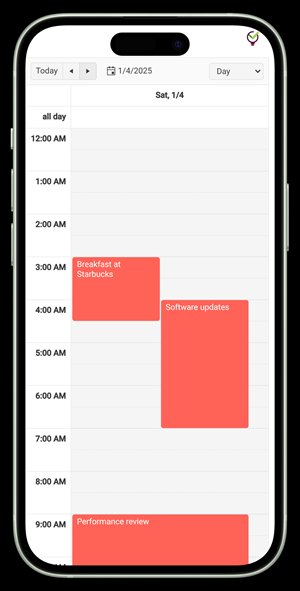
Once you've written your definite chief aim, you need a system to keep it front and center. TaskLoco makes this simple by letting you store your statement as a persistent note that syncs across all your devices.
Create a note titled "My Definite Chief Aim" and pin it to the top of your TaskLoco wall. Use the file attachment feature to store related documents — your detailed action plan, progress photos, or inspiration images.
As you work toward your goal, create separate TaskLoco notes for weekly action items, daily wins, and obstacles to overcome. The search function helps you quickly find specific entries when you need to review your progress or adjust your approach.

TaskLoco Premium is regularly $9.99/month per person. Right now, charter members can lock in 50% off the regular price — forever. That means $4.99/month per person today. And if our price ever goes up, you still pay half. Always.
Code CHARTER50 auto-applies at checkout. First 500 spots only — once they're gone, this offer is gone permanently. Act fast while spots last.
Every Premium subscription includes unlimited notes, 10GB file storage, reminders, calendar, and team sharing. Each team member requires a separate subscription. 7-day free trial — no charge until day 8. Cancel anytime.
Free Options: TaskLoco
TaskLoco Lite
- Native iPhone & Android app
- Completely anonymous — no sign-in
- Data stays on your device
- Up to 20 notes
- Free forever
TaskLoco Lite Plus+
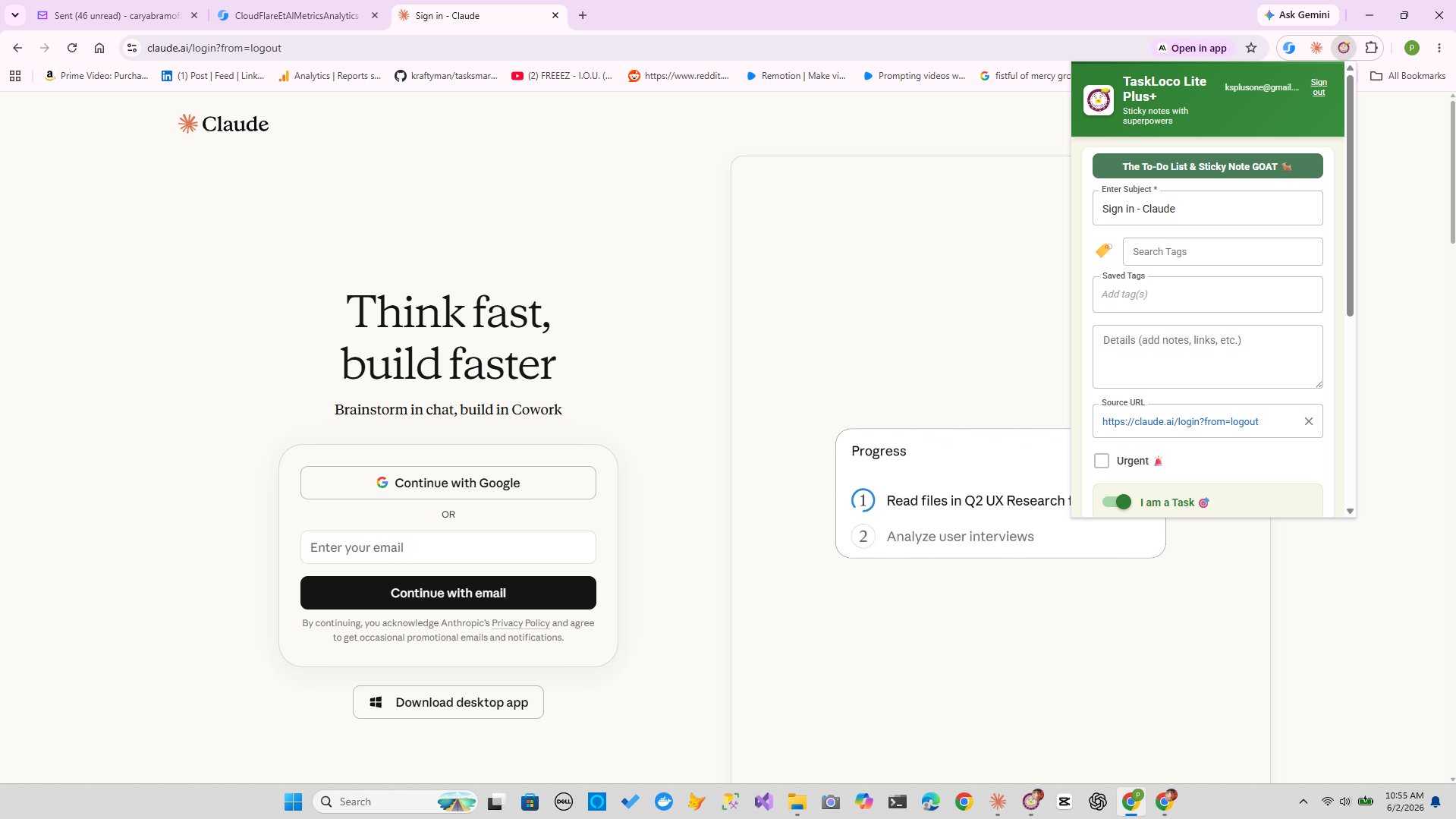
- Web app + Chrome extension
- Sign in with Google
- Wall syncs across all devices
- Up to 30 notes
- Free forever
Lock In 50% Off — Forever
7-day free trial. No charge until day 8. CHARTER50 auto-applies at checkout.
🔒 Lock In My Charter SpotSee TaskLoco in Action
Frequently Asked Questions
How long should a definite chief aim statement be?
Your statement should be one substantial paragraph — typically 100-200 words. Long enough to include all six elements (specific outcome, deadline, contribution, plan, present tense, daily reading commitment) but concise enough to memorize and recite confidently.
Can I have more than one definite chief aim?
Napoleon Hill emphasized focusing on one primary aim at a time. Your definite chief aim should be your most important goal — the achievement that would have the greatest positive impact on your life. You can have other goals, but they should support your chief aim.
What if I need to change my definite chief aim?
It's normal to refine your statement as you gain clarity, but avoid changing it frequently. Minor adjustments to deadlines or specific amounts are fine. Major changes should only happen if your core values or life circumstances change significantly.
Why must I read it aloud twice daily?
Reading aloud engages multiple senses and reinforces the message to your subconscious mind. Hill believed this daily repetition programs your mind to notice opportunities and take actions that align with your goal, even unconsciously.
What should I do if my goal seems impossible to achieve?
Hill taught that the conscious mind often rejects goals that seem too large. Start with a goal that stretches you but feels achievable. As you build confidence and success, you can write progressively bigger chief aims.
How specific should my contribution be?
Be very specific about what you'll give in return for achieving your goal. This could be the service you'll provide, the hours you'll work, the value you'll create, or the habits you'll adopt. The universe responds to fair exchange — specify exactly what you're trading for your desired outcome.
Should I share my definite chief aim with others?
Hill recommended keeping your chief aim private initially, sharing only with trusted mentors or accountability partners who support your success. Avoid sharing with skeptical people who might plant seeds of doubt in your subconscious mind.
Born in Brooklyn. Powered by AWS. Your data stays yours.
TaskLoco is available on iPhone, Android, Chrome, and every web browser.