You've been there. The meeting ends, everyone nods, and three days later nobody can agree on what was actually decided. Was the launch date the 14th or the 21st? Did Marcus say he'd handle the vendor call, or was that Priya? The decision was made — you were all in the room — but now it's gone, dissolved into the noise of the next thing.
This isn't a memory problem. It's a system problem. Most teams have no reliable place where decisions land and stay. Notes get buried in chat, action items drift off a whiteboard photo, and follow-through depends entirely on whoever happened to write something down. This article breaks down what actually makes a decision-capture system work, what to look for when choosing one, and how to build the habit so meetings finally produce something durable.
What to Look for in a Meeting Decision-Capture System
Before recommending any tool, it's worth naming the thing clearly. A meeting decision-capture system is any method — digital or analog — that records what was decided in a meeting, who owns the outcome, and when it needs to happen. Without all three components, you don't have a system. You have a note.
When evaluating options, three criteria actually matter:
- Speed of capture. If getting a decision into the system takes more than a few seconds, it won't happen consistently. The best system is the one people actually use in the moment, not the one with the most features.
- Ownership clarity. A decision without a named owner is just an intention. Whatever system you use must make it trivially easy to attach a person's name to an action item the moment the decision is made.
- Retrievability. Decisions are only valuable when you can find them later. A capture system that buries decisions in chronological notes with no search or organization is only marginally better than nothing.
Secondary criteria — integrations, formatting options, team sharing — matter too, but they're only relevant if the core three are solid. A gorgeous Kanban board is useless if nobody writes the decision down in the first place.
Why Decisions Disappear — and Where They Go
The graveyard of lost decisions has a few recurring locations. First is the meeting chat thread — someone types 'ok so we're going with Option B' and it gets scrolled past within hours. Second is the shared doc that was never named properly and now lives somewhere in a folder called 'Q3 Misc.' Third, and most common, is the single person in the room who writes the best notes but never shares them with anyone who wasn't there.
The structural issue is that most teams capture what was discussed rather than what was decided. A three-page meeting summary with no highlighted decisions buried somewhere inside is almost worse than no notes at all — it creates the illusion of documentation without the substance.
Effective decision capture requires a deliberate separation. Discussion notes can live wherever they live. Decisions need their own dedicated space: a place that's separate, searchable, owned, and tied to a deadline or next action. Without that separation, everything is noise.
The Habit That Actually Works: Decision Notes, Not Meeting Notes
The most effective teams don't take better meeting notes. They take fewer, sharper ones — and they separate decisions from discussion at the moment of capture. Here's a habit that works in practice:
- During the meeting: Keep a running list of decisions only — not summaries, not action items from discussion, just the confirmed decisions. One line each. Owner in brackets. Date if there is one.
- At the end of the meeting: Read the decision list out loud. This takes 60 seconds and immediately surfaces any misalignment before everyone leaves the room.
- After the meeting: Each decision becomes its own note or task with a reminder attached. Not buried in a summary — its own discrete item that can be found, tracked, and closed.
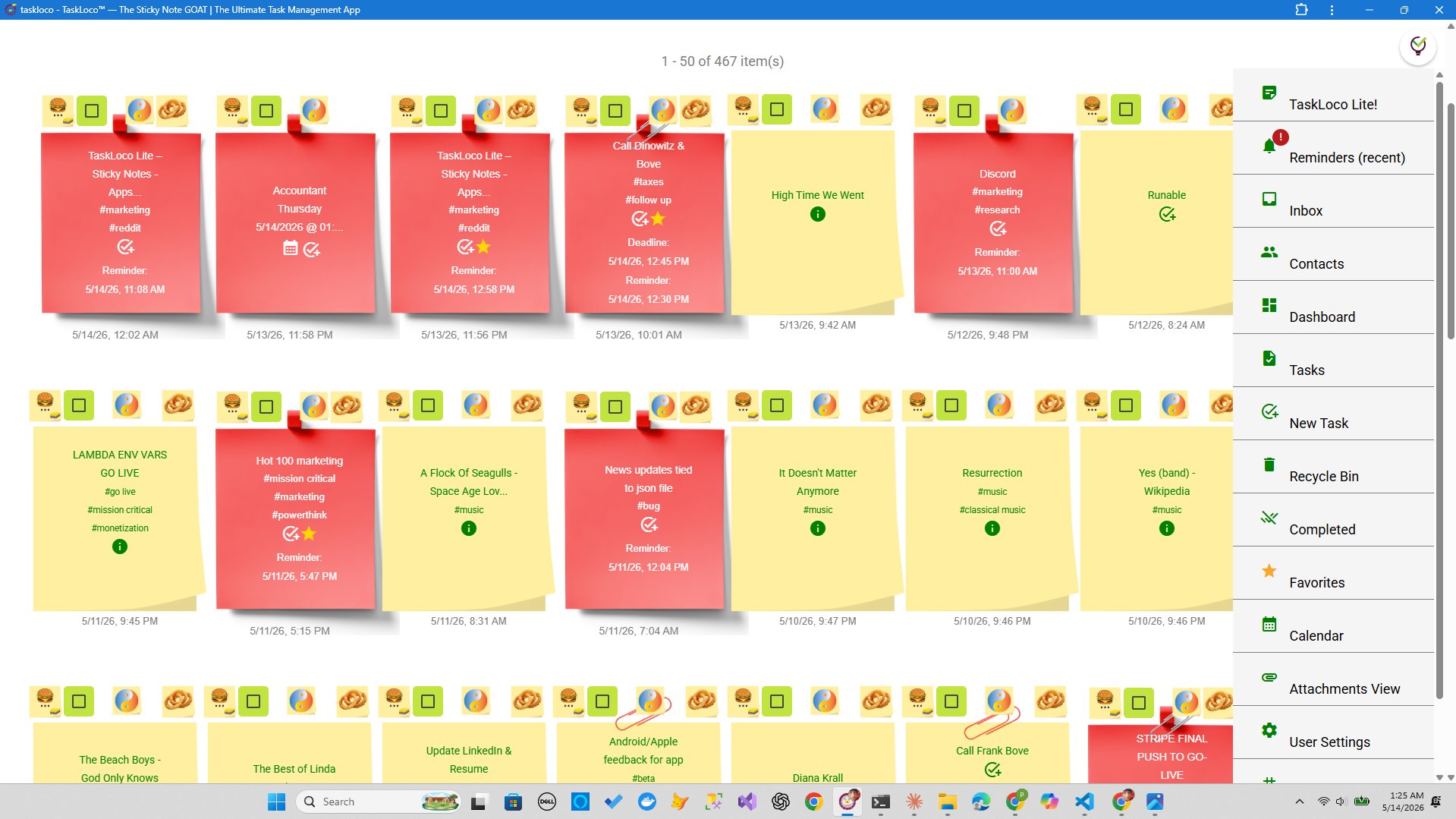
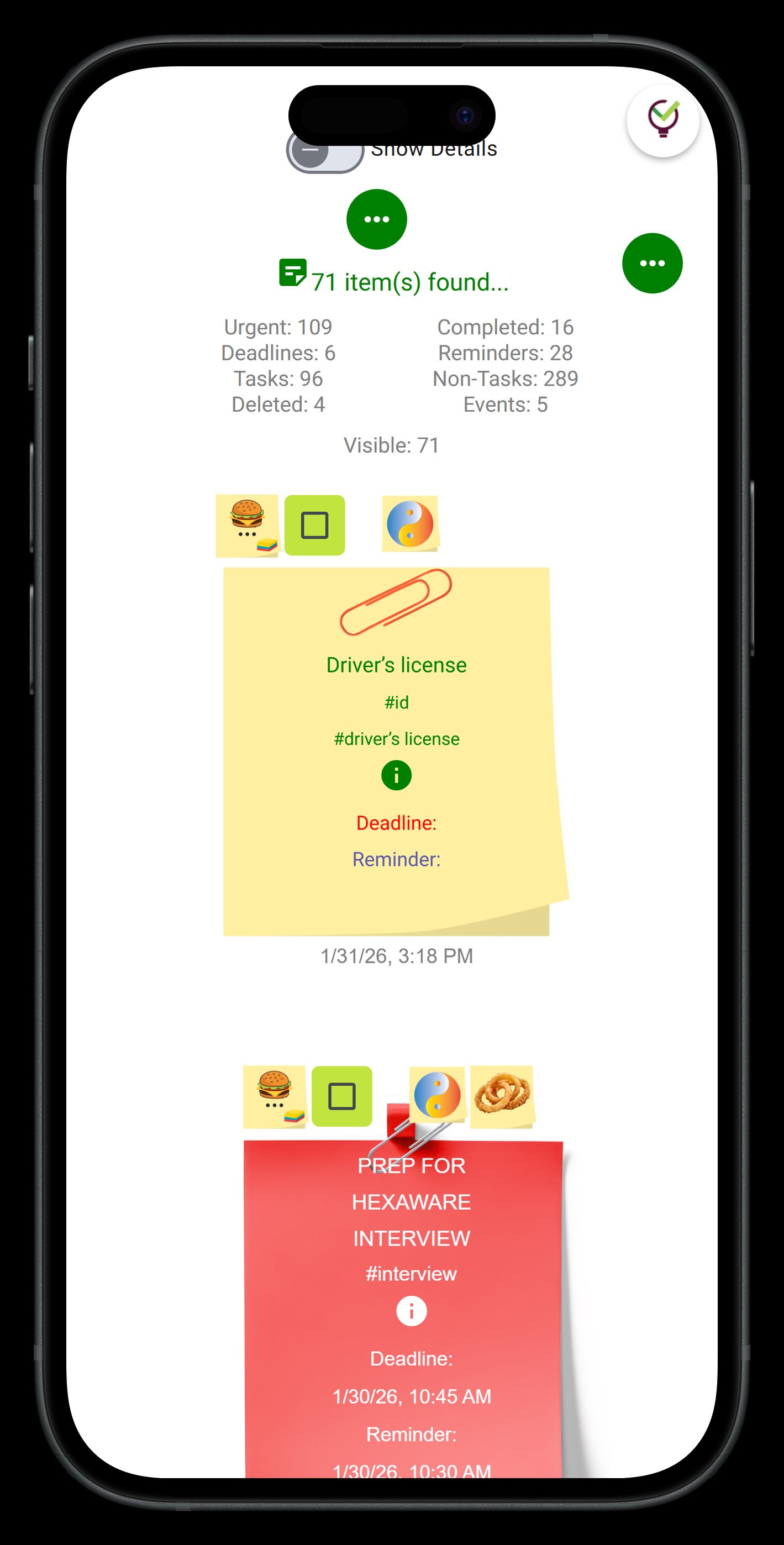
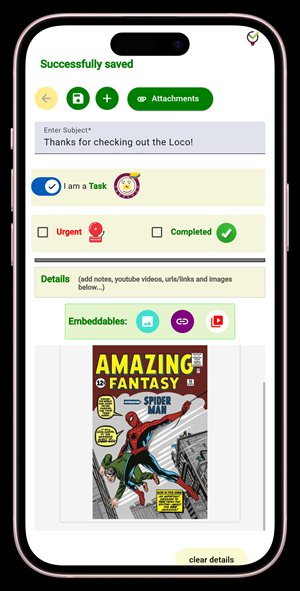
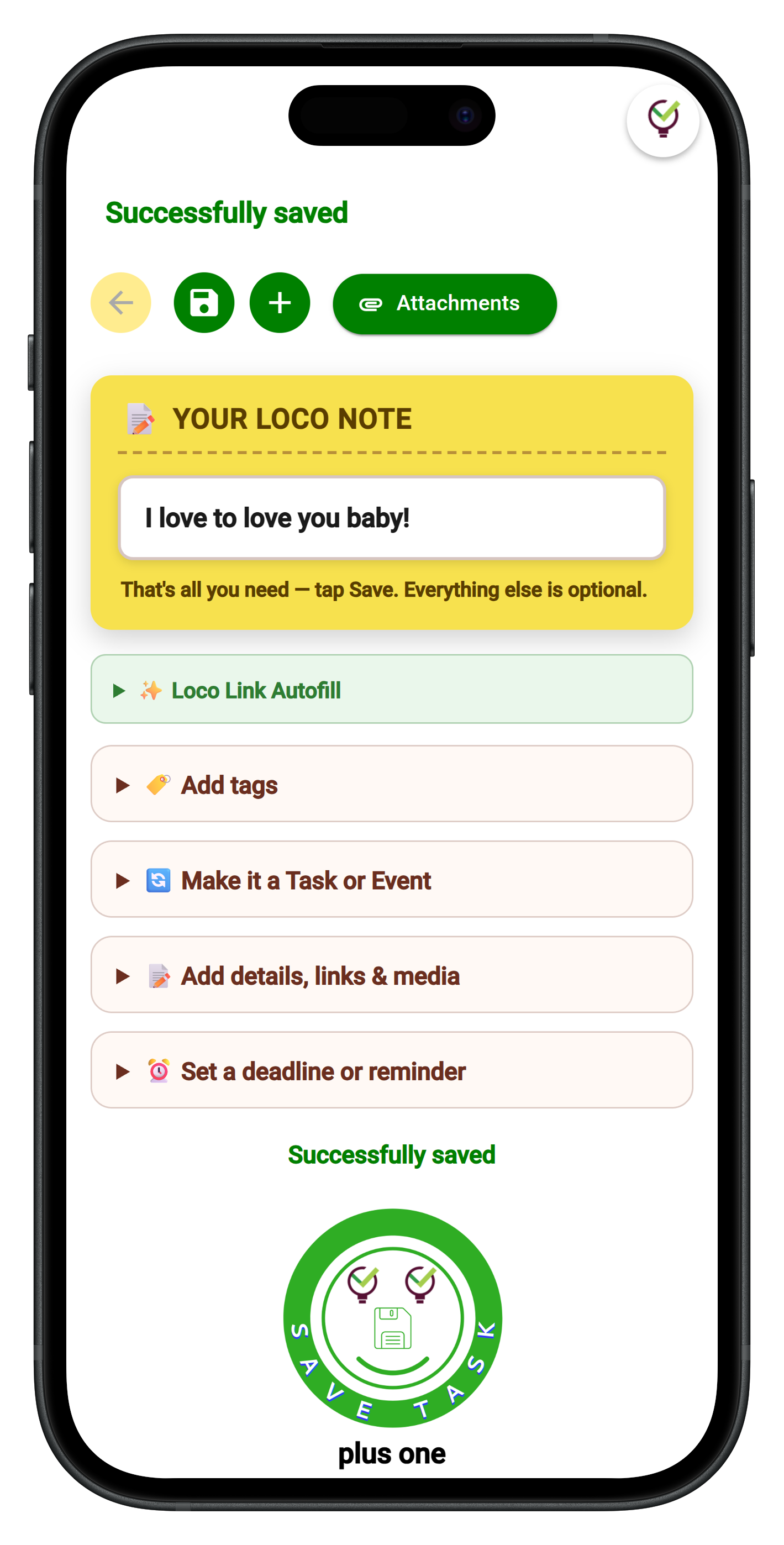
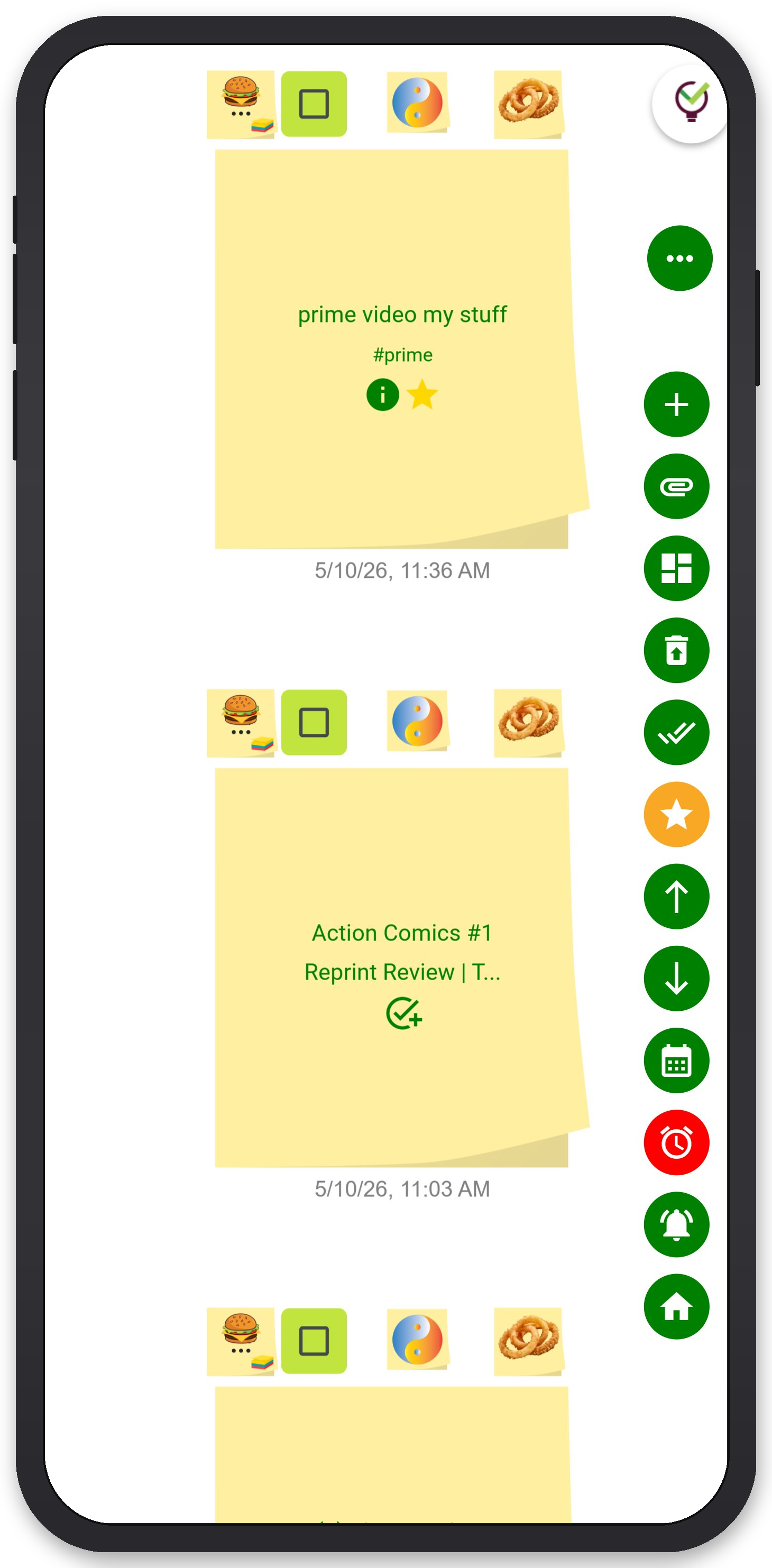
This is where TaskLoco earns its place. Each decision becomes a sticky note on a shared wall. You can attach any supporting files — a brief, a screenshot, a contract draft — directly to the note, up to 10GB of storage per person. Set a reminder and it comes straight to your phone and computer as a push notification, deep-linking directly back to that specific note so there's zero friction finding it again. No searching, no scrolling — the reminder takes you right there.
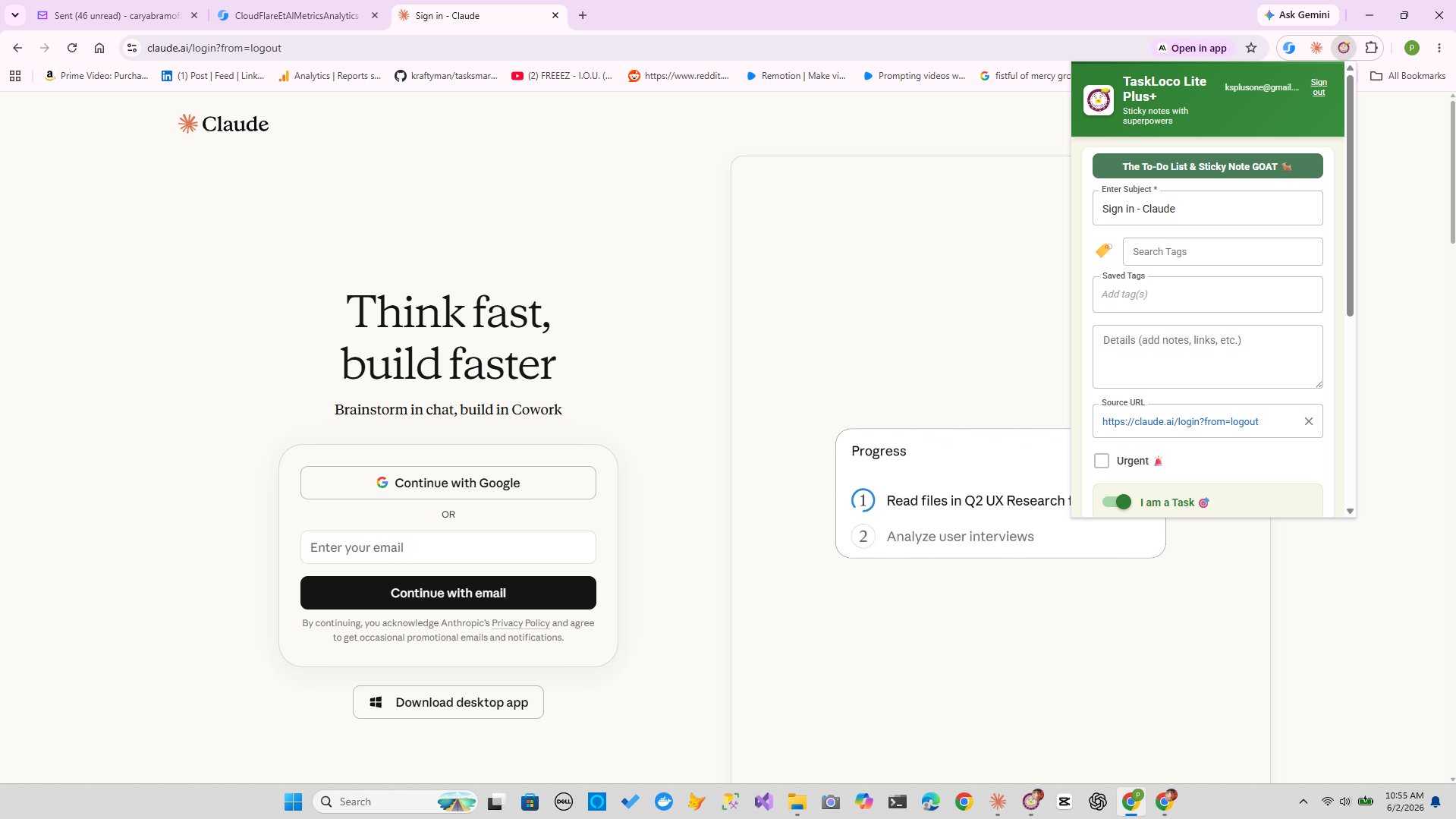
Because notes sync in real time across devices and the Chrome extension lets you clip any webpage into a note in one click, capturing a decision mid-meeting takes seconds regardless of what tool you were using when the decision happened.
Sharing Decisions With the People Who Weren't in the Room
Half the problem with meeting decisions isn't the people who were there — it's the people who weren't. The colleague who needs to act on the outcome but only hears about it through a forwarded email chain. The stakeholder who asks two weeks later why something changed. The new team member who has no idea this decision even exists.
TaskLoco's team sharing works the way email does: you share a note and the recipient can clone it and make it their own. There are no permissions to configure, no access levels to manage, no admin overhead. The person gets the note, the context, the attachments, and the reminder — everything packaged together. They own their copy. You own yours. Nothing gets lost in translation.
For teams with multiple people attending the same meeting, each member keeps their own Premium subscription and maintains their own decision notes on their personal wall, while shared notes keep everyone aligned on the outcomes that affect more than one person. The structure is light enough to maintain but solid enough that a decision made on a Tuesday is still findable — and still owned — on a Friday.
TaskLoco Premium is regularly $9.99/month per person. Right now, charter members can lock in 50% off the regular price — forever. That means $4.99/month per person today. And if our price ever goes up, you still pay half. Always.
Code CHARTER50 auto-applies at checkout. First 500 spots only — once they're gone, this offer is gone permanently. Act fast while spots last.
Every Premium subscription includes unlimited notes, 10GB file storage, reminders, calendar, and team sharing. Each team member requires a separate subscription. 7-day free trial — no charge until day 8. Cancel anytime.
Free Options: TaskLoco
TaskLoco Lite
- Native iPhone & Android app
- Completely anonymous — no sign-in
- Data stays on your device
- Up to 20 notes
- Free forever
TaskLoco Lite Plus+
- Web app + Chrome extension
- Sign in with Google
- Wall syncs across all devices
- Up to 30 notes
- Free forever
Lock In 50% Off — Forever
7-day free trial. No charge until day 8. CHARTER50 auto-applies at checkout.
🔒 Lock In My Charter SpotSee TaskLoco in Action
Frequently Asked Questions
What's the best way to record decisions made in a meeting?
Separate decisions from discussion notes at the moment of capture. Keep a real-time list during the meeting — one line per decision, with the owner's name and a date if applicable. At the end of the meeting, read it back to the room to confirm everyone agrees. Then move each decision into its own trackable item with a reminder. TaskLoco makes this fast: each decision becomes a sticky note on a shared wall, with file attachments, a reminder delivered as a push notification directly to your phone and computer, and real-time sync across all devices.
Why do meeting decisions keep getting forgotten?
Because they're captured as part of general meeting notes rather than as standalone items. When a decision is buried inside a three-page summary, it has no owner, no deadline, and no visibility. It gets forgotten because the system treats it like everything else. The fix is structural: decisions need their own dedicated space, separate from discussion notes, with a named owner and a next action attached.
How do I share meeting decisions with people who weren't in the meeting?
The most reliable method is to send each relevant decision as a discrete item — not a meeting summary — directly to the people who need to act on it. In TaskLoco, you share a note and the recipient can clone it and own their copy. Supporting files travel with the note. There are no permissions to configure. The person gets the full context, not a forwarded email chain.
Is TaskLoco free to use for capturing meeting decisions?
$9.99/month per person (currently $4.99/month per person for first 500 charter members with code CHARTER50)
Can I attach files to a meeting decision note in TaskLoco?
Yes — TaskLoco Premium includes 10GB of file storage per person. You can attach a brief, a contract draft, a screenshot, a presentation, or any supporting document directly to the decision note so context never gets separated from the choice. Additional storage is available in add-on tiers if you need more.
How does TaskLoco remind me about a decision I need to follow up on?
When you set a reminder on a note in TaskLoco, it arrives as a push notification to your phone and computer. The notification deep-links directly back to that specific note — no searching, no scrolling, no hunting through folders. You tap the notification and you're looking at the decision. Optional email notifications are also available. SMS notifications are an optional add-on as well.
What's the difference between TaskLoco Lite and TaskLoco Premium for meeting notes?
TaskLoco Lite is a free native iPhone and Android app that stores up to 20 notes on your device with no sign-in required. It's a solid starting point for personal capture, but it has no reminders, no file attachments, no team sharing, and no sync — so it's not built for tracking decisions across a team. TaskLoco Lite Plus+ is free, syncs across all your devices through the web app and Chrome extension, and supports up to 30 notes, but also has no reminders or attachments. TaskLoco Premium is where decision tracking becomes a full system: unlimited notes, reminders with push notifications, 10GB file storage, calendar view, and team sharing — all included.
Born in Brooklyn. Powered by AWS. Your data stays yours.
TaskLoco is available on iPhone, Android, Chrome, and every web browser.