You open a fascinating article, tell yourself you'll read it later, and bookmark it. Then it joins the graveyard — 47 other bookmarks you'll never touch again. Sound familiar? The problem isn't discipline. It's that bookmarks are dead ends. There's no reminder, no context, no place to jot down why you saved it.
A smarter approach treats saved articles the same way you treat tasks: with a note attached, a reminder to actually revisit it, and a place where it doesn't get buried. That's the difference between a bookmark and a working read-later system — and it's what separates apps that help you consume information from apps that just hoard it.
What to Look for in a Read-Later or Article-Saving Tool
A read-later tool sounds simple: save a link, read it when you have time. But the ones that actually work share a few traits that most people don't think to check for until they've already wasted three months in the wrong app.
1. Friction at save time must be zero. If saving an article requires more than one or two taps, you won't do it consistently. The best tools live in your browser toolbar or as a share-sheet option on your phone. One tap, done, move on. Anything more is too much.
2. Retrieval has to be fast and searchable. Saving articles you never find again is no better than not saving them at all. Full-text search — across titles, your own notes, and ideally page content — is the difference between a useful archive and a digital junk drawer.
3. The saved item must be actionable, not just stored. This is where most read-later apps fall short. A link sitting in a list does nothing. The best systems let you attach a note to explain why you saved it, set a reminder so you actually come back to it, and connect it to whatever project or task it belongs to. If your read-later tool can't talk to your task manager, you have two systems to maintain — and that friction is why most reading lists stay unread.
One Tap to Save Any Page — Then TaskLoco Takes It From There
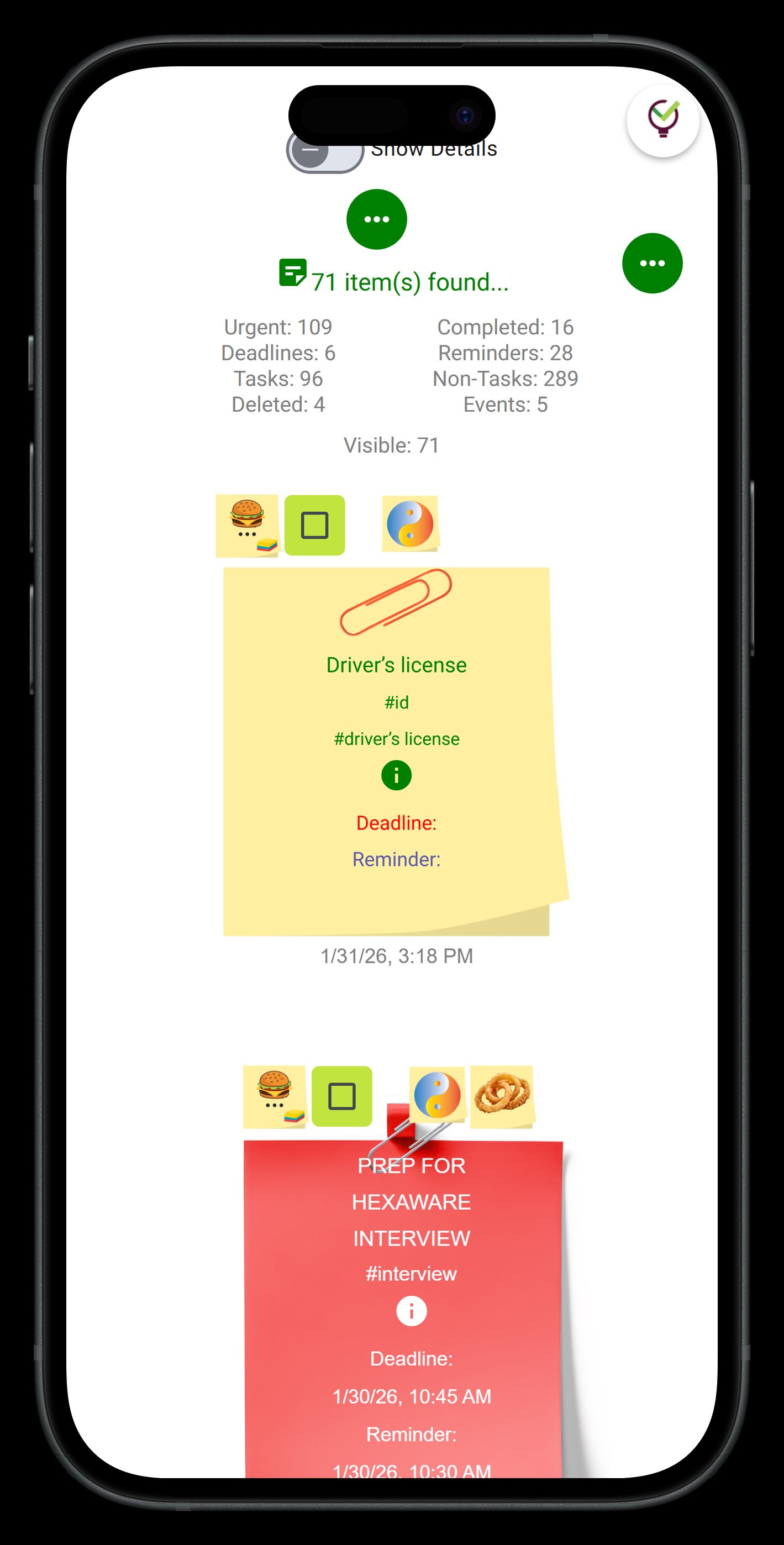
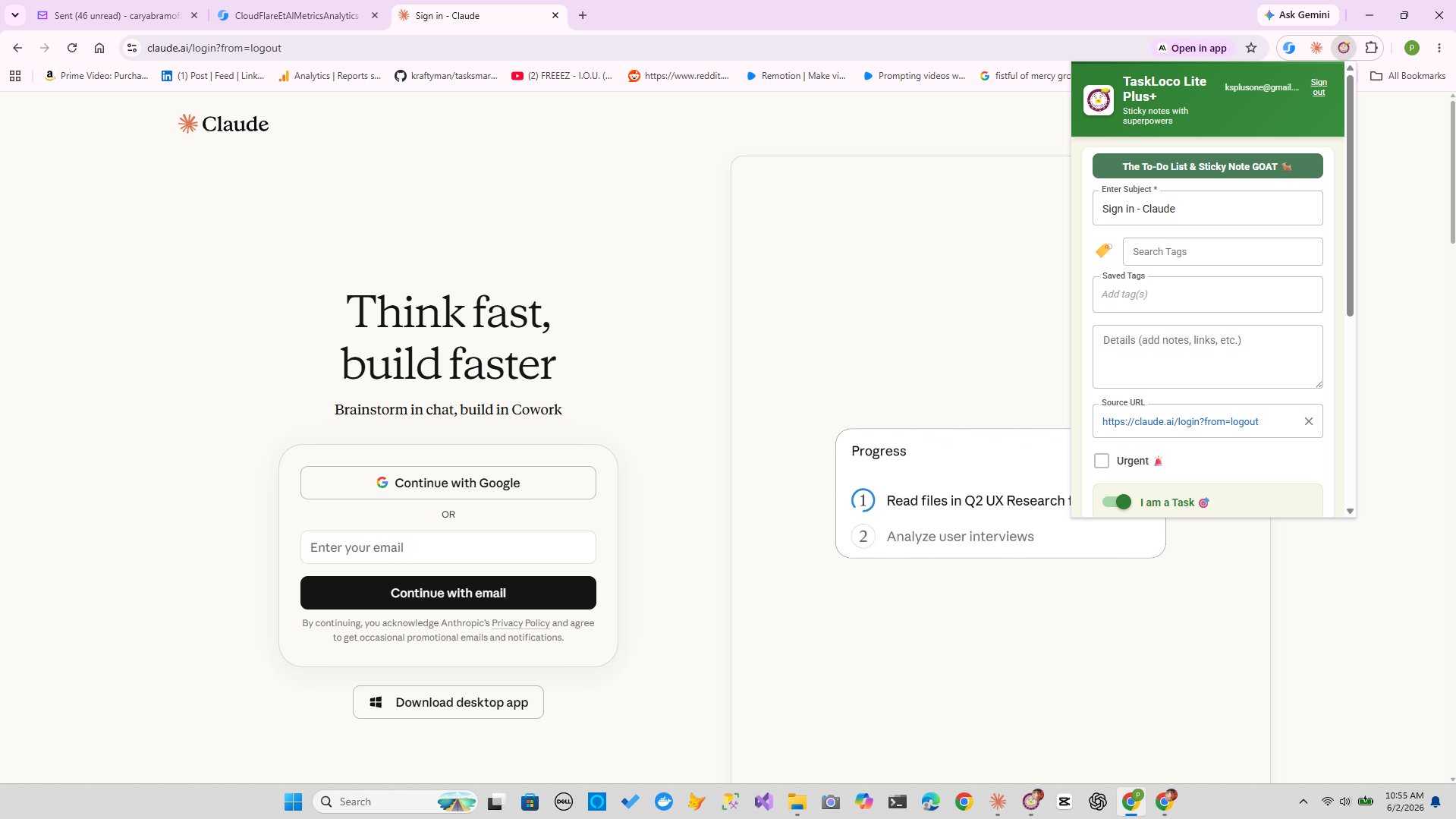
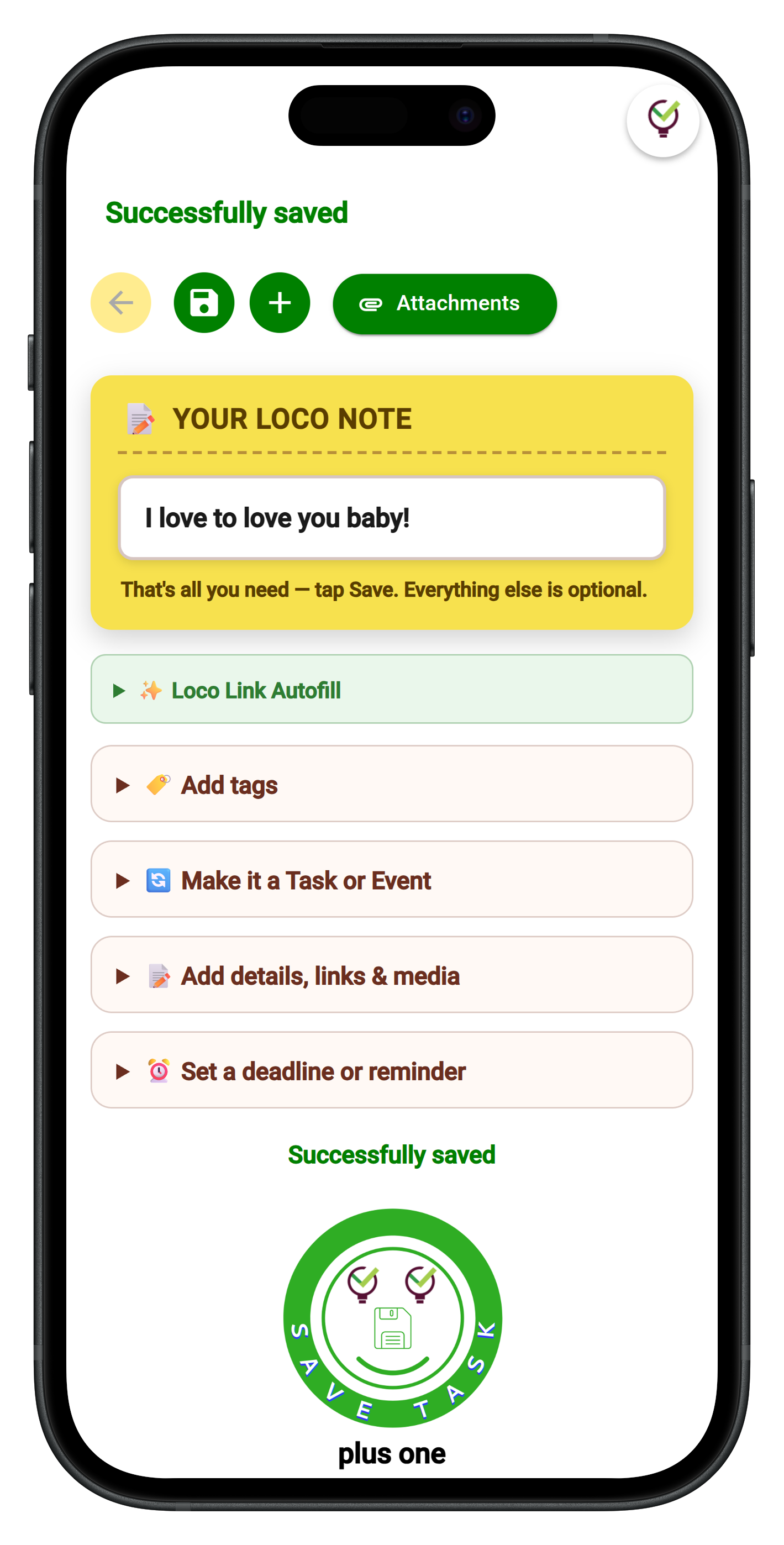
TaskLoco's Chrome extension does exactly what a good save-later tool should: one click on the extension icon and the current page is captured as a sticky note — URL, title, and any text you want to add right there in the popup. No forms, no tagging taxonomies to worry about, no friction.
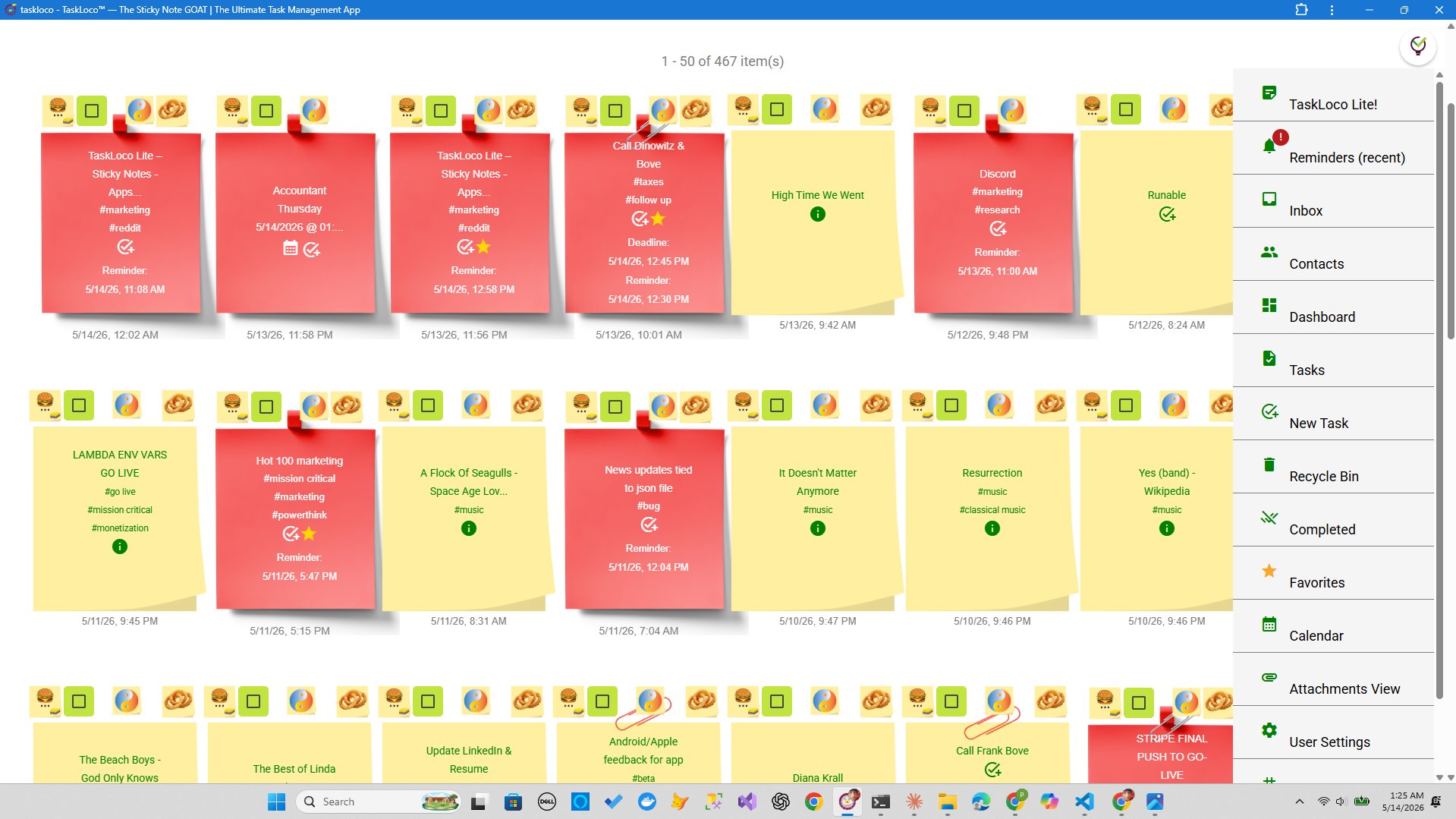
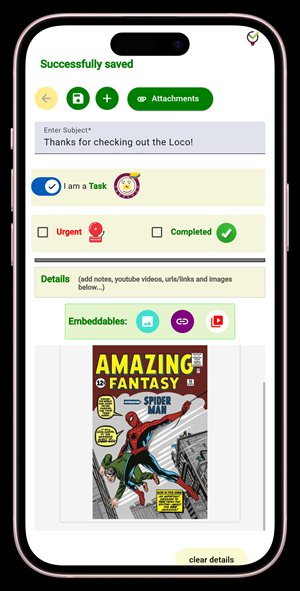
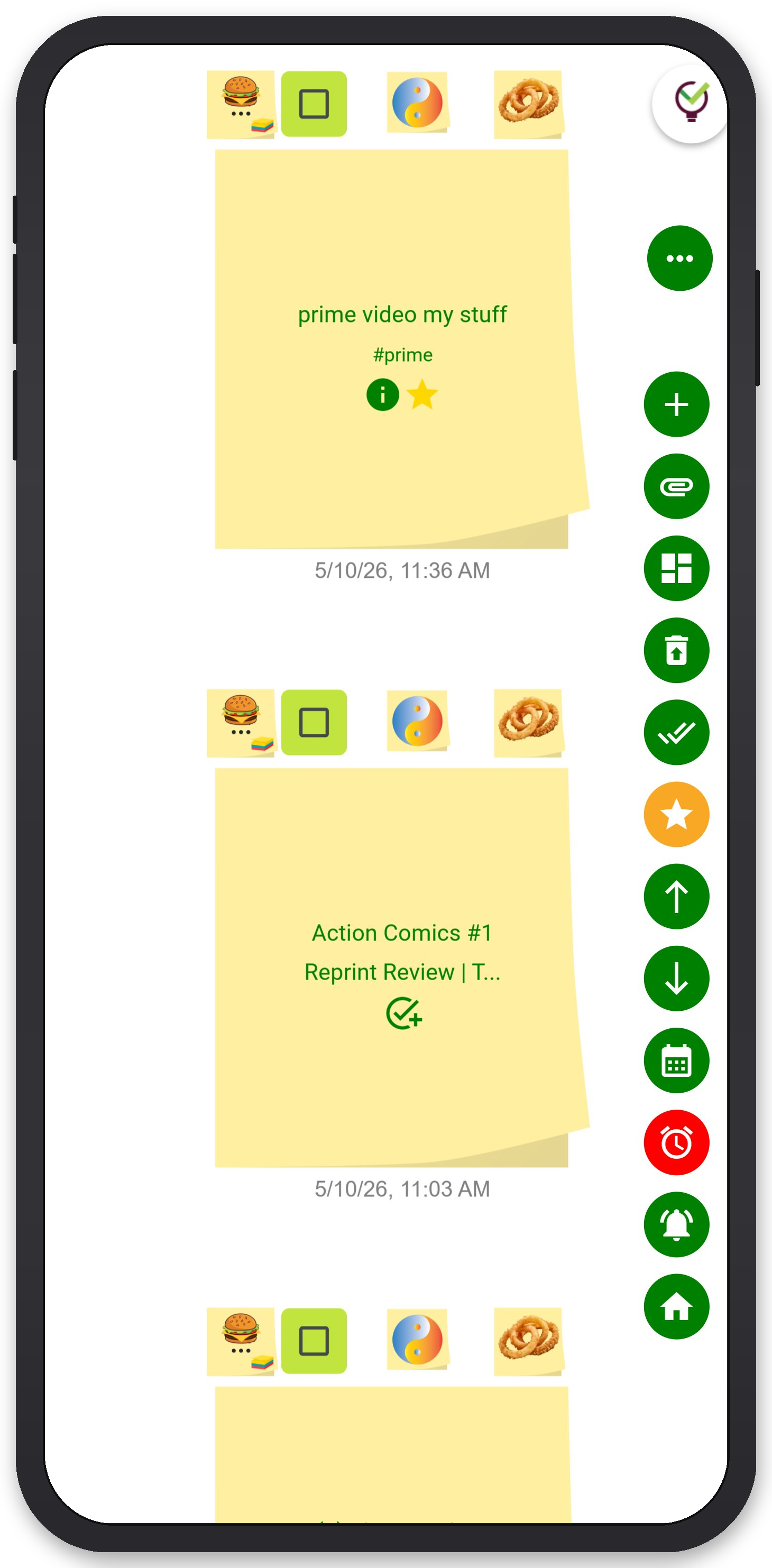
But here's where TaskLoco diverges from a traditional read-later app. The saved note doesn't go into a passive reading list. It lands on your TaskLoco wall — the same place where your tasks, calendar events, and files live. That means you can immediately add context: why you saved this article, which project it relates to, or what question you're hoping it answers. That context is searchable later, which is the whole point.
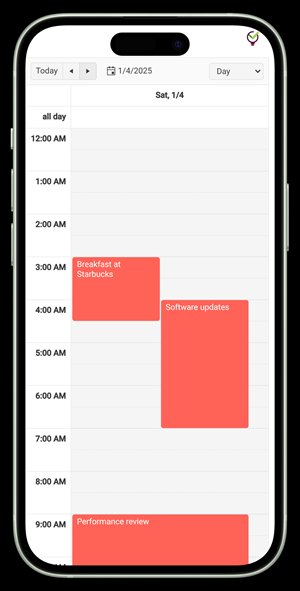
From there, you can attach a reminder to the note. The reminder delivers as a push notification to your phone and computer, and it deep-links straight back to the original note — so when Tuesday morning rolls around and you said you'd read that piece on supply chain logistics, your phone taps you on the shoulder and takes you directly there. Optional email and SMS notifications are available too.
If you find an article you want a colleague to see, team sharing works like sending an email: the recipient gets the note and can clone it as their own, annotate it their own way, and add their own reminders. No permissions setup, no access levels to configure. It just works.
Why Most Read-Later Apps Fail You (And What's Different Here)
Pocket, Instapaper, Matter — these are genuine, well-built apps. They strip articles to clean reading views, they sync across devices, and they have solid tagging systems. If your only goal is to read long-form content in a distraction-free environment, they do that well. Be honest with yourself about whether that's actually your bottleneck.
The real failure mode of standalone read-later apps is that they create a second system. Your tasks are in one app. Your notes are in another. Your saved articles are in a third. You spend more mental energy remembering which app has what than you do actually reading or acting on anything. Studies on task management consistently show that friction between tools is the number-one reason productivity systems collapse.
TaskLoco isn't trying to replace Pocket's reading view — it doesn't strip articles and reformat them for reading. What it does is make saved articles part of your actual workflow rather than a sidecar you visit when you remember it exists. If you're a heavy fiction reader or a researcher who reads dozens of full articles per day and wants a clean reading environment, a dedicated read-later app may genuinely be worth the extra system. But if you're saving articles because they're relevant to something you're working on — a project, a decision, a skill you're developing — keeping them in the same place as your work is just smarter.
TaskLoco Premium is regularly $9.99/month per person. Right now, charter members can lock in 50% off the regular price — forever. That means $4.99/month per person today. And if our price ever goes up, you still pay half. Always.
Code CHARTER50 auto-applies at checkout. First 500 spots only — once they're gone, this offer is gone permanently. Act fast while spots last.
Every Premium subscription includes unlimited notes, 10GB file storage, reminders, calendar, and team sharing. Each team member requires a separate subscription. 7-day free trial — no charge until day 8. Cancel anytime.
Free Options: TaskLoco
TaskLoco Lite
- Native iPhone & Android app
- Completely anonymous — no sign-in
- Data stays on your device
- Up to 20 notes
- Free forever
TaskLoco Lite Plus+
- Web app + Chrome extension
- Sign in with Google
- Wall syncs across all devices
- Up to 30 notes
- Free forever
Lock In 50% Off — Forever
7-day free trial. No charge until day 8. CHARTER50 auto-applies at checkout.
🔒 Lock In My Charter SpotSee TaskLoco in Action
Frequently Asked Questions
Does TaskLoco have a Chrome extension for saving articles?
Yes. TaskLoco's Chrome extension lets you capture any webpage as a sticky note in one click. The extension is free and works with both TaskLoco Lite Plus+ and TaskLoco Premium. Your saved pages sync across all devices when you're signed in.
How is saving an article in TaskLoco different from bookmarking it?
A bookmark is just a URL. A TaskLoco saved note includes the link, any context you add at save time, full-text search across everything you've written, and — on Premium — a push notification reminder that deep-links you straight back to the note. Bookmarks don't follow up with you. TaskLoco does.
Can I set a reminder to read a saved article later?
Yes, with TaskLoco Premium. Reminders are delivered as push notifications to your phone and computer, and they deep-link directly back to the note so you land exactly where you need to be. Optional email and SMS notifications are also available.
Is there a free version I can try before paying?
Yes. TaskLoco Lite Plus+ is completely free — sign in with Google, get up to 30 synced notes, and use the Chrome extension to save pages instantly. No reminders or file attachments on the free tier, but the core save-and-search workflow is fully available. Premium adds reminders, unlimited notes, 10GB file storage, calendar view, and team sharing, with a 7-day free trial.
Can I share a saved article with my team?
Yes, with TaskLoco Premium. Team sharing works like sending an email — the recipient gets the note and can clone it as their own, annotate it independently, and add their own reminders. No permissions setup or access levels required. Each team member needs their own Premium subscription.
What happens to saved articles if I have more than 30 notes on the free tier?
TaskLoco Lite Plus+ supports up to 30 notes. Once you hit that limit, you'll need to delete older notes to make room, or upgrade to Premium for unlimited notes. Premium removes the cap entirely — you can save as many articles and notes as you need.
How much does TaskLoco Premium cost?
$9.99/month per person (currently $4.99/month per person for first 500 charter members with code CHARTER50)
Born in Brooklyn. Powered by AWS. Your data stays yours.
TaskLoco is available on iPhone, Android, Chrome, and every web browser.