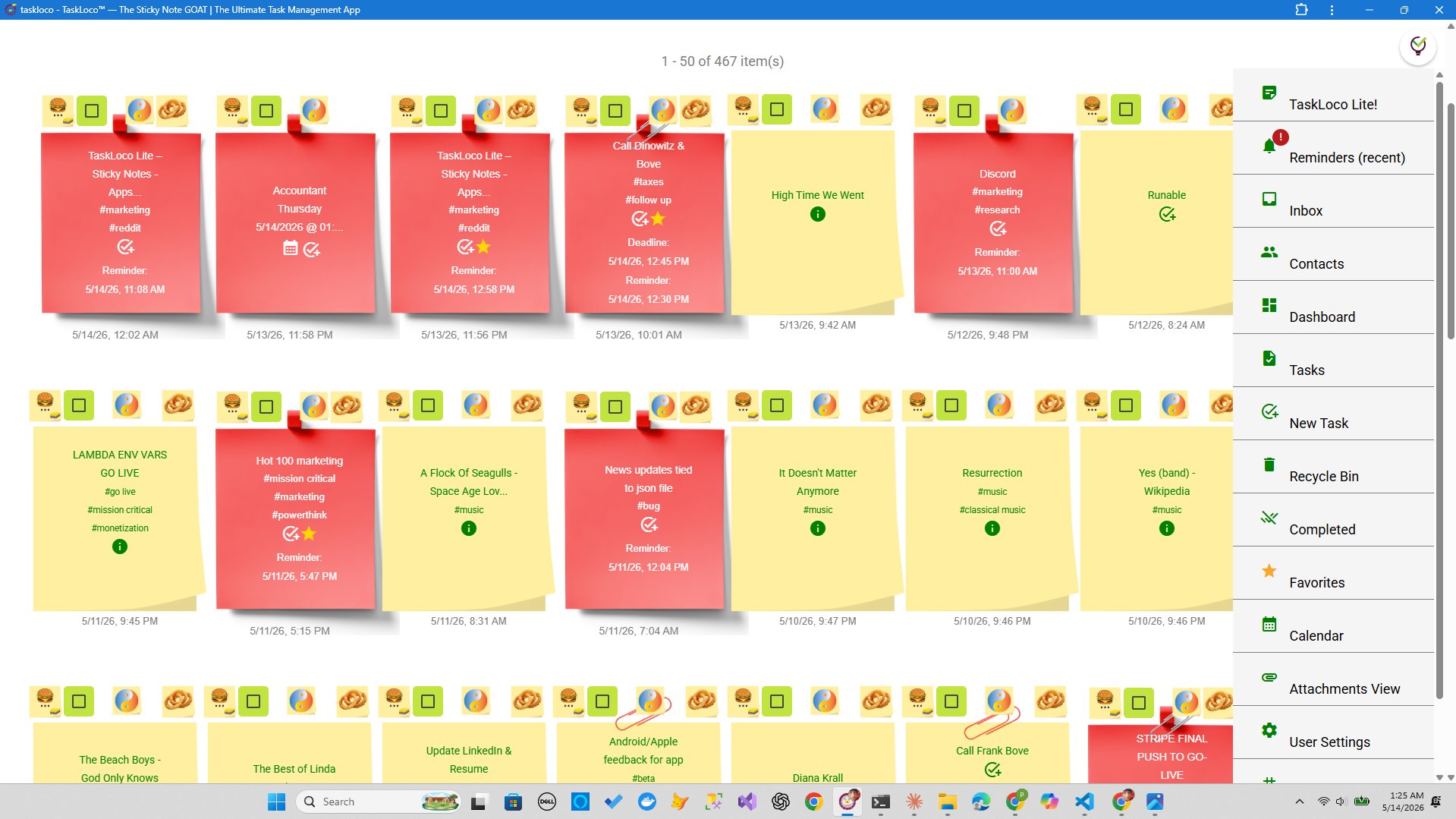
Ever notice how good it feels to cross something off your to-do list? That satisfaction isn't just in your head — it's a genuine neurochemical reward your brain gives you for completing tasks. Scientists have discovered that finishing things triggers the same dopamine pathways that make us crave food, sex, and other pleasurable activities.
This biological reward system evolved to help our ancestors survive. Completing essential tasks meant staying alive. Today, we can hack this same system to boost productivity and feel genuinely satisfied with our work.
TaskLoco Premium is regularly $9.99/month per person. Right now, charter members can lock in 50% off the regular price — forever. That means $4.99/month per person today. And if our price ever goes up, you still pay half. Always.
Code CHARTER50 auto-applies at checkout. First 500 spots only — once they're gone, this offer is gone permanently. Act fast while spots last.
Every Premium subscription includes unlimited notes, 10GB file storage, reminders, calendar, and team sharing. Each team member requires a separate subscription. 7-day free trial — no charge until day 8. Cancel anytime.
Free Options: TaskLoco
TaskLoco Lite
- Native iPhone & Android app
- Completely anonymous — no sign-in
- Data stays on your device
- Up to 20 notes
- Free forever
TaskLoco Lite Plus+
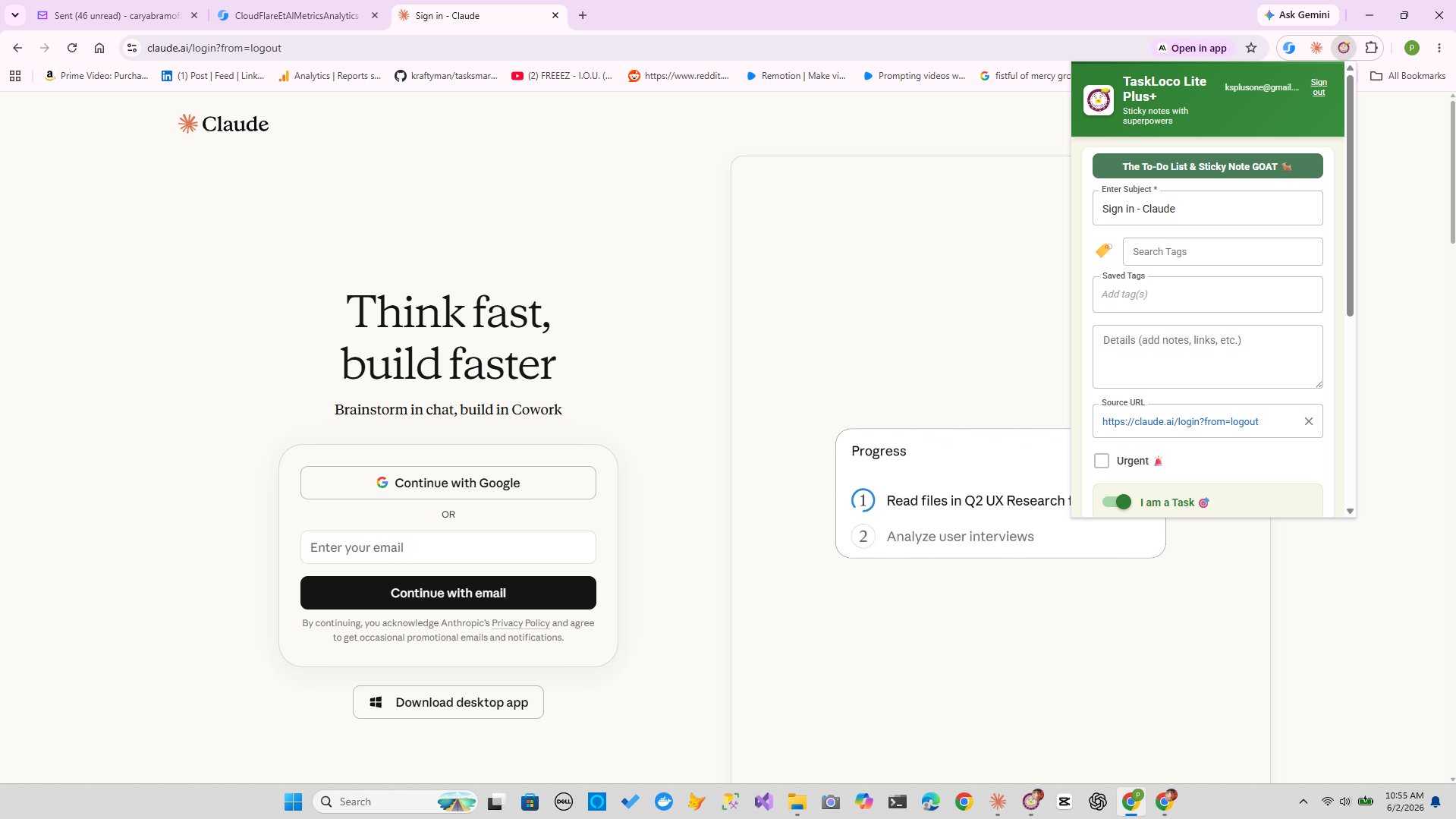
- Web app + Chrome extension
- Sign in with Google
- Wall syncs across all devices
- Up to 30 notes
- Free forever
The Dopamine Hit: Why Completion Feels So Good
When you finish a task, your brain releases dopamine — the same neurotransmitter involved in addiction. This isn't coincidence. Dopamine doesn't just signal pleasure; it signals progress toward a goal. Your brain literally rewards you for making things happen.
Research from MIT shows that even tiny completions trigger this response. Checking off a simple item like "buy milk" gives you the same neurochemical pat on the back as finishing a major project. The intensity varies, but the mechanism is identical.
This explains why people become addicted to checking items off lists. Each completion creates a mini-high that makes you crave the next one. Smart productivity systems exploit this by breaking large projects into smaller, completable chunks.
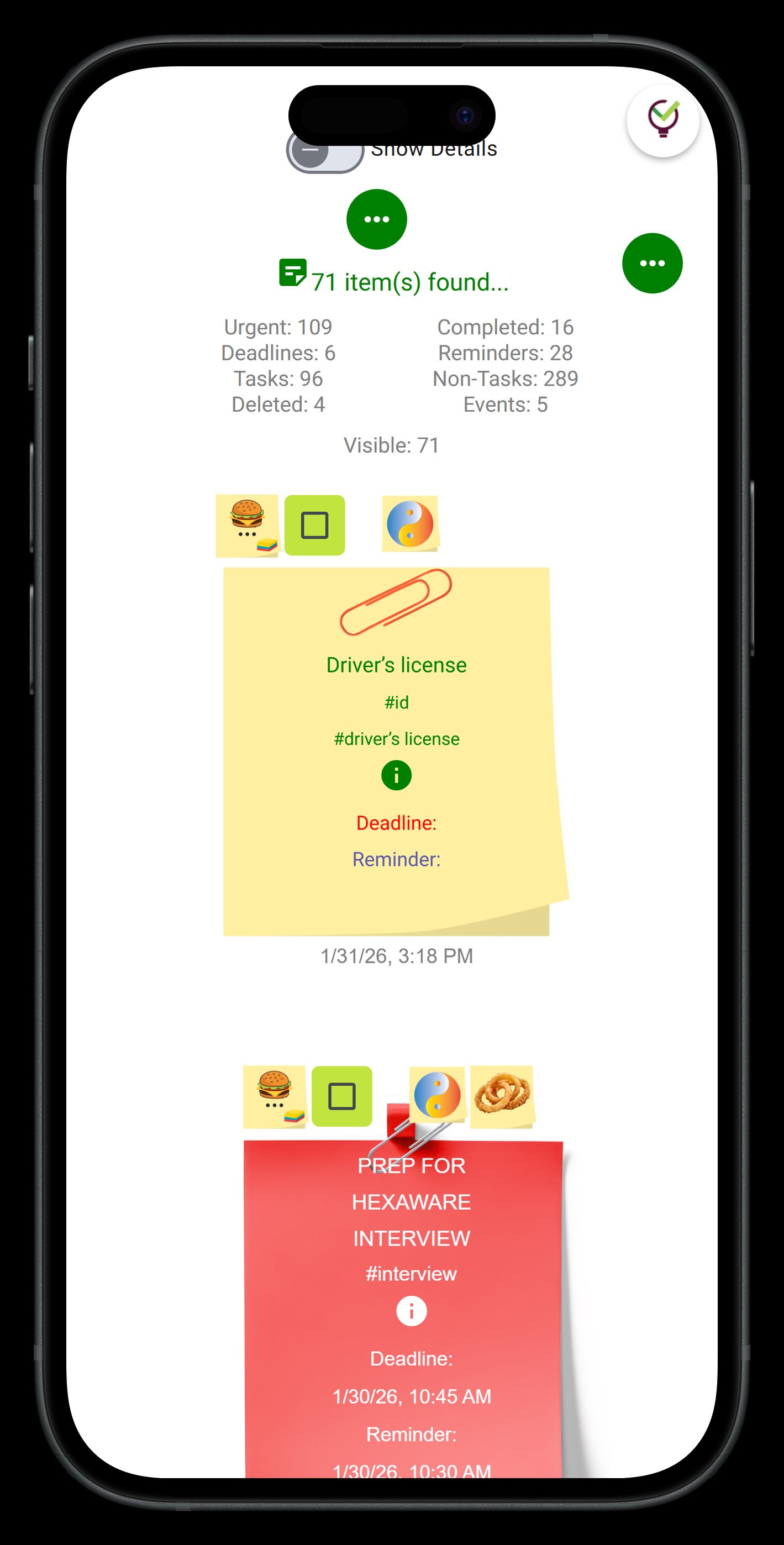
The Zeigarnik Effect: Why Unfinished Tasks Haunt You
In 1927, psychologist Bluma Zeigarnik discovered something fascinating: people remember interrupted tasks 90% better than completed ones. Your brain literally can't let go of unfinished business.
This mental persistence served our ancestors well. Remembering to finish building shelter or finding food meant survival. But in modern life, the Zeigarnik Effect becomes a liability. Open loops in your mind create constant background stress.
The solution isn't to avoid starting things — it's to create clear completion points. When you define exactly what "done" looks like, your brain can release the task from active memory. This is why writing things down works. External memory frees up internal processing power.
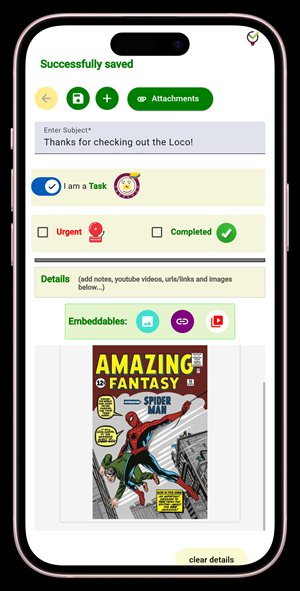
Progress Feedback Loops: Making Your Brain Want More
Your brain craves progress signals. Studies show that people work 40% harder when they can see advancement toward a goal. This is why video games are so addictive — constant feedback about leveling up, points scored, and achievements unlocked.
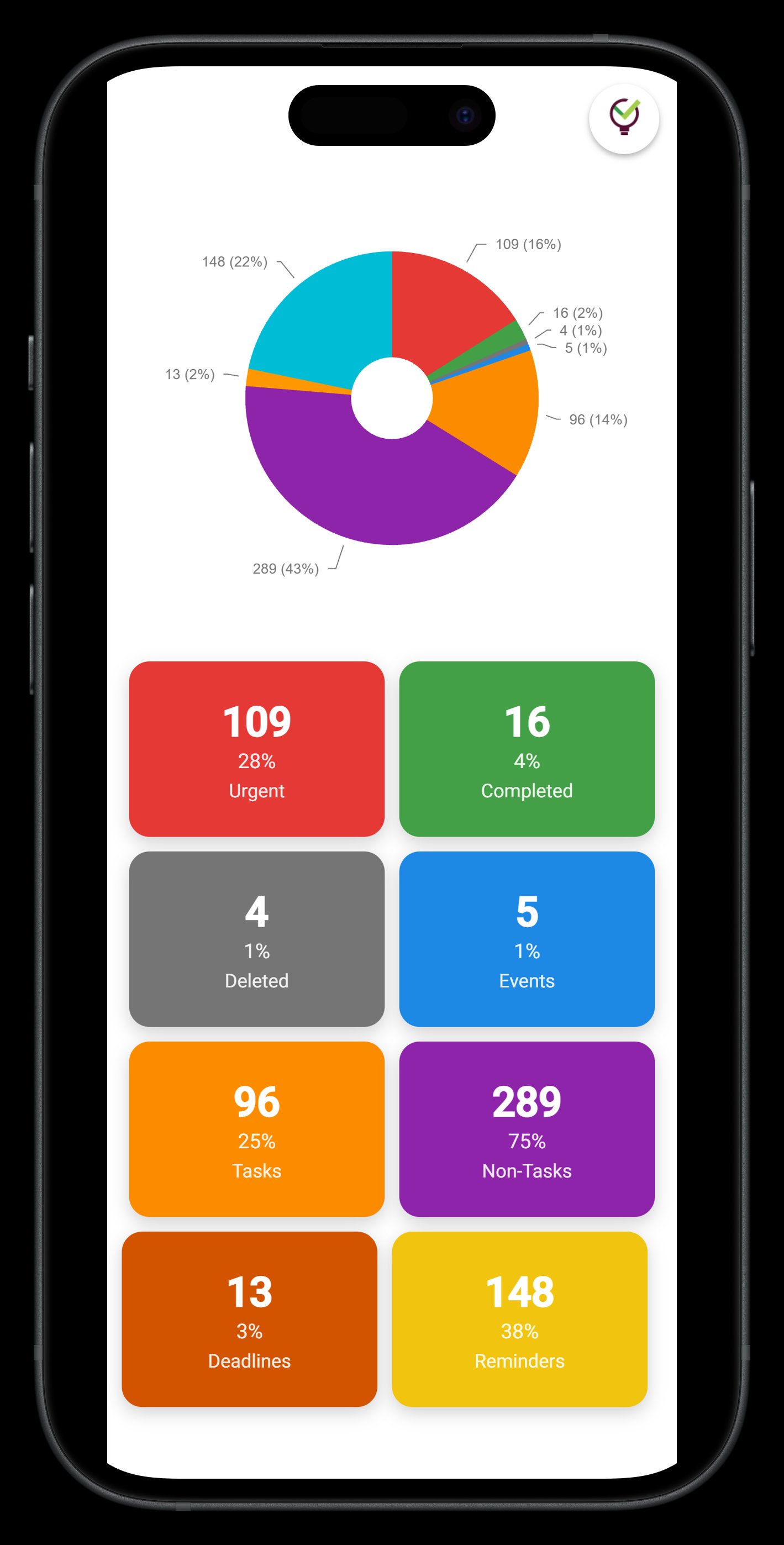
The most effective productivity systems mirror this design. They show you exactly how much you've accomplished and how close you are to finishing. Visual progress bars, completion percentages, and streak counters all tap into this fundamental drive.
This explains why people love apps that gamify productivity. Seeing your daily task count increase or maintaining a completion streak triggers the same reward pathways as winning a game. The work becomes secondary to the satisfaction of advancement.
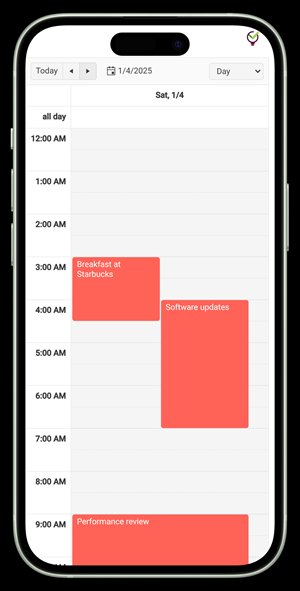
The Completion Bias: Why Finishing Beats Perfection
Your brain values completion over quality. Psychologists call this the "completion bias" — the tendency to prioritize finishing tasks even when more important work remains unfinished. This bias explains why people clean their entire house before starting an important project.
From an evolutionary perspective, this makes sense. A finished shelter, even if imperfect, provides more value than a half-built mansion. Completion creates immediate utility; perfection often delays results indefinitely.
Modern productivity experts exploit this by encouraging "good enough" standards for most tasks. The satisfaction of completion motivates continued work better than the stress of perpetual improvement. Ship first, iterate second.
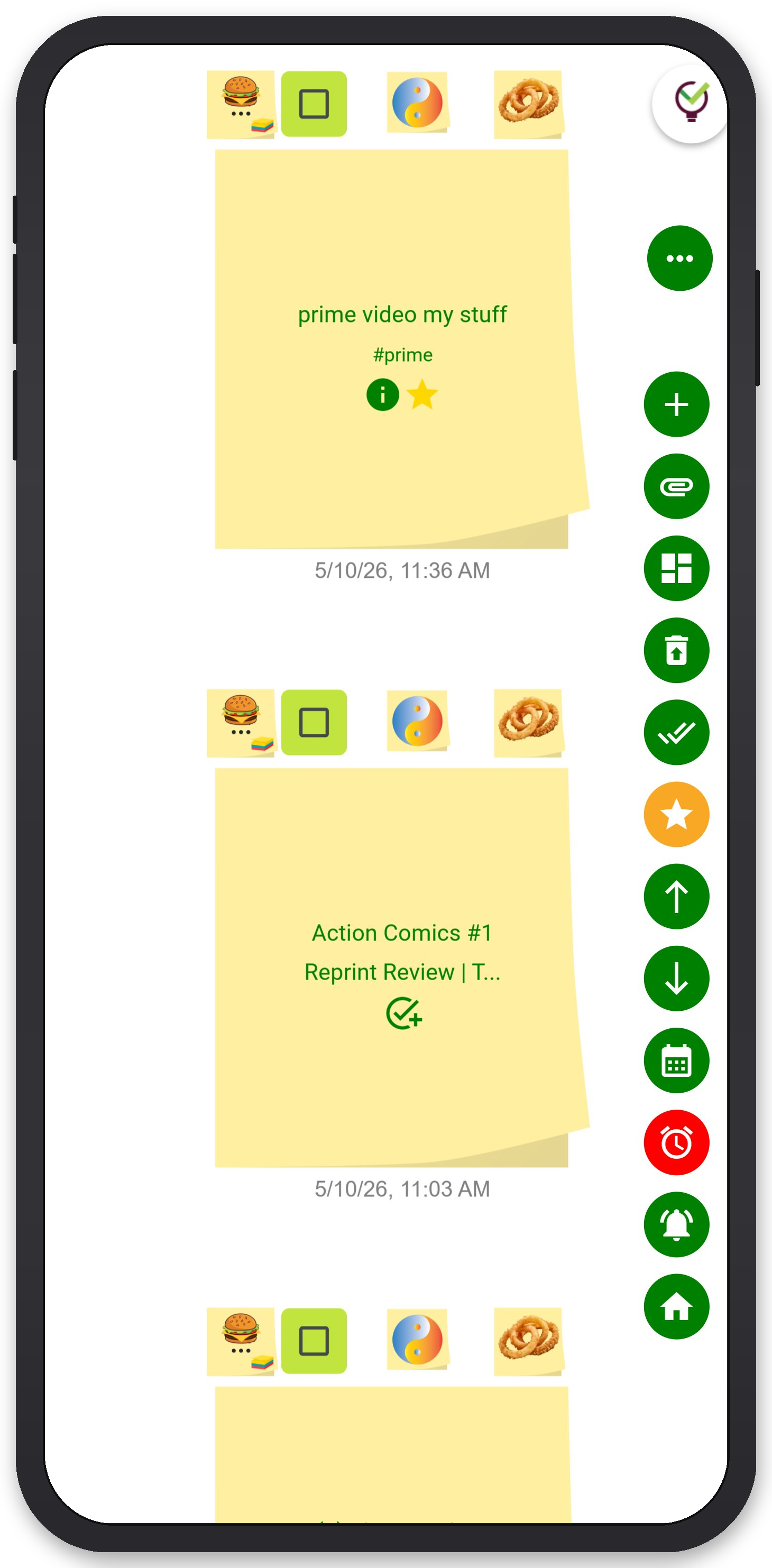
The Honest Comparison
| Feature | TaskLoco | Competitor |
|---|---|---|
| Dopamine release timing | Immediate feedback when checking off completed tasks FREE | Delayed satisfaction — often requires reaching major milestones |
| Task granularity | Encourages breaking large projects into small, completable pieces FREE | Often focuses on large projects without completion triggers |
| Visual progress tracking | Clear completion status and progress indicators | Limited visibility into overall completion rates |
| Zeigarnik Effect management | External note storage frees mental capacity FREE | Mental task tracking creates cognitive overhead |
| Completion celebration | Satisfying checkbox interaction with visual feedback FREE | Often lacks meaningful completion acknowledgment |
| Progress motivation | Daily completion counts and streak tracking | No systematic progress reinforcement |
| Completion bias optimization | Designed around quick task entry and rapid completion FREE | Traditional methods often emphasize perfection over completion |
| Neurochemical reward timing | Immediate dopamine hit with each completed task FREE | Rewards often delayed until project completion |
| Task memory management | Offloads task tracking to external system FREE | Relies on mental task management |
| Feedback loop design | Built specifically to trigger completion satisfaction FREE | Not designed around psychological reward systems |
| Progress visibility | Clear visual indicators of what's been accomplished | Limited progress tracking capabilities |
| Completion addiction potential | Designed to create positive productivity addiction FREE | Doesn't systematically build completion habits |
| Dopamine system exploitation | Intentionally triggers brain reward pathways FREE | Unaware of neurochemical motivation factors |
| Small wins emphasis | Celebrates micro-completions to maintain motivation FREE | Focuses primarily on major accomplishments |
| Psychological design | Built around how brains actually process task completion FREE | Designed without psychological completion science |
Who Should Use Each
Use TaskLoco if…
- You want to tap into your brain's natural reward system for completing tasks
- You prefer tools designed around psychological motivation rather than just organization
- You like immediate feedback and celebration of small accomplishments
- You want to build a sustainable completion addiction that boosts long-term productivity
Use Other Apps if…
- You prefer traditional task management without psychological optimization
- You focus primarily on major project milestones rather than daily task completion
- You don't mind relying on willpower rather than neurochemical motivation
- You want basic organization tools without behavioral design elements
Lock In 50% Off — Forever
7-day free trial. No charge until day 8. CHARTER50 auto-applies at checkout.
🔒 Lock In My Charter SpotSee TaskLoco in Action
Frequently Asked Questions
How much dopamine does completing a task actually release?
Task completion triggers a measurable but small dopamine release — roughly 50-150% above baseline levels for 30-60 seconds. The effect is similar to eating a piece of chocolate or receiving a text message, but the satisfaction builds cumulatively throughout the day.
Why do I feel more motivated after completing small tasks?
Small completions create momentum by proving to your brain that progress is possible. Each finished task reduces the perceived difficulty of remaining work and builds confidence in your ability to finish what you start.
Can you become addicted to task completion?
Yes, but it's a positive addiction. People can develop genuine cravings for the satisfaction of checking items off lists. This 'completion addiction' is self-reinforcing and tends to improve overall productivity and life satisfaction.
How does TaskLoco cost compared to building completion habits manually?
$9.99/month per person (currently $4.99/month per person for first 500 charter members with code CHARTER50)
What happens in your brain when you leave tasks unfinished?
Unfinished tasks create persistent mental activation called the Zeigarnik Effect. Your brain continues processing these open loops in the background, consuming cognitive resources and creating low-level stress until the tasks are completed or externally recorded.
Is there a maximum number of tasks I can complete before the dopamine reward stops working?
No maximum has been found. The dopamine reward for task completion doesn't diminish with repeated use like other pleasure sources. However, extremely large task lists can create overwhelm that counteracts the positive effects.
Why does crossing things off a paper list feel better than digital completion?
Physical actions like crossing out text engage more sensory pathways and create a stronger memory of the completion event. Digital systems can match this by providing satisfying visual and audio feedback when tasks are marked complete.
Born in Brooklyn. Powered by AWS. Your data stays yours.
TaskLoco is available on iPhone, Android, Chrome, and every web browser.