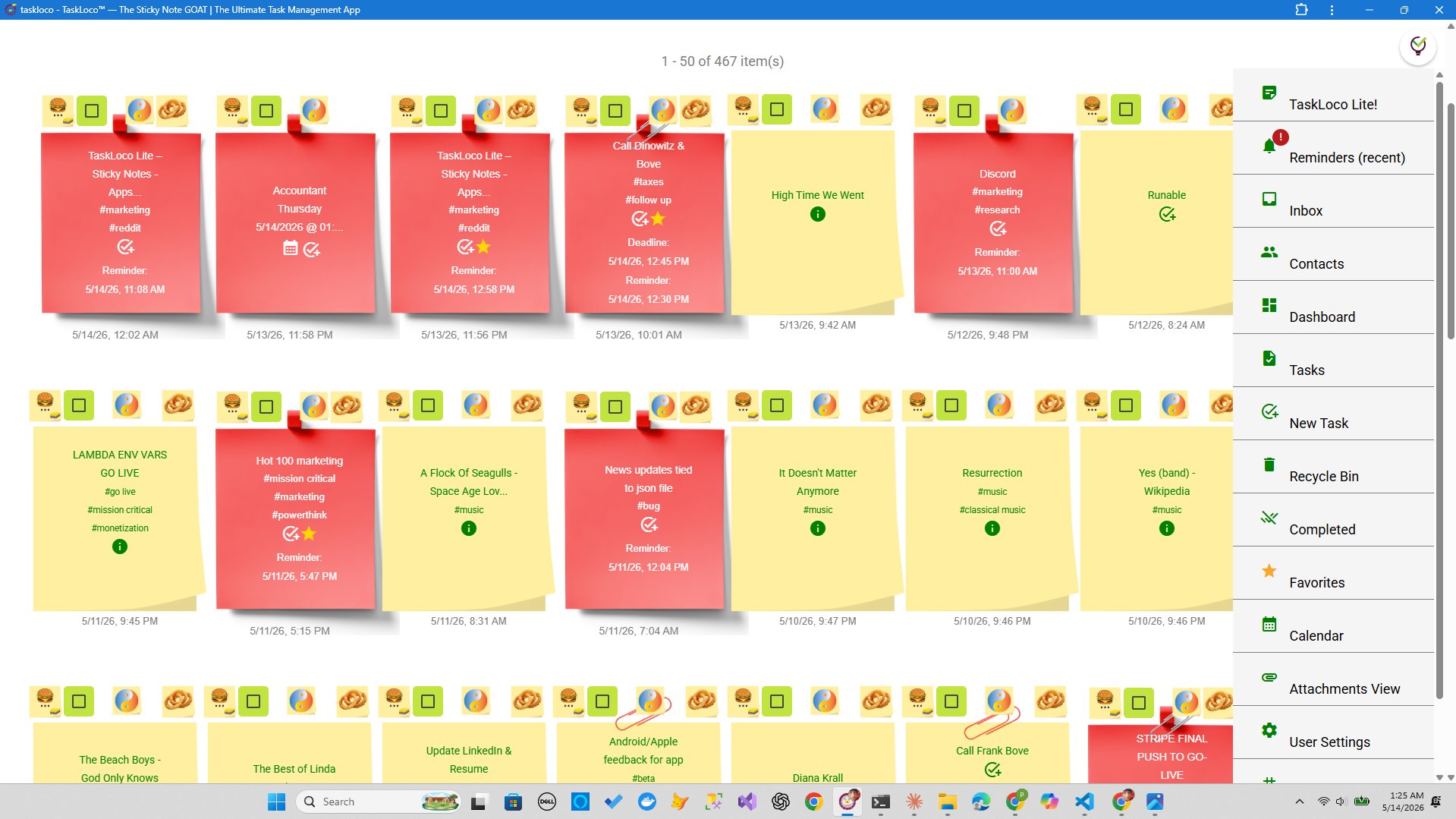
Most second brain apps feel like learning a new programming language. Notion demands mastery of databases and templates. Obsidian requires understanding of graph theory and markdown syntax. Roam Research speaks only in block references and bi-directional links.
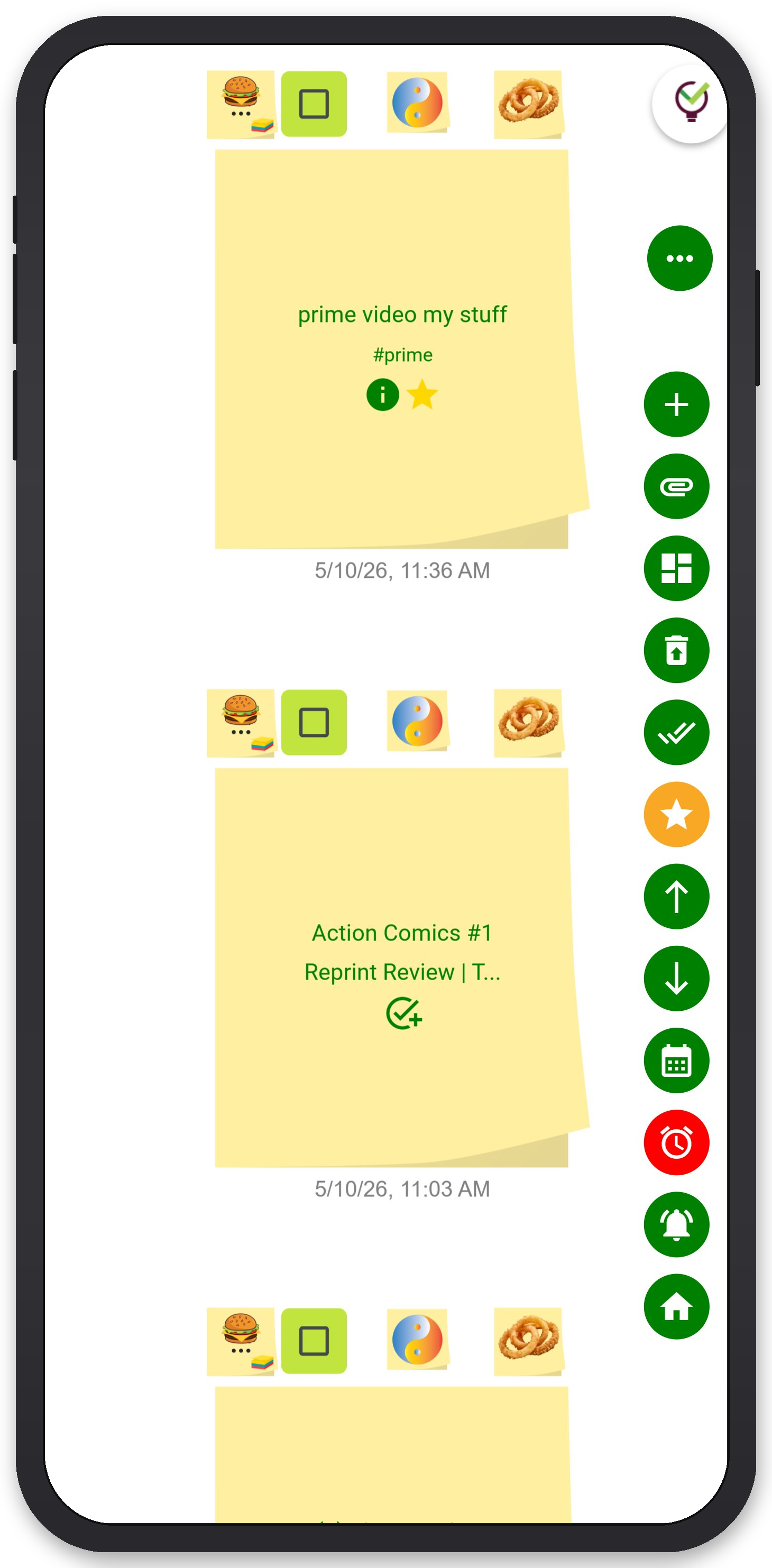
TaskLoco takes the opposite approach — your second brain is just sticky notes. Capture thoughts instantly, attach files, set reminders, and share with your team. No setup wizards, no database design, no steep learning curves. Just notes that work like your brain actually thinks.
TaskLoco Premium is regularly $9.99/month per person. Right now, charter members can lock in 50% off the regular price — forever. That means $4.99/month per person today. And if our price ever goes up, you still pay half. Always.
Code CHARTER50 auto-applies at checkout. First 500 spots only — once they're gone, this offer is gone permanently. Act fast while spots last.
Every Premium subscription includes unlimited notes, 10GB file storage, reminders, calendar, and team sharing. Each team member requires a separate subscription. 7-day free trial — no charge until day 8. Cancel anytime.
Free Options: TaskLoco vs Complex Second Brain Apps
TaskLoco Lite
- Native iPhone & Android app
- Completely anonymous — no sign-in
- Data stays on your device
- Up to 20 notes
- Free forever
TaskLoco Lite Plus+
- Web app + Chrome extension
- Sign in with Google
- Wall syncs across all devices
- Up to 30 notes
- Free forever
Instant Capture vs Complex Setup
Traditional second brain apps require extensive setup before you can capture a single thought. Notion forces you to build databases, create templates, and learn formula syntax. Obsidian demands understanding of YAML frontmatter and plugin configurations. Roam Research requires mastery of double brackets and block structures.
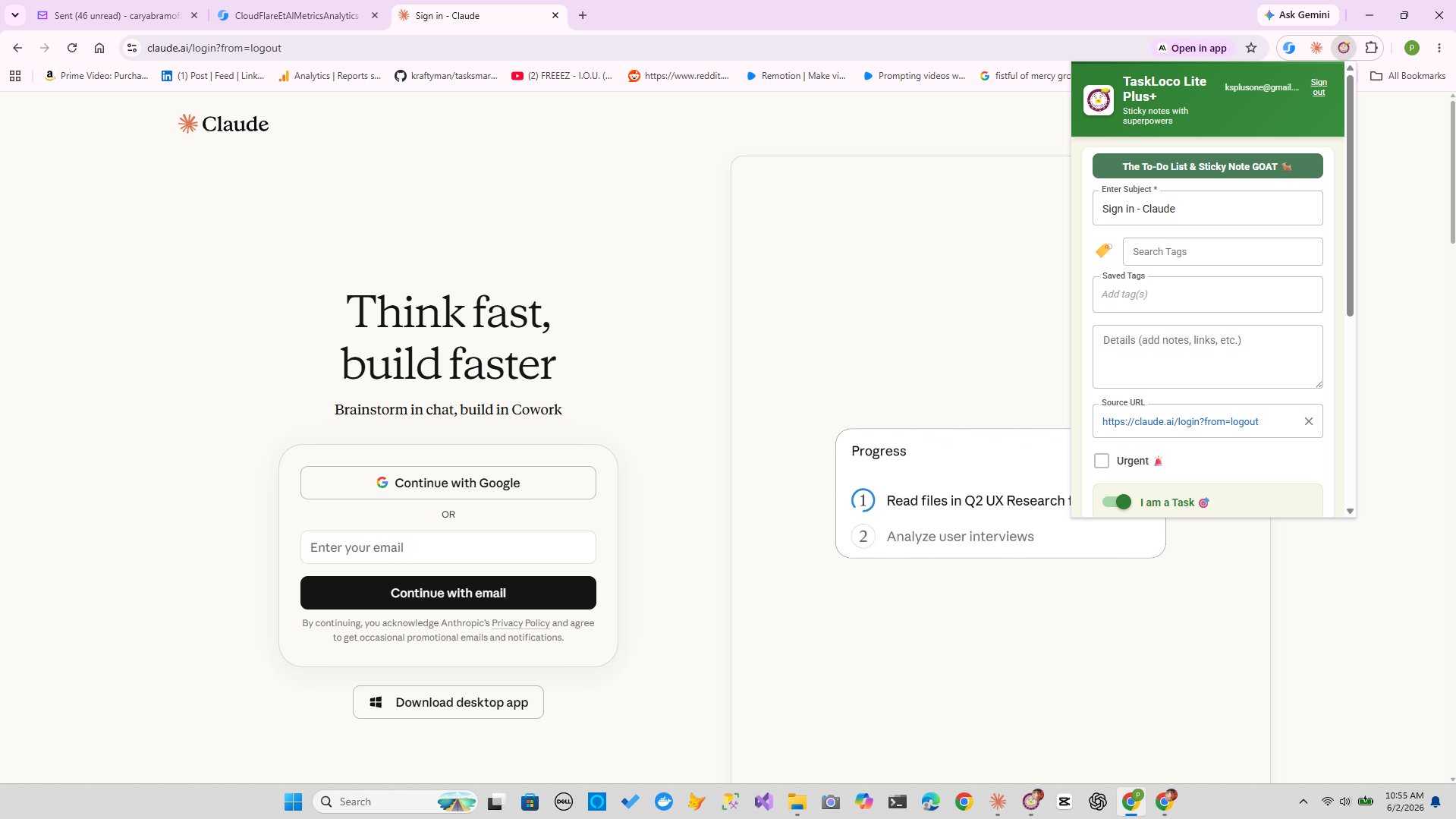
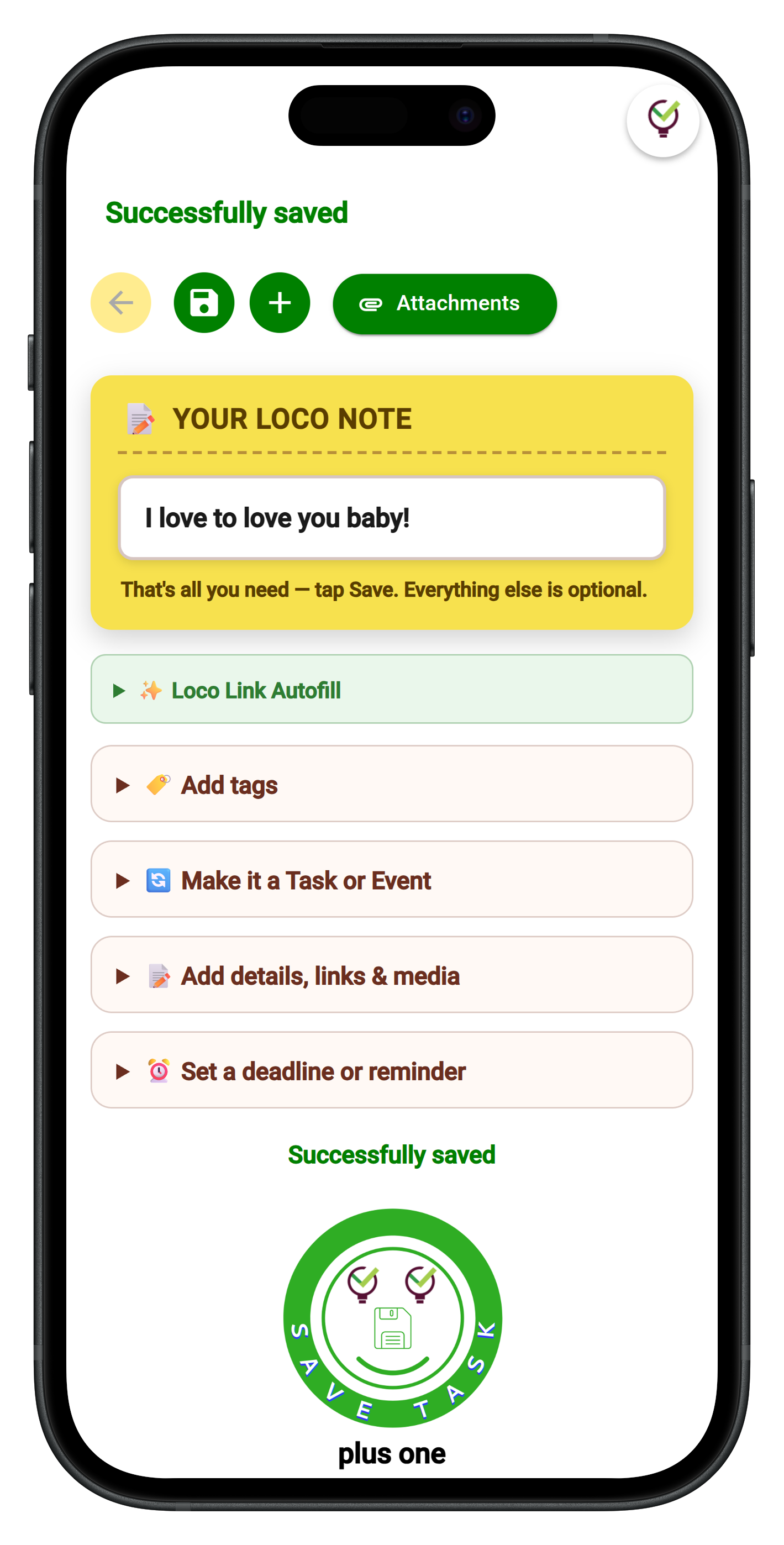
TaskLoco works immediately. Create a note, type your thought, hit save. Want to remember it later? Set a reminder. Need to find it again? Search across everything. The Chrome extension captures any webpage in one click — no formatting, no special syntax, no database design required.
While other apps make you think like a database administrator, TaskLoco lets you think like a human. Sticky notes are the most natural way to externalize thoughts, and that's exactly what TaskLoco provides — digital sticky notes with superpowers.
File Storage That Actually Works
Most second brain apps treat file attachments as an afterthought. Notion limits file uploads on free plans and charges extra for storage. Obsidian stores files locally, making sharing impossible. Roam Research barely handles files at all — it's designed for text-only thinking.
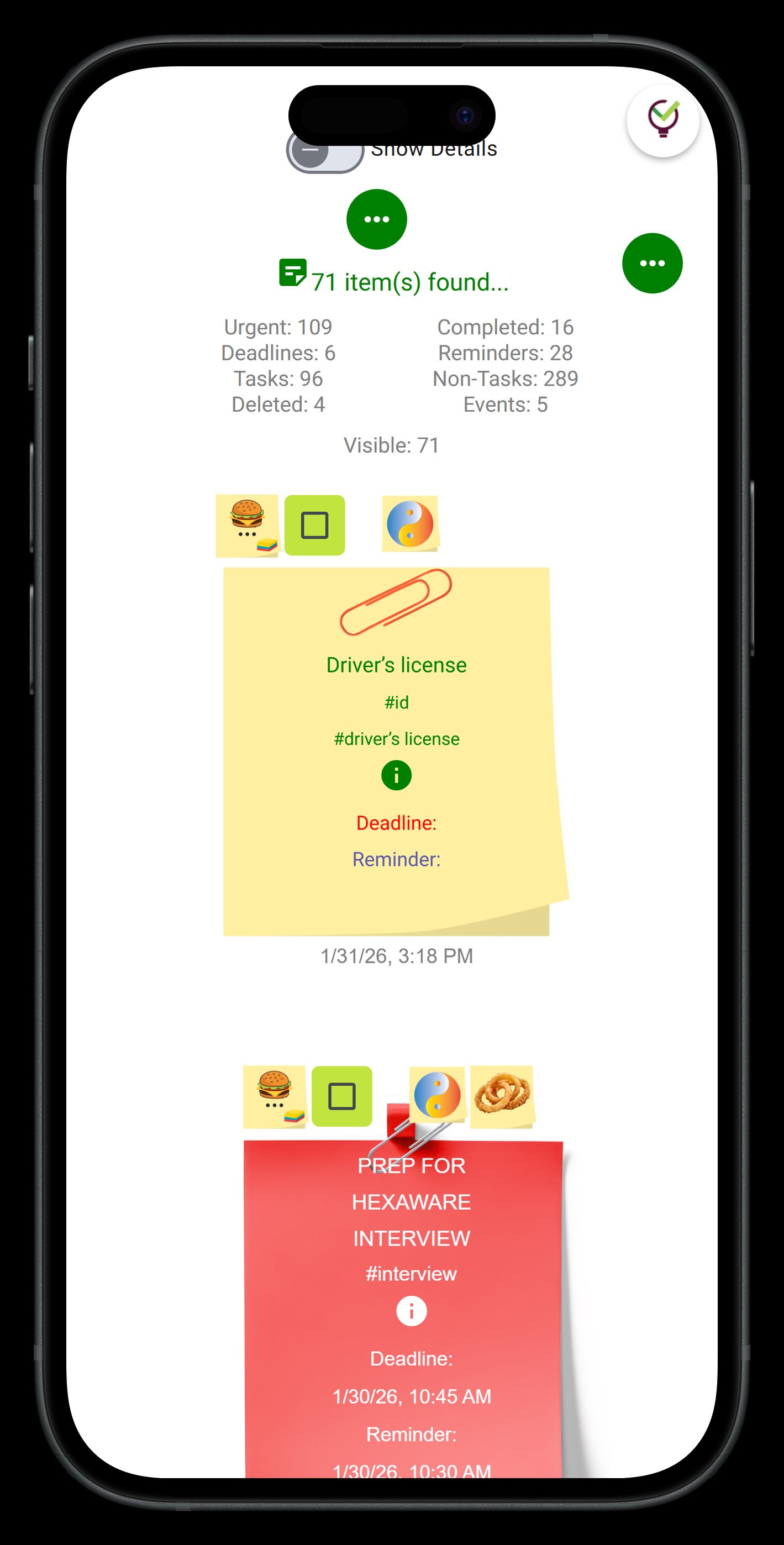
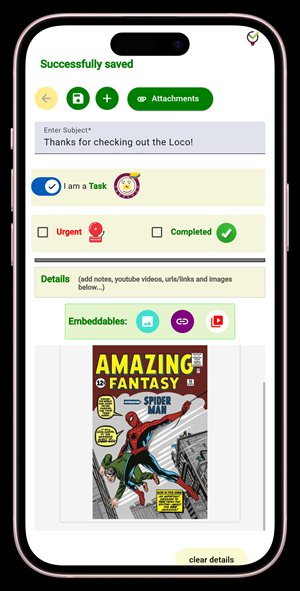
TaskLoco includes 10GB of file storage with every Premium subscription. Attach PDFs to research notes, embed images directly in thoughts, store voice memos alongside meeting notes. Files sync across all devices and can be shared with team members instantly.
The mobile apps handle files seamlessly. Take a photo during a site visit, attach it to a project note, and your team sees it immediately. No cloud storage juggling, no broken file links, no complex folder hierarchies to maintain.
Team Knowledge Without Complexity
Enterprise knowledge management systems cost hundreds per user monthly and require dedicated administrators. Notion charges $12-25 per seat depending on features. Confluence starts at $6.05 per user but requires Atlassian's full suite. Most platforms demand extensive training and ongoing maintenance.
TaskLoco Premium costs $9.99/month per person (currently $4.99/month per person for first 500 charter members with code CHARTER50) per person and requires zero training. Share notes by adding team members — they get email notifications when notes update. Real-time sync means everyone sees changes instantly. No complex permissions, no folder hierarchies to navigate, no admin overhead.
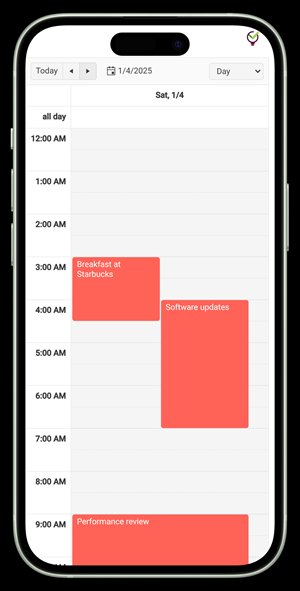
The calendar view shows team deadlines at a glance. Reminders ensure nothing falls through cracks. File attachments mean context travels with every shared thought. Your team's collective second brain stays synchronized without dedicated knowledge managers or complex workflows.
Pricing That Scales With Simplicity
Complex second brain apps use complex pricing to match. Notion charges per seat with feature restrictions on lower tiers. Obsidian Sync costs $8 monthly per user for cloud features. Roam Research demands $15 monthly with annual commitments. Enterprise versions easily exceed $50 per user monthly.
TaskLoco keeps it simple: $9.99/month per person (currently $4.99/month per person for first 500 charter members with code CHARTER50) per person. Everyone gets the same features — unlimited notes, 10GB storage, reminders, calendar, and team sharing. No feature gates, no user minimums, no surprise charges for attachments or API calls.
The 7-day free trial lets you test everything without payment details. Cancel anytime with no penalties. Additional storage is available if needed, but 10GB handles thousands of notes with attachments for most users.
The Honest Comparison
| Feature | TaskLoco | Complex Second Brain Apps |
|---|---|---|
| Learning curve | Zero — works like physical sticky notes | Steep — requires learning databases, markdown, or block structures |
| Setup time | Instant — create notes immediately | Hours to weeks — templates, databases, plugins required |
| File attachments | 10GB included with Premium, embedded in notes | Limited or extra cost, often poor integration |
| Mobile experience | Native iPhone and Android apps with full features | Often web-only or limited mobile functionality |
| Team collaboration | Simple sharing with email notifications | Complex permissions and workspace management |
| Pricing per user | $9.99/month per person, all features included | $12-50+ per user with feature restrictions |
| Offline access | TaskLoco Lite works completely offline FREE | Usually requires internet connection |
| Chrome extension | One-click webpage capture, free FREE | Often missing or requires premium subscription |
| Reminders | Built-in with date/time alerts | Often missing or requires third-party integration |
| Search functionality | Full-text search across notes and files | Usually good, some have advanced graph search |
| Free tier | Two options — 20 notes offline or 30 notes synced FREE | Limited features or time-restricted trials |
| Calendar view | Built-in calendar with all notes and reminders | Often missing or requires complex database setup |
| Advanced linking | Simple note references and file links | Bi-directional links, graph views, complex connections |
| Database functionality | Notes only — no databases or relations | Full databases with relations, formulas, views |
| API access | Limited integrations available | Extensive APIs and third-party integrations |
| Custom templates | No templates — just notes | Extensive templating systems and automation |
| Enterprise features | Basic team sharing only | SSO, advanced permissions, compliance certifications |
| Learning resources | None needed — works instantly | Extensive documentation required due to complexity |
Who Should Use Each
Use TaskLoco if…
- You want to capture thoughts instantly without learning complex systems
- You need file attachments and reminders with your notes
- You prefer simple team sharing over complex workspace management
- You want a second brain that works like actual sticky notes
- You need mobile apps that work as well as the desktop version
- You want one simple price per person with all features included
Use Complex Second Brain Apps if…
- You need sophisticated bi-directional linking and graph views
- You want to build complex databases with relations and formulas
- You require extensive API access and third-party integrations
- You need enterprise SSO and compliance certifications
- You enjoy learning complex systems and optimizing workflows
- You want advanced templating and automation capabilities
Lock In 50% Off — Forever
7-day free trial. No charge until day 8. CHARTER50 auto-applies at checkout.
🔒 Lock In My Charter SpotSee TaskLoco in Action
Frequently Asked Questions
Is TaskLoco simpler than other second brain apps?
Yes. TaskLoco works like digital sticky notes — no databases to design, no markdown to learn, no complex linking systems. You can start capturing thoughts immediately without any setup or training.
How much does TaskLoco cost compared to other knowledge apps?
$9.99/month per person (currently $4.99/month per person for first 500 charter members with code CHARTER50)
Can TaskLoco handle files like PDFs and images?
Yes. TaskLoco Premium includes 10GB of file storage. You can attach PDFs, images, voice recordings, and other files directly to notes. Files sync across all devices and can be shared with team members.
Does TaskLoco work offline like a true second brain should?
TaskLoco Lite works completely offline with no account required. It stores up to 20 notes locally on your device. TaskLoco Lite Plus+ and Premium require internet for syncing but cache notes for offline viewing.
Is TaskLoco too simple for serious knowledge management?
TaskLoco focuses on capture, organization, and retrieval — the core functions of any second brain. While it lacks complex linking and database features, it excels at the fundamental job of externalizing and finding your thoughts.
Can teams use TaskLoco for shared knowledge?
Yes. TaskLoco Premium includes team sharing with real-time sync and email notifications. Each team member needs their own subscription, but sharing notes is as simple as adding people to individual notes.
How does TaskLoco compare to Notion or Obsidian for beginners?
TaskLoco requires zero learning curve — it works like physical sticky notes from day one. Notion and Obsidian are powerful but require significant time investment to learn databases, markdown, or linking systems before becoming productive.
Born in Brooklyn. Powered by AWS. Your data stays yours.
TaskLoco is available on iPhone, Android, Chrome, and every web browser.