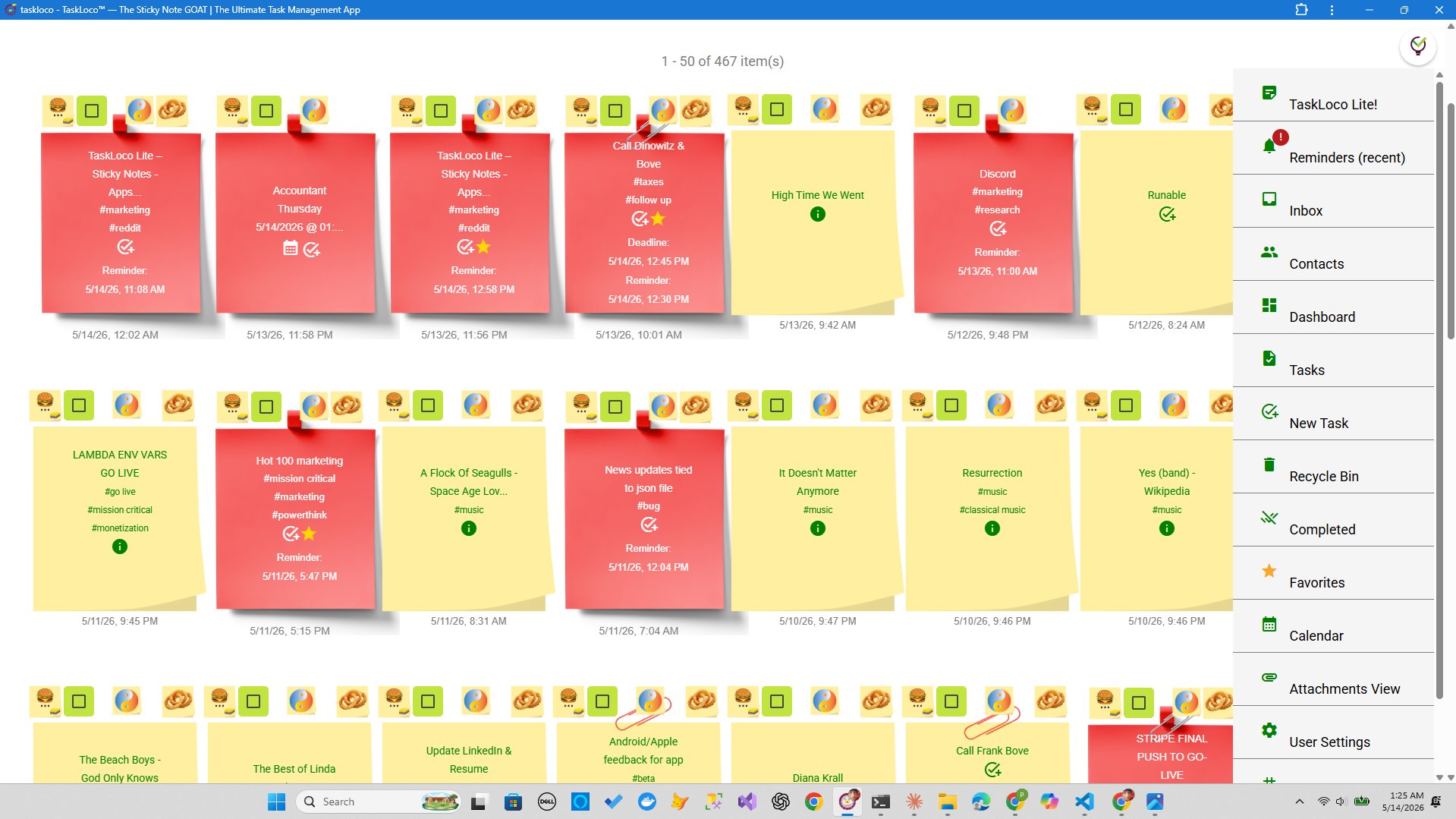
You've watched the YouTube videos, bought the courses, and downloaded seventeen productivity apps this month. You know about the Pomodoro Technique, Getting Things Done, time blocking, and whatever productivity guru is trending this week. Your phone has more task managers than actual tasks.
Here's the uncomfortable truth: all that optimization is the reason you're not getting things done. While you're tweaking your system, your actual work sits waiting. The most productive people don't have perfect systems—they have simple ones that just work.
The Optimization Addiction: Why More Systems Mean Less Progress
Every new productivity method promises to be the one that finally makes you efficient. But here's what actually happens: you spend hours learning the system, days setting it up, and weeks tweaking it. Meanwhile, the work you were supposed to be optimizing for sits untouched.
This is optimization addiction—the belief that the perfect system exists and finding it will solve your productivity problems. It won't. The people getting things done aren't using complex methodologies; they're using whatever simple tool gets out of their way fastest.
The cruel irony is that searching for the perfect productivity system has become its own form of procrastination. You feel busy and purposeful while researching new apps or methodologies, but you're actually avoiding the discomfort of doing real work.
What Actually Works: The Power of Simple, Reliable Tools
The most productive people use boring tools. They write things down in the same place every time, check that place regularly, and do the work. That's it. No elaborate tagging systems, no color coding by energy level, no algorithmic priority matrices.
Simple tools work because they have three crucial qualities: they're fast to capture new items, reliable for retrieval, and invisible during actual work. When a tool requires thinking about the tool itself, it's failed its primary job.
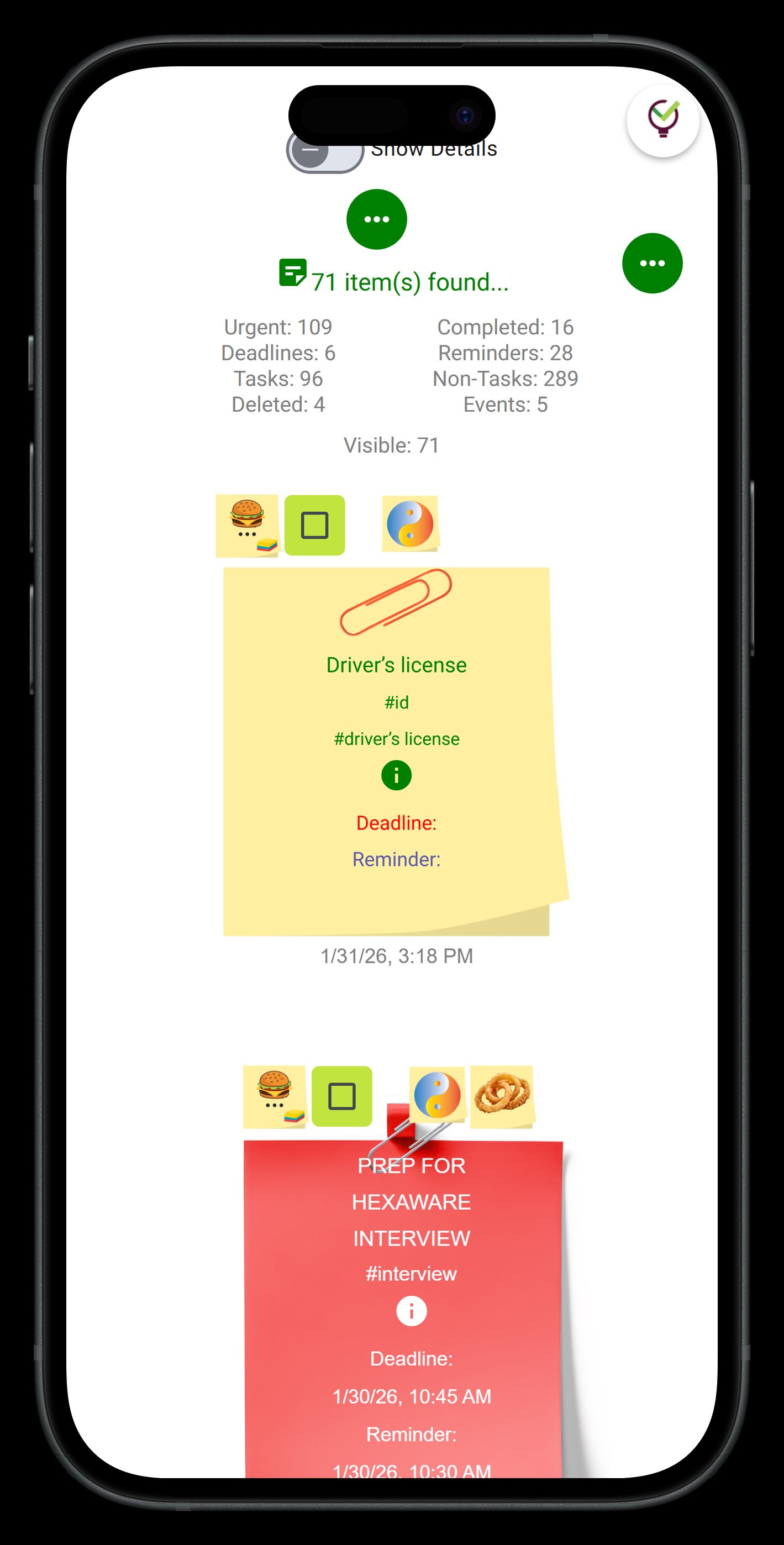
Consider the humble sticky note. No setup time, no learning curve, no syncing issues. You write something down, stick it where you'll see it, and do the thing. The physical constraint of limited space forces prioritization naturally—something digital tools often lack.
Digital Simplicity: When Technology Helps Instead of Hinders
Digital tools can work, but only when they mimic the simplicity of physical ones. The best productivity apps feel like digital sticky notes—quick to write, easy to find, and out of your way when working.
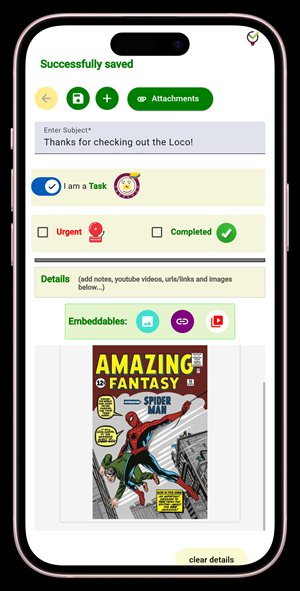
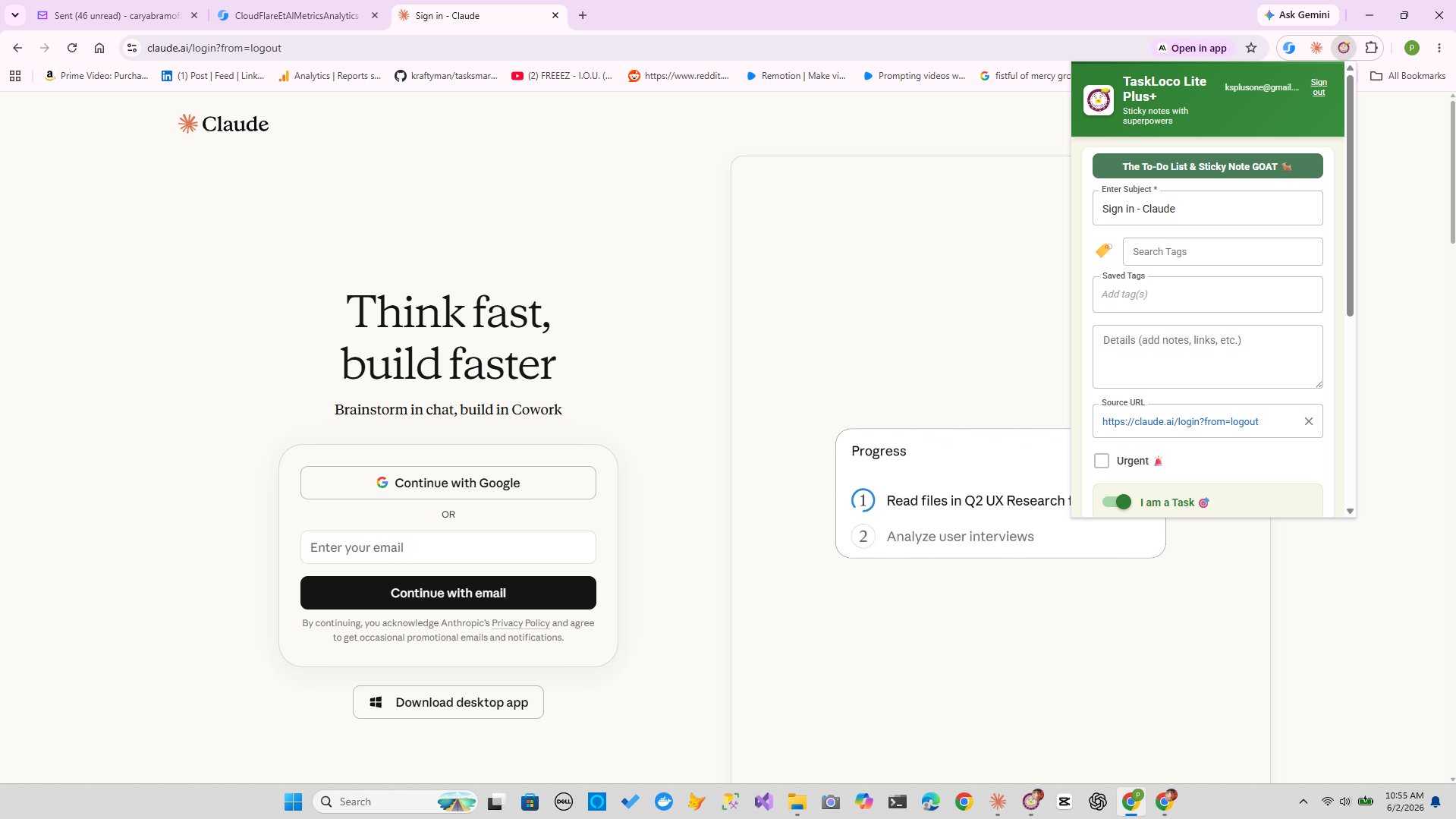
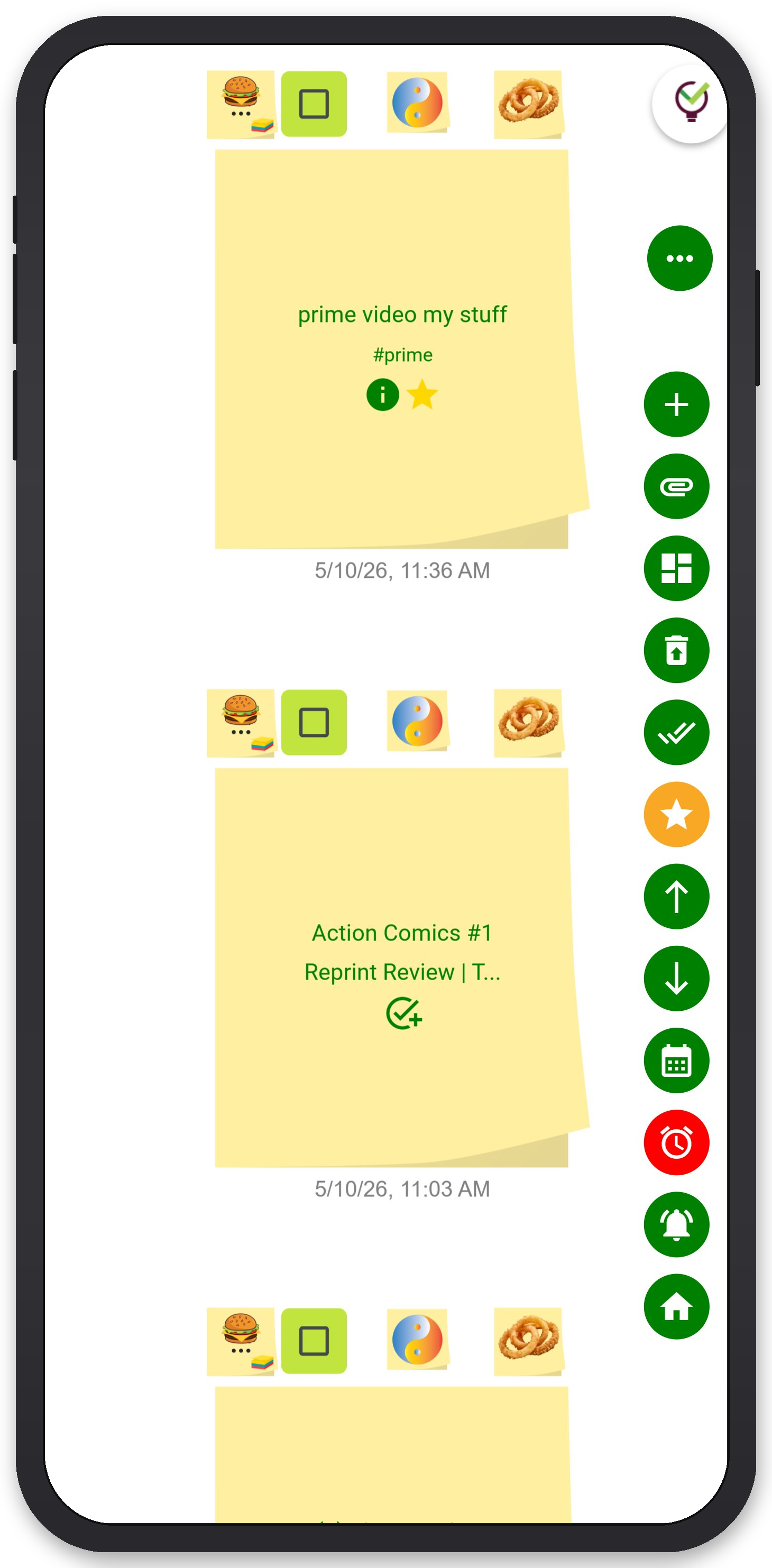
TaskLoco works precisely because it doesn't try to be everything to everyone. Write a note, set a reminder if needed, get back to work. No project hierarchies, no dependency mapping, no elaborate workflows. Just capture, organize lightly, and execute.
The key is tools that enhance your natural thinking patterns rather than forcing new ones. Most people think in simple lists and loose categories, not complex project structures. Your productivity system should match how your brain actually works, not how productivity experts think it should work.
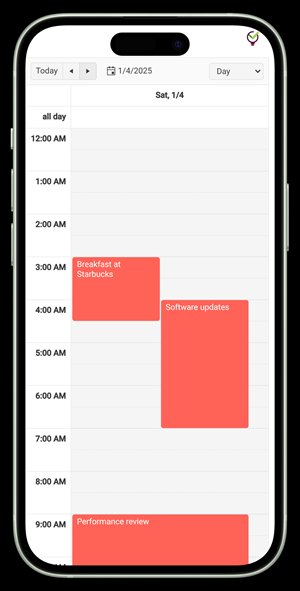
This is why features like file attachments and reminders matter in a simple tool. You can capture everything in one place without jumping between apps, and the system reminds you when needed without requiring constant checking.
Breaking the Optimization Cycle: How to Actually Get Things Done
Breaking free from optimization addiction requires accepting that good enough is actually better than perfect. Pick one simple tool, commit to it for at least three months, and resist the urge to shop for alternatives.
Your system needs exactly three capabilities: capture new tasks quickly, find old tasks reliably, and remind you of time-sensitive items. Everything else is optimization theater. If you find yourself spending more than five minutes per week maintaining your productivity system, it's too complex.
The hardest part isn't finding the right tool—it's resisting the next shiny productivity method that promises to revolutionize your workflow. Remember: the people telling you about revolutionary productivity systems are usually selling something, not shipping products.
Start with whatever tool you have right now. Use it consistently for real work. Only change if it actively prevents you from getting things done—and even then, change to something simpler, not more complex.
TaskLoco Premium is regularly $9.99/month per person. Right now, charter members can lock in 50% off the regular price — forever. That means $4.99/month per person today. And if our price ever goes up, you still pay half. Always.
Code CHARTER50 auto-applies at checkout. First 500 spots only — once they're gone, this offer is gone permanently. Act fast while spots last.
Every Premium subscription includes unlimited notes, 10GB file storage, reminders, calendar, and team sharing. Each team member requires a separate subscription. 7-day free trial — no charge until day 8. Cancel anytime.
Free Options: TaskLoco
TaskLoco Lite
- Native iPhone & Android app
- Completely anonymous — no sign-in
- Data stays on your device
- Up to 20 notes
- Free forever
TaskLoco Lite Plus+
- Web app + Chrome extension
- Sign in with Google
- Wall syncs across all devices
- Up to 30 notes
- Free forever
Lock In 50% Off — Forever
7-day free trial. No charge until day 8. CHARTER50 auto-applies at checkout.
🔒 Lock In My Charter SpotSee TaskLoco in Action
Frequently Asked Questions
How do I know if I'm over-optimizing my productivity system?
If you spend more time tweaking your system than using it for actual work, you're over-optimizing. The warning signs include constantly researching new apps, elaborate setup rituals, and feeling proud of your system but not your output.
What makes a productivity tool simple enough to actually use?
Simple tools have three qualities: fast capture (under 10 seconds to record something), reliable retrieval (you can always find what you wrote), and invisible operation (you think about work, not the tool).
Why don't complex productivity systems work long-term?
Complex systems require constant maintenance and decision-making about the system itself. This creates cognitive overhead that competes with actual work. Eventually, maintaining the system becomes more work than just doing tasks directly.
How can digital tools be as simple as physical sticky notes?
Digital tools work when they mimic physical simplicity: quick to write, easy to scan, and no setup required. $9.99/month per person (currently $4.99/month per person for first 500 charter members with code CHARTER50) The best digital productivity tools enhance natural thinking patterns rather than forcing new workflows.
What should I do if my current system feels too complicated?
Strip it down to basics: capture, organize minimally, and execute. Remove any feature you haven't used in the last month. If that's not possible with your current tool, switch to something simpler—even pen and paper works better than a complex unused system.
How long should I stick with one productivity system?
At least three months. It takes time to develop consistent habits, and switching tools frequently prevents you from experiencing the compound benefits of consistency. Only change if the tool actively prevents work, not because something new looks interesting.
Is it okay to use multiple productivity apps for different things?
Generally no—app switching creates mental overhead and increases the chance things get lost. One simple tool that handles tasks, notes, and reminders usually works better than multiple specialized apps. The goal is reducing friction, not optimizing individual functions.
Born in Brooklyn. Powered by AWS. Your data stays yours.
TaskLoco is available on iPhone, Android, Chrome, and every web browser.