You've spent three months setting up that elaborate project management system. It's clunky, your team barely uses it, and you waste more time managing the tool than actually working. But you can't switch — you've already invested so much time, right? That's the sunk cost fallacy destroying your productivity.
The sunk cost fallacy tricks us into continuing bad decisions because we've already invested resources. In productivity, this shows up everywhere: keeping broken workflows, staying with overcomplicated tools, or finishing pointless projects just because we started them. Breaking free requires recognizing these traps and choosing tools that make switching easy, not painful.
What to Look for in Productivity Tools That Combat Sunk Cost Thinking
The best productivity tools make it easy to start over without losing everything. When evaluating options, focus on three key criteria that prevent sunk cost traps.
Low switching costs: Your tool should export data cleanly and import from other systems without complex migration projects. If switching feels like starting from zero, you'll stay trapped in bad choices.
Simple learning curve: Complex tools create artificial investment — the more time you spend learning features you don't need, the harder it becomes to leave. Look for tools that deliver value on day one without extensive setup.
Flexible structure: Rigid systems force you to adapt your work to the tool. When your needs change, you'll feel stuck because rebuilding feels too expensive. Choose tools that adapt to how you actually work.
How Sunk Cost Fallacy Destroys Productivity
The sunk cost fallacy shows up in productivity in three devastating ways. First, tool paralysis — you stick with systems that don't work because you've already spent weeks configuring them. Second, feature bloat acceptance — you use only 10% of a complex tool but won't switch because you paid for enterprise features. Third, project completion obsession — you finish tasks that no longer matter because you started them.
These patterns create a productivity death spiral. You spend more time managing your productivity system than being productive. Every improvement requires fighting through layers of accumulated complexity. Meanwhile, simple solutions feel too basic because they don't justify your previous investment.
Breaking free requires honest assessment: is this tool helping me today, or am I just protecting past decisions? The time you've already spent is gone — what matters is making better choices moving forward.
TaskLoco's Anti-Sunk Cost Design Philosophy
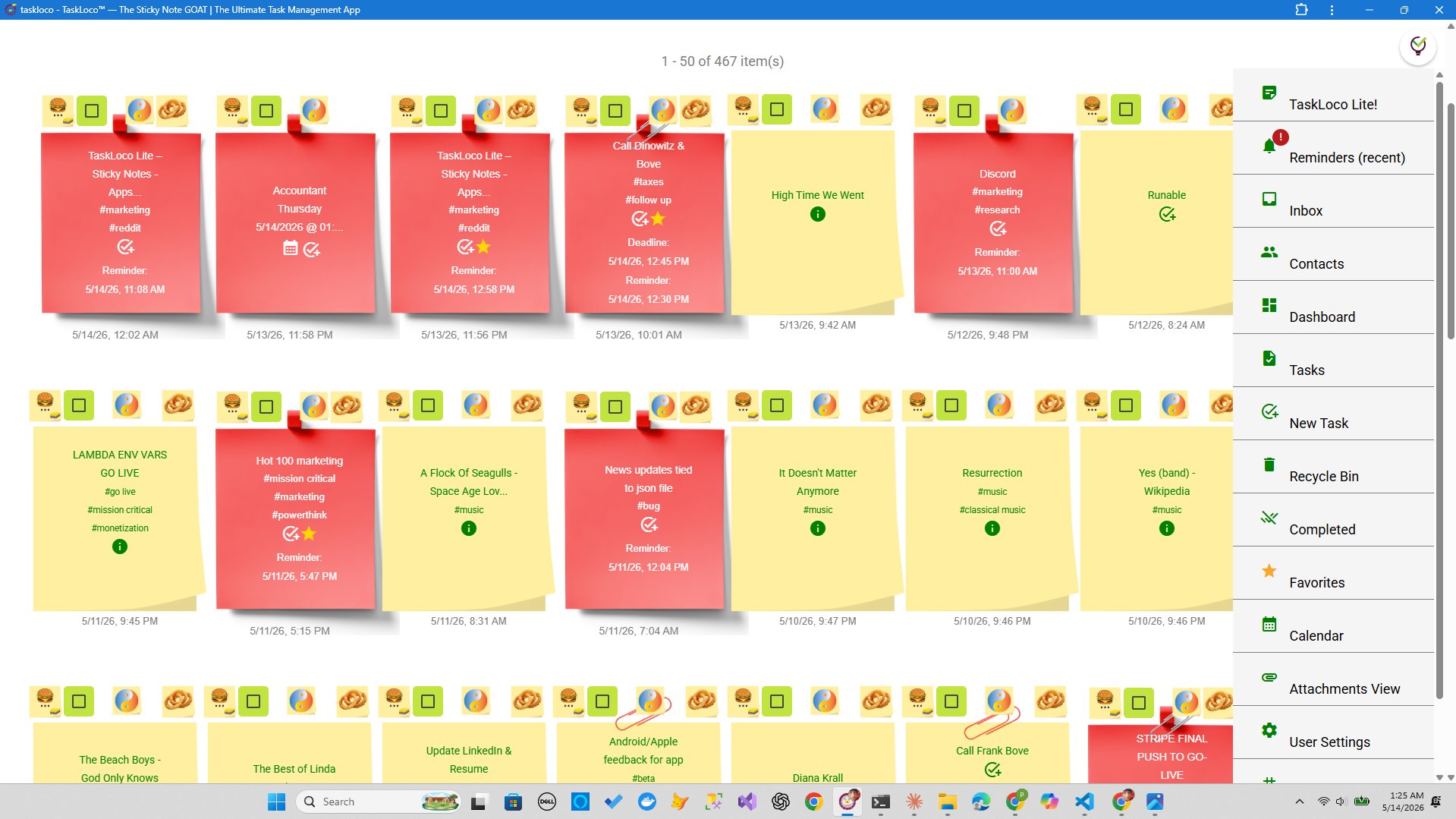
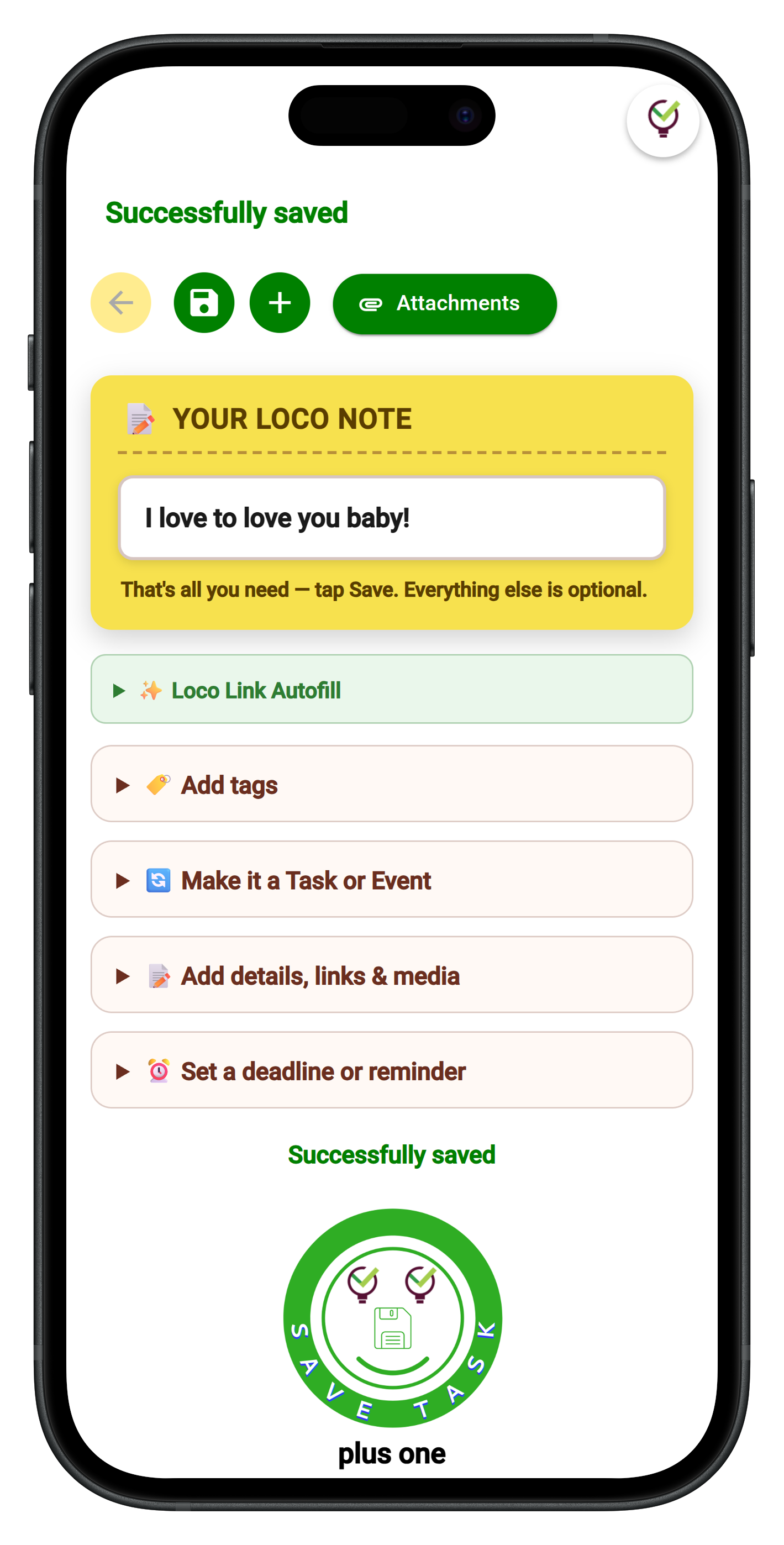
TaskLoco deliberately avoids features that create artificial investment. No complex project hierarchies to build. No intricate automation rules to configure. No role permissions to set up. Just notes, tasks, and reminders that work immediately.
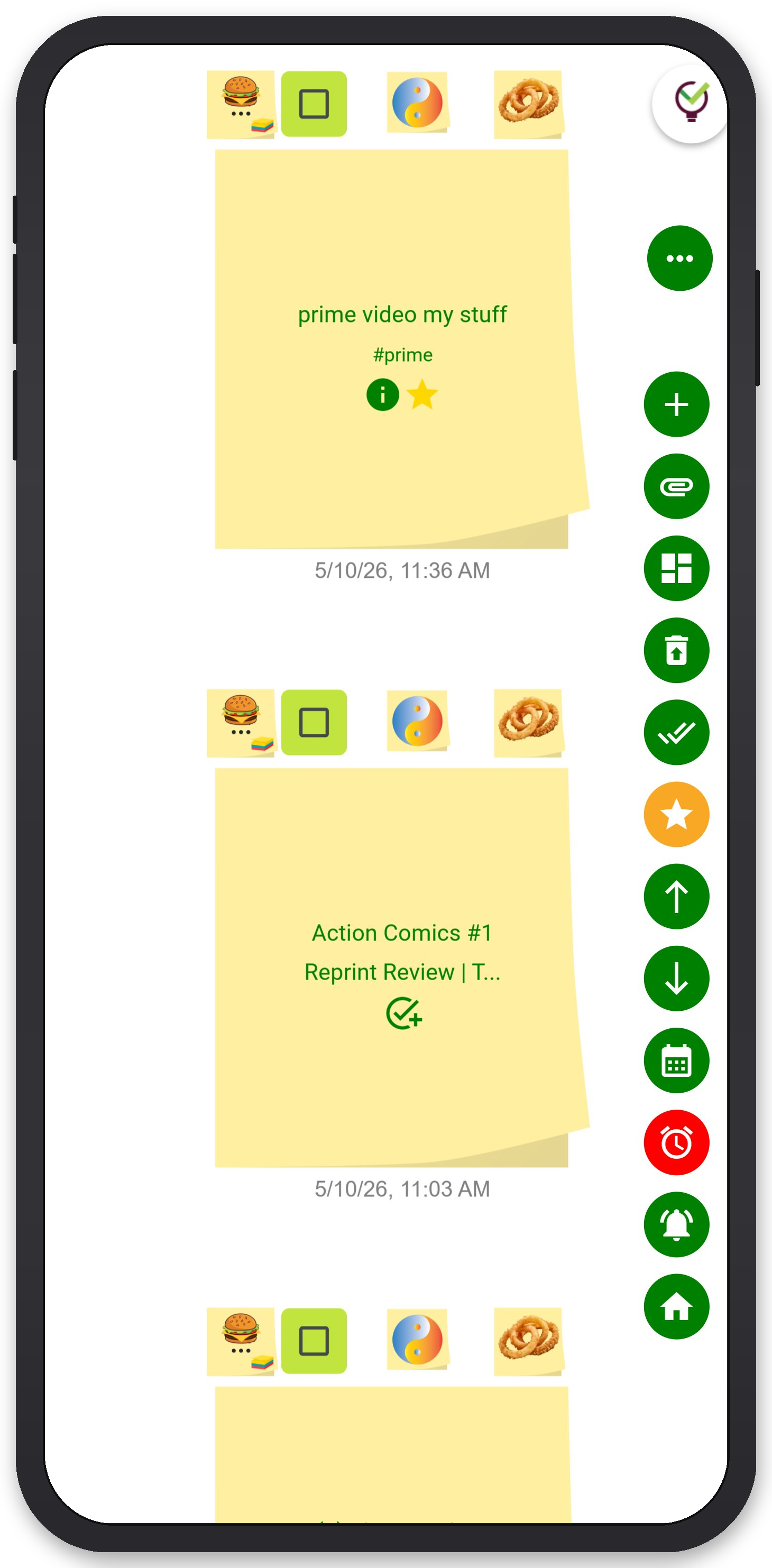
The sticky note interface means you're never locked into rigid structures. Need to reorganize? Drag and drop. Want to change your system? Just start using notes differently. There's no elaborate setup to protect and no configuration to lose.
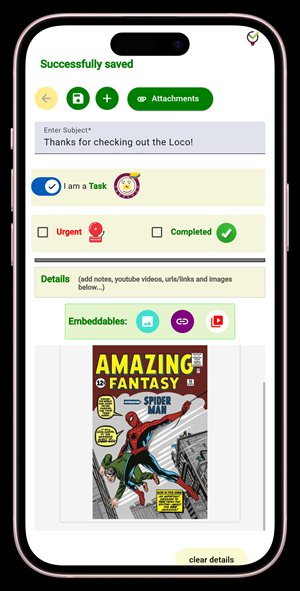
File attachments and team sharing work the same way — simple and flexible. Share a note like sending an email. Recipients can clone it and make it their own without complex permissions. If your needs change, you adapt instantly without rebuilding anything.
This simplicity is intentional. When switching costs are near zero, you make decisions based on what works now, not what you've already invested. TaskLoco gives you permission to start fresh anytime.
Breaking Free: Practical Steps to Overcome Sunk Cost Productivity Traps
Start with an honest audit. List every productivity tool you currently use and how much time you spend managing each one versus actually working. If the management-to-work ratio feels wrong, that's a sunk cost trap.
Next, identify your core needs without any reference to current tools. What do you actually need to get done? Most people need to capture tasks, set reminders, share with teammates, and store a few files. Everything else is often accumulated complexity.
Try the 30-day rule: give yourself permission to abandon any system that doesn't prove its worth in 30 days. This removes the pressure to make perfect long-term decisions and helps you focus on what works right now.
Finally, choose tools designed for easy switching. TaskLoco's export features and simple structure mean trying it costs almost nothing. If it works, great. If not, you haven't created another sunk cost trap.
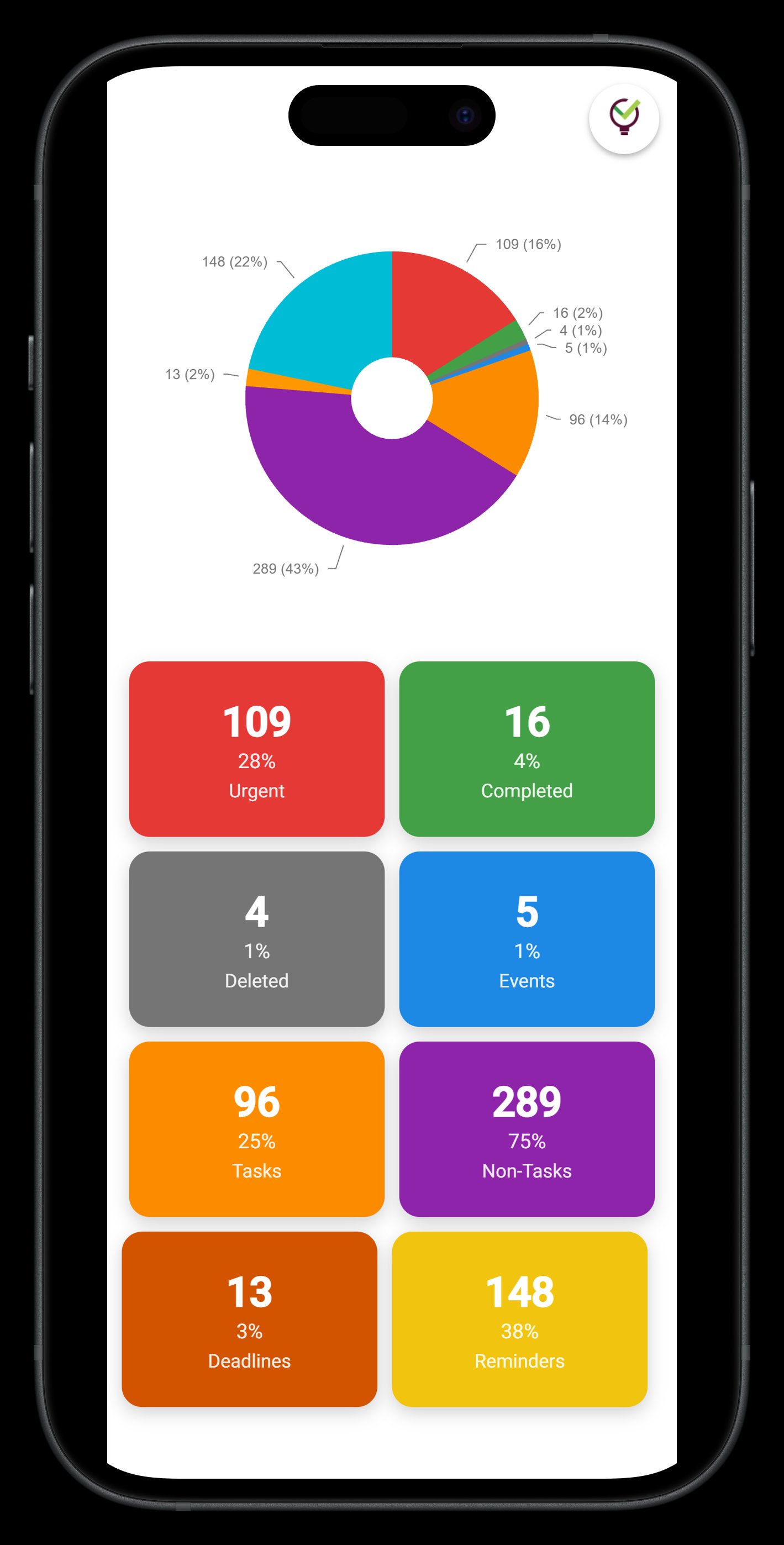
TaskLoco Premium is regularly $9.99/month per person. Right now, charter members can lock in 50% off the regular price — forever. That means $4.99/month per person today. And if our price ever goes up, you still pay half. Always.
Code CHARTER50 auto-applies at checkout. First 500 spots only — once they're gone, this offer is gone permanently. Act fast while spots last.
Every Premium subscription includes unlimited notes, 10GB file storage, reminders, calendar, and team sharing. Each team member requires a separate subscription. 7-day free trial — no charge until day 8. Cancel anytime.
Free Options: TaskLoco
TaskLoco Lite
- Native iPhone & Android app
- Completely anonymous — no sign-in
- Data stays on your device
- Up to 20 notes
- Free forever
TaskLoco Lite Plus+
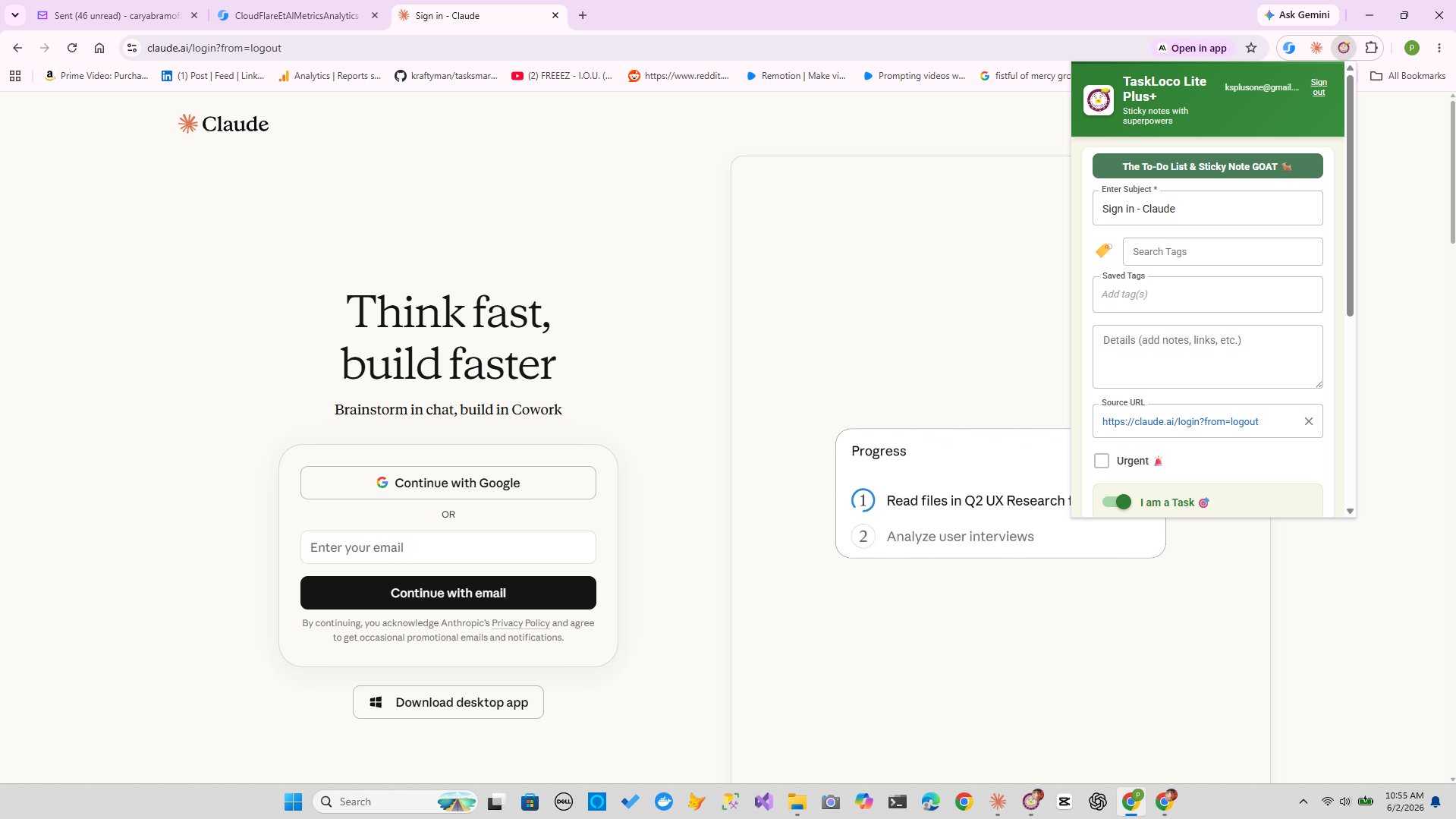
- Web app + Chrome extension
- Sign in with Google
- Wall syncs across all devices
- Up to 30 notes
- Free forever
Lock In 50% Off — Forever
7-day free trial. No charge until day 8. CHARTER50 auto-applies at checkout.
🔒 Lock In My Charter SpotSee TaskLoco in Action
Frequently Asked Questions
How do I know if I'm stuck in a sunk cost productivity trap?
You're likely trapped if you spend more time managing your productivity system than using it, if you use only a fraction of paid features, or if switching feels impossible despite frustration with your current setup.
What's the difference between investment and sunk cost in productivity tools?
Investment pays ongoing dividends — a tool that saves time daily. Sunk cost is past expense that doesn't improve current performance. The money and time you've already spent should never influence whether to continue using something that doesn't work.
How can simple tools like TaskLoco compete with enterprise productivity suites?
Simple tools win by eliminating the complexity tax. When 90% of users need basic task management, notes, and reminders, enterprise complexity becomes a liability. $9.99/month per person (currently $4.99/month per person for first 500 charter members with code CHARTER50)
Should I stick with a tool I've spent months customizing?
Only if it's actually making you more productive today. Customization time is a sunk cost — it's gone regardless of what you choose next. The only question is: what will work best for your future productivity?
How do I convince my team to abandon a system we've invested heavily in?
Focus on current productivity, not past investment. Measure time spent managing the system versus actually working. If the ratio is bad, the investment argument becomes irrelevant — you're losing money every day you continue.
What features should I avoid that create artificial investment in productivity tools?
Avoid complex workflows, extensive customization options, elaborate permission systems, and deep integrations unless you genuinely need them. These create switching costs that trap you in suboptimal choices.
How can TaskLoco help me break free from productivity tool sunk cost thinking?
TaskLoco's simplicity means there's never enough complexity to feel invested in. You can try it, adapt it, or abandon it without losing elaborate setups. This freedom helps you make decisions based on what works now, not what you've built before. $9.99/month per person (currently $4.99/month per person for first 500 charter members with code CHARTER50)
Born in Brooklyn. Powered by AWS. Your data stays yours.
TaskLoco is available on iPhone, Android, Chrome, and every web browser.