Everyone has a list. Most people stall anyway. Task initiation — the ability to actually begin a task rather than just plan to do it — is where most productivity systems quietly fail. They're great at capturing work. Terrible at getting you to start it.
This article breaks down what task initiation actually is, who struggles with it most, the strategies that genuinely move the needle, and how your tools either help or hurt the moment you try to begin.
What Is Task Initiation — And Why Is It So Hard?
Task initiation is the cognitive process of transitioning from intending to do something to actually doing it. It sounds trivial. It isn't. Neurologically, starting a task requires the brain's prefrontal cortex to override competing impulses, manage uncertainty about where to begin, and commit enough activation energy to get moving. That's a lot of work before you've typed a single word or made a single call.
Psychologists and occupational therapists identify task initiation as one of the core executive functions — the same cluster that includes working memory, flexible thinking, and impulse control. It's heavily discussed in the context of ADHD, anxiety, and depression, but it affects virtually everyone under cognitive load, high stress, or decision fatigue.
The three factors that actually determine whether someone can initiate a task are:
- Clarity: Is the next physical action completely unambiguous? "Work on the report" is not a task. "Open the draft and write the introduction paragraph" is a task.
- Proximity: How many steps stand between you and the thing you need to do? Every additional click, app switch, or login is friction that compounds the initiation cost.
- Activation threshold: How mentally taxing does this task feel right now? Tasks that feel big, undefined, or emotionally loaded carry a higher initiation cost regardless of how long they'd actually take.
The Strategies That Actually Work
There's no shortage of productivity advice. Most of it is repackaged common sense. The strategies below are the ones with real evidence and real-world traction — and more importantly, the ones that address initiation specifically, not just organization or time management.
1. The Two-Minute Rule (with a twist)
David Allen's classic: if it takes less than two minutes, do it now. The twist that makes it work for initiation specifically — apply it even to tasks that will take longer. Commit to just two minutes on the task. You're not committing to finishing. You're committing to starting. Most people continue past the two minutes once the inertia is broken.
2. Implementation Intentions
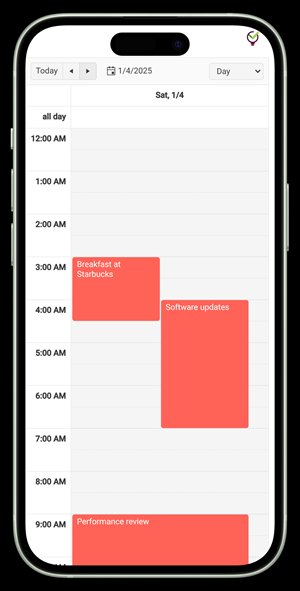
Research by psychologist Peter Gollwitzer shows that specifying when, where, and how you will do a task — "I will write the intro paragraph at 9am at my desk before checking email" — dramatically increases follow-through compared to just deciding to do it. This is "if-then" planning at its most concrete. Your task tool needs to support this — reminders and calendar views aren't optional luxuries, they're infrastructure for this strategy.
3. Task Decomposition
Break any task that feels vague or large into the smallest possible physical next action. Not "plan the event" but "open a note and list five venue options." Not "finish the proposal" but "write the problem statement section." The smaller and more physical the action, the lower the initiation cost. This is why note-based systems beat project hierarchy systems for daily execution — the note is the task, and the task is already open.
4. Environment Design
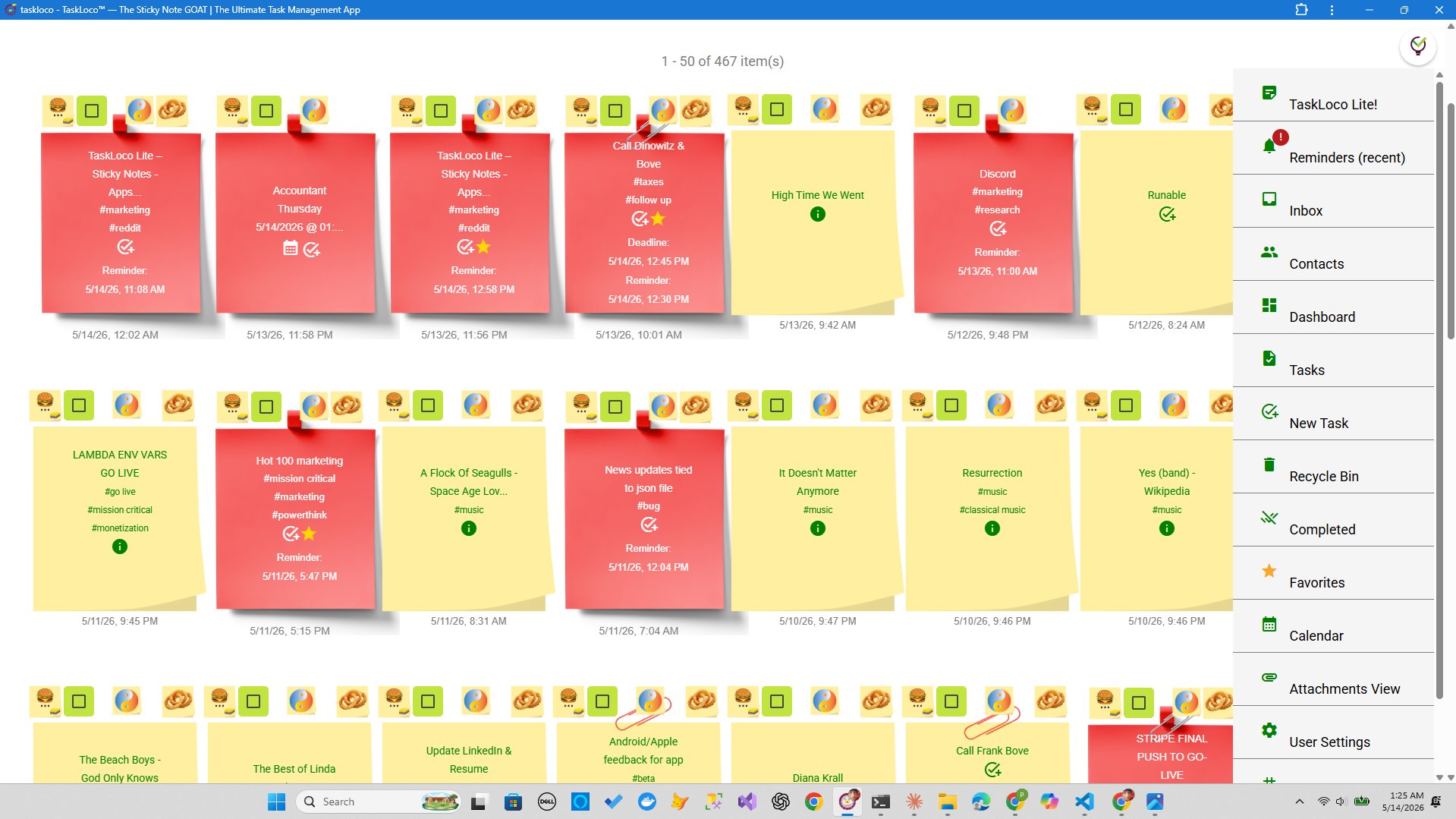
The easiest way to initiate a task is to remove the decision of what to do next from the moment of initiation. If your workspace — physical or digital — already has the right things visible and ready, you start doing instead of deciding. This is why a visual task wall, where your most important notes are literally in front of you, outperforms a buried task list every time.
5. Temptation Bundling
Pair the task you're avoiding with something you genuinely enjoy — a specific playlist, a good coffee, a particular location. The pairing creates a conditioned association over time. The enjoyable element lowers the activation threshold for the task.
6. Body Doubling
Working in the presence of another person — even one doing completely different work — significantly improves task initiation and completion for many people, particularly those with ADHD. Virtual co-working sessions and shared task visibility serve the same function. Shared notes and team visibility in your productivity tool can replicate part of this effect.
Why Your Tool Is Either Helping or Killing Your Initiation
Here's the uncomfortable truth: most productivity apps are optimized for capturing and organizing work, not for initiating it. They reward you for building elaborate project structures. They make it satisfying to add tasks, assign labels, set priorities, and build dashboards. None of that is the same as starting. In fact, the more complex your system, the higher the activation cost — because now you have to navigate the system before you can navigate the work.
The question to ask about any tool is: when you open it first thing in the morning, does it immediately show you what to do next? Or does it show you an inbox, a dashboard, a project list, a notification feed — and leave you to figure out where to start?
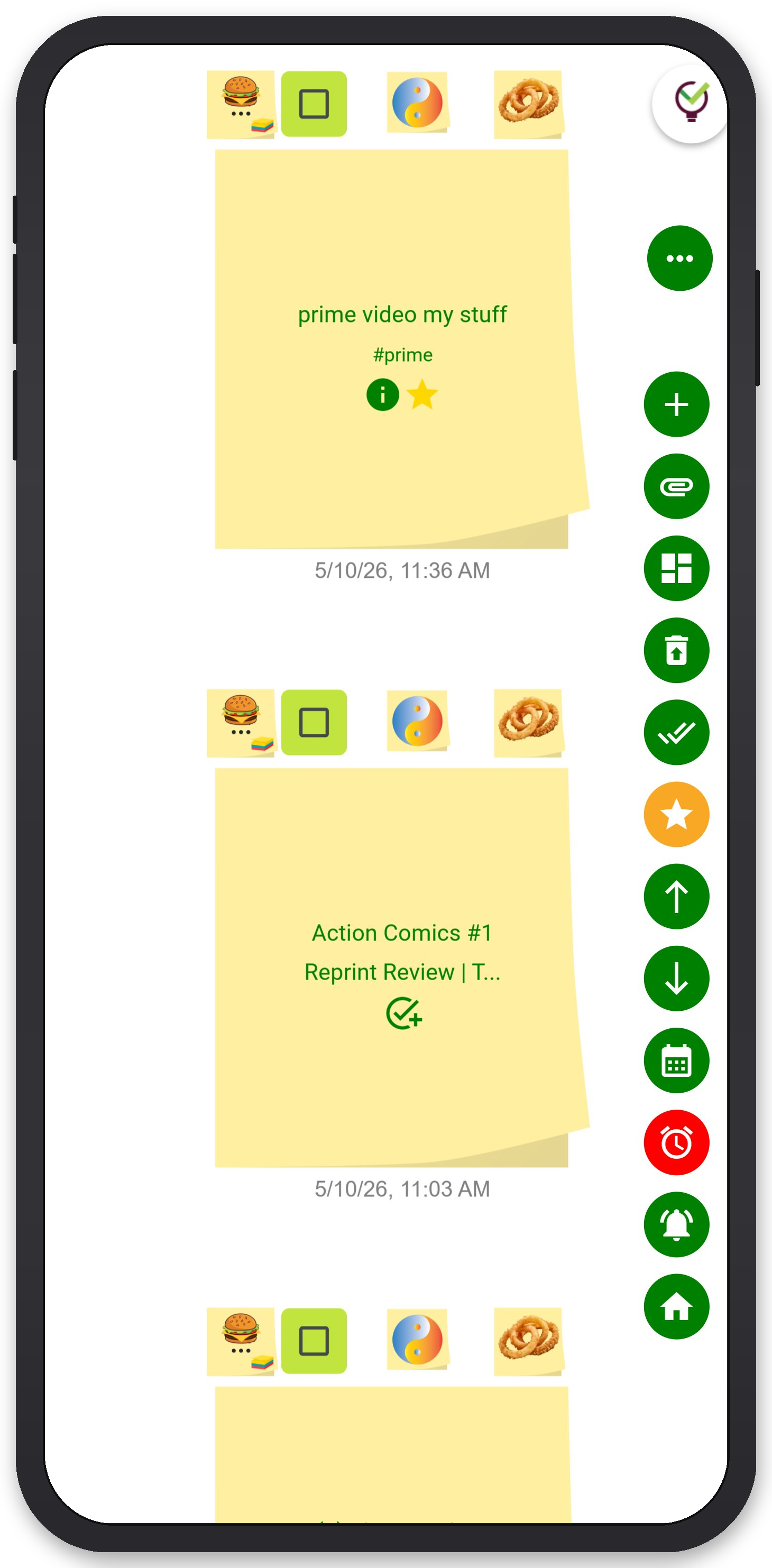
A sticky-note-style interface answers this question differently. Your notes are your wall. Your most important task is already visible. You open the app; you see the thing; you do the thing. That's task initiation done right at the tool level.
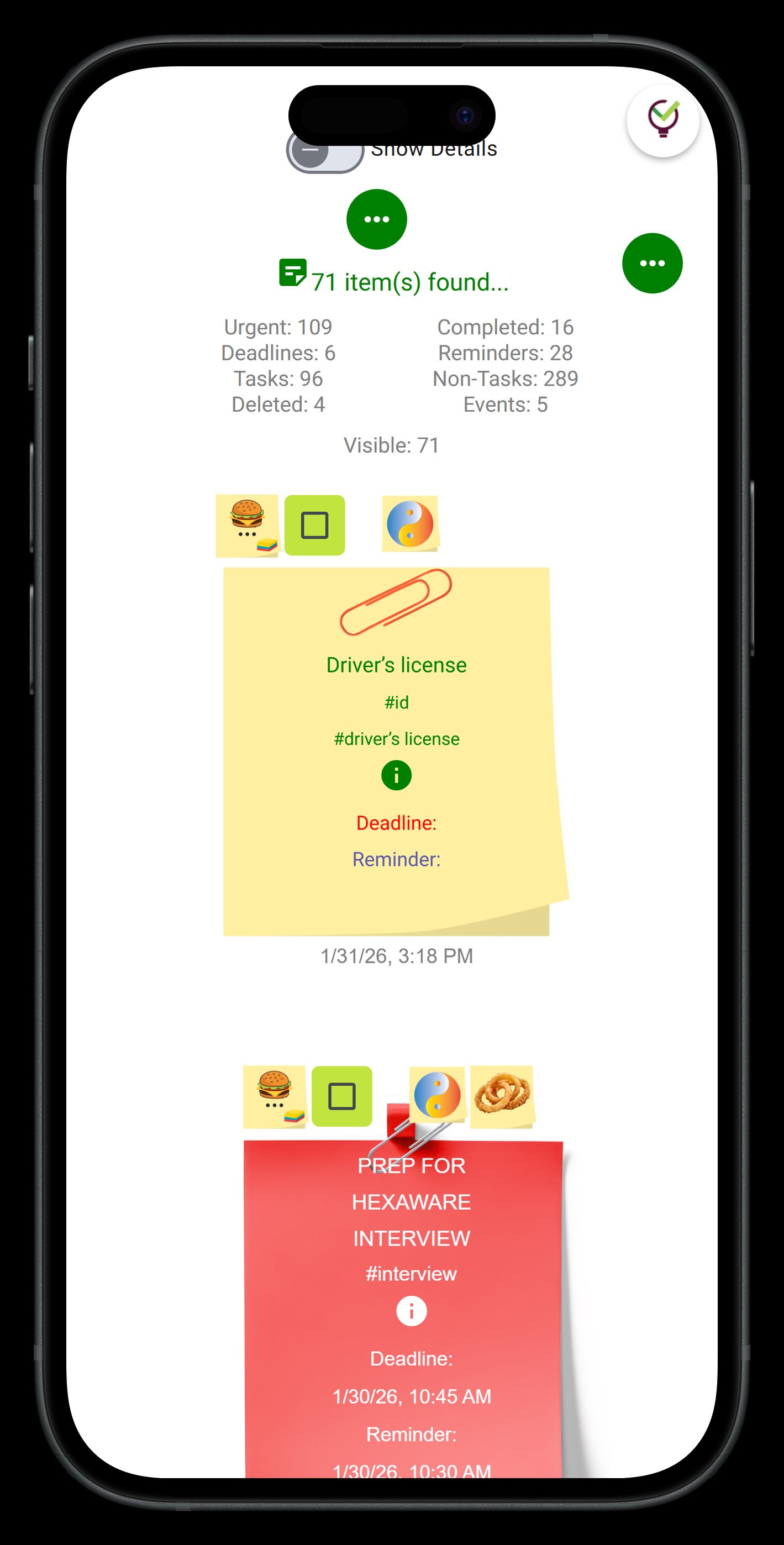
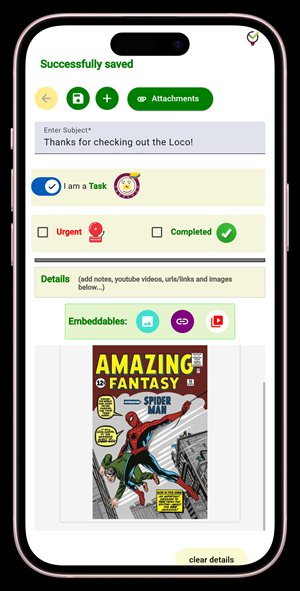
TaskLoco's wall view is designed around this principle. Rather than burying your tasks in nested lists or project trees, TaskLoco Premium gives you a visual board of sticky notes — your actual tasks, in front of you, ready to act on. Notes aren't items inside a project; they are the unit of work. You can attach files directly to a note, set a reminder that deep-links back to that exact note when it fires as a push notification, and share notes with teammates who can clone them and make them their own.
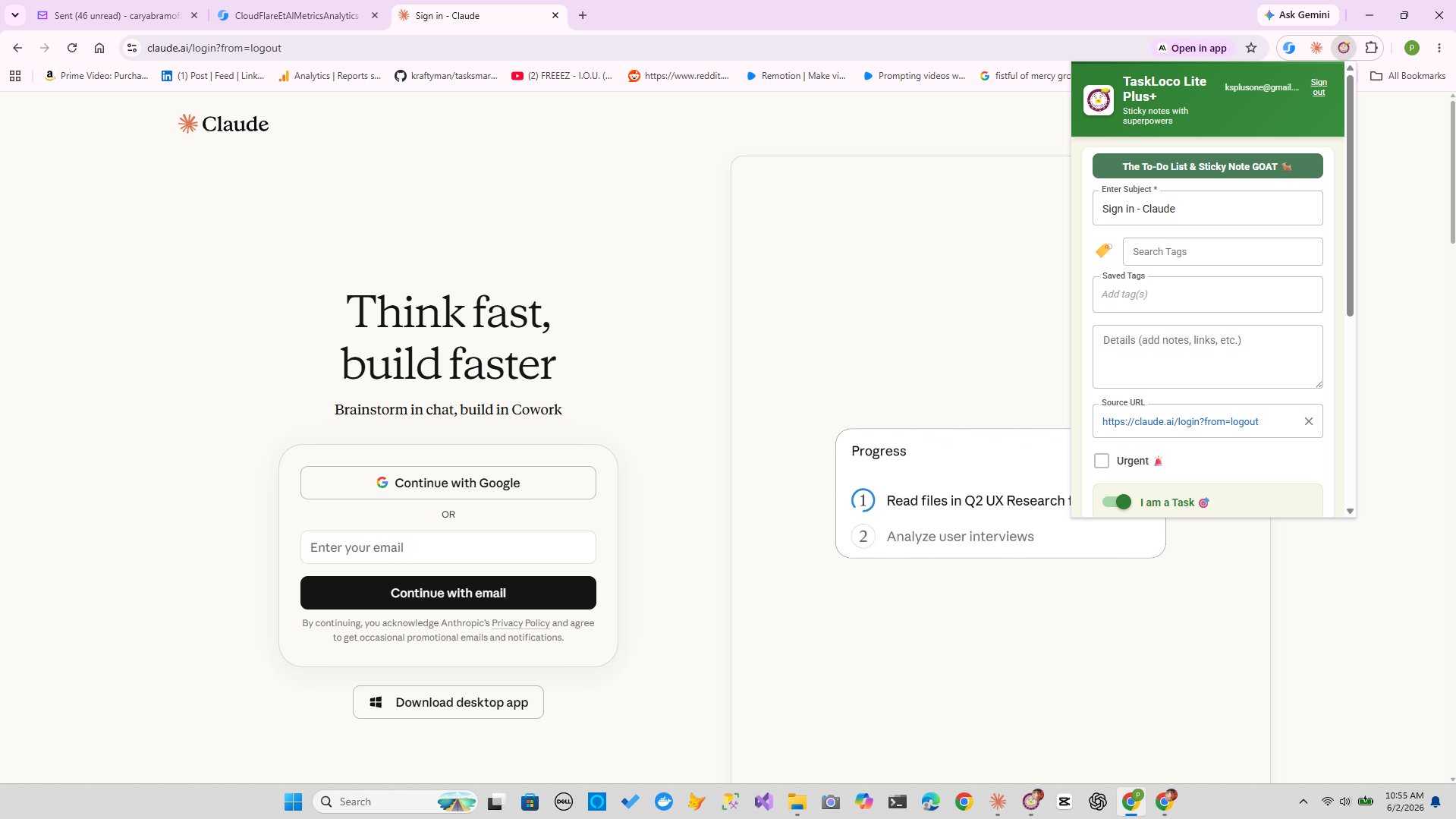
If you run into a useful article, reference document, or webpage you need to act on, the free Chrome extension captures it in one click — straight to your TaskLoco wall. No copy-paste, no context switching, no losing the source.
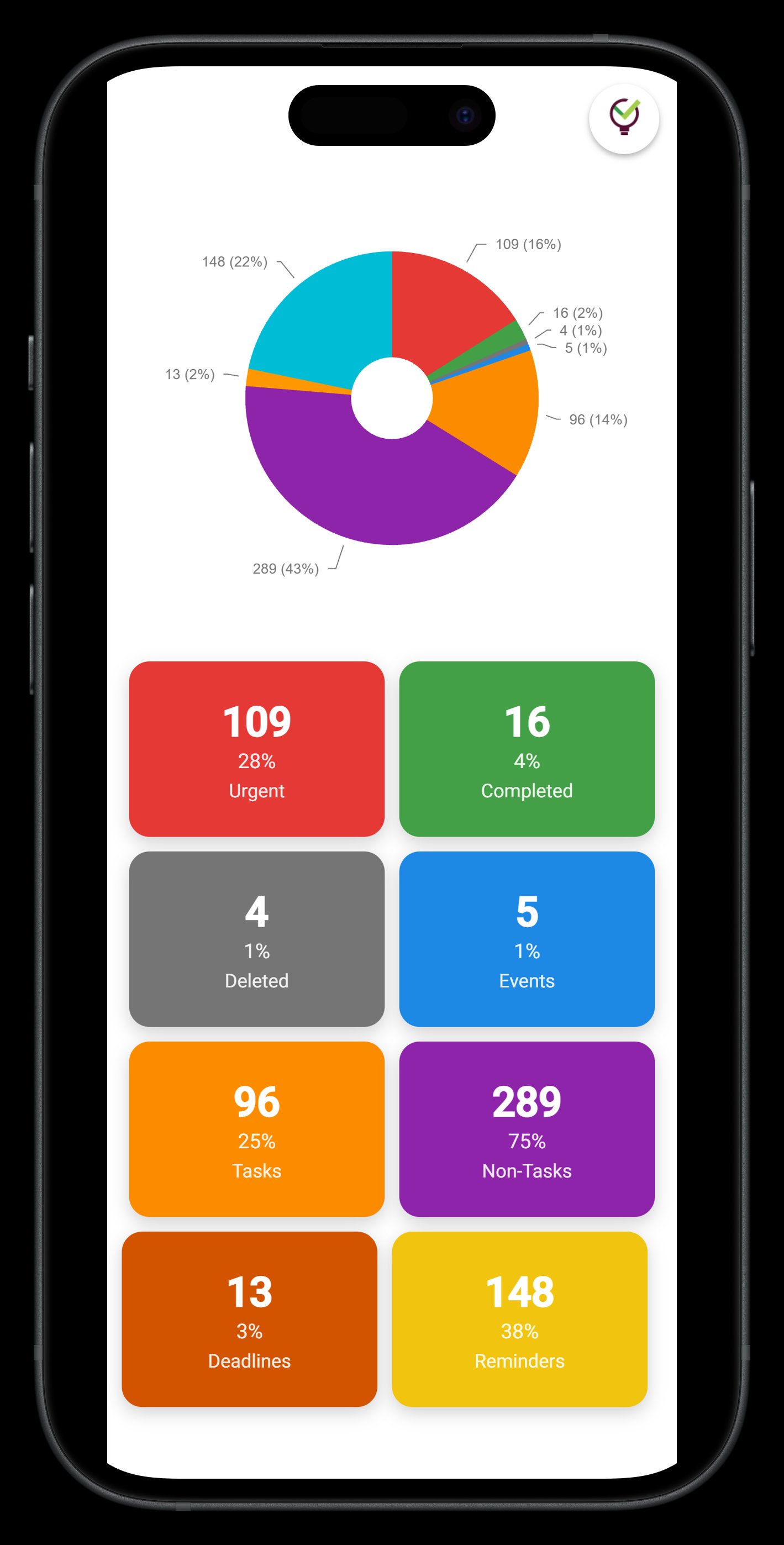
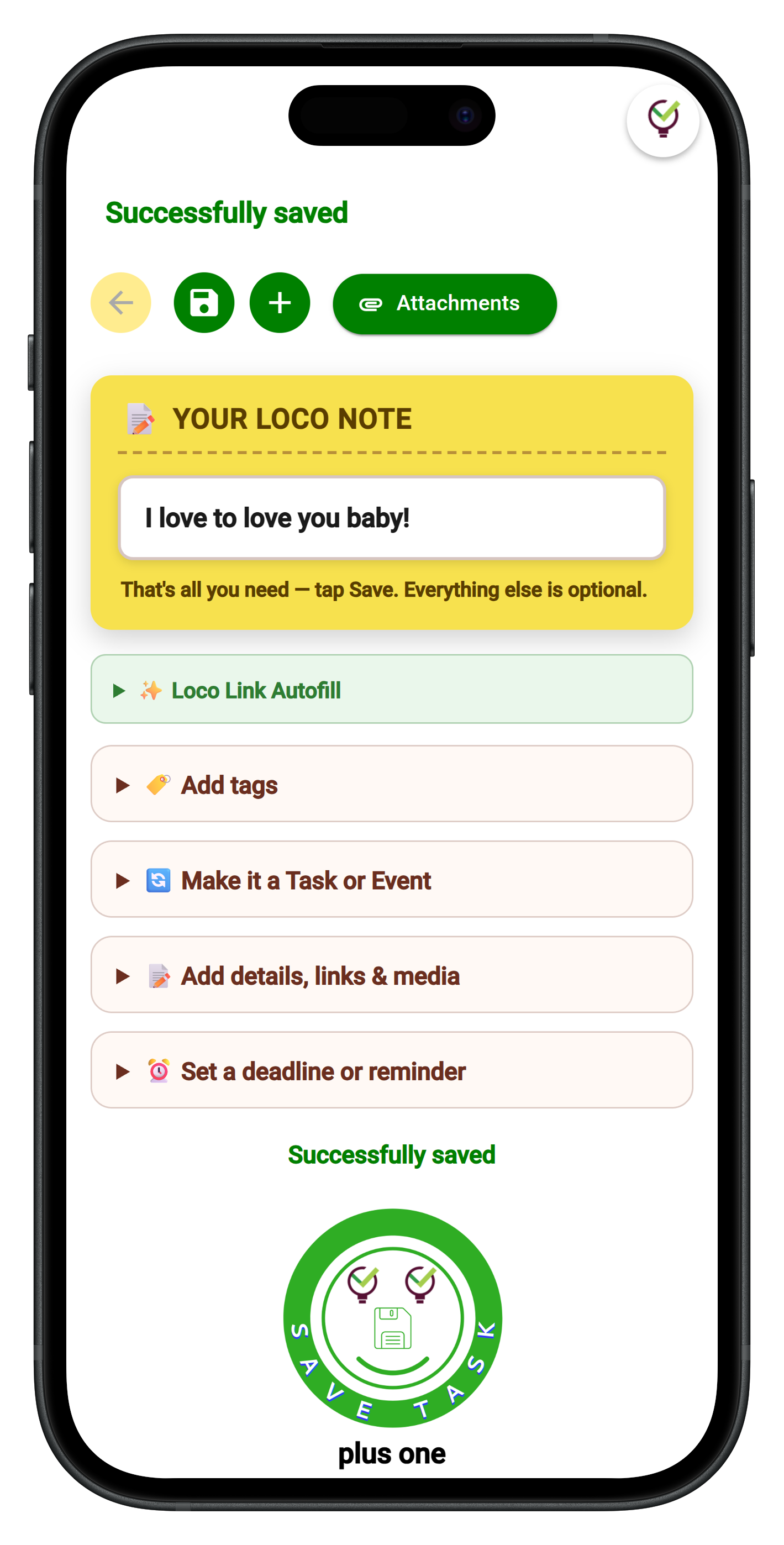
For people who want to try the system before committing, TaskLoco Lite is a completely anonymous native app (iPhone and Android) — no account, no sign-in, up to 20 notes stored on your device. It's the fastest possible way to try sticky-note-based task management. TaskLoco Lite Plus+ is the web app with Google sign-in, up to 30 notes synced across all your devices, and the Chrome extension included free. Neither Lite nor Lite Plus+ includes reminders, file attachments, or team sharing — those are Premium features — but both let you experience the core wall-based interface before you pay anything.
Building a Personal Task Initiation System
Strategies are only useful if they're embedded in a repeatable system. Here's a simple framework for building one — tool-agnostic, though the TaskLoco structure maps onto it naturally.
The Night-Before Review
Every evening, spend five minutes identifying your top three tasks for tomorrow. Write each one as a single physical action — not a project name, not a vague goal. Stick them at the top of your task wall. When you open your system tomorrow morning, the decision is already made. You don't think; you start.
Trigger-Action Pairs
Pair each task with a specific trigger: a time, a location, or the completion of another action. "After I make coffee, I open the draft." This is implementation intention in daily practice. Set a reminder for time-sensitive triggers — one that fires as a push notification and deep-links directly back to the note, so there's no hunting involved.
One Note, One Action
Resist the urge to cram everything into a single note. A note that says "Website redesign" is not actionable. A note that says "Send Marta the revised wireframe PDF" is. Keep notes atomic. When a task spawns subtasks, create new notes. Your wall should read like a to-do list where every item starts with a verb.
The Attachment Habit
If a task requires a reference document, a photo, a PDF, or a link — attach it to the note now, while you're thinking about it. TaskLoco Premium gives you 10GB of file storage for this reason. Future-you shouldn't have to go hunting for the context that present-you already has. Friction at initiation time kills momentum; eliminate it in advance.
Weekly Reset
Once a week, archive completed notes, promote any tasks that got bumped, and reassess what's actually on your wall. A cluttered wall creates the same cognitive overload as a cluttered desk — you start avoiding it. Keep it clean and it stays usable.
TaskLoco Premium is regularly $9.99/month per person. Right now, charter members can lock in 50% off the regular price — forever. That means $4.99/month per person today. And if our price ever goes up, you still pay half. Always.
Code CHARTER50 auto-applies at checkout. First 500 spots only — once they're gone, this offer is gone permanently. Act fast while spots last.
Every Premium subscription includes unlimited notes, 10GB file storage, reminders, calendar, and team sharing. Each team member requires a separate subscription. 7-day free trial — no charge until day 8. Cancel anytime.
Free Options: TaskLoco
TaskLoco Lite
- Native iPhone & Android app
- Completely anonymous — no sign-in
- Data stays on your device
- Up to 20 notes
- Free forever
TaskLoco Lite Plus+
- Web app + Chrome extension
- Sign in with Google
- Wall syncs across all devices
- Up to 30 notes
- Free forever
Lock In 50% Off — Forever
7-day free trial. No charge until day 8. CHARTER50 auto-applies at checkout.
🔒 Lock In My Charter SpotSee TaskLoco in Action
Frequently Asked Questions
What is task initiation and why do people struggle with it?
Task initiation is the executive function that lets you transition from planning to actually doing. It breaks down when tasks feel unclear, too large, emotionally loaded, or when your environment makes it easy to delay. It's not laziness — it's a real cognitive cost that most productivity systems ignore entirely.
What are the most effective task initiation strategies?
The most effective strategies reduce the activation cost of starting: implementation intentions (specifying exactly when and where you'll do a task), task decomposition (breaking work into the smallest physical next action), the two-minute commitment rule, environment design (making the right task visible and ready), and body doubling (working alongside others). None of these require complex tools — they require clarity and visibility.
How does ADHD affect task initiation?
Task initiation is one of the executive functions most affected by ADHD. The brain's dopamine regulation makes it harder to generate the activation energy needed to start tasks that aren't immediately rewarding or urgent. Strategies like body doubling, implementation intentions, short time commitments, and visible reminders that deep-link directly back to the task are particularly effective for ADHD brains. Tools that require navigating complex structures before you can act add friction at exactly the wrong moment.
What's the difference between task initiation and procrastination?
Procrastination is the behavioral outcome — choosing to delay. Task initiation difficulty is often the underlying cause. Someone who procrastinates isn't necessarily avoiding the work because they don't want to do it; they may be stuck at the initiation step because the task feels undefined, overwhelming, or emotionally costly to start. Fixing the initiation problem (clarity, decomposition, environment design) often eliminates the procrastination without having to address willpower directly.
Can a productivity app really help with task initiation?
Yes — but only if it's designed around starting, not just capturing. An app that shows you your next action the moment you open it, without navigation, is genuinely useful for initiation. An app that requires you to drill into projects, filter views, and decide where to focus before you can see what to do next adds friction at the exact moment you need none. TaskLoco's wall-based approach is built around visibility — your notes are your wall, and your most important task is already in front of you.
How do reminders help with task initiation?
Reminders serve as external initiation triggers — they remove the need to remember to start and replace the decision with a cue. A reminder that fires as a push notification and deep-links directly back to the specific note means you go from notification to working in one tap. That's the lowest possible initiation cost. TaskLoco Premium reminders work exactly this way, with optional email and SMS notifications as additional channels.
How much does TaskLoco Premium cost?
$9.99/month per person (currently $4.99/month per person for first 500 charter members with code CHARTER50)
Born in Brooklyn. Powered by AWS. Your data stays yours.
TaskLoco is available on iPhone, Android, Chrome, and every web browser.