There's a specific kind of shame that lives inside an unopened to-do list app. You set it up on a Sunday night with real intention. You organized it into projects, color-coded the priorities, maybe even wrote a few recurring tasks. And then — life. Two weeks later you open it by accident and see forty-seven overdue items staring back at you like a disappointed parent. You close it immediately. You don't go back.
This isn't a character flaw. It's one of the most common productivity experiences there is, and it happens to people who are otherwise extremely capable. The problem is almost always structural: the tool didn't match how your brain actually works, the friction of opening it was just slightly too high, or the list became a graveyard of wishes rather than a living record of your real day. Understanding why lists fail — and what actually makes them stick — is more valuable than downloading your fifteenth productivity app.
Why To Do Lists Fail (Before We Talk About Any App)
Before recommending any tool, it's worth being honest about what actually kills a to-do list — because the answer almost never involves the app itself. Research in behavioral psychology consistently points to three root causes, and if you don't address them, switching apps just resets the clock.
1. Capture friction is too high. The moment you have a thought — in a meeting, on a walk, mid-conversation — you need to get it out of your head in under five seconds. If that requires unlocking your phone, navigating to the right app, choosing a project, picking a due date, and typing a full sentence, the thought dies before it lands. You tell yourself you'll remember it. You won't. Lists fail at the capture stage more than anywhere else.
2. The list reflects aspiration, not reality. Most people build their to-do list by asking "what do I wish I could do?" rather than "what am I actually going to do today?" The result is a list of forty items when you have bandwidth for six. You open it, feel immediately overwhelmed, and close it. This isn't laziness — it's a planning mismatch. A healthy list is brutally edited, not exhaustively complete.
3. The review habit never forms. A to-do list is only useful if you look at it. That sounds obvious, but most systems require you to remember to open them. There's no trigger, no push, no moment in your existing routine where the list surfaces naturally. Out of sight is out of mind, and out of mind means overdue.
The Psychology Behind List Abandonment
There's a concept called "completion bias" — the brain gets a small dopamine hit from finishing tasks, which means it will preferentially choose small, easy tasks over important but hard ones. To-do lists, if designed without awareness of this, become a factory for checking off trivial items while the real work sits untouched. You end up feeling productive while making no actual progress on what matters. That disconnect builds resentment toward the list itself.
There's also something darker at work: the list becomes a mirror. Every abandoned task is a record of something you told yourself you'd do and didn't. Open it enough times without making a dent and it stops feeling like a tool — it starts feeling like evidence. Evidence that you're disorganized, unreliable, or behind. At that point, not opening it isn't procrastination. It's self-protection.
The fix isn't motivation. It's reducing the emotional weight of the list. That means shorter lists, faster capture, and a system where closing out the day feels clean rather than shameful. It also means being willing to delete tasks you're never actually going to do — not reschedule them forever, but delete them. Acknowledging that something isn't happening is more honest than parking it three months into the future for the eighth time.
It also means choosing a format that doesn't feel clinical or bureaucratic. Sticky notes — whether physical or digital — have a psychological advantage here: they feel temporary and low-stakes. You can write one thing on a note. You can move it. You can crumple it. That impermanence reduces the anxiety that a structured task manager can create.
What a Sticky Note System Does Differently
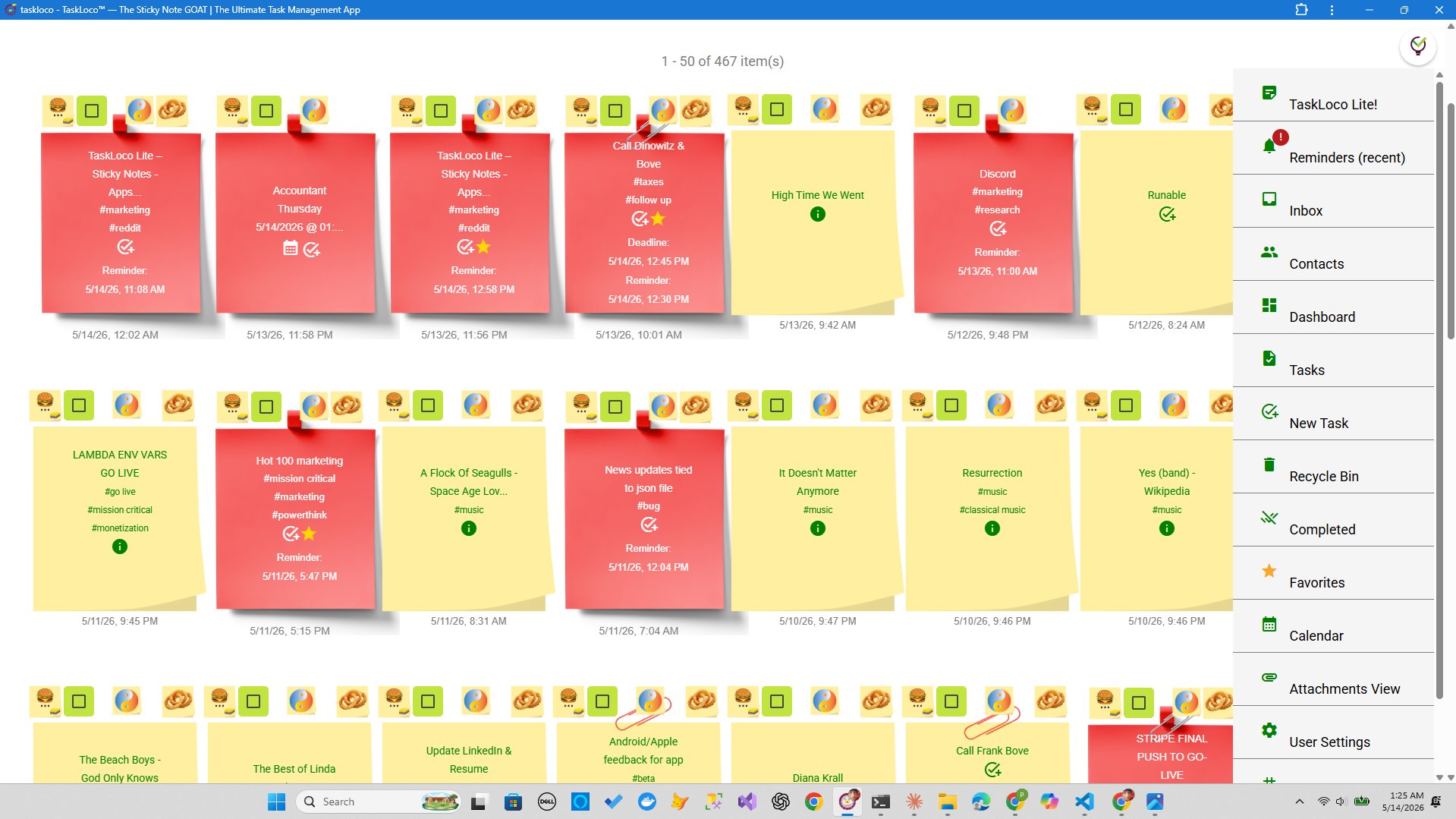
Physical sticky notes have survived decades of productivity app competition for a reason: they work with the brain's spatial memory, not against it. When a note is on your monitor, you see it without opening anything. When it's yellow and square and sitting next to your keyboard, it triggers without any conscious decision to check the list. The format is the reminder.
Digital sticky note systems that replicate this logic — where notes are visual objects on a wall rather than rows in a database — carry that same low-friction advantage into a world where your work lives on a screen. You glance, you see, you act. No navigation required.
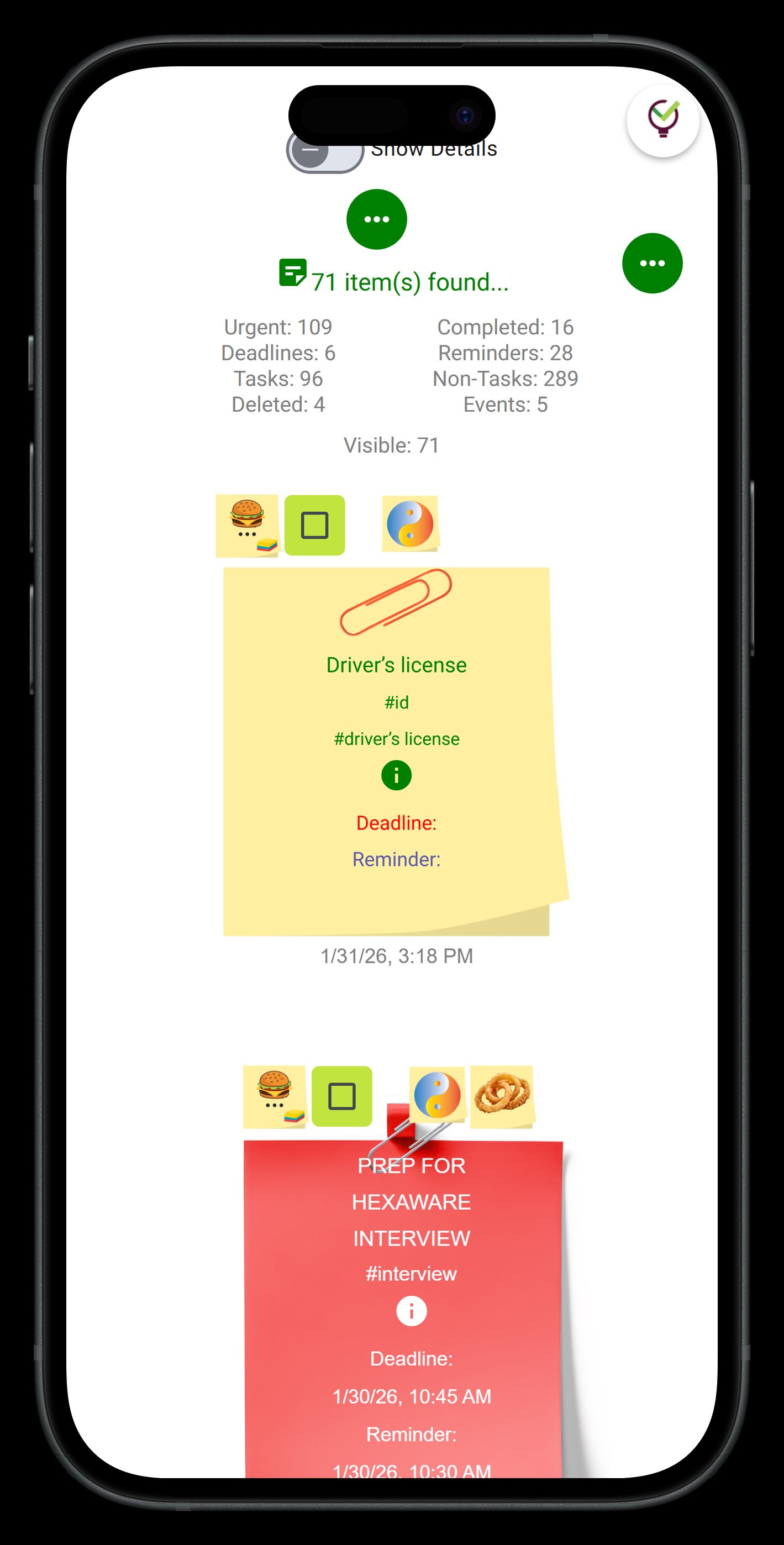
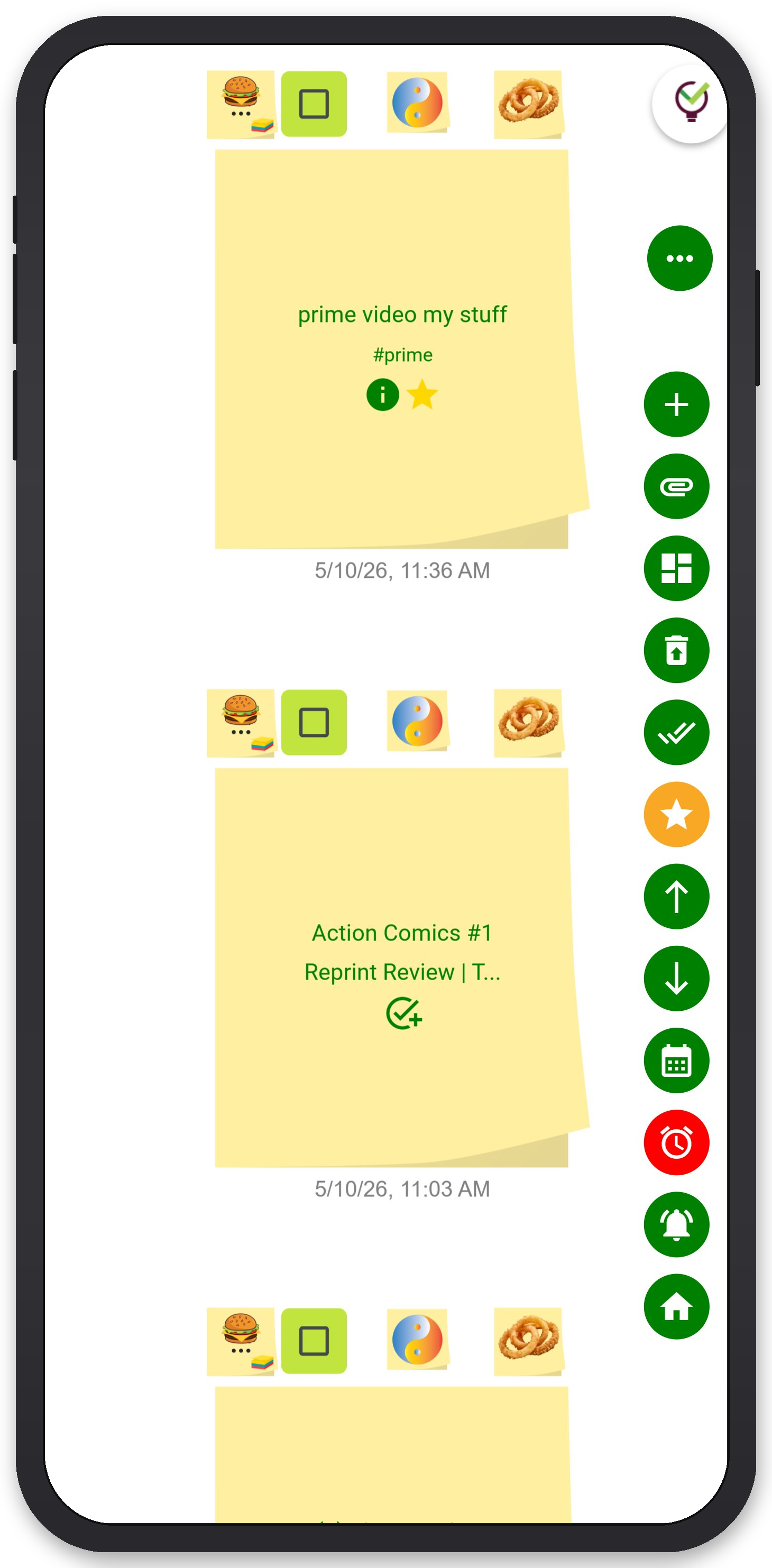
TaskLoco is built around exactly this model. Notes are visual, spatial, and fast to create. You can organize them on a wall the way you'd arrange physical stickies on a whiteboard — by project, by urgency, by whatever logic makes sense to you. There's no mandatory hierarchy, no required project structure, no form to fill out before you're allowed to write a thought down.
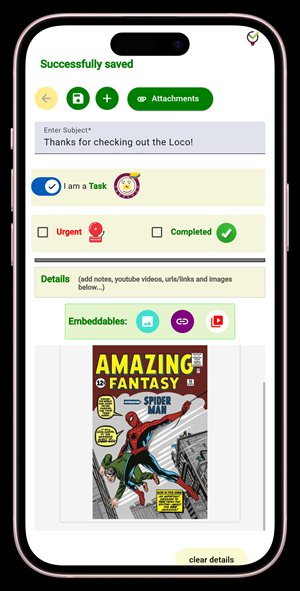
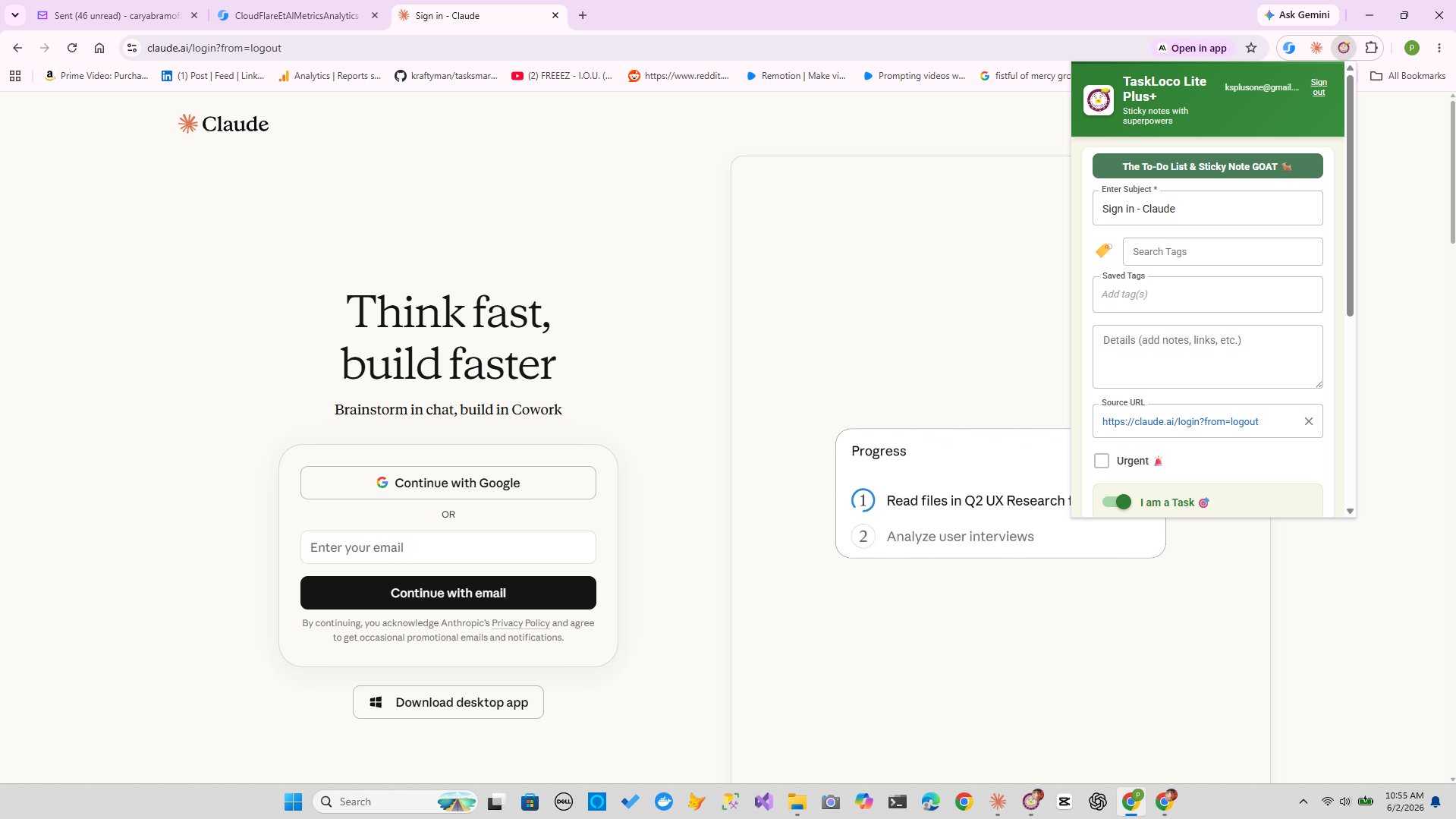
For the capture problem specifically, the Chrome extension solves one of the most common real-world scenarios: you're reading something online and you need to save it as a task or note. One click — no switching apps, no copy-pasting, no losing the context. The page gets clipped directly into your notes. For anyone whose to-do list dies because things get lost between "I should do something about this" and "actually adding it to the list," that single feature closes a massive gap.
Premium adds reminders that go where you already are — push notifications to your phone and computer, deep-linking directly back to the note that triggered them. You don't get a vague "you have a reminder" ping. You get taken straight back to the context. Optional email and SMS channels are available if you want backup coverage. And when you're working with others, shared notes work the way email does — a teammate receives the note and can clone it as their own, no permissions configuration needed.
How to Rebuild a List You'll Actually Keep
If you've abandoned a to-do list before, the worst thing you can do is start a new one with the same habits. Before you open any app, make three decisions:
- Define your capture point. Where will new tasks land? It should be one place, always accessible, fast to reach. If you have to choose between three apps every time you have a thought, you'll choose none of them.
- Set a daily limit. Decide that your "today" list will never have more than five to seven items. Everything else lives in a backlog that you consciously choose from each morning. This sounds restrictive. It's actually liberating.
- Build a review trigger. Don't rely on remembering to open your list. Attach the review to something you already do — morning coffee, the first minute at your desk, the moment you sit down after lunch. The habit needs an anchor.
Once those three decisions are made, the tool matters — but it matters a lot less than you think. You're choosing between systems that all basically work if you use them. The question is which one you'll actually open.
For most people, the answer is the one that looks least like work. A wall of visual sticky notes that you can glance at feels different from opening a project management dashboard. The former invites you in. The latter reminds you how behind you are.
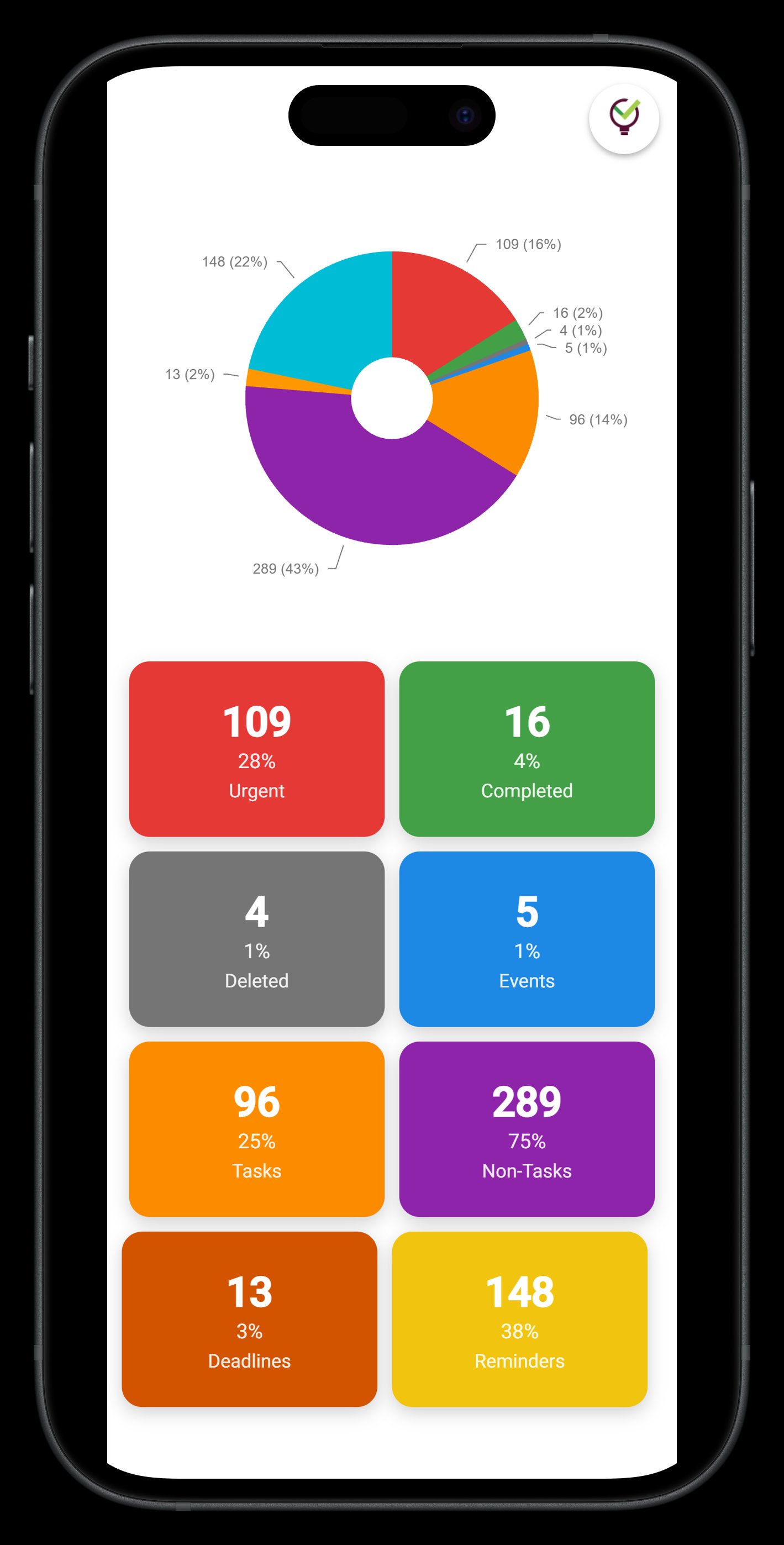
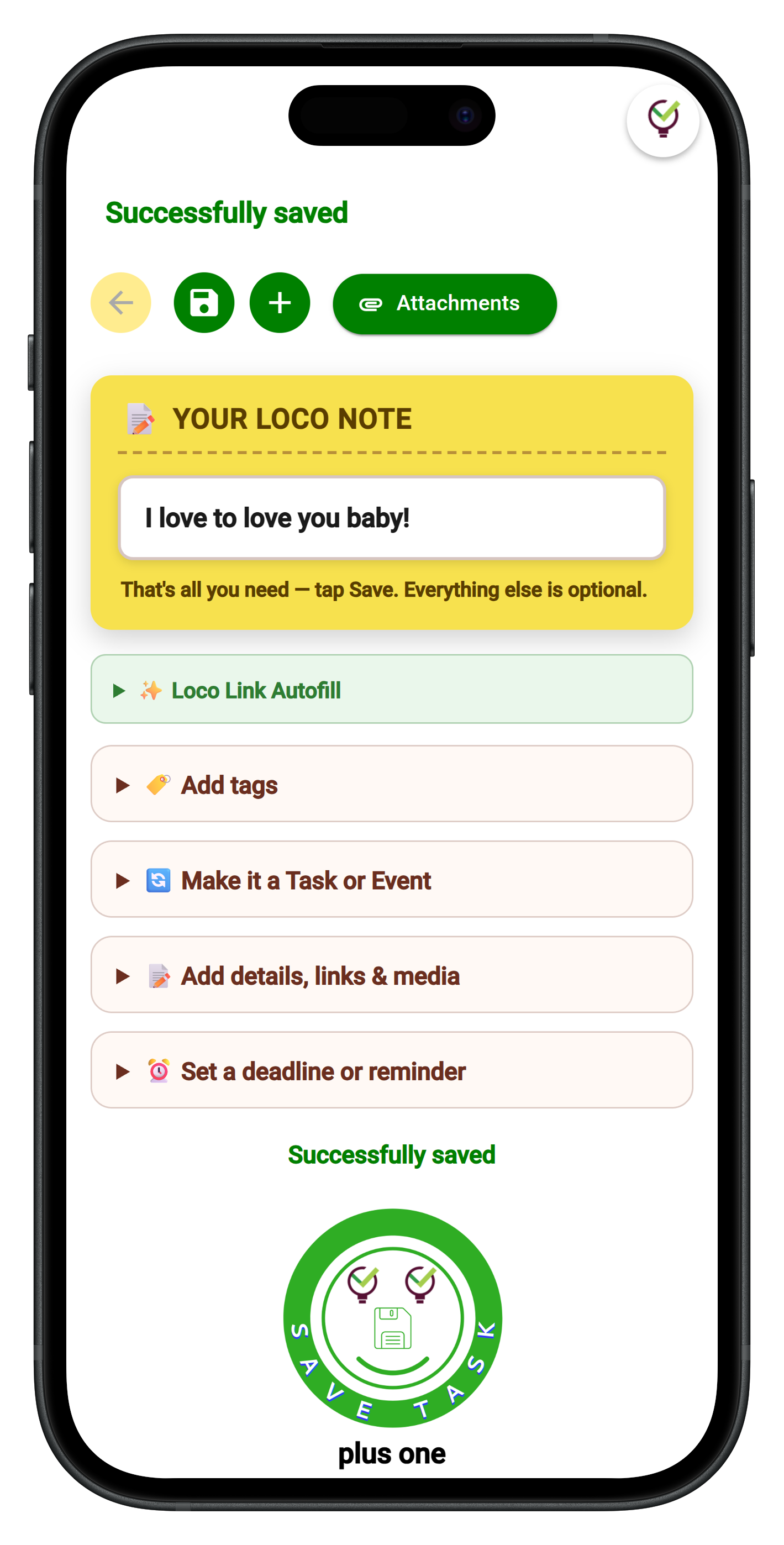
TaskLoco's free tiers give you a real starting point without commitment. TaskLoco Lite is a native iPhone and Android app — completely anonymous, no account required, no sign-in, nothing synced anywhere. It stores up to 20 notes on your device in a local file. It's the lowest-friction capture tool that exists: install it, open it, write. Neither tier requires a credit card. Neither asks you to set up a workspace before you can write a thought down.
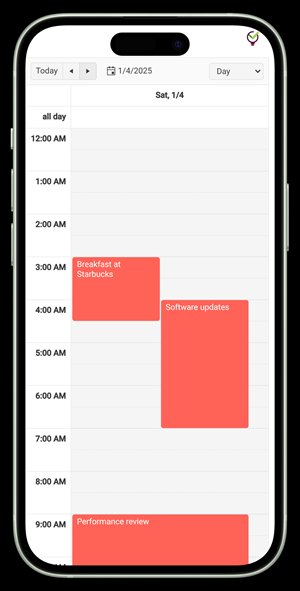
If you find yourself using it — really using it, not just opening it — Premium is where the full system lives: unlimited notes, reminders that push directly to your phone and computer and deep-link back to the source note, 10GB of file storage, a calendar view, and team sharing. That's the version for people who've decided they're done abandoning lists and want a setup that actually holds.
TaskLoco Premium is regularly $9.99/month per person. Right now, charter members can lock in 50% off the regular price — forever. That means $4.99/month per person today. And if our price ever goes up, you still pay half. Always.
Code CHARTER50 auto-applies at checkout. First 500 spots only — once they're gone, this offer is gone permanently. Act fast while spots last.
Every Premium subscription includes unlimited notes, 10GB file storage, reminders, calendar, and team sharing. Each team member requires a separate subscription. 7-day free trial — no charge until day 8. Cancel anytime.
Free Options: TaskLoco
TaskLoco Lite
- Native iPhone & Android app
- Completely anonymous — no sign-in
- Data stays on your device
- Up to 20 notes
- Free forever
TaskLoco Lite Plus+
- Web app + Chrome extension
- Sign in with Google
- Wall syncs across all devices
- Up to 30 notes
- Free forever
Lock In 50% Off — Forever
7-day free trial. No charge until day 8. CHARTER50 auto-applies at checkout.
🔒 Lock In My Charter SpotSee TaskLoco in Action
Frequently Asked Questions
Why do I keep abandoning my to-do list?
Almost always it comes down to three things: capture friction (it's too hard to add new tasks quickly), aspirational overload (you put 40 things on a list you can realistically do 6 of), and no review habit (you forget to open it). None of these are discipline problems — they're design problems. Fixing the system matters more than trying harder.
Is it normal to feel guilty about an abandoned to-do list?
Extremely. Because a to-do list is a record of your intentions, abandoning it can feel like evidence of failure. But the list didn't fail because you're unreliable — it failed because the system wasn't built for how you actually work. Most people who feel guilty about abandoned lists are high-functioning people whose tools just don't match their thinking style.
What's the best to-do list format for people who hate to-do lists?
Visual, low-structure formats tend to work better for people who bounce off traditional task managers. Sticky note systems — where each task is its own object you can move around spatially — feel less clinical and less overwhelming than numbered lists in a database. The goal is a format that invites you in rather than one that reminds you how behind you are.
How many items should be on a to-do list?
For a single day: five to seven at most. Everything else should live in a backlog you deliberately choose from each morning — not on the active list. Lists fail most often because they're honest about everything you want to do rather than realistic about what you'll actually do. A short list you finish builds momentum. A long list you avoid builds dread.
How does TaskLoco help prevent list abandonment?
TaskLoco's visual sticky note wall means your tasks are things you see, not things you have to remember to check. The Chrome extension closes the capture gap — one click saves a webpage directly into your notes without switching apps. Premium reminders push directly to your phone and computer and deep-link back to the exact note, so context is never lost. TaskLoco Lite (native iPhone and Android) is completely anonymous with no sign-in required — the lowest possible friction for getting started.
Should I delete tasks I'll never actually do?
Yes — and doing it without guilt is one of the most freeing productivity moves you can make. A task that's been rescheduled eight times isn't a task. It's a wish. Deleting it doesn't mean you failed. It means you're being honest about your real priorities, which is the only way a list stays useful rather than becoming a hall of shame.
What's the difference between TaskLoco Lite, Lite Plus+, and Premium?
TaskLoco Lite is the native iPhone and Android app — completely anonymous, no account, no sign-in, no syncing ever. It stores up to 20 notes as a local file on your device. It's the fastest possible way to start capturing without any setup. TaskLoco Lite Plus+ is the web app and Chrome extension — free, requires a Google sign-in, syncs across all your devices, and holds up to 30 notes. No reminders or file attachments. TaskLoco Premium is the full system: unlimited notes, reminders delivered as push notifications to your phone and computer, 10GB file storage, calendar view, and team sharing. $9.99/month per person (currently $4.99/month per person for first 500 charter members with code CHARTER50)
Born in Brooklyn. Powered by AWS. Your data stays yours.
TaskLoco is available on iPhone, Android, Chrome, and every web browser.