You're in the middle of a meeting and you suddenly remember you never replied to that email, need to reschedule Thursday, and forgot to order the thing you said you'd order. Nothing is on fire — but your brain is quietly managing a hundred open loops at once. That's mental load. And most people don't even have a name for it.
Mental load isn't the work itself. It's the invisible layer on top — the constant tracking, the remembering to remember, the switching between priorities in your head before you've acted on any of them. It doesn't show up on a calendar. It doesn't earn a checkbox. But it costs you real energy, real focus, and over time, real wellbeing. This piece breaks down what mental load actually is, why it accumulates faster than most people realize, and what genuinely helps reduce it.
What Mental Load Actually Is — And Why It's Hard to See
Mental load is a concept borrowed from cognitive psychology and, more recently, from conversations about domestic labor distribution. But it applies far beyond household chores. At its core, mental load is the executive function overhead of managing any domain of life — work, home, relationships, health — where you are the person responsible for knowing what needs to happen, when, and how.
The reason it's so hard to see is that it lives entirely inside your head. Nobody sees you mentally cataloguing five unfinished work items during dinner. Nobody notices you lying awake running through tomorrow's priorities. It produces no visible output and leaves no paper trail. That invisibility is exactly what makes it so exhausting — you can't point to it, so you can't address it.
Psychologists sometimes call this the cognitive burden of anticipatory thinking. Your brain isn't just reacting to the present — it's constantly running a background process: scanning for what might go wrong, what you might forget, what someone else might need from you before they ask. That background process never fully powers down. It just competes with whatever you're supposed to be focused on right now.
Three forces make it worse over time. First, accumulation: every new responsibility or commitment adds another loop your brain has to keep open. Second, invisibility: because the load isn't externalized, it never feels like it's finished — there's no moment of closure. Third, context switching: a brain managing fifty open loops is constantly being pulled between them, which multiplies the cognitive cost of each one.
How Mental Load Builds Up Without Warning
Mental load doesn't arrive all at once. It accumulates in small, unremarkable moments. A quick favor you agreed to. A follow-up you said you'd handle. A deadline that seemed far away and now isn't. Each one feels manageable in isolation. But they stack, and the stack grows faster than most people realize — because most people don't have a reliable place to put things down.
The absence of a capture system is the root cause of most mental load problems. When your brain knows there's no reliable external record, it keeps every open item in working memory as a safeguard. It's not irrational — it's adaptive. Your brain is protecting you from forgetting something important. But the cost is that working memory stays permanently occupied, and the mental energy required to sustain that occupation is enormous.
There's also a compounding effect that comes from emotional weight. It's not just that you're tracking fifty things — it's that some of those things carry anxiety, guilt, or urgency attached. The email you keep avoiding. The conversation you know you need to have. The project you've put off long enough that it now carries a layer of self-criticism on top of the actual task. That emotional weight multiplies the cognitive cost of holding the item in your head.
Work-specific mental load has its own texture. It includes not just your task list but your awareness of everyone else's task list, the state of projects you're not directly leading, the implicit expectations of teammates, and the organizational context that shapes which priorities actually matter today. Knowledge workers in particular carry an enormous invisible coordination layer on top of the visible work.
What Actually Helps — And What Doesn't
The productivity internet loves a framework. GTD, time-blocking, the Eisenhower Matrix — there's no shortage of systems that promise to solve mental overload. Some of them are genuinely useful. But most of them fail at the same point: the moment of capture. If the friction of getting something out of your head and into a system is more than a few seconds, you won't do it consistently. And inconsistency means your brain still can't trust the system. Which means it still holds everything in reserve.
What actually reduces mental load isn't a smarter organizational structure. It's a fast, frictionless capture habit combined with a system you trust enough to actually let go. The trust part is key. You won't offload an open loop to a system unless you believe the system will surface it at the right time — which is exactly where reminders matter.
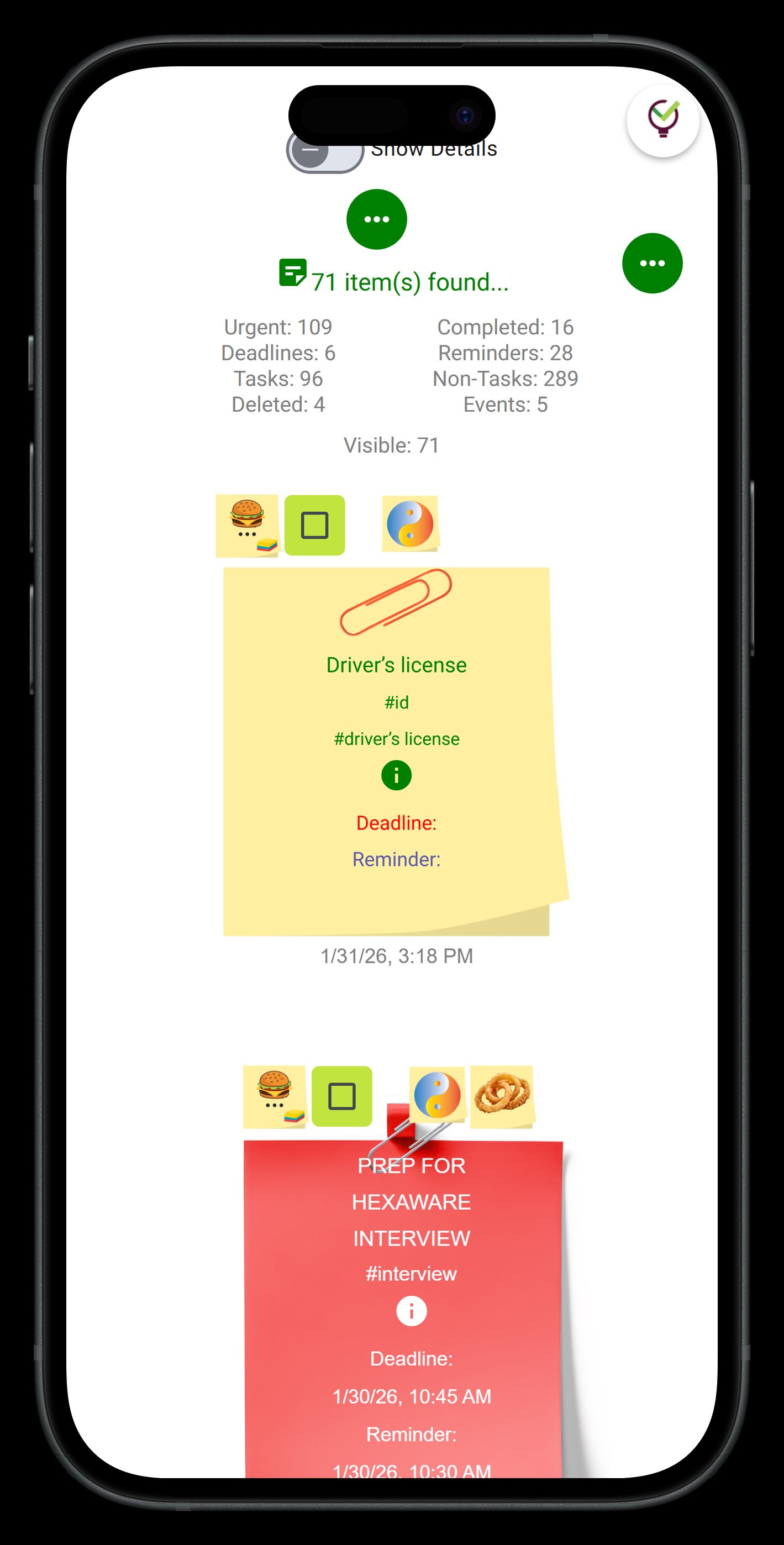
A sticky note that just sits there is better than nothing, but it's still passive. You have to remember to look at it. A note tied to a reminder that delivers a push notification directly to your phone or computer and deep-links back to the original note is fundamentally different — it's the system reaching back to you, not you reaching back to the system. That's the difference between a capture tool and a true offload.
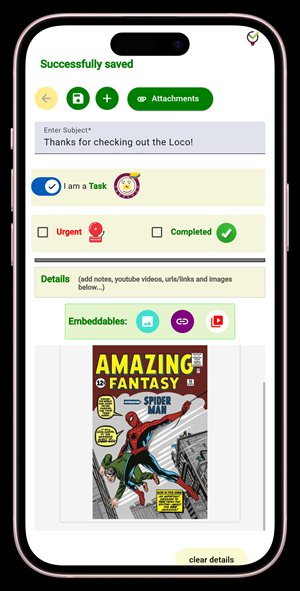
File attachments also matter more than they sound. Half of the mental load around documents and references comes from not knowing where something is, or not being sure the version you have is current. Being able to attach the relevant file directly to the note that references it removes an entire category of low-grade anxiety.
And for teams, the math is multiplicative. Every person on a team is carrying their own mental load — plus the coordination overhead of working with others. Tools that let you share a note with a teammate in a way that hands the item off cleanly — so the other person can make it their own, add their own context, set their own reminders — genuinely move cognitive weight between people instead of just duplicating it.
TaskLoco: Built for the Capture Habit
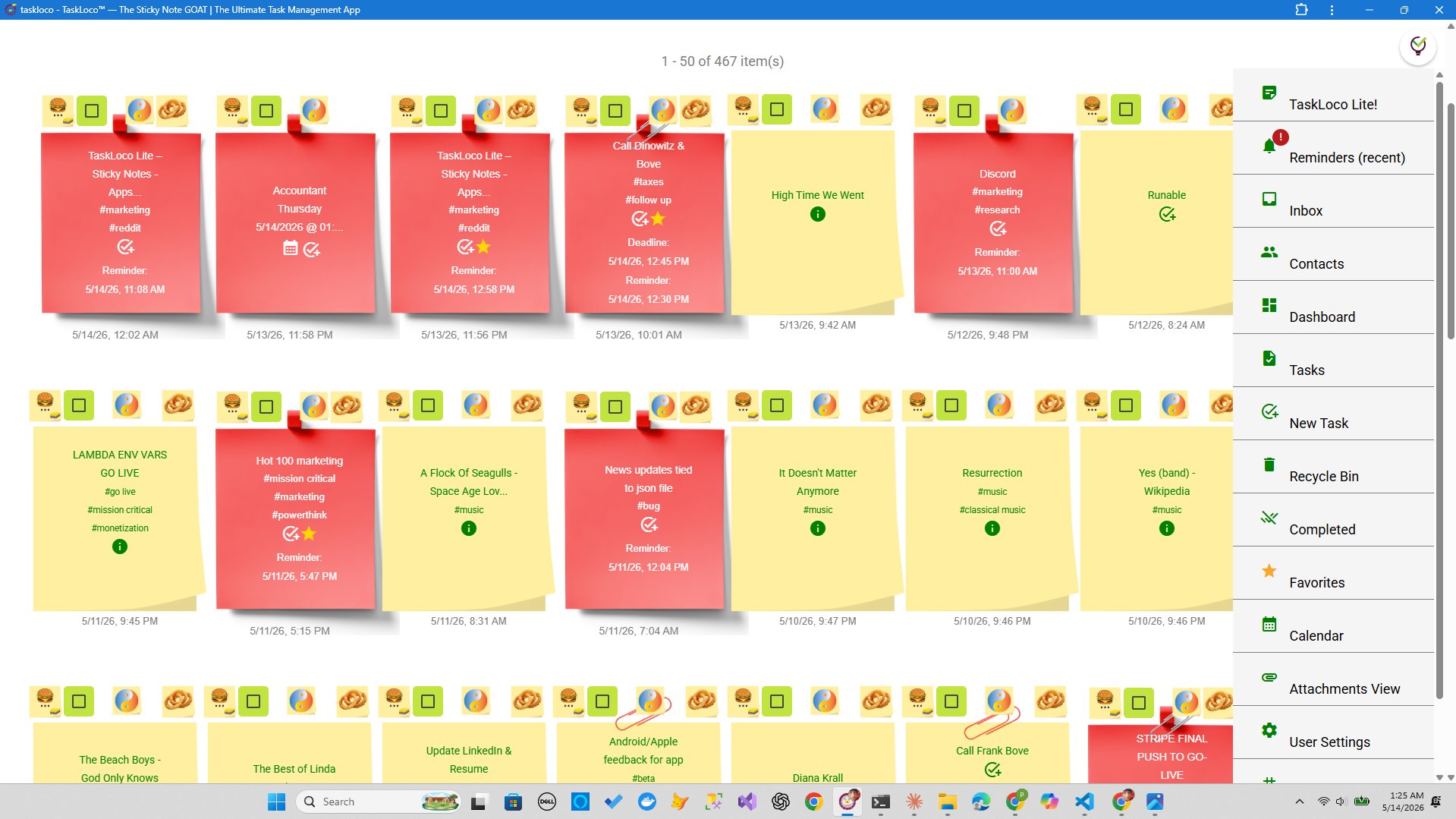
TaskLoco was built around a simple premise: the sticky note is the right unit of thought. Not a project. Not a workspace. A note — fast to create, visual on a wall, flexible enough to hold anything. That design choice turns out to be exactly right for mental load reduction, because the friction of capture is nearly zero.
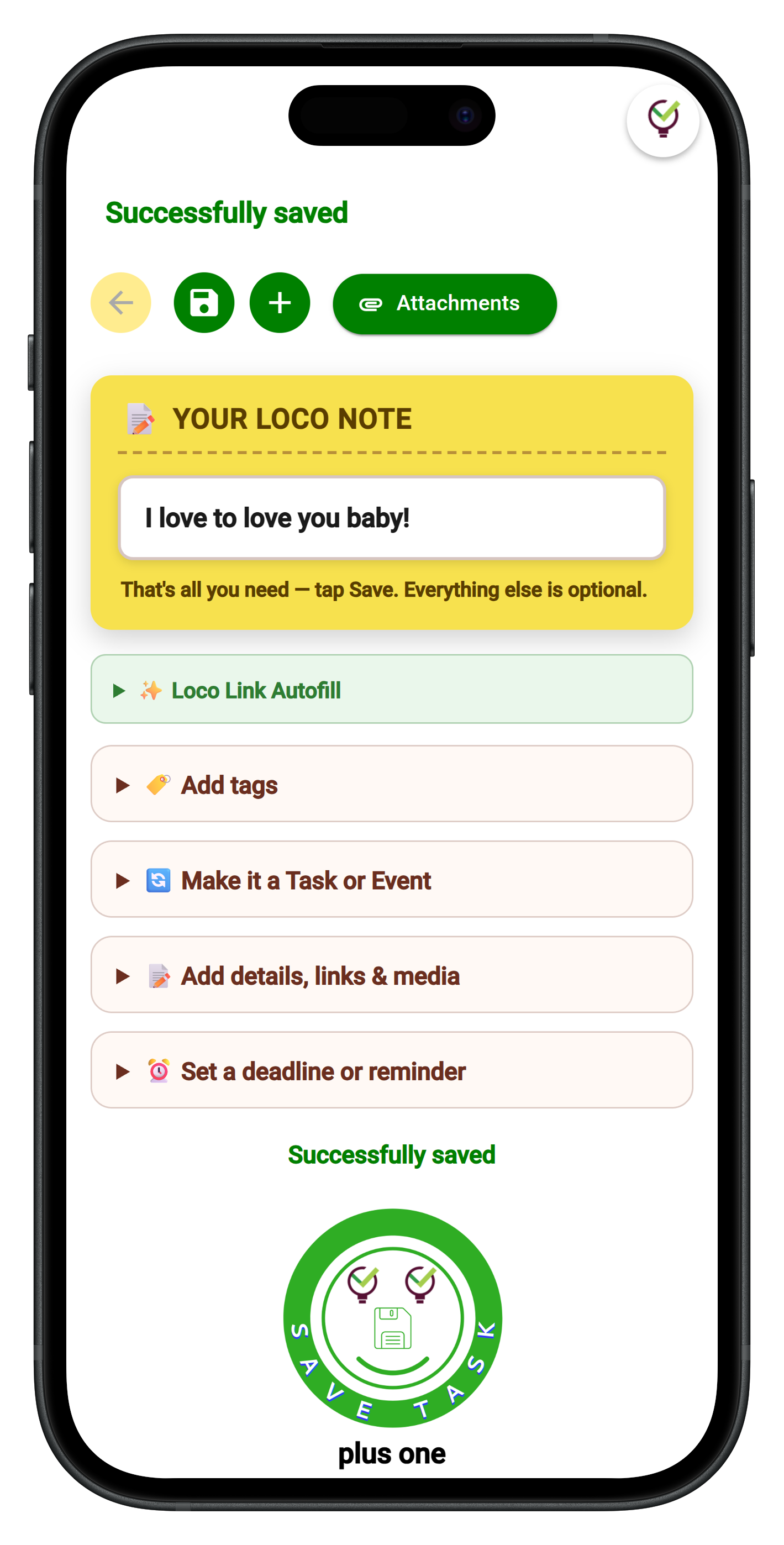
TaskLoco Lite is free, requires no account, and runs natively on iPhone and Android. Open it, write the thought, close it. That's it. Up to 20 notes stored on your device. No sign-in, no setup, nothing to configure. It's the fastest capture tool in the category because there is genuinely nothing between you and the blank note.
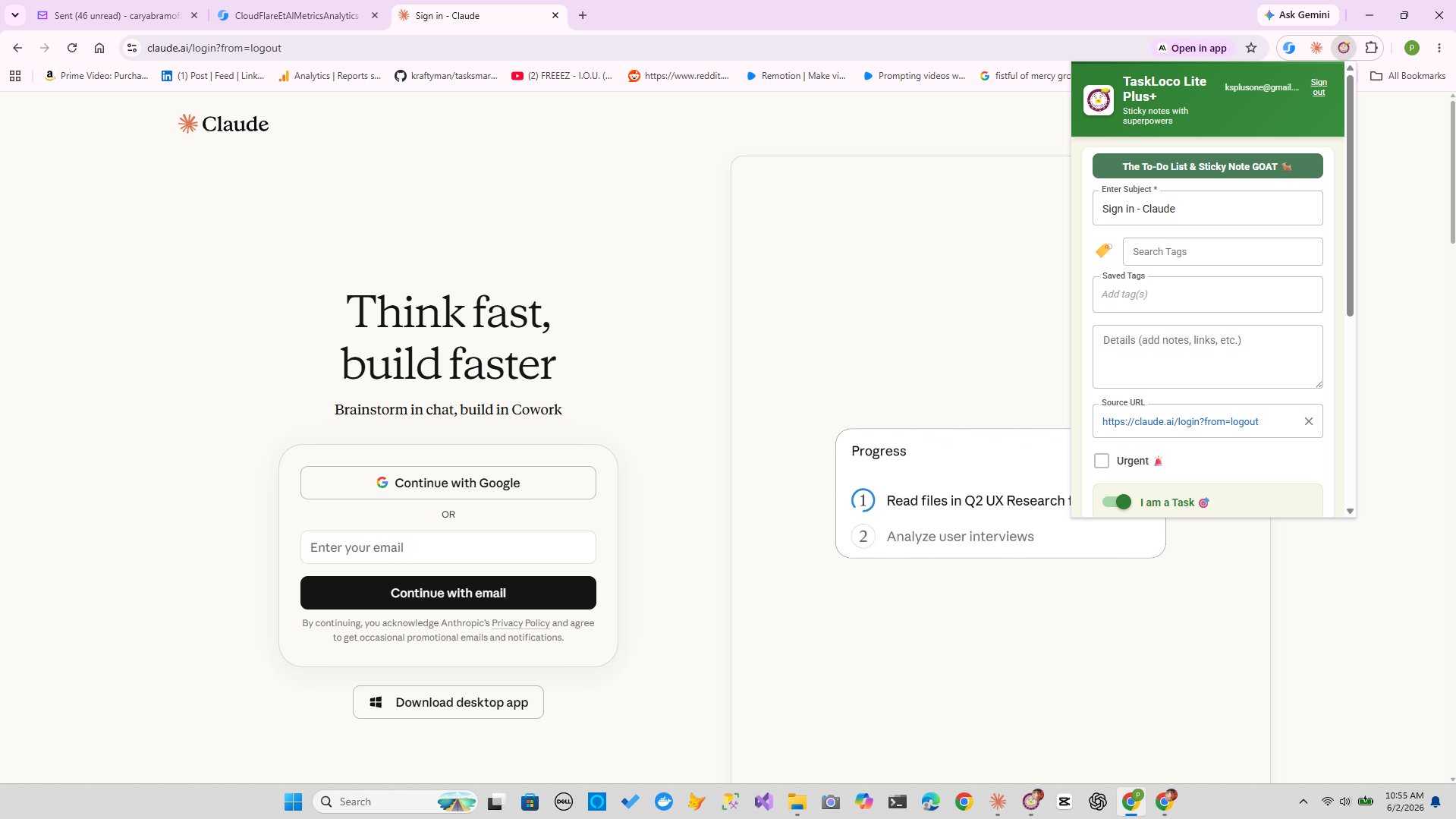
TaskLoco Lite Plus+ adds cross-device sync, Google sign-in, and up to 30 notes — free, through the web app and Chrome extension. The Chrome extension is particularly useful for mental load: one click captures any webpage directly as a note. No copy-pasting, no tab-hoarding, no trusting yourself to come back to it later.
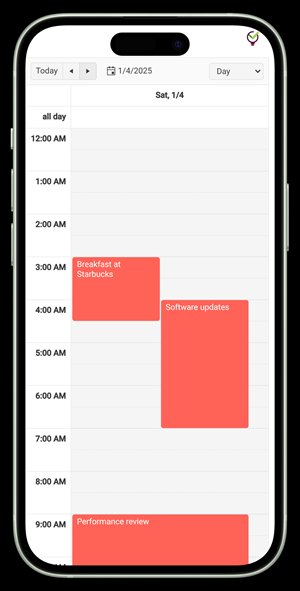
TaskLoco Premium is where the full mental offload system lives. Unlimited notes, 10GB file storage, a calendar view, team sharing, and reminders delivered as push notifications to your phone and computer — with optional email and SMS channels available. Every reminder deep-links back to the original note, so when the notification arrives, you're one tap from full context. That's not a small thing. That's the difference between a reminder that interrupts you and a reminder that actually helps you.
Team sharing in TaskLoco Premium works the way good handoffs should: a shared note can be cloned by the recipient, who makes it their own. No permissions to manage, no access levels to configure. The note moves. The cognitive ownership moves with it.
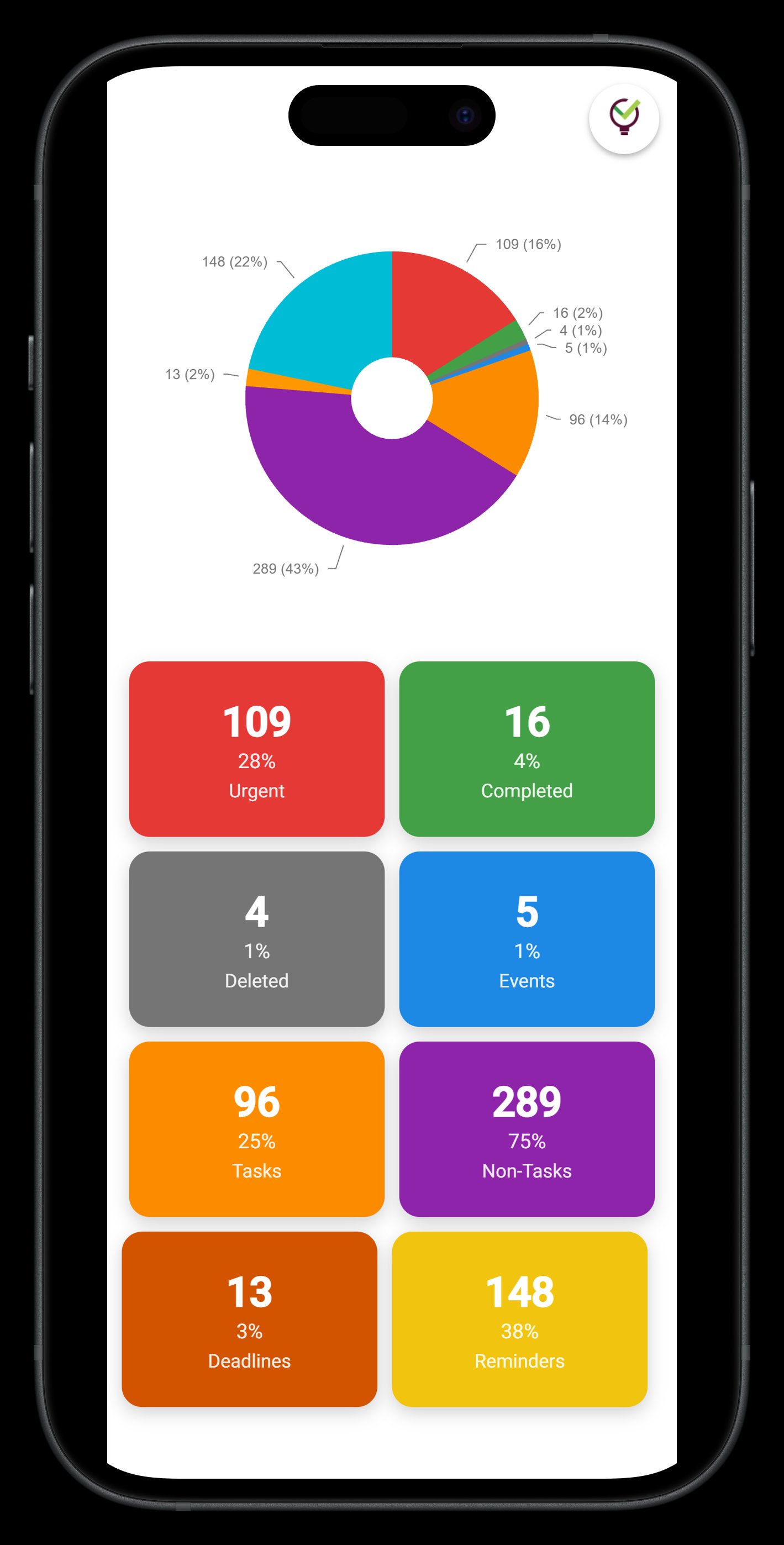
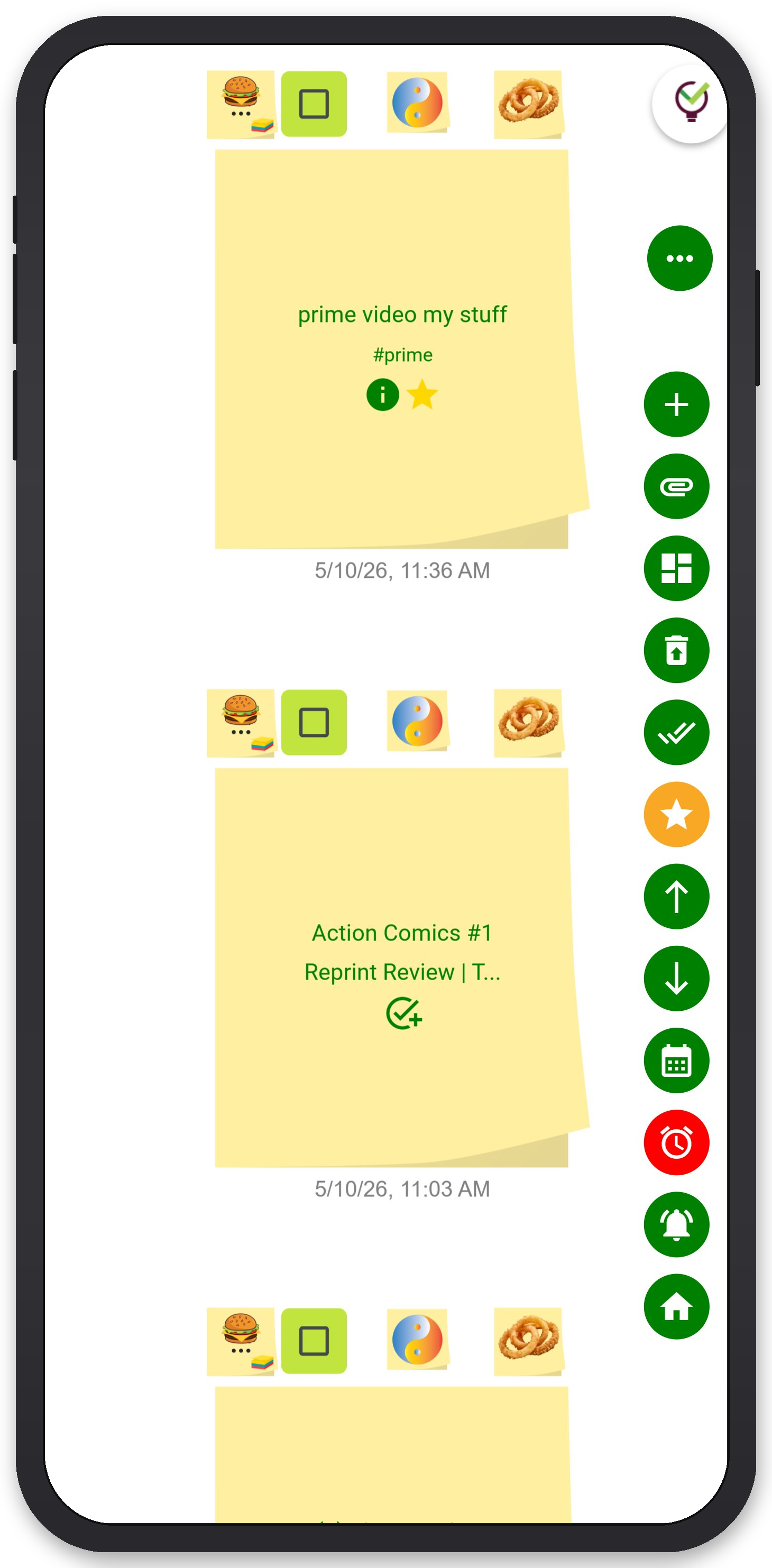
TaskLoco Premium is regularly $9.99/month per person. Right now, charter members can lock in 50% off the regular price — forever. That means $4.99/month per person today. And if our price ever goes up, you still pay half. Always.
Code CHARTER50 auto-applies at checkout. First 500 spots only — once they're gone, this offer is gone permanently. Act fast while spots last.
Every Premium subscription includes unlimited notes, 10GB file storage, reminders, calendar, and team sharing. Each team member requires a separate subscription. 7-day free trial — no charge until day 8. Cancel anytime.
Free Options: TaskLoco
TaskLoco Lite
- Native iPhone & Android app
- Completely anonymous — no sign-in
- Data stays on your device
- Up to 20 notes
- Free forever
TaskLoco Lite Plus+
- Web app + Chrome extension
- Sign in with Google
- Wall syncs across all devices
- Up to 30 notes
- Free forever
Lock In 50% Off — Forever
7-day free trial. No charge until day 8. CHARTER50 auto-applies at checkout.
🔒 Lock In My Charter SpotSee TaskLoco in Action
Frequently Asked Questions
What exactly is mental load?
Mental load is the invisible cognitive work of tracking, planning, and anticipating everything that needs to happen — before any of it actually gets done. It's not the tasks themselves. It's the overhead of knowing about the tasks, remembering them, prioritizing them, and worrying about what you might forget. It's the reason you can feel exhausted at the end of a day where you didn't finish much of anything visible.
Why does mental load feel worse at night?
During the day, your brain is partly distracted by external demands — meetings, conversations, incoming messages. At night, when those inputs go quiet, your brain returns to all the open loops it's been maintaining. Without the distraction layer, the full weight of unresolved items surfaces. This is also why writing things down before bed — actually externalizing the list — has measurable effects on sleep quality. The brain can let go of what it knows is recorded somewhere trustworthy.
How is mental load different from stress?
Stress is an emotional and physiological response to pressure or threat. Mental load is a cognitive phenomenon — it's about the volume and complexity of things your brain is actively tracking. The two frequently co-exist and amplify each other (a high mental load often produces stress), but they're distinct. You can have low stress and high mental load, or high stress with relatively few open cognitive loops. Addressing mental load directly — through capture systems and reliable reminders — can reduce stress even when external circumstances don't change.
Does a to-do list actually help with mental load?
It depends on the list and how much you trust it. A to-do list only reduces mental load if your brain believes the list is complete and will be checked reliably. If you have items on the list you never look at, or items not on the list that you're tracking in your head as a backup, the brain keeps holding everything in reserve anyway. The key is a capture system you actually trust — one that brings things back to you at the right time rather than waiting for you to remember to check it.
What's the fastest way to reduce mental load starting today?
Pick one place to capture every open loop — one system, not three — and use it aggressively for 48 hours. The goal isn't organization. The goal is extraction: get everything out of your head and into external storage. The reduction in cognitive load that follows is often immediately noticeable. Once the items are externalized, you can organize, prioritize, and act. But the extraction step comes first, and most people skip it because they start with structure instead of capture.
TaskLoco Lite is free, requires no sign-in, and is fast enough to use as a pure capture tool. TaskLoco Premium adds reminders that deep-link back to the note, so the system reaches back to you when it matters.
How does mental load affect teams, not just individuals?
Teams multiply mental load in at least two ways. First, every team member carries their own individual load. Second, coordination itself generates a new layer of cognitive overhead — who knows what, who's responsible for what, what state is a shared project in, what expectations exist that haven't been stated explicitly. Tools that enable clean handoffs — where cognitive ownership of a task genuinely moves from one person to another rather than being duplicated — can meaningfully reduce team-wide load. TaskLoco Premium's team sharing is built around this: a shared note can be cloned and owned by the recipient, so the item stops living in two people's heads at once.
How does TaskLoco help reduce mental load specifically?
TaskLoco's design is centered on frictionless capture — the sticky note metaphor keeps the entry point fast enough that you'll actually use it in the moment a thought arrives. TaskLoco Lite (free, native app, no sign-in) and the Chrome extension (one-click webpage capture) both serve the capture habit. TaskLoco Premium adds the trust layer: reminders delivered as push notifications that deep-link back to the original note, so the system surfaces the right item at the right time without you having to remember to check. $9.99/month per person (currently $4.99/month per person for first 500 charter members with code CHARTER50)
Born in Brooklyn. Powered by AWS. Your data stays yours.
TaskLoco is available on iPhone, Android, Chrome, and every web browser.