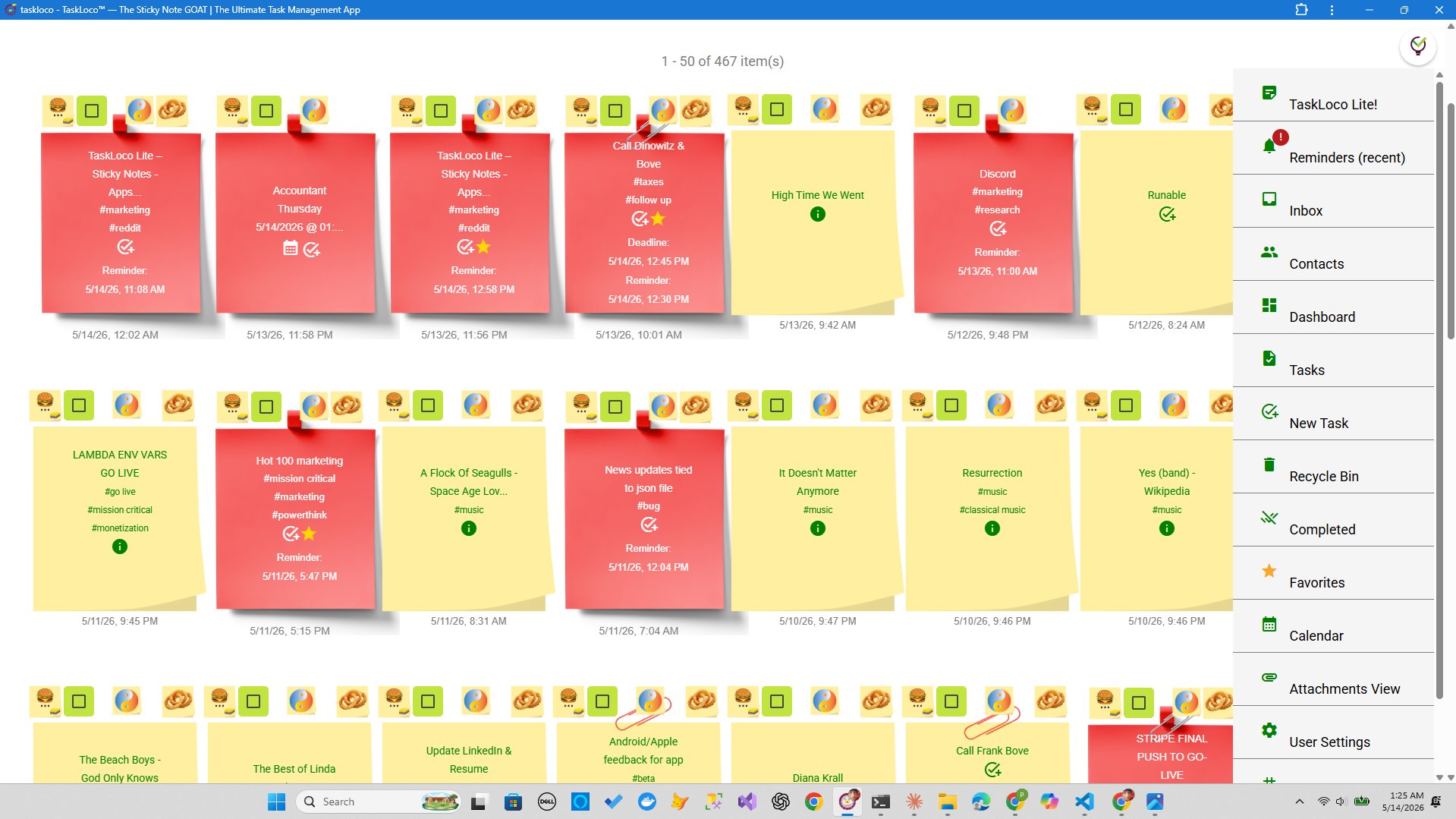
Walk into any office, kitchen, or study space and you'll likely spot them — bright yellow squares dotting computer monitors, refrigerator doors, and desk edges. Despite decades of digital productivity tools, sticky notes remain stubbornly popular.
The reason isn't nostalgia or resistance to change. It's psychology. Sticky notes tap into fundamental aspects of how our brains process information, form memories, and prioritize tasks. Understanding why they work so well reveals principles that apply far beyond paper squares.
Visual Attention and the Von Restorff Effect
Sticky notes work because they deliberately break visual patterns. The Von Restorff Effect, discovered in 1933, shows that items standing out from their surroundings are remembered significantly better than those that blend in. A bright yellow note on a white computer monitor creates exactly this kind of cognitive interruption.
Our brains evolved to notice anomalies — they might signal danger or opportunity. When you place a sticky note in your visual field, you're hijacking this ancient attention system. The note becomes impossible to ignore because it violates the expected visual environment.
Color psychology amplifies this effect. Yellow, the traditional sticky note color, is associated with alertness and urgency. It's the color of warning signs and highlighters. Your brain processes yellow as "pay attention now" — which is exactly what you want for important reminders.
Location-Based Memory and Environmental Cues
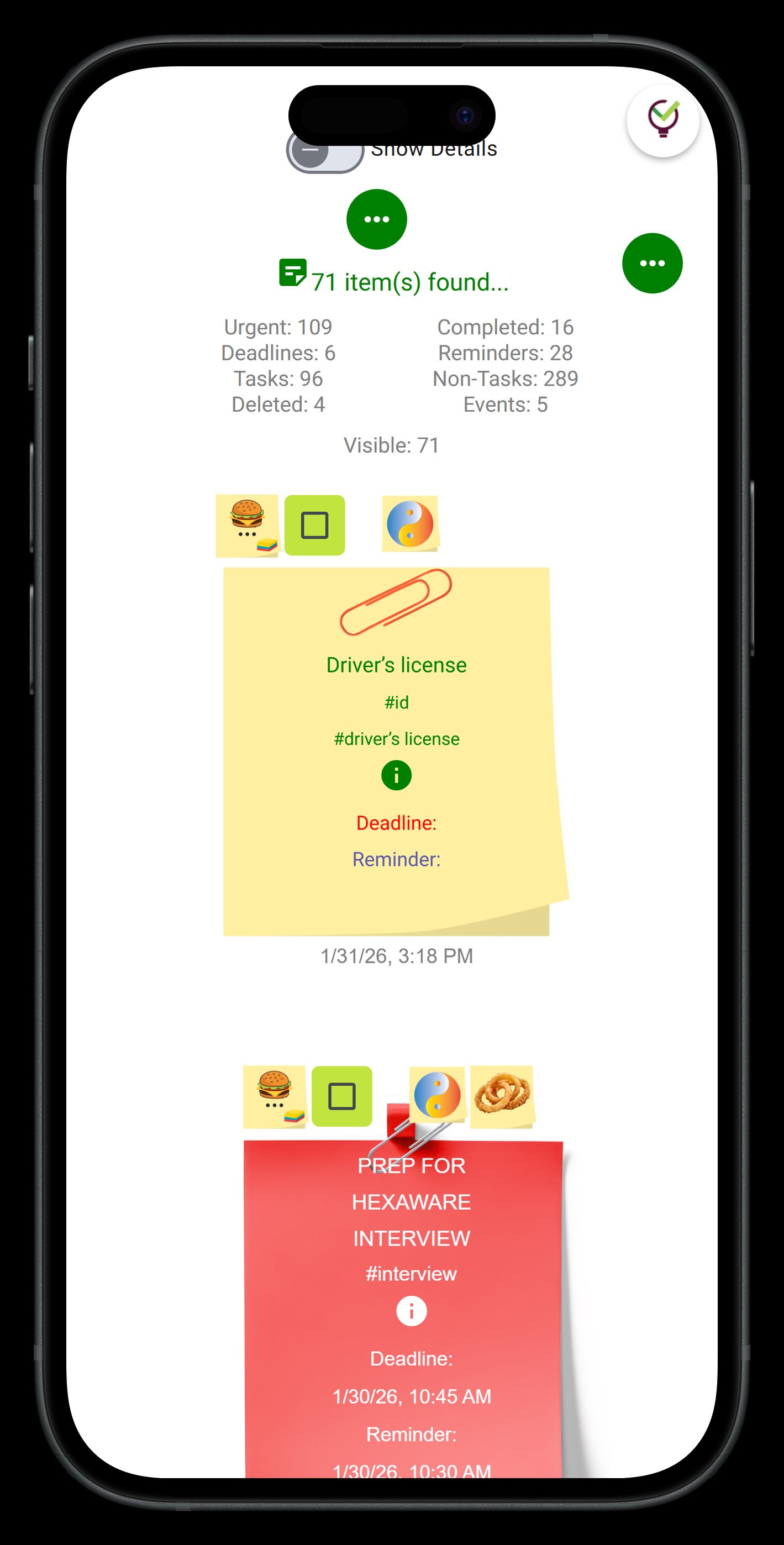
Where you place a sticky note is as important as what you write on it. This taps into spatial memory — one of our strongest cognitive systems. When you stick a reminder to your bathroom mirror, you're creating what psychologists call an "environmental cue."
Environmental cues work because memory formation involves encoding both information and context. The location becomes part of the memory itself. See the bathroom mirror, remember the dentist appointment. This is why you might struggle to recall something when you're away from where you learned it.
Sticky notes placed strategically around your environment create a network of memory triggers. The refrigerator note reminds you about groceries. The computer monitor note triggers work tasks. Each location primes different types of thinking and action.
This principle explains why digital reminders sometimes fail. A phone notification appears in your pocket, divorced from the context where you'll need to act. A sticky note appears exactly where the action will happen.
Motor Memory and the Generation Effect
Writing something by hand creates stronger memory traces than typing. This happens because handwriting engages motor memory — the same system that lets you ride a bicycle years after learning. When you physically form letters, your brain encodes both the information and the movement patterns used to create it.
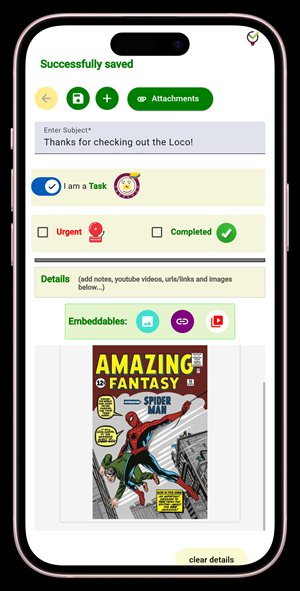
The Generation Effect shows that information you actively produce is remembered better than information you passively consume. Writing "Call Mom" with your hand involves more cognitive processing than selecting it from a dropdown menu. Your brain has to translate the thought into motor commands, monitor the execution, and process the visual result.
This motor engagement also slows you down — in a good way. Handwriting forces you to be more deliberate about what you capture. You naturally edit and prioritize as you write, making each note more intentional. Digital tools often encourage information hoarding because adding items is effortless.
Cognitive Load and Single-Tasking
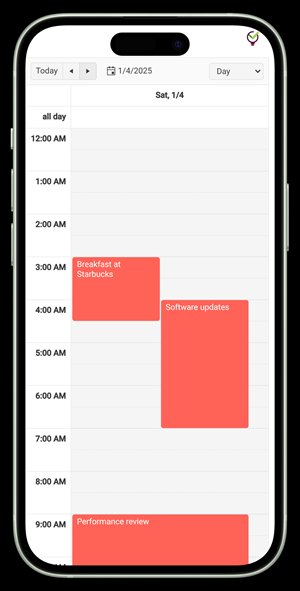
Sticky notes succeed partly because they're cognitively lightweight. Each note contains one clear piece of information. There are no menus to navigate, no categories to choose, no metadata to fill in. This simplicity reduces cognitive load — the amount of mental effort required to use them.
Complex productivity systems often fail because they demand more mental energy than the tasks they're meant to organize. When the tool itself requires significant cognitive resources, it becomes a barrier rather than an aid. Sticky notes eliminate this friction through radical simplicity.
The physical constraints of a small square also enforce focus. You can't write a novel on a sticky note. This limitation is actually a feature — it forces you to distill thoughts to their essence. The constraint creates clarity.
Research on single-tasking shows that focusing on one thing at a time is more effective than attempting to manage multiple concurrent tasks. A sticky note embodies this principle. Each note has one job: remind you of one thing. This clarity reduces mental overhead and increases follow-through.
Digital Sticky Notes: Preserving What Works
Understanding the psychology behind sticky notes reveals what digital versions need to preserve. The most successful digital implementations maintain the core psychological principles while adding capabilities that paper cannot match.
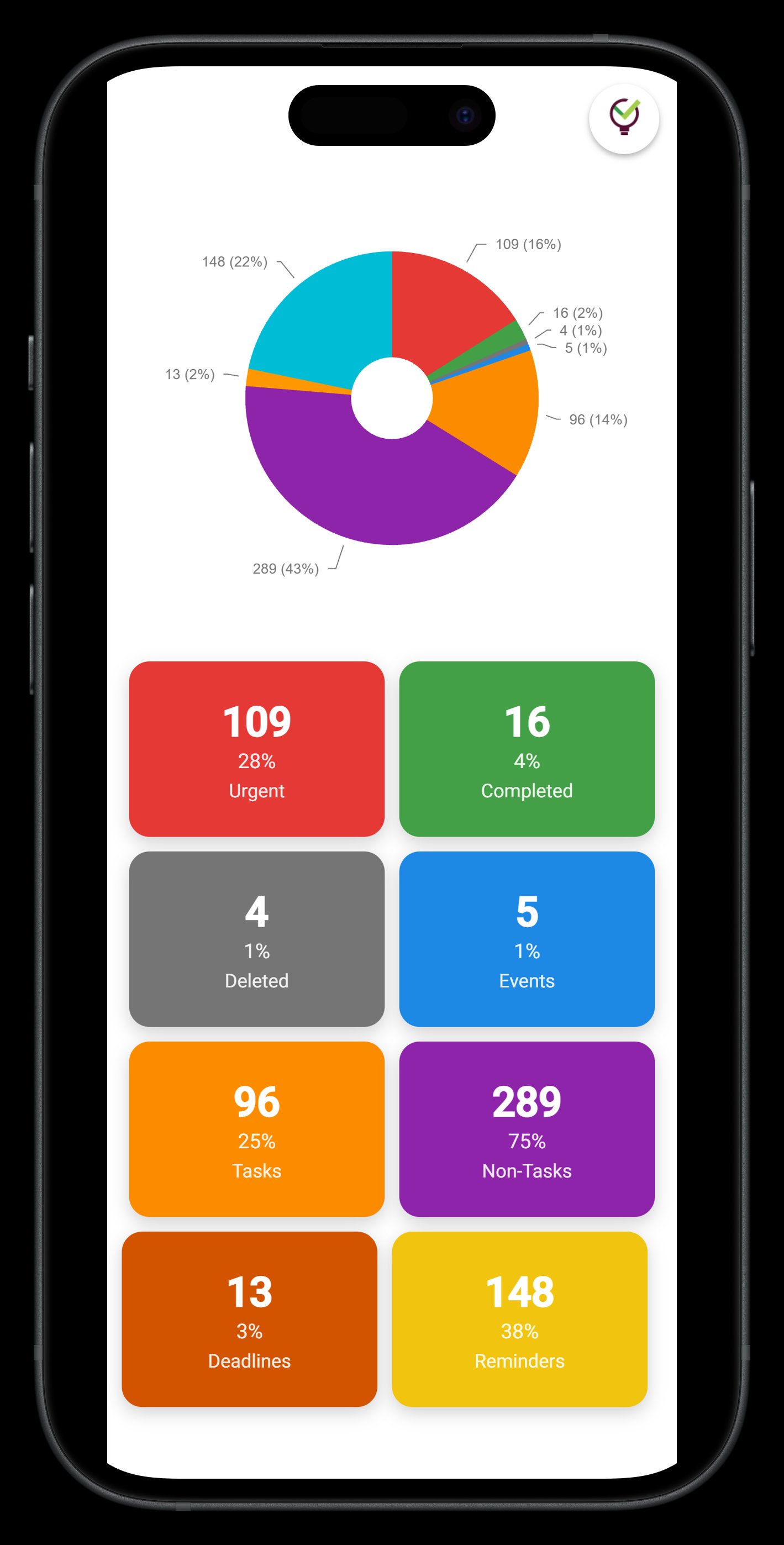
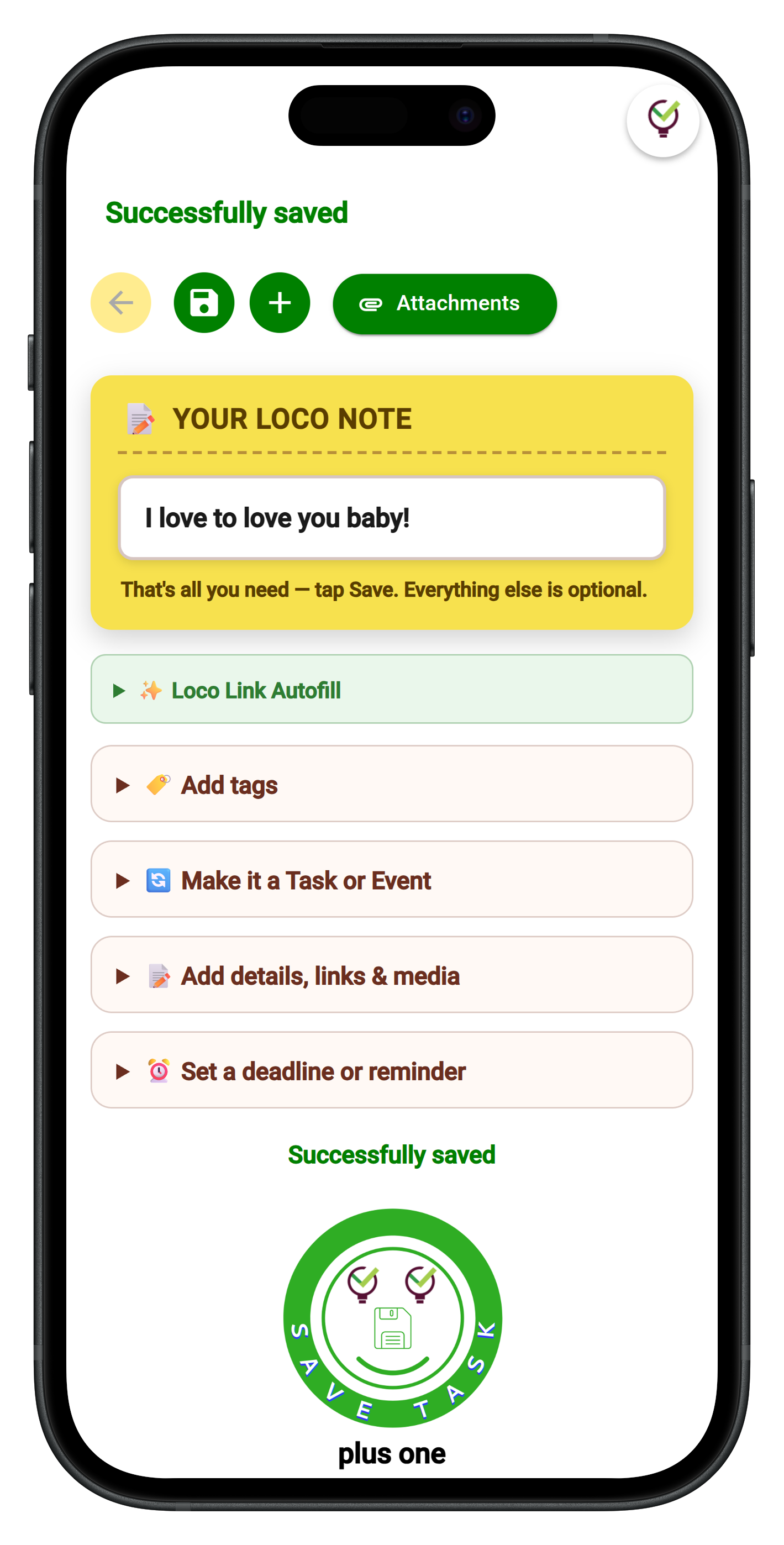
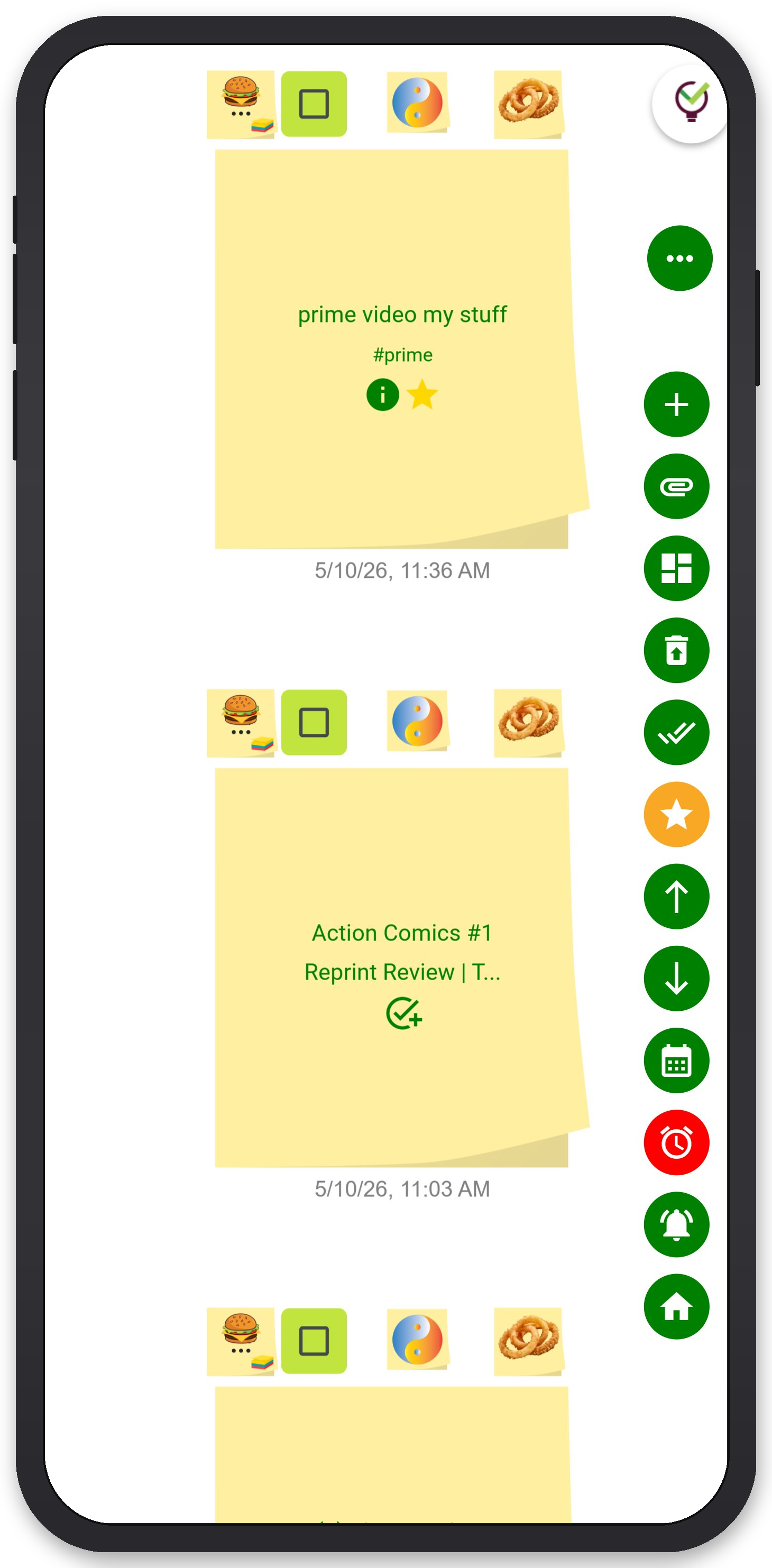
TaskLoco approaches this by keeping the essential simplicity — each note focuses on one clear item. But it adds features that enhance rather than complicate the core experience: reminders that deep-link back to the original note, file attachments for context, and seamless sync across devices so your environmental cues work everywhere.
The key is respecting what makes sticky notes psychologically effective while solving their practical limitations. Physical notes can't remind you when you're away from them, can't include rich media, and can't be backed up. Digital versions can address these shortcomings without sacrificing the cognitive benefits that made the original so powerful.
TaskLoco Premium is regularly $9.99/month per person. Right now, charter members can lock in 50% off the regular price — forever. That means $4.99/month per person today. And if our price ever goes up, you still pay half. Always.
Code CHARTER50 auto-applies at checkout. First 500 spots only — once they're gone, this offer is gone permanently. Act fast while spots last.
Every Premium subscription includes unlimited notes, 10GB file storage, reminders, calendar, and team sharing. Each team member requires a separate subscription. 7-day free trial — no charge until day 8. Cancel anytime.
Free Options: TaskLoco
TaskLoco Lite
- Native iPhone & Android app
- Completely anonymous — no sign-in
- Data stays on your device
- Up to 20 notes
- Free forever
TaskLoco Lite Plus+
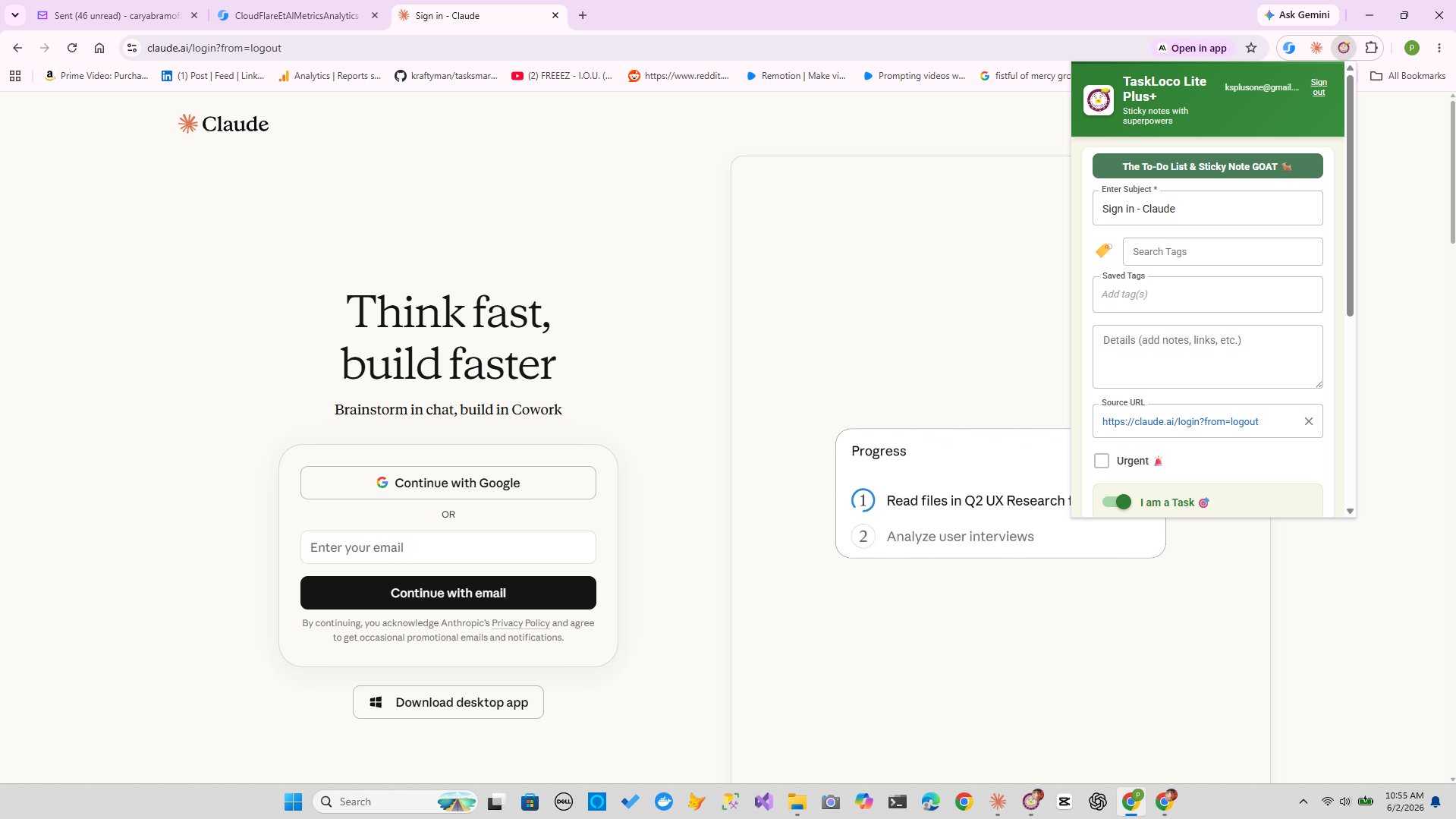
- Web app + Chrome extension
- Sign in with Google
- Wall syncs across all devices
- Up to 30 notes
- Free forever
Lock In 50% Off — Forever
7-day free trial. No charge until day 8. CHARTER50 auto-applies at checkout.
🔒 Lock In My Charter SpotSee TaskLoco in Action
Frequently Asked Questions
Why are sticky notes more memorable than digital reminders?
Sticky notes leverage multiple memory systems: visual prominence (Von Restorff Effect), spatial memory through environmental placement, and motor memory from handwriting. Digital reminders often lack this multi-sensory encoding.
What makes yellow the ideal color for sticky notes?
Yellow triggers alertness and attention in our brains. It's associated with urgency and warning signals, making it naturally eye-catching. The color psychology helps ensure the note gets noticed and processed as important.
How do location-based cues improve memory recall?
Environmental cues work because memory formation encodes both information and context. When you see the location where you placed a reminder, it triggers recall of the associated task. This spatial memory system is one of our strongest cognitive tools.
Why is handwriting better than typing for memory?
Handwriting engages motor memory and the Generation Effect. The physical act of forming letters creates additional memory traces beyond just the words themselves. This multi-system encoding makes handwritten information more memorable.
What is cognitive load and why does it matter for productivity tools?
Cognitive load is the mental effort required to use a system. Complex productivity tools can demand more mental energy than the tasks they organize. Sticky notes succeed because they minimize cognitive overhead through radical simplicity.
Can digital sticky notes preserve the psychological benefits?
Yes, when designed thoughtfully. Digital versions should maintain simplicity, visual prominence, and single-task focus while adding capabilities like reminders, file attachments, and cross-device sync that enhance rather than complicate the core experience.
How do physical constraints improve focus?
The small size of sticky notes forces you to distill thoughts to their essence. This constraint creates clarity by preventing information overload. You must prioritize what's truly important, leading to more actionable reminders.
Born in Brooklyn. Powered by AWS. Your data stays yours.
TaskLoco is available on iPhone, Android, Chrome, and every web browser.