Everyone knows the feeling. A new system rolls out at work. A better routine sits in your notes. A goal you genuinely care about stays untouched for the third week running. It isn't laziness. It isn't stupidity. It's resistance — and it's one of the most well-documented phenomena in behavioral psychology, organizational theory, and everyday human life.
Resistance to change doesn't mean you're broken. It means you're wired like every other human being on the planet. But that doesn't mean you're stuck. Understanding why resistance happens is the first step toward designing your environment — and your tools — so that moving forward actually feels possible.
What Resistance to Change Actually Is — and Why It Matters
Resistance to change is the tendency — individual or collective — to prefer the current state over a proposed new one, even when the new state is objectively better.
Psychologists trace much of this to loss aversion: humans feel the pain of losing something roughly twice as intensely as the pleasure of gaining something equivalent. Change, almost by definition, involves giving something up — a familiar routine, a sense of competence, a known environment. The brain treats that loss as a threat, not an opportunity.
At the organizational level, researchers like John Kotter and William Bridges have documented how poorly managed transitions — even good ones — collapse under the weight of unaddressed human resistance. It's rarely about the change itself. It's almost always about the process and the clarity (or lack of it) surrounding the change.
For individuals, the same three factors apply. Vague goals stay vague. Big leaps feel impossible. And when someone else controls the whole process, motivation collapses. This is why so many productivity systems fail people who are trying to change — they're either too abstract (vision boards, manifesting) or too rigid (complex project management software designed for teams, not people).
The Psychology Behind Why We Resist — Even When We Want to Change
It helps to name the mechanisms at play, because they're operating whether you acknowledge them or not.
Status quo bias is the cognitive tendency to favor the existing state simply because it's familiar. In one classic study, people who were randomly assigned to a coffee mug valued it significantly higher than people who weren't — just because they had it. Familiarity creates perceived value, which makes anything new feel like a downgrade by comparison.
Ambiguity aversion is the discomfort with unknown outcomes. Even if you're unhappy now, the devil you know feels safer than the one you don't. This is why people stay in bad jobs, bad habits, and bad systems longer than makes rational sense.
Cognitive load plays a huge role too. Change demands mental energy. Learning a new tool, a new process, or a new routine consumes working memory that could otherwise go toward actual work. When the cognitive cost of adopting a change is high, people will resist it even if they agree the outcome is better.
Identity threat is perhaps the most underrated driver. If the change implies that the old way — your way — was wrong, it doesn't feel like an upgrade. It feels like an attack. Organizational change efforts that ignore this dynamic fail at the adoption stage almost every time.
This is where the design of your environment and your tools becomes critical. A system that makes new behavior easier than old behavior is one of the most powerful levers for change that exists. It's the principle behind habit stacking, nudge theory, and the entire field of behavioral economics.
How Your Tools Either Fight Resistance or Feed It
Most productivity tools were built to manage complexity — not to reduce it. That's a fundamental mismatch for anyone trying to change behavior. If your tool is itself a source of friction, you've added one more reason to stay where you are.
The best tools for overcoming resistance share a few properties. They're fast to start — no onboarding ritual, no setup tax. They're visually clear — you can see what matters without parsing a dashboard. They're low commitment — you can put something down and pick it up without losing context. And they remind you — not just once, but exactly when it's useful.
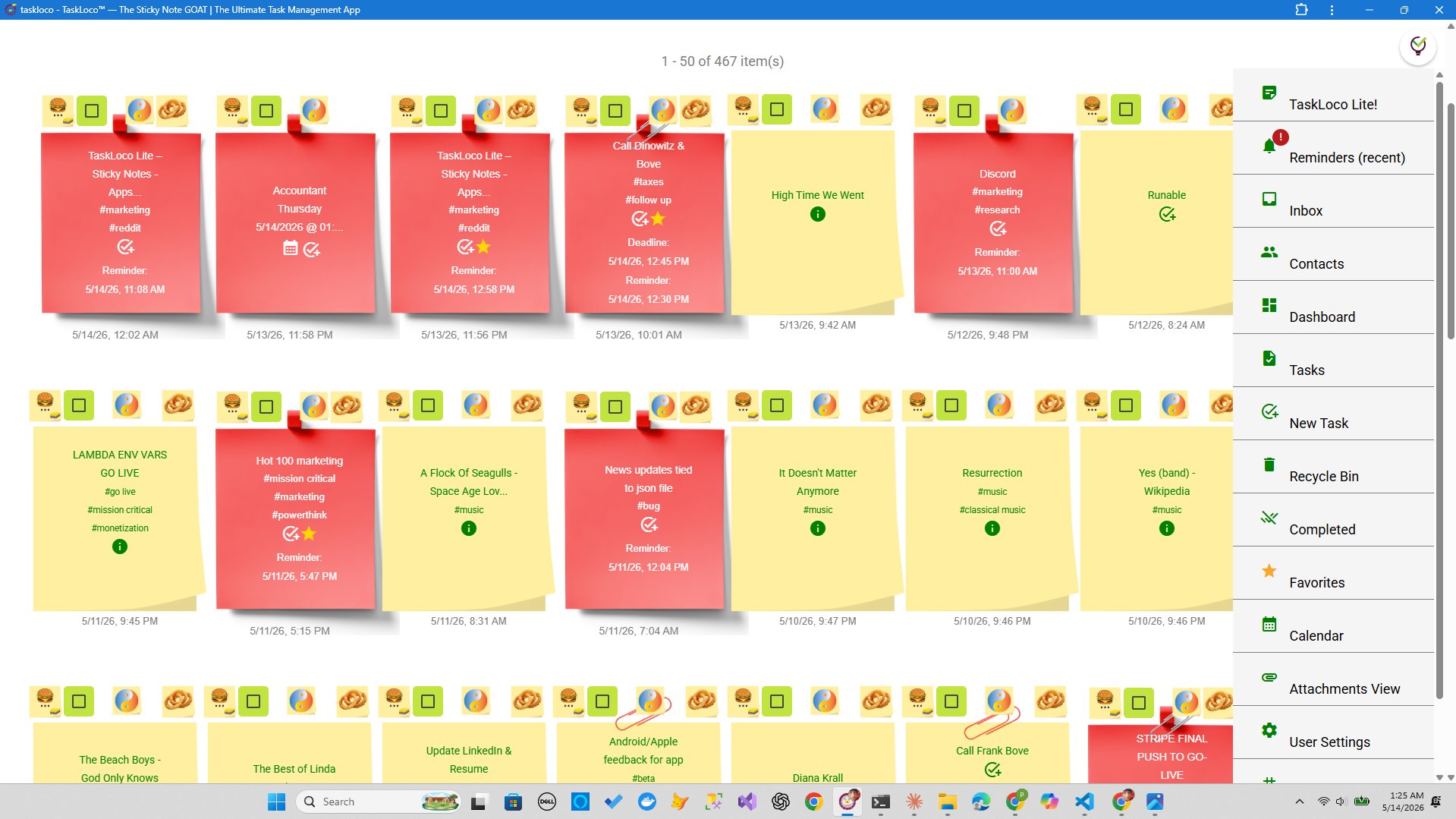
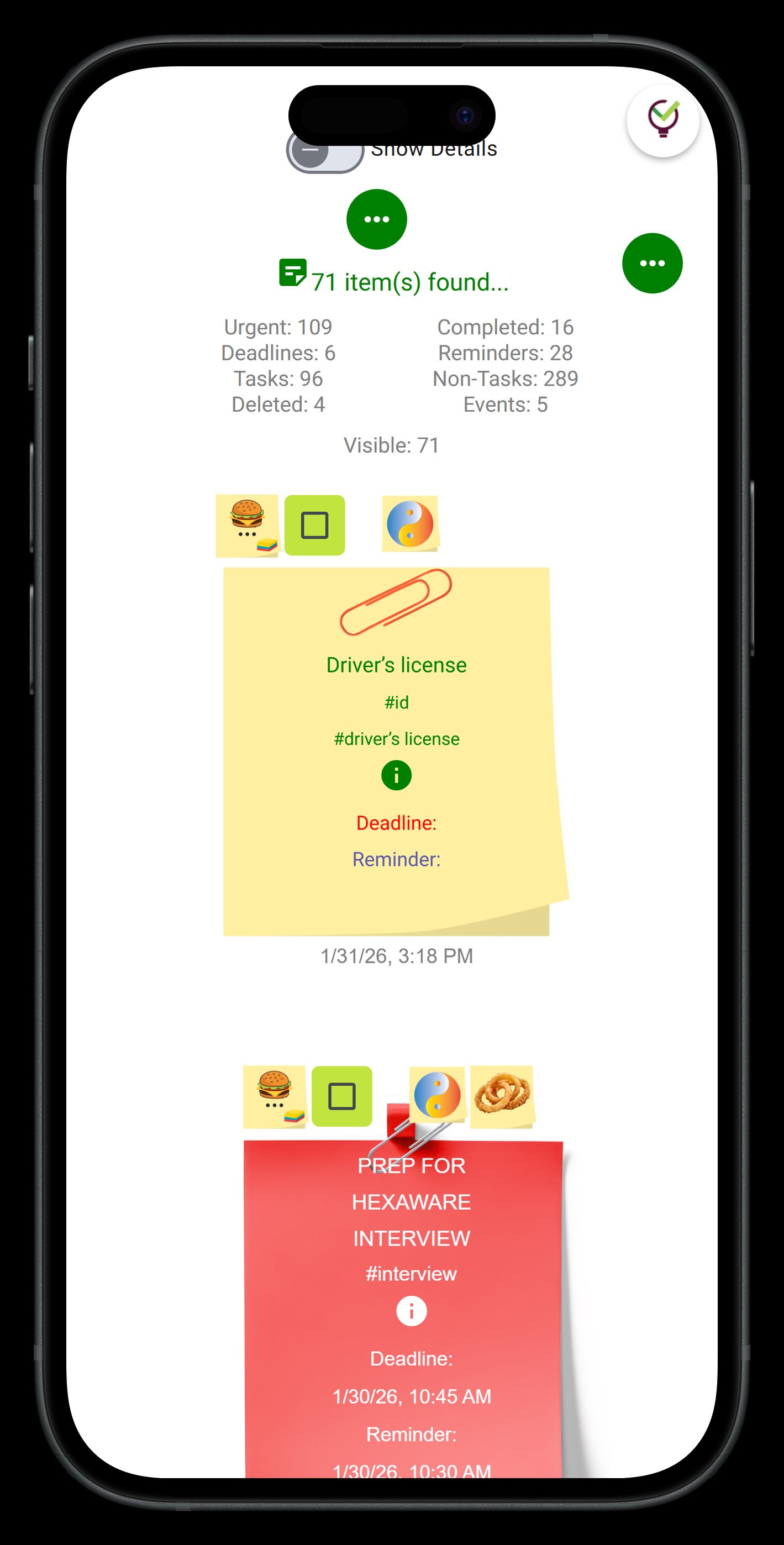
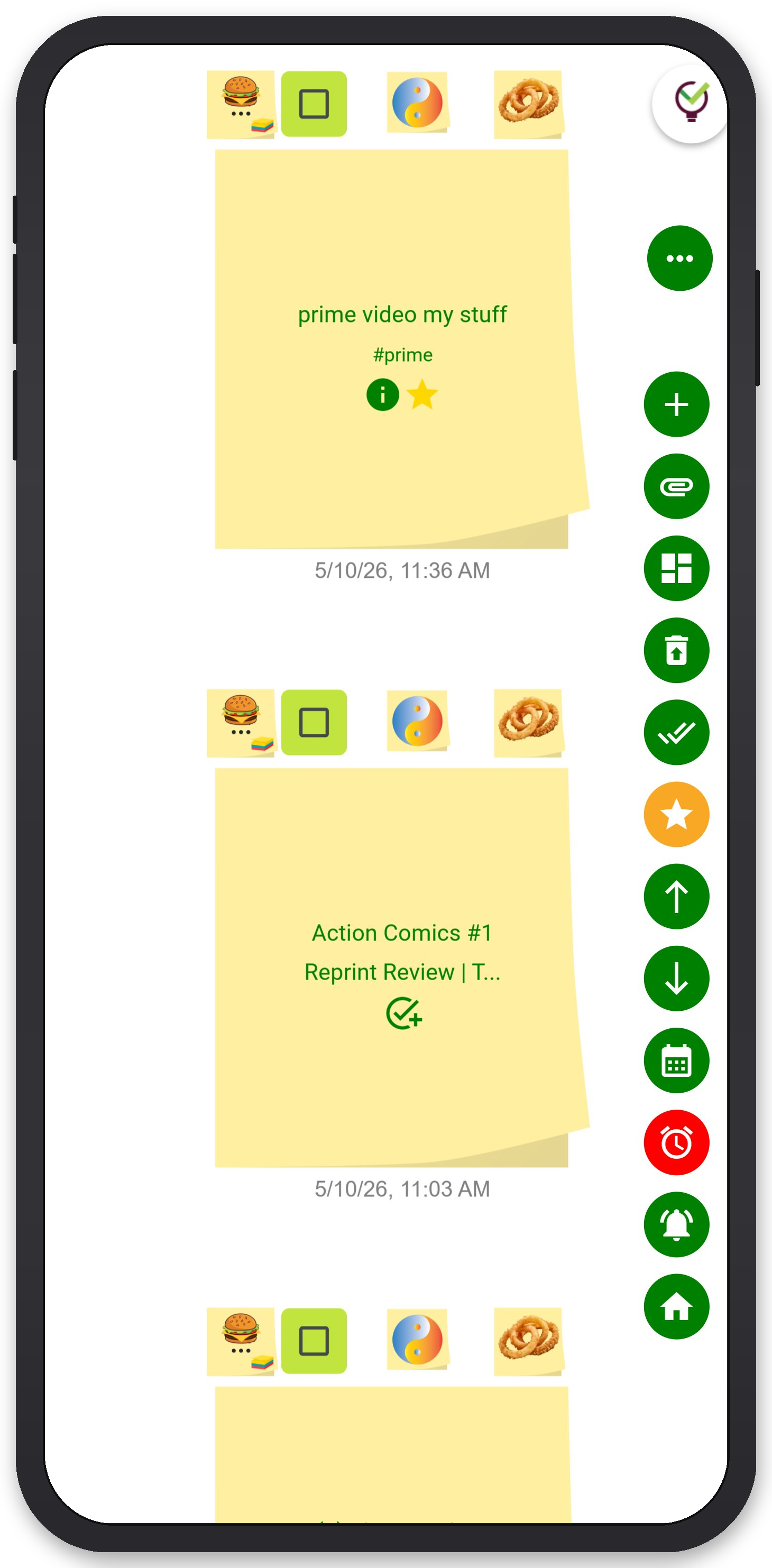
This is precisely where TaskLoco's sticky-note model becomes powerful for people navigating change. A sticky note is the oldest, most psychologically comfortable unit of task management that exists. There's no learning curve. There's no project hierarchy to maintain. You write the thing down, you put it where you can see it, and it reminds you it exists.
TaskLoco Premium takes that intuition and builds a real system around it. Push notification reminders deep-link directly back to the original note, so when an alert fires, you're one tap from the exact context you left off. That eliminates the moment of re-orientation that kills follow-through — the thirty seconds of friction that, when you're already resistant, is enough to make you defer again.
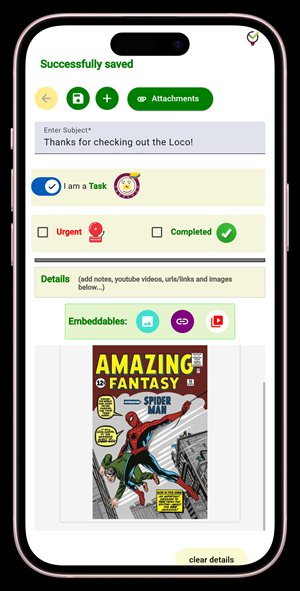
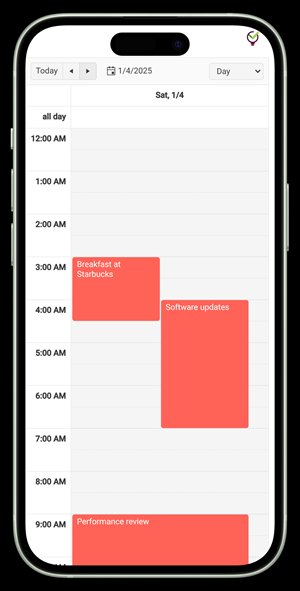
The calendar view in TaskLoco Premium shows your notes and tasks laid out in time, so the path to a goal isn't abstract — it's a sequence you can actually see. File attachments mean your reference material lives next to your action items, not in a separate app you have to go find. And team sharing works the way email does: send a note, the recipient clones it and owns it. No permissions negotiation, no access levels to configure.
TaskLoco Lite is available free on iPhone and Android — no sign-in, no account, completely anonymous. It stores up to 20 notes directly on your device. For cross-device sync, TaskLoco Lite Plus+ is also free and runs in any browser, storing up to 30 notes and syncing across all your devices. When you're ready for reminders, file attachments, unlimited notes, and calendar view, TaskLoco Premium is where those features live.
Building a System That Works With Human Nature, Not Against It
The research on behavior change converges on one practical insight: environment design beats willpower every time. You cannot white-knuckle your way through resistance indefinitely. But you can arrange your environment so that the right action is the easiest action.
For individuals, this means making your goals visible — not buried in a nested folder structure. It means keeping your next action explicit and singular, not hidden inside a long checklist. It means building in reminders that fire at the moment they're useful, not just at 9am when you're already deep in something else.
For teams, it means reducing the coordination cost of staying aligned. When sharing a note requires setting permissions and managing access levels, people stop sharing. When sharing works like sending an email — the recipient gets the note, clones it, makes it their own — people actually do it.
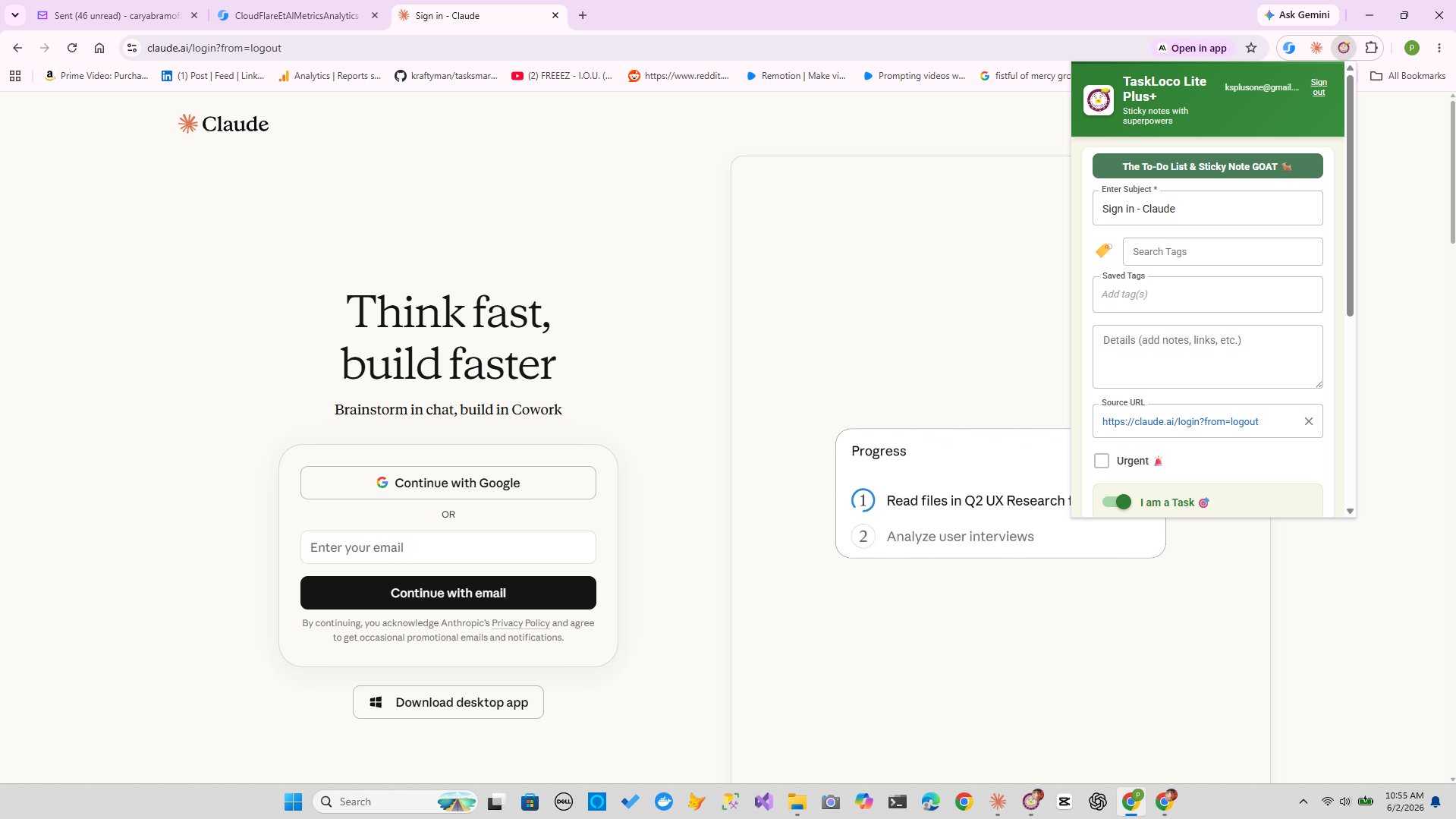
TaskLoco was built around these principles. The sticky note metaphor isn't a design gimmick — it's a deliberate choice to meet users where their cognitive habits already live. The Chrome extension captures any webpage in one click, so the moment of inspiration doesn't get lost in the gap between browser and to-do list. The push notification reminder deep-links back to the note, collapsing the distance between intention and action.
None of this eliminates resistance entirely. Resistance is part of being human. But a tool that works with your psychology — rather than demanding you adapt to its architecture — lowers the activation energy for every step. And lower activation energy means more steps actually happen.
If you've been trying to change a habit, adopt a new workflow, or get your team moving in a new direction and keep running into the same wall — the problem probably isn't your commitment. It's the friction in your environment. Start with something as simple as a sticky note. Build from there.
TaskLoco Premium is regularly $9.99/month per person. Right now, charter members can lock in 50% off the regular price — forever. That means $4.99/month per person today. And if our price ever goes up, you still pay half. Always.
Code CHARTER50 auto-applies at checkout. First 500 spots only — once they're gone, this offer is gone permanently. Act fast while spots last.
Every Premium subscription includes unlimited notes, 10GB file storage, reminders, calendar, and team sharing. Each team member requires a separate subscription. 7-day free trial — no charge until day 8. Cancel anytime.
Free Options: TaskLoco
TaskLoco Lite
- Native iPhone & Android app
- Completely anonymous — no sign-in
- Data stays on your device
- Up to 20 notes
- Free forever
TaskLoco Lite Plus+
- Web app + Chrome extension
- Sign in with Google
- Wall syncs across all devices
- Up to 30 notes
- Free forever
Lock In 50% Off — Forever
7-day free trial. No charge until day 8. CHARTER50 auto-applies at checkout.
🔒 Lock In My Charter SpotSee TaskLoco in Action
Frequently Asked Questions
What is resistance to change?
Resistance to change is the psychological and behavioral tendency to prefer the current state over a new one, even when the new state is better. It's driven by loss aversion, ambiguity aversion, cognitive load, and identity threat — not stubbornness or laziness.
Why do people resist change even when they know it's good for them?
Because the brain processes potential losses more intensely than equivalent gains. Change almost always involves giving something up — a familiar routine, a sense of competence, a known environment — and the brain flags that loss as a threat. The logical case for the change doesn't automatically override that threat response.
What are the most common causes of resistance to change in the workplace?
The most common causes are: lack of clarity about where the change leads, no perceived control over the process, fear that the change implies the old way was wrong (identity threat), high cognitive load of learning new systems, and poor communication from leadership. Most failed change initiatives fail on the human side, not the technical side.
How can I overcome my own resistance to change?
Three things matter most: make the destination concrete and visible, break the path into small believable steps, and design your environment so the next action is the easiest action available. Tools that reduce friction — rather than add to it — dramatically increase follow-through. TaskLoco's sticky-note model is built exactly for this: your goals stay visible, your next step is explicit, and push notification reminders bring you back to the exact note you left off.
How does environment design help overcome resistance to change?
Environment design works by making the desired behavior the path of least resistance. When the right action is also the easiest action — because it's visible, accessible, and prompted at the right moment — you don't have to overcome resistance with willpower. The environment does the work. This is why tools that keep goals front and center, and that remind you at the right time, outperform systems that require you to go looking for your own priorities.
Can a productivity app actually help with resistance to change?
Yes — but only if it reduces friction rather than adding to it. A complex project management suite with custom fields, dependencies, and access levels creates new cognitive load, which feeds resistance. A tool built around a familiar metaphor — like a sticky note — that keeps your goals visible and your next action clear, and that reminds you with a push notification that deep-links straight back to your note, lowers the activation energy for every step. TaskLoco is built around that principle.
How is TaskLoco priced?
$9.99/month per person (currently $4.99/month per person for first 500 charter members with code CHARTER50)
Born in Brooklyn. Powered by AWS. Your data stays yours.
TaskLoco is available on iPhone, Android, Chrome, and every web browser.