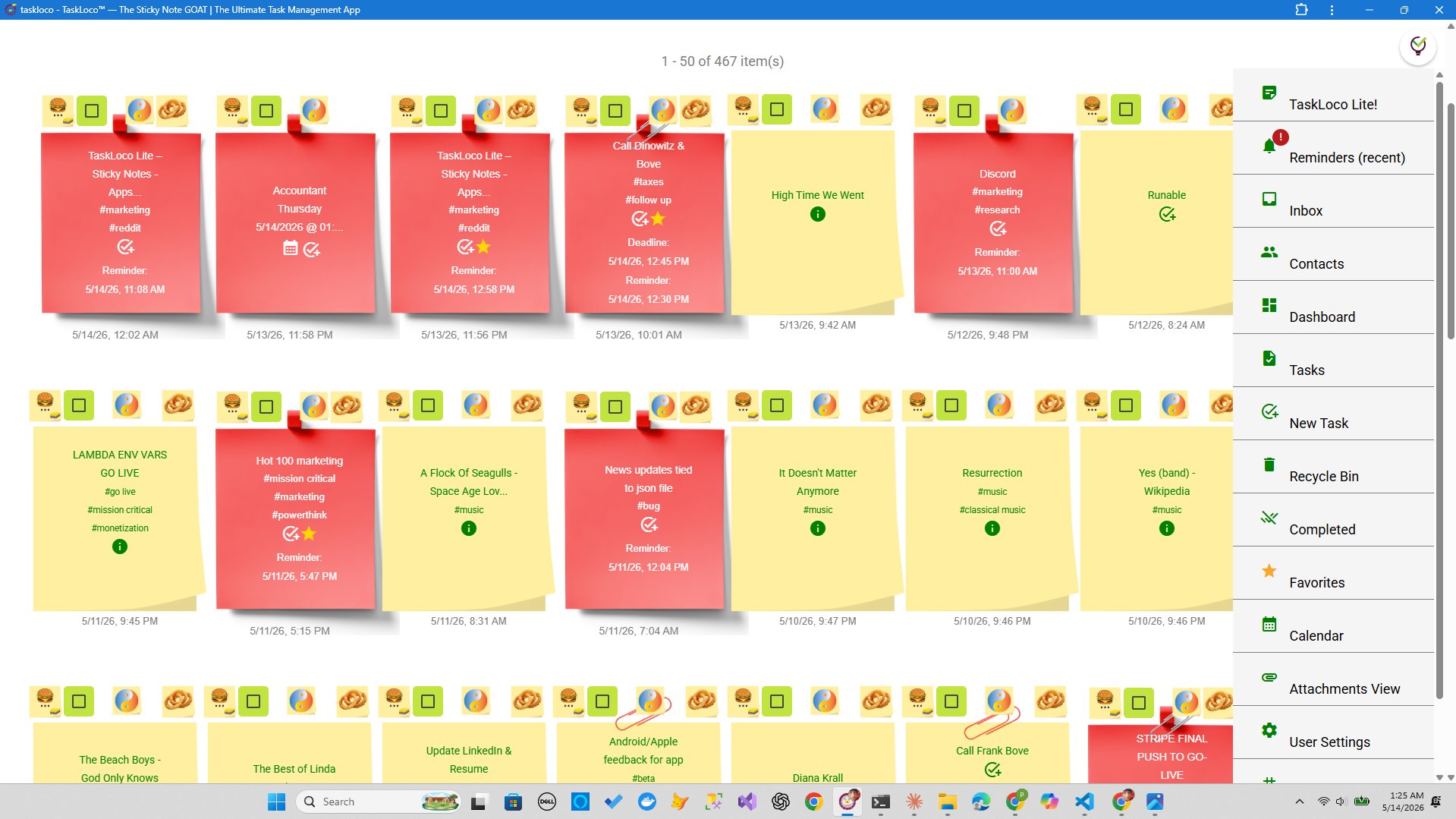
Your brain processes visual information 60,000 times faster than text. That's not just a fun fact — it's the foundation of why visual organization systems work so well for productivity and task management.
Visual organization taps into fundamental cognitive processes that evolved over millions of years. When you arrange information spatially — using color, position, groupings, and visual hierarchy — you're working with your brain's natural architecture, not against it.
Spatial Memory: Your Brain's Built-In GPS
Spatial memory is one of your brain's most powerful and ancient systems. When you remember where you parked your car or navigate through your childhood home in the dark, you're using the same cognitive architecture that makes visual organization so effective.
The hippocampus creates spatial maps of information. When you place a sticky note in the upper right corner of your screen, your brain doesn't just remember the content — it remembers the location. This dual encoding (content + position) creates stronger, more retrievable memories.
Research shows that people recall information 65% better when it's presented visually compared to text alone. This happens because spatial positioning acts as a memory cue. You don't just remember what you wrote; you remember where you put it.
Cognitive Load Theory: Why Less Visual Clutter Means More Mental Capacity
Cognitive load theory explains why some interfaces feel overwhelming while others feel effortless. Your working memory can only hold about 7 items at once. Visual organization helps by chunking related information together and creating clear hierarchies.
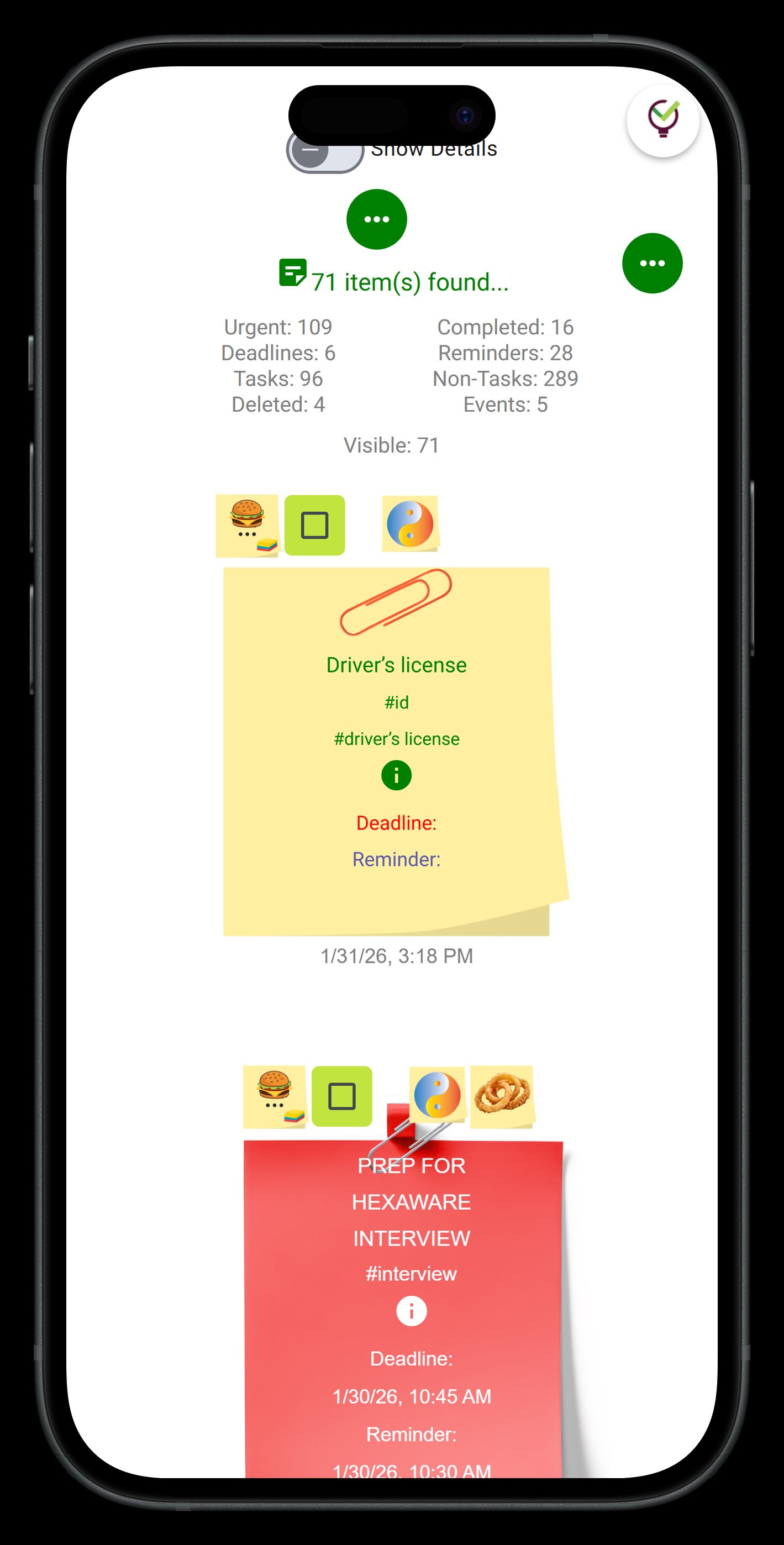
Color coding reduces cognitive load by creating instant categorization. When urgent tasks are red and personal items are blue, your brain doesn't need to read and process each item individually — the color conveys the category immediately.
Whitespace isn't empty space — it's cognitive breathing room. When information is visually separated with adequate spacing, your brain can process each element without interference from adjacent items. This is why cramped interfaces feel mentally exhausting.
The key insight: visual organization doesn't just make things look better — it literally frees up mental resources for actual thinking and decision-making instead of information processing overhead.
Pattern Recognition: How Your Brain Spots What Matters
Your visual cortex is a pattern-detection machine. It can identify familiar shapes, group similar elements, and spot anomalies in milliseconds. Visual organization systems leverage this by creating recognizable patterns and consistent visual languages.
Gestalt principles explain why certain visual arrangements feel natural. Proximity groups related items. Similarity creates categories. Closure helps you mentally complete incomplete information. When your productivity system follows these principles, it feels intuitive rather than learned.
Visual consistency builds mental models. When you always put deadlines in the same position or use the same icon for meetings, your brain builds automatic recognition patterns. Over time, you can scan and process your visual workspace almost unconsciously.
This is why visual systems scale better than text lists. As you add more information, patterns become more valuable, not less. Your brain gets better at quickly parsing your personal visual language.
TaskLoco: Visual Organization Made Simple
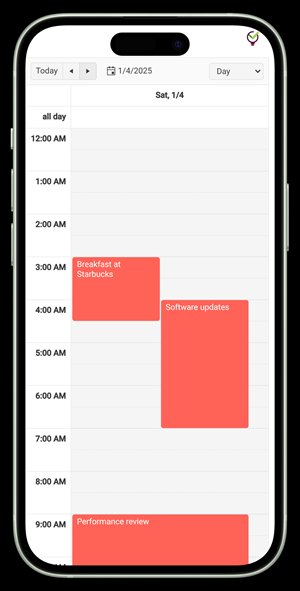
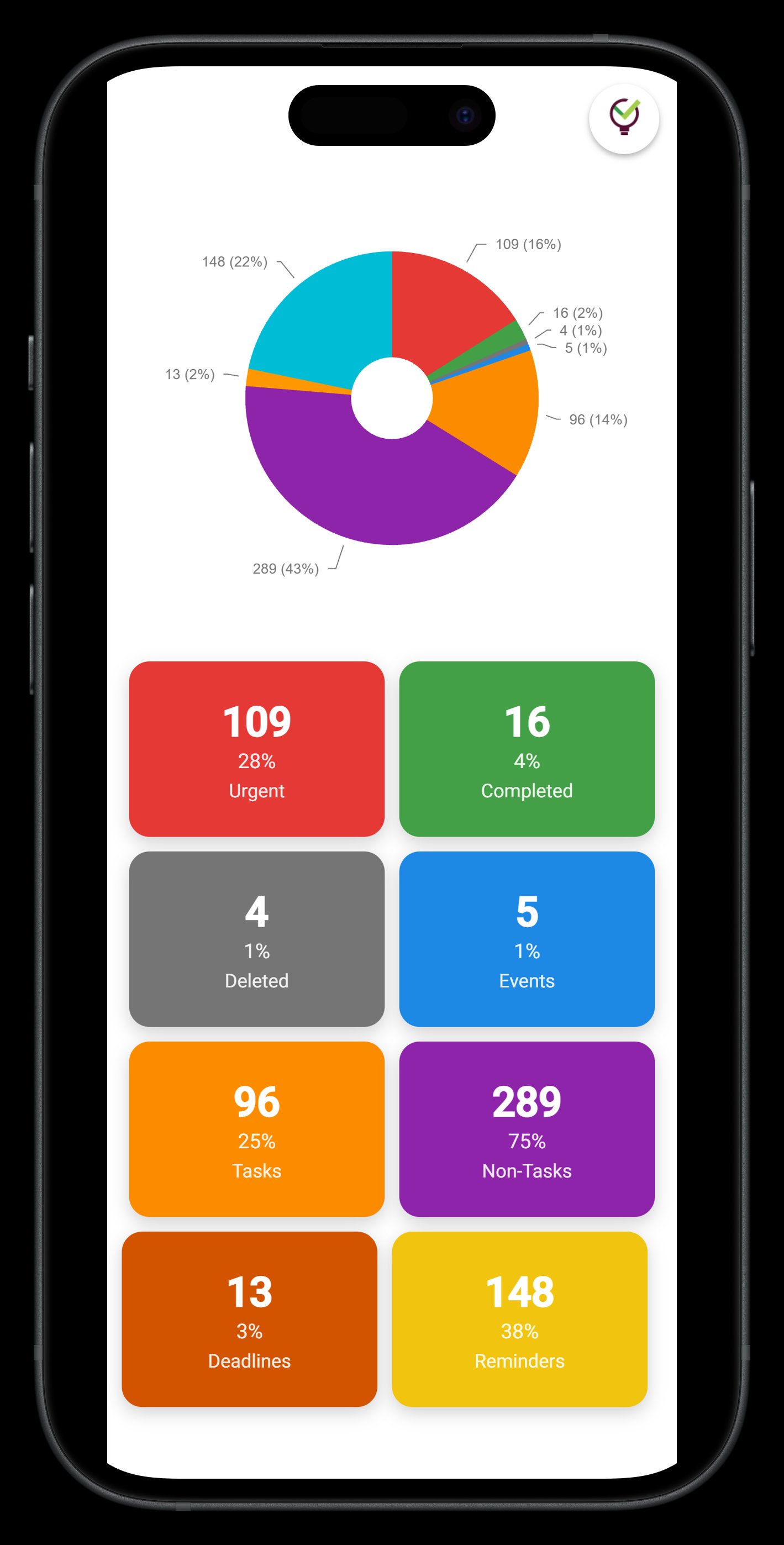
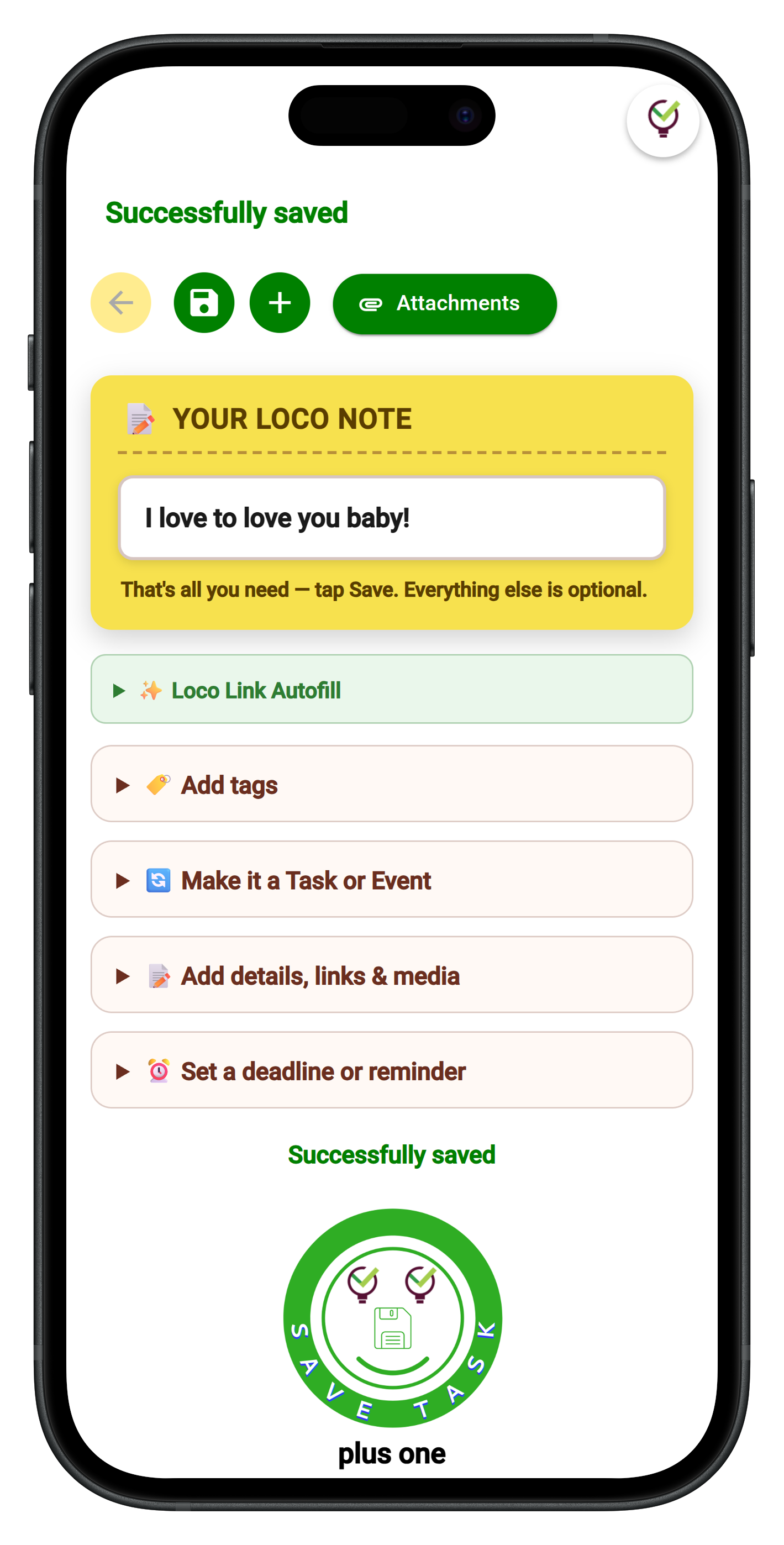
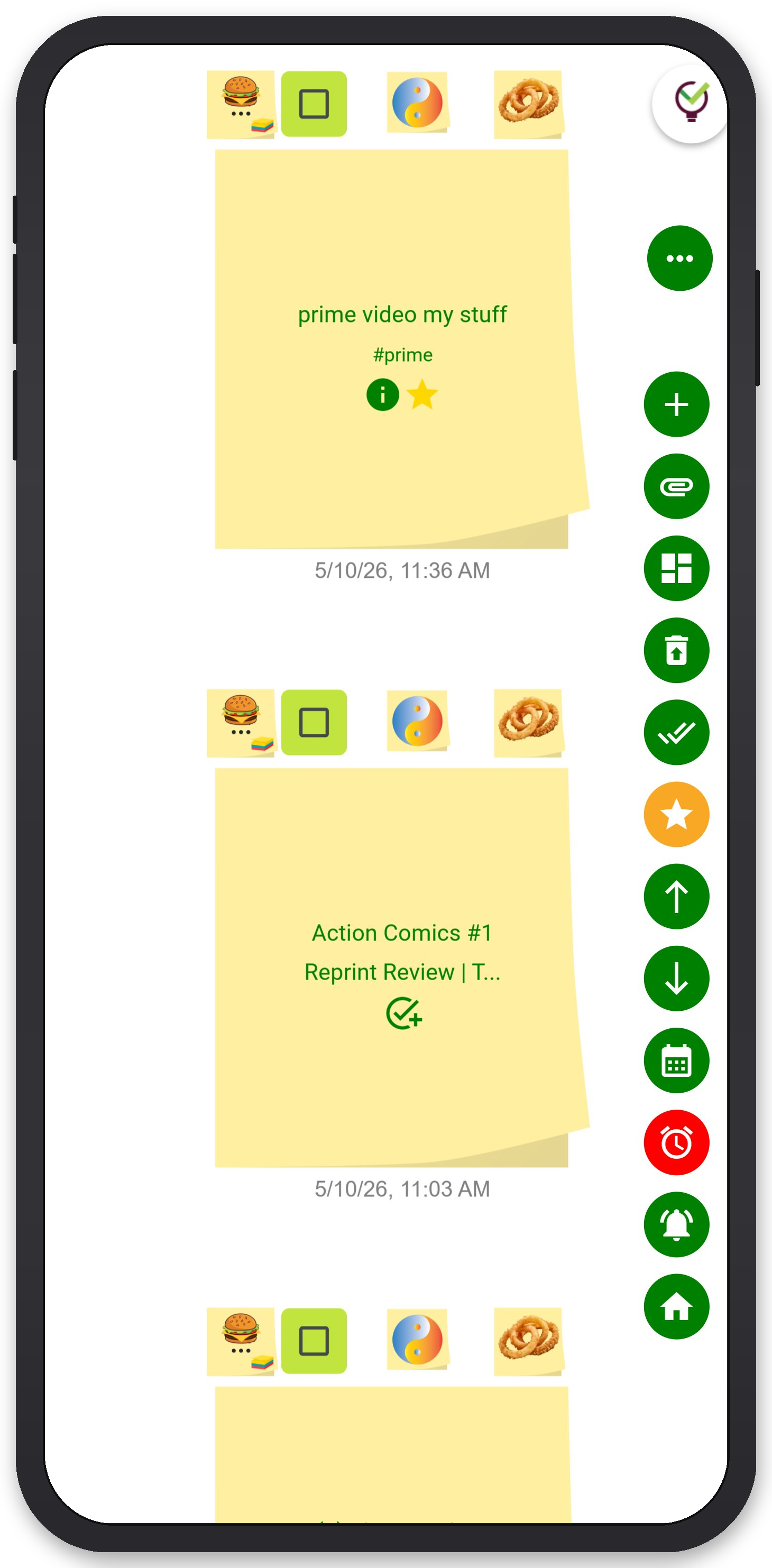
TaskLoco applies these cognitive principles through a sticky note interface that mirrors how your brain naturally organizes information. Each note occupies visual space, creating the spatial memory anchors that make information stick.
The system reduces cognitive load through clean design and color coding while maintaining the visual flexibility your brain craves. Unlike rigid list interfaces, TaskLoco lets you arrange information spatially — exactly how spatial memory works best.
With features like file attachments, reminders, and team sharing, TaskLoco proves that visual simplicity doesn't mean sacrificing functionality. It means presenting powerful tools in a way that works with your brain's natural processing patterns.
TaskLoco Premium is regularly $9.99/month per person. Right now, charter members can lock in 50% off the regular price — forever. That means $4.99/month per person today. And if our price ever goes up, you still pay half. Always.
Code CHARTER50 auto-applies at checkout. First 500 spots only — once they're gone, this offer is gone permanently. Act fast while spots last.
Every Premium subscription includes unlimited notes, 10GB file storage, reminders, calendar, and team sharing. Each team member requires a separate subscription. 7-day free trial — no charge until day 8. Cancel anytime.
Free Options: TaskLoco
TaskLoco Lite
- Native iPhone & Android app
- Completely anonymous — no sign-in
- Data stays on your device
- Up to 20 notes
- Free forever
TaskLoco Lite Plus+
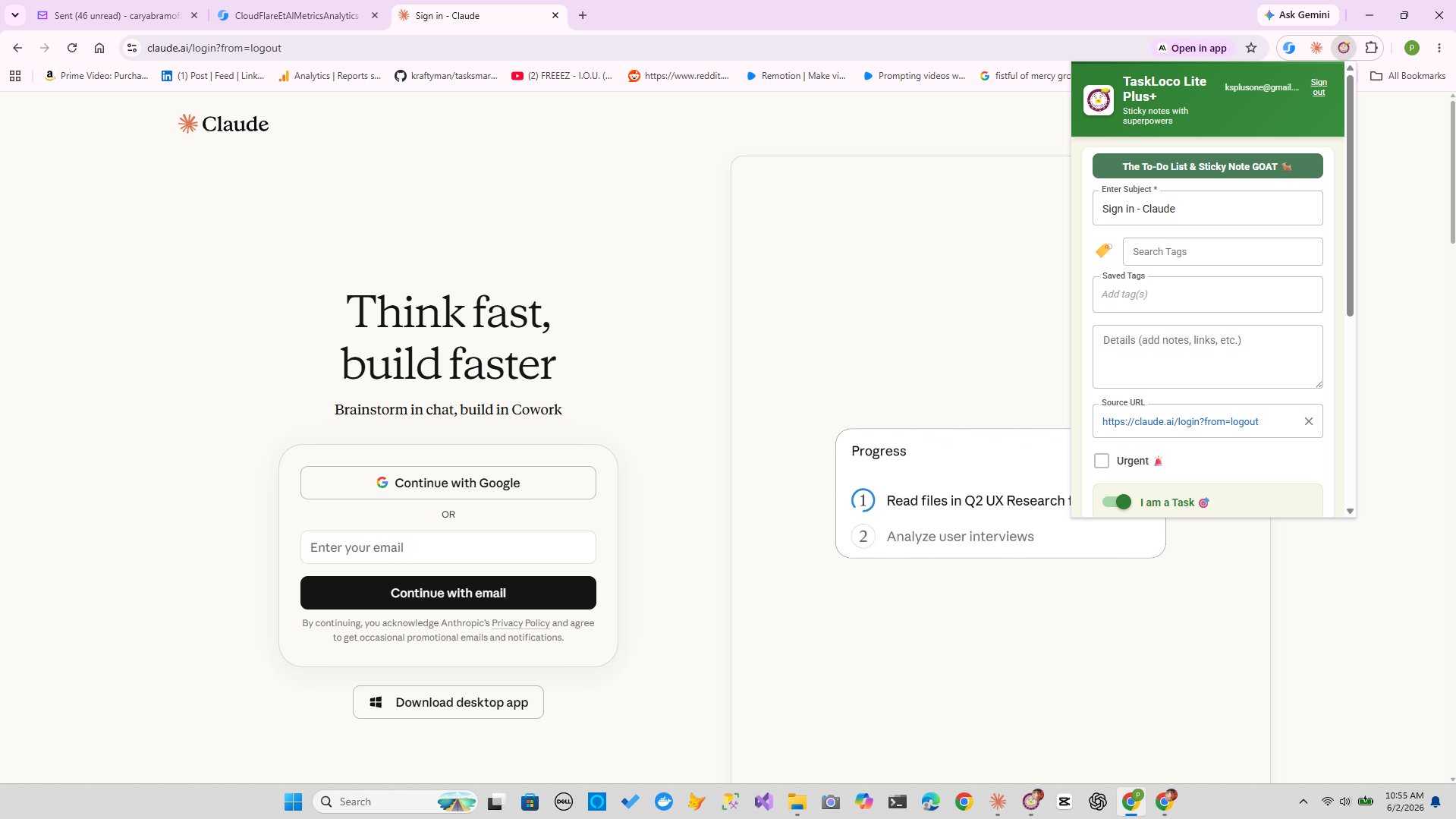
- Web app + Chrome extension
- Sign in with Google
- Wall syncs across all devices
- Up to 30 notes
- Free forever
Lock In 50% Off — Forever
7-day free trial. No charge until day 8. CHARTER50 auto-applies at checkout.
🔒 Lock In My Charter SpotSee TaskLoco in Action
Frequently Asked Questions
Why do visual systems work better than text lists?
Visual systems leverage spatial memory, which creates stronger memory associations than text alone. Your brain processes visual information 60,000 times faster than text and remembers both content and position.
What is cognitive load theory?
Cognitive load theory explains that your working memory can only handle about 7 items at once. Visual organization reduces this load by chunking information, creating clear hierarchies, and using color coding for instant categorization.
How does spatial memory affect productivity?
Spatial memory creates location-based memory cues. When you place information in specific visual positions, your brain remembers both the content and where you put it, making retrieval 65% more effective than text-only systems.
What are Gestalt principles in visual organization?
Gestalt principles describe how your brain groups visual information: proximity groups related items, similarity creates categories, and closure helps complete incomplete information. These principles make visual interfaces feel intuitive.
Why does visual consistency matter for productivity?
Visual consistency builds mental models and automatic recognition patterns. When you use the same visual language consistently, your brain develops shortcuts for processing information, making scanning and decision-making nearly unconscious.
How does TaskLoco apply visual organization science?
TaskLoco uses a sticky note interface that creates spatial memory anchors while reducing cognitive load through clean design. It lets you arrange information spatially, exactly how your brain naturally organizes and recalls information. $9.99/month per person (currently $4.99/month per person for first 500 charter members with code CHARTER50)
Can visual organization handle complex projects?
Yes, visual systems actually scale better than text lists because pattern recognition becomes more valuable as you add information. Your brain gets better at quickly parsing consistent visual languages, making complex information more manageable.
Born in Brooklyn. Powered by AWS. Your data stays yours.
TaskLoco is available on iPhone, Android, Chrome, and every web browser.