Jerry Seinfeld didn't become one of the most successful comedians in history by waiting for inspiration. He wrote jokes every single day. When a young comic asked him for advice, Seinfeld pulled out a wall calendar and explained his system: write every day, mark an X on the calendar, and then — don't break the chain. That's it. No elaborate tracking software. No quarterly OKRs. Just a chain of Xs that grows longer every day and becomes psychologically impossible to abandon.
The method has outlived Seinfeld's own use of it (he's since said he doesn't actually use it anymore) and gone on to become one of the most-cited productivity frameworks on the internet. Why? Because it works on a fundamental level of human psychology — the longer the chain, the more painful it is to break. This article explains exactly what the Seinfeld Method is, when it works, when it doesn't, and how to implement it with tools that won't get in the way of the actual work.
What the Seinfeld Method Is — and What It Isn't
The core mechanic is simple: choose one high-value activity you want to make a daily habit, commit to doing it every single day, and mark each completed day on a calendar with an X. The visual chain of Xs becomes its own motivator. You stop thinking about whether you feel like doing the work today — the only question becomes whether you're willing to break the chain.
The method works best for skills and habits that compound over time: writing, coding, practicing an instrument, exercising, reading, or any creative output where volume and consistency are the drivers of improvement. It is not a project management framework. It won't help you ship a product launch or coordinate a team across multiple workstreams. It's a personal habit engine, not a workflow tool.
Three things actually matter when choosing how to implement it:
- Visibility: The calendar or tracker needs to live somewhere you see it every day. A tracking app buried in a folder defeats the purpose.
- Friction: The system for logging completion has to be instant. If it takes more than five seconds to mark a day done, you'll stop doing it.
- Flexibility: Life happens. A good implementation lets you define what counts as a completion — and optionally lets you set a rule for your one allowed miss per month without shattering the chain entirely.
The Psychology Behind Why It Works
The Seinfeld Method is effective because it hijacks two powerful cognitive biases simultaneously: the completion effect and loss aversion. The longer your chain, the more it represents an investment — and humans are wired to protect investments from loss far more aggressively than they're motivated to gain new ones. A 47-day chain of Xs on a calendar isn't just a record; it's an asset you don't want to destroy.
It also sidesteps the perfectionism trap that kills most productivity systems. You don't need the perfect writing session or the perfect workout. You need something. Even a minimal, imperfect completion keeps the chain alive — and that low bar is exactly what gets you started on the days when motivation is zero. Most people find that once they start, they do far more than the minimum anyway.
There's a reason therapists and coaches recommend this method for building any new habit. It reframes the entire goal from outcome-based thinking — I want to write a novel — to process-based thinking — I write every day. Process-based goals are dramatically easier to sustain because the victory condition resets daily and is entirely within your control.
The one genuine weakness of the method is rigidity. If you miss a day for a genuinely unavoidable reason, some people abandon the habit entirely rather than restart the chain. The fix is to build in an explicit rule upfront: decide in advance what your one allowed miss per period looks like, so a break doesn't become a permanent stop.
How to Set Up the Seinfeld Method in TaskLoco
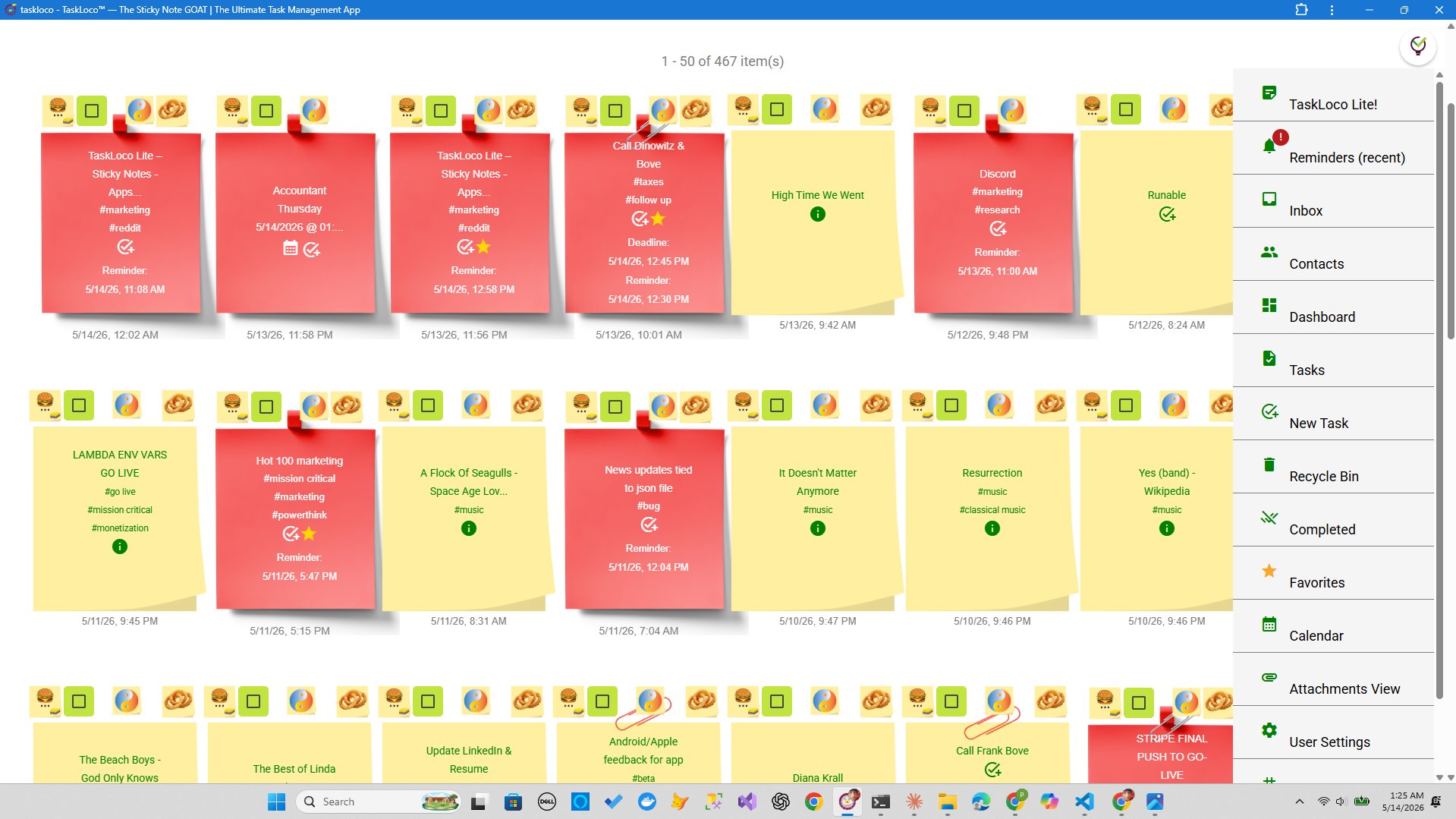
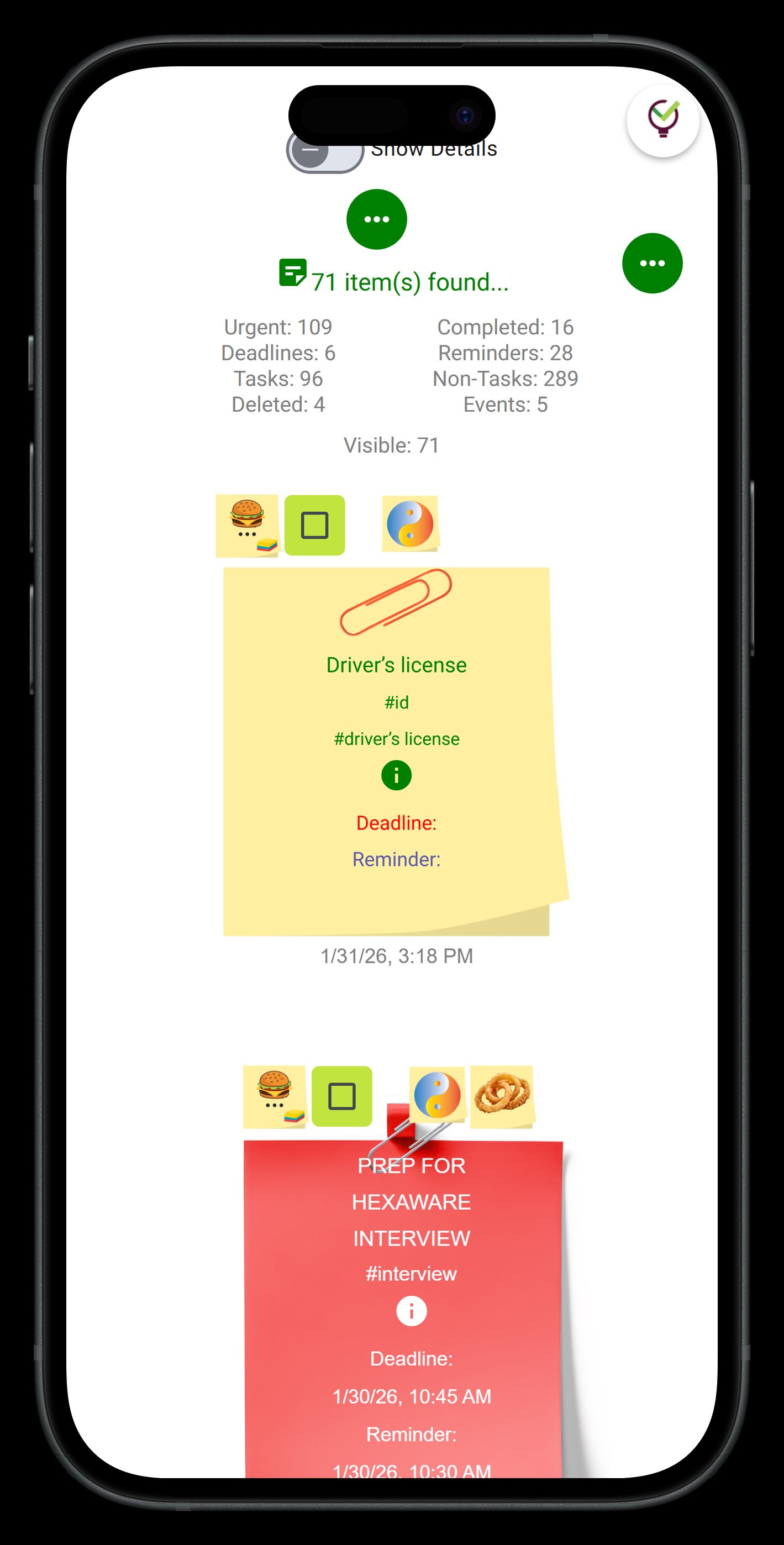
TaskLoco's sticky-note-based layout is a natural fit for the Seinfeld Method because it mirrors what made Seinfeld's original paper calendar work: your chain is always visible, always front and center, never buried in a sidebar or a collapsed menu.
Here's a practical setup that takes about three minutes:
- Create one note per habit. Give it a clear, action-oriented title: Write 200 words, 30-minute run, Practice Spanish for 15 minutes. Keep the task definition tight — vague habits are harder to complete honestly.
- Pin your habit note to the top of your wall. It should be the first thing you see when you open TaskLoco. Visibility is everything.
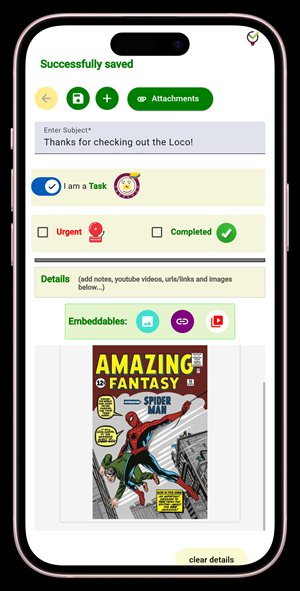
- Use the note body as your streak log. Each day you complete the habit, add a quick line — the date and a single X or checkmark. Watch the list grow. That growing list is your chain.
- Set a daily reminder. TaskLoco Premium delivers reminders as push notifications directly to your phone and computer, and each reminder deep-links straight back to the note — one tap and you're looking at your streak log, ready to add today's entry. Optional email and SMS notifications are available as well.
- Use file attachments to log evidence. Writers can paste a word count. Runners can attach a screenshot of their tracking app. Having proof makes the chain feel more real — and more worth protecting.
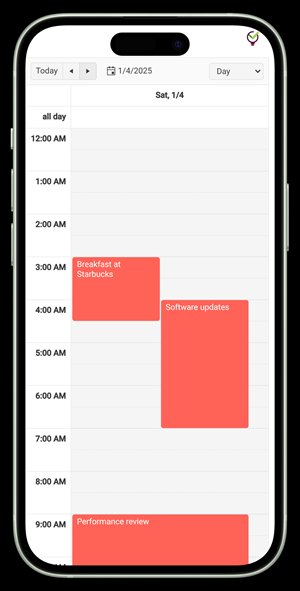
Premium also gives you the calendar view, which lets you see your completed days mapped across the month — a visual representation of your chain that's even closer to Seinfeld's original wall calendar concept.
When to Use the Seinfeld Method (and When to Try Something Else)
The Seinfeld Method is the right tool for a specific job. Use it when:
- You're building a skill that requires daily repetition — writing, coding, language learning, music, fitness
- You struggle with motivation and need an external commitment mechanism
- You want to build a habit before it becomes a goal — doing the work before worrying about outcomes
- You're working alone on a personal practice rather than coordinating with others
It's probably the wrong tool when:
- The goal is project-based with a clear end date — shipping a product, completing a course, launching a campaign. Projects need milestones, dependencies, and deadlines, not a streak counter.
- The habit is inherently variable — some creative work genuinely needs rest days, and forcing daily output can hurt quality over time for certain disciplines.
- You need team coordination. The Seinfeld Method is personal. It doesn't tell you who's doing what or what's blocking a deliverable.
The best productivity systems combine methods rather than picking one. The Seinfeld Method handles your personal non-negotiable daily practices. A task board handles everything project-based and collaborative. TaskLoco does both on the same wall — your habit notes live alongside your project tasks, your team's shared notes, and your calendar events, all in one place without context-switching between five different apps.
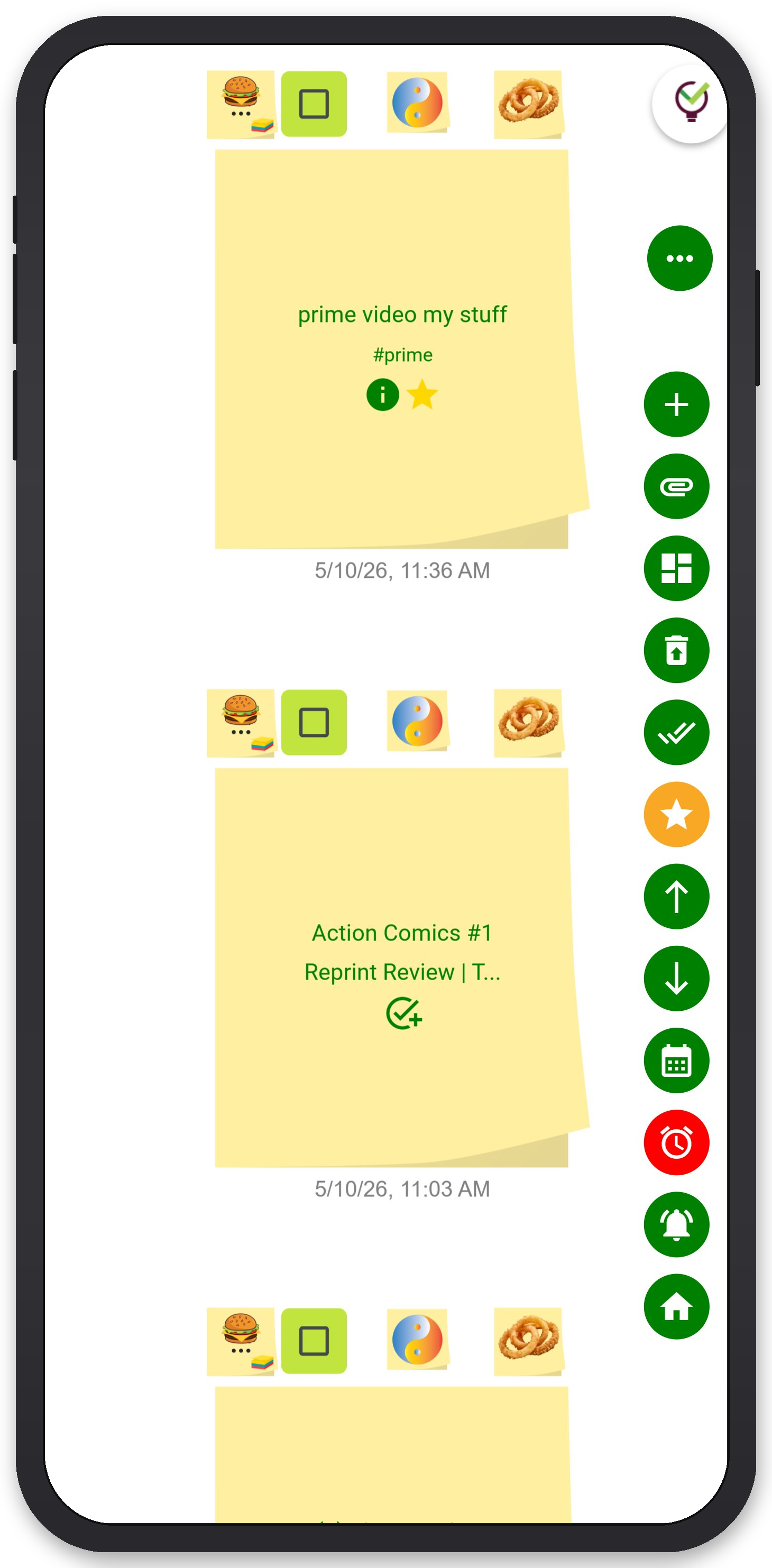
TaskLoco Premium is regularly $9.99/month per person. Right now, charter members can lock in 50% off the regular price — forever. That means $4.99/month per person today. And if our price ever goes up, you still pay half. Always.
Code CHARTER50 auto-applies at checkout. First 500 spots only — once they're gone, this offer is gone permanently. Act fast while spots last.
Every Premium subscription includes unlimited notes, 10GB file storage, reminders, calendar, and team sharing. Each team member requires a separate subscription. 7-day free trial — no charge until day 8. Cancel anytime.
Free Options: TaskLoco
TaskLoco Lite
- Native iPhone & Android app
- Completely anonymous — no sign-in
- Data stays on your device
- Up to 20 notes
- Free forever
TaskLoco Lite Plus+
- Web app + Chrome extension
- Sign in with Google
- Wall syncs across all devices
- Up to 30 notes
- Free forever
Lock In 50% Off — Forever
7-day free trial. No charge until day 8. CHARTER50 auto-applies at checkout.
🔒 Lock In My Charter SpotSee TaskLoco in Action
Frequently Asked Questions
What is the Seinfeld productivity method?
The Seinfeld Method is a habit-building system popularized by comedian Jerry Seinfeld. The rule is simple: choose one important daily activity, do it every day, mark each completed day on a calendar with an X, and never break the chain. The growing visual chain becomes a powerful motivator — the longer it gets, the harder it is to let it break.
Does the Seinfeld Method actually work?
Yes — for the right use cases. It works extremely well for building daily skills that compound over time: writing, coding, exercise, language learning, creative practice. It works because it shifts focus from outcomes to process, and because loss aversion makes you want to protect a long chain. It's less effective for project-based work or habits that benefit from scheduled rest days.
What's the best app for tracking the Seinfeld Method?
Any tool that gives you high visibility and zero friction. TaskLoco Premium works well because you can pin a habit note to the top of your wall, log each day's completion directly in the note, and receive a daily push notification reminder that deep-links you straight back to that note. You see your chain every time you open the app, and the reminder drops you right into it. $9.99/month per person (currently $4.99/month per person for first 500 charter members with code CHARTER50)
What happens if you break the chain?
You restart it. Missing one day doesn't erase the habit — it just resets the counter. The key is having a rule in place before you miss: decide upfront whether you allow one miss per month, or whether a break means you simply start a new chain from day one. What kills the method isn't missing a day — it's letting one miss become a reason to stop entirely. Build the rule in before you need it.
Can you use the Seinfeld Method for multiple habits at once?
You can, but most practitioners recommend starting with one habit and only adding a second once the first feels automatic — typically after 30 to 60 days. Running three or four chains simultaneously dilutes the psychological power of the system. In TaskLoco, you can create a separate pinned note for each habit and manage them on the same wall, keeping each chain independent.
What's the minimum daily commitment for the Seinfeld Method?
There's no universal rule — you define it. That's part of the method's power. Many practitioners set a floor so low that skipping feels inexcusable: write one sentence, do five pushups, open the textbook for five minutes. The minimum exists to eliminate the 'I don't have time' excuse. On most days you'll do far more than the minimum once you've started.
How is the Seinfeld Method different from other habit trackers?
Most habit trackers show streaks as a number or a badge. The Seinfeld Method's original power came from a physical wall calendar — a visual object you see all day, not a stat buried in an app. The difference is presence. A chain of Xs on something you look at constantly creates more psychological commitment than a number on a screen you check once. TaskLoco's always-visible sticky-note wall replicates that presence digitally.
Born in Brooklyn. Powered by AWS. Your data stays yours.
TaskLoco is available on iPhone, Android, Chrome, and every web browser.