Time boxing and time blocking sound similar, but they solve different productivity problems. Time blocking can lead to overrunning sessions when you get absorbed in work, while time boxing's rigid cutoffs sometimes feel artificial when you're in a flow state.
The truth is both methods work, but they need the right tools to succeed. You need somewhere to capture tasks quickly, set focused reminders, and see your schedule at a glance. Most productivity apps force you to choose between note-taking and calendar management — but the best approach combines both.
What Time Boxing Actually Means
Time boxing sets a fixed time limit for any task — and when time's up, you stop. Period. It's designed to combat perfectionism and Parkinson's Law (work expands to fill the time available). A 30-minute time box for email means you close your inbox at 30 minutes, even if you didn't finish everything.
The method forces you to work within constraints, which often leads to better focus and faster decisions. You can't spend an hour tweaking a presentation slide when you've allocated 45 minutes to the entire deck. Time boxing works especially well for open-ended tasks that could theoretically take forever.
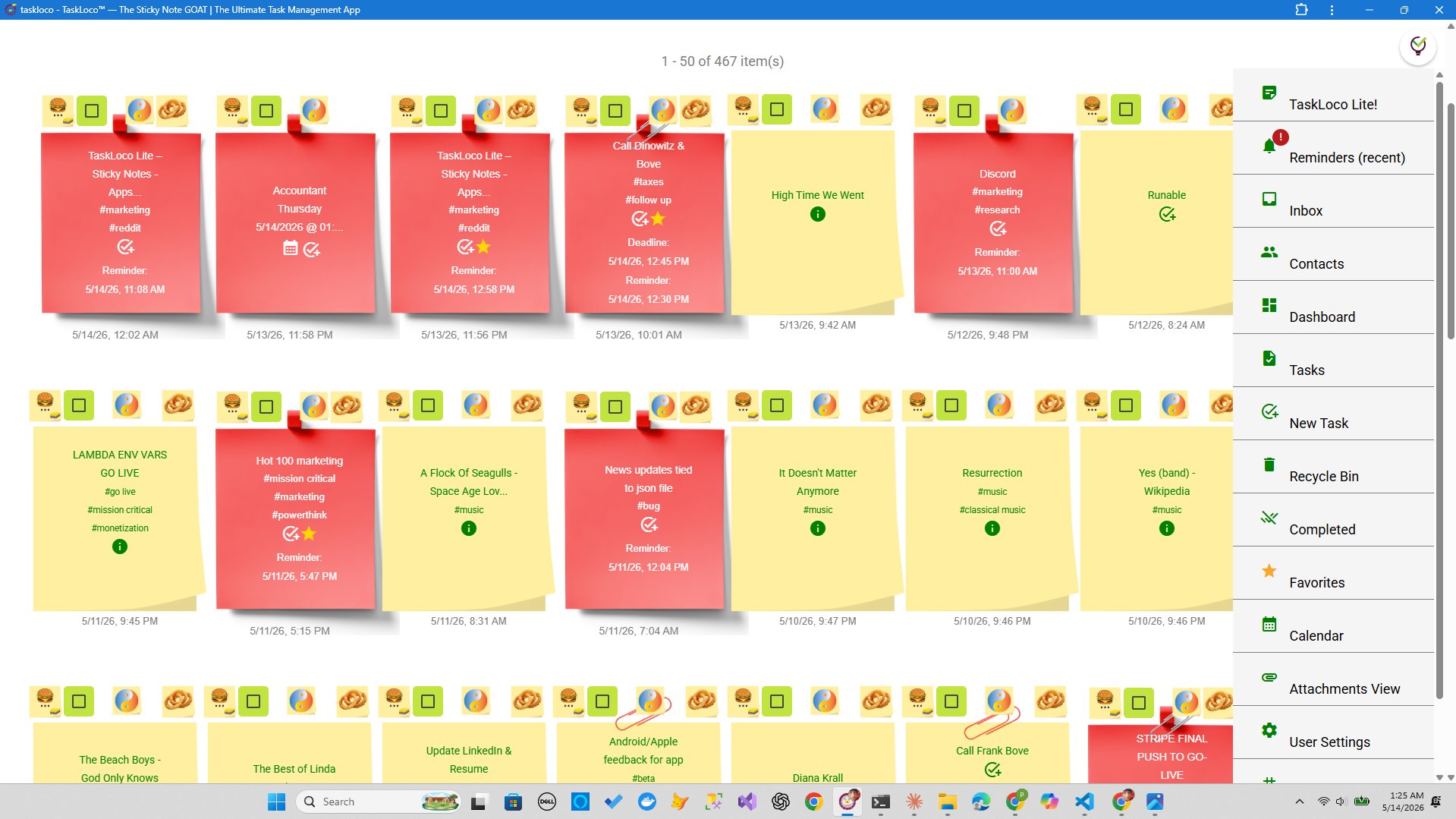
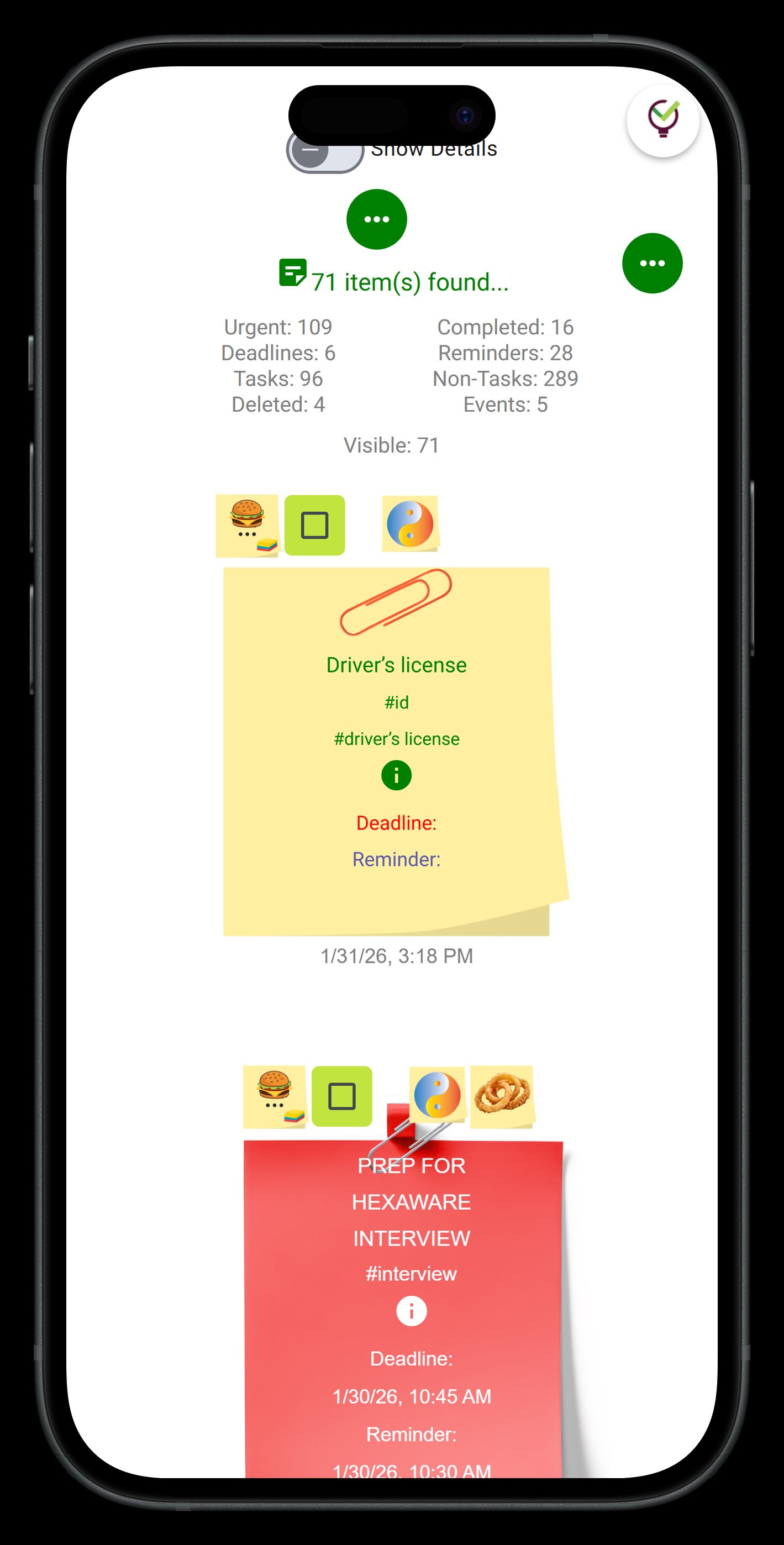
The challenge with time boxing is capturing and organizing your tasks quickly. You need a system where you can dump ideas as sticky notes, set reminder notifications, and see everything at once. Most calendar apps aren't built for rapid task capture — they're designed for formal meetings and appointments.
How Time Blocking Works Differently
Time blocking schedules specific periods for different types of work without strict cutoff times. You might block 9-11 AM for deep work, 11-12 PM for email, and 2-4 PM for meetings. Unlike time boxing, you're not racing against a timer — you're protecting focused time from interruptions.
The strength of time blocking is creating boundaries around your most important work. It prevents random requests from fragmenting your day and helps you batch similar tasks together. Many people find time blocking less stressful because there's no artificial pressure to finish within a set limit.
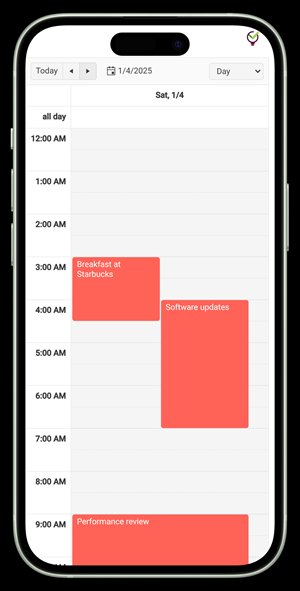
Time blocking falls apart when you don't have a unified view of your schedule and tasks. You need to see your blocked time alongside your actual work items. Traditional calendar apps show appointments but not the specific tasks you plan to tackle during each block.
Which Method Fits Your Work Style
Time boxing works best for people who struggle with perfectionism or have many small, similar tasks. If you find yourself endlessly polishing work that's already good enough, time boxing forces you to ship and move on. It's particularly effective for administrative work, email, social media, and creative tasks where you could theoretically iterate forever.
Time blocking suits people who need deep focus periods and struggle with interruptions. If your work requires sustained concentration — writing, coding, design, analysis — time blocking creates the protected space you need. It's also helpful when you have different types of work that require different mental modes.
Many productive people use both methods together: time blocking for major work sessions, time boxing for smaller tasks within those blocks. You might block 9-11 AM for writing, then time box 25 minutes for research, 45 minutes for first draft, and 20 minutes for editing.
Either method requires a system that makes task management feel effortless. You need quick note capture, push notification reminders that deep-link back to your original note, and a calendar view that shows both your schedule and your actual work items.
Setting Up Your Time Management System
Both time boxing and time blocking fail without the right foundation. You need somewhere to capture tasks instantly — not a complex project management system, just fast sticky note-style capture. When an idea hits during a meeting, you should be able to create a note in seconds, not navigate through multiple screens and dropdown menus.
Push notification reminders are crucial for both methods. Time boxing needs alerts when sessions start and end. Time blocking needs reminders when it's time to switch focus areas. These notifications should deep-link directly back to your original note, not just pop up with generic text.
A unified calendar view ties everything together. You need to see your time blocks, specific tasks, and deadlines in one place. Most productivity systems split this across separate apps — calendar for appointments, task manager for work items, note app for ideas. The constant app switching kills momentum.
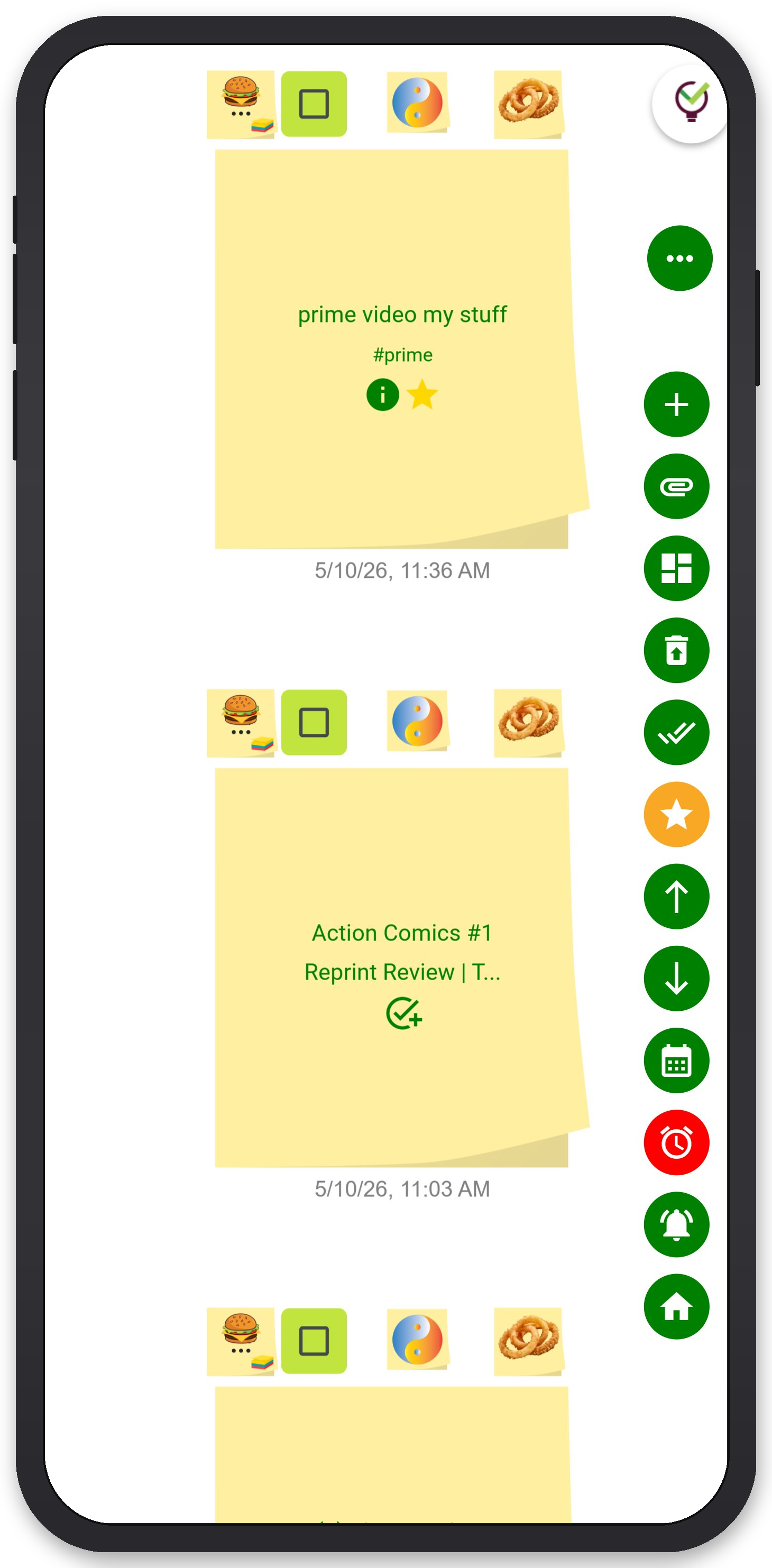
TaskLoco Premium is regularly $9.99/month per person. Right now, charter members can lock in 50% off the regular price — forever. That means $4.99/month per person today. And if our price ever goes up, you still pay half. Always.
Code CHARTER50 auto-applies at checkout. First 500 spots only — once they're gone, this offer is gone permanently. Act fast while spots last.
Every Premium subscription includes unlimited notes, 10GB file storage, reminders, calendar, and team sharing. Each team member requires a separate subscription. 7-day free trial — no charge until day 8. Cancel anytime.
Free Options: TaskLoco vs Time Blocking
TaskLoco Lite
- Native iPhone & Android app
- Completely anonymous — no sign-in
- Data stays on your device
- Up to 20 notes
- Free forever
TaskLoco Lite Plus+
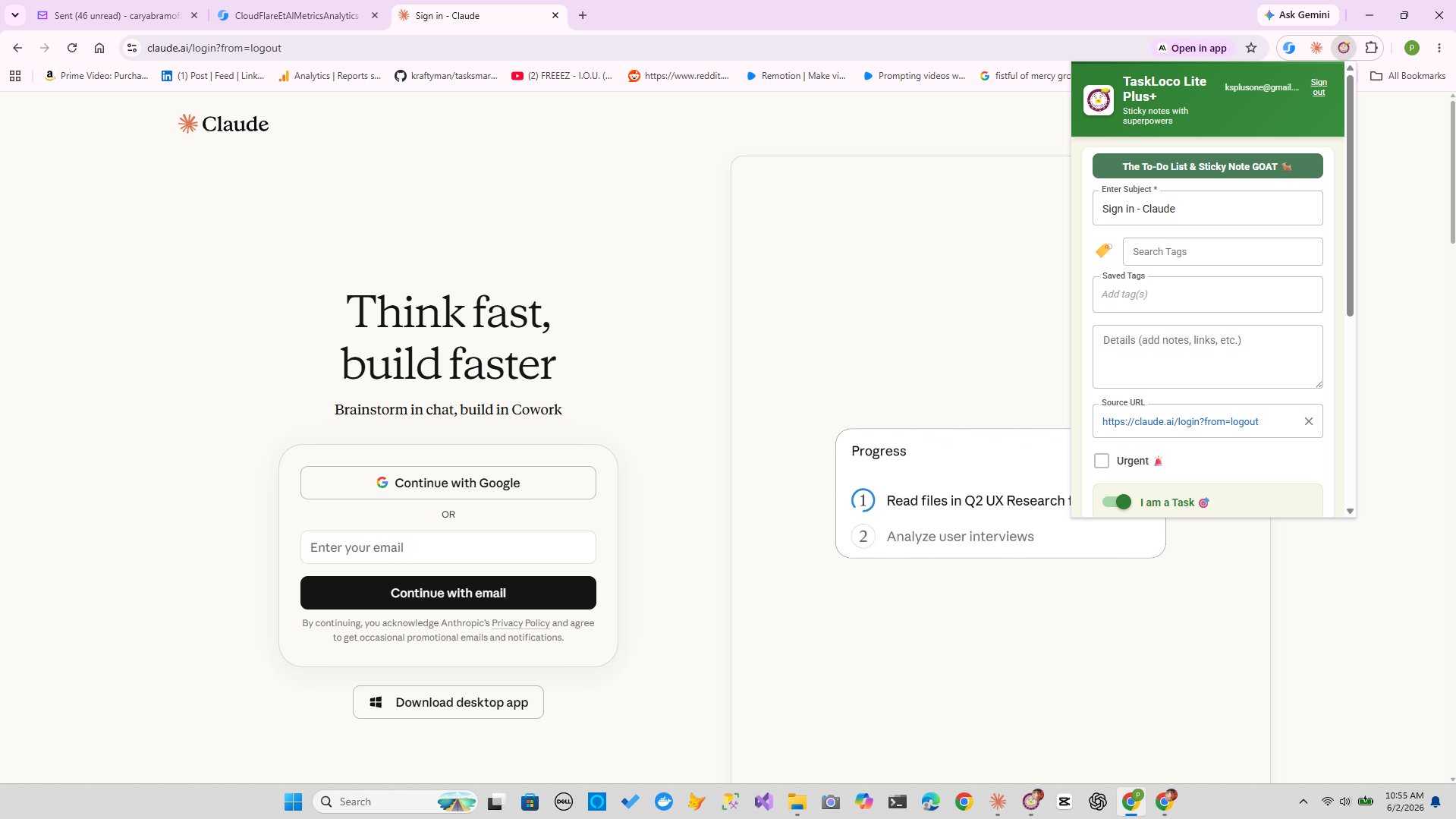
- Web app + Chrome extension
- Sign in with Google
- Wall syncs across all devices
- Up to 30 notes
- Free forever
Lock In 50% Off — Forever
7-day free trial. No charge until day 8. CHARTER50 auto-applies at checkout.
🔒 Lock In My Charter SpotSee TaskLoco in Action
Frequently Asked Questions
Can I use both time boxing and time blocking together?
Yes, many people combine both methods effectively. Time block for major focus periods (like 9-11 AM for deep work), then time box specific tasks within those blocks (25 minutes for research, 45 minutes for writing). This gives you both protected time and task-level urgency.
Which method is better for preventing procrastination?
Time boxing often works better for procrastination because it creates immediate deadlines and prevents perfectionism. The artificial time pressure forces you to start and make progress, even if the work isn't perfect.
How do I handle tasks that take longer than my time box?
When a time box expires, stop and assess. You can schedule another time box later, but resist the urge to keep working immediately. The break helps you evaluate if the task really needs more time or if you're overthinking it.
What's the best way to track time-boxed tasks?
Use a system that lets you create tasks quickly as notes, set reminder notifications for start and end times, and see everything in a calendar view. $9.99/month per person (currently $4.99/month per person for first 500 charter members with code CHARTER50)
How long should time blocks be?
Most effective time blocks are 90-120 minutes for deep work, matching natural energy cycles. Shorter blocks (30-60 minutes) work well for administrative tasks, email, and planning sessions.
Do I need special software for time boxing and time blocking?
Not necessarily, but you need quick task capture, reliable reminders, and a unified calendar view. Many people struggle because they're juggling separate apps for notes, tasks, and scheduling instead of using one integrated system.
Which method works better for creative work?
Time blocking often works better for creative work because it protects long periods of uninterrupted focus. However, time boxing can help overcome creative perfectionism by forcing you to ship work instead of endlessly refining it.
Born in Brooklyn. Powered by AWS. Your data stays yours.
TaskLoco is available on iPhone, Android, Chrome, and every web browser.